Taxonomists formally described 309 new species of freshwater fish in 2025, setting a pace of almost one revelation per day and marking the highest annual total since 2017.
A Surge in Discoveries Reshapes Aquatic Knowledge
A Surge in Discoveries Reshapes Aquatic Knowledge (Image Credits: Imgs.mongabay.com)
The third-highest tally since scientific records began in 1758 underscored the untapped biodiversity in rivers, wetlands, and hidden aquatic realms. Organizations including SHOAL, the IUCN Freshwater Fish Specialist Group, and the California Academy of Sciences compiled the findings in their annual New Species 2025 report, released on World Wildlife Day.
These species emerged from diverse habitats across five continents, many confined to narrow ranges like single streams or cave systems. Asia dominated with the largest share, while even Europe contributed a handful. Such numbers highlight how much remains unknown despite extensive exploration.
Global Breakdown of the New Finds
Researchers documented species from limestone caves to peat swamps, revealing hotspots of endemism. The distribution reflected concentrated efforts in biodiversity-rich regions.
| Continent | Species Count |
|---|---|
| Asia | 165 |
| South America | 91 |
| Africa | 30 |
| North America | 20 |
| Europe | 3 |
South American discoveries included striking tetras and catfishes from Amazonian basins, while African wetlands yielded resilient killifishes. North American specimens often came from museum collections revisited with modern techniques.
Standout Species and Their Unique Traits
Among the highlights, cave-dwelling loaches from China captured attention for their ghostly adaptations. Yang’s plateau loach, or Triplophysa yangi, featured a prominent swim bladder that evoked an “aircraft hovering in the water,” as one researcher noted. Its companion, the Sichuan mountain cave loach, thrived in perpetual darkness.
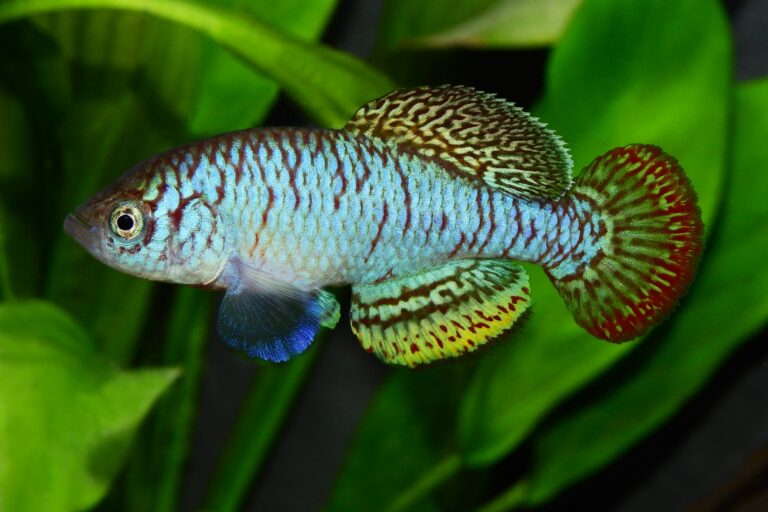
Annual killifishes from the Democratic Republic of Congo exemplified ephemeral life cycles. Four new Nothobranchius species, including the vibrant rainbow killi, hatched, matured, and reproduced in seasonal rain pools before embryos endured dry spells in mud. Meanwhile, the 60-centimeter sicklefin redhorse from the U.S. Appalachian Mountains stood as possibly North America’s largest new fish in a century, its dorsal fin earning a Cherokee name meaning “wearing a feather.”
- Black arrow tetra from Brazil: Gold-hued with bold stripes, once traded at premium prices.
- Anatolian minnow from Turkey: Restricted to three streams.
- Ancestor cory from the Amazon: Released toxins under stress.
- Nothobranchius sylvaticus from Tanzania: Already assessed as critically endangered.
From Description to Protection: A Critical Step
Formal naming proved essential amid mounting threats to freshwater ecosystems. Pollution, dams, overharvesting, invasives, and climate shifts endangered one in three assessed species. “There is a risk that many freshwater fish species will disappear without us knowing about them,” Richard van der Laan of the California Academy of Sciences warned.
Undescribed fish evaded IUCN Red List evaluations, CITES trade regulations, and habitat safeguards. “Until species are formally identified and named, they remain largely invisible from a conservation perspective,” Michael Edmondstone of SHOAL emphasized. The report aimed to bridge that gap, fostering awareness and action. Mike Baltzer, SHOAL’s executive director, added, “A species without a name exists biologically but remains invisible institutionally.”
Key Takeaways
- 309 species described, highest since 2017, from caves to rivers worldwide.
- Many endemic and vulnerable; naming enables protection efforts.
- Freshwater biodiversity demands urgent conservation amid rapid habitat loss.
This bumper year of discoveries served as both celebration and caution. Rivers and wetlands brimmed with surprises, yet time grew short to safeguard them. What steps should prioritize next for these aquatic treasures? Share your thoughts in the comments.