Kathmandu – Nepal signed a landmark agreement with the LEAF Coalition on January 23, unlocking up to $55 million in climate finance to reward efforts against deforestation across key provinces.
A Historic Milestone for Regional Climate Action
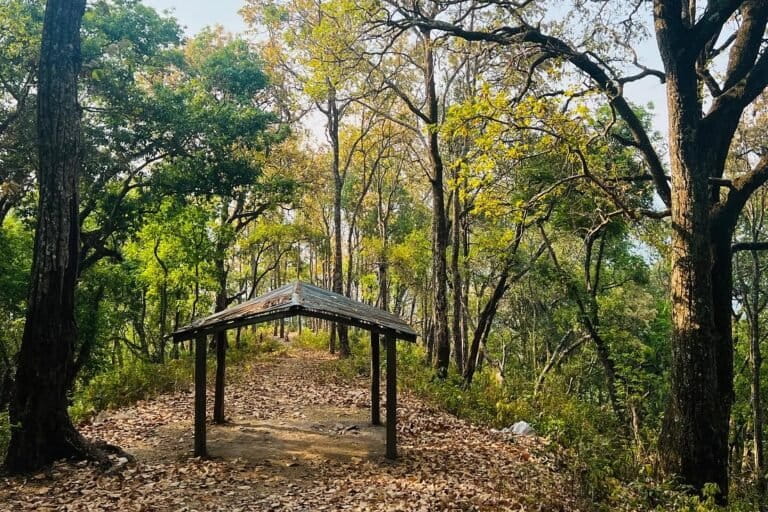
A Historic Milestone for Regional Climate Action (Image Credits: Imgs.mongabay.com)
Nepal achieved a first for Asia by entering this Emission Reductions Purchase Agreement, or ERPA, with the LEAF Coalition, a public-private partnership backed by governments including Norway, the United Kingdom, the United States, and South Korea, plus over 30 companies. The deal targets verified emission reductions from 2022 to 2026 in Gandaki, Bagmati, and Lumbini provinces through Nepal’s jurisdictional REDD+ program.
Under the agreement, Nepal commits to selling up to four million tonnes of high-integrity carbon credits, verified via the TREES standard under the Architecture for REDD+ Transactions. This move not only provides predictable funding but also introduces correspondingly adjusted credits for the first time, allowing private buyers to use them in compliance markets like Singapore’s carbon tax or CORSIA aviation scheme. Officials hailed the signing during an event in Kathmandu attended by over 100 stakeholders from government, Indigenous groups, and forest users.
Nepal’s Proven Track Record in Forest Stewardship
The country boasts forest cover exceeding 44 percent of its land area, a success story built on community-led management involving more than 22,000 user groups and over three million households. These efforts reversed past degradation from grazing and fuelwood extraction, supporting Nepal’s goals of 45 percent forest cover by 2030 and net-zero emissions by 2045.
Prior achievements include earning $9.4 million from the Forest Carbon Partnership Facility for reducing 1.9 million tonnes of CO2 in the Terai Arc Landscape. Community forestry emphasizes equity, with at least 50 percent women on committees and reserved leadership roles, fostering over 73,000 female leaders. The LEAF funds will bolster 11 key interventions, from protection to restoration.
- Enhanced forest monitoring and safeguards
- Support for Indigenous tenure rights
- Biodiversity conservation initiatives
- Livelihood improvements for local groups
- Leakage prevention measures
Empowering Forest-Dependent Communities
At least 80 percent of proceeds will flow to community forest user groups, Indigenous Peoples, local governments, and implementing entities, recognizing their frontline role in conservation. “We have worked for many years to reach this point, bringing stakeholders together,” said Govinda Sharma, secretary at Nepal’s Ministry of Forests and Environment.
This structure builds on Nepal’s inclusive REDD+ framework, updated in its 2025-2034 National Strategy. Groups like the Federation of Community Forestry Users Nepal and Nepal Federation of Indigenous Nationalities participated in consultations, optimistic about fair distribution.
Persistent Challenges in Fund Distribution
Despite the promise, experts warn that bureaucratic hurdles, administrative fees up to 30 percent, and capacity gaps could hinder access, with past programs seeing funds unspent or only 70 percent reaching beneficiaries. “The achievement truly demands a transparent process for communities to access the money,” noted Buddha Gharti Bhujel of NEFIN.
Remote communities lack technical knowledge, and coordination issues persist, echoing lessons from earlier REDD+ efforts. Ongoing consultations aim to refine safeguards, grievance mechanisms, and simplified processes to ensure equitable sharing.
This deal positions Nepal at the forefront of jurisdictional carbon markets, but its true impact hinges on delivering tangible benefits to those guarding the forests. What steps should Nepal take next to ensure communities thrive? Tell us in the comments.