Dinosaurs, those magnificent creatures that dominated our planet for over 165 million years, have captivated our imagination since their fossils were first identified. While we often picture them as fearsome predators or gentle giants, one aspect of dinosaur life remains particularly fascinating and surprisingly tender: how they raised their young.
Recent paleontological discoveries have dramatically transformed our understanding of dinosaur parenting behaviors, revealing sophisticated nesting strategies, complex familial structures, and nurturing behaviors that challenge our preconceptions.
From carefully constructed nests to possible dinosaur “daycare” arrangements, the evidence suggests that many dinosaur species were dedicated parents that invested heavily in their offspring’s survival and development. This exploration of dinosaur parenting offers a window into an intimate aspect of prehistoric life and provides surprising connections to modern bird parenting strategies.
The Evolution of Dinosaur Parenting Research

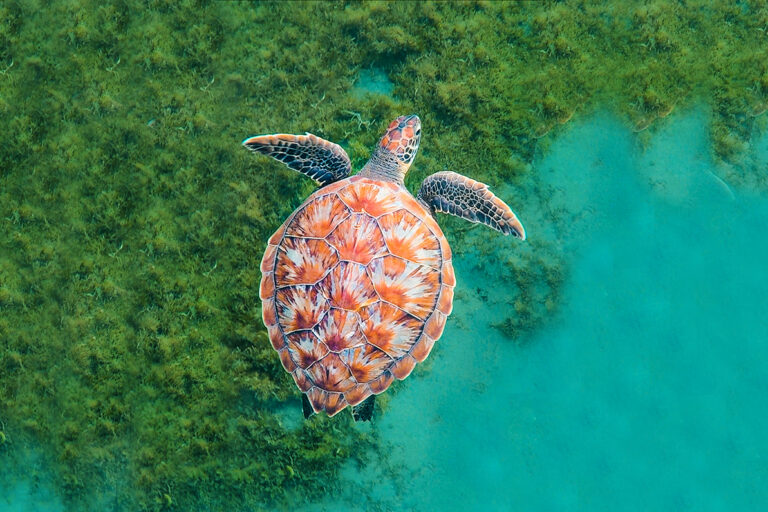
The study of dinosaur parenting behaviors has undergone a remarkable transformation over the past few decades. Early paleontologists had limited evidence to work with when considering dinosaur reproduction, often assuming these animals simply laid eggs and abandoned them—similar to modern reptiles like sea turtles.
This view began to shift dramatically in the 1970s and 1980s with groundbreaking discoveries in Montana’s Two Medicine Formation by paleontologist Jack Horner, who uncovered Maiasaura nesting grounds with evidence of parental care. Subsequent discoveries in Mongolia’s Gobi Desert, Argentina’s Patagonia region, and China’s fossil beds have provided extraordinary glimpses into dinosaur family life.
Today, researchers employ advanced technologies such as CT scanning, chemical analysis of fossils, and comparative studies with modern birds (living dinosaur descendants) to reconstruct these ancient parenting behaviors. This evolution in research methodology has allowed scientists to paint an increasingly detailed picture of dinosaur reproductive strategies.
Nest Construction Techniques
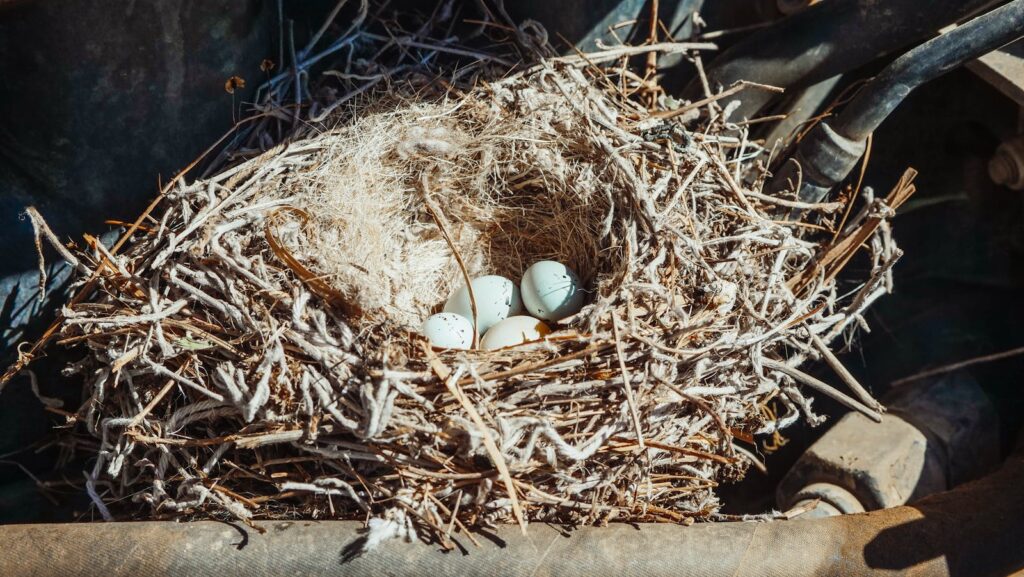
Dinosaurs exhibited remarkable diversity in their approach to nest building, reflecting adaptations to different environments and parenting strategies. Some species, like the duck-billed hadrosaurs, created shallow depressions lined with vegetation that served both as insulation and as a source of heat through decomposition. Theropod dinosaurs, including the ancestors of modern birds, often constructed more carefully designed nests with raised rims to prevent eggs from rolling away.
Perhaps most impressive were the large-scale nesting colonies discovered in Argentina, where hundreds of sauropod nests were arranged in distinct patterns, suggesting these enormous dinosaurs returned to the same nesting grounds year after year. In Romania, researchers discovered titanosaur nests containing carefully arranged clutches of eggs positioned in circular patterns, demonstrating sophisticated nest architecture. The physical construction of these nests often reflects the level of parental investment, with more elaborate nests generally correlating with more extensive post-hatching care.
Egg-Laying Strategies and Clutch Sizes

The reproductive output of dinosaurs varied dramatically across different species, reflecting diverse life history strategies. Small theropods like Troodon typically laid around a dozen elongated eggs in each clutch, arranging them in a circular pattern with the pointed ends facing inward—a configuration strikingly similar to modern bird nests.
In contrast, giant sauropods like Titanosaurus laid numerous smaller eggs, sometimes more than 30 per clutch, in shallow depressions excavated in sandy soil. Fossil evidence suggests many dinosaur species practiced what scientists call “iterative laying,” depositing eggs over several days rather than all at once.
Perhaps most fascinating is the relationship between egg size and adult body size—as dinosaurs evolved larger body sizes, their eggs did not proportionally increase, creating evolutionary constraints that may have influenced parenting behaviors. These varied approaches to egg-laying reflect different balances between quantity and quality in reproductive strategies, with some species emphasizing numerous offspring with less individual investment and others producing fewer, more developed hatchlings.
The Science Behind Dinosaur Eggs

Dinosaur eggs represent marvels of natural engineering, with structures carefully adapted to the needs of developing embryos. Recent microstructural analysis has revealed that dinosaur eggshells featured complex layers of calcite crystals arranged in patterns that provided both strength and controlled gas exchange.
The porosity of these shells was finely calibrated—porous enough to allow oxygen to reach the embryo but structured to prevent excessive water loss in varied environments. Different dinosaur groups evolved distinctive egg shapes, from the nearly spherical eggs of sauropods to the elongated, asymmetrical eggs of advanced theropods that presage modern bird eggs.
Perhaps most remarkably, some fossil eggs have preserved pigmentation patterns, suggesting certain dinosaur species may have laid camouflaged eggs, implying they were laid in open or partially covered nests rather than buried. Chemical analysis of fossilized egg contents has even revealed traces of embryonic dinosaur DNA and proteins, though highly fragmented, providing tantalizing glimpses into dinosaur development before hatching.
Incubation Methods: Heat Sources and Parental Involvement

Dinosaurs employed various sophisticated strategies to maintain optimal incubation temperatures for their developing eggs. Many species, particularly those in the theropod lineage leading to birds, appear to have engaged in direct contact incubation, with adults sitting atop their eggs to transfer body heat—a behavior clearly evidenced by fossils showing adults preserved directly atop egg clutches.
Other dinosaurs, particularly larger species whose weight would crush eggs, likely used environmental heat sources. The hadrosaur Maiasaura, for instance, is thought to have built vegetation-filled nests where decomposition generated heat, similar to modern crocodilian nesting strategies. Some dinosaur species may have exploited geothermal heat in volcanically active regions, as suggested by nests found in proximity to ancient hydrothermal sites.
Remarkably, studies of egg position within nests indicate some dinosaurs may have regularly turned their eggs, a behavior critical for proper embryonic development that is observed in modern birds. These varied incubation strategies reflect the evolutionary experimentation with parental care that eventually led to the highly dedicated parenting seen in modern avian dinosaurs.
Evidence of Parental Care in the Fossil Record
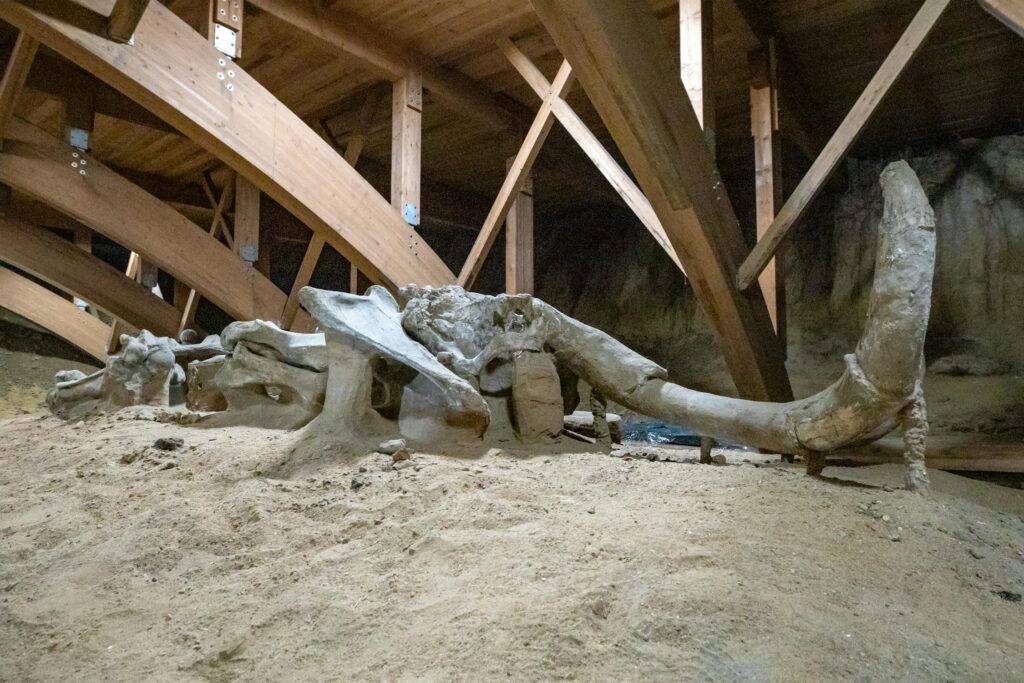
The fossil record has yielded extraordinary direct evidence of dinosaur parental care, dramatically changing our perception of these ancient reptiles. Perhaps most compelling are specimens where adults were fossilized in brooding positions directly atop nests, such as the small theropod Oviraptor, initially misinterpreted as an egg thief but later recognized as a devoted parent. Trackway fossils occasionally show adult footprints alongside multiple sets of juvenile prints, suggesting parents leading groups of young.
In Montana’s Two Medicine Formation, excavations revealed Maiasaura nests containing hatchlings with underdeveloped leg bones but well-developed arm and shoulder features, suggesting these babies remained in the nest while adults brought food to them. The discovery of adult Psittacosaurus fossils surrounded by juveniles all of similar age suggests long-term family groups or possible “daycare” arrangements.
Perhaps most poignant are rare fossils showing apparent parental protection behaviors, such as a specimen of the small dinosaur Mei long, which appears to have died while sleeping in a bird-like posture, possibly sheltering young beneath its wing-like arms during some ancient disaster.
Growth Rates and Developmental Stages

The growth patterns of young dinosaurs provide crucial insights into parental investment and care strategies across different species. By examining bone microstructure through histological cross-sections, paleontologists have determined that many dinosaur species experienced rapid initial growth rates that far exceeded those of modern reptiles.
For instance, the famous Tyrannosaurus rex reached its enormous adult size of several tons in less than 20 years, indicating a metabolism more similar to birds than to crocodiles. Different dinosaur lineages show distinct growth trajectories—sauropods maintained rapid growth throughout development, while some ornithischians like Maiasaura show evidence of growth spurts followed by plateaus.
Particularly telling are studies of bone tissues in nestbound juveniles, which often show well-developed fibrolamellar bone typical of active, fast-growing animals requiring substantial parental provisioning. The distinctive “age classes” observed in some dinosaur species, where individuals cluster around specific size categories rather than showing continuous size distribution, suggest synchronized breeding seasons and cohort-based development that would facilitate group care arrangements among related individuals.
Social Structures: Family Groups and Herding Behaviors
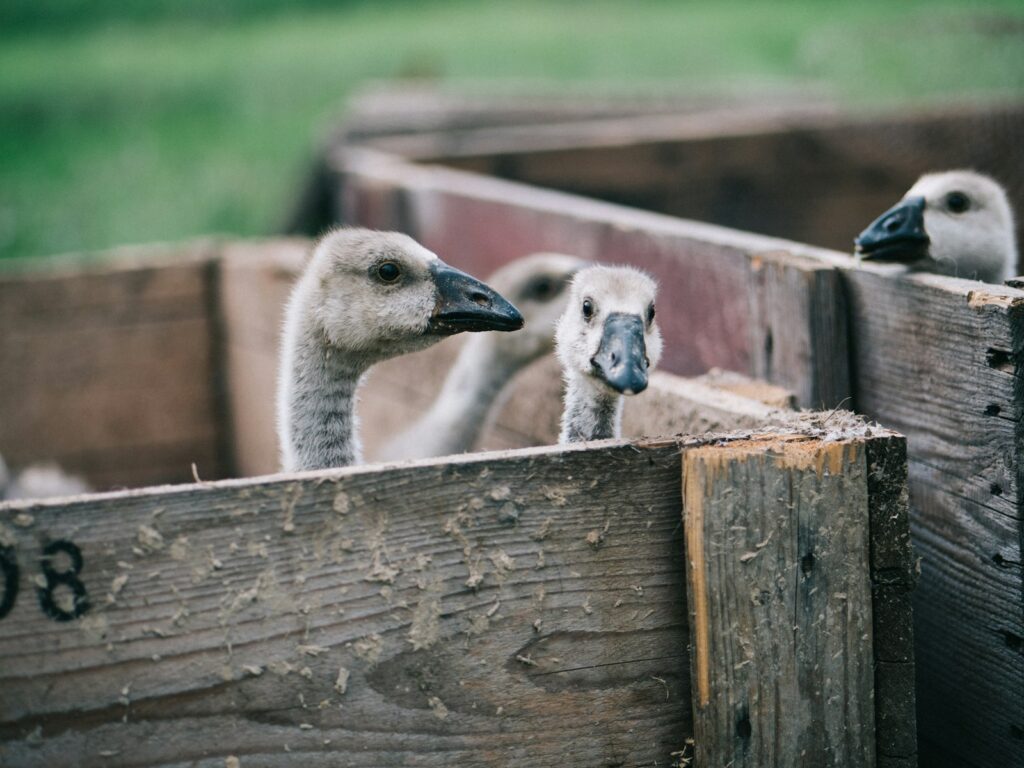
Fossil evidence increasingly suggests that many dinosaur species maintained complex social structures centered around family units and extended kin groups. Perhaps most compelling are the numerous examples of monospecific bonebeds containing multiple individuals of various growth stages, such as the famous Centrosaurus assemblages in Alberta, Canada, which represent catastrophic deaths of herds containing adults and juveniles. The remarkable trackway discoveries showing parallel paths of adults and juveniles traveling together provide “snapshots” of family groups in motion across ancient landscapes.
In some species like the duck-billed Maiasaura, evidence suggests juveniles remained in or near the nesting colony until reaching about half their adult size, indicating extended parental or group care. The arrangement of nests in dense colonies, observed in various species from Argentina to Montana, implies coordinated breeding and potential cooperative defense against predators.
Particularly intriguing are discoveries of adult Psittacosaurus specimens surrounded by multiple juveniles of similar development stages but not necessarily direct offspring, hinting at possible “daycare” arrangements where adults watched over young from multiple families—a behavior observed in some modern birds like ostriches.
Dinosaur “Daycare” – Communal Nesting and Creching
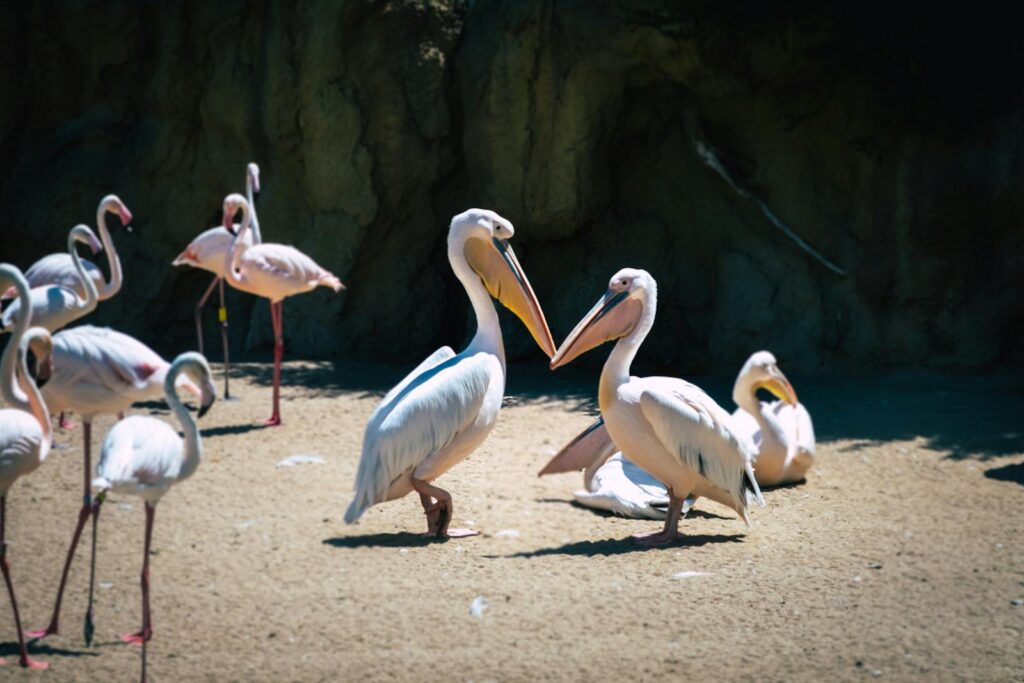
Emerging evidence suggests that some dinosaur species practiced sophisticated communal child-rearing strategies similar to those observed in modern birds. The most compelling examples come from dense nesting colonies where hundreds of individual nests are arranged in patterns suggesting coordinated breeding efforts. In Argentina’s Patagonia region, paleontologists have discovered sauropod nesting grounds where nests are spaced at regular intervals—just far enough for adults to move between them but close enough to create a defensive perimeter.
Specimens of the small ceratopsian Psittacosaurus have been discovered with multiple juveniles of similar age, suggesting adults may have watched over young from several families in a behavior similar to the “creching” seen in modern penguins and ostriches. At Montana’s “Egg Mountain” site, clusters of Troodon nests indicate communal nesting areas that may have allowed for shared incubation duties or protection.
These social arrangements would have provided significant survival advantages, allowing parents to forage while ensuring their offspring remained protected, and creating opportunities for young dinosaurs to learn essential behaviors from multiple adult models. These sophisticated social arrangements may represent the evolutionary precursors to the complex parenting behaviors observed in modern birds.
Feeding the Young: Diet and Provisioning
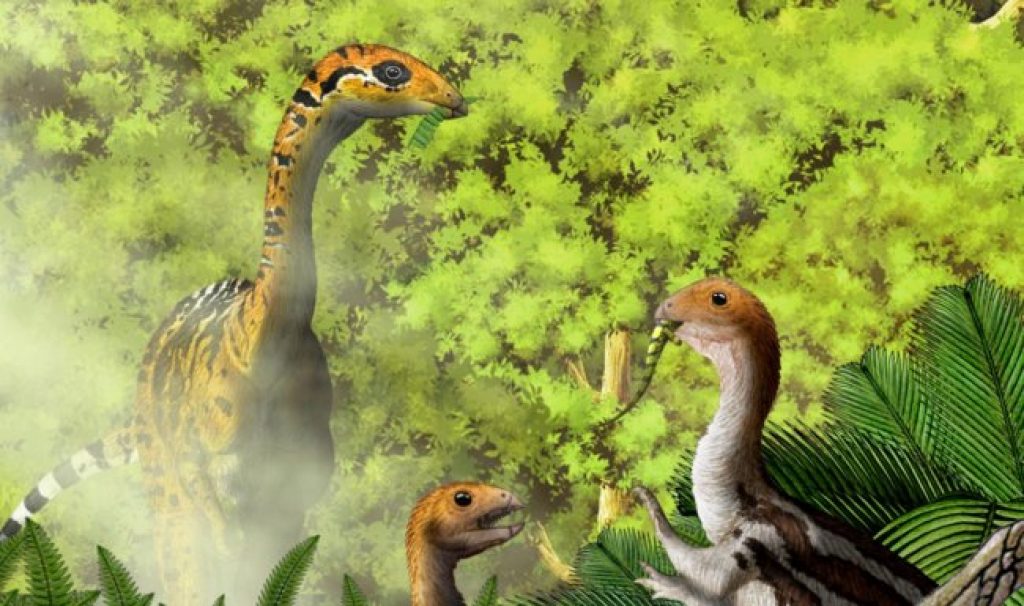
The methods by which dinosaur parents provisioned their young varied dramatically across different lineages, reflecting diverse ecological niches and parenting strategies. For herbivorous dinosaurs like hadrosaurs, evidence suggests adults may have pre-processed tougher plant materials for their young—either through partial digestion or mechanical breakdown—as the underdeveloped dental batteries of juveniles would have been inadequate for processing fibrous vegetation. Small theropods likely provided their hatchlings with regurgitated food items, similar to modern birds, as suggested by the discovery of small bones and other prey remains near juvenile specimens.
Particularly telling are the wear patterns on juvenile teeth, which sometimes differ significantly from adult dentition, indicating different diets during developmental stages. The rapid growth rates observed in many dinosaur species would have required substantial nutrient intake, suggesting dedicated parental provisioning rather than independent foraging by juveniles.
In some exceptional fossils, the preserved stomach contents of juvenile specimens contain food items too large for them to have captured independently, providing direct evidence of parental feeding. These varied provisioning strategies demonstrate the significant parental investment many dinosaur species made in raising their young to independence.
Predation Pressures and Protection Strategies

Young dinosaurs faced numerous threats in their prehistoric environments, driving the evolution of sophisticated protection strategies among parent dinosaurs. Fossil evidence frequently shows predatory dinosaurs like Velociraptor targeting nesting areas, as evidenced by tooth marks on juvenile bones and eggs. In response, many dinosaur species developed colonial nesting behaviors, creating safety-in-numbers situations where multiple adults could detect and deter potential threats.
The massive sauropod Saltasaurus appears to have nested in dense colonies, with adults potentially forming defensive perimeters around the communal nesting area. Trackway evidence occasionally shows adults positioned between juveniles and potential danger sources, suggesting active protective behaviors. Some dinosaur species, particularly armored varieties like ankylosaurs, likely provided direct physical protection to their young, allowing juveniles to shelter beneath the formidable defenses of adults when threats appeared.
Perhaps most sophisticated were the Warning strategies observed in hadrosaur nesting grounds, where structural features suggest some adults served as sentinels positioned at colony perimeters, prepared to alert the group to approaching predators. These varied protection strategies reveal the significant evolutionary pressure predation placed on dinosaur parenting behaviors.
The Bird Connection: Modern Parallels to Dinosaur Parenting
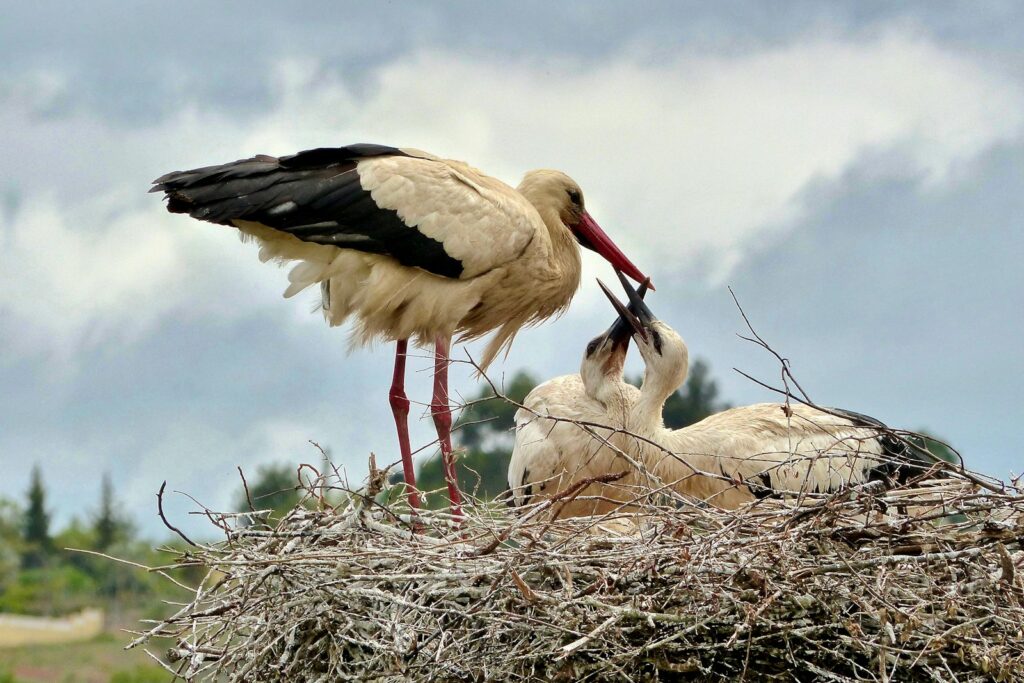
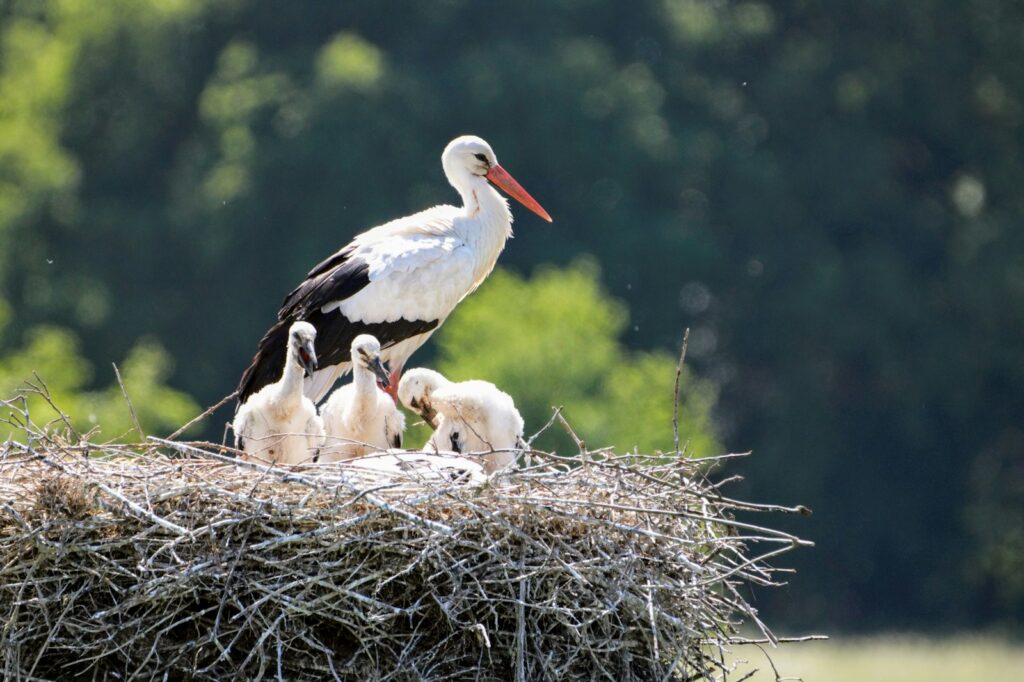
The intimate evolutionary relationship between dinosaurs and birds provides a valuable lens through which to understand prehistoric parenting behaviors. Modern birds, as direct descendants of theropod dinosaurs, preserve many parenting behaviors that likely originated in their dinosaur ancestors. The brooding posture of a chicken sitting atop its eggs mirrors the position in which numerous oviraptorid dinosaurs have been discovered fossilized, suggesting continuous evolutionary inheritance of this behavior across more than 100 million years.
The diverse nest construction techniques seen in modern birds—from simple scrapes to elaborate woven structures—likely evolved from the varied nesting strategies observed in dinosaur fossils. Particularly illuminating is the full spectrum of parental care observed in living birds, from precocial species whose chicks are relatively independent at hatching to altricial species requiring extensive parental care—mirroring the range of development strategies inferred from dinosaur fossils.
Modern communal nesting birds, like flamingos or penguins, provide models for understanding the dinosaur “daycare” arrangements suggested by fossil assemblages. These parallels between avian and dinosaur parenting highlight the evolutionary continuity between these groups and allow paleontologists to fill gaps in the fossil record with reasonable behavioral inferences based on their living descendants.
Challenging Cases and Ongoing Questions
Despite significant advances in understanding dinosaur parenting, several puzzling cases continue to challenge paleontologists. Perhaps most perplexing are the enormous sauropods, whose massive adult size seems incompatible with direct parental care of tiny hatchlings. While evidence suggests they created nesting colonies, the mechanics of how these 40-ton giants could provide care without crushing their offspring remains speculative. Similarly challenging are cases of seemingly abandoned nests, particularly among some ornithopod species, which might indicate a spectrum of parental investment across different dinosaur lineages.
The discovery of apparently unrelated juveniles grouped together raises questions about whether some species practiced adoption or had more fluid family structures than previously believed. Determining the extent of parental care in many species remains difficult, as the fossil record provides only snapshots of behavior rather than continuous observation.
Particularly intriguing is the question of when and how many times extensive parental care evolved within different dinosaur lineages, and whether sophisticated parenting was ancestral to all dinosaurs or evolved independently multiple times. These outstanding questions continue to drive new research approaches, including comparative studies with crocodilians and birds, the living branches of the dinosaur family tree.
Future Directions in Dinosaur Parenting Research

The study of dinosaur parenting behaviors stands at an exciting frontier, with several promising avenues for future discovery. Emerging technologies are particularly transformative, with high-resolution CT scanning now allowing researchers to examine embryonic dinosaurs still within their eggs, revealing developmental stages and growth patterns previously inaccessible. Chemical analysis techniques are increasingly detecting trace elements and hormones preserved in fossil eggshells, potentially revealing incubation temperatures and stress levels experienced during development.
Paleontologists are expanding their geographic focus to previously under-studied regions in Africa, Antarctica, and Southeast Asia, where distinct dinosaur communities may reveal novel parenting adaptations to different environments. Interdisciplinary approaches combining paleontology with developmental biology, ecology, and ornithology are providing new theoretical frameworks for interpreting fossil evidence.
Perhaps most promising is the application of evolutionary developmental biology principles to understanding how parental care behaviors evolved across the dinosaur-bird transition. As new specimens continue to emerge from field expeditions worldwide, our understanding of dinosaur parenting will undoubtedly continue to evolve, filling in crucial details of how these remarkable animals ensured their evolutionary success through the dedicated care of their young.
Conclusion
The fossil record has transformed our understanding of dinosaur parenting from simplistic assumptions to recognition of sophisticated, diverse care strategies. The emerging picture of dinosaur parenting reveals a world far more complex and caring than previously imagined. Through careful nesting, potential communal caregiving, and behaviors strikingly similar to those of modern birds, many dinosaurs demonstrated a profound commitment to nurturing their young. These insights not only reshape our understanding of dinosaur behavior but also deepen our appreciation for the evolutionary roots of parental care that continue to echo through the animal kingdom today.