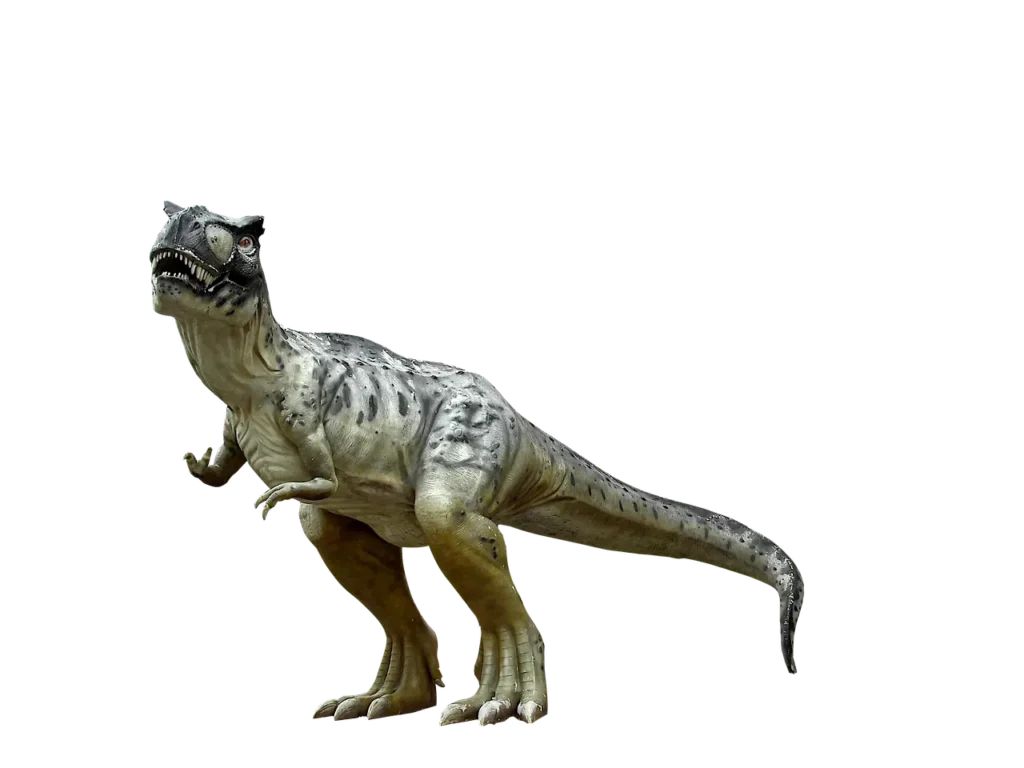
For decades, the image of dinosaurs was simple, almost cartoonish: lumbering, cold-blooded monsters driven by little more than instinct and hunger. Slow-witted giants, we thought. Solitary brutes with tiny brains and even tinier social lives. Honestly, it’s hard to blame anyone for thinking that way – it was the image reinforced by textbooks and Hollywood alike.
But the science has moved on, dramatically. What researchers are uncovering now – from the badlands of Patagonia to the windswept cliffs of Alberta – is something far more astonishing. The dinosaurs that once walked this Earth were behaviorally complex in ways that would have seemed laughable to paleontologists just a few generations ago. Let’s dive in.
The Settled Science That Wasn’t So Settled
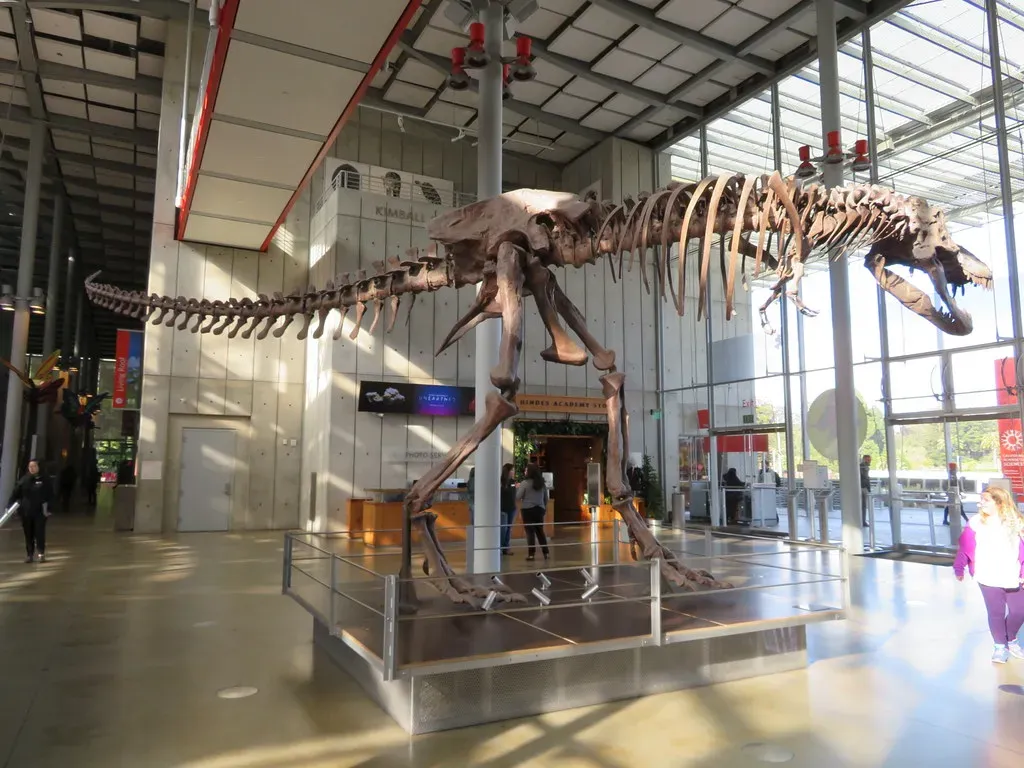
Dinosaurs may be long extinct, but recent years have made it abundantly clear that they’re anything but settled science. New fossils, reanalyses of famous specimens, and the use of increasingly sophisticated tools have continued to upend what we thought we knew about how these animals lived, moved, fed, and evolved. That’s not a small thing. That’s the entire foundation of a field being rocked.
Some discoveries have filled in long-missing gaps in the fossil record, while others forced researchers to confront the uncomfortable reality that a few long-held assumptions were simply wrong. From reinterpretations of iconic predators to ancient trackways that capture fleeting moments of Jurassic life, research has shown how much information is still locked inside bones, teeth, and footprints that have been studied for decades. Think about that. Fossils that have sat in museums for over a century are still giving up secrets.
Nanotyrannus: The Tyrant We Never Knew Existed
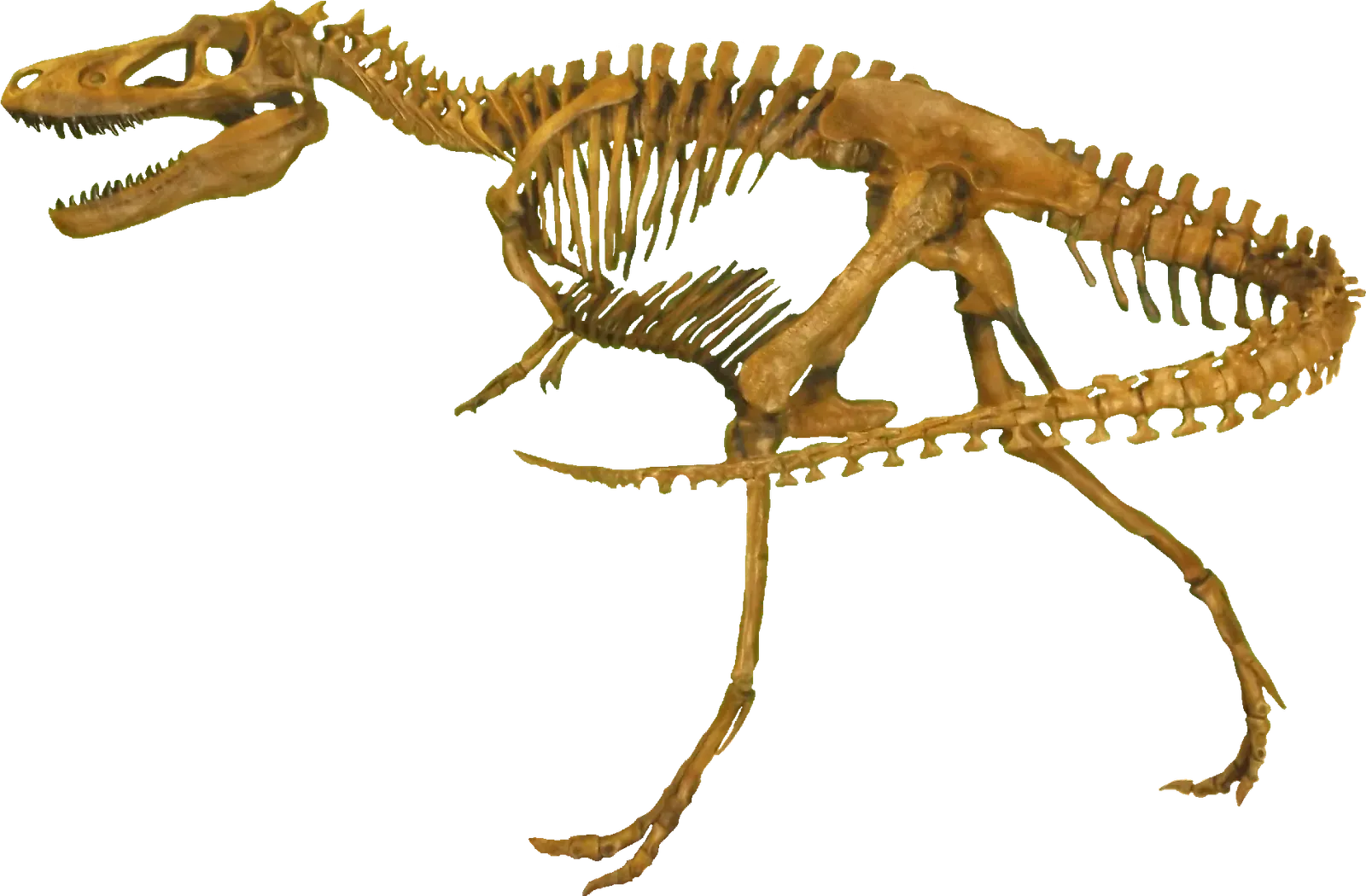
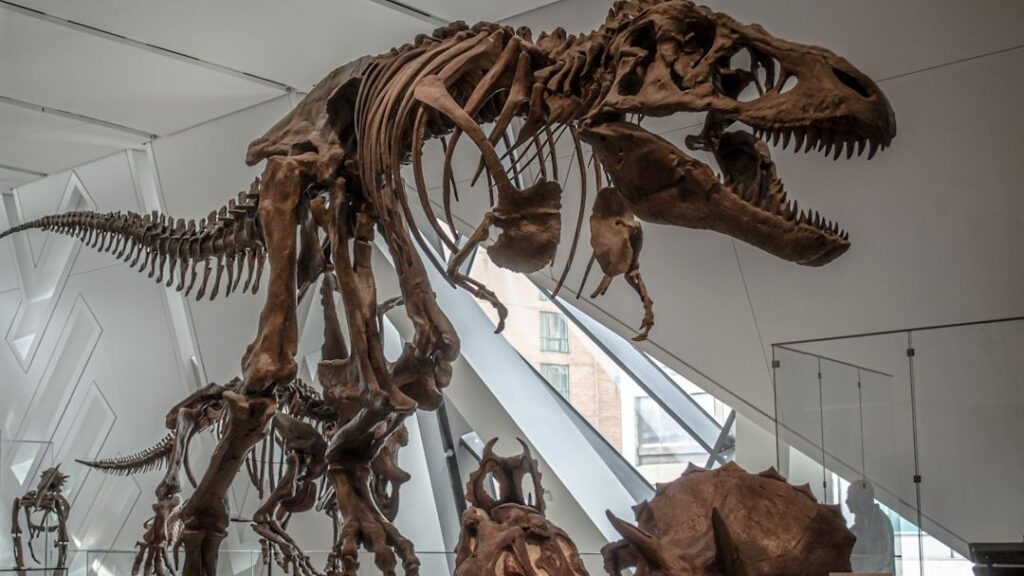
For many years, one of the fiercest debates in dinosaur paleontology concerned Nanotyrannus, a 66-million-year-old predator from Montana. It was first named in 1988 and suggested to be a small tyrannosaurid around five meters long that lived alongside the giant Tyrannosaurus rex. Many other paleontologists disagreed, suggesting that the fossils were just young individuals of T. rex.
An analysis in Nature of a specimen nicknamed “Bloody Mary” found enough anatomical evidence to support the case that Nanotyrannus is different from T. rex, including fewer tail vertebrae and more teeth than T. rex, as well as longer and stronger forearms. This discovery completely reframes the idea that T. rex was the lone predator of its time. We now know multiple tyrannosaur species coexisted in the last million years before the asteroid impact, suggesting a richer, more competitive ecosystem than previously imagined.
Dinosaurs Were Social Creatures – Way Earlier Than You Thought
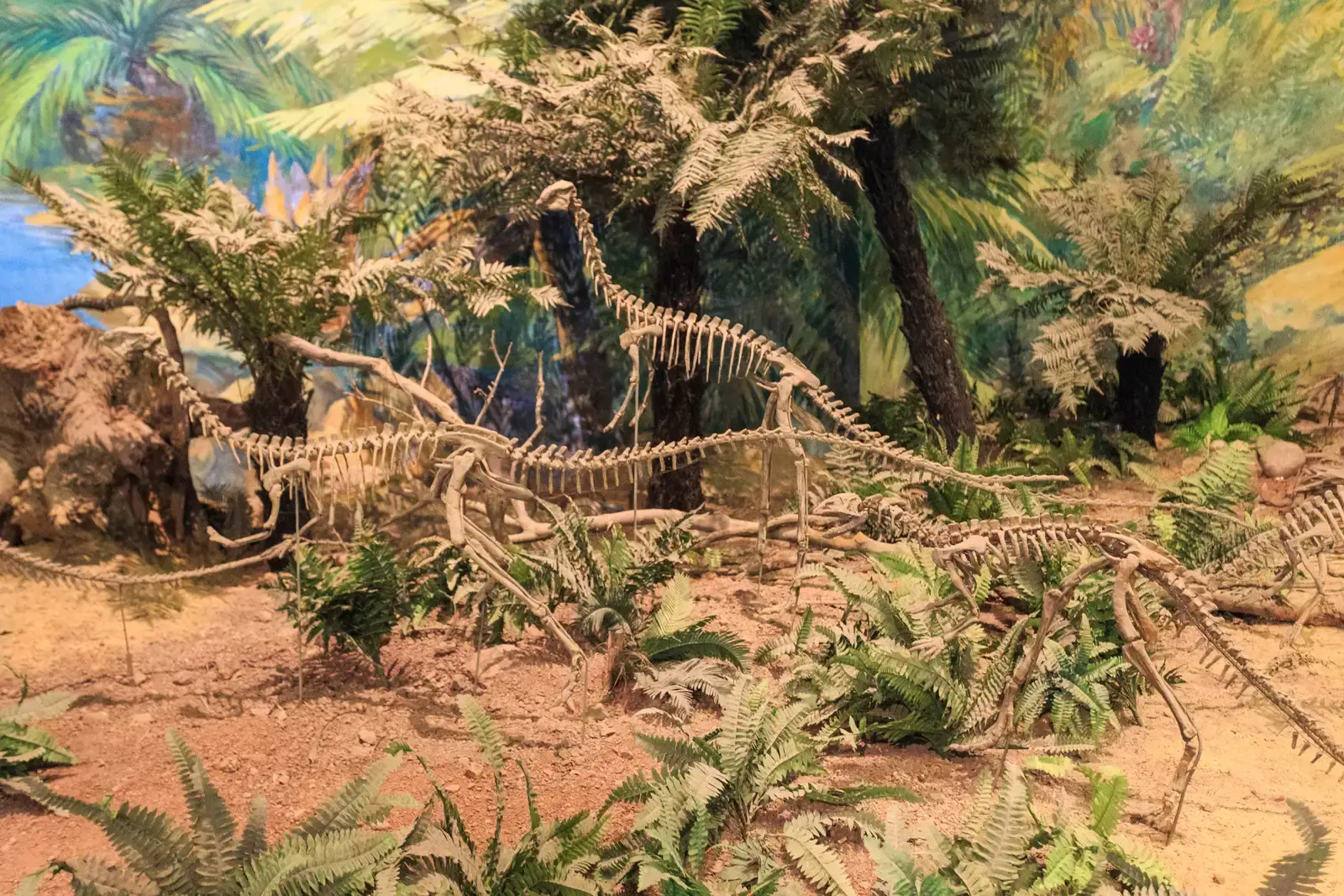
Over the past fifty years, the scientific view of the intelligence and behavioral sophistication of dinosaurs has undergone considerable transformation. While dinosaurs were once considered to be slow-witted, slow-moving reptiles whose very lack of behavioral flexibility and learning skills might have contributed to their demise, members of many dinosaur species are now recognized to have functioned at an avian level of behavioral complexity. That is a staggering reversal.
A new study shows that dinosaurs lived in herds much earlier than previously thought. Researchers from MIT, Argentina, and South Africa detailed their discovery of an exceptionally preserved group of early dinosaurs showing signs of complex herd behavior as early as 193 million years ago – 40 million years earlier than other records of dinosaur herding. The dinosaurs likely worked as a community, laying their eggs in a common nesting ground. Juveniles congregated in “schools,” while adults roamed and foraged for the herd.
Mixed-Species Herds: A Social Complexity Nobody Expected
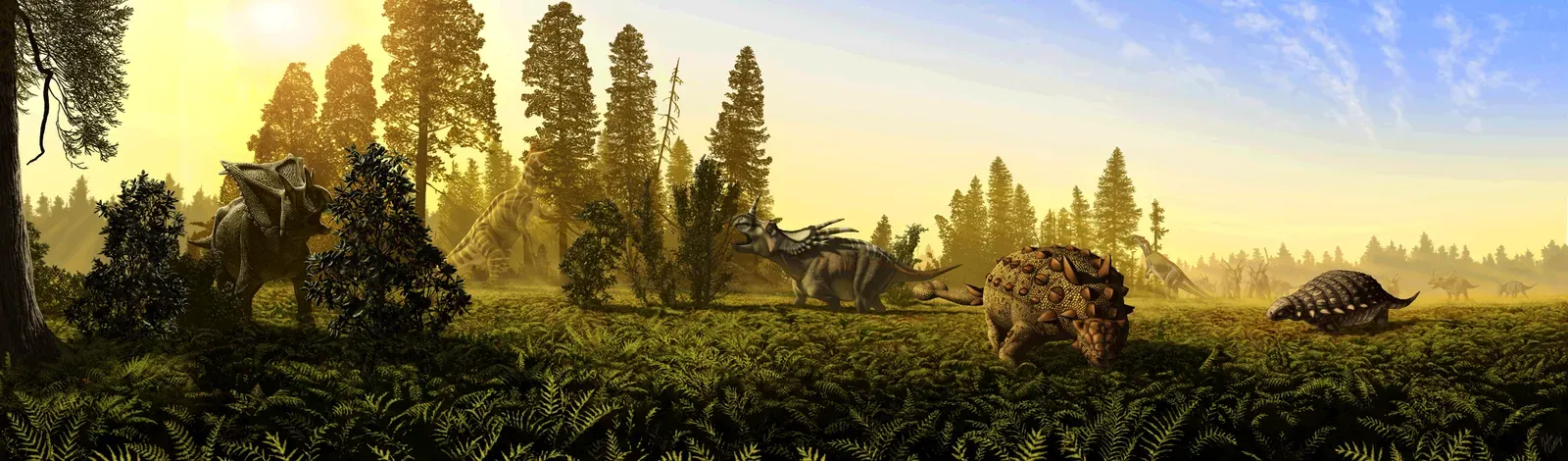
A collection of footprints from a group of ceratopsians and an Ankylosaurus could be the first evidence of dinosaur herds made up of multiple species. These 76-million-year-old trackways could provide scientists with a rare glimpse into the social lives of these ancient reptiles. Here’s the thing – when you see predators and prey occupying the same ecosystem in complex ways, you’re looking at something that echoes how today’s African savannas work.
Additionally, two large Tyrannosaurus rex trackways were discovered walking side-by-side and perpendicular to the herd, raising questions about whether these huge predators were stalking the group. Dinosaur Provincial Park is a UNESCO World Heritage site and home to some of the world’s most important dinosaur discoveries. So far, the remains of at least 44 species across 10 dinosaur families have been identified from the site. The sheer density of interaction revealed in these tracks is breathtaking.
Warm-Blooded, After All: Rethinking Dinosaur Physiology and Behavior
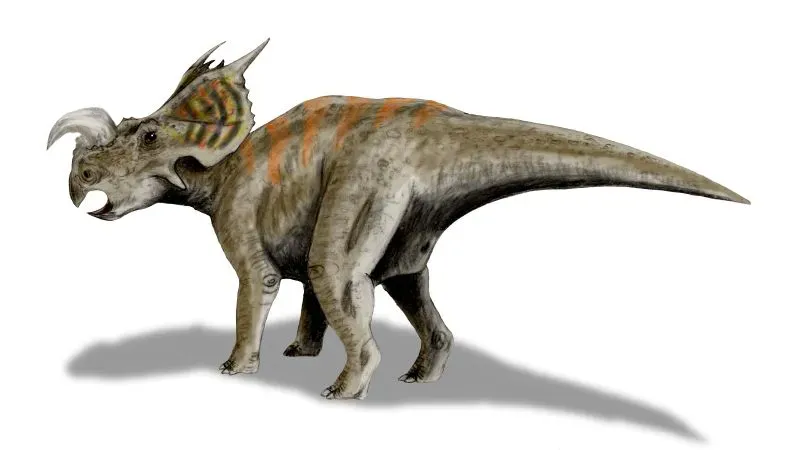
In the early 20th century, dinosaurs were considered slow-moving, cold-blooded animals like modern-day reptiles, relying on heat from the sun to regulate their temperature. Newer discoveries indicate some dinosaur types were likely capable of generating their own body heat, but when this adaptation occurred has remained unknown. The implications for behavior are huge. A warm-blooded animal can sustain activity, hunt at night, and live in cold climates in ways a cold-blooded animal simply cannot.
The ability to regulate body temperature, a trait all mammals and birds have today, may have evolved among some dinosaurs early in the Jurassic period about 180 million years ago, according to a new study led by UCL and University of Vigo researchers. The adoption of endothermy, perhaps a result of an environmental crisis, may have enabled theropods and ornithischians to thrive in colder environments, allowing them to be highly active and sustain activity over longer periods, to develop and grow faster, and to produce more offspring.
Color, Display, and the Surprising Vanity of Dinosaurs
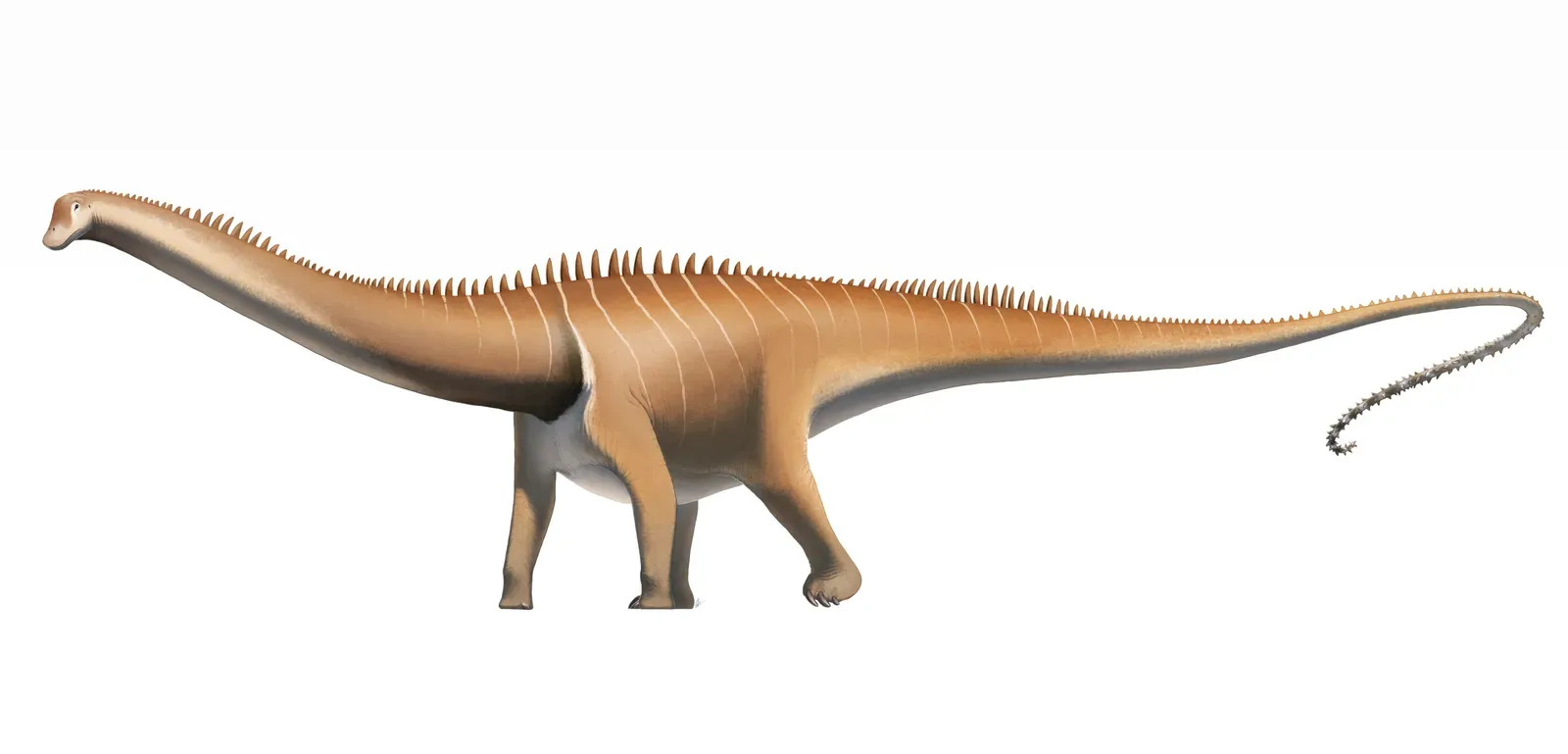
Microscopic clues found in fossil Diplodocus skin indicate these dinosaurs were colorful. Sauropod dinosaurs are iconic herbivores, immediately recognizable by their small heads, long necks, and bulky bodies. Beyond their familiar skeletons, however, the external appearance of these dinosaurs is not well-known, as sauropod skin impressions and soft tissue fossils are very rare. This makes every new piece of preserved skin an absolute treasure.
The finding suggests sauropod dinosaurs were not uniformly gray or brown, but had complex color patterns like other dinosaurs, birds, and reptiles. A newly discovered dinosaur, the six-metre-long Istiorachis, is another herbivorous ornithopod with a striking sail-like structure running along its back. This sail may have been a display structure used to attract mates and to deter predators by making the 128-million-year-old animal look bigger. I think it’s safe to say dinosaurs were far more visually dramatic than we ever gave them credit for.
Dinosaur Brains: Smarter Than a Lizard, Perhaps Much Smarter
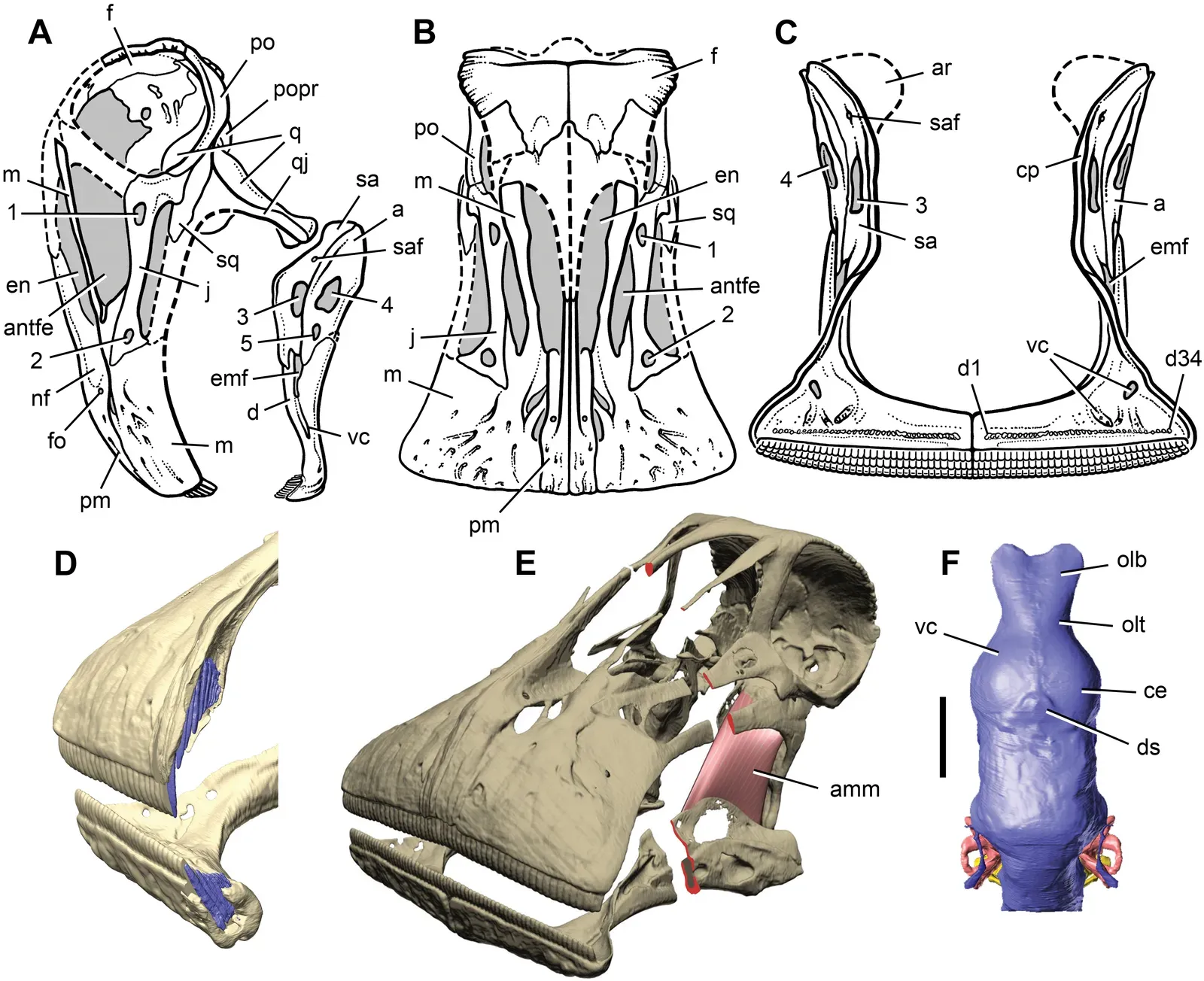
Early assumptions pegged dinosaurs as unintelligent due to their relatively small brain sizes compared to their bodies, aligning them with reptiles. However, advancements in paleontology, particularly the development of the encephalization quotient in the 1970s, have shifted these views. This measure of brain size relative to body mass suggests that some dinosaurs, particularly theropods, might have had intelligence levels comparable to modern birds.
Evidence from tyrannosaurid brain anatomy supports the idea that they were unlike any extant animals, but that the brain had adaptations – such as a somewhat enlarged telencephalon – that may relate to expanded model-based cognition. With advancements like CT scans and 3D imaging, scientists are uncovering new insights into dinosaur brains, senses, and vocalizations. It’s hard to say for sure just how smart the great predators were, but the old image of a brain the size of a walnut controlling a mindless killing machine is increasingly hard to defend.
Trackways and Traces: Reading Behavior from Stone
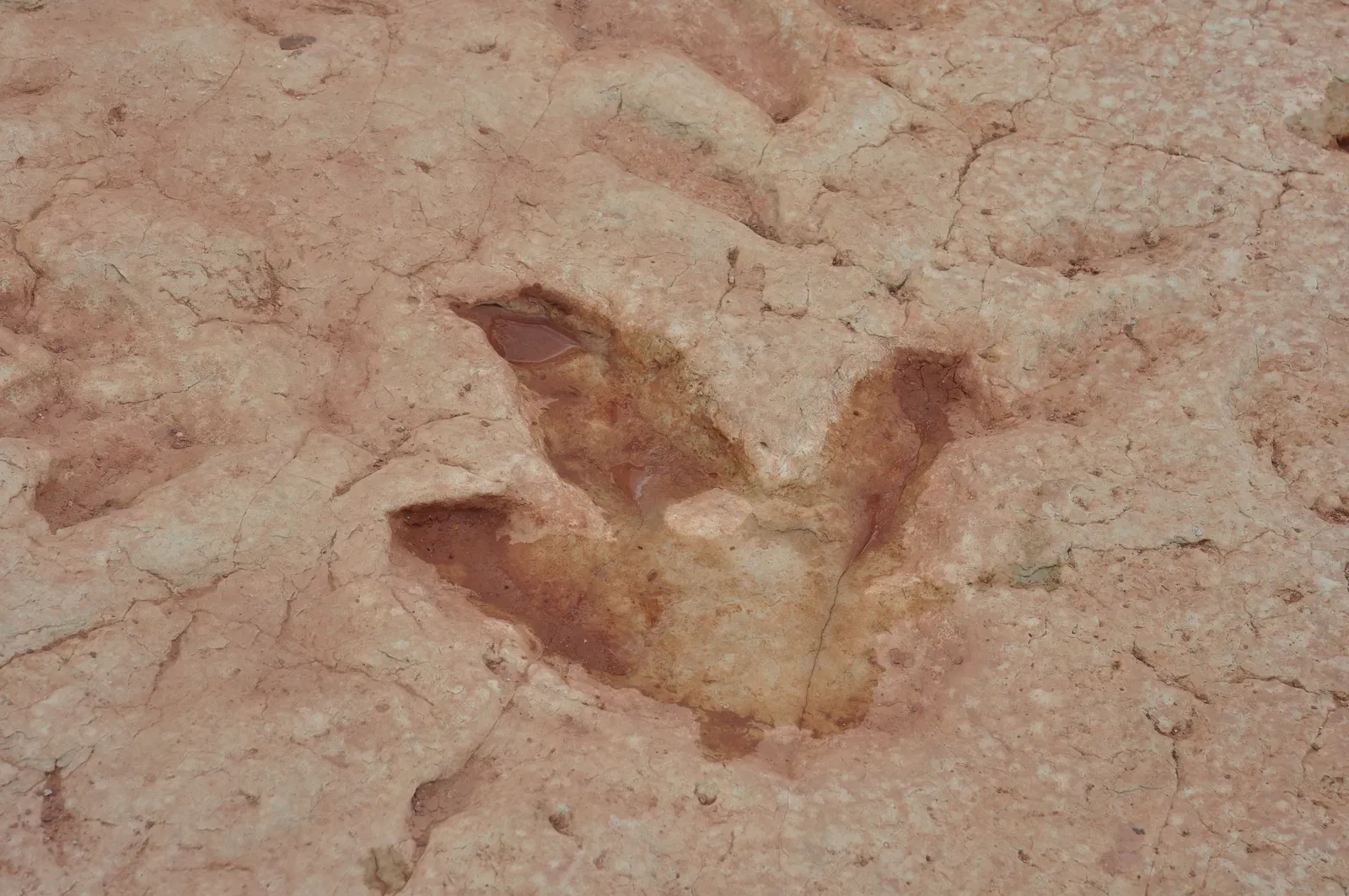
Dinosaur tracks are fossilized behavior. Each footstep represents an actual moment in the dinosaur’s life, affected by how it was moving. Think of it like a slow-motion photograph taken in mud that hardened over millions of years. Every impression tells a story you can actually read, if you know the language.
While paleontologists have found trackways made by running dinosaurs before, this year paleontologists described a trackway made by a dinosaur that was flapping as it ran. Detailed in the Proceedings of the National Academy of Sciences, the Cretaceous trackway was made by a two-toed dinosaur like Microraptor. The spacing between the tracks indicates the dinosaur was moving at high speed, seeming to move even faster than expected if it was propelling itself with its legs alone. The little raptor was likely flapping as it kicked with its feet, even though experts aren’t sure if the dinosaur was trying to take off, land, run up an incline, or something else entirely. The line between running and flying, it turns out, was always blurrier than we assumed.
Conclusion: The Dinosaur Story Is Far From Over
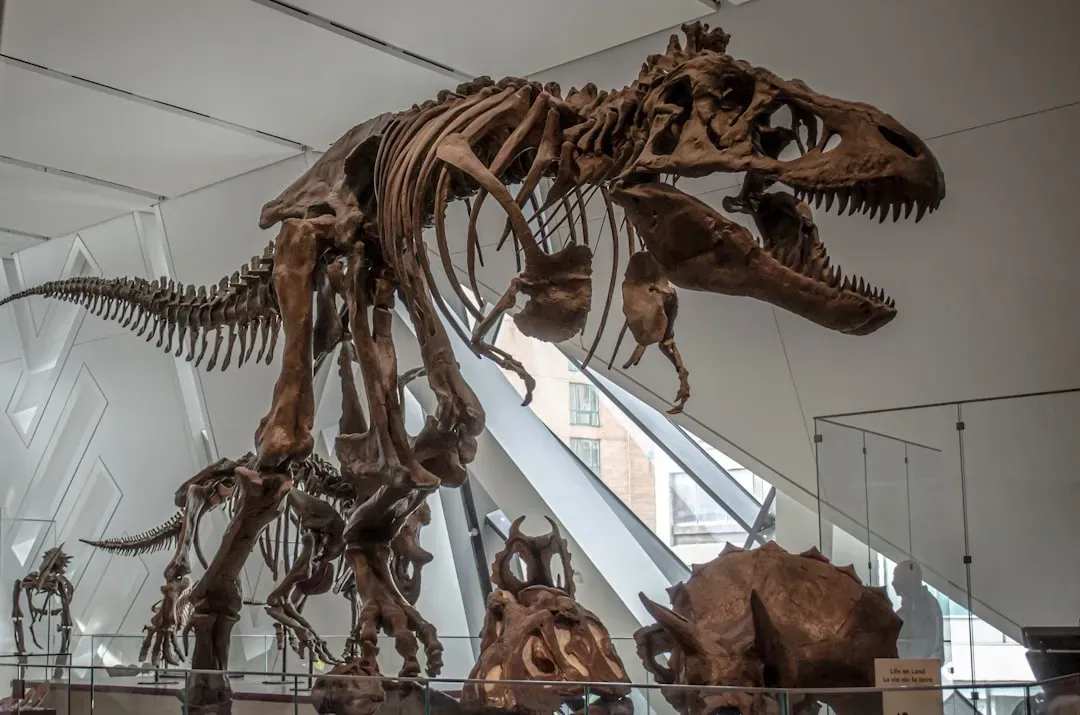
What you are witnessing right now – in 2026 – is nothing short of a revolution in how science understands one of Earth’s most extraordinary chapters. The assumptions that held firm for generations are crumbling, one fossil at a time. A golden era in dinosaur science is driving this fascination with dinosaurs. Around 1,400 dinosaur species are now known from more than 90 countries, with the rate of discovery accelerating in the last two decades. The year 2025 alone saw the discovery of 44 new dinosaur species – nearly one a week.
These creatures were not the slow, solitary, cold-blooded monsters of old science films. They were complex, social, colorful, warm, and in some cases remarkably intelligent animals that shaped their world in ways we are only beginning to understand. The fossils have always been there, waiting patiently for the right technology and the right questions. Every new dig, every reanalyzed specimen, every ancient footprint pulled from stone adds another stunning chapter to a story that refuses to end. What do you think about it? Tell us in the comments – and which discovery surprised you the most?