For most of your life, you have probably pictured dinosaurs as sluggish, scaly giants lumbering through steamy tropical swamps, relying on the sun to warm their cold reptilian bodies. It is a comforting image, deeply embedded in popular culture. The problem? Science is increasingly pulling that image apart, piece by piece, bone by bone.
What researchers have uncovered in recent decades, and especially in the years leading up to 2026, is genuinely jaw-dropping. The old “cold-blooded lizard” model of dinosaurs is giving way to something far more fascinating, and far more mammal-like, than anyone in the early 20th century would have dared to imagine. Let’s dive in.
The Old Cold-Blooded Assumption and Why It Crumbled
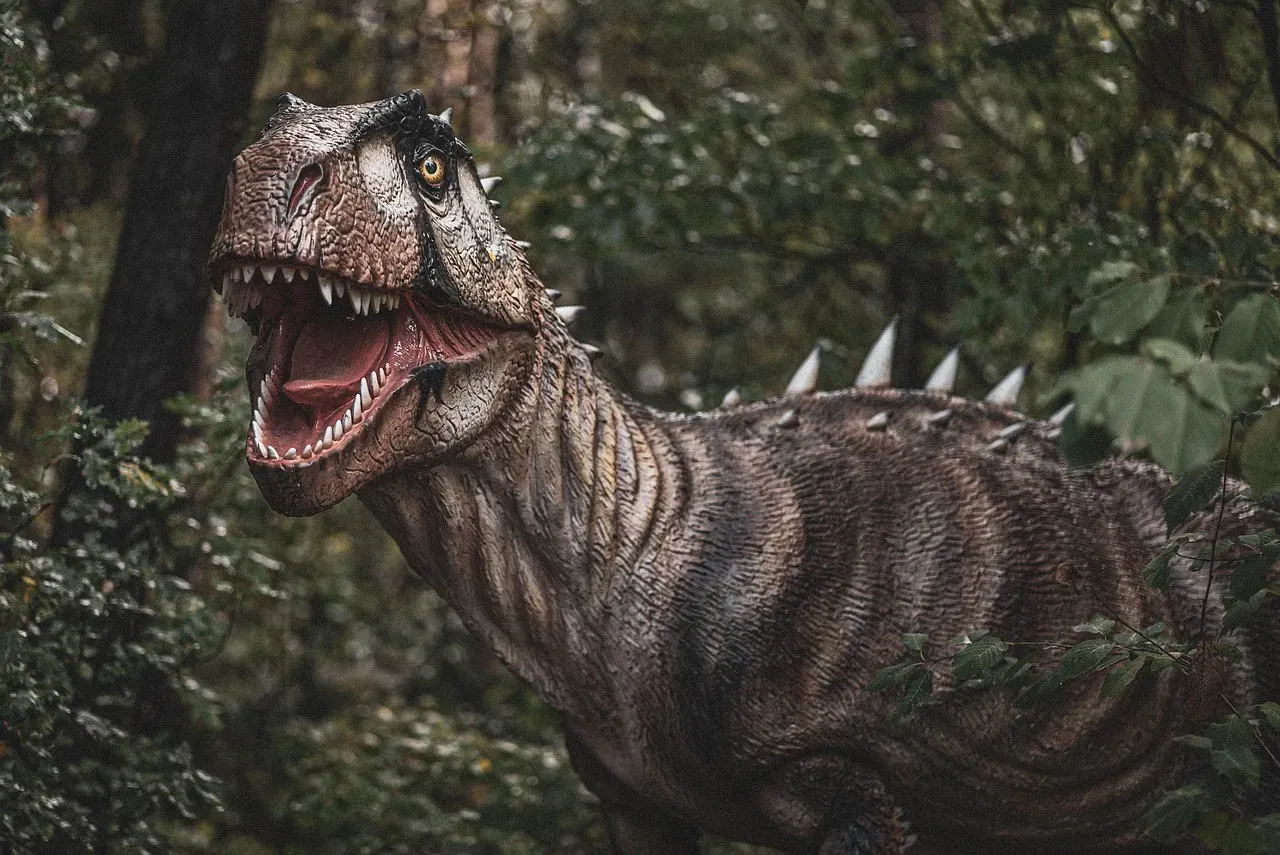
You might be surprised to learn just how long the cold-blooded dinosaur assumption stuck around. In the early 20th century, dinosaurs were considered slow-moving, “cold-blooded” animals like modern-day reptiles, relying on heat from the sun to regulate their temperature. It seemed logical enough at the time, because dinosaurs were classified as reptiles, and reptiles are ectotherms. Simple, right?
Not quite. Challenging the prevailing idea that they were all slow, lumbering lizards that basked in the sun to regulate their body temperature, research over the past three decades revealed that some dinosaurs were likely birdlike, with feathers and perhaps the ability to generate their own body heat. The deeper scientists looked, the harder the old assumption was to defend. Evidence began stacking up from multiple directions at once, and the scientific community could no longer ignore it.
What Bone Microstructure Tells You About Dinosaur Metabolism
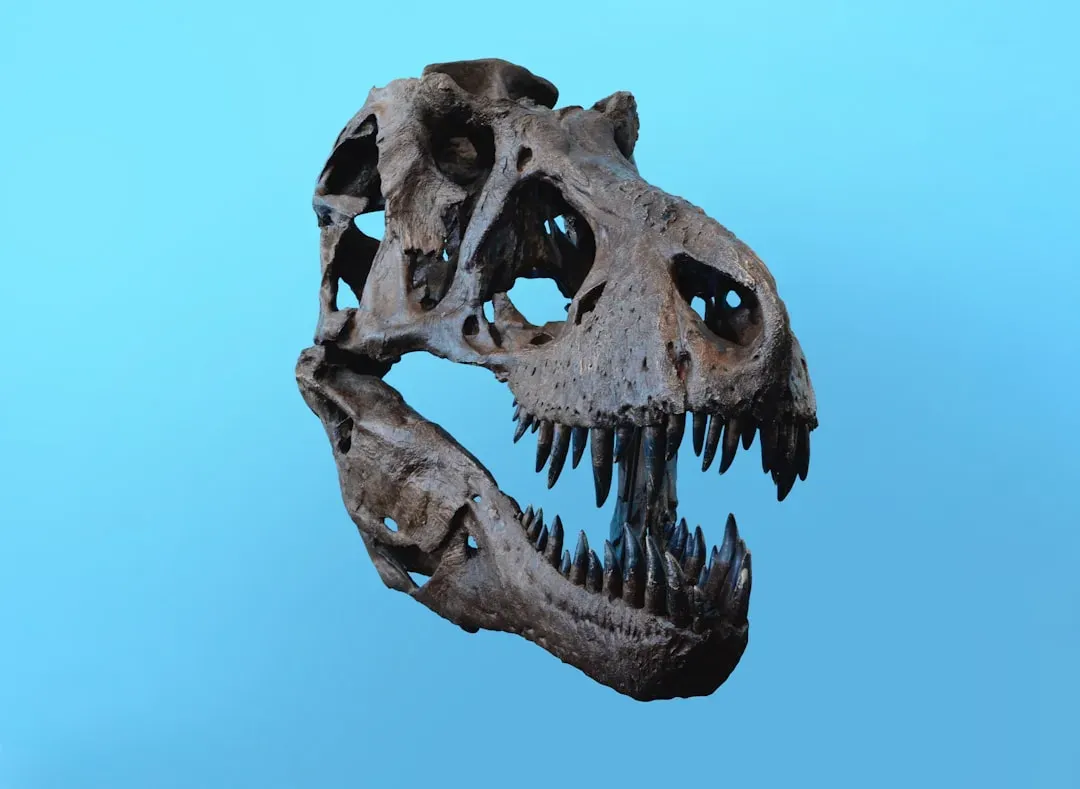
Here is something most people do not think about: you can essentially read an animal’s metabolic history from the microscopic structure of its bones, almost like reading rings inside a tree trunk. Analysis of the microscopic structure of dinosaur bone tissue provides some of the strongest evidence for a high metabolic rate. Many dinosaur bones contain fibrolamellar bone, which is highly vascularized and rapidly deposited. This structure, characterized by a dense network of blood vessels and canals, is typical in modern mammals and birds that grow quickly and sustain a high metabolism.
The type of bone tissue seen in between dinosaur lines of arrested growth indicates the animals grew rapidly and sustained high metabolic rates. Dinosaur bone tissue is indistinguishable from that of today’s endothermic ruminants, meaning that dinosaurs were endothermic, too. That is a remarkable finding. Think about it: the same microscopic bone fingerprint you find in a warm-blooded cow or deer also shows up in fossils of creatures that roamed the Earth over 100 million years ago.
The Jenkyns Event: A Volcanic Crisis That Changed Everything
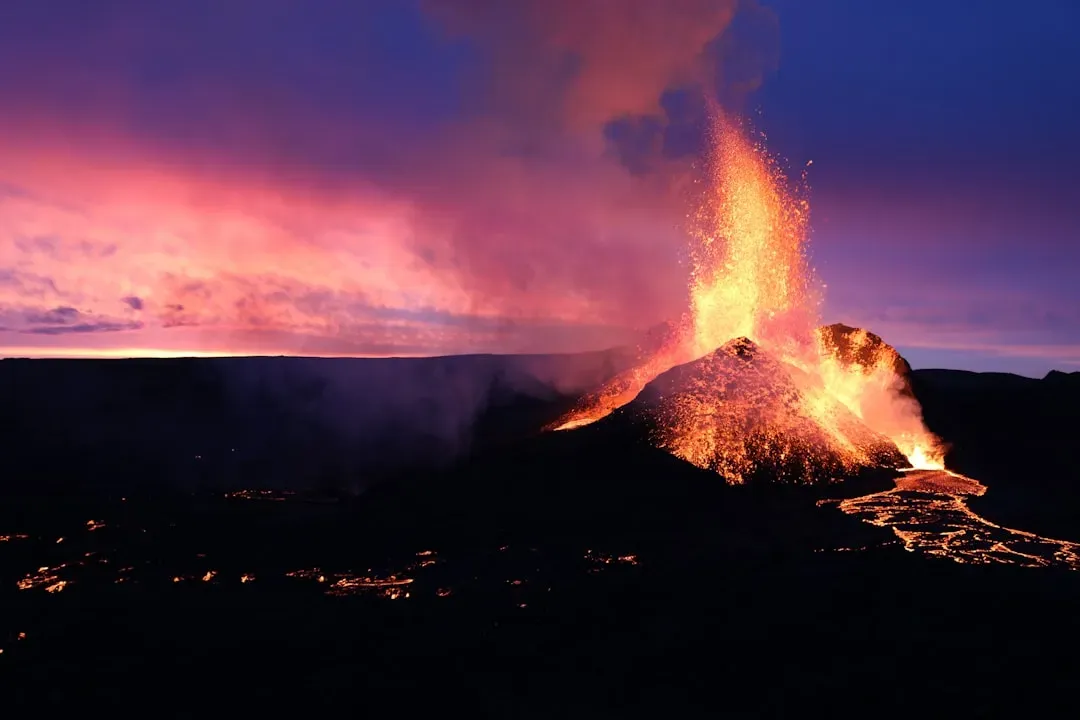
Here is where the story gets almost cinematic. Imagine a world rocked by massive volcanic eruptions, gases and lava spewing from enormous fissures across the planet’s surface, reshaping global temperatures and wiping out plant species. The Jenkyns event occurred after lava and volcanic gases erupted from long fissures in the Earth’s surface, covering large areas of the planet. It sounds apocalyptic, and in many ways, it was.
Yet this catastrophe may have been the very pressure that pushed certain dinosaur groups toward warm-bloodedness. The ability to regulate body temperature, a trait all mammals and birds have today, may have evolved among some dinosaurs early in the Jurassic period about 180 million years ago, suggests a new study led by UCL and University of Vigo researchers. The adoption of endothermy, perhaps a result of this environmental crisis, may have enabled theropods and ornithischians to thrive in colder environments, allowing them to be highly active and sustain activity over longer periods, to develop and grow faster and produce more offspring. Crisis, it turns out, can be a powerful evolutionary engine.
T. Rex, Velociraptor, and the Warm-Blooded Theropods
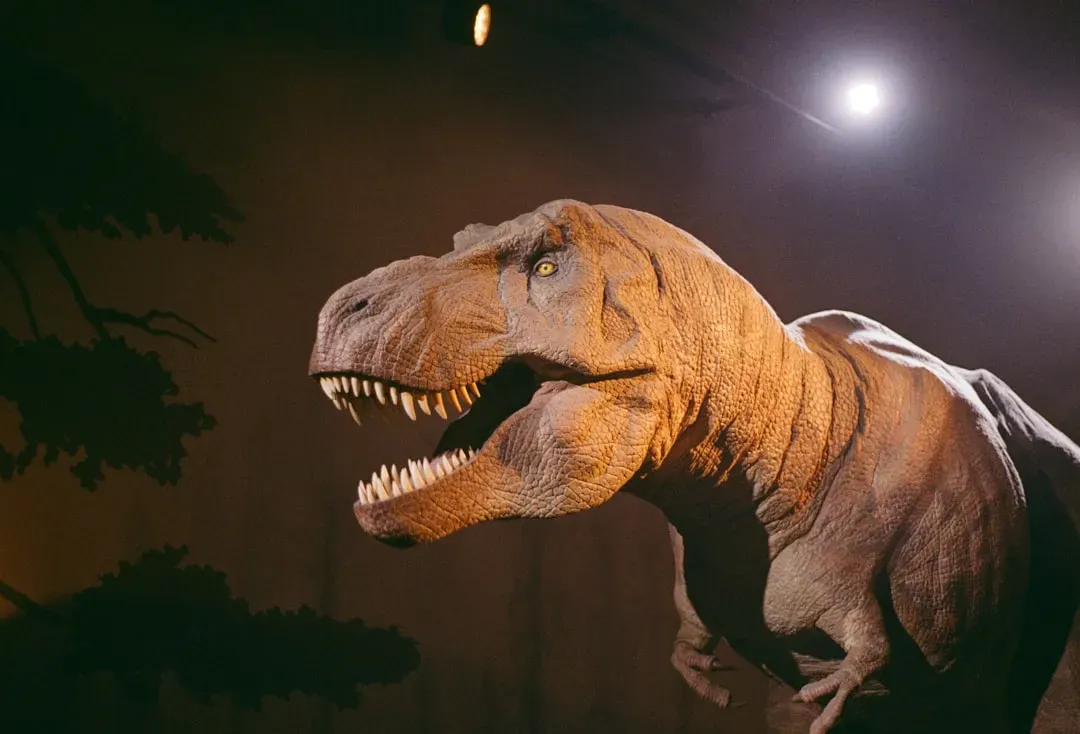
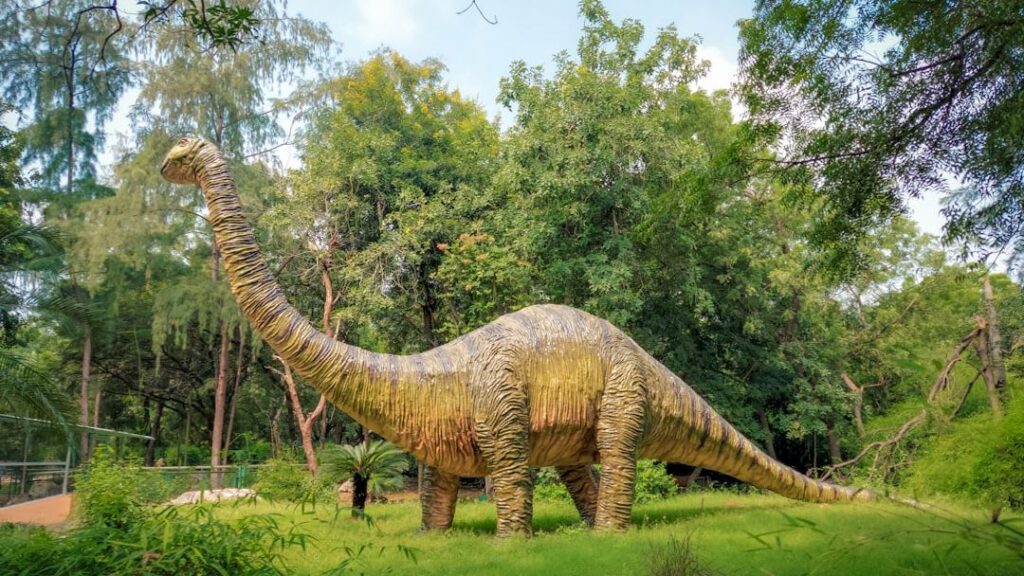
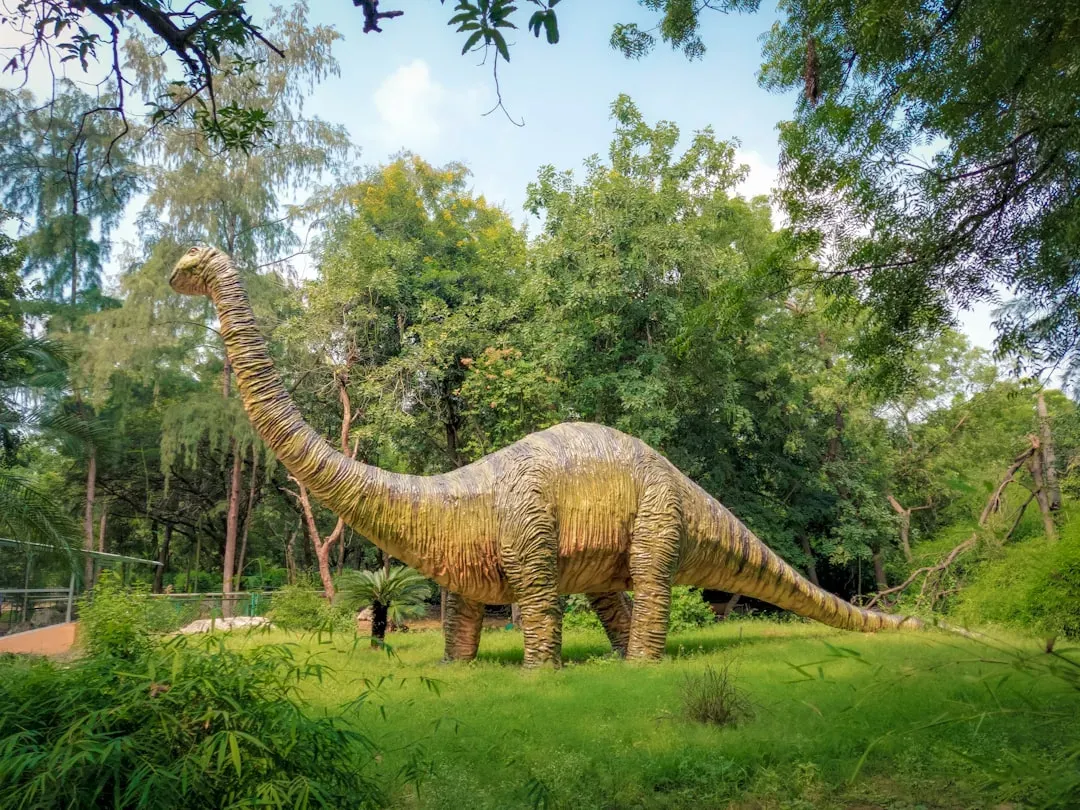
If you have always admired the terrifying efficiency of T. rex, you might find this next part even more impressive. The lizard-hipped dinosaurs, including theropods and the sauropods, which include the two-legged, more bird-like predatory dinosaurs like Velociraptor and T. rex and the giant, long-necked herbivores like Brachiosaurus, were warm- or even hot-blooded. So the next time you watch a T. rex chase scene in a film, you can appreciate that the animal’s internal furnace was running hot, much more like a lion than a crocodile.
Researchers were surprised to find that some of these dinosaurs were not just warm-blooded, they had metabolic rates comparable to modern birds, much higher than mammals. That is not a small distinction. Birds have some of the fastest metabolisms of any vertebrate on the planet. The idea that massive carnivores like T. rex might have been revving their engines at a similarly intense rate forces you to completely rethink how active, how hungry, and how relentless these animals truly were.
Feathers Were Not Just for Flying: The Insulation Argument
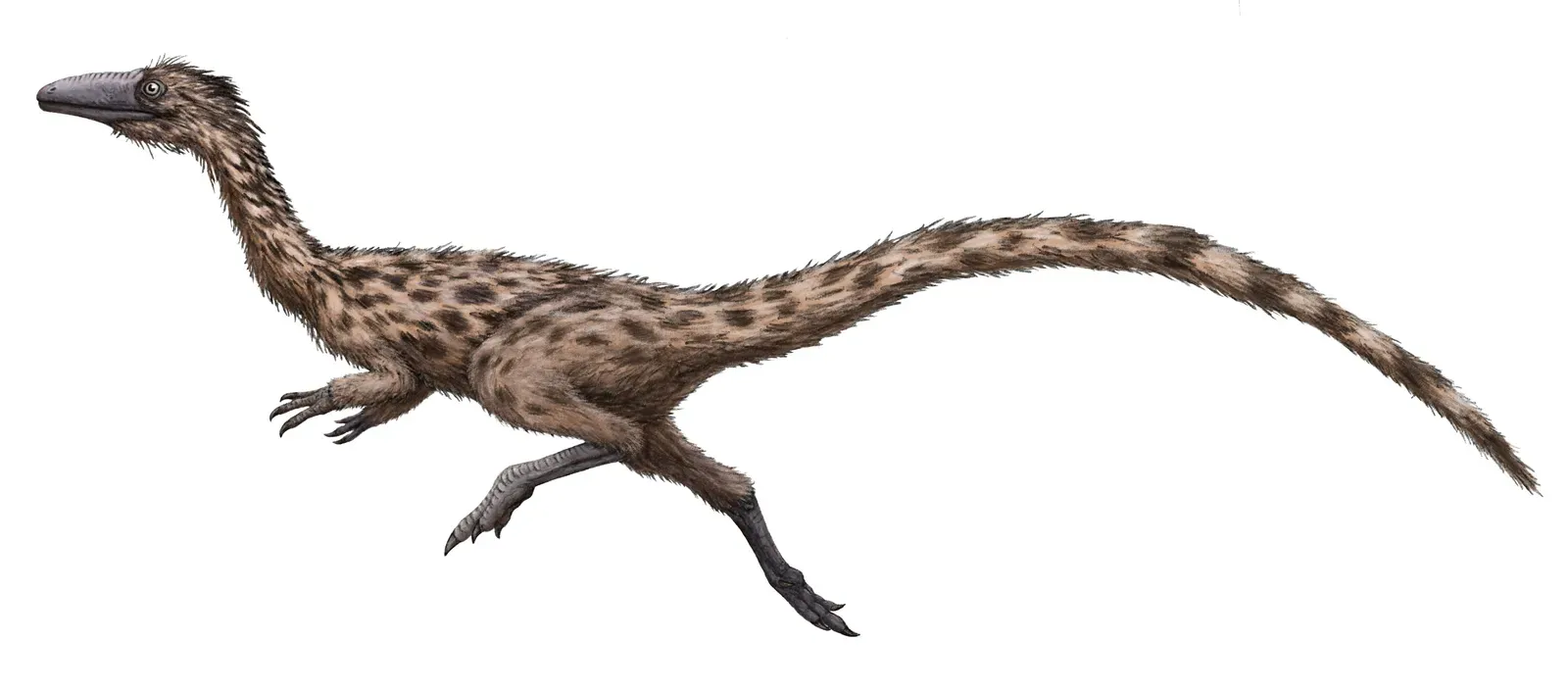
If you ever wondered why paleontologists got so excited about feathered dinosaur fossils, here is the key reason: feathers on a non-flying animal almost certainly served as insulation. Beginning with Sinosauropteryx in 1996, paleontologists have uncovered dozens of non-avian dinosaur species preserved with clear evidence of feathers or feather-like structures. Feathers are known to function primarily as insulation in modern birds, helping to maintain body heat, a feature that would be unnecessary for a truly cold-blooded animal.
There are absolutely no examples of cold-blooded animals developing body insulation. Insulation is intended to keep heat inside, and if an animal obtains heat from outside its body, insulation is counterproductive. That single logical point is devastatingly effective. Why would nature invest enormous biological energy into growing feathers if the animal had no internal heat to preserve? Feathers and their precursors are highly derived and complex biological structures, and would have consumed a lot of energy to create, something that would have been less taxing for an endothermic organism. Honestly, the cold-blooded case starts to look shakier with every new feathered fossil that comes out of the ground.
Arctic Dinosaurs: The Cold Climate Smoking Gun
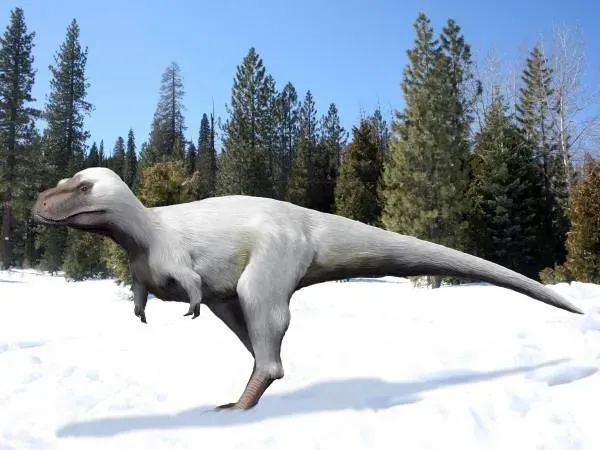
You might assume that because dinosaurs are associated with warm, tropical environments, they must have avoided cold regions. You would be wrong. Dinosaur fossils have been found in regions that were close to the poles at the relevant times, notably in southeastern Australia, Antarctica and the North Slope of Alaska. These were not brief visitors passing through. Arctic fossil evidence shows the presence of neonates and juveniles, along with adult dinosaurs, pointing to year-round habitation.
Let’s be real: cold-blooded animals simply cannot survive year-round in the Arctic. Many dinosaur fossils, especially hadrosaurs and theropods, have been found in the Arctic, a region that in the Cretaceous had annual mean temperatures between 35 and 46 degrees Fahrenheit. Ectotherms do not thrive in such cold climates. Consequently, almost no ectotherm fossils live in Alaska or other Arctic regions. The presence of baby dinosaurs year-round in those polar zones is about as clear a signal as nature can give you that these animals were generating their own body heat from the inside out.
The Molecular Evidence: Reading Metabolism in Fossilized Bones
One of the most exciting scientific leaps in recent years has been the development of techniques that go beyond bone structure and look directly at the chemistry preserved inside ancient fossils. When animals breathe, side products form that react with proteins, sugars, and lipids, leaving behind molecular “waste.” This waste is extremely stable and water-insoluble, so it is preserved during the fossilization process. It leaves behind a record of how much oxygen a dinosaur was breathing in, and thus, its metabolic rate.
For one major study, researchers analyzed more than 50 fossil and modern vertebrates from the collections of the Yale Peabody Museum of Natural History, including lizards, plesiosaurs, pterosaurs, dinosaurs, and birds. They used laser microspectroscopy, such as Raman and Fourier-transform infrared spectroscopy, which works by capturing signals of molecular metabolic stress markers in modern and fossil bones responding to laser light, an approach that does not require specimen destruction and allows for the rapid analysis of large sample sets. Think of it as reading an ancient receipt that the animal left behind every time it took a breath. That is, frankly, astonishing science.
Not All Dinosaurs Were the Same: A Spectrum of Metabolisms
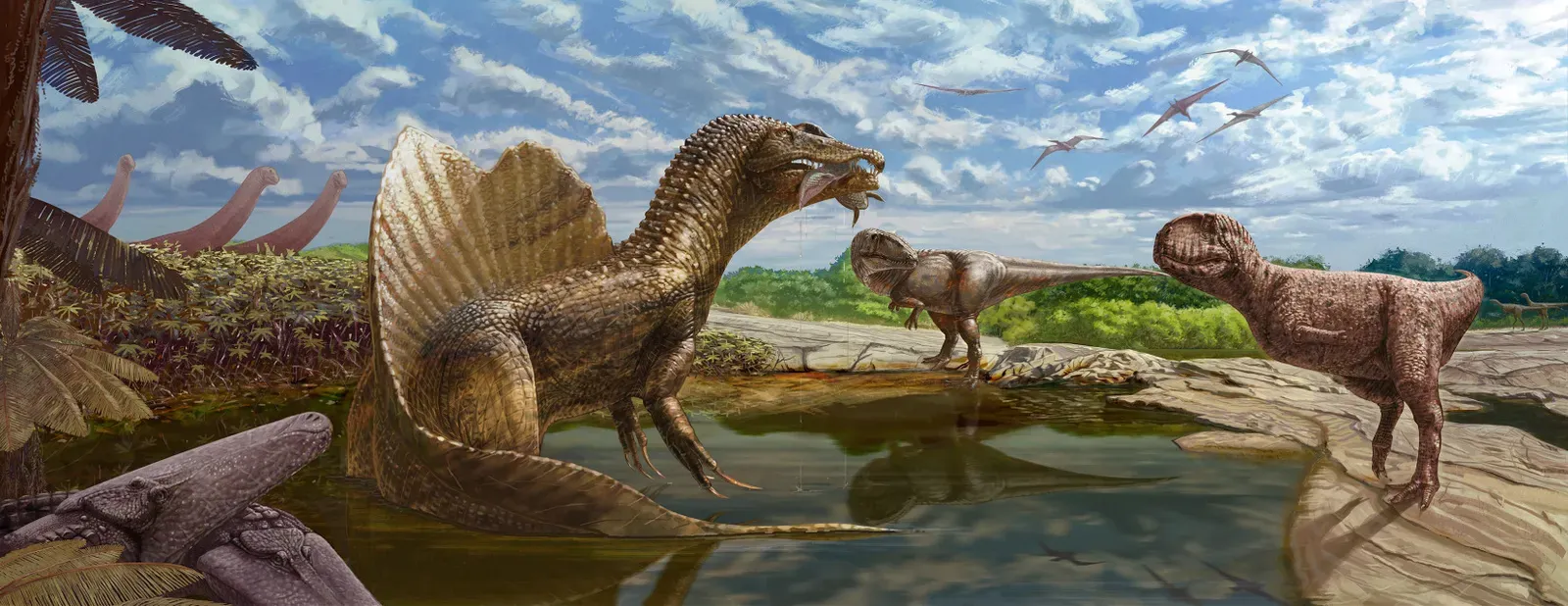
It would be too simple to say “all dinosaurs were warm-blooded” and call it a day. The reality, as is so often the case in science, is more nuanced and arguably more interesting. The bird-hipped dinosaurs, like Triceratops and Stegosaurus, had low metabolic rates comparable to those of cold-blooded modern animals. The lizard-hipped dinosaurs, including theropods and sauropods, the two-legged predatory dinosaurs like Velociraptor and T. rex and the giant, long-necked herbivores like Brachiosaurus, were warm- or even hot-blooded.
The scientific consensus has shifted dramatically since the days when dinosaurs were universally considered sluggish, cold-blooded reptiles. While debate continues on the specific details and degree of warm-bloodedness across different dinosaur groups, most paleontologists now accept that many dinosaurs had metabolic rates elevated above those of typical reptiles. Some researchers argue that certain dinosaur species may have been partially endothermic or exhibited a mix of ectothermic and endothermic traits. It turns out that dinosaurs, much like the ecosystems they dominated, were enormously diverse, right down to the cellular level.
Conclusion: The Warm-Blooded Revolution in Paleontology
The story of dinosaur metabolism is one of science doing exactly what it is supposed to do: challenging assumptions, following the evidence wherever it leads, and arriving at conclusions that are far more surprising than the original theory. You grew up thinking of dinosaurs as cold, slow, sun-baking reptiles. What the fossils, the bones, and now even the preserved molecules are telling us is something altogether more dynamic and alive.
The evidence from bone microstructure, growth rates, respiratory anatomy, and the presence of insulating structures like feathers collectively builds a strong case for some form of endothermy or elevated metabolism in many dinosaur lineages. These were not just big lizards. Some of them were more like feathered, fast-metabolizing, internally heated predators and grazers that dominated the planet for over 150 million years. That kind of success, across that kind of time span, starts to make a whole lot more sense when you realize the engine driving them may have been warm all along.
The next time you stand in front of a dinosaur skeleton in a museum, maybe look at it a little differently. Not as a cold, extinct relic of a simpler world, but as a complex, warm-bodied animal whose biology is still revealing its secrets. What other assumptions about prehistoric life do you think science is about to overturn? Drop your thoughts in the comments.