Picture this: a herd of enormous, long-necked giants plodding hundreds of miles across a single, unbroken landmass, following the seasons and the food. No oceans in the way. No borders. Just one colossal continent stretching from what is now Argentina to the coastlines of modern Morocco. That was Earth during the age of dinosaurs, and the idea that these ancient animals simply stayed put is, it turns out, wildly wrong.
Recent discoveries have been turning paleontology upside down, revealing that dinosaurs were far more mobile than anyone imagined. They crossed land bridges, followed climatic gradients, evolved on one continent and conquered another. The story is bigger, bolder, and honestly more dramatic than even the movies gave us credit for. Let’s dive in.
The World They Walked: Pangaea, Gondwana, and the Moving Earth Beneath Their Feet
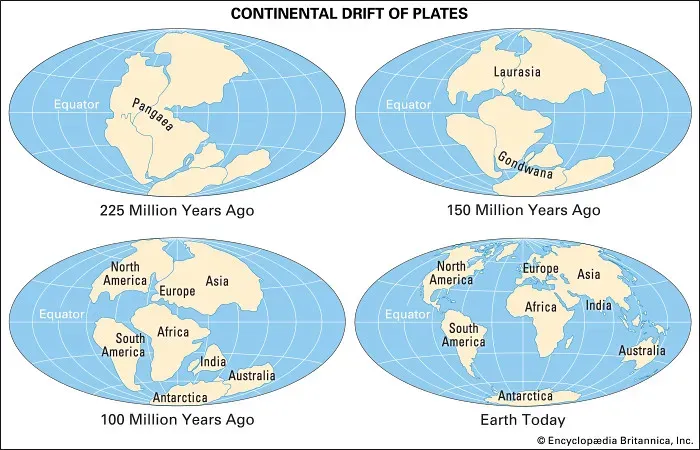
To understand how dinosaurs moved, you first have to understand the ground they were standing on. Pangaea was a supercontinent that existed during the late Paleozoic and early Mesozoic eras, assembling from earlier continental units during the Carboniferous period approximately 335 million years ago before beginning to break apart about 200 million years ago, at the end of the Triassic and beginning of the Jurassic. Think of it as the ultimate single landmass, the entire planet’s dry surface fused into one staggering chunk of rock and soil.
The most famous supercontinent, Pangaea, existed during the late Paleozoic and early Mesozoic eras before breaking apart into two smaller supercontinents: Laurasia and Gondwana. This division significantly influenced the evolution and distribution of species, as different dinosaur fossils found across regions indicate distinct evolutionary paths shaped by continental separation. That split was not a sudden event. It was slow, grinding, and measured in millions of years. For dinosaurs, though, those slow changes were everything.
Where It All Began: The Equatorial Origins of the First Dinosaurs
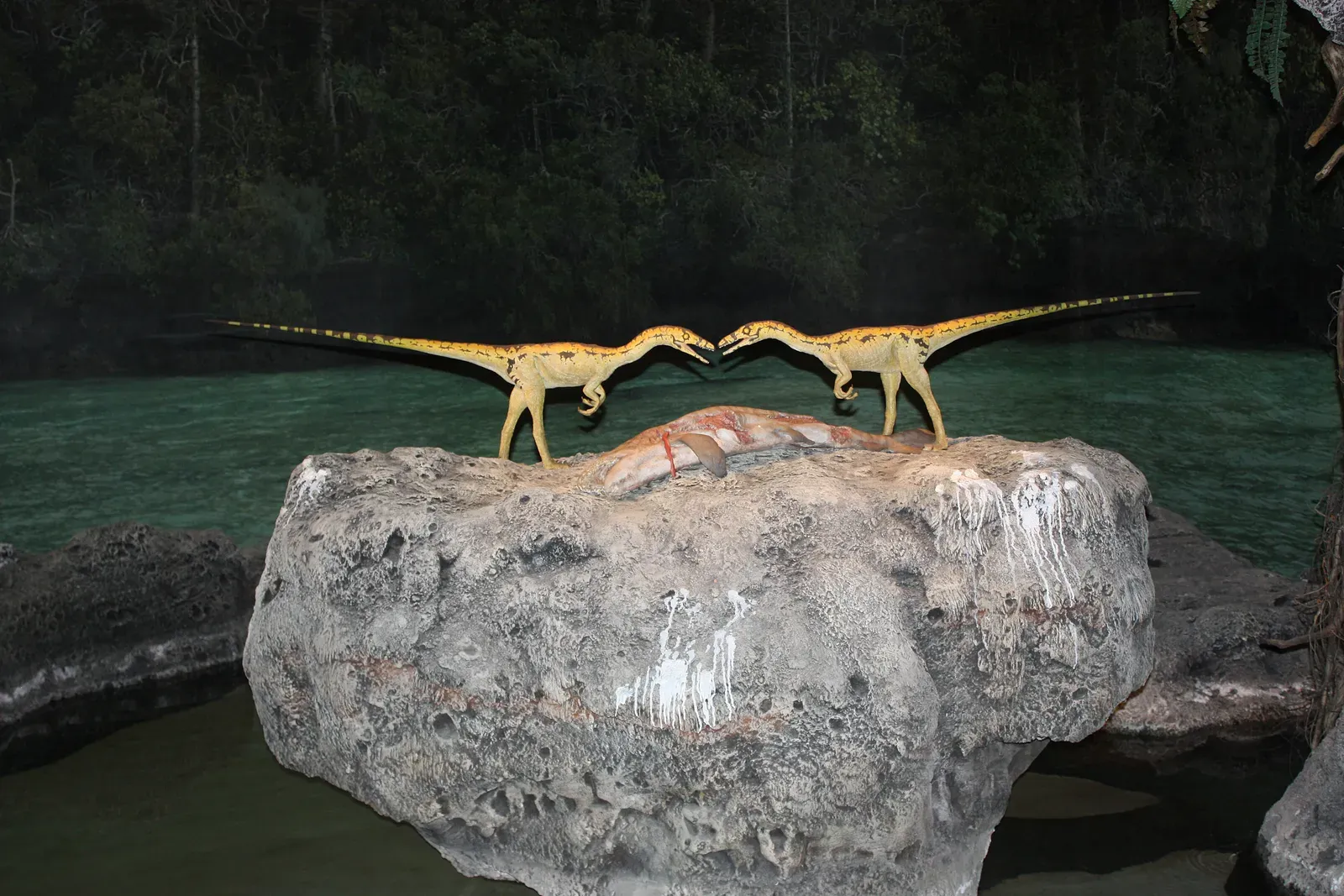
A recent study published in the journal Current Biology accounted for gaps in the fossil record and concluded that the earliest dinosaurs likely emerged in a hot equatorial region in what was then the supercontinent Gondwana, an area of land that encompasses the Amazon, Congo basin, and Sahara Desert today. That is a striking realization. The place where dinosaurs first arose is now, ironically, one of the most fossil-poor regions on Earth.
The new modelling results suggested that dinosaurs as well as other reptiles may have originated in low-latitude Gondwana before radiating outwards, spreading to southern Gondwana and to Laurasia, the adjacent northern supercontinent that later split into Europe, Asia and North America. Support for this origin comes from the fact that it is a midpoint between where the earliest dinosaurs have been found in southern Gondwana and where the fossils of many of their close relatives have been discovered to the north in Laurasia. It’s almost like a family rippling outward from a single point of origin, an evolutionary Big Bang in the tropics.
Fossil Evidence That Changed Everything: Similar Species on Separate Continents
Fossils found on different continents that were once part of the supercontinent Pangaea provide evidence for the theory of continental drift and plate tectonics. The distribution of similar fossils across continents, such as fossils of the ancient reptile Mesosaurus in both South America and Africa, supports the idea that these landmasses were once connected before drifting apart. Here’s the thing that makes this so compelling: Mesosaurus was a small freshwater reptile. It could not swim the Atlantic Ocean. Its presence on both continents is not a coincidence. It is proof.
Evidence suggests that early dinosaur species could spread relatively easily across Pangaea, explaining why we find similar early dinosaur fossils across widely separated modern continents. The unified landmass of Pangaea allowed for a relatively homogeneous dinosaur fauna during the early stages of dinosaur evolution, with species able to maintain genetic connectivity across vast distances. In other words, early dinosaurs were essentially globetrotters on a world that had not yet pulled the continents apart. Their relatives turned up everywhere because everywhere was, in a real sense, the same place.
The Dragon Prince and the Trans-Continental Journey of the Tyrannosaurs
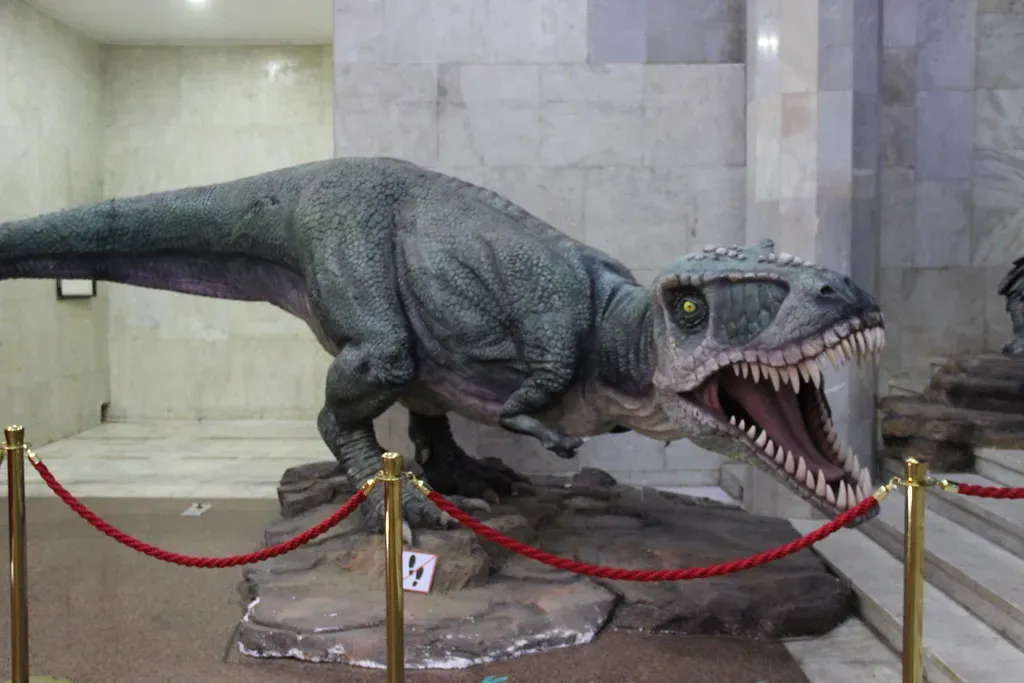
One of the most exciting finds in recent paleontology involves a small Mongolian carnivore with a dramatic name. Researchers have named it Khankhuuluu mongoliensis, which translates to “dragon prince of Mongolia,” because it was small compared with its much larger relatives such as Tyrannosaurus rex. Based on a reexamination of two partial skeletons uncovered in Mongolia’s Gobi Desert in 1972 and 1973, the new study suggests that three big migrations between Asia and North America led tyrannosauroids to diversify and eventually reach a gargantuan size in the late Cretaceous Period before going extinct 66 million years ago.
Khankhuuluu mongoliensis, or a closely related ancestor species, likely migrated from Asia to North America across a land bridge between Alaska and Siberia that connected the continents 85 million years ago. Because of this migrant species, we now know that tyrannosaurs actually evolved first on the North American continent and remained there exclusively over the next several million years. The story does not end there, either. The fossil record indicates tyrannosaurs were exclusive to North America for a few million years before immigrating back to Asia, where the lineage split into two groups. One group branched off to become even bigger apex predators, ultimately evolving into T. rex, and the other group evolved into a medium-sized long-snouted species dubbed “Pinocchio rexes.” It’s honestly a back-and-forth saga worthy of its own miniseries.
What Dinosaur Teeth Are Telling Us About Seasonal Migration
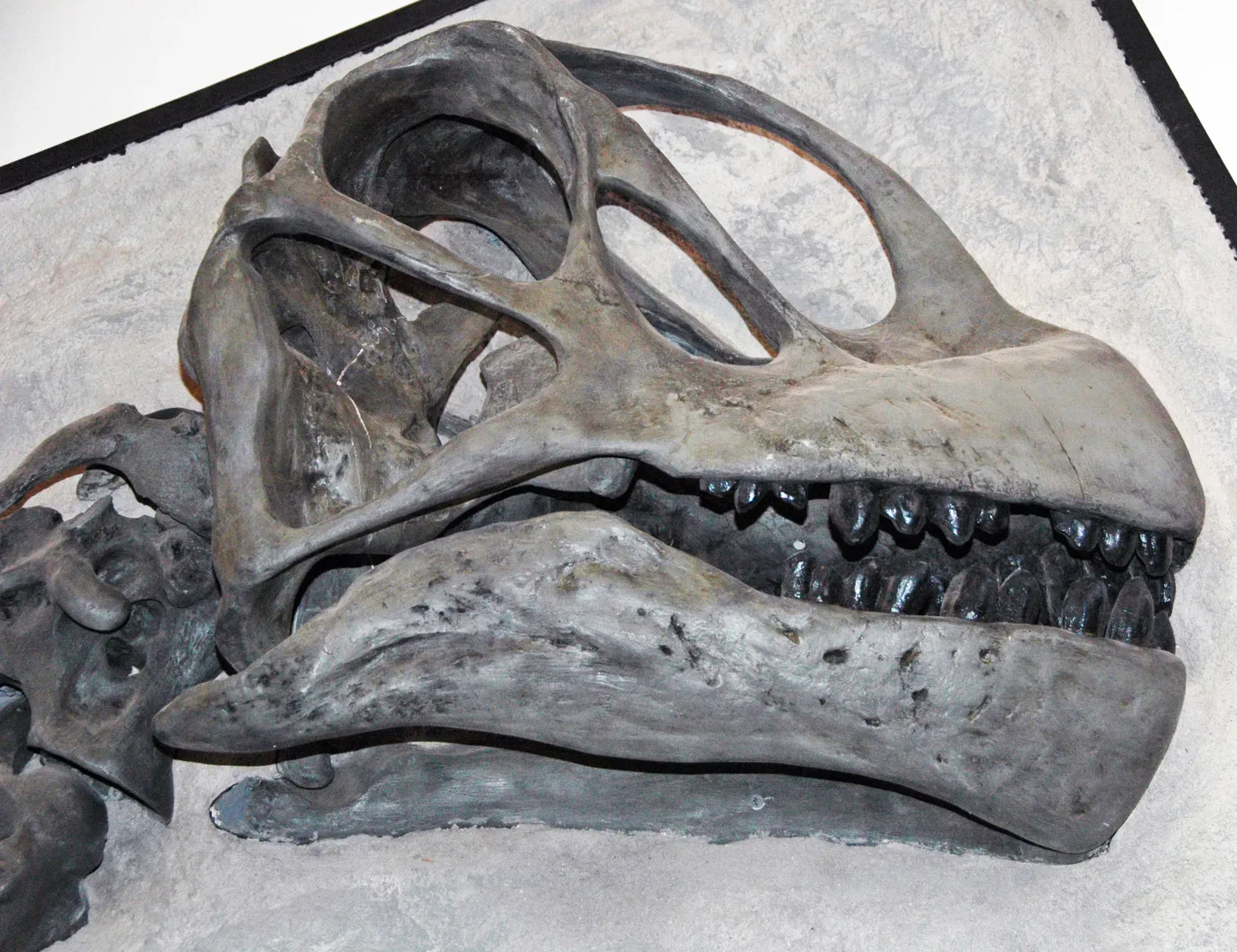
You might not expect fossilized teeth to reveal travel habits. Yet that is exactly what is happening with some of the most groundbreaking research of recent years. An international team of researchers has reconstructed the feeding behavior of long-necked dinosaurs by applying advanced dental wear analysis. Their study, published in Nature Ecology and Evolution, shows that microscopic wear patterns on tooth enamel can reveal unexpected details about migration, climate influences, and how different species shared ecological niches 150 million years ago.
A particular surprise was that Camarasaurus specimens from both Portugal and the USA had highly uniform wear patterns. Such consistency in microwear is unlikely to be explained solely by uniform plant availability. Rather, it indicates that these dinosaurs deliberately sought out the same preferred food sources throughout the year. The climate at the time in both Portugal and the USA was highly seasonal, so certain plants likely were not available year-round. The consistency in Camarasaurus tooth wear suggests they may have migrated seasonally to access the same resources. Think of it as the Jurassic equivalent of the wildebeest migration on the Serengeti, just with much longer necks and considerably more appetite.
How Continental Drift Split Species Apart and Drove Explosive Evolution
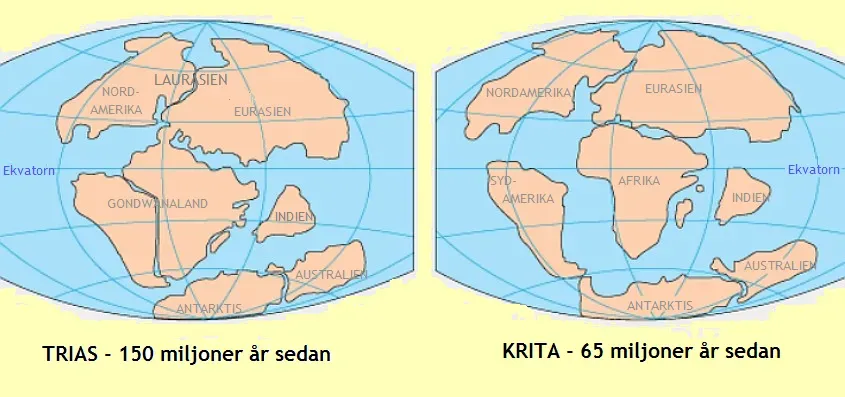
One of the most significant geographic divides created by continental drift was the Atlantic Ocean, which began forming when Pangaea initially split between what would become North America and Africa. This oceanic divide widened gradually, first separating North America from Africa around 170 million years ago, and later separating South America from Africa approximately 130 million years ago. As this marine barrier expanded, dinosaur populations on either side became completely isolated from one another, unable to migrate or interbreed.
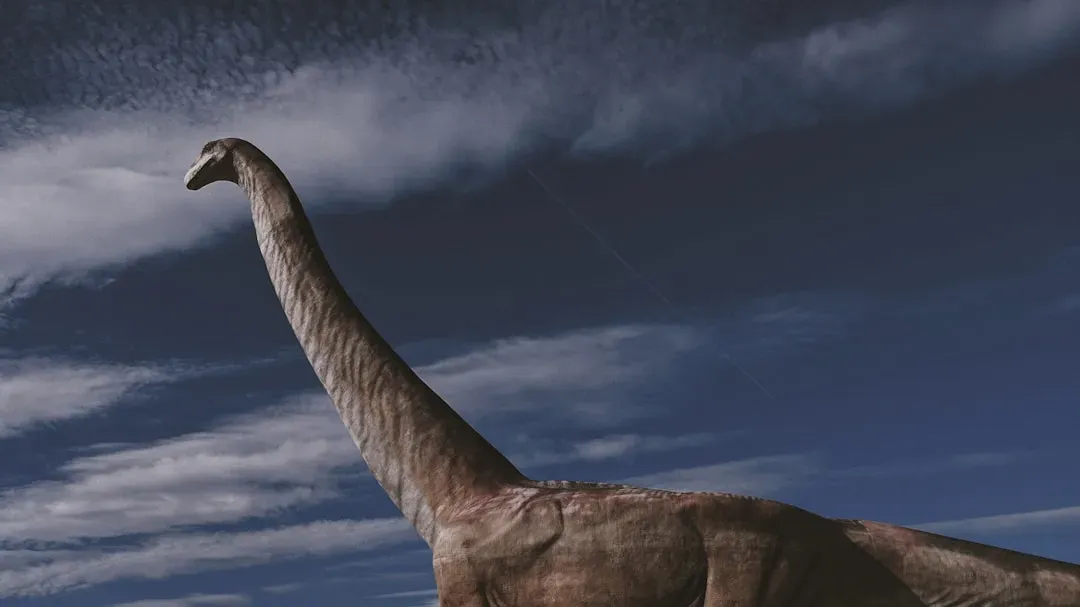
The southern supercontinent Gondwana developed its own distinctive dinosaur fauna following separation from Laurasia. Perhaps most notably, Gondwana became home to the titanosaurs, a group of massive sauropod dinosaurs that dominated the southern continents. Fossil evidence from Argentina, Brazil, Africa, and Australia reveals these extraordinary long-necked giants evolved unique characteristics in their isolated southern realm. Isolation, it turns out, is one of evolution’s most powerful engines. Cut a population off and watch it transform into something entirely new.
The Future of Discovery: New Technology, New Frontiers, and What Comes Next
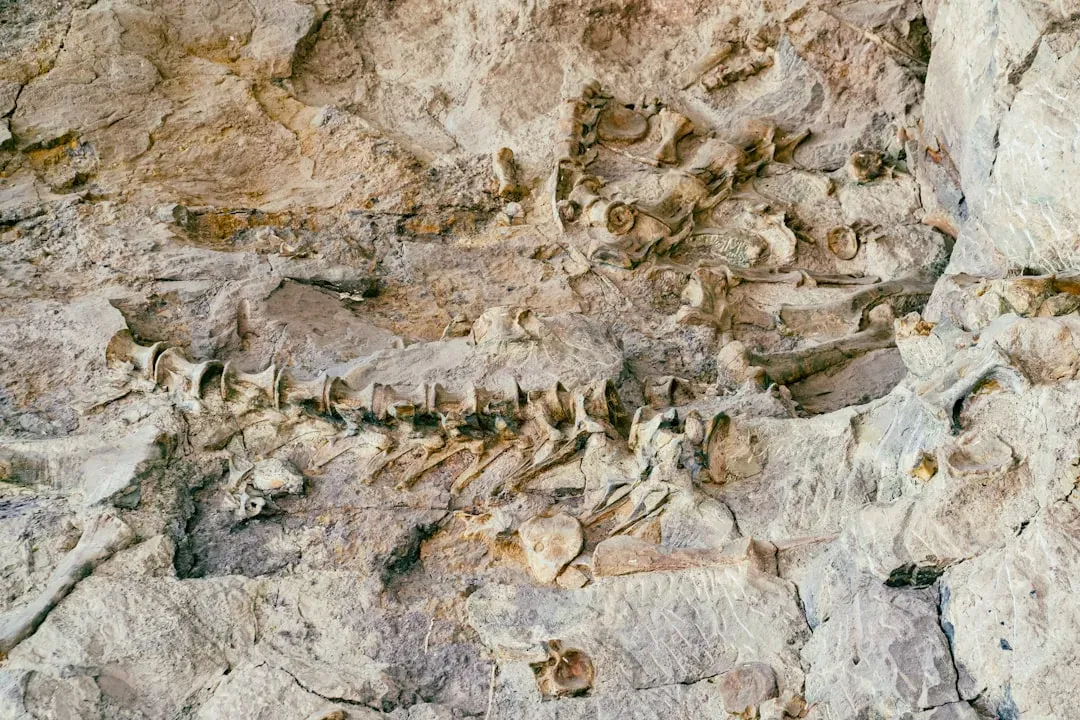
Dinosaurs may be long extinct, but 2025 made it abundantly clear that they are anything but settled science. Over the past year, new fossils, reanalyses of famous specimens and the use of increasingly sophisticated tools have continued to upend what we thought we knew about how these animals lived, moved, fed and evolved. The pace is genuinely staggering. Around 1,400 dinosaur species are now known from more than 90 countries, with the rate of discovery accelerating in the last two decades. The year 2025 alone saw the discovery of 44 new dinosaur species, nearly one a week.
The Carnian, Triassic-Jurassic boundary and Middle Jurassic time intervals, and new finds in Gondwana, especially Africa and India, offer the best opportunities to make major new discoveries that could fundamentally change our understanding of dinosaur evolution. The application of remote sensing and drone imaging to help narrow down the best areas to prospect, three-dimensional scanning to record fossils in the field and in the laboratory, and artificial intelligence and machine-learning applied to help identify problematic fossils could revolutionize the field in the future. Honestly, we are only scratching the surface. Vast stretches of Africa, India, and South America remain largely unexplored by paleontologists, and the fossils locked inside those regions could rewrite the migration story entirely.
Conclusion
What these discoveries collectively reveal is something profoundly humbling: dinosaurs were not static creatures rooted to a single spot. They moved, adapted, crossed vast distances, and responded to a changing world with remarkable flexibility. The very continents beneath their feet were shifting, and in many ways, the dinosaurs shifted with them.
The story of dinosaur migration is, in a sense, the story of life itself. Restless, resilient, and always following where the resources lead. Every new fossil, every microscopic scratch on a tooth, every reanalyzed skeleton in a museum drawer adds another chapter. It is hard to say for sure what the next decade of discovery will reveal, but if recent years are any guide, the surprises are far from over.
What do you think: does it change the way you see dinosaurs knowing they may have roamed across entire supercontinents the way birds migrate across hemispheres today? Share your thoughts in the comments.