Dinosaurs have never really left our imagination. They stomp through blockbuster films, loom over museum visitors, and fuel endless debates among paleontologists with just one new bone. Yet for all the attention we’ve paid them, it turns out we’ve been getting some pretty fundamental things wrong. Not slightly wrong. Significantly wrong. The kind of wrong that makes scientists flip through decades of published papers and start wondering what else needs revisiting.
What we now know about how dinosaurs grew, physically developed, and powered their enormous bodies is genuinely astonishing. Recent discoveries are rewriting textbooks faster than they can be printed, and honestly, the new story is far more exciting than the old one. So let’s dive in.
Counting Rings – and Getting It Wrong All Along
You’ve probably heard that scientists read a dinosaur’s age like tree rings, counting growth lines in fossilized bones. It’s a clean, satisfying method. It just may not be as reliable as you’d think. Estimating how old a dinosaur was when it died has long been based on counting the growth rings in fossilized bones, but new research into some of dinosaurs’ living relatives, like crocodiles, suggests that this method may not always work.
Here’s what makes it even more complicated. In a study published in the journal Scientific Reports, researchers looked at the growth rings in several young Nile crocodiles, a modern relative of dinosaurs, and found more growth rings in the bones than they were expecting. Think about that for a second. If a two-year-old crocodile can show five growth marks in its bones, you might confidently call it five years old when it was really just two. The crocodile findings, alongside similar results from other reptiles as well as kiwi birds, suggest at least some dinosaurs may have been younger when they perished than previously thought.
T. Rex Took Way Longer to Grow Up Than Anyone Believed
Uploaded by FunkMonk, CC BY 2.0)
Let’s be real: everybody thought T. rex grew fast. Hard and fast, like a freight train hitting adulthood. That image is now crumbling under the weight of brand-new evidence. For decades, scientists have been counting annual growth rings inside fossilized leg bones of Tyrannosaurus rex to estimate how old the giant carnivores were when they died and how quickly they grew to adulthood, with the best estimates from previous studies suggesting T. rex typically stopped growing at around age 25.
The new picture is strikingly different. New research, published in PeerJ, rewrites that life cycle: bones from 17 specimens indicate that these hulking predators actually stopped growing sometime between 35 and 40 years old and typically reached at least 8.8 tons. What’s more, the most complete life history ever conducted on T. rex assembled a more complete and accurate picture of tyrannosaurs’ growth by using advanced statistical algorithms and examining slices of bone under a special kind of light, which reveals hidden growth rings not counted in previous studies. It’s like discovering a hidden chapter in a book you thought you’d already finished.
A Slow and Steady King – Not the Explosive Sprinter We Imagined
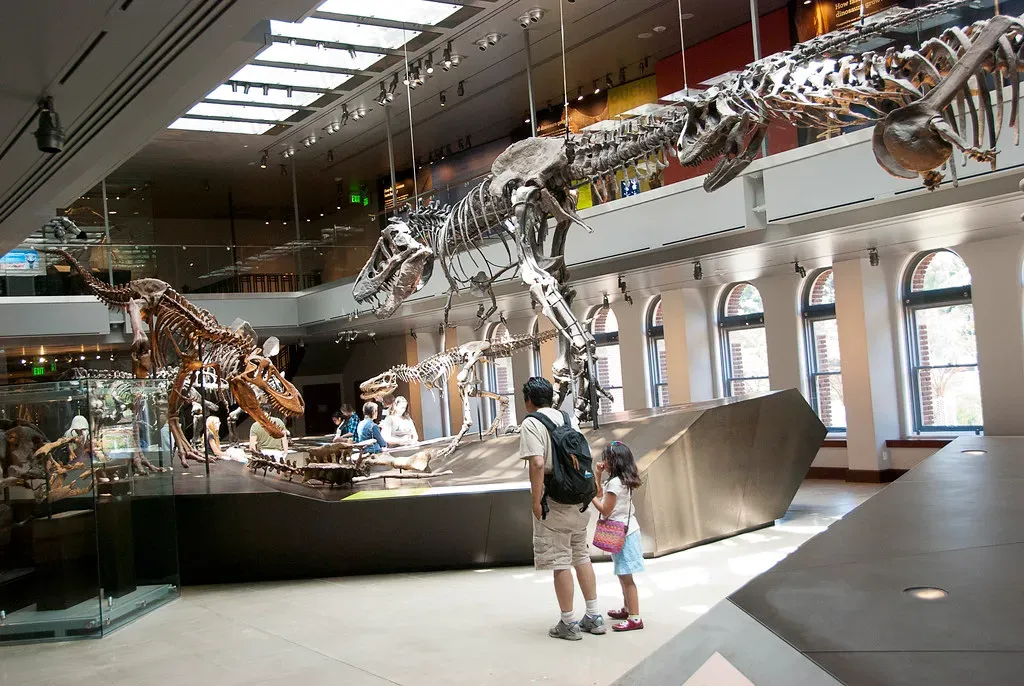
The revised T. rex growth story carries its own fascinating implications for how this apex predator actually functioned in its world. Rather than racing to adulthood, Tyrannosaurus grew more slowly and steadily than previously believed, and a four-decade growth phase may have allowed younger tyrannosaurs to fill a variety of ecological roles within their environments, which could be one factor that allowed them to dominate the end of the Cretaceous Period as apex carnivores.
Think of it like a company with multiple departments. The younger, smaller tyrannosaurs weren’t just tiny versions of the adults – they were functionally different animals operating in different ways. Rather than sprinting to adulthood, T. rex appears to have grown slowly and steadily, with a protracted subadult phase, and this extended adolescence may have allowed younger tyrannosaurs to fill different ecological roles than adults, essentially functioning as different species within the same ecosystem at different life stages. That’s a completely new way of understanding the Cretaceous food web.
The Nanotyrannus Debate: Growth Evidence Settles a 35-Year Mystery
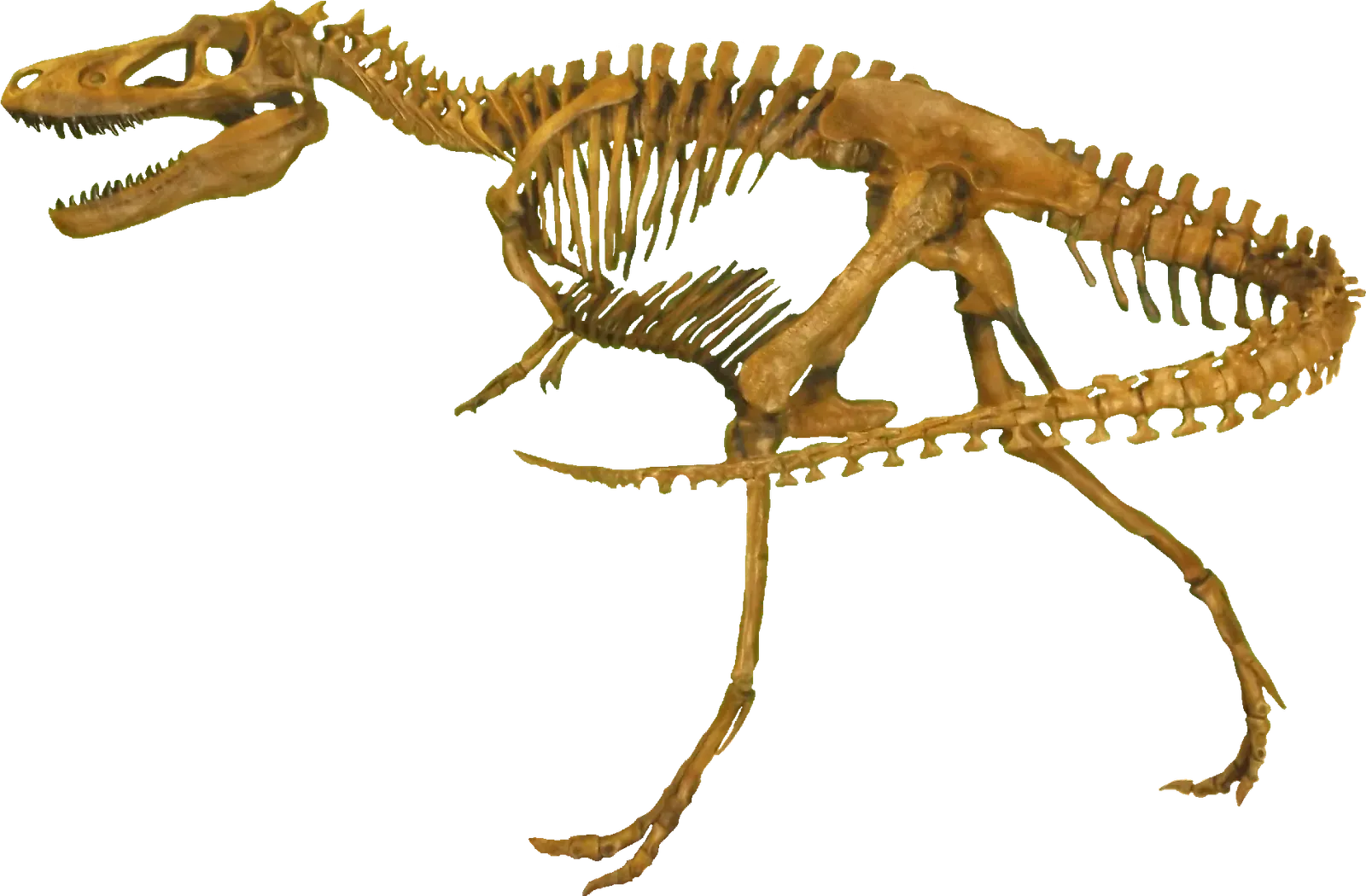
For decades, paleontologists argued fiercely about whether Nanotyrannus was a separate species or simply a juvenile T. rex. It sounds like an academic argument, but it has enormous consequences for how you understand dinosaur growth patterns. Scientists have confirmed that Nanotyrannus was a mature species, not a young T. rex, and a microscopic look at its hyoid bone provided the key evidence, matching growth signals seen in known T. rex specimens.
You can imagine how this shook the paleontology community. Researchers showed that Nanotyrannus was nearly an adult but also different from T. rex in ways that cannot be explained by growth, including a longer hand, and a subsequent study on the original Nanotyrannus demonstrated that this specimen was also fully grown, together ending a 35-year-long controversy and revealing Nanotyrannus as a slender, agile pursuit predator built for speed. Although smaller than an adult T. rex, Nanotyrannus was still a full-grown animal that lived in a far more diverse Late Cretaceous ecosystem than previously thought, and measuring under half the size of an adult T. rex, it likely competed with young T. rex individuals for the same prey.
Early Dinosaurs Were Fast Growers From the Very Beginning
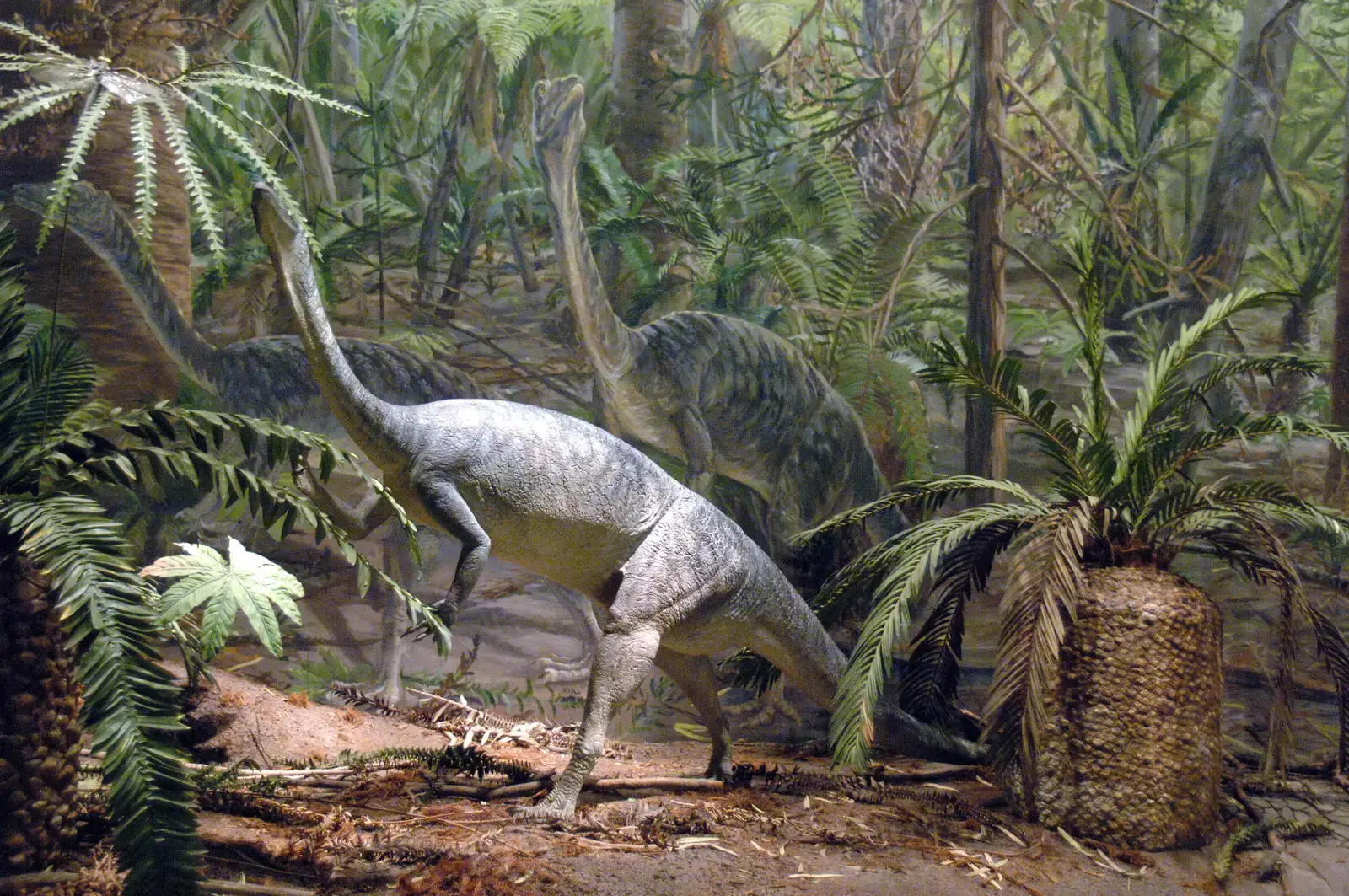
You might assume that fast growth was something dinosaurs evolved gradually over millions of years. It turns out, they arrived at the party already running. The earliest dinosaurs had rapid growth rates, but so did many of the other animals living alongside them, according to a study published in the open-access journal PLOS ONE. The key discovery? Rapid growth wasn’t what exclusively separated dinosaurs from their neighbors during the Triassic period.
Researchers performed histological analysis, examining patterns of bone tissue growth in the fossilized leg bones of an array of animals in one of the earliest known Mesozoic ecosystems, with the studied fossils coming from the Ischigualasto Formation of Argentina and dating between 231 and 229 million years old. The implication is genuinely thought-provoking. Fast growth may have been a broader ecological trend at the time, not a dinosaur superpower in isolation. Dinosaurs grew up fast, a feature that likely set them apart from many other animals in their Mesozoic ecosystems, and some researchers have proposed that these elevated growth rates were key to the global success of dinosaurs.
Sauropod Giants: Built for Speed From the Inside Out
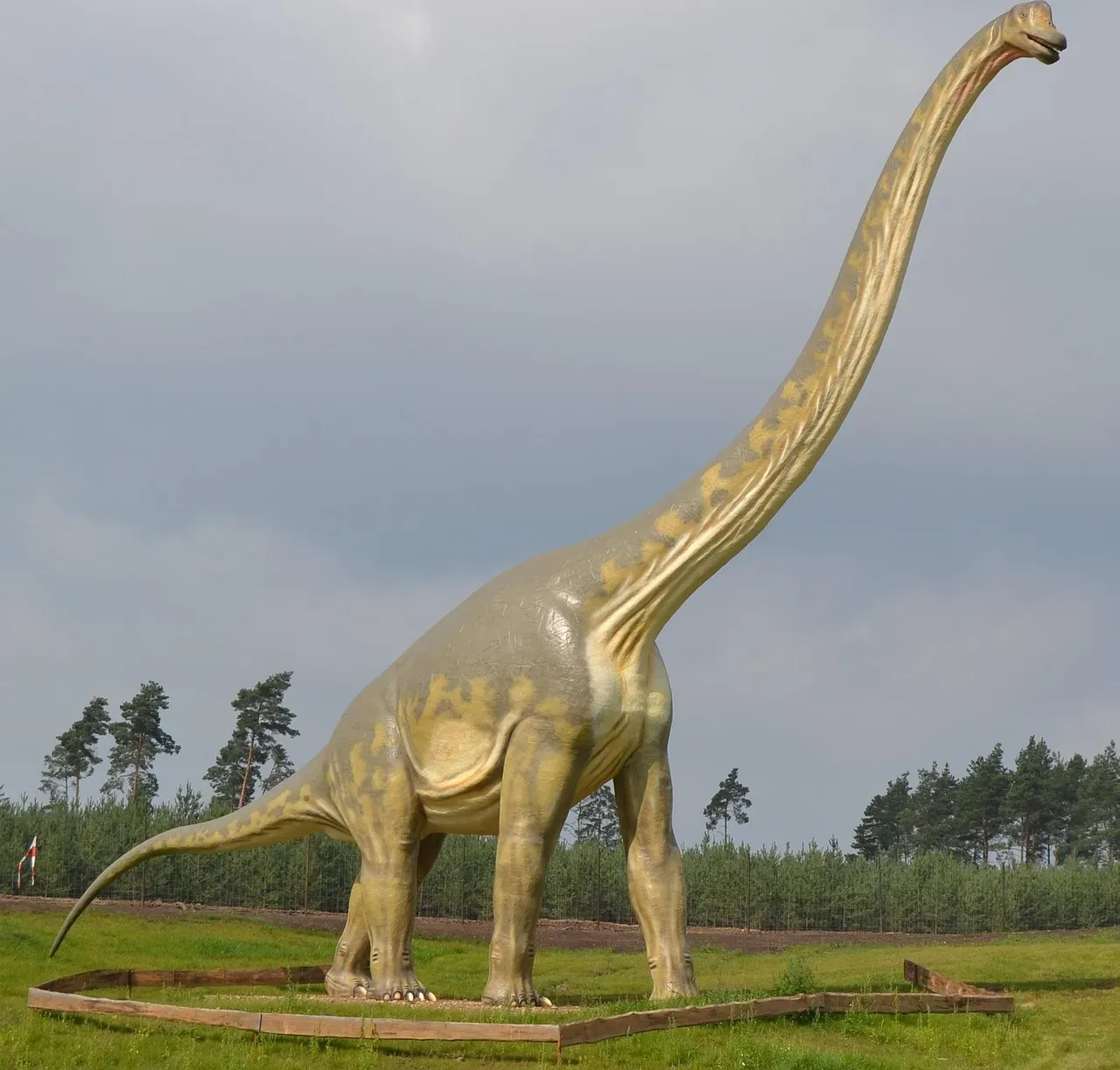
When you look at a sauropod like Brachiosaurus, enormous, slow, and seemingly immovable, “fast growth” is probably not the first thing on your mind. But these colossal creatures may have achieved their mind-bending size precisely because of astonishing speed of development. Osteohistology suggests that derived physiological traits evolved near the origin of sauropod gigantism, including both rapid and uninterrupted growth from juvenile to adult with little developmental plasticity, which differs from the slower, seasonally interrupted growth of their direct ancestors.
Here’s the real shocker. Highly accelerated growth rates originated among smaller, non-sauropodan sauropodomorphs weighing just one to two tons but preceded the origins of giant size, meaning the capacity for rapid bone tissue formation did not evolve specifically to enable giant body sizes but may have been a prerequisite for them. In other words, speed of growth came first, gigantism came second. That flips the intuitive logic completely on its head, like saying an athlete trained for sprinting and accidentally became a sumo champion.
Hot Blood, High Metabolism, Explosive Growth
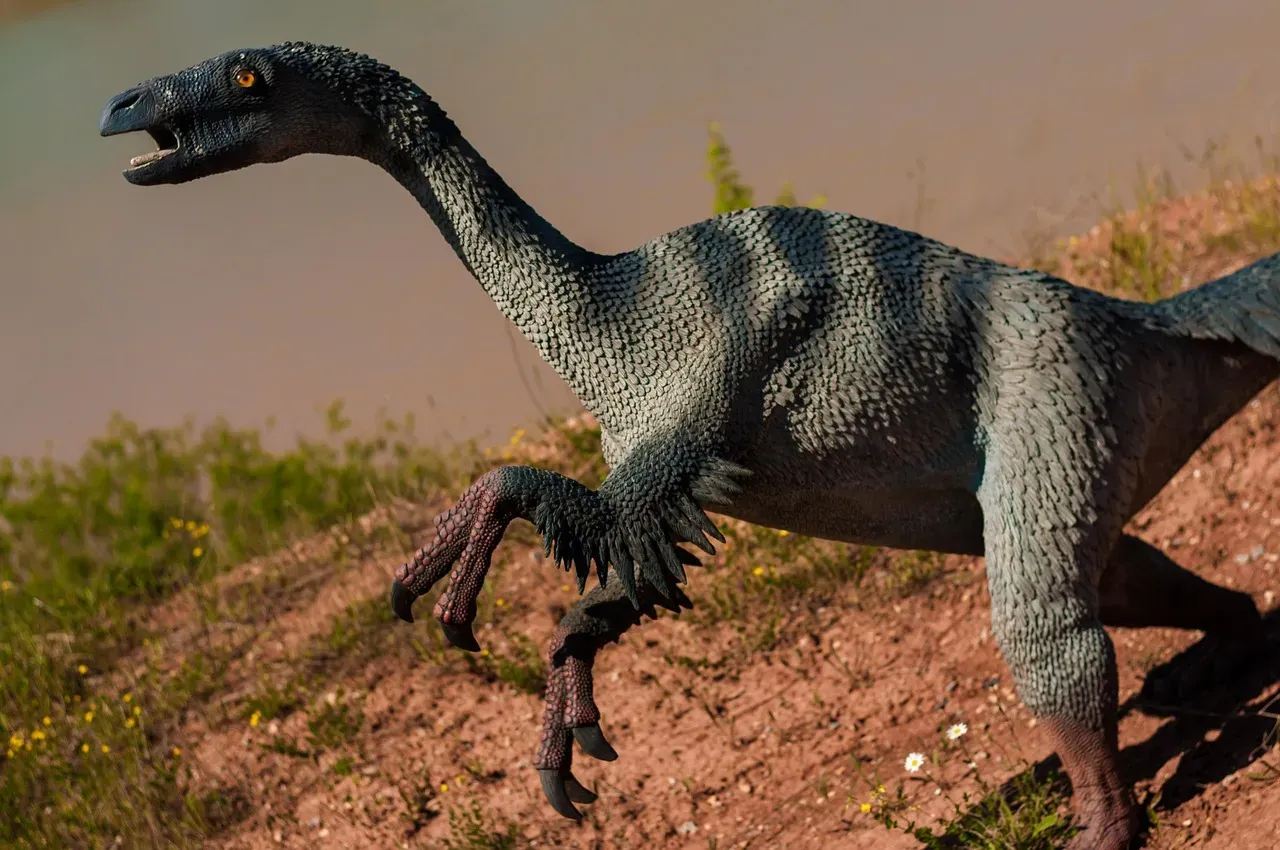
The old image of dinosaurs as sluggish, cold-blooded lizards lounging in the sun has been comprehensively dismantled. What replaced it is far more energetic. The team found that dinosaurs’ metabolic rates were generally high, and while the bird-hipped dinosaurs like Triceratops and Stegosaurus had low metabolic rates comparable to those of cold-blooded modern animals, the lizard-hipped dinosaurs, including theropods and the sauropods, were warm or even hot-blooded.
What truly surprised researchers was the upper end of this metabolic range. Researchers were surprised to find that some of these dinosaurs weren’t just warm-blooded: they had metabolic rates comparable to modern birds, much higher than mammals. This connection to bird-like metabolism helps explain explosive growth rates. The type of bone tissue seen in between dinosaur growth lines indicates the animals grew rapidly and sustained high metabolic rates, and dinosaur bone tissue is indistinguishable from that of today’s endothermic ruminants, meaning that dinosaurs were endothermic too. They weren’t just big. They were energetically furious.
What Bone Microstructure Reveals That Fossils Alone Cannot
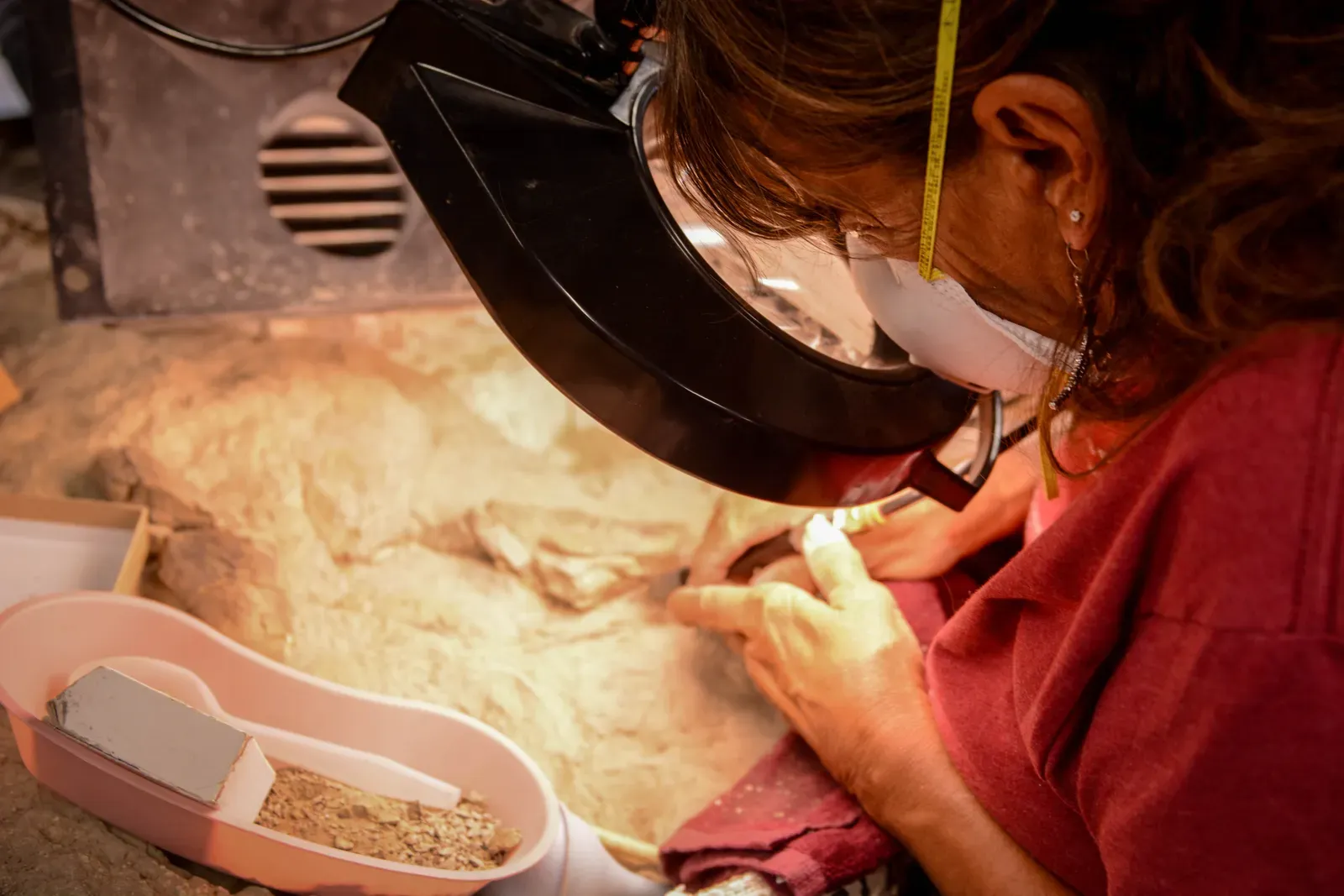
One of the most exciting developments in modern paleontology isn’t a headline-grabbing new species. It’s the ability to look inside the bones themselves and read a biological story that was locked away for millions of years. Scientists have developed novel techniques to investigate not only the skeletal tissues of dinosaurs but also less-studied soft tissues, through molecular paleontology and paleohistochemistry, and the combination of histological and molecular methods holds great potential for examining the preserved tissues of dinosaurs, basal birds, and their extant relatives.
This microscopic world turns out to be extraordinarily informative. Bone histology acts as a key proxy for somatic growth rates, as bone tissue that is composed of both haphazardly arranged matrix fibers and vascular spaces is correlated with high somatic growth at the time of bone deposition, with the bone tissue type most tightly correlated with high growth rates being fibrolamellar bone, a composite tissue containing both a periosteal base of woven, disorganized matrix and abundant vascular spaces. It’s like reading a diary that the dinosaur’s own skeleton wrote while it was alive. Researchers have uncovered thousands of preserved metabolic molecules inside fossilized bones millions of years old, and the findings reveal animals’ diets, diseases, and even their surrounding climate, including evidence of warmer, wetter environments.
A Golden Era – And the Discoveries Aren’t Slowing Down
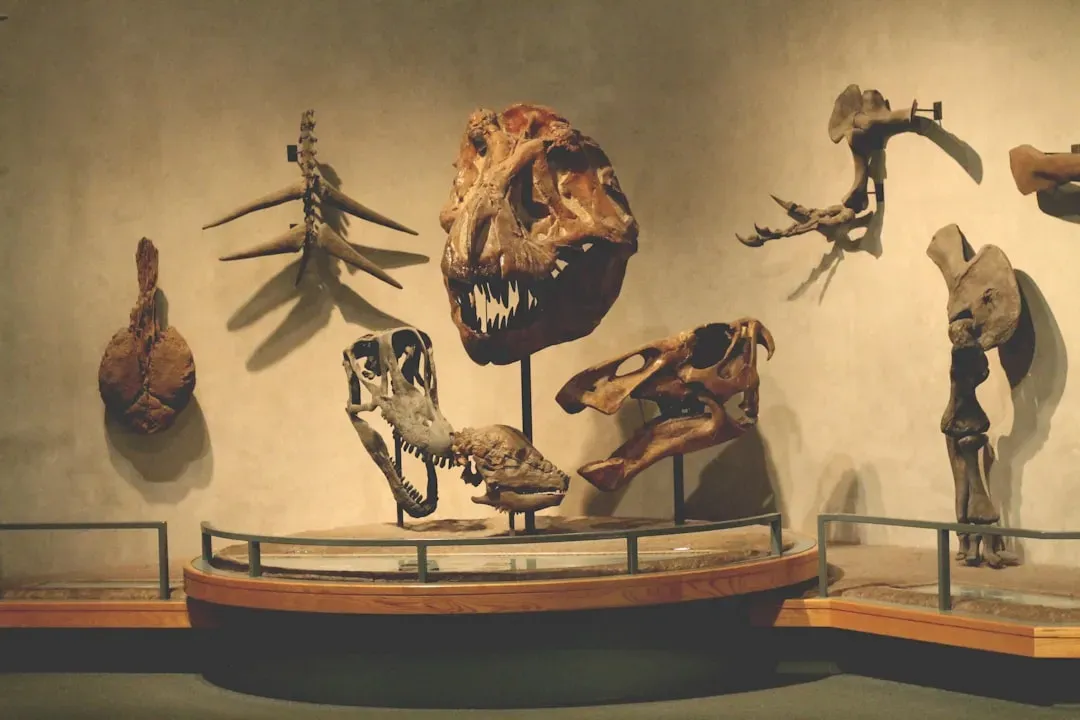
You might think we’ve been studying dinosaurs long enough to have figured most of it out. The evidence strongly disagrees. A golden era in dinosaur science is driving fascination with these animals, and around 1,400 dinosaur species are now known from more than 90 countries, with the rate of discovery accelerating in the last two decades. To put that in perspective, more new species have been named in the last 25 years than in the entire previous history of paleontology.
Growth research specifically is advancing at a startling pace. Experts say new analytical approaches could force paleontologists to reevaluate how fast other dinosaurs and extinct animals grew. And the tools are only getting sharper. A new AI app called DinoTracker analyzes photos of fossil tracks and predicts which dinosaur made them, with accuracy rivaling human experts. Fossilized bones are now revealing secrets from a lost world, as researchers uncover thousands of preserved metabolic molecules inside bones millions of years old, offering a surprising new window into prehistoric life. Every year, the picture gets richer, more nuanced, and more surprising.
Conclusion: Everything We Thought We Knew Is Being Rewritten
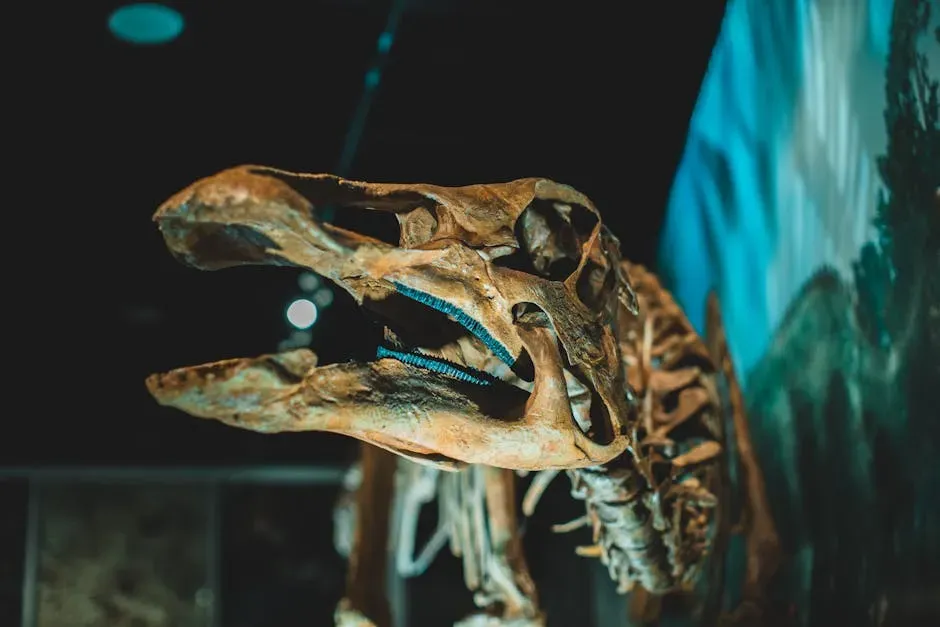
The story of dinosaur growth is no longer a simple one. It’s not a linear march from small egg to towering giant on a predictable schedule. It’s a complex, metabolically rich, biologically dynamic process that varied wildly across species, and that we are only now beginning to truly decode. T. rex grew slowly and steadily toward a massive, long-lived adulthood. Sauropods evolved rapid growth before they evolved gigantic size. The bone rings we once trusted as biological clocks are more complicated than we ever imagined.
Honestly, that’s what makes this field so thrilling right now. Every discovery seems to contradict a prior assumption, and rather than unsettling science, it makes it stronger and more honest. The dinosaurs we thought we knew were just rough sketches. The real animals, it turns out, were stranger, faster-developing, and more biologically sophisticated than we ever gave them credit for.
What aspect of dinosaur biology do you think will be rewritten next? Drop your thoughts in the comments – the science is moving fast enough that your guess might just turn out to be right.