Have you ever wondered if dinosaurs were homebodies or adventurers? For decades, the idea that these prehistoric giants wandered across continents seemed like pure speculation. There were whispers in scientific circles, but hard proof? That was tough to come by.
Fast forward to 2026, and the picture looks dramatically different. Researchers are piecing together a story that would rival any epic journey you can imagine. It turns out that at least some dinosaurs were relentless travelers, covering distances that would exhaust even the most determined modern-day hiker. From tooth chemistry to ancient footprints frozen in time, the clues are starting to pile up in ways that make skeptics take notice.
The Chemistry Hidden in Ancient Teeth Tells a Migration Story
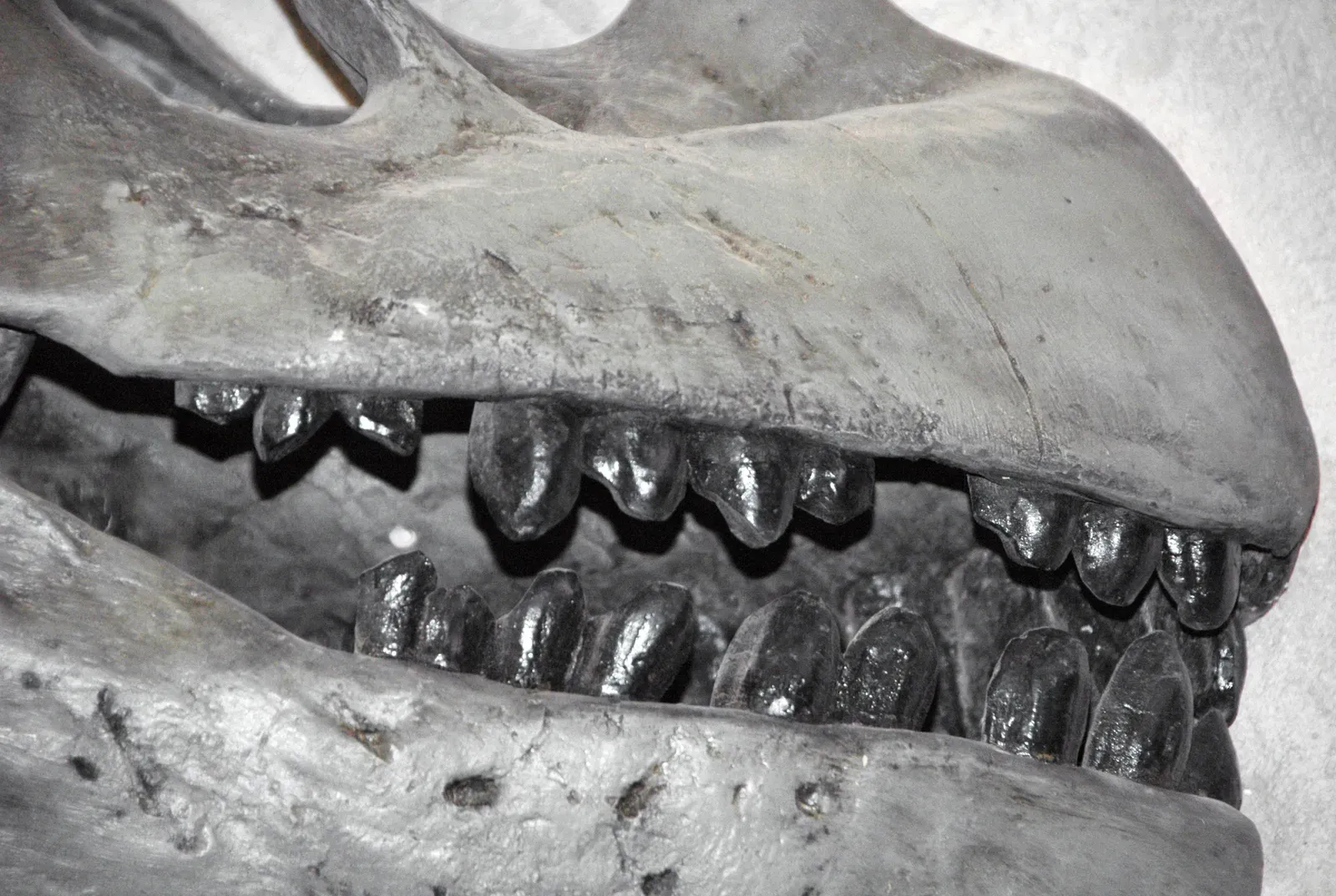
Chemical signals in prehistoric tooth enamel reveal what may be the best evidence yet that dinosaurs migrated seasonally like modern-day birds or elephants. Honestly, when scientists first started analyzing oxygen isotopes in fossilized Camarasaurus teeth, I don’t think they expected such clear results. Researchers compared ratios of oxygen isotopes in the fossil teeth with oxygen isotopes found in prehistoric layers of lowland soil, and because the dinosaurs’ teeth were replaced roughly every five months, each tooth offers a unique record of what the animal drank during the tooth’s life span.
The long-necked plant-eaters likely trudged from floodplain lowlands to distant uplands and back again as the seasons changed across parts of what are now Utah and Wyoming. The sauropods moved nearly 200 miles (300 kilometers) to highlands that were presumably cooler and wetter in that season. Let’s be real, that’s not a casual stroll.
Tyrannosaurs Crossed Oceans on Ancient Land Bridges
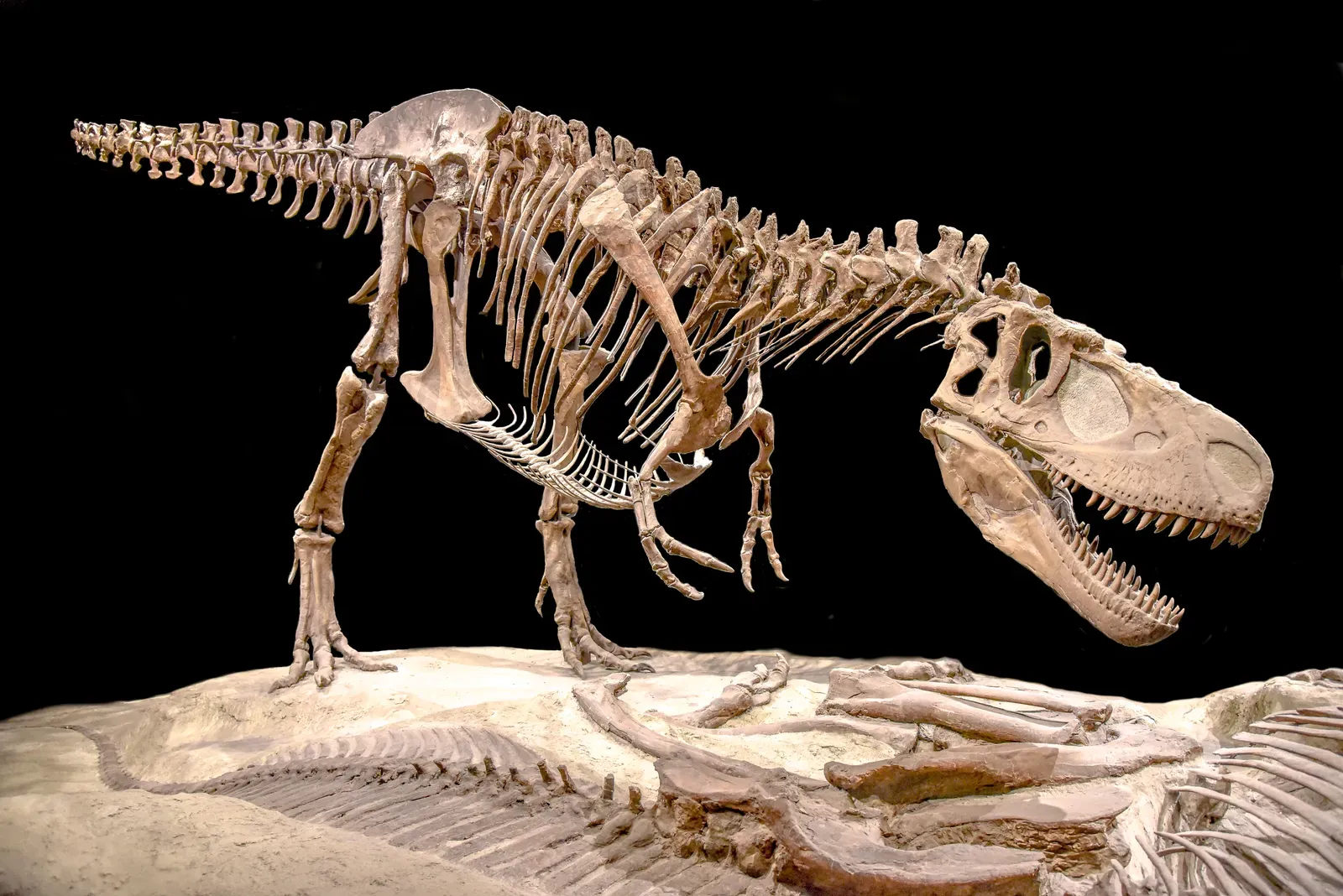
The study of the dinosaur Khankhuuluu, published in June 2025 in Nature, details multiple tyrannosaur migrations, millions of years apart. This small carnivore lived roughly eighty-six million years ago, yet its discovery rewrote part of the tyrannosaur family tree. Khankhuuluu was part of a burst of tyrannosaur evolution that led to slender, agile creatures crossing into prehistoric North America around 85 million years ago and proliferating there.
Some of those tyrannosaurs then crossed back into Asia, evolving into new forms and eventually leading one big, bone-crushing lineage to enter North America once more and give rise to the iconic T. rex. The back-and-forth pattern is striking. It suggests these predators were anything but static, adapting to new environments and seizing opportunities as landmasses shifted.
Stomach Stones Traveled Six Hundred Miles Inside Dinosaur Bellies
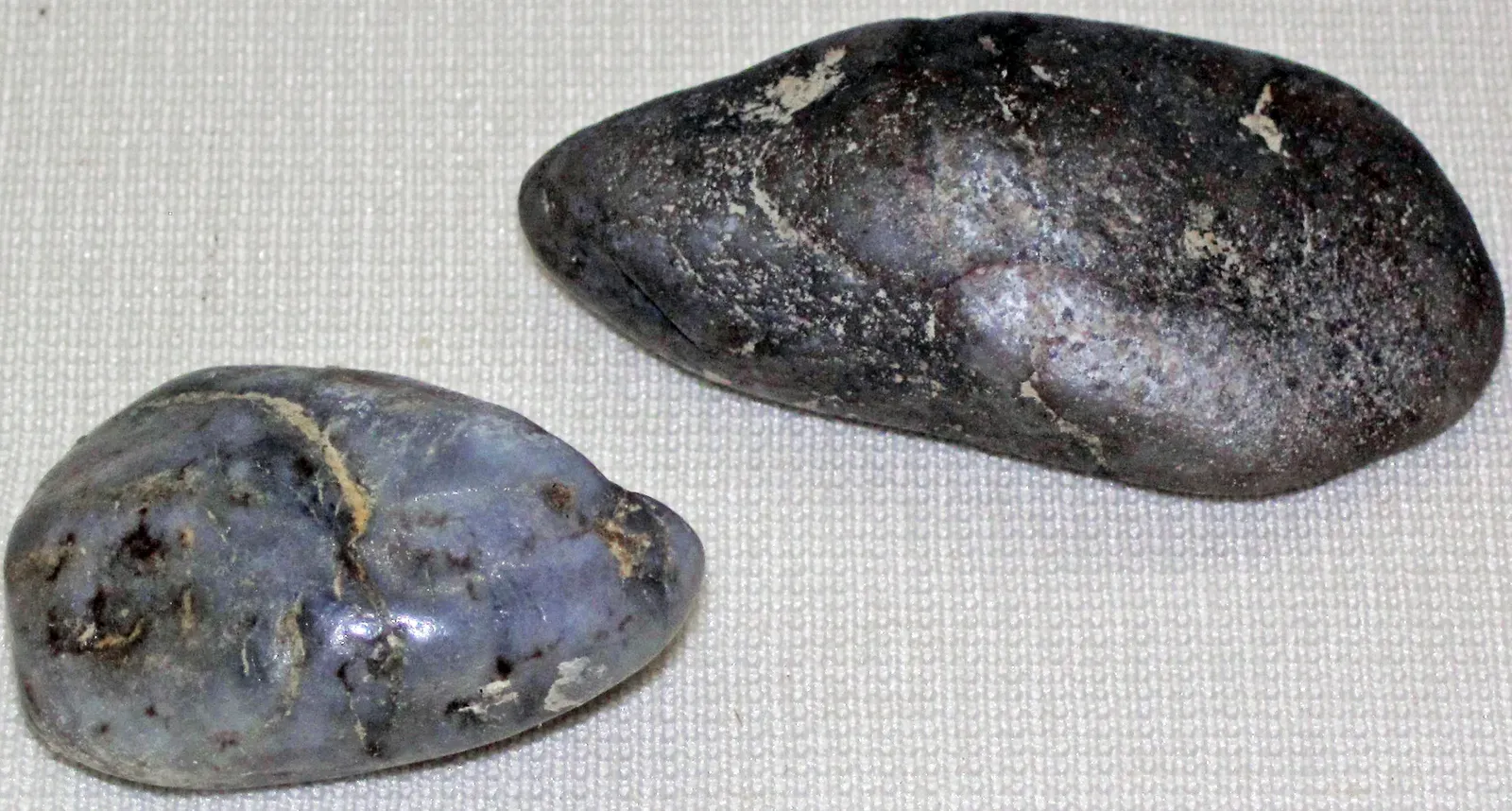
Here’s something that sounds almost too wild to be true. During the Jurassic period, long-necked dinosaurs migrated hundreds of miles across what is now the American Midwest, and we know this partly because of gastroliths – smooth stones swallowed by these massive creatures. These gastroliths came from the east, and there weren’t any rivers connecting Wisconsin to Wyoming that flowed with enough energy to carry such large stones that entire distance, so perhaps dinosaurs migrating long distances carried them there.
The meat-eating theropod Allosaurus and the long-necked sauropods Barosaurus, Diplodocus and possibly Camarasaurus are the only huge dinosaurs whose remains have been found with gastroliths in the Morrison Formation, but because sauropod skeletons greatly outnumber those of Allosaurus and gastroliths are much more common in sauropods, researchers hypothesize that sauropods were the animals most likely responsible for transport of these stones. It’s hard to say for sure why they swallowed them, but either way, the presence of Wisconsin stones in Wyoming tells a compelling tale.
Climate Shifts Opened Prehistoric Highways Across Continents
Ancient magnetism patterns in rock layers at fossil sites across South America, Arizona, New Jersey, Europe, and Greenland have been matched to determine that the dinosaurs completed this migration around 214 million years ago. What drove them to make such an extreme journey? The plummeting CO2 levels and the sauropodomorph migration are linked, with milder levels of CO2 possibly helping to remove climatic barriers that had limited the sauropodomorphs to South America.
When the CO2 levels dipped 215 to 212 million years ago, the tropical regions may have become more mild, and the arid regions could have become less dry, with certain passageways such as along rivers or lakes helping sustain the herbivores along the way to Greenland. Once they arrived, they stuck around, establishing populations that lasted for ages.
Thousands of Footprints Reveal Ancient Dinosaur Highways
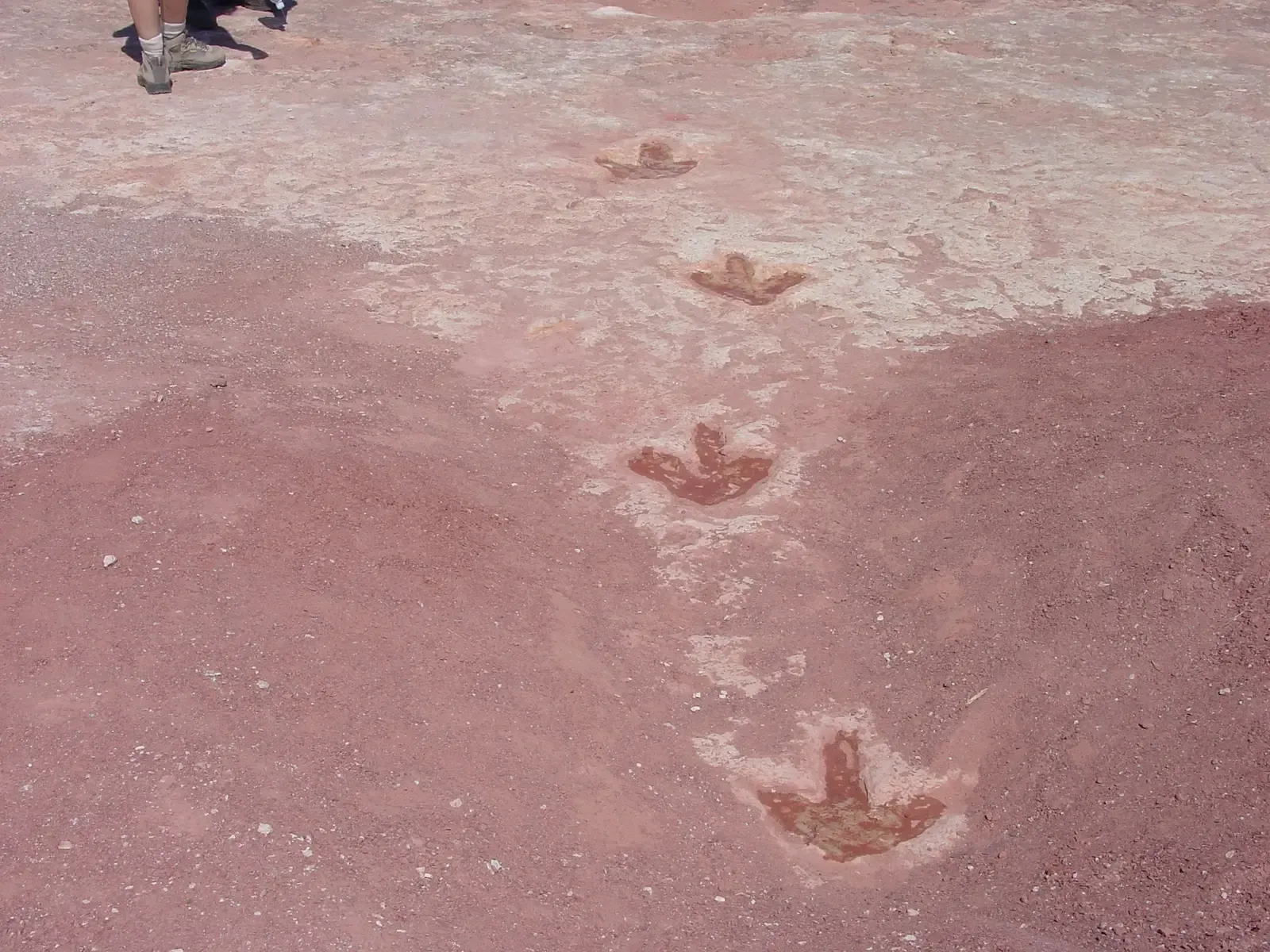
Scientists recently counted 16,600 theropod tracks at the Carreras Pampas tracksite in Bolivia’s Torotoro National Park, which is more than any other trackway site documented. There the theropods stamped their feet into the soft, deep mud between 101 million and 66 million years ago, toward the end of the Cretaceous period. This wasn’t random wandering.
Most of the tracks were traveling north-northwest or southeast, indicating that this area was a popular thoroughfare for theropods and could have been part of a larger dinosaur freeway that spans Argentina, Bolivia and Peru. Print shapes and the distance between the footprints revealed how the animals were moving; some strolled at a leisurely pace, while others sprinted through the muddy shoreline, and more than 1,300 tracks preserved evidence of swimming in shallow water. The variety is astonishing.
Matching Tracks on Two Continents Prove Cross Ocean Migration
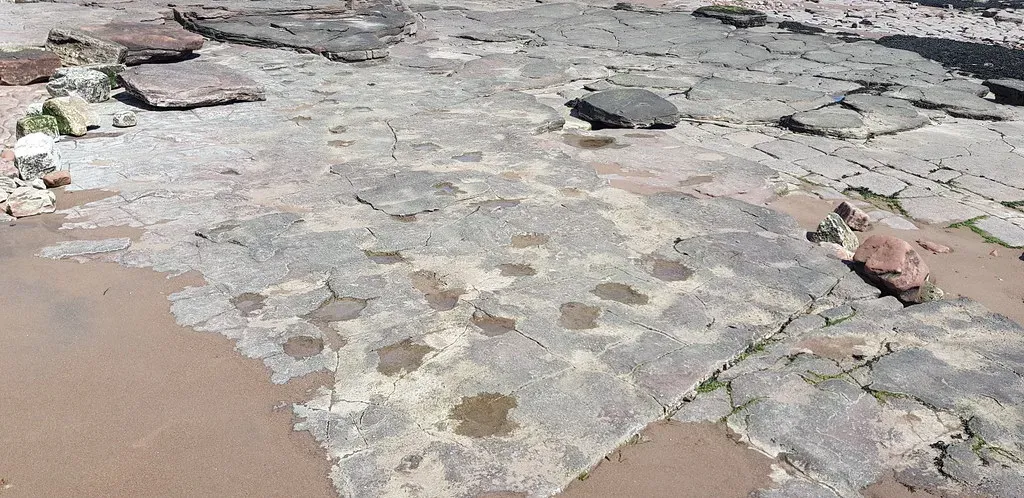
An international team catalogued more than 260 dinosaur tracks in basins across the Atlantic Ocean and showed that in terms of age, these footprints were similar, and in their geological and plate tectonic contexts, they were also similar. The African and South American sites confirm that dinosaurs strolled across a contiguous landmass long after Pangea began unraveling, using the same river corridors that would later drown beneath the Atlantic.
The twin sites, once side by side, preserve what researchers now call the Dinosaur Dispersal Corridor, with most of the footprints belonging to three-toed theropods, the fleet carnivores of their day, and a handful of sauropod and ornithopod impressions hinting at herds of plant-eaters trudging through the same wetlands. The evidence is almost poetic in its clarity – two continents now separated by an entire ocean once hosted the same dinosaur highways.
Duck-Billed Dinosaurs Show North-South Migration Patterns
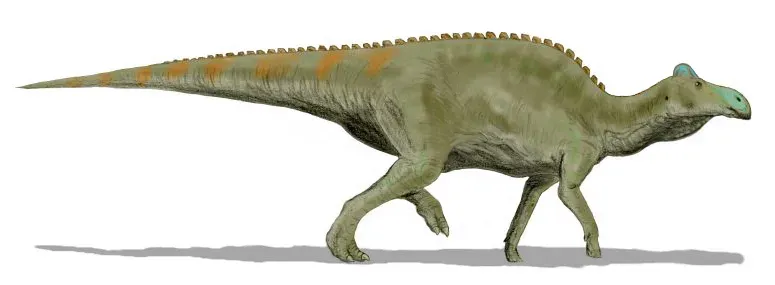
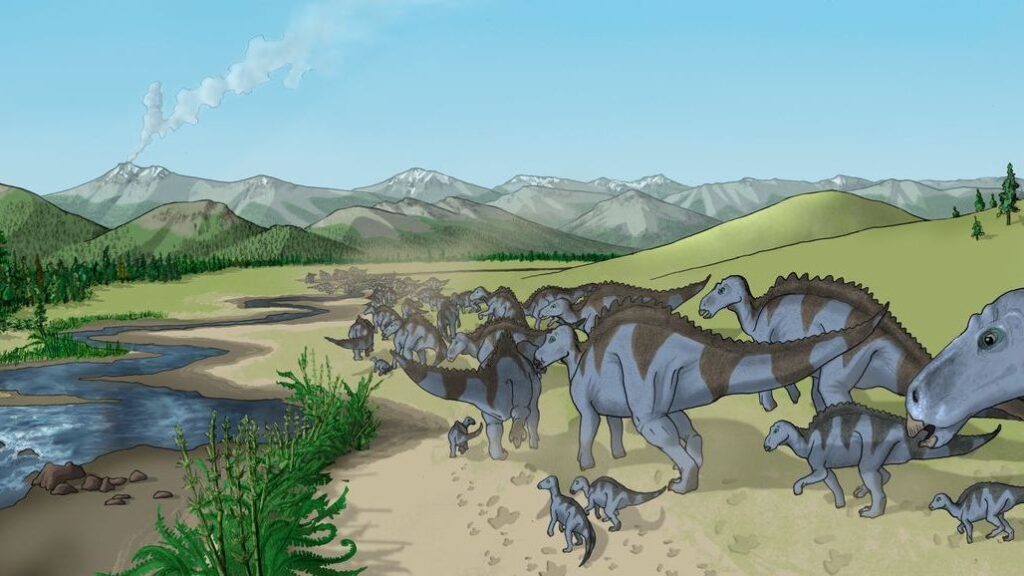
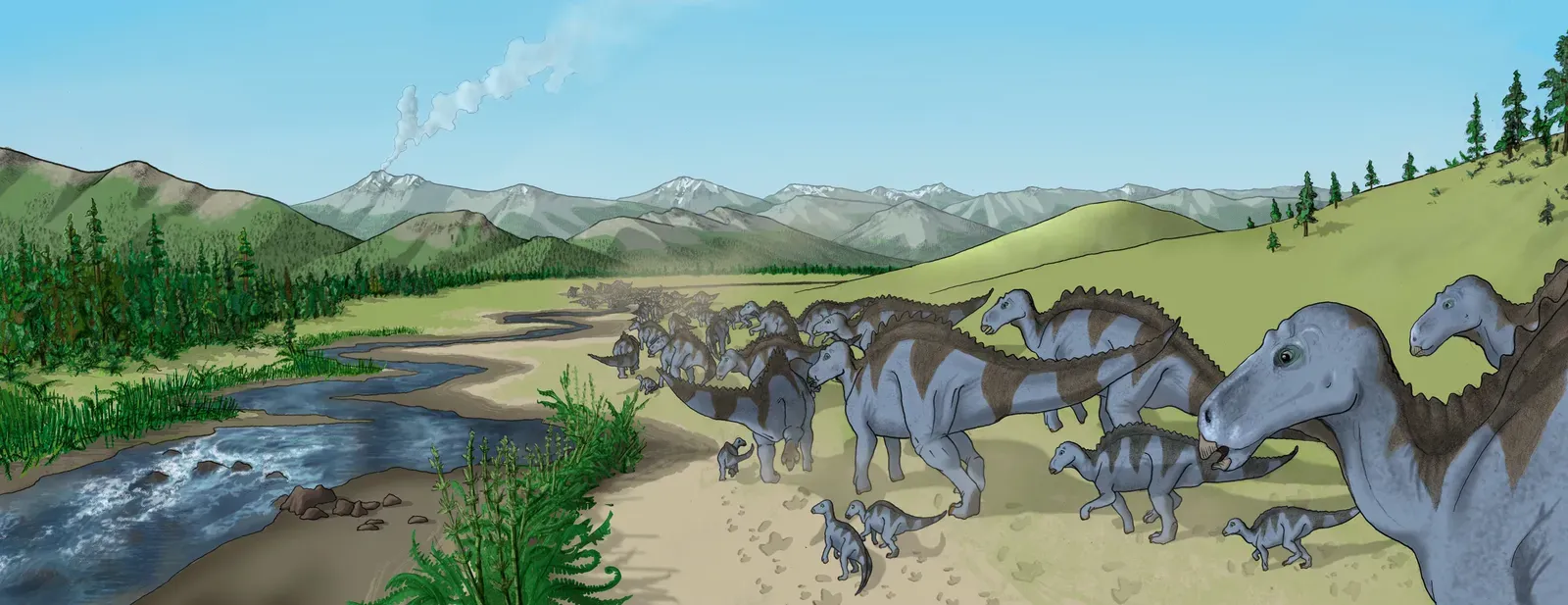
A discovery credited as additional evidence supporting the history of dinosaur migration throughout North America and taxonomic exchange between North and South America reveals the new species is part of a larger group that spread north from New Mexico and into Canada, as well as through Central America into South America. It seems that at a few different times, groups of organisms from the southern part of the continent migrated northward, and during one of these events, the ancestors of the new hadrosaur migrated north, replacing another hadrosaur group, while others also spread into South America.
Later, as new forms migrated to North America from Asia, the descendants of the earlier migrants returned to the southern part of the continent where descendants of the older lineage continued to thrive, with the lineages appearing to have co-existed in the region for a time, showing that this group not only exploded with diversity across the continent at one point, but also contributed to the world-wide spread of this group in the Late Cretaceous. The complexity is dizzying, yet it paints a picture of restless populations constantly on the move.
Conclusion
The evidence keeps mounting, and it’s getting harder to ignore. Dinosaurs weren’t simply scattered randomly across the planet. They moved with purpose, following climate patterns, seasonal shifts, and ancient corridors that connected lands we now think of as impossibly distant. From chemical traces locked in teeth to footprints preserved in mudstone for over a hundred million years, the scientific community is finally assembling a coherent narrative.
What once seemed like speculation is now grounded in data. These creatures lived dynamic lives, adapting to changing environments and traveling distances that boggle the mind. As researchers continue to uncover new sites and refine their techniques, who knows what other secrets these ancient travelers will reveal? Did you expect dinosaurs to be such relentless wanderers? It’s a reminder that the past is far more active and interconnected than we ever imagined.