Picture this: tens of thousands of enormous creatures thundering across ancient landscapes every single year, following invisible seasonal cues in ways that mirror the great wildebeest migrations of Africa today. For a long time, science treated dinosaurs as territorial giants that largely stayed put. That picture is changing, fast.
Recent discoveries in fossil footprints, bone chemistry, and plate tectonic geology are rewriting what we know about how these prehistoric animals moved. The evidence is piling up in ways even seasoned paleontologists did not see coming. Let’s dive in.
A Prehistoric Highway Hidden in Plain Sight
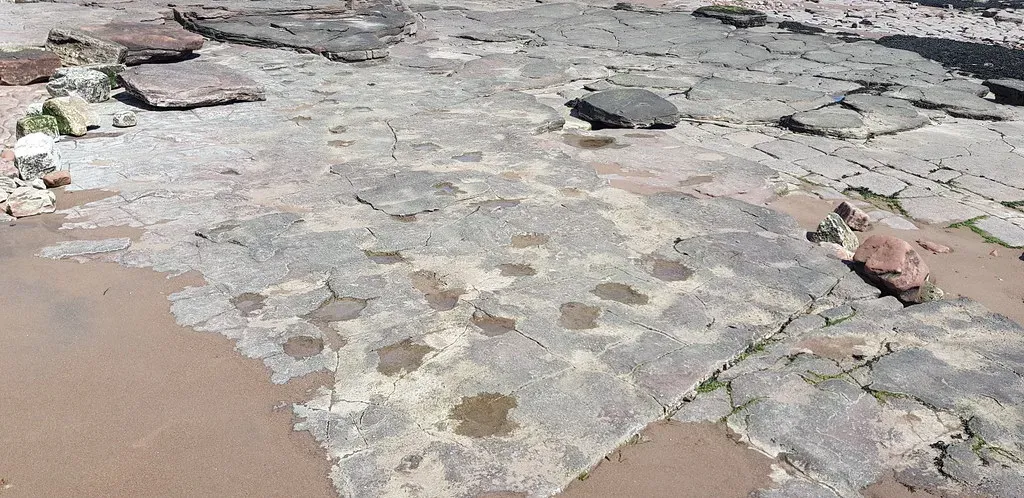
Here’s the thing about great discoveries – they sometimes hide in the most obvious places. An international team of paleontologists found matching sets of Early Cretaceous dinosaur footprints on what are now two different continents, with more than 260 footprints discovered in Brazil and in Cameroon, showing where land-dwelling dinosaurs were last able to freely cross between South America and Africa millions of years ago before the two continents split apart. When you think about what that means, it is genuinely staggering.
Discovered in Brazil’s Sousa Basin and Cameroon’s Koum Basin, these footprints represent an extraordinary find that ties together the histories of two continents that were once part of the supercontinent Gondwana. Think of it like finding the same pair of shoe prints on two sides of a river that dried up a million years ago – you would know, without a doubt, that someone once walked across.
A prehistoric “highway” used by dinosaurs to travel between Africa and South America has been discovered by paleontologists. Muddy sediments left by rivers and lakes contain dinosaur footprints, including those of meat-eaters, documenting that these river valleys could provide specific avenues for life to travel across the continents 120 million years ago. The scale of this ancient road is hard to wrap your head around.
What Teeth Reveal About Ancient Wanderers
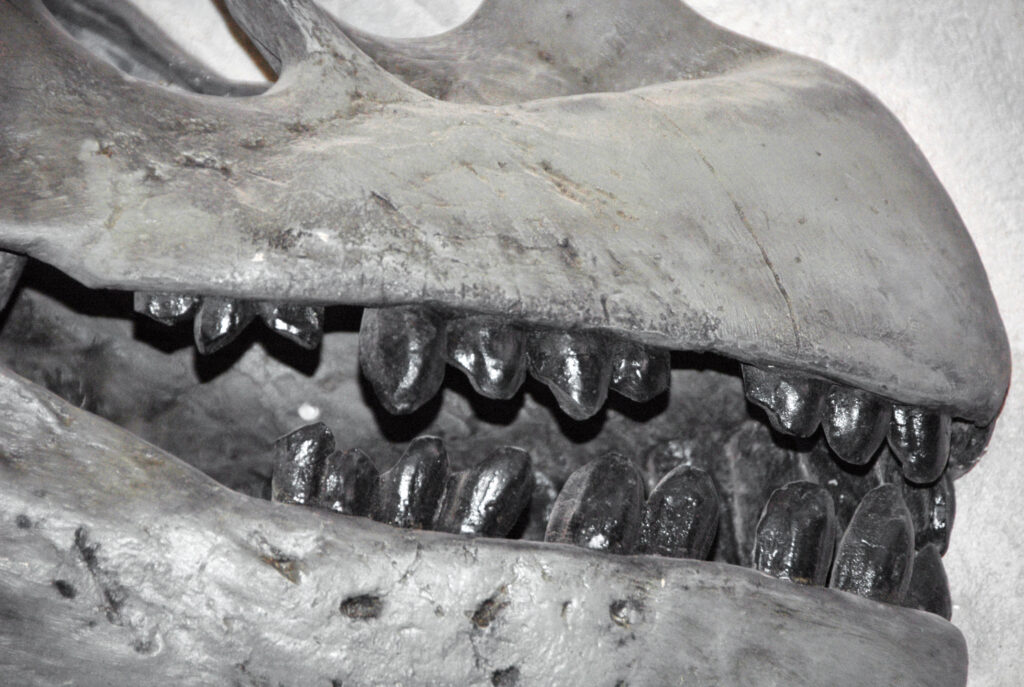
A fossil teeth analysis uncovered some of the best evidence yet that dinosaurs migrated seasonally like modern-day birds or elephants, with chemical signals in prehistoric tooth enamel revealing that roughly bus-length Camarasaurus dinosaurs walked hundreds of miles on marathon migrations in late Jurassic North America. I think this is where the story gets truly fascinating. Teeth, of all things, are acting as prehistoric travel diaries.
When animals drink water, the oxygen in that water gets incorporated into the bloodstream and eventually into tooth enamel, and that water takes on distinct chemical signatures based on where in the environment the dinosaur consumed it – for example, water from a mountain tarn and water from a lowland swamp will have different amounts of a particular isotope of oxygen. Responding to shifts in food and water availability, the long-necked plant-eaters likely trudged from floodplain lowlands to distant uplands and back again as the seasons changed across parts of what are now Utah and Wyoming. It is a breathtaking piece of detective work.
The Bone Record Speaks of Seasons
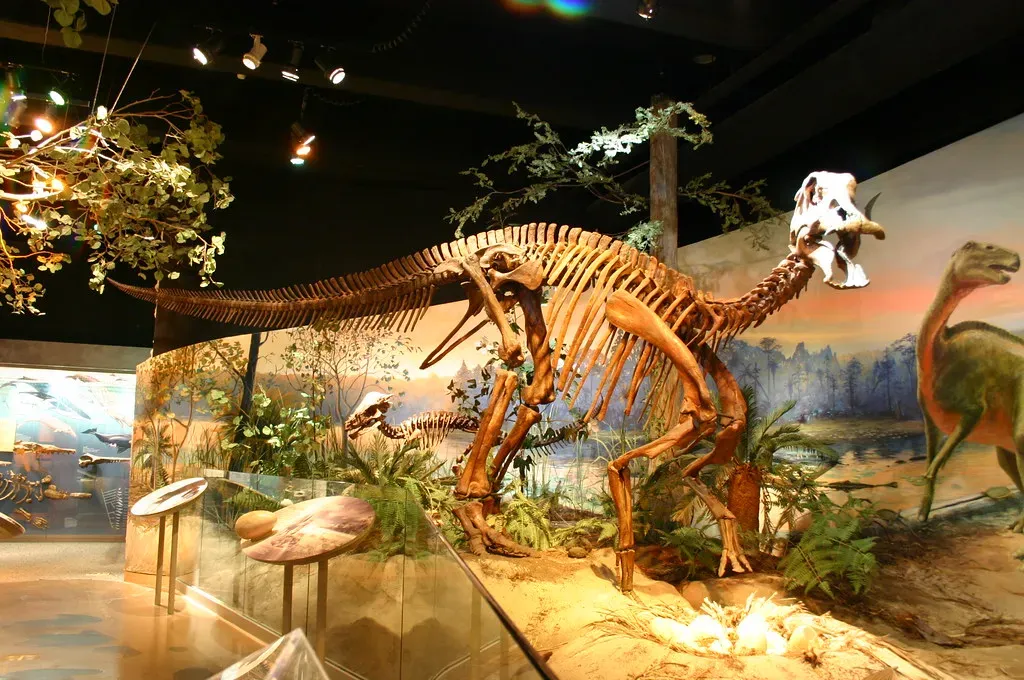
The microscopic structure of dinosaur bones has yielded important clues about seasonal behaviors, including potential migration. Many dinosaur species show evidence of cyclical growth patterns in their bones, with distinct lines of arrested growth indicating seasonal slowdowns in development – these growth rings, similar to those found in trees, suggest dinosaurs experienced significant seasonal variations in resource availability. It is a bit like reading the rings of an ancient redwood, except what you are reading is the life story of a creature that weighed more than a school bus.
In some dinosaur populations, researchers found that these growth patterns synchronize across individuals from the same fossil beds, indicating shared responses to seasonal environmental changes. Notably, some species show evidence of consistent rapid growth during certain seasons, followed by periods of slower growth – a pattern that would align with seasonal migration to more resource-rich environments during particular times of year. Honestly, the more you learn about dinosaur biology, the more it resembles the seasonal rhythms we see in nature today.
Climate Pressures That Forced Them to Move
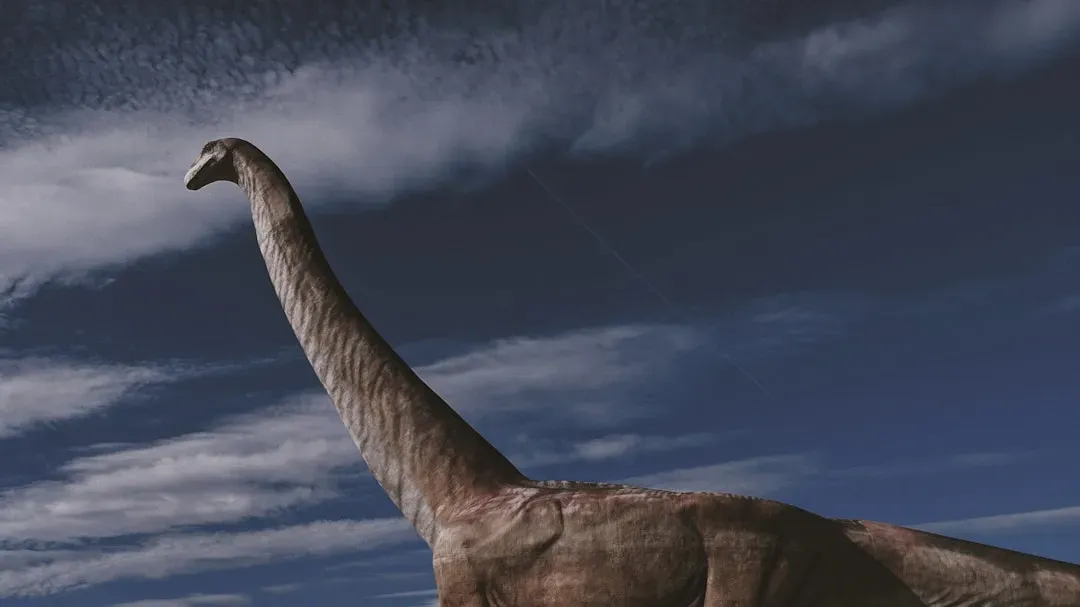
Climate conditions during the Mesozoic Era would have significantly influenced dinosaur movement patterns and potentially driven migratory behavior. While the Mesozoic climate was generally warmer than today with less extreme temperature variations between seasons, paleoclimate research indicates that dinosaurs still experienced meaningful seasonal changes, particularly in precipitation patterns and resource availability. If you lived in a world where your food source dried up for half the year, you would move too. No choice.
High-latitude dinosaur populations faced pronounced seasonal light changes, with long dark winters that would have reduced plant productivity and potentially necessitated southward migrations. Evidence from fossilized soils and plant remains demonstrates that many dinosaur habitats experienced distinct wet and dry seasons, which would have caused dramatic fluctuations in food availability across different regions. It is likely that giant sauropods migrated because they had to eat constantly, and the rainfall that watered their all-you-can-eat buffet of plants and trees was seasonal.
T. Rex, the Asian Immigrant
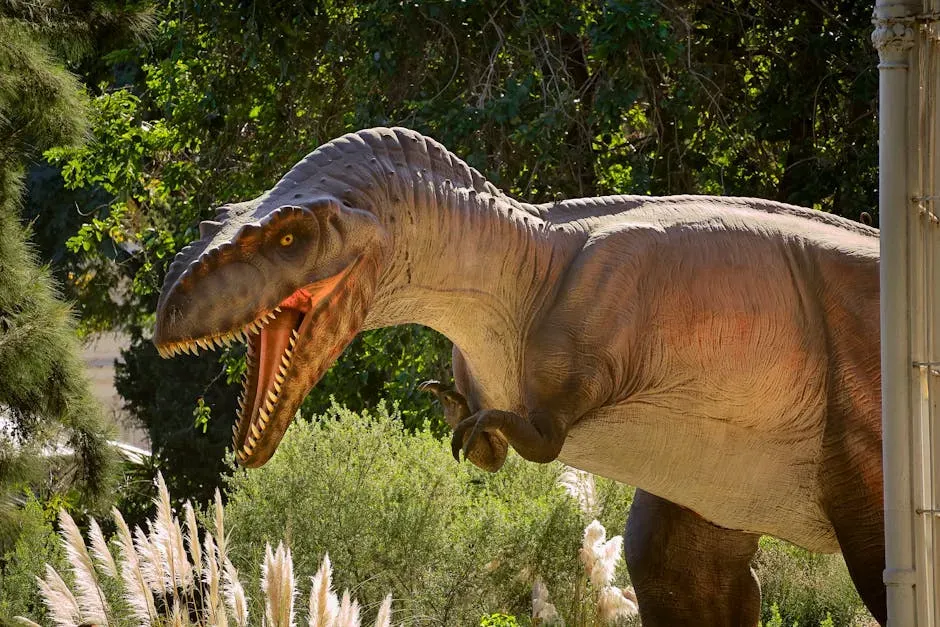
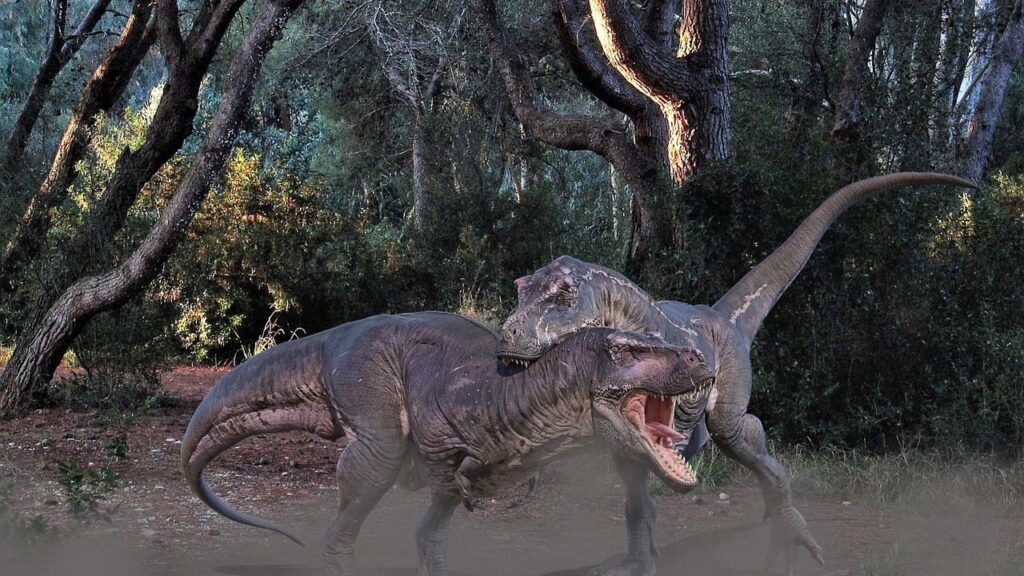
You might think of the Tyrannosaurus rex as the ultimate North American creature. But here is the surprise twist. Researchers confirmed that the ancestors of T. rex crossed into North America from Asia via a land bridge connecting the continents. In that study, researchers traced these dinosaurs’ evolutionary tracks across continents of the Cretaceous Period, running advanced mathematical models using data on fossils from across the world, along with dinosaur evolutionary trees and information about the climate and geology of that time.
These dinosaurs likely emerged in Asia about 120 million years ago, then spread to Europe and to Gondwana, the large southern continent that includes present-day Africa, Antarctica, and South America. The study also showed how changes in climate, environment, and geology shaped the evolution of tyrannosaurids, with a peak in global climate temperatures known as the Cretaceous Thermal Maximum occurring around 92 million years ago – and as the planet cooled, tyrannosaurids and megaraptors evolved larger body sizes. Migration, it turns out, was not just about food. It was the engine of evolution itself.
Herds, Social Bonds, and the Mechanics of the Great Trek
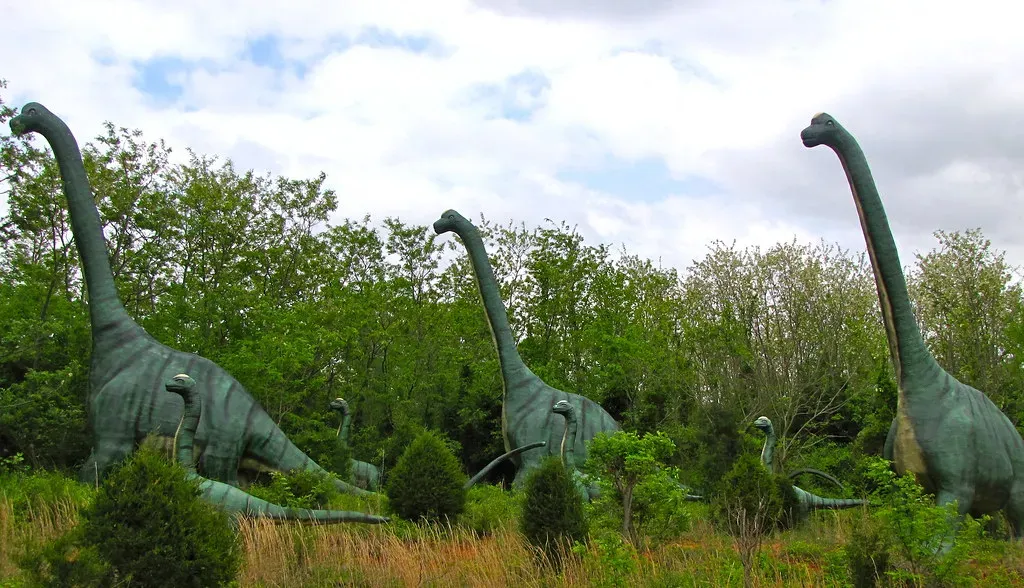
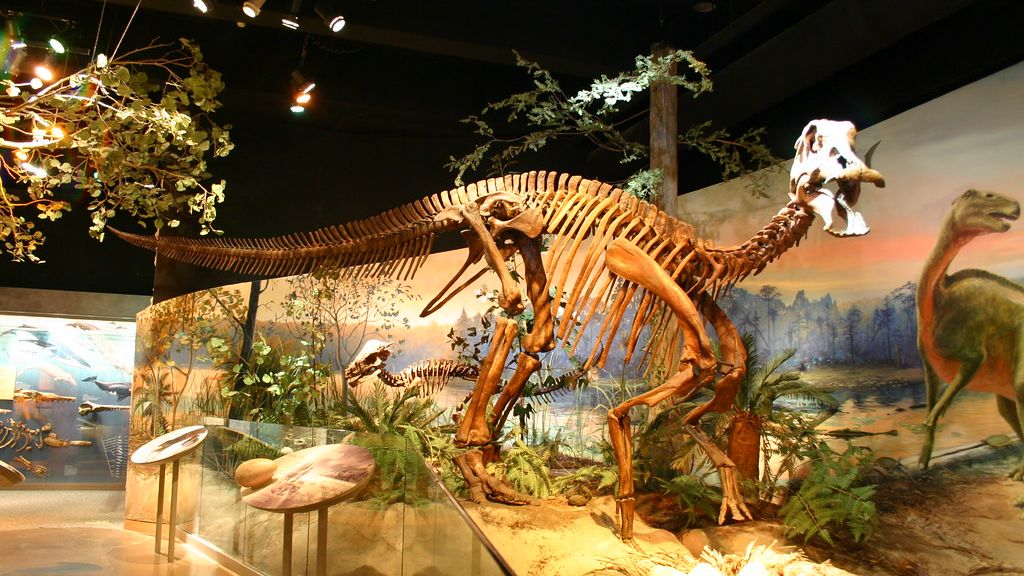
Perhaps the best evidence for dinosaur migration comes from the enormous bonebeds of hadrosaurs and ceratopsians across western North America – these bonebeds can number in the hundreds to thousands of individuals, and herds of many thousands would represent serious energy drains on the environment, making it ecologically unsustainable if those animals did not move from place to place. Think of the Serengeti wildebeest migration and simply scale it up to creatures ten times the size.
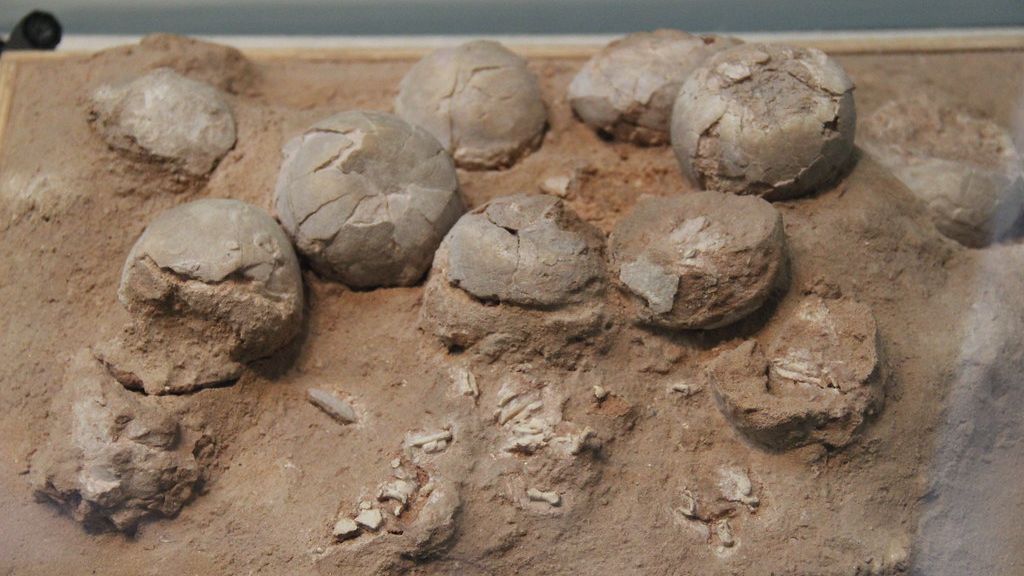
The presence of well-developed nests, hatchling remains, and evidence of adult care suggests that herbivores may have traveled in multi-generational herds, with older individuals guiding and protecting the younger members during their migratory journeys. Most paleontologists now adopt a nuanced view, recognizing that migration behaviors likely varied considerably among different dinosaur groups, with factors like body size, metabolic capability, diet specialization, and environmental context all influencing movement patterns. Migration was not a single story. It was thousands of individual stories, told in bone and mud across millions of years.
Conclusion: The Ancient World Was Always on the Move
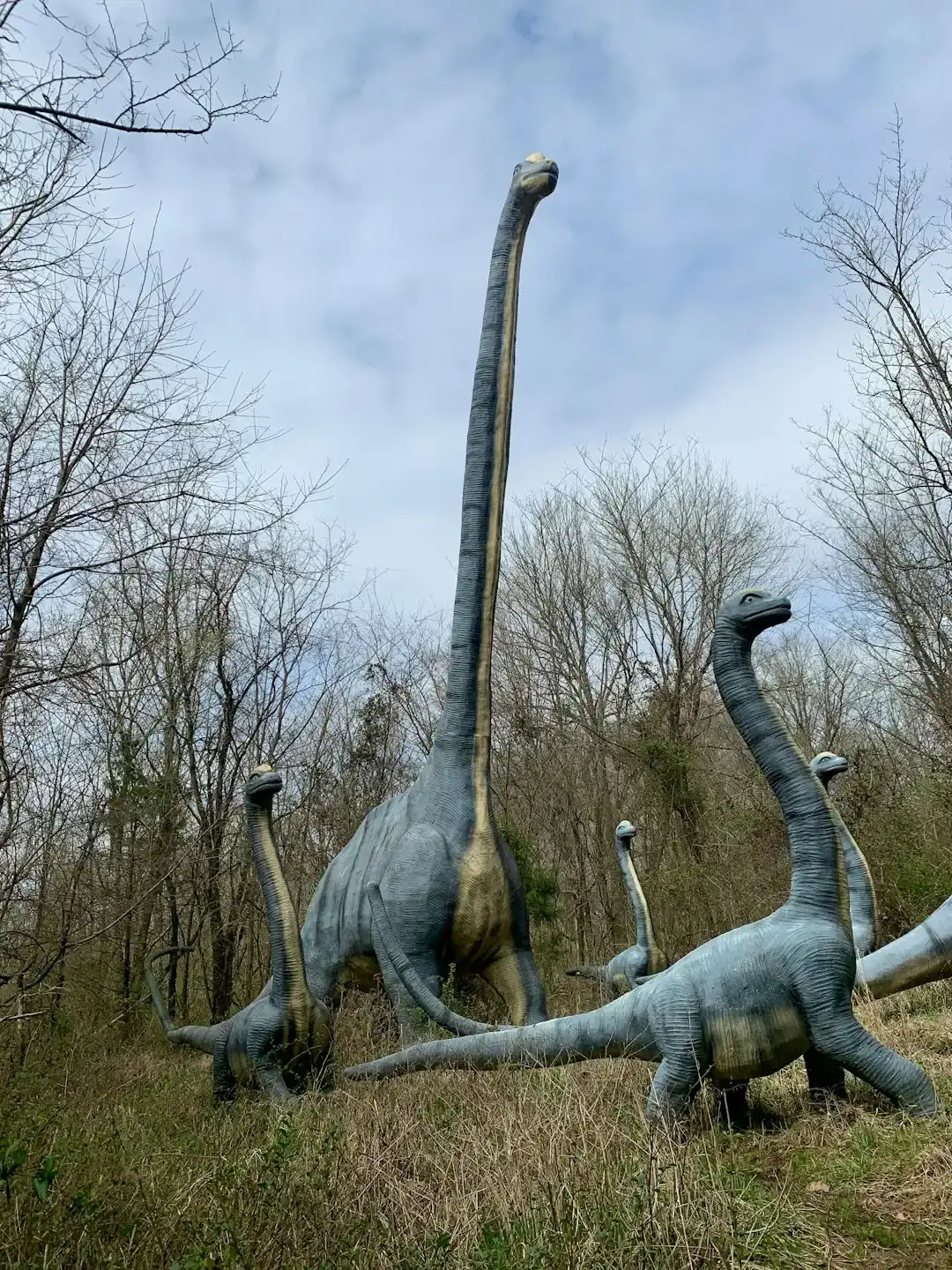
What all of this evidence adds up to is a profound rethinking of how we picture the Mesozoic world. These were not lumbering, static giants confined to a single valley or coastline. They were travelers, navigators of a planet in constant geological flux, driven by hunger, seasons, and instinct in ways that rhyme remarkably with the animal migrations we marvel at today.
These footprints are not just marks in the ground – they are direct evidence of how plate tectonics and continental drift shaped life on Earth, and by studying these tracks and the geological contexts in which they were found, researchers can better understand how species adapted to and navigated changing environments over time. Every fossilized footprint, every isotope locked in ancient tooth enamel, every growth ring in petrified bone is a postcard sent to us from a world we will never see.
The deeper science digs, the more it becomes clear that life has always been restless, always searching, always moving toward something better just over the horizon. Did you ever imagine that the king of the dinosaurs was actually an immigrant? What does that tell you about the ancient world – and perhaps our own?