You’ve probably imagined dinosaurs as stationary creatures, living out their lives in one small corner of the prehistoric world. The reality turns out to be far more dynamic. Recent fossil discoveries and cutting-edge research techniques are fundamentally altering how scientists understand dinosaur movement patterns.
These ancient giants weren’t just wandering randomly through their environments. Think about modern elephants or wildebeest traversing Africa’s savannas each year in search of food and water. Dinosaurs appear to have engaged in similarly impressive journeys, covering distances that would span multiple modern countries. So let’s dive into what researchers have recently uncovered about these marathon migrations.
Tooth Chemistry Reveals Ancient Travel Routes
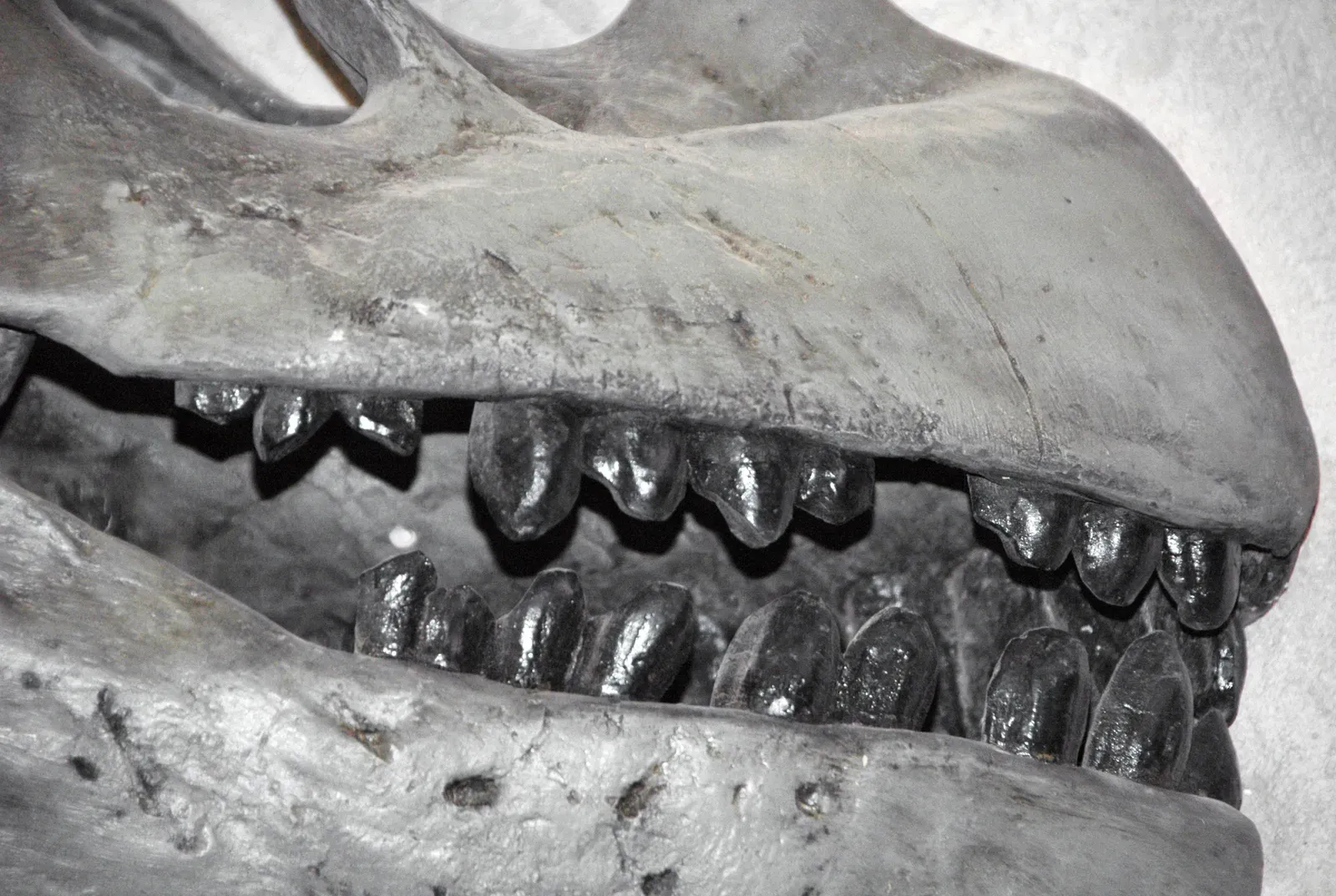
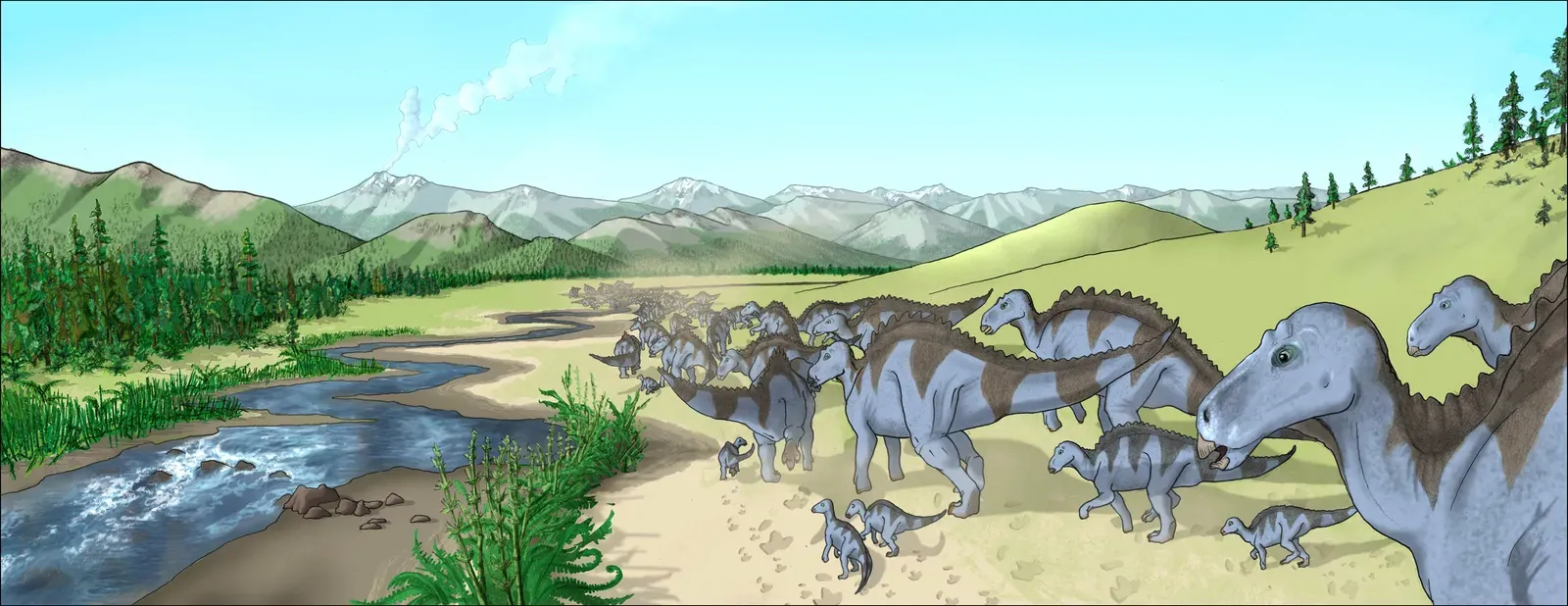
One of the most compelling lines of evidence for dinosaur migration comes from fossil tooth analysis, which has uncovered what researchers call the best evidence yet that dinosaurs migrated seasonally like modern birds or elephants. The science behind this discovery is surprisingly elegant. Because dinosaur teeth were replaced roughly every five months, each tooth offers a unique record of what the animal drank during the tooth’s life span.
Chemical signals in prehistoric tooth enamel reveal that roughly bus-length Camarasaurus dinosaurs walked hundreds of miles on marathon migrations in late Jurassic North America, responding to shifts in food and water availability by trudging from floodplain lowlands to distant uplands and back again as seasons changed. Honestly, it’s hard to picture these massive creatures making such calculated decisions about when to move.
Continental Pathways Between Africa and South America
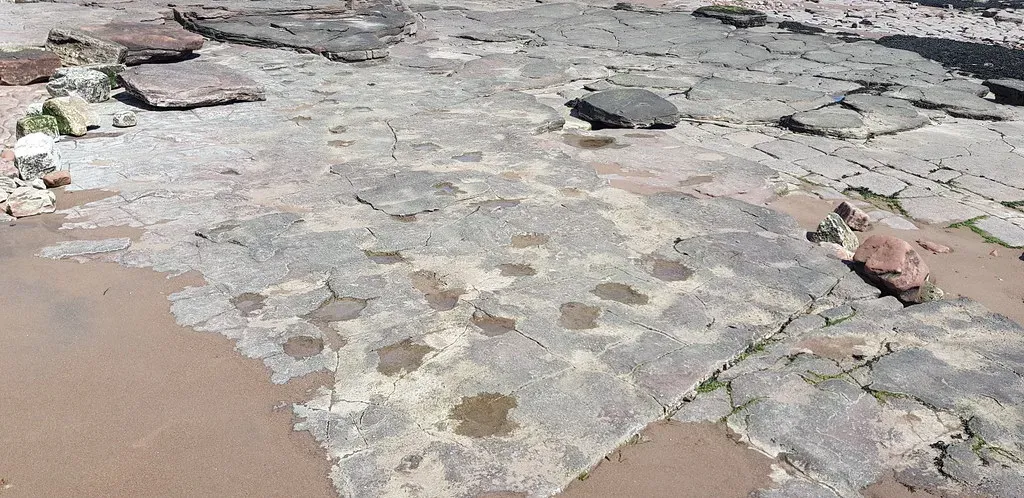
Scientists recently catalogued something extraordinary along opposite sides of the Atlantic Ocean. An international team catalogued more than 260 dinosaur tracks in basins across the Atlantic, showing they were similar in age, geological context, and nearly identical in shape, preserving what researchers now call the Dinosaur Dispersal Corridor.
Back in the Early Cretaceous, Cameroon was stitched to the elbow of northeastern Brazil with no Atlantic Ocean, only a low, swampy plain linking the landmasses, while rivers still braided across the future ocean floor allowing wildlife to wander freely between the continents. Let’s be real, this challenges everything we thought about geographic barriers limiting dinosaur distribution. The footprints tell a story of regular travel between what would eventually become two separate continents.
Island Hopping Across Ancient European Archipelagos
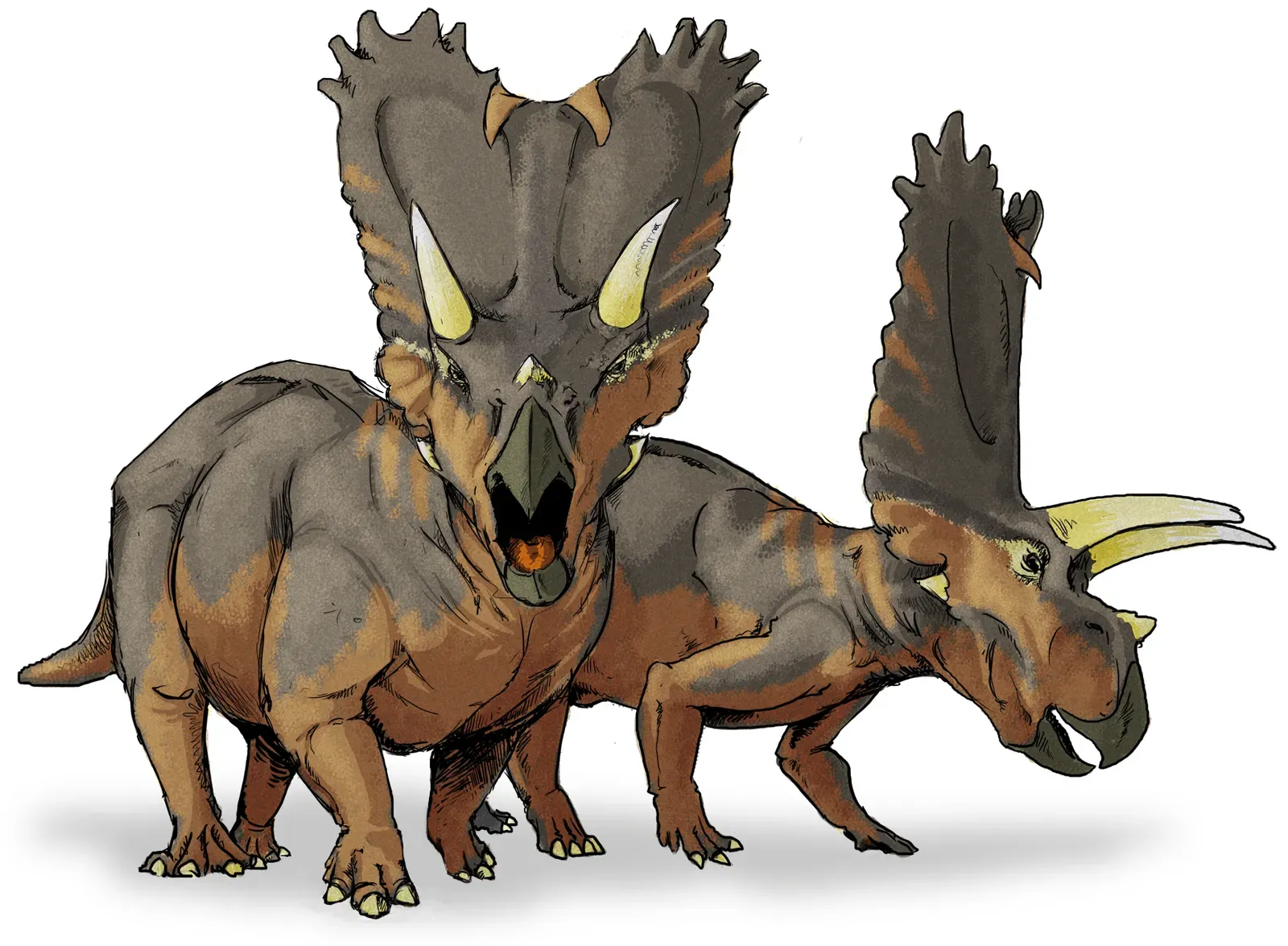
Europe during the Late Cretaceous looked nothing like today’s compact continent. Rising sea levels had broken the continent into a patchwork of islands separated by shallow seas, creating ecosystems shaped by isolation and intermittent connections. Yet recent fossil discoveries show that horned dinosaurs managed to reach these scattered islands.
Ceratopsians originated in Asia and migrated multiple times to North America, with their presence in Europe filling a critical gap in these dispersal routes, supporting the idea that dinosaurs could move between continents and island chains even as the Atlantic Ocean began to open. Lots of animals can swim and, as the islands of the central European basin weren’t that far apart, it would make sense if dinosaurs were able to island hop. The idea that these massive creatures could navigate between islands isn’t as strange as it might sound initially.
Seasonal Movement Patterns Comparable to Modern Migrations
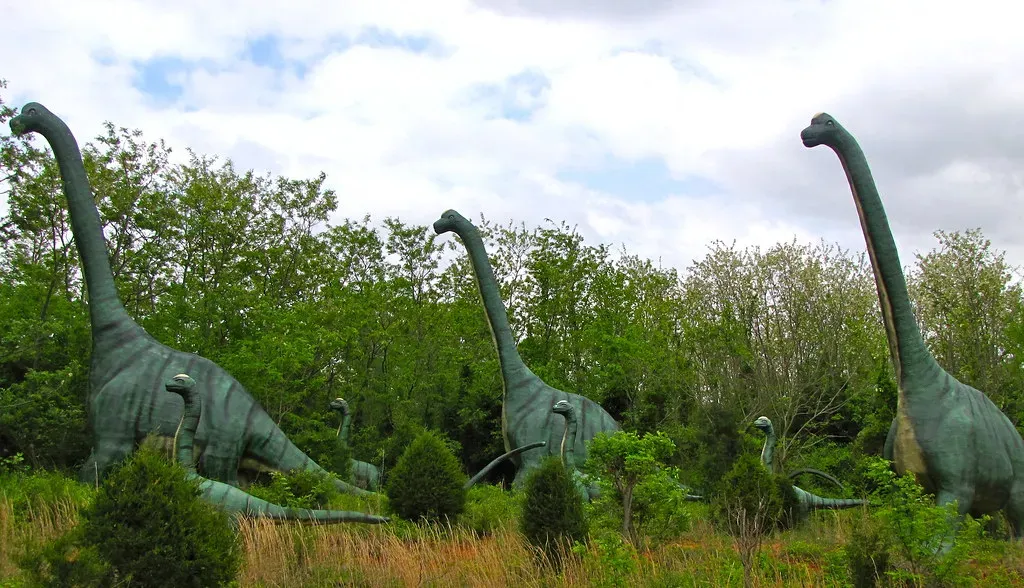
The comparison to contemporary animal behavior helps us grasp the scale of these ancient journeys. Colorado College geochemist Henry Fricke noted that on the African Serengeti large mammals undertake a wet season-dry season migration, which is the kind of pattern envisioned for dinosaurs. These weren’t aimless wanderings but purposeful seasonal relocations.
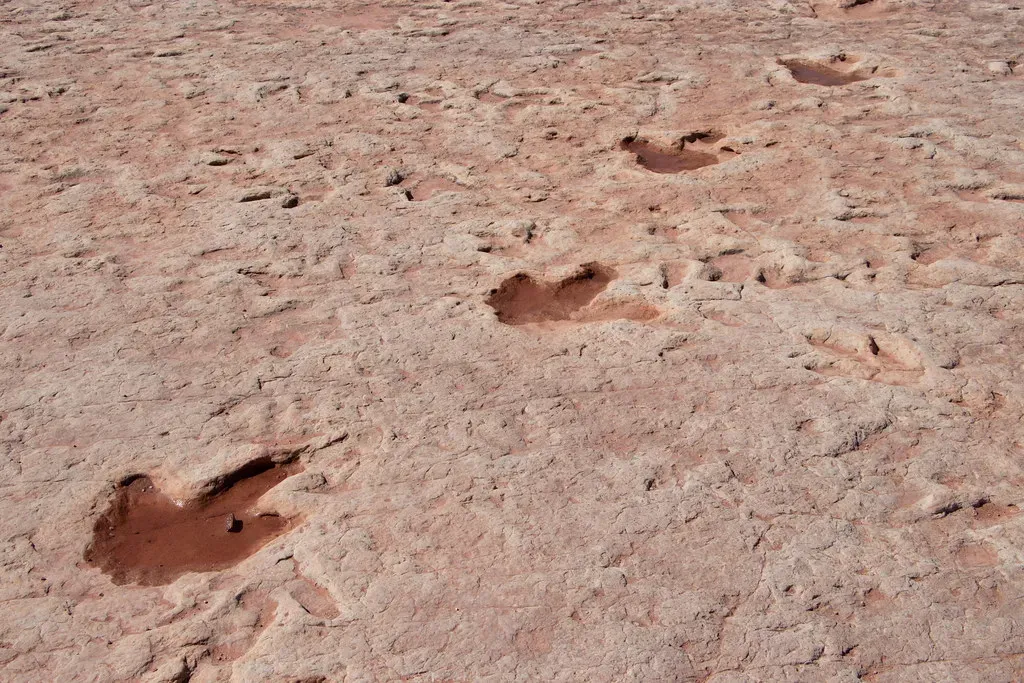
Paleontologists found tens of thousands of dinosaur tracks in South America offering evidence as to which species traveled via an ancient coastline, with nearly 18,000 tracks located along the Carreras Pampa track site in central Bolivia. The sheer volume of footprints suggests these routes were used repeatedly over long periods. I think what’s most remarkable is how organized these movements appear to have been.
Climate Shifts Opened Migration Corridors
Not all periods were equally favorable for long-distance dinosaur travel. Ancient magnetism patterns matched across South America, Arizona, New Jersey, Europe, and Greenland determined dinosaurs completed migrations around 214 million years ago, with researchers explaining that when CO2 levels dipped, tropical regions may have become milder and arid regions less dry.
Certain passageways may have developed, such as along rivers or lakes, that would have helped sustain herbivores along the way to Greenland. Climate acted as a gatekeeper, sometimes blocking and sometimes permitting these massive movements. It’s a reminder that environmental conditions shaped prehistoric life as profoundly as they influence animal behavior now.
Evidence from Trackways Across Multiple Continents
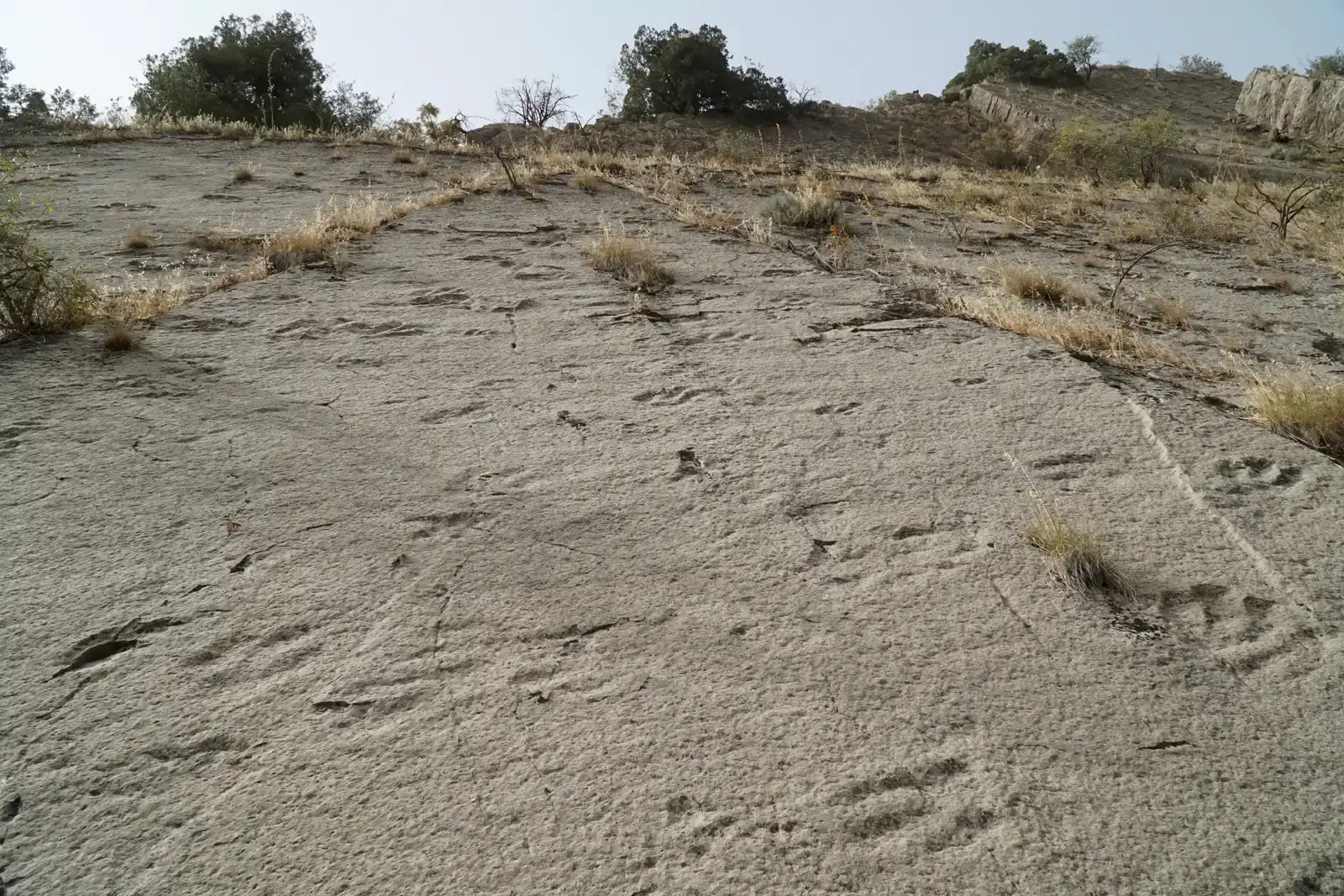
Beyond individual footprints, researchers have documented entire trackways that preserve the moment-by-moment journey of traveling dinosaurs. Most of the tracks belong to theropods from the Cretaceous period, with some preserved tracks estimated to have been created between 145 million and 66 million years ago. These aren’t just random impressions but coherent paths showing direction and purpose.
With every rainy season, new tracks overlapped the old, building a layered story of migration. The repetition suggests these weren’t one-time events but established routes used generation after generation. It’s difficult to overstate how significant this pattern recognition has become for understanding dinosaur ecology.
Continental-Scale Ecosystems Spanning Thousands of Miles
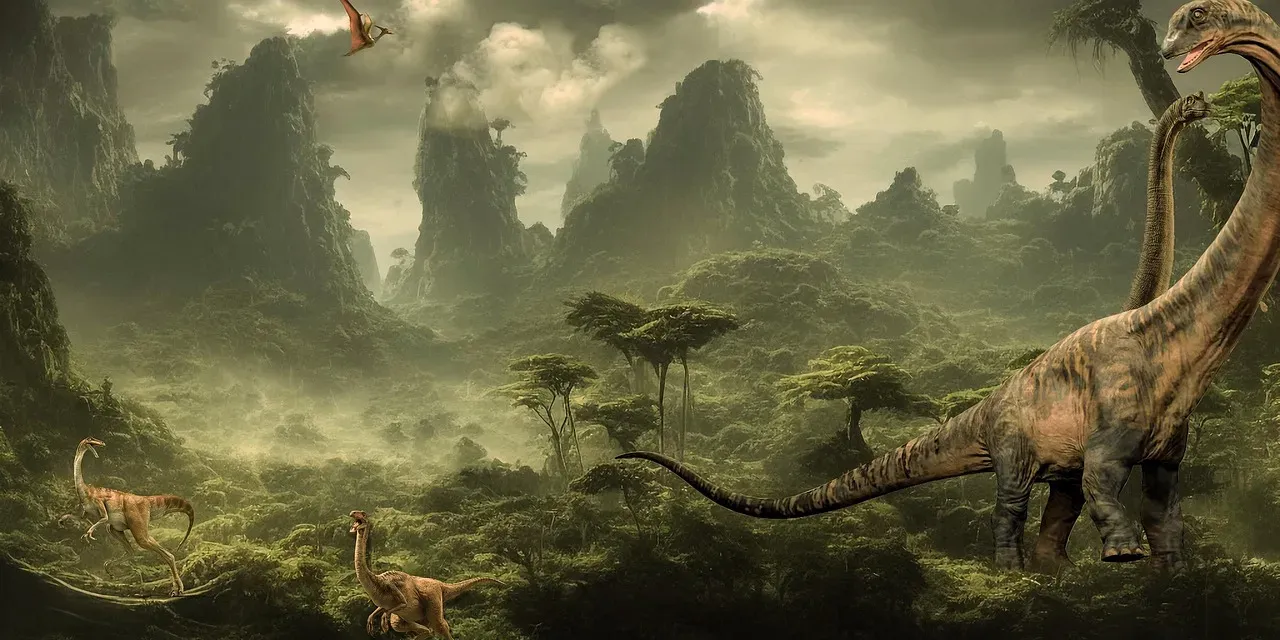
Perhaps the most mind-bending discovery is the sheer geographic range of some dinosaur communities. Using data from the Paleobiology Database, researchers found that the difference in species between regions over North America was relatively low, confirming that dinosaur ecosystems may have been as large as continents.
Despite their appearance, dinosaurs were ecologically very similar to mammals today, able to colonize and dominate the landscape over very large distances and not nearly as constrained as once thought. This challenges older assumptions that these creatures were limited to small regional habitats. The fossil record increasingly points toward dinosaurs as highly mobile, adaptable animals capable of navigating vast territories.
Implications for Understanding Dinosaur Behavior
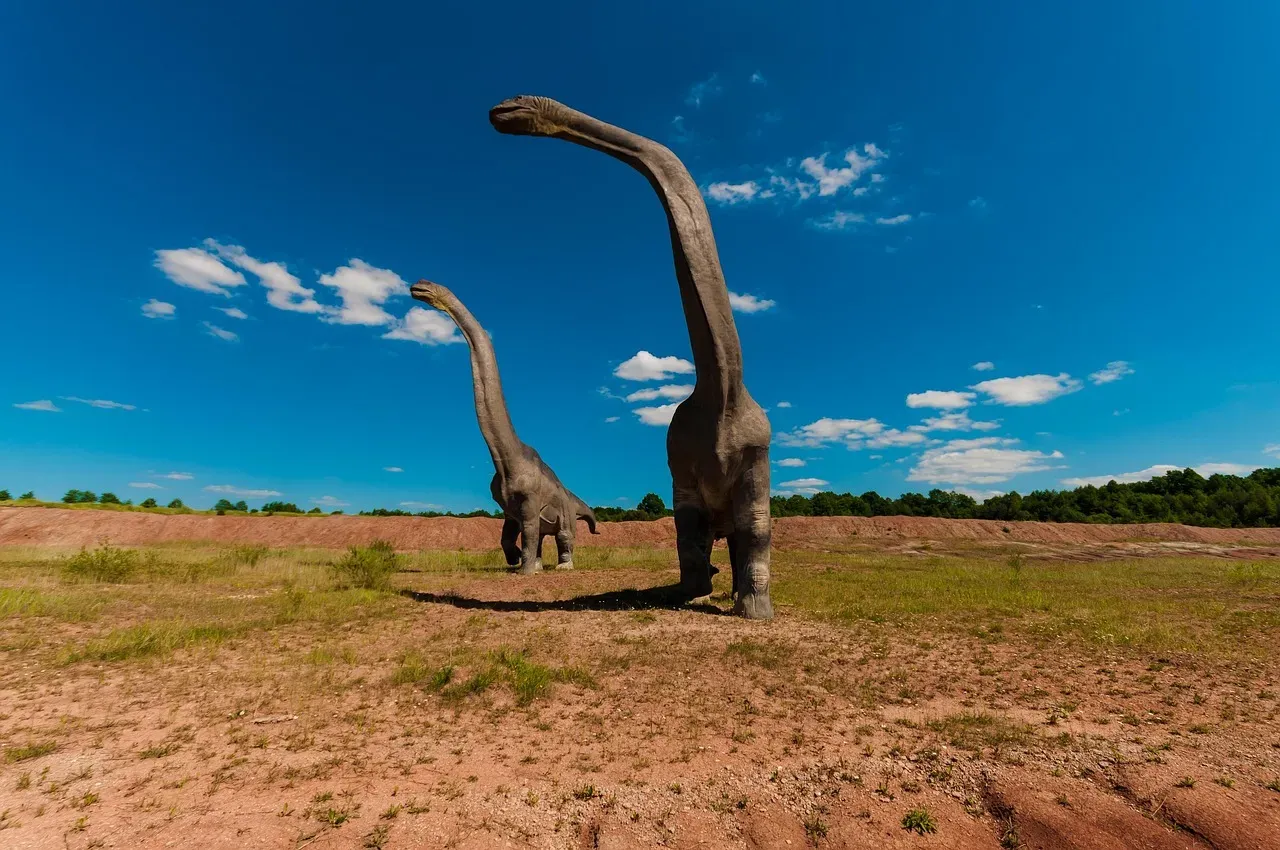
What does all this movement mean for how dinosaurs actually lived? Researchers are now beginning to ask many more questions about how such large homogeneous communities lived, including whether they migrated, had adequate gene flow between regional populations, or employed a mixture of both strategies. The evidence strongly suggests extensive annual migrations were routine.
Studies of fossilized bones, gut contents, and eggshells revealed new details about enormous reptiles that once roamed Earth, with newly discovered species filling gaps in dinosaur evolution and shedding light on historic migrations. Each new discovery adds another piece to this increasingly complex picture. Honestly, the more we learn, the more sophisticated and behaviorally complex dinosaurs appear to have been.
Conclusion: Rewriting the Dinosaur Story
The cumulative evidence paints a radically different picture from the one many of us grew up with. Dinosaurs weren’t sedentary creatures confined to limited territories. They were long-distance travelers, capable of traversing entire continents in response to seasonal changes, following established routes that connected distant ecosystems across what we now recognize as separate landmasses.
These findings fundamentally reshape our understanding of Mesozoic ecology and challenge us to imagine a world where massive creatures moved with the same purposeful regularity as today’s great animal migrations. The fossilized footprints stretching across continents serve as silent testimony to journeys that happened millions of years ago yet feel surprisingly familiar when compared to the natural world around us.
Did you expect dinosaurs to be such accomplished travelers? What other aspects of their behavior might we still be getting wrong?