When most people picture a dinosaur, they imagine a lumbering, instinct-driven beast with a brain the size of a walnut, crashing through ancient forests and reacting purely on primitive urge. It’s a comfortable image, really. It keeps them safely in the category of “dumb and extinct.” But a growing wave of scientific research is chipping away at that cozy assumption, and honestly, what’s emerging is far more fascinating.
Paleontologists, neurologists, and evolutionary biologists have, over the past several years, been pooling their findings in ways that paint a genuinely surprising picture of dinosaur cognition. The debate is heated, the evidence is complex, and the conclusions are still evolving. But if you thought these ancient creatures were simply big, slow, and stupid, you’re in for a rethink. Let’s dive in.
Why We Got Dinosaur Intelligence Wrong for So Long
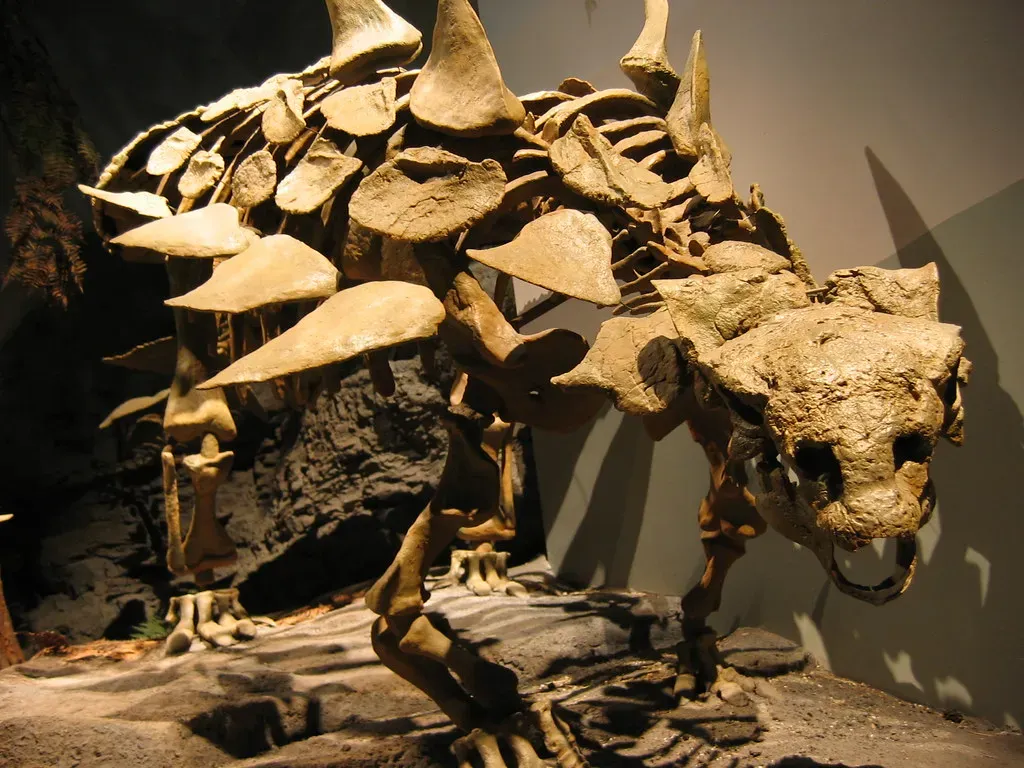
Let’s be real: the reputation of dinosaurs as brainless giants has deep historical roots. Early assumptions pegged dinosaurs as unintelligent due to their relatively small brain sizes compared to their bodies, aligning them with reptiles. For generations, scientists essentially looked at a massive Brachiosaurus skull, noted the tiny braincase inside, and drew the obvious conclusion. It seemed logical, even if it wasn’t exactly scientific.
Early paleontologists assumed that dinosaurs were unintelligent, based on both the size of their brains in relation to their bodies and because they were considered closely related to reptiles. Paleontologists made little progress in understanding dinosaur cognition until the 1970s, when scientists developed a new system for estimating intelligence based on relative brain size, called the encephalization quotient (EQ). Think of the EQ as a kind of “intelligence ratio” – it compares how big an animal’s brain actually is versus how big you’d expect it to be for a creature of that body size. The results began to shift the narrative.
The Encephalization Quotient: A Game-Changing Measuring Tool
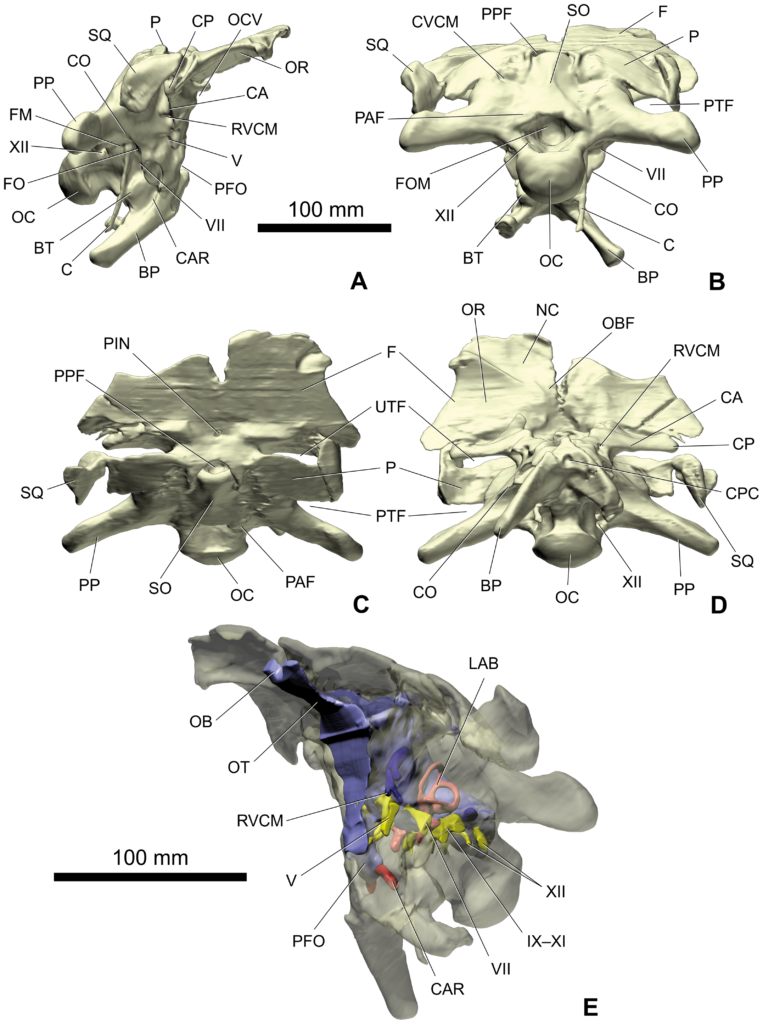
The EQ system was genuinely revolutionary for the field. The Encephalization Quotient is the ratio of actual brain mass to expected brain mass relative to the animal’s body weight. Paleontologists believe that higher EQ values are positively correlated with greater intelligence. It was the first real scientific ladder with which researchers could rank dinosaurs by cognitive potential, rather than simply dismissing them all as dim-witted beasts.
Here’s where things get interesting. Advancements in paleontology, particularly the development of the EQ in the 1970s, shifted earlier views. The EQ measures brain size relative to body mass, suggesting that some dinosaurs, particularly theropods, might have had intelligence levels comparable to modern birds. You can think of it like discovering that the student everyone wrote off as slow was actually just being tested in the wrong language. Once you changed the measuring stick, a different result emerged entirely.
CT Scanning and the Fossil Brain Revolution
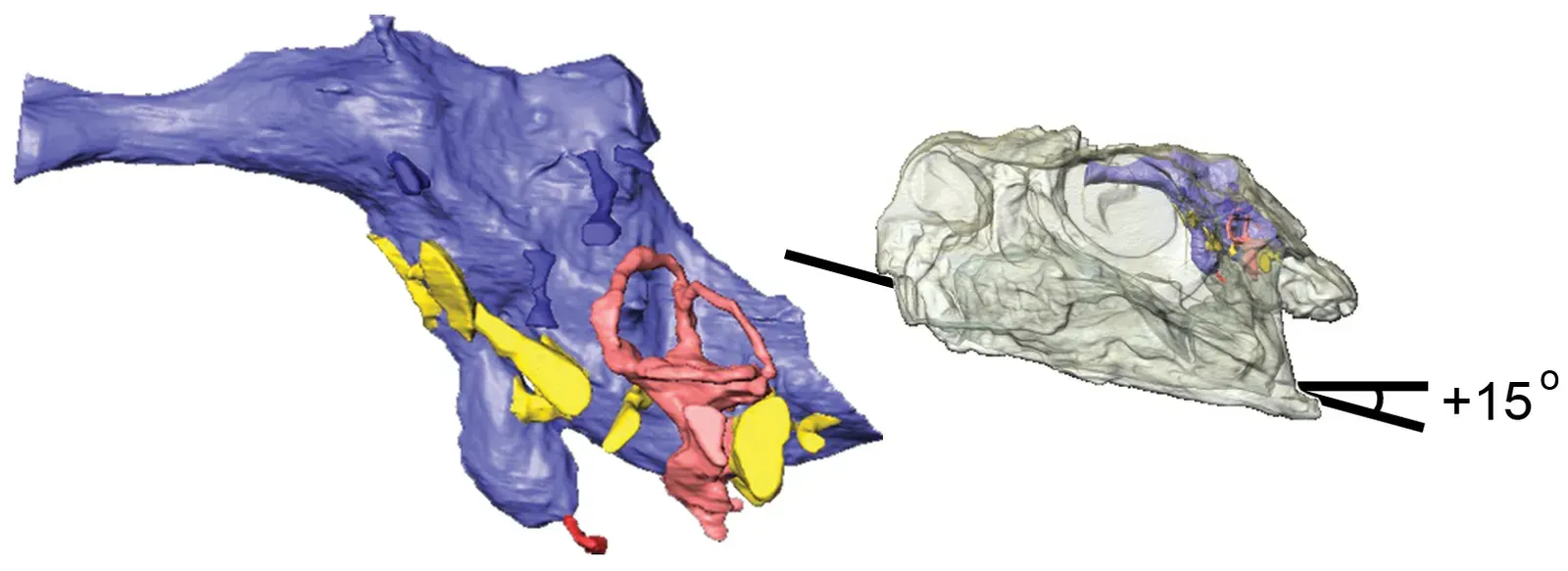
One of the most thrilling recent advances in this field hasn’t come from new fossils. It’s come from new technology applied to old ones. Recent research utilizing computed tomography (CT) has enabled scientists to create accurate models of dinosaur brains, allowing for more comprehensive analyses of their cognitive capacities. This is roughly analogous to being able to read a book without ever opening it, just by scanning the outside.
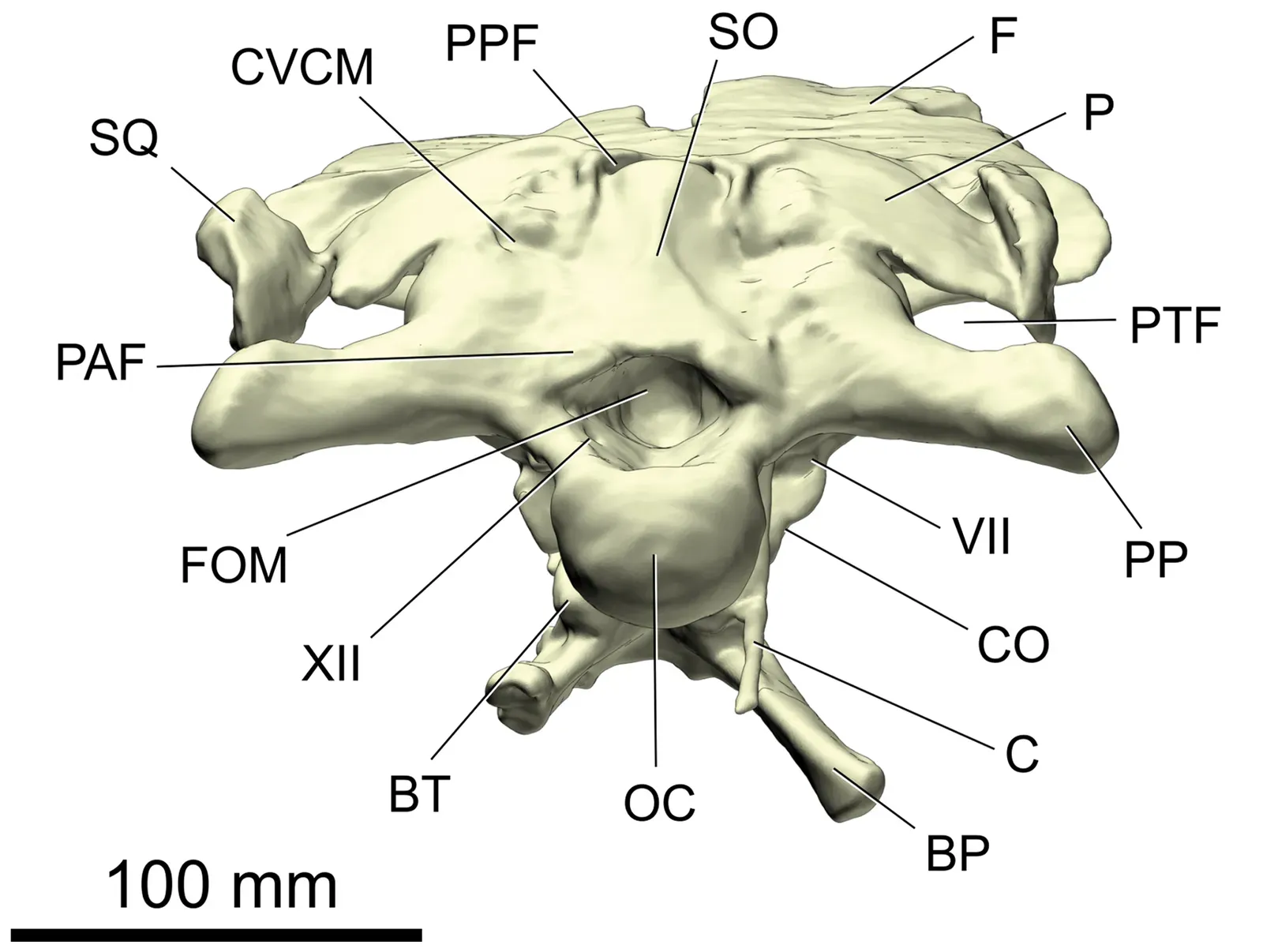
More recently, CT scanning has allowed virtual casts to be created in incredible detail. Previously, information on dinosaur brains comes from mineral infillings of the brain cavity, termed endocasts, as well as the shapes of the cavities themselves. The leap from rough casts to high-resolution virtual brain maps is enormous, and it’s changing what researchers think they know about how these animals processed the world around them.
Troodon: The Undisputed Genius of the Cretaceous
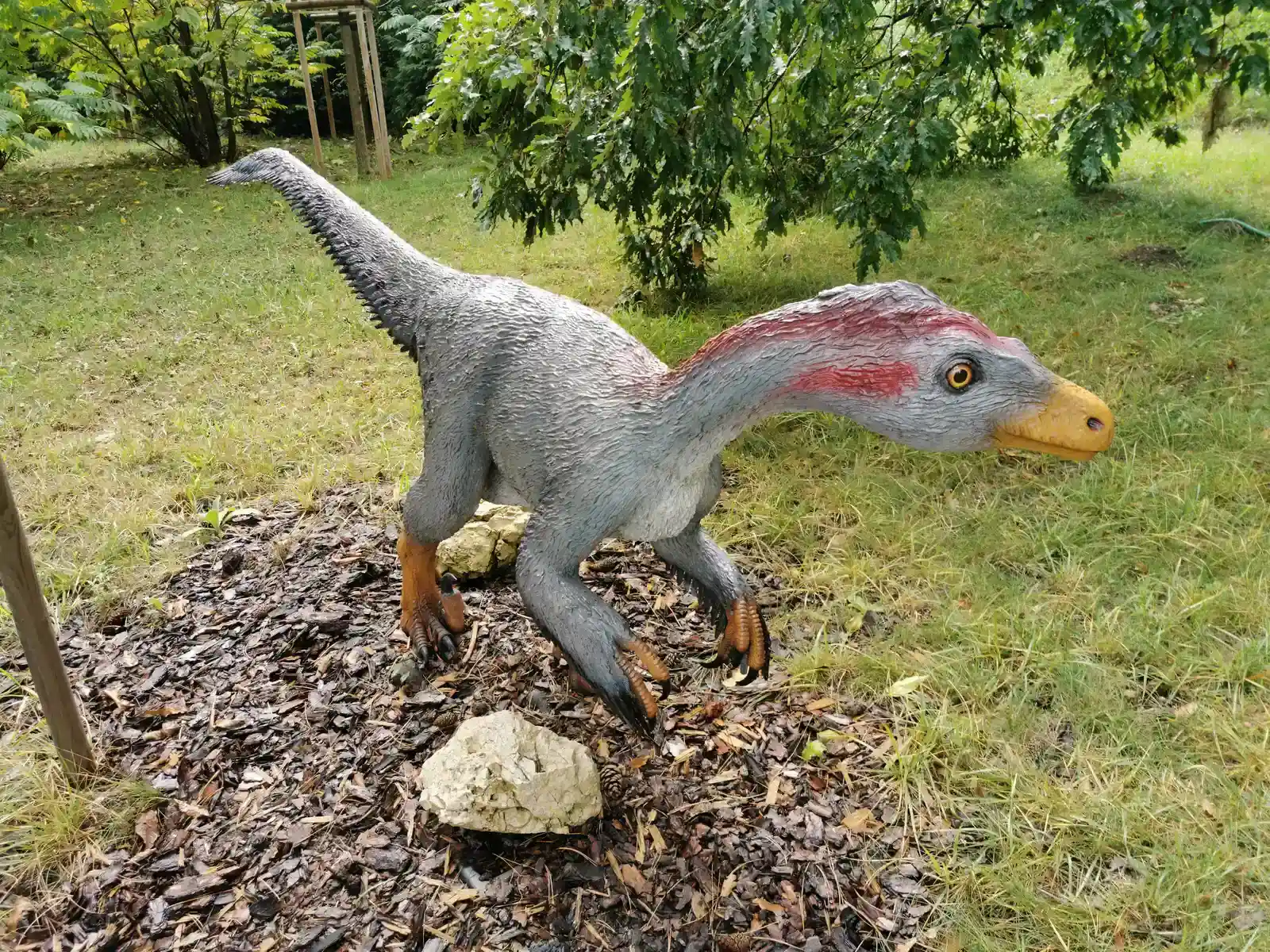
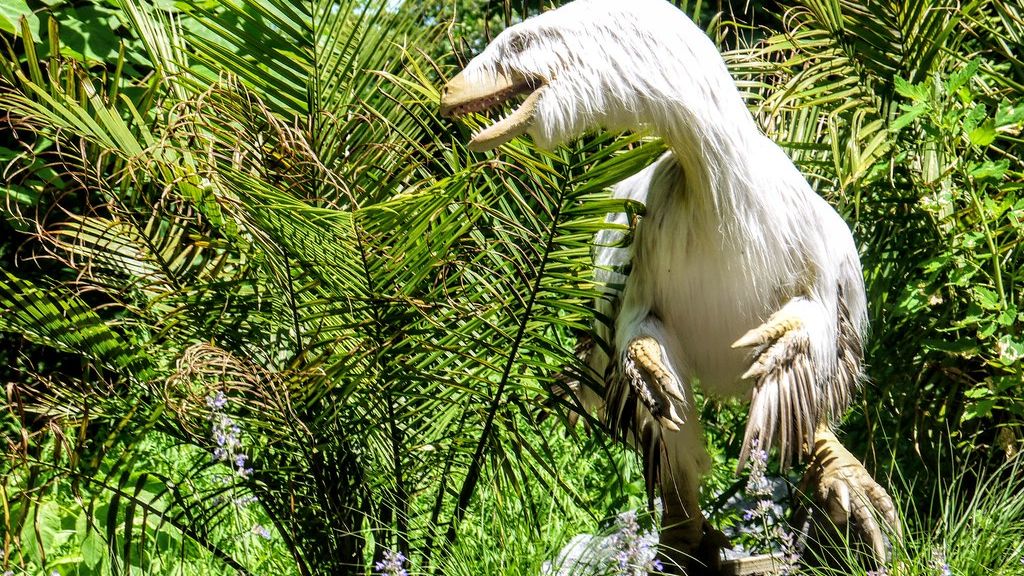
If you were to pick the dinosaur that most complicates the “dumb reptile” narrative, you’d pick Troodon. No competition. Troodon is believed to be the smartest dinosaur ever, with an EQ of 5.8. This small coelurosaurian dinosaur had a huge brain, especially considering its size, making it the smartest among dinosaurs. To put that in perspective, most other non-avian dinosaurs scored well below one on the same scale.
Inside its skull, researchers found big cerebral hemispheres, the regions of the brain linked to problem-solving and sensory processing, and enlarged optic lobes for sight. Troodon’s brain was not just big; it was organized in a way that looks distinctly bird-like. Additionally, its eyes pointed forward, giving it binocular vision, which would allow it to have better depth perception and eyesight as a whole. It also had unusually complex ear structures compared to other theropods, with middle ear canals for overall better hearing. That’s a package of features you’d associate with a highly active, awareness-driven predator.
The Neuron Count Debate: Primate-Level Brainpower?
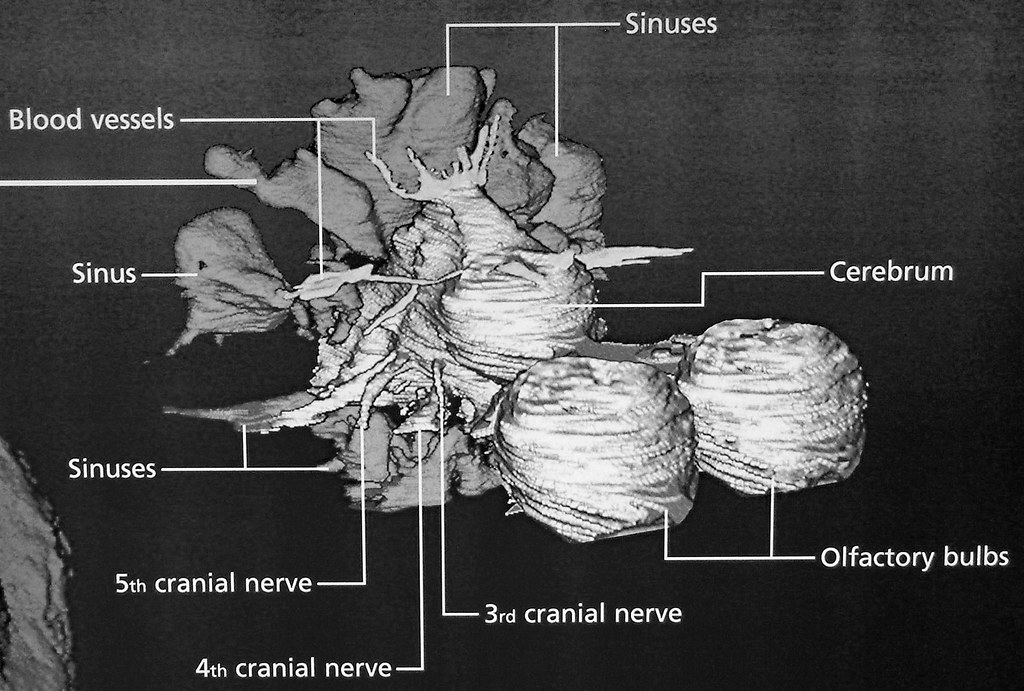
Perhaps no recent study stirred the paleontology world quite like the neuron count research from Vanderbilt University. In one study, Suzana Herculano-Houzel of the Vanderbilt Brain Institute at Vanderbilt University calculated the likely number of neurons in dinosaurs’ pallium, a brain structure that is responsible for advanced cognitive functions and corresponds to the cortex in mammals. Her approach was clever and genuinely novel for the field.
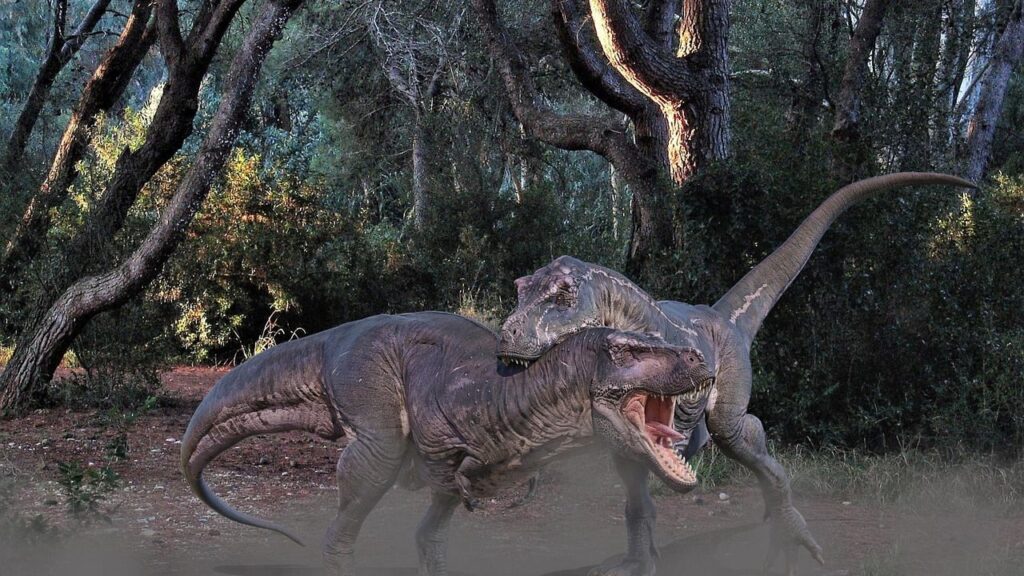
By comparing the relationship between brain size, number of neurons and body size in numerous extant bird and reptile species, as well as considering the available fossils of extinct dinosaurs, Herculano-Houzel concluded that a large dinosaur such as Tyrannosaurus rex could have housed two billion to three billion neurons in its pallium, a number similar to that of a baboon. I know it sounds crazy, but that figure is enormous, suggesting a level of cognitive processing that nobody predicted for T. rex. If so, that could mean some dinosaurs may have used tools, similar perhaps to crows using sticks to fish out insects, and passed on knowledge from generation to generation, just like some modern primates.
The Pushback: Not So Fast, Scientists Say
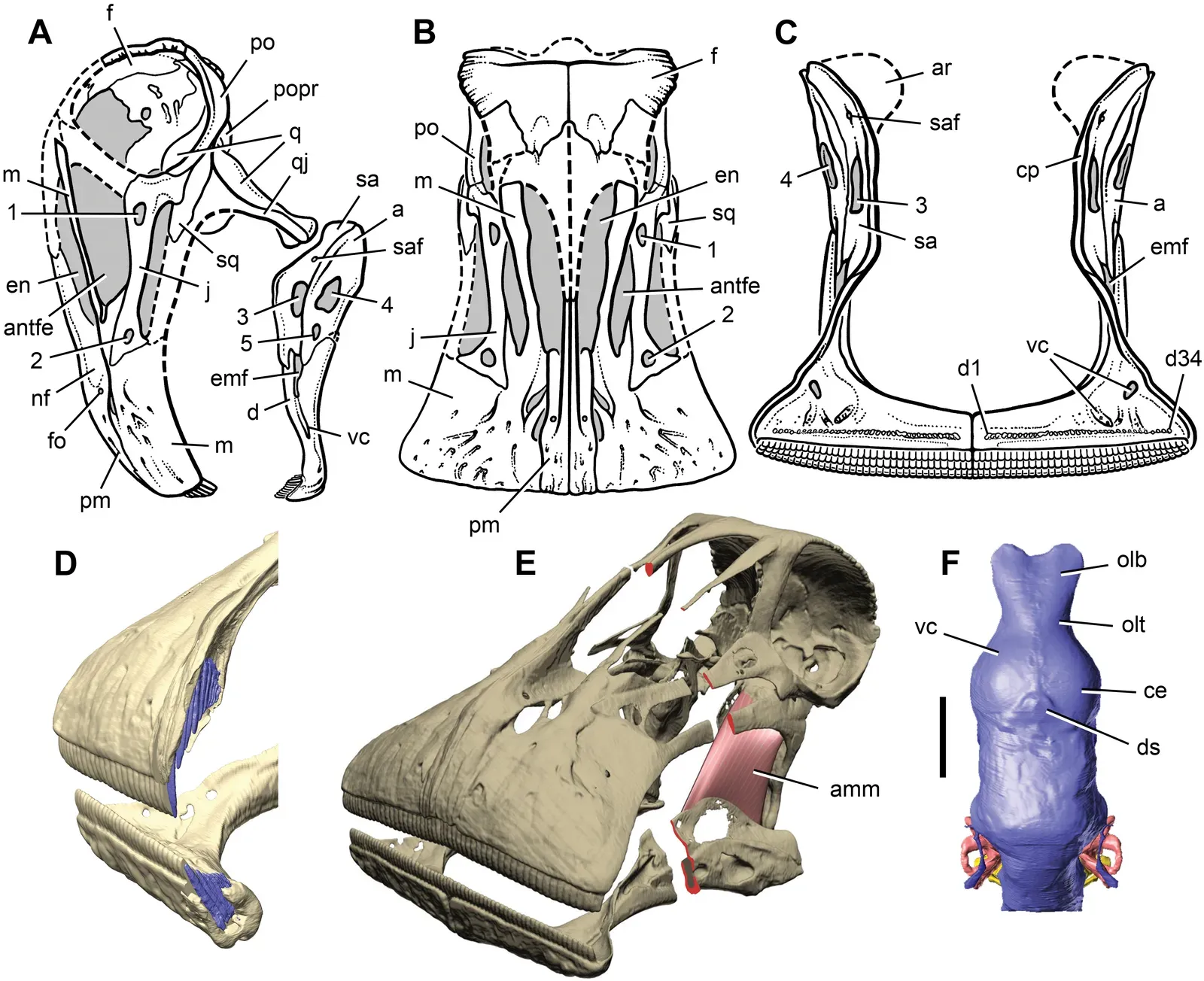
Science wouldn’t be science without a vigorous counter-argument. An international team of palaeontologists, behavioural scientists and neurologists re-examined brain size and structure in dinosaurs and concluded they behaved more like crocodiles and lizards. Their findings, published in The Anatomical Record in 2024, challenged the primate-level neuron narrative head-on. The team found that brain size had been overestimated, especially that of the forebrain, and thus neuron counts as well. In addition, they showed that neuron count estimates are not a reliable guide to intelligence.
It’s hard to say for sure who has the better argument here, and that’s precisely what makes this field so compelling. While one side of the conversation praises a willingness to examine paleontological evidence in a new way, others caution that intelligence is more complex than a neuronal numbers game. It’s likely that dinosaurs were, in fact, smarter than we’ve previously allowed, but precisely how much remains an open question. That’s the honest state of play in 2026, and the debate shows no signs of cooling down.
Social Behavior and Group Living: Intelligence Beyond the Brain
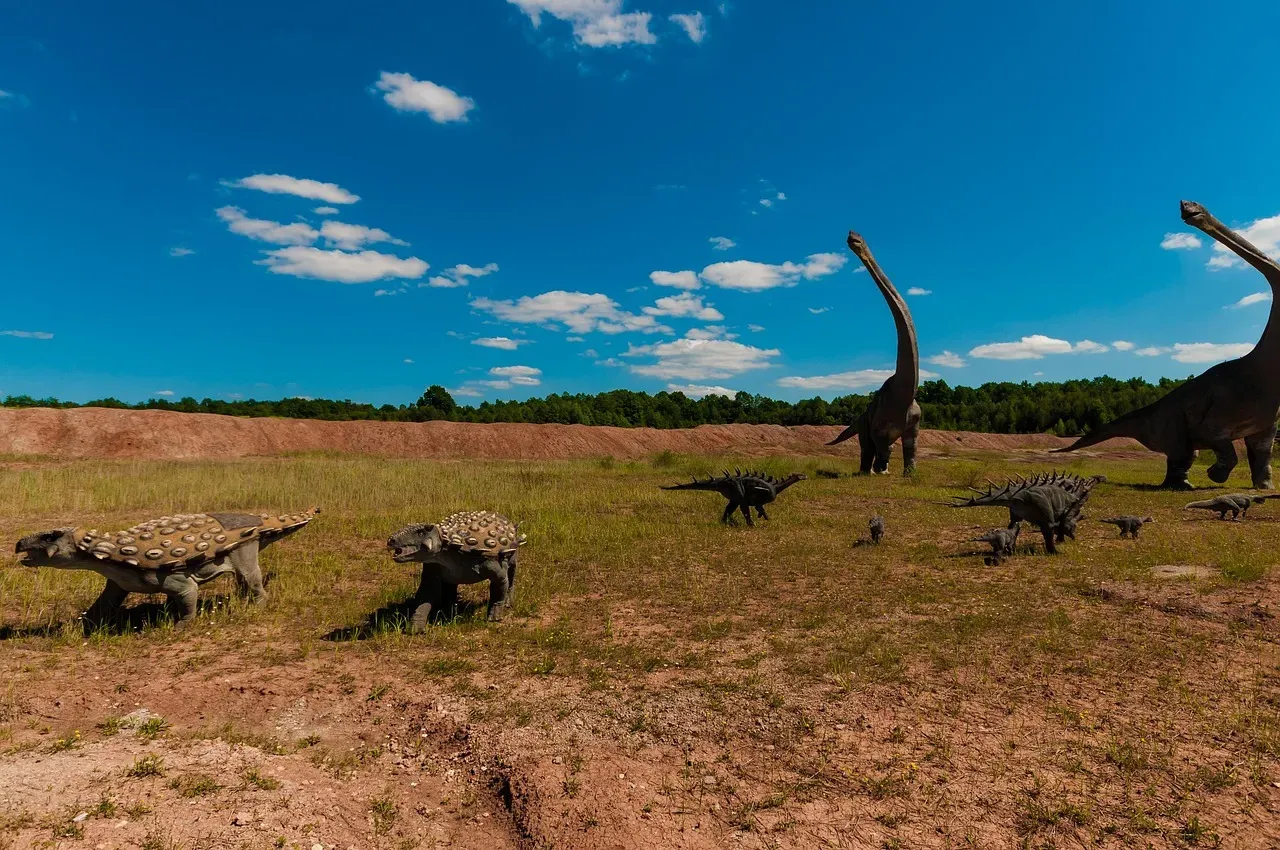
Here’s the thing about measuring intelligence solely through brain structure: behavior tells a different story. There is evidence that at least some non-avian dinosaurs lived in groups. The best evidence comes from bone beds containing fossils of multiple individuals of different ages of a single species buried at the same time. This would suggest that they died together, and thus very likely lived together. Group living requires communication, social hierarchy, and at minimum some form of basic coordination.
Paleontologists in 2006 found a group of Mapusaurus that appeared to have lived together, and similarly, a mass grave in Utah suggests this same behavior among tyrannosaurs. Whether this translates to coordinated hunting or complex social structure is still under debate. Brain development in these dinosaurs appears more similar to that of modern birds of prey than to reptiles, suggesting they may have possessed the neural complexity needed for learning, memory, and social coordination. These neurological findings lend credibility to the hypothesis that at least some raptor species could have engaged in the complex social behaviors required for coordinated hunting. The picture that emerges is one of creatures far more engaged with their social environment than the old “solitary monster” cliché ever allowed.
What Birds Tell Us About Their Dinosaur Ancestors

One of the most powerful tools in understanding dinosaur intelligence isn’t a fossil at all. It’s a crow. Or a parrot. Or a hawk. The realization that birds evolved from theropod dinosaurs led some paleontologists to theorize that dinosaur intelligence might be more appropriately based on studies of avian intelligence and the structure of birds’ brains. This is a genuinely elegant scientific move, using living descendants as a window into the extinct past.
Because modern birds evolved from small, feathered dinosaurs, scientists now study living bird species to understand how dinosaur brains once worked. Crows that solve puzzles, parrots that mimic speech, and hawks that hunt cooperatively all hint at a deeper, ancient intelligence. If their dinosaur ancestors shared even a spark of that brainpower, then perhaps the Age of Reptiles wasn’t just ruled by brawn, but by brains, too. A remarkable fossil discovery of a Mesozoic bird called Navaornis has helped shed even more light on this evolutionary journey. The find could transform our understanding of how the unique brains and intelligence of modern birds evolved, one of the most enduring mysteries of vertebrate evolution.
Conclusion: Rethinking the Ancient Rulers of Earth
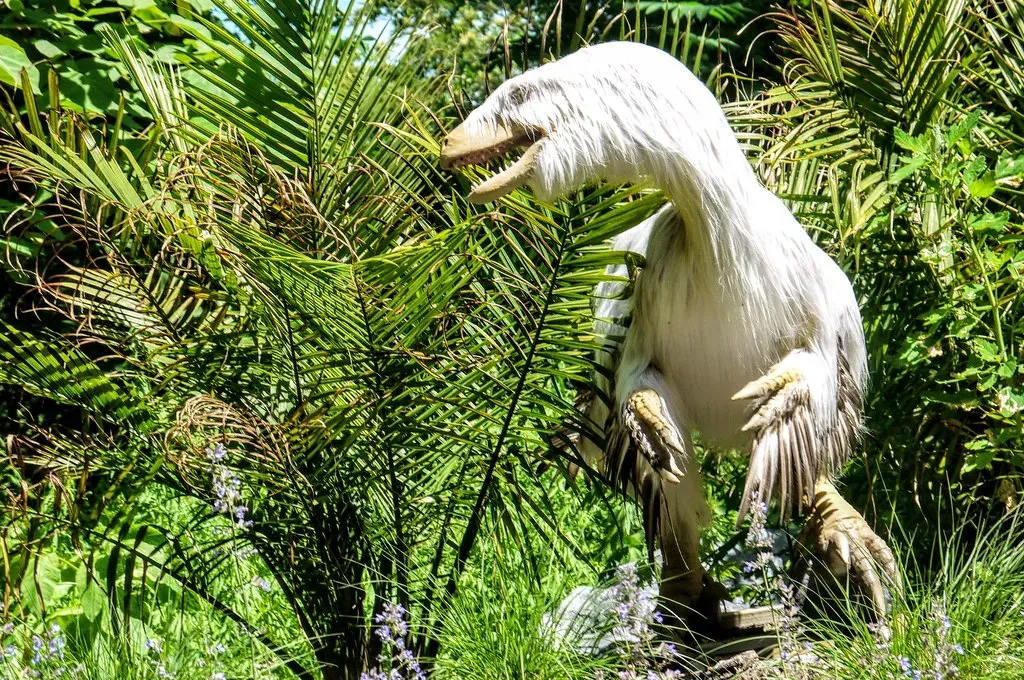
The story of dinosaur intelligence is still being written, and that is precisely what makes it so exciting. You have two camps of brilliant scientists armed with the same fossils, reaching surprisingly different conclusions. You have brain scans, neuron counts, behavioral fossil evidence, and the living intelligence of modern birds all feeding into a debate with no easy resolution.
What you can confidently take away from all of this is that the old image of dinosaurs as slow, dim-witted reptiles is dead. To reliably reconstruct the biology of long-extinct species, researchers should look at multiple lines of evidence, including skeletal anatomy, bone histology, the behaviour of living relatives, and trace fossils. The full picture of dinosaur cognition is almost certainly more nuanced, more varied across species, and frankly more remarkable than anything Hollywood ever imagined. Some were probably as sharp as a modern crocodile. Others, like Troodon, were almost certainly operating at something approaching bird-level intelligence.
The real question is not whether dinosaurs were smarter than we thought. They almost certainly were. The question worth sitting with is this: if they had survived that asteroid impact roughly 66 million years ago, what would the most intelligent dinosaur lineage have eventually become? What do you think? Drop your thoughts in the comments.