Imagine looking out over a churning, endless stretch of water with no land in sight and deciding to push off anyway in a fragile vessel you built with your own hands. For a long time, many experts assumed our distant ancestors were simply not ready for risks like that, at least not until relatively recent chapters of human history. Yet new archaeological discoveries are quietly rewriting that narrative, hinting that early humans were far bolder, better organized, and more inventive at sea than we once believed.
This shift is not about a single headline-grabbing find, but a pattern emerging from multiple sites across the world: stone tools on remote islands, ancient shore camps, and genetic clues that suggest people were moving over water tens of thousands of years earlier than traditional timelines allowed. It raises a thrilling and unsettling question: if early humans were already venturing into deep, dangerous seas, what else about our prehistory have we underestimated?
Why Sea Voyaging Once Seemed Impossible for Early Humans
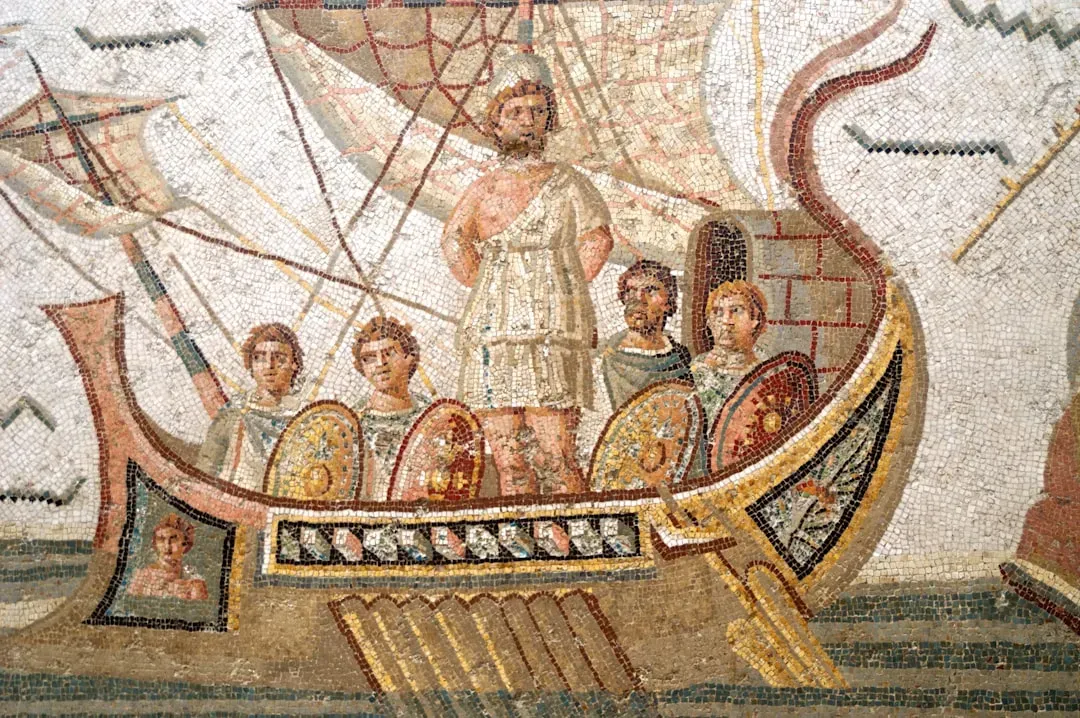
For decades, textbooks and lectures painted a picture of early humans as land-tied wanderers, hugging coasts and riverbanks but rarely, if ever, daring to lose sight of shore. This was not just prejudice; it was based on a reasonable assumption that complex boats, navigation skills, and cooperative planning emerged much later, roughly alongside farming and the first big civilizations. The ocean, in this view, was more of a barrier than a highway.
That mental model made neat sense: walking and following herds are easy to imagine, while steering a fragile craft through waves in the dark feels like science fiction set in the Stone Age. Many researchers also struggled with the lack of preserved boats, which tend to rot, sink, or simply vanish over thousands of years. So the default story became that serious seafaring only took off in the last few thousand years, with earlier humans sticking mostly to predictable land routes.
The Game-Changing Evidence from Remote Islands
The biggest cracks in that old story have come from places humans could not have reached by walking, no matter how low sea levels dropped. When archaeologists find unmistakably human-made stone tools or traces of campfires on islands that were always separated by deep channels, they are effectively staring at proof that somebody, somehow, crossed open water. Sites in regions such as Southeast Asia, the Mediterranean, and the Pacific have become especially important in this regard.
On several of these islands, the dates attached to human presence go back surprisingly far, deep into the late Pleistocene, at a time when many scholars still pictured humans as inexperienced coastal foragers. These settlements are not staged movie scenes of dramatic launches, but their quiet remains speak volumes: reaching these islands required at least basic boats or rafts, coordination among groups, and the courage to head toward horizons with no guarantee of land. It is indirect evidence, but it is very hard to wave away.
Simple Rafts or Sophisticated Boats? What Early Vessels May Have Looked Like
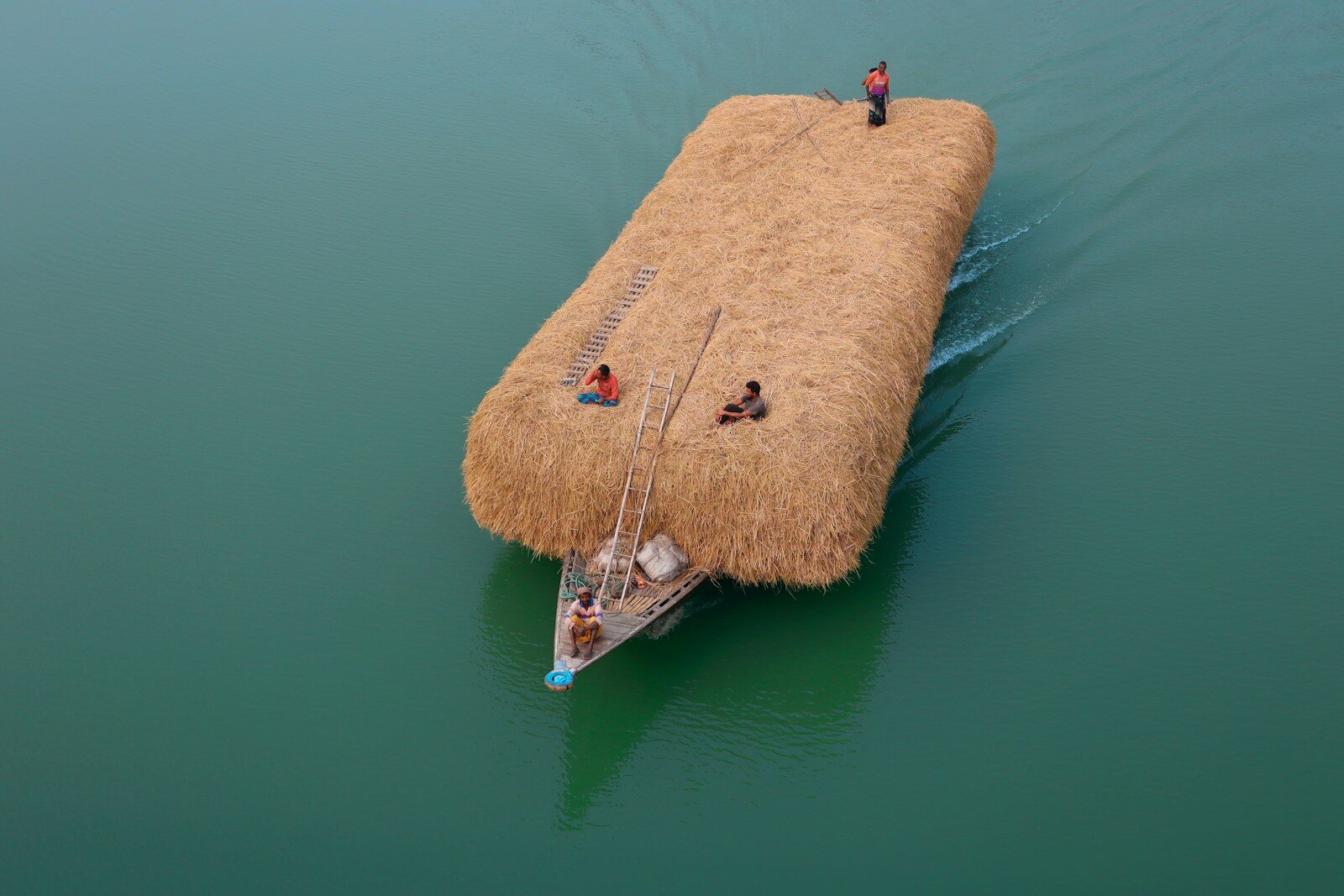
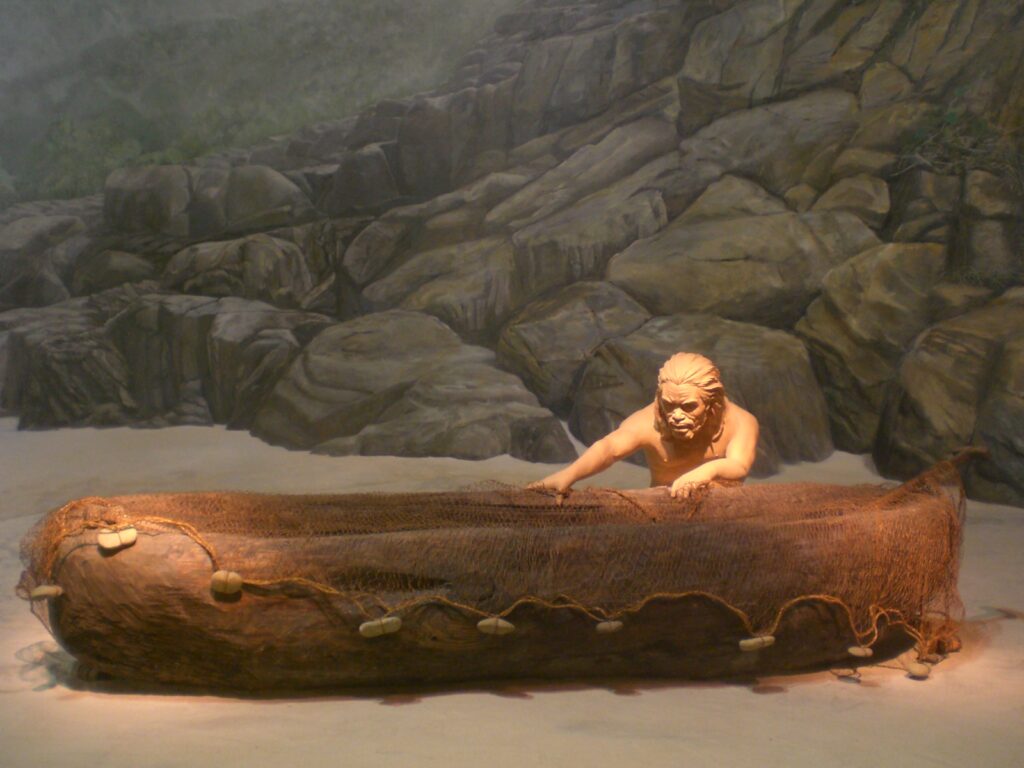
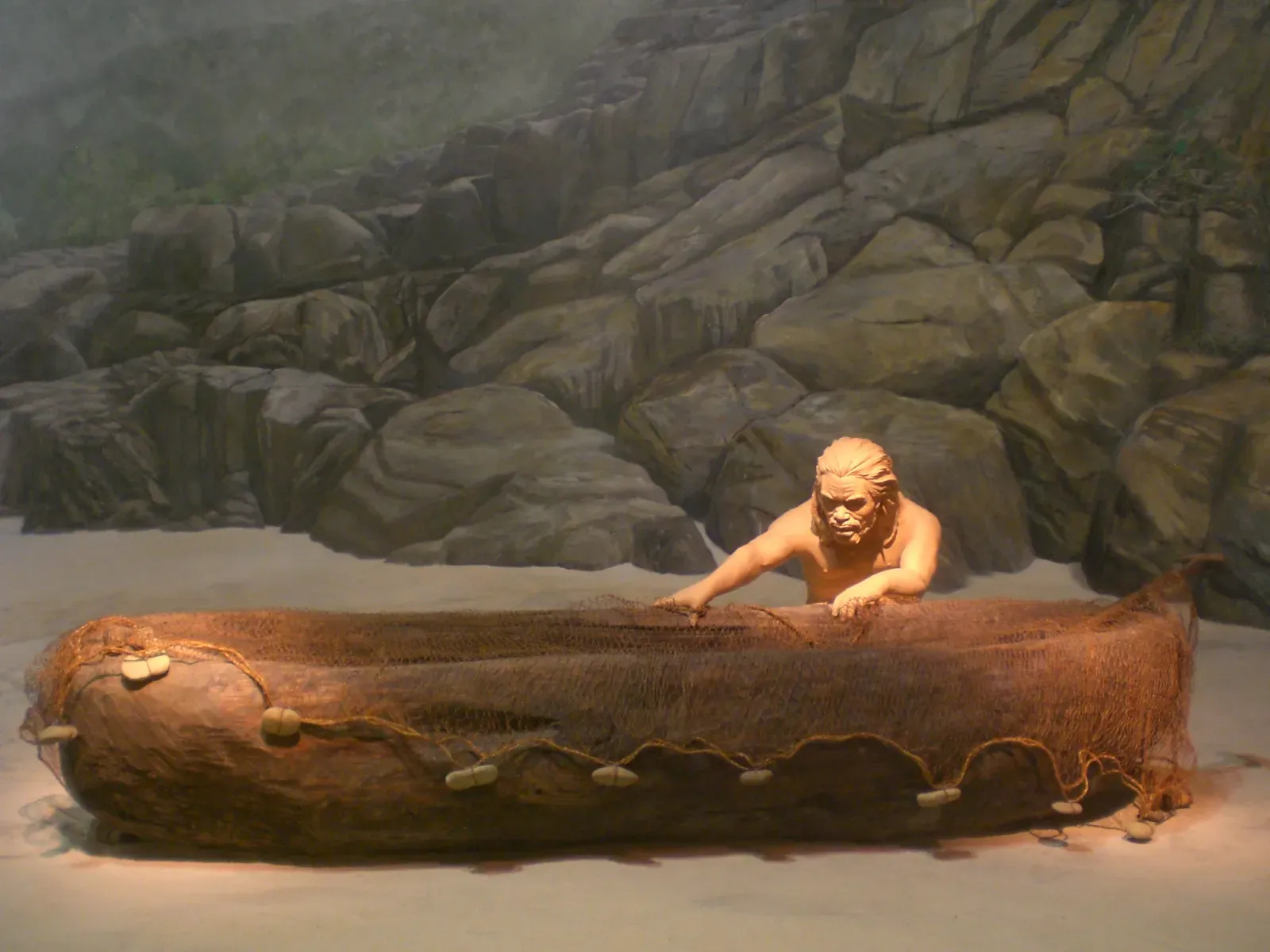
We do not have preserved ships from these earliest chapters, which can feel frustrating if you like concrete artifacts, but researchers can infer a surprising amount from context and experiment. To cross channels stretching tens of kilometers, you need more than a log you happen to be sitting on; you need a device that can carry several people and at least some supplies. That implies deliberate construction, from lashed-together logs or bamboo to bundles of reeds or bark stitched into canoe-like shapes.
Some modern experimental voyages have tried to replicate prehistoric crossings using only materials and tools that would have been available at the time. These attempts show that even with stone tools, people can build sturdy craft capable of crossing substantial stretches of open sea, as long as they have patience, teamwork, and some trial-and-error. It is not glamorous technology by modern standards, but it is clever, robust, and demanding enough that it forces us to give early humans more credit for their practical engineering skills.
Navigating without Maps: How Early Mariners May Have Found Their Way
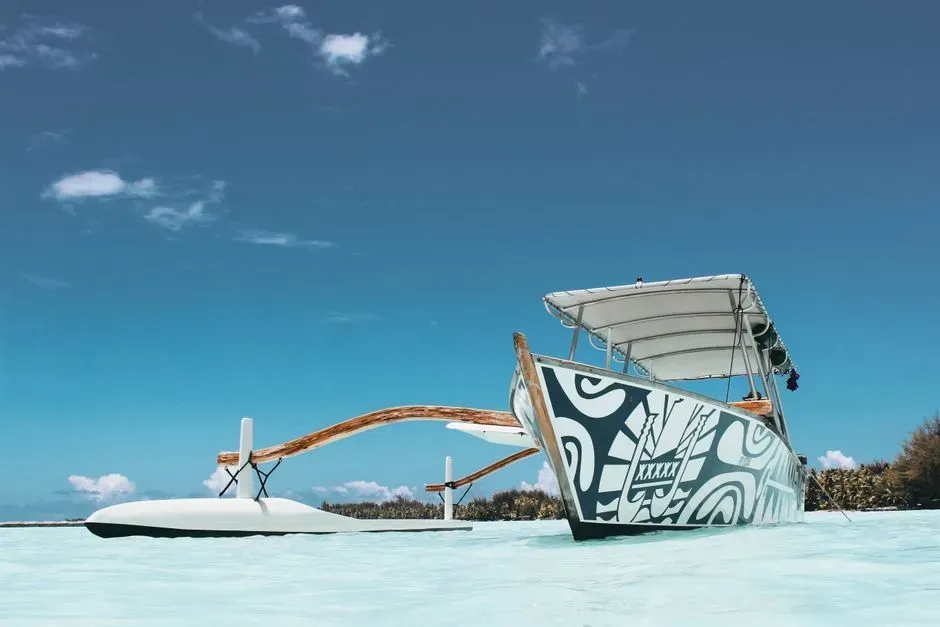
Even if you build a solid raft, the ocean is still a terrifying maze unless you have ways to orient yourself. Early seafarers almost certainly watched patterns that most of us ignore today: the direction of prevailing winds, the behavior of swell and currents, the movements of birds at dawn and dusk, and the changing positions of stars. These cues, learned over many seasons, could guide short but risky voyages across channels that never fully disappeared even during ice age low sea levels.
Short-distance island chains may have offered natural stepping-stones, allowing people to learn routes bit by bit. A group might paddle to a visible island, spend weeks exploring, then notice another faint line of hills on the horizon and push on again. Over time, this could create mental maps of sea lanes, not drawn on paper but remembered through stories, rituals, and shared experience. The fact that modern Indigenous navigators can still cross huge stretches of ocean using traditional knowledge gives a plausible window into how such early systems might have worked.
Brains, Culture, and Courage: What Sea Crossings Reveal About Early Humans
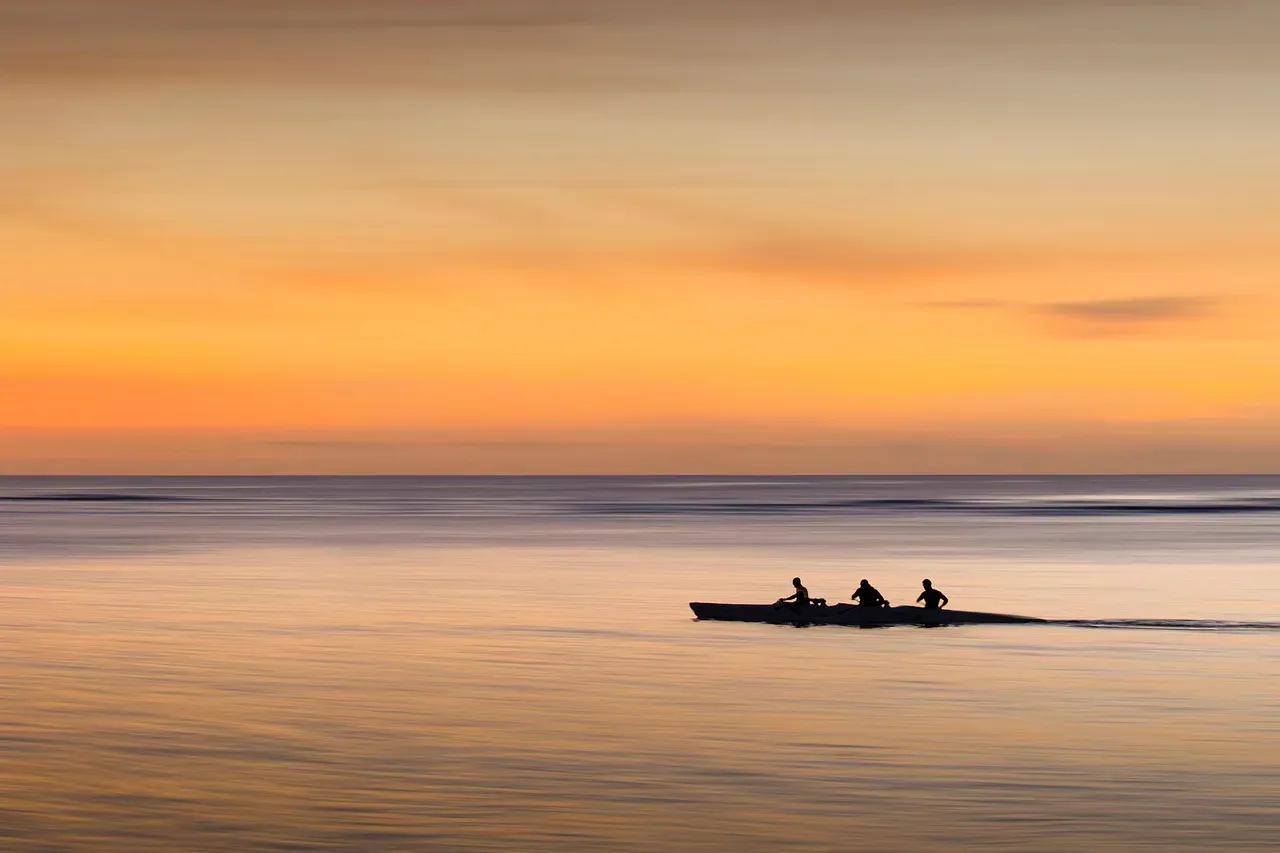
The idea of Stone Age sailors is more than just a cool mental image; it reshapes how we see early human minds and societies. Organizing a crossing over dangerous water demands planning far beyond day-to-day foraging. People need to gather materials, build and repair vessels, coordinate who goes and who stays, and stock enough food and water to survive if the trip takes longer than hoped. That points to complex social structures and a shared willingness to take calculated risks for possible rewards.
It also hints at a deep cultural capacity for curiosity. Crossing a channel where you cannot see the other side is, in a way, a physical expression of faith in the unknown. Maybe people were chasing new resources, escaping conflict, or simply following migrating animals and birds, but at some point someone had to say, in effect, that the world does not end at the horizon. To me, that feels very human: we are the species that keeps asking what lies just beyond the edge and occasionally bets our lives on the answer.
Rethinking Human Migration Stories in Light of Early Seafaring
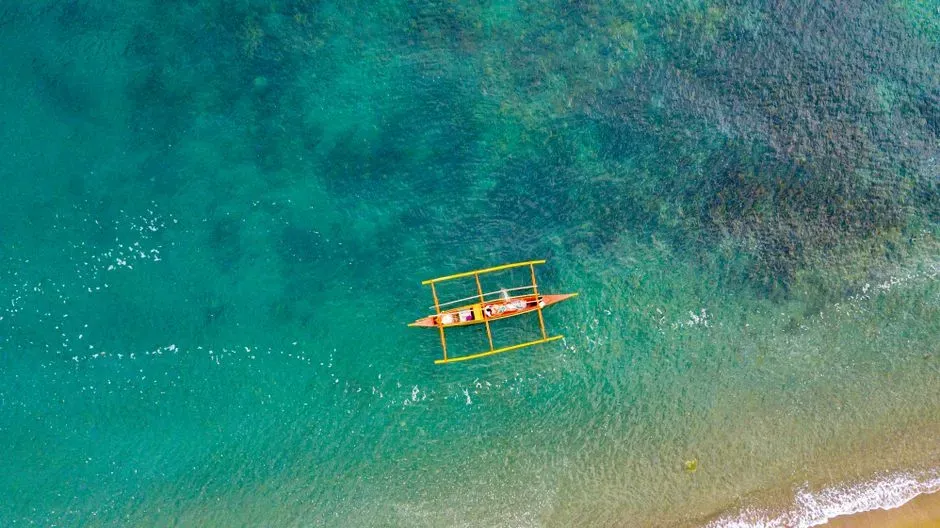
Once you accept that early humans were capable of meaningful sea travel, familiar migration maps start to look a bit too tidy. Instead of slow, predictable waves of people spreading only over land bridges and narrow isthmuses, you have to imagine a more tangled web that includes island hops, coastal shortcuts, and maybe even bold one-way leaps into the blue. Some regions that were long considered unreachable until relatively late suddenly become plausible waystations on much older journeys.
This does not mean throwing away everything we thought we knew about human dispersal, but it does mean adding extra dimensions and alternative routes to the story. Coastal and maritime paths could help explain puzzling patterns in genetics, languages, and tool styles that do not fit purely overland models. It is a humbling reminder that the past rarely respects our neat diagrams. Our ancestors were not following our maps; they were making their own, one risky crossing at a time.
Conclusion: The Sea Was Never Just a Barrier
To me, the emerging picture is clear: the old habit of treating early humans as hesitant, landlocked figures underestimated both their abilities and their ambition. The scattered but compelling evidence of early sea crossings suggests that people were willing to experiment with the most dangerous environment available to them far earlier than many of us were taught. That does not mean they were fearless superheroes; it means they were recognizably like us, weighing fear against curiosity and sometimes deciding the unknown was worth the gamble.
In the end, the idea that our species learned to ride waves into the unknown long before recorded history feels less like a surprise and more like a missing puzzle piece finally sliding into place. The ocean was not just an obstacle; it was a testing ground for ingenuity, cooperation, and courage that still shapes who we are today. When you look at a rough sea now, does it feel a little different knowing that some of your ancestors might have stared at the same wild water and thought, against all common sense, that it was time to set sail?