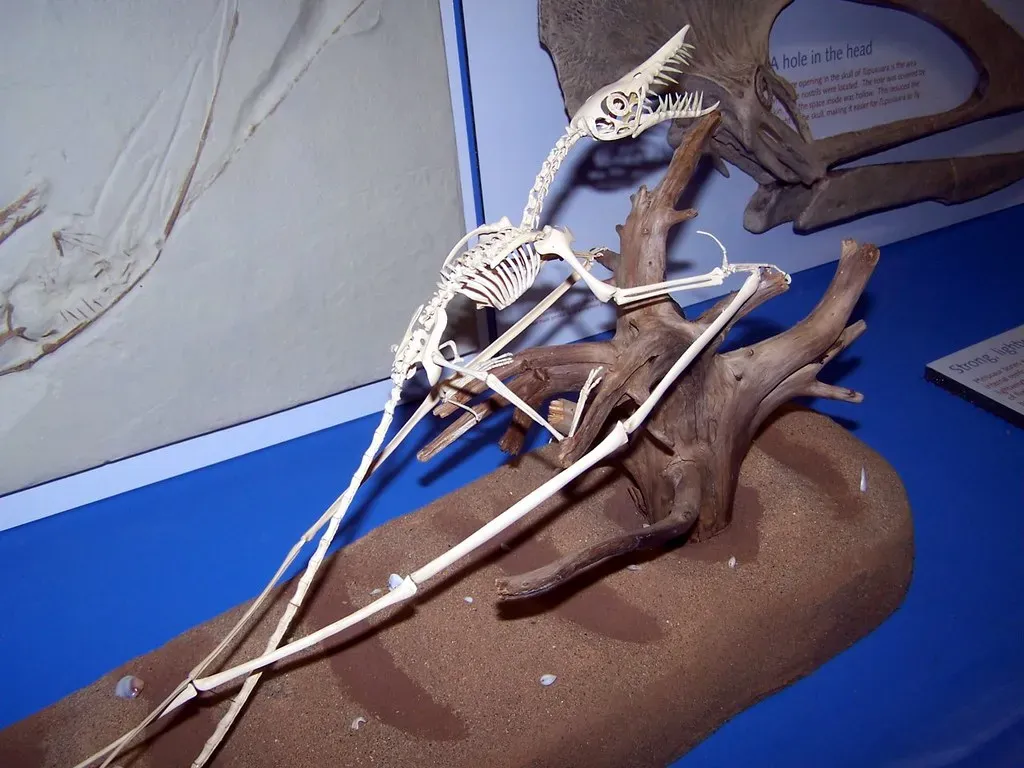
Imagine standing at the edge of a prehistoric coastline, 165 million years ago, and looking up to see not one or two winged reptiles, but a sky teeming with an astonishing variety of flying creatures – different sizes, different shapes, different behaviors. For a long time, paleontologists believed pterosaurs were a relatively modest group, their story constrained by what fragments survived in the fossil record. Honestly, that picture was never the full one. It was just the tip of an iceberg we hadn’t yet found the courage to look beneath.
The truth, as new discoveries keep revealing, is far more breathtaking. Recent fossil finds from Scotland, Germany, Brazil, China, Morocco, and Arizona are systematically dismantling what we thought we knew about these extraordinary animals. You are about to discover just how deep the rabbit hole goes. Let’s dive in.
The Fossil Record Was Lying to You All Along
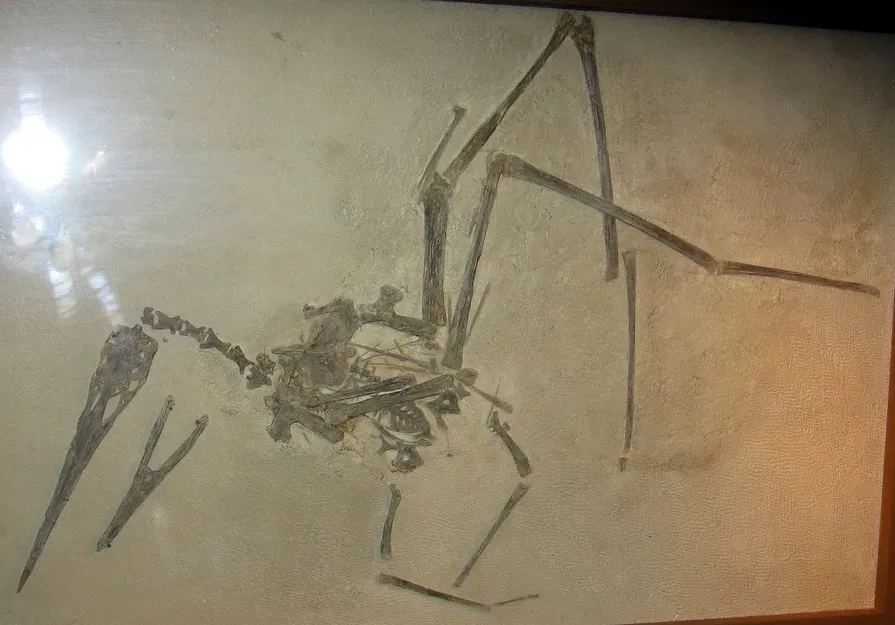
Pterosaurs first appeared in the fossil record in the Late Triassic and are believed to have evolved as close relatives of the lagerpetids, a group of small dinosaur-like animals – though the lack of transitional forms in pterosaur evolution makes it hard for scientists to be completely certain of their origin. Here’s the thing: what you see in the fossil record isn’t always what was actually there. It’s more like trying to reconstruct an entire library from a handful of soggy pages.
Pterosaur fossils have a very poor fossil record in general because their bones are quite fragile, and as flying animals, they didn’t spend much time near rivers and lakes where fossils typically form. Almost everything known about pterosaur biology and evolution comes from only around eight or nine key preservation sites – called Lagerstätten – around the world. That’s a shockingly small window onto a group of animals that ruled the skies for over 150 million years.
Scotland’s Isle of Skye Is Rewriting Jurassic History
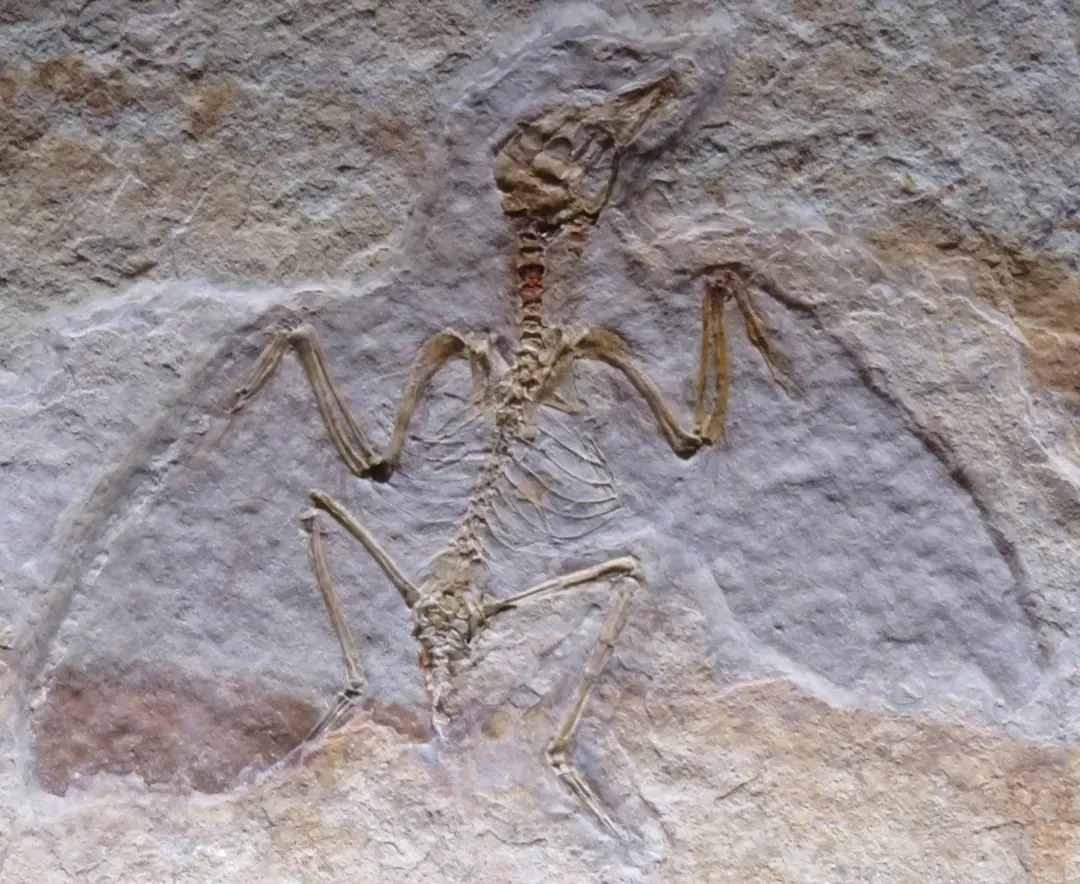
Discovered in Scotland, Ceoptera evansae shows that Middle Jurassic pterosaurs were more species-rich than previously realized. A well-preserved fossil uncovered on the Isle of Skye was revealed as a new species of pterosaur, and with an estimated wingspan of 1.6 meters, it would have soared through the Jurassic skies over 165 million years ago – giving scientists an insight into a poorly understood time in pterosaur history when well-preserved remains are extremely hard to come by.
The new pterosaur is part of the Darwinoptera clade of pterosaurs, and its discovery shows that this clade was considerably more diverse than previously thought, persisting for more than 25 million years, from the late Early Jurassic to the latest Jurassic. During this period, species within the clade spread worldwide, underpinning a new and more complex model for early pterosaur evolution. That’s not a minor revision. That’s an entirely redrawn map.
Germany’s Skiphosoura: The Evolutionary Missing Link
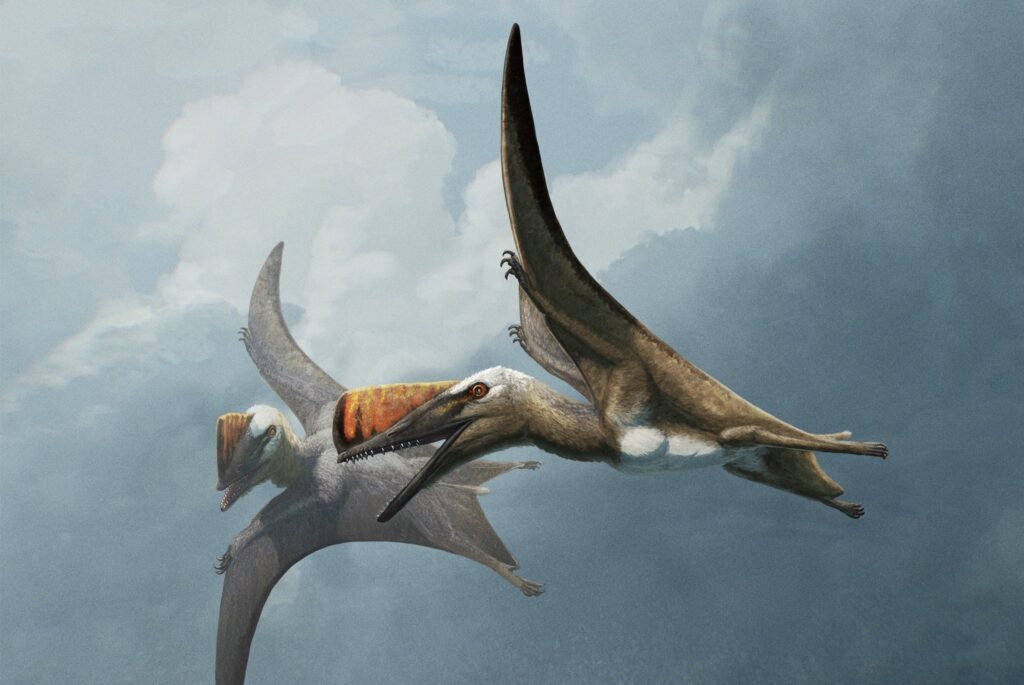
The largest pterosaurs reached 10 meters in wingspan, but early forms were generally limited to around 2 meters. A newly described species named Skiphosoura bavarica – meaning “sword tail from Bavaria” – comes from southern Germany and has a very unusual short but stiff and pointed tail, with its specimen preserved in three dimensions, where most pterosaurs tend to be crushed flat. Think of it like finding a perfectly pressed flower in an archive full of crumpled, torn ones.
Scientists now have a complete evolutionary sequence – from early pterosaurs to Dearc, to the first darwinopterans, to Skiphosoura, to the pterodactyloids. While not every specimen is complete, they can now trace the increase in size of the head and neck, the elongating wrist, shrinking toe and tail, and other features step by step across multiple groups. Both Dearc and Skiphosoura are unusually large for their time, also suggesting that the changes enabling the pterodactyloids to reach enormous sizes were appearing even in these transitional species.
A Filter-Feeding Pterosaur Found Hiding in a Museum Collection
The Araripe Basin in Northeast Brazil has long been recognized as a valuable site for paleontological research, yielding numerous significant fossil discoveries from the Cretaceous Period across a wide diversity of taxonomic groups. Among these, the Santana Group stands out for its exceptional fossil preservation, providing valuable information about the morphology, ecology, and evolution of several clades, especially pterosaurs.
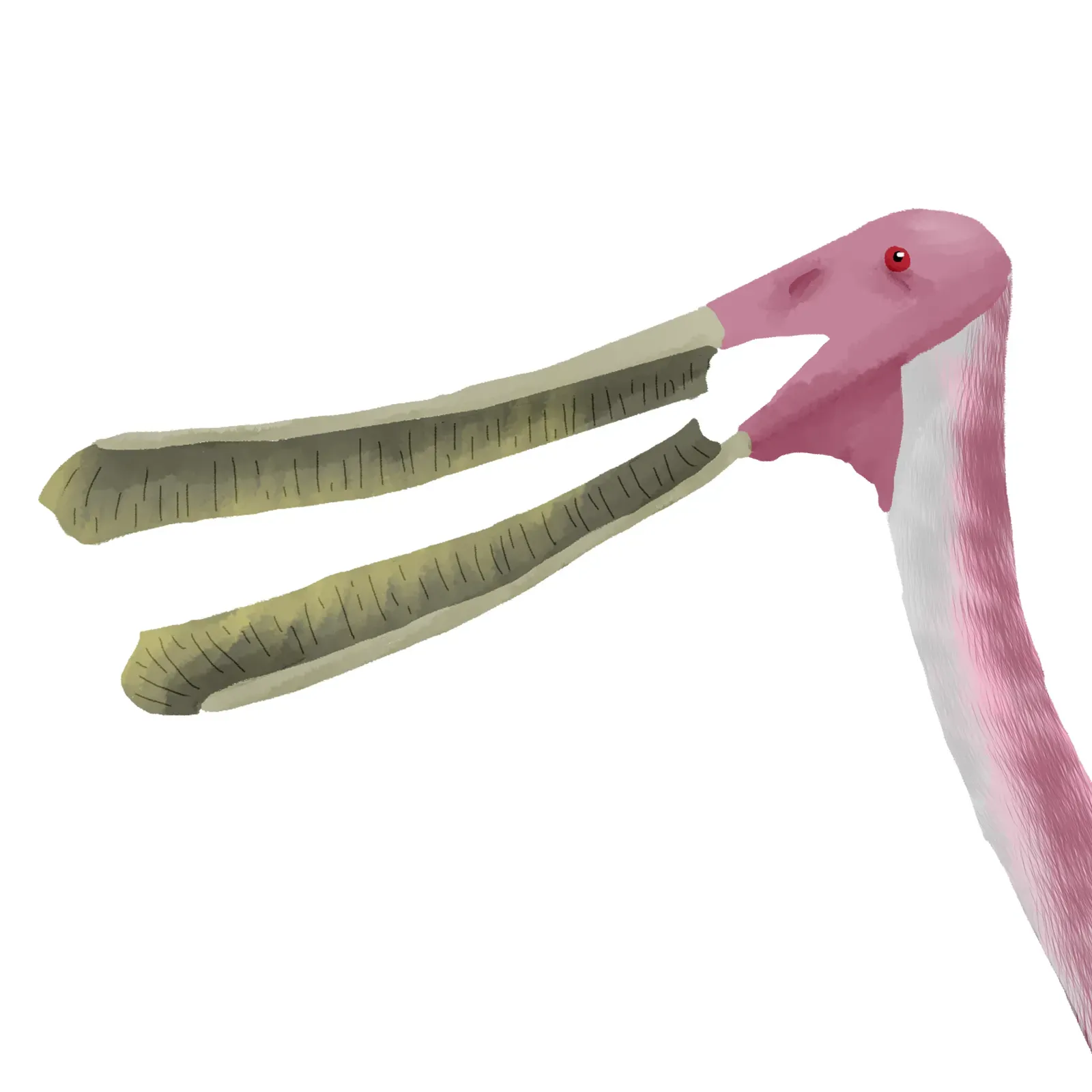
The team named the new pterosaur Bakiribu waridza, which means “comb mouth” in the Indigenous Kariri language spoken in northeastern Brazil’s Araripe region. Bakiribu exhibits extremely elongated jaws and dense, brush-like tooth rows, similar to Pterodaustro but distinct in tooth cross-section and spacing. What makes this discovery particularly fascinating is that the fossil had been sitting in a museum collection for years, unrecognized for what it truly was – a testament to how much we still haven’t properly looked at.
North America’s Oldest Pterosaur Was the Size of a Seagull
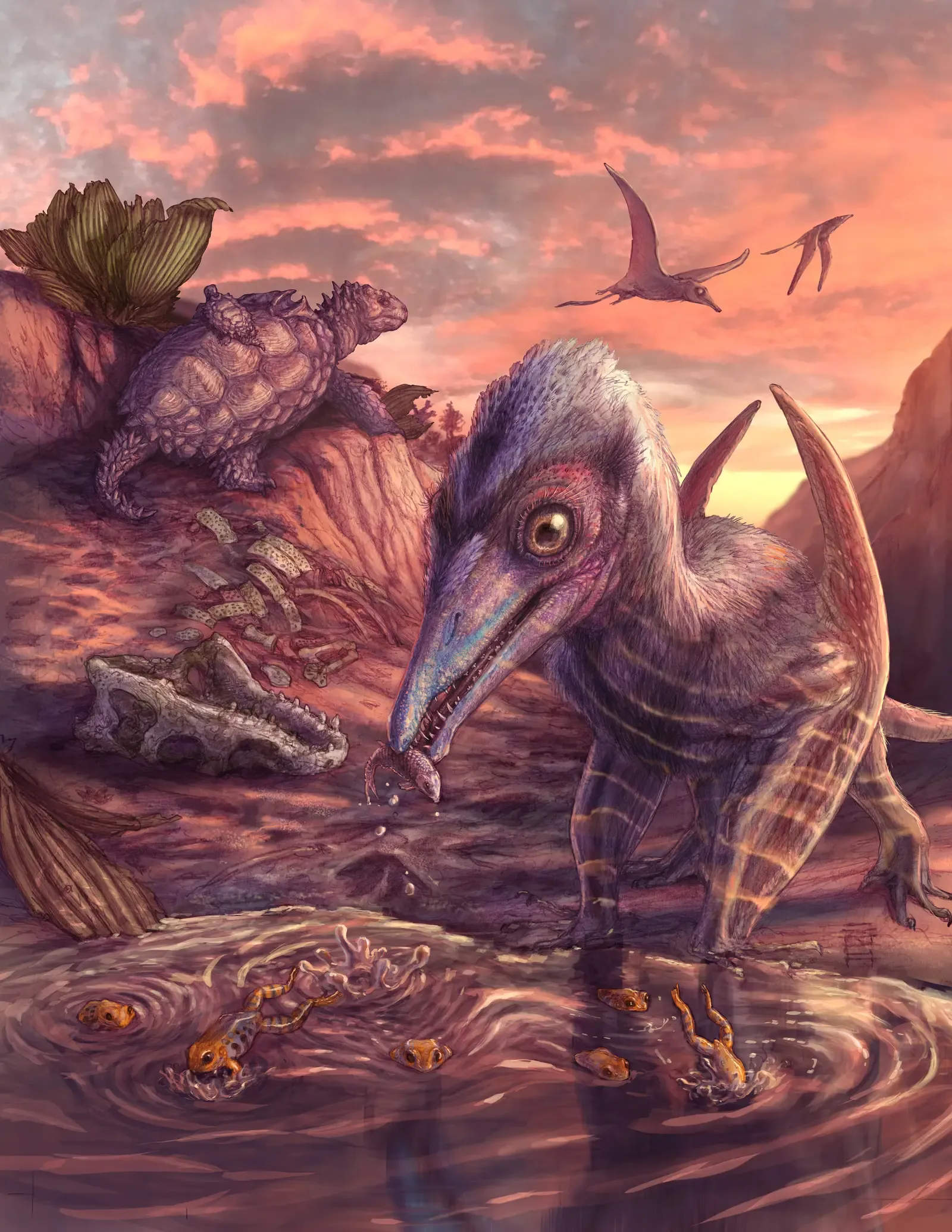
A Smithsonian-led research team discovered the oldest known pterosaur in North America – a seagull-sized winged reptile that lived 209 million years ago during the late Triassic period. The fossilized jawbone of the new species, named Eotephradactylus mcintireae, was unearthed alongside hundreds of other fossils, including one of the world’s oldest turtle fossils, at a remote bonebed in Arizona’s Petrified Forest National Park.
The team named the new pterosaur Eotephradactylus mcintireae – a generic name meaning “ash-winged dawn goddess” – which references the site’s volcanic ash and the animal’s position near the base of the pterosaur evolutionary tree. The winged reptile would have been small enough to comfortably perch on a person’s shoulder. I know it sounds crazy, but one of the most significant pterosaur discoveries of recent years was actually unearthed by a volunteer preparator who spent nearly two decades chiseling rock under a microscope.
China and Brazil Are Unlocking Pterosaur Family Trees
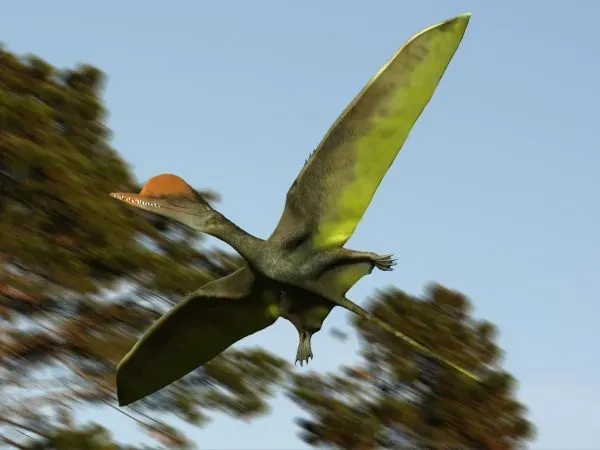
In 2014, the Hami Pterosaur Fauna was discovered in the uninhabited region of the Hami Desert in Northwest China’s Xinjiang Uyghur Autonomous Region, with fossil distribution confirmed across an area of more than 50 square kilometers. The density of pterosaurs in this region was extremely high, making it the largest and most densely concentrated pterosaur distribution area known to date.
The Wukongopteridae combines features of non-pterodactyloids, such as the developed fifth toe and long tail, with pterodactyloid features like the fused premaxillary fenestra and elongated cervical vertebrae. These fossils are considered a transitional group in the evolution from non-pterodactyloids to pterodactyloids and represent a key missing link in pterosaur evolution. China has been a hotspot for pterosaur research for quite some time, presenting new discoveries that have fostered the study of these extinct flying reptiles, and since the discovery of Yandangopterus orientalis in 1997, more than 40 species of pterosaur fossils have been found in western Liaoning and its surrounding areas.
Pterosaurs Were Still Thriving Right Up Until the End
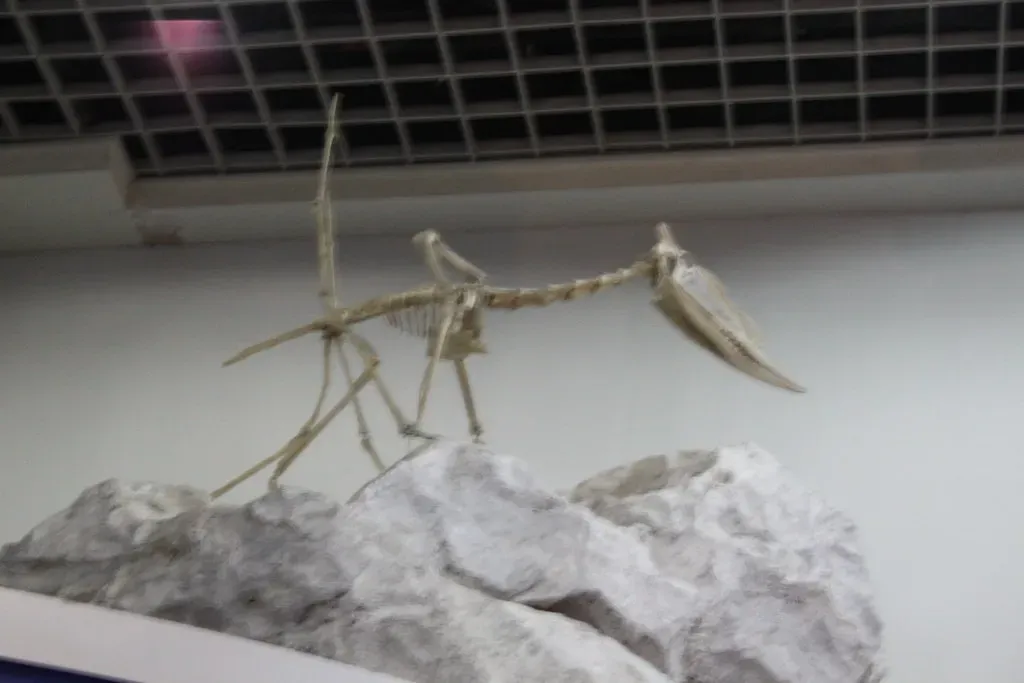
For a long time, scientists assumed that pterosaurs were a dying group in their final millions of years, gradually squeezed out by the rise of birds. Let’s be real – that assumption turned out to be spectacularly wrong.
Previous research had suggested that pterosaur diversity dwindled in the final 50 million years of the Cretaceous Period, possibly as a result of competition from birds. Newly discovered fossils from Morocco threw this idea out the window entirely – with researchers describing fossils from seven species in three families discovered in rocks that were formed in the last one million years of the Mesozoic Era. More than 200 specimens were collected, ranging from isolated bones to partial skeletons, representing the largest collection of pterosaurs from that period anywhere in the world. They found that not only were there much larger numbers of pterosaur species in the final 10 million years of the Cretaceous than previously appreciated, but that pterosaurs were actually increasing their functional diversity as the Mesozoic came to a close, remaining dominant in all ecological niches for wingspans of 2 meters or more.
Why We Keep Underestimating How Many Pterosaurs There Were
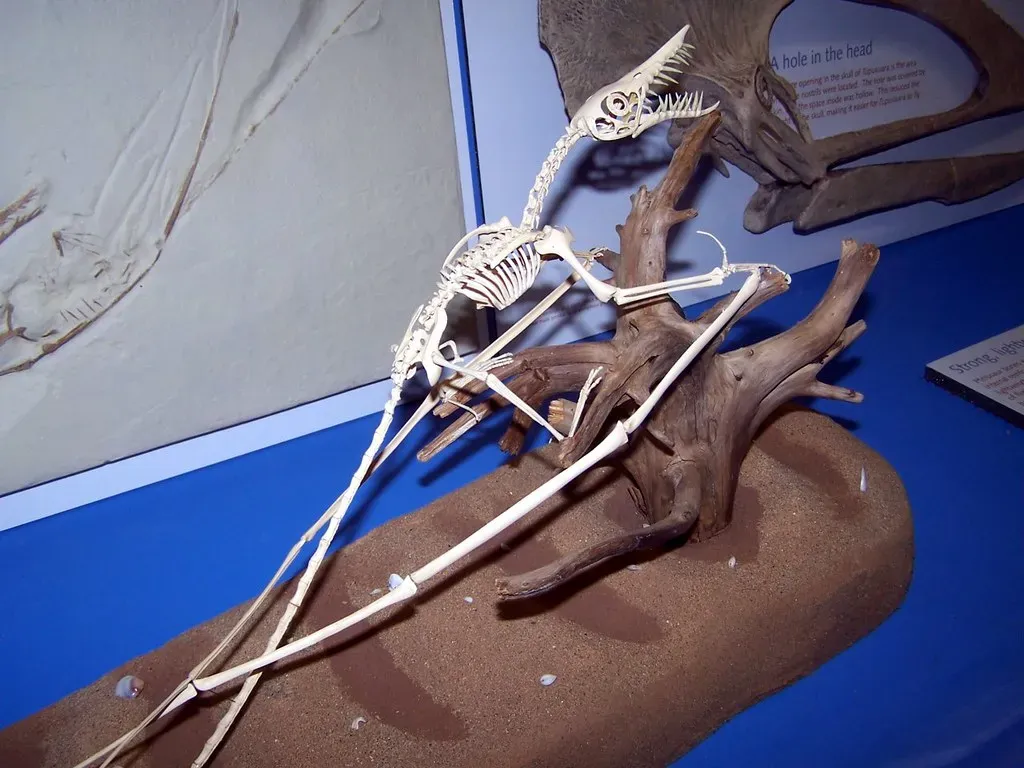
The early evolution of pterosaurs is a mystery, and the ancient climate might explain why. The first flying reptiles were more picky about where they lived than first realized, meaning that their fossils aren’t necessarily where they’re expected to be. Early pterosaurs loved temperate and humid habitats, and that might explain why their fossils are so hard to find today.
The recent findings of a small cat-sized adult azhdarchid further indicate that small pterosaurs from the Late Cretaceous might actually have simply been rarely preserved in the fossil record, helped by the fact that there is a strong bias against terrestrial small-sized vertebrates such as juvenile dinosaurs, and that their diversity might have been much larger than previously thought. The team found that while the generalist lagerpetids seem to have spread widely and consistently across the world, the more specialized pterosaurs had a more limited dispersal at first – which is surprising, since they had one big advantage over the lagerpetids: their ability to fly. It’s almost like finding out that eagles are picky about where they nest. You’d think wings would give you unlimited freedom, but biology has its own strange rules.
Conclusion
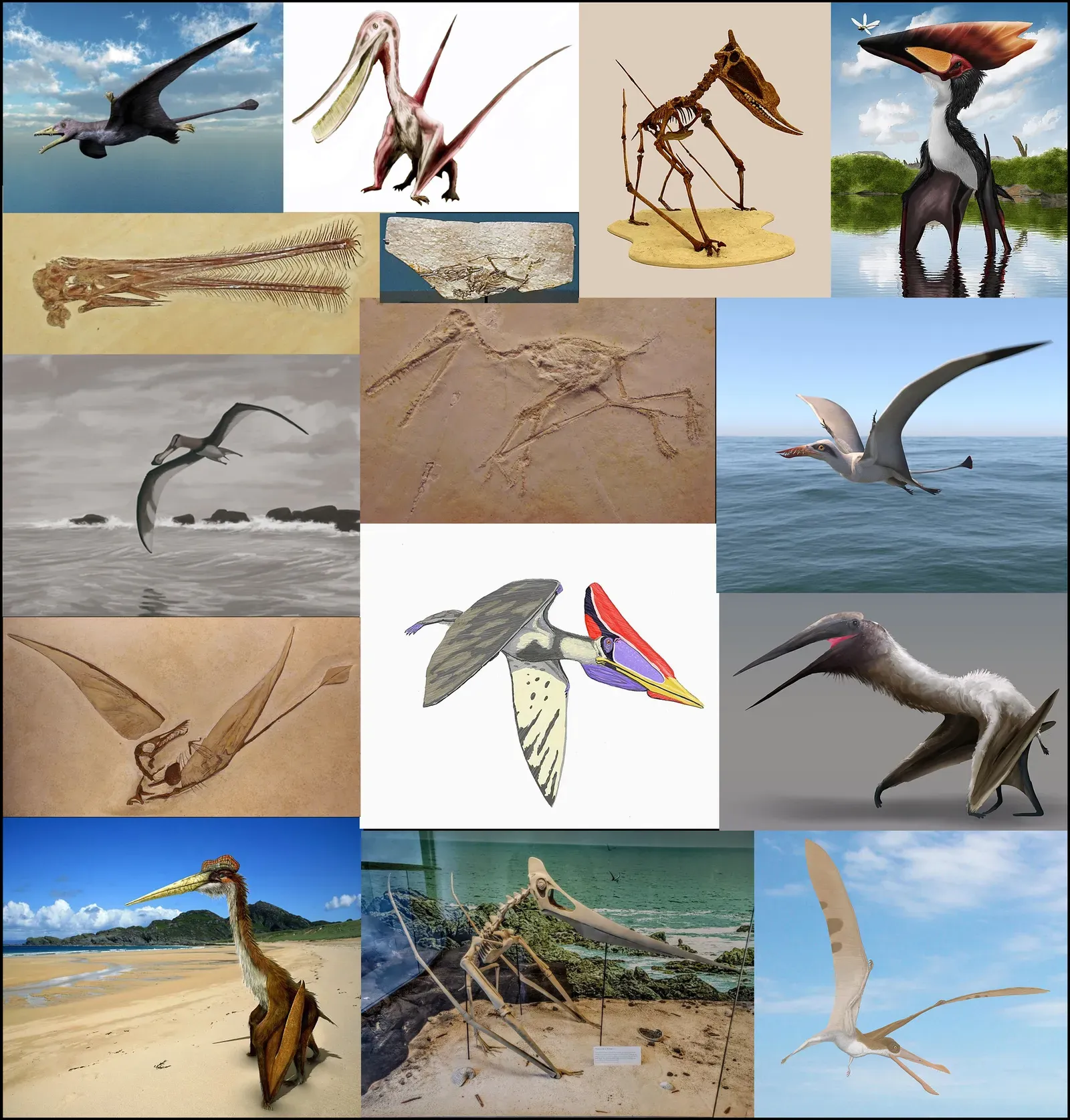
What the science is now telling you, clearly and consistently, is that pterosaurs were not a simple, predictable group. They were a sprawling, diverse, endlessly inventive lineage – from a seagull-sized flier hovering above an Arizona river system to filter-feeders with comb-like teeth in the tropics of Brazil, to giant soaring predators still dominating the skies just before a catastrophic asteroid ended the Mesozoic entirely.
The internal classification of pterosaurs has historically been difficult because there were many gaps in the fossil record. Starting from the 21st century, new discoveries are now filling in those gaps and giving a better picture of the evolution of pterosaurs. Every new fossil that comes out of the ground seems to push the story further, wider, and stranger than before. So the next time someone tells you they have a solid picture of how diverse pterosaurs really were, ask them: are you sure you’ve looked everywhere? Because paleontology keeps proving, over and over again, that the ground beneath our feet still holds extraordinary surprises.
What do you think the next major pterosaur discovery will reveal? Tell us in the comments.