Few creatures have gripped the human imagination quite like Tyrannosaurus rex. You probably picture a massive, thick-skinned predator covered in reptilian scales, thundering across the Late Cretaceous landscape with those impossibly tiny arms. That’s the version you grew up with – the one in the movies, on lunchboxes, and in every dog-eared dinosaur book from your childhood shelf.
Here’s the thing, though. Science never really stops. New discoveries, new technology, and researchers brave enough to challenge old assumptions are steadily reshaping everything you thought you knew about the most famous dinosaur that ever walked the Earth. The real T. rex may have looked far more bizarre and even more extraordinary than anything Hollywood ever dared to imagine. So let’s dive in.
The Old Image vs. The New Reality
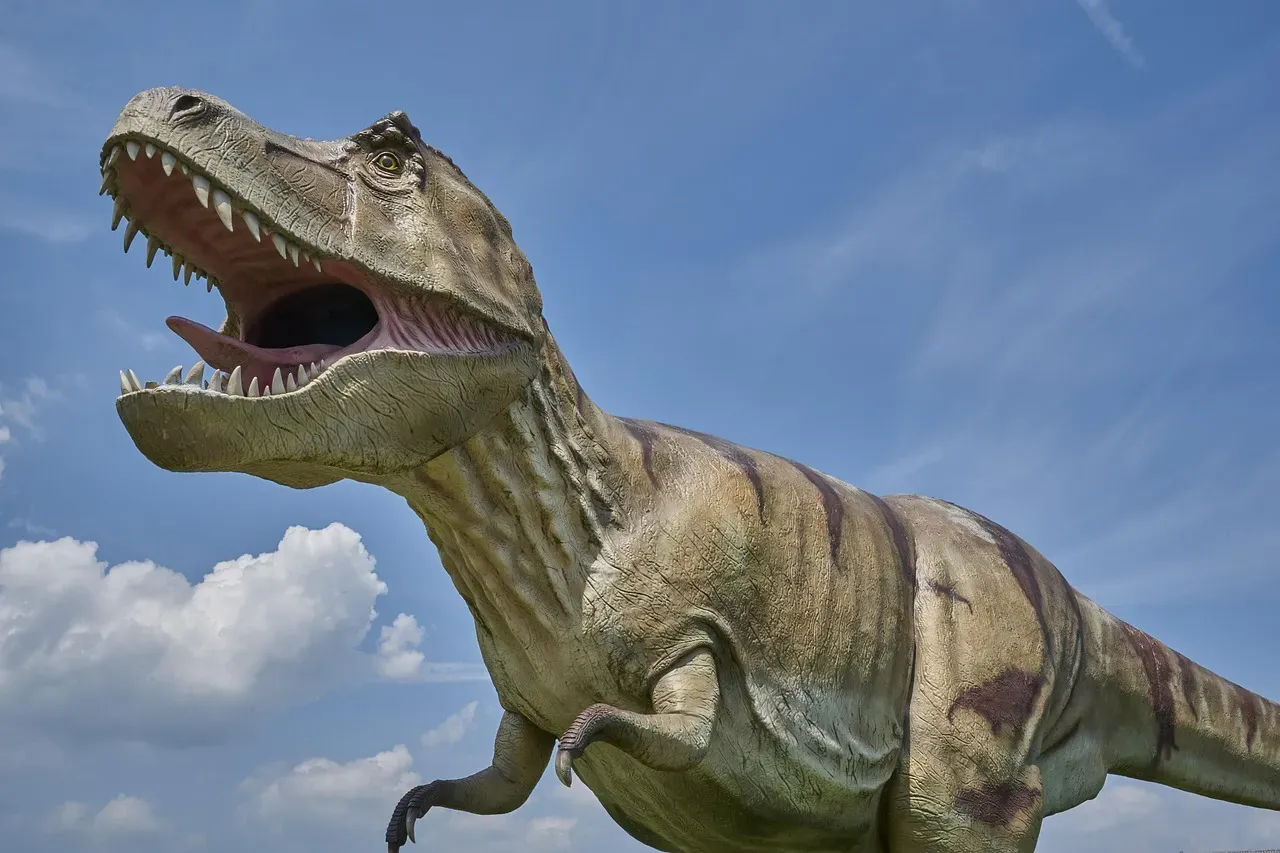
Tyrannosaurus rex has long been depicted with scaly, reptile-like skin. Over the past few decades, however, new research has called the accuracy of that portrayal into question. Think about how jarring that is. You’ve had a mental image of this animal locked in your head since you were probably five or six years old, and now science is asking you to reconsider nearly all of it.
If you look at books from fifty years ago, they portrayed dinosaurs very differently from the way we do it today. In addition to studying living animals to understand how extinct animals functioned, field research-based discoveries have fundamentally changed how we think about the appearance of dinosaurs. Honestly, this kind of evolution in understanding is what makes science so fascinating. It never just sits still.
What the Fossil Record Actually Shows
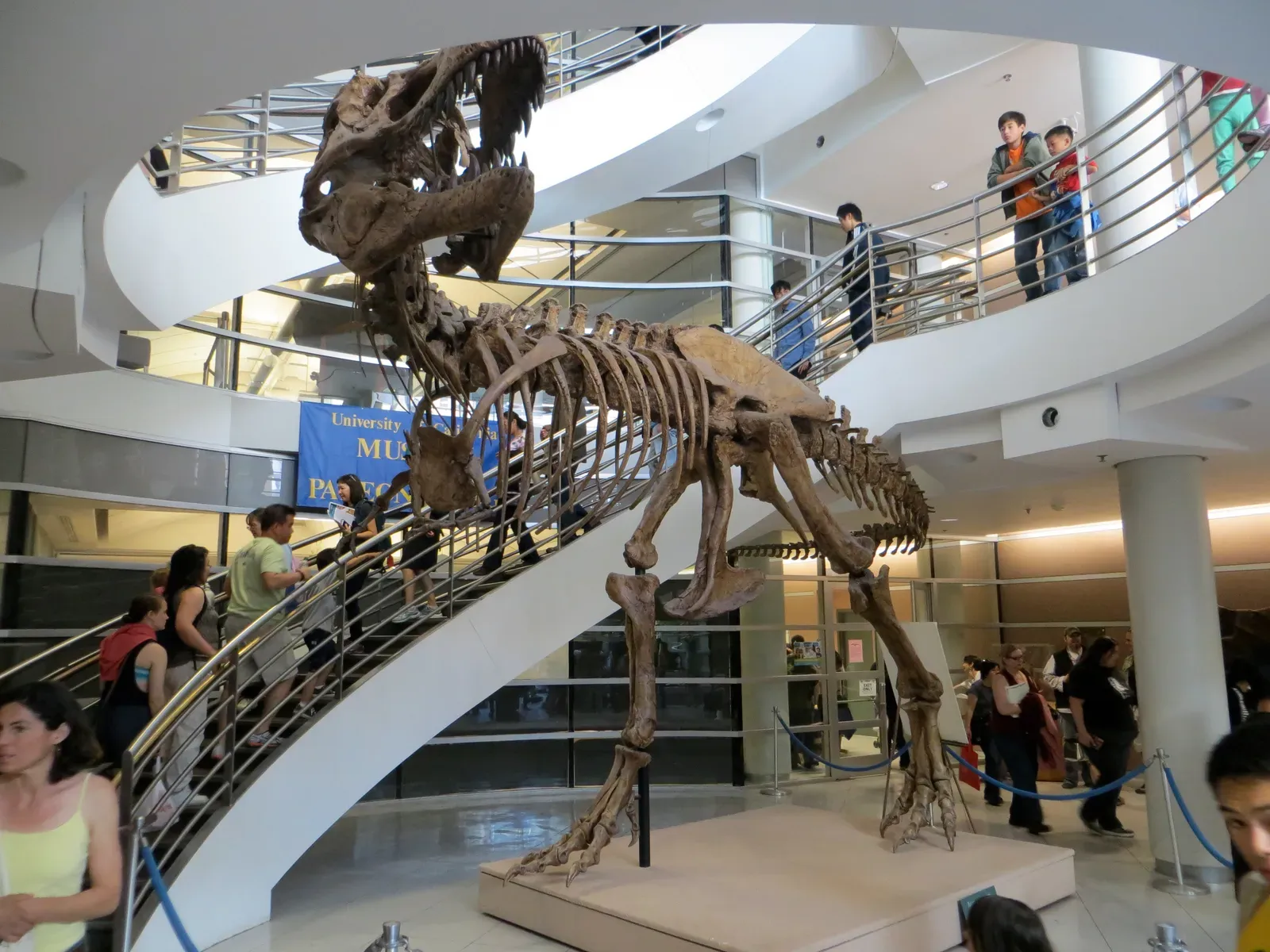
While fossilized bones are the most common and familiar dinosaur remains, occasionally paleontologists uncover skin and scale impressions, or even more rarely, evidence of feathers. Sometimes feather impressions are found, and other times structures in the dinosaur’s bones indicate the presence of feathers. The problem is, the fossil record is brutally incomplete, and what survives is largely a matter of luck.
The absence of feathers in the fossil record does not mean feathers were not present. Feathers are notoriously hard to preserve, so it’s possible that any feathers T. rex may have had simply didn’t last long enough for paleontologists to discover them. According to paleo researcher Dr. Steven Brusatte, preserving feathers takes “inconceivable good luck,” so not seeing feather impressions doesn’t mean they weren’t there. Think of it like trying to prove someone once owned a silk shirt based purely on their skeleton. Good luck with that.
The Smoking Gun: Feathered Tyrannosaur Relatives
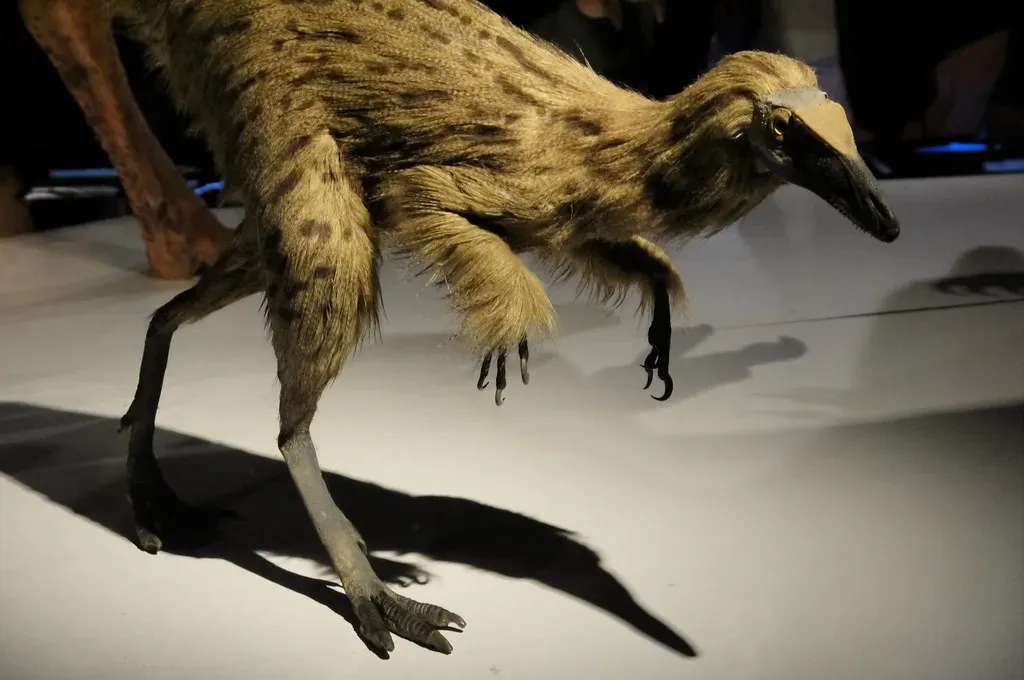
Filamentous structures, which are commonly recognized as the precursors of feathers, have been reported in the small-bodied, basal tyrannosauroid Dilong paradoxus from the Early Cretaceous Yixian Formation of China in 2004. This was a genuinely groundbreaking moment in paleontology. A T. rex cousin with proto-feathers? The scientific community had to take notice.
A team of paleontologists led by Xu Xing of the Chinese Academy of Sciences studied the fibers and concluded these “protofeathers” may have helped keep Dilong warm. A relative of T. rex sporting feathers might seem surprising, but scientists actually expected to find a feathered tyrannosaur one day. Tyrannosaurs are classified as advanced theropods, meaning two-legged, meat-eating dinosaurs. Scientists have found simple feathers on a wide range of advanced theropods, suggesting that feathers were present throughout the entire group.
Yutyrannus: The Giant Feathered Game Changer
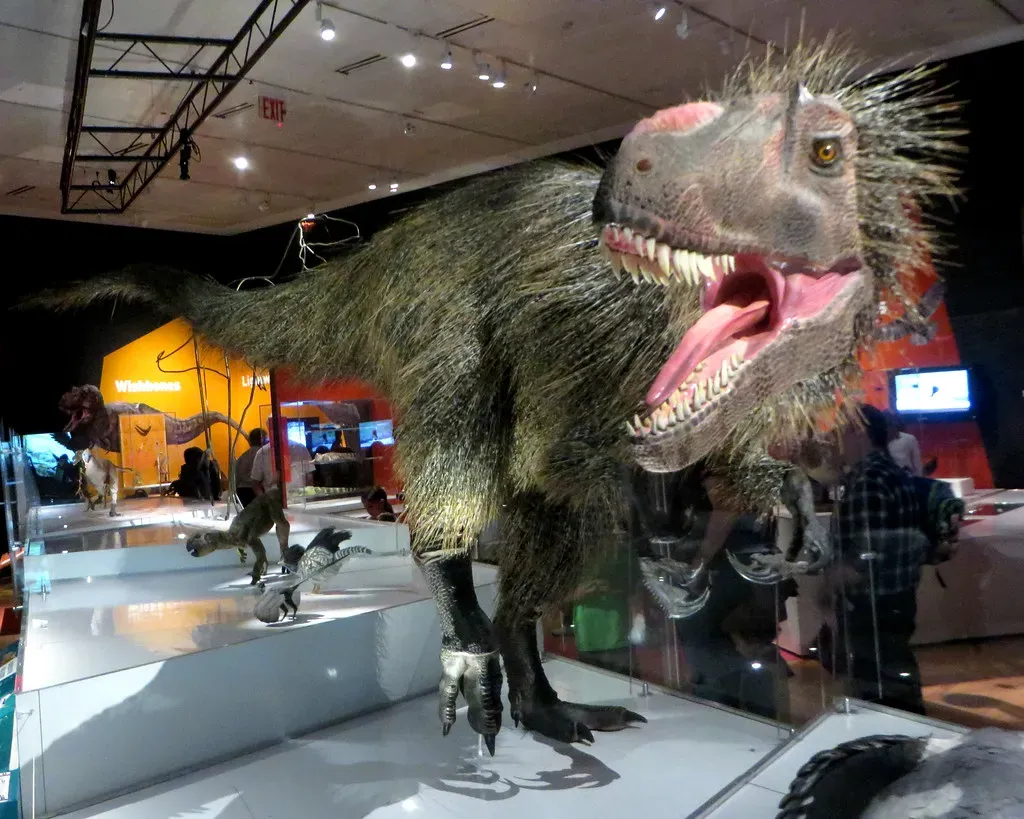
Three fossils of Yutyrannus huali, all found in the rock beds of Liaoning Province, are the largest known dinosaur specimens that preserve direct evidence of feathers. Let that sink in for a moment. A massive tyrannosaur relative, covered head to tail in feathery filaments, preserved well enough in rock for scientists to study in detail. I think this single discovery changed the game more than almost anything else in recent dinosaur science.
The described specimens of Yutyrannus contain direct evidence of feathers in the form of fossil imprints. The feathers were long, up to 20 centimetres, and filamentous. The subsequent discovery of the giant species Yutyrannus huali showed that even some large tyrannosauroids had feathers covering much of their bodies, casting doubt on the hypothesis that feathers were a size-related feature. In other words, you can no longer claim that large tyrannosaurs simply outgrew the need for feathers.
Baby T. Rex: Born Fluffy
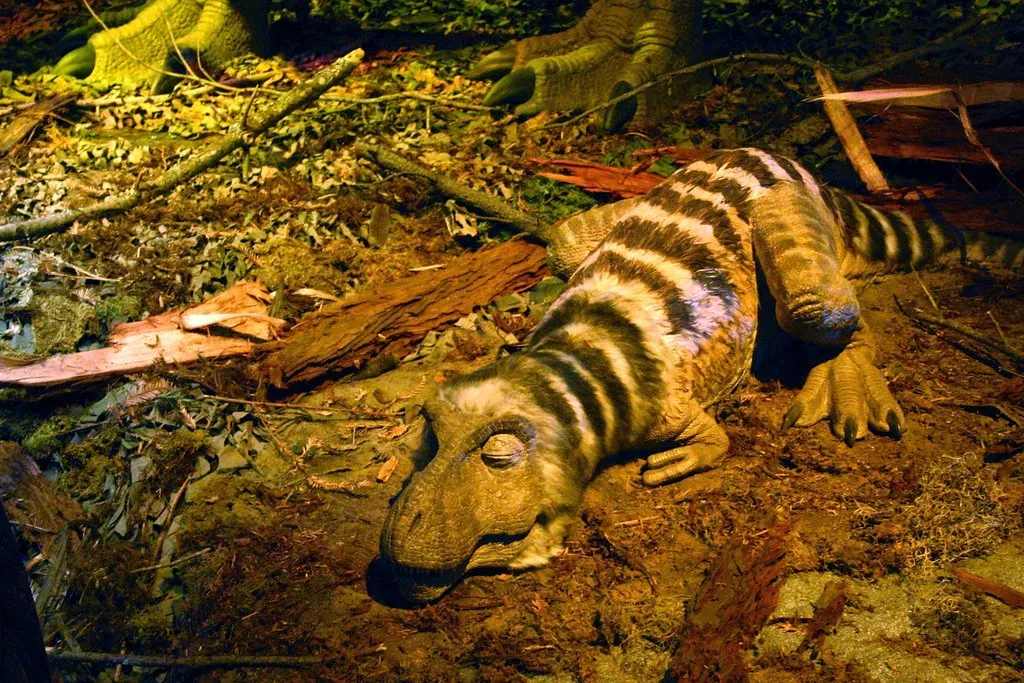
Here’s where things get genuinely adorable and arguably world-changing at the same time. T. rex hatchlings were about the size of very skinny turkeys, with arms that were longer in proportion to their tiny bodies than in adults. Each baby T. rex was covered in a coat of downy feathers. Yes, the most fearsome predator in Earth’s history started life looking something like an oversized, toothy baby chick.
T. rex hatchlings were likely the size of skinny turkeys and covered in fluffy, down-like feathers that kept the babies warm and camouflaged. A young T. rex would keep these feathers as it continued to grow, but by the time it reached full maturity, around 20 years old, the predator likely maintained display plumage only on its head and tail. Scientists also explore how feather coverage varied depending on the animal’s age. A young T. rex hatchling likely possessed a full coat of downy feathers, which were shed as the animal grew and the need for insulation decreased.
The Adult T. Rex: Scales, Feathers, or Both?
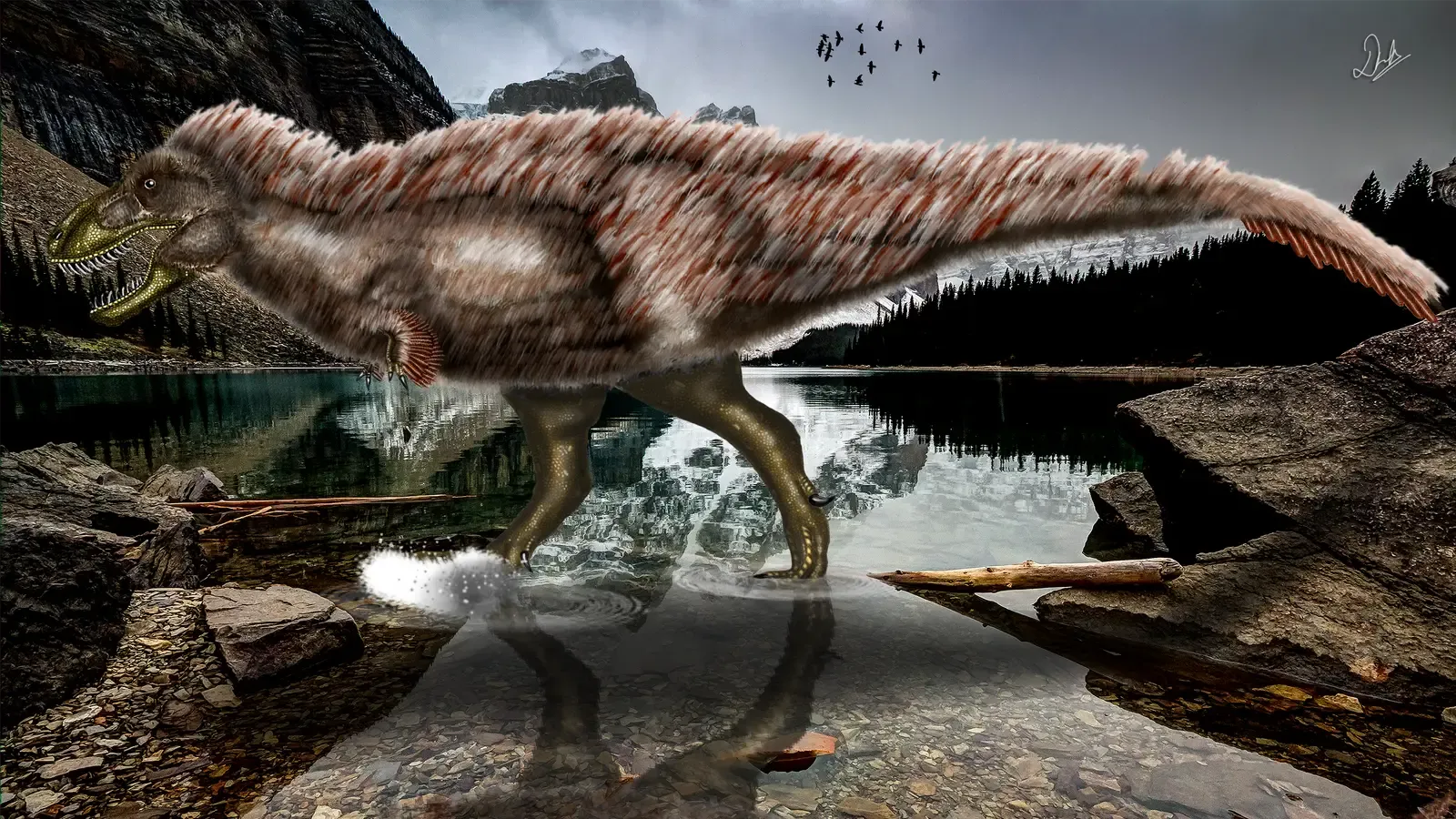
Researchers examined new skin impressions taken from T. rex fossils discovered near Baker, Montana, and compared them with fossils of other tyrannosaurs, including Albertosaurus, Daspletosaurus, Gorgosaurus, and Tarbosaurus. What they found was genuinely surprising, and more nuanced than either side of the debate was comfortable admitting.
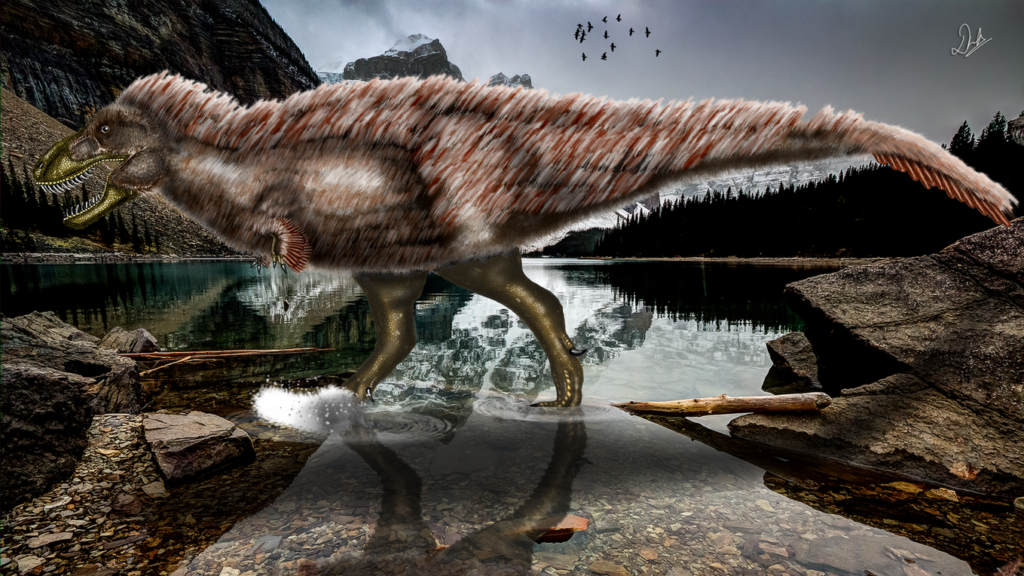
Scientists have concluded that the adult T. rex was not just covered in scales, but also had a mullet of feathers on its head, neck, and tail. The T. rex may have had some feathers, but the plumage was likely limited to the dinosaur’s back. Since there is ample evidence to suggest that earlier tyrannosaurs had feathers, the study’s conclusions would mean that tyrannosaurs evolved a feathery coat, only to eventually lose it. So the real adult T. rex was likely a hybrid creature, part scaly, part feathered, and wholly unlike anything popular culture has ever shown you.
Why Feathers? The Science of Warmth, Display, and Evolution
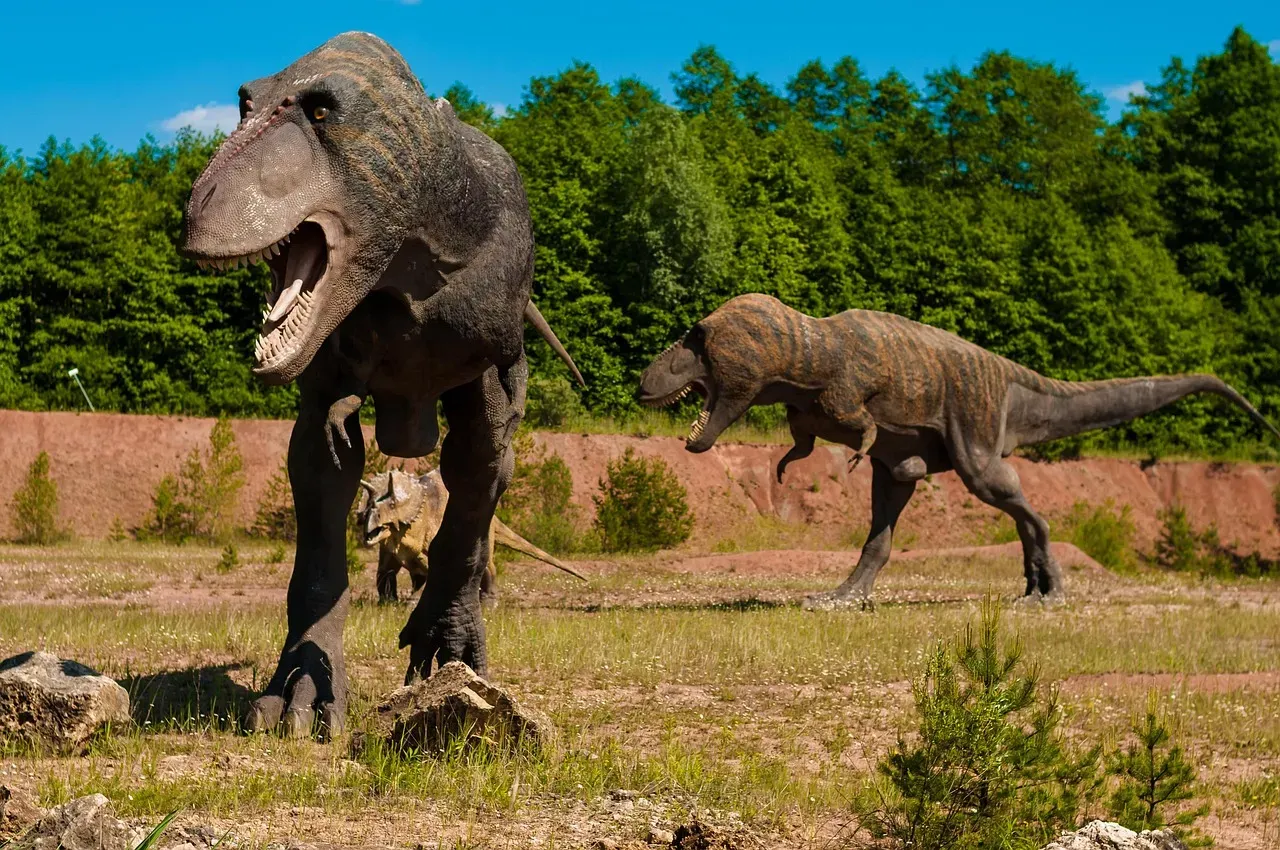
Some evidence suggests that the original function of simple feathers was insulation. It’s a bit like wearing a wool coat. You don’t need it in summer, but in a cold snap, it’s the difference between survival and freezing. While the Cretaceous Period was generally very warm, Yutyrannus lived during the middle part of the Early Cretaceous, when temperatures are thought to have been somewhat cooler.
As an animal moves toward a larger body mass, it has to worry more about keeping cool. Scientists believe larger tyrannosaurs evolved long legs to chase down prey, and it may be that feathers were too much of a hindrance to cooling off after a sprint. In the past several decades, paleontologists around the world have uncovered dinosaur bones with feathers around them, representing species they didn’t realize were feathered before, including tyrannosaurs, the group of predatory dinosaurs that includes T. rex. The picture that emerges is one of a creature that changed dramatically across its lifetime and across its evolutionary history, shedding and modifying its feathers as conditions demanded.
Conclusion
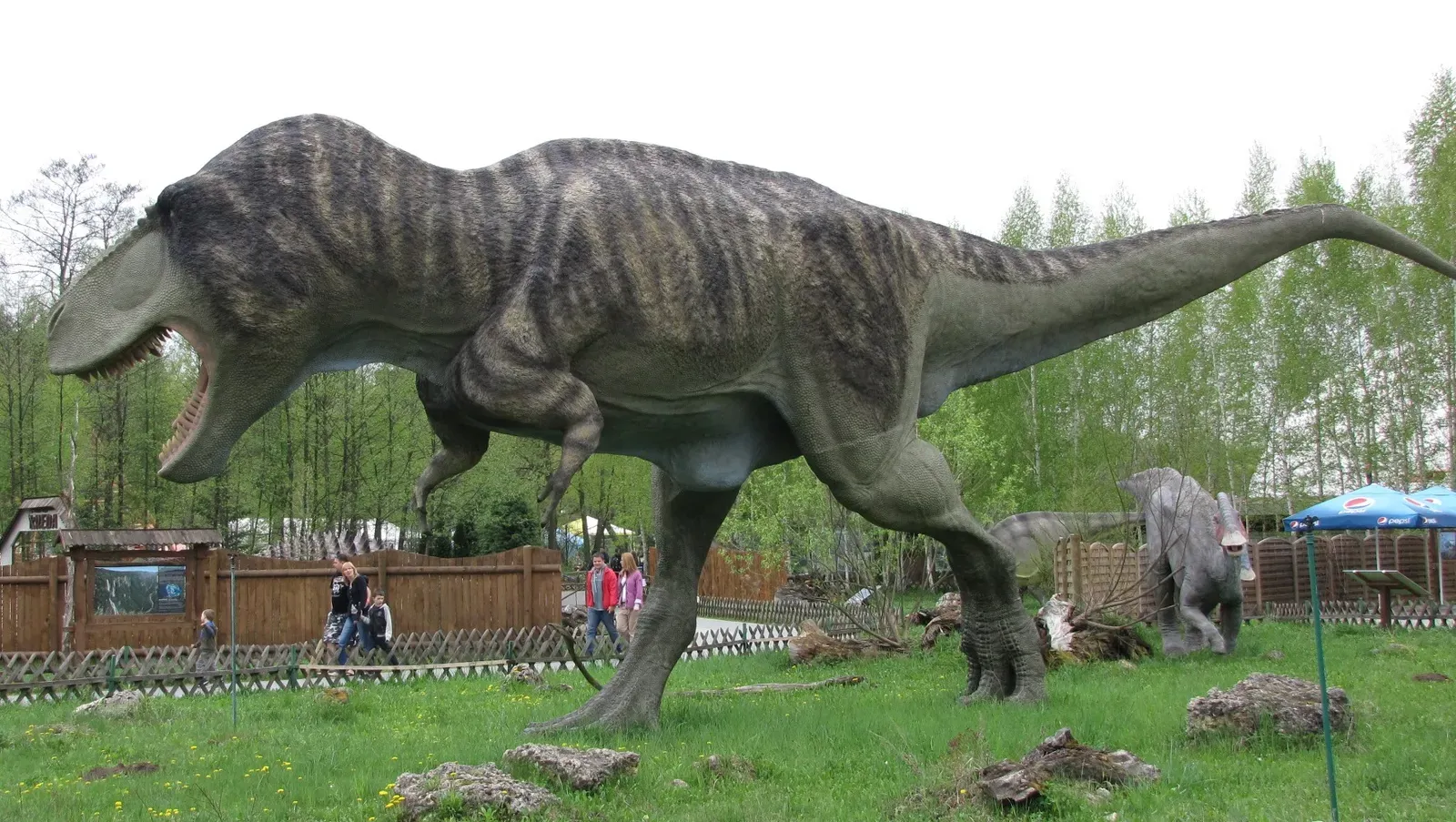
Uploaded by FunkMonk, CC BY 2.0)
The image of T. rex is one of the most studied, most debated, and most deeply embedded icons in all of natural history. What modern paleontology has revealed is something far richer and more surprising than the simple, scaly movie monster of childhood imagination. We now think it’s likely that at least at one point in their lives, T. rex probably had bodies that were partially or completely covered in feathers, perhaps more like modern birds, which are among the most extravagant animals on Earth.
In the past few decades, with the advance of imaging technology and the ability to share research across the globe, paleontologists have made leaps in their knowledge of prehistoric animals. It’s changing the popular images we hold about what dinosaurs looked like and how they lived. The science here is still unfolding, still debated, still gloriously messy in the way the best science always is. Perhaps the most humbling takeaway is this: the animal you thought you knew so well has been hiding its true feathered self all along. What else might the fossil record still be keeping secret from us?