
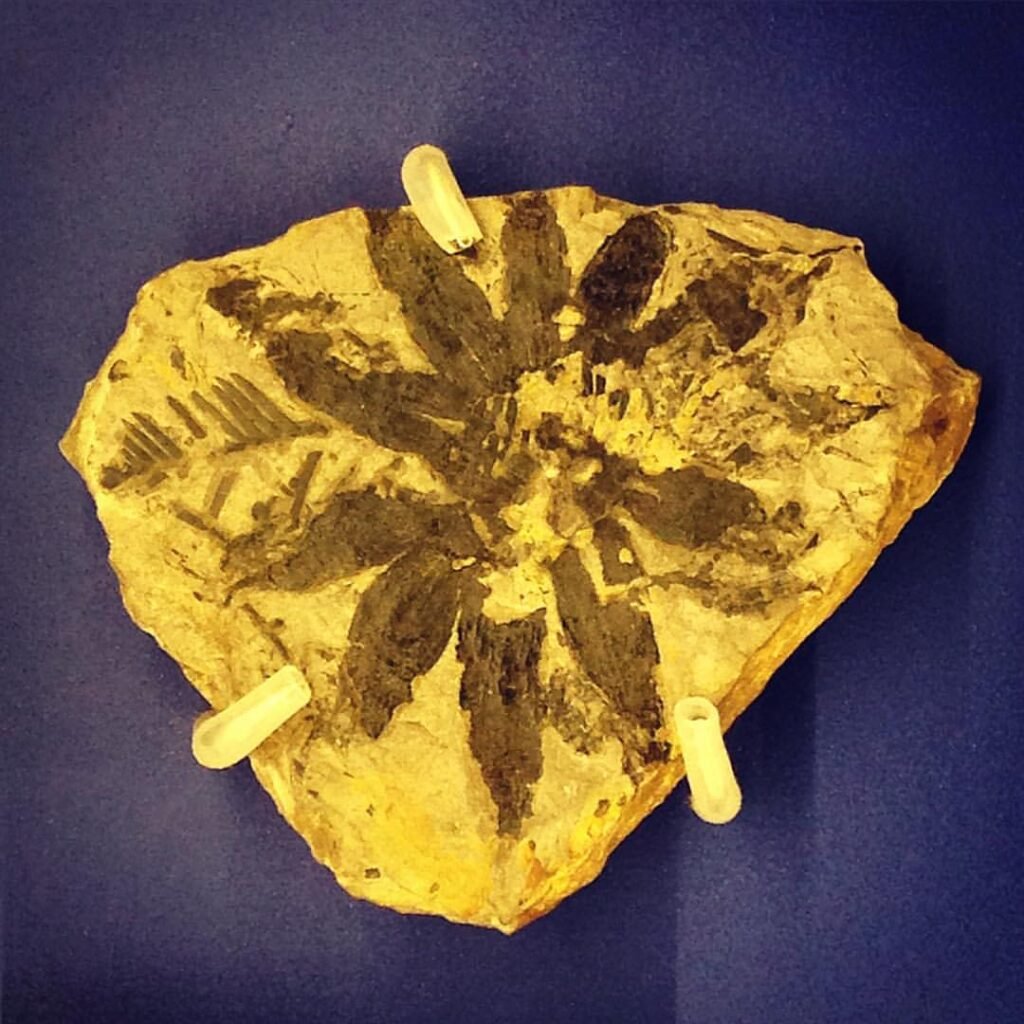
Imagine walking through a world where dinosaurs are everywhere, but the hillsides are completely bare of blossoms. For a long time, that was the picture many scientists carried in their heads: a green, leafy planet where flowers showed up relatively late, almost as an afterthought. Now, new discoveries suggest that story might be seriously out of date, and the first flowers could have appeared far earlier than we once believed.
This shift is more than just moving a date on a timeline. If flowers arose earlier, then everything from how insects evolved to how ecosystems were structured starts to look different. It is a bit like discovering your favorite movie has a secret prequel you never knew existed – suddenly, old characters and plot twists make more sense, but the whole story also becomes more complicated. Let’s unpack what this new evidence really says, what it does not say, and why it matters for how we understand life on Earth.
Why Flowering Plants Have Always Been an Evolutionary Mystery
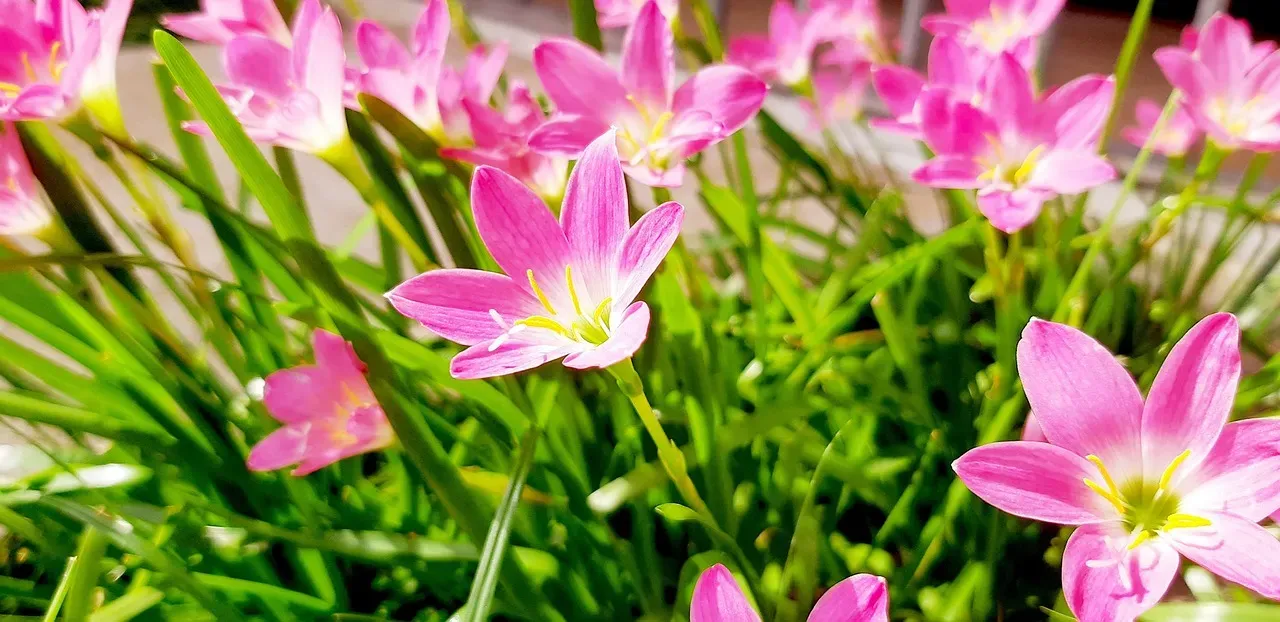
Flowering plants, or angiosperms, dominate most modern landscapes, yet their origin has long been one of the biggest puzzles in biology. When they first explode into the fossil record in the Early Cretaceous, they appear surprisingly diverse and widespread, as if they arrived on the scene fully formed. That sudden appearance bothered even Charles Darwin, who described it as a deeply puzzling problem in evolution.
This mystery comes down to a basic gap: the earliest clear angiosperm fossils used to line up poorly with what genetic data suggested about when their ancestors should have existed. Fossils made it look like flowers evolved relatively late, while DNA-based studies hinted they must have started much earlier. That tension between rock and genome has set the stage for decades, and the newest data are finally nudging the story toward a much earlier floral beginning.
The New Clues: Fossils, Microfossils, and Molecular Clocks
Recent research brings together several types of evidence that all point in the same direction: flowers likely emerged well before their classic Cretaceous debut. Refined molecular clock studies – methods that use DNA mutation rates to estimate divergence times – have increasingly pushed the origin of crown-group angiosperms back into the Jurassic, and in some analyses even edging toward the late Triassic. That means primitive flowering lineages could have been present tens of millions of years before their fossils become obvious.
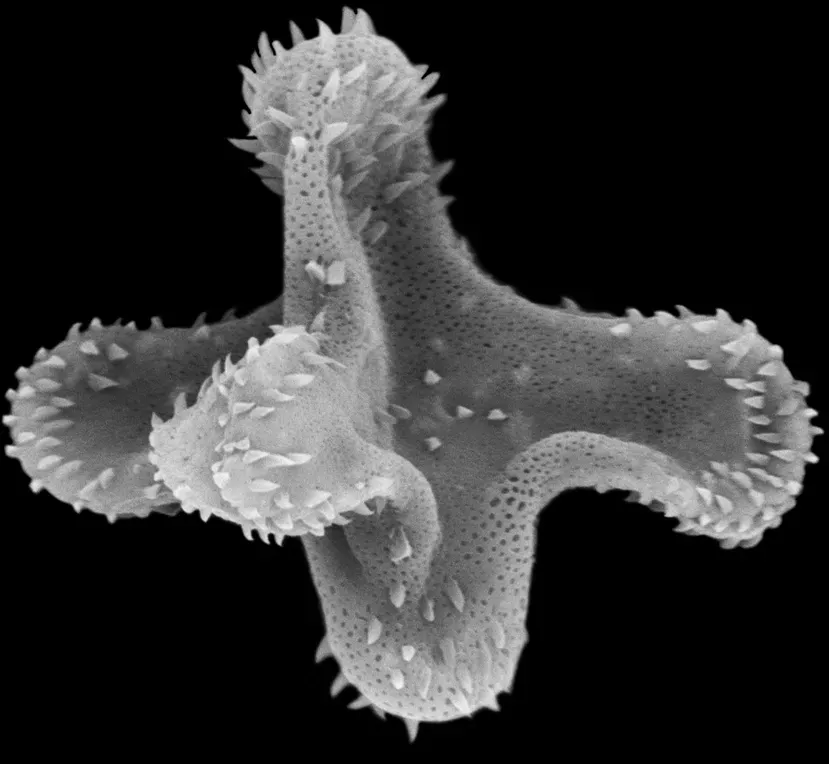
At the same time, paleobotanists have reported intriguing fossil hints: tiny pollen grains with angiosperm-like features from older rocks, fragmentary plant remains that might belong to early flowering relatives, and debated fossils that blur the line between ancient seed plants and true angiosperms. None of these single finds settles the question on their own. Together, though, they form a pattern: the floral story probably starts earlier, and more gradually, than the dramatic “sudden bloom” that classic fossils once implied.
What an Earlier Origin Really Means for the Evolution Timeline
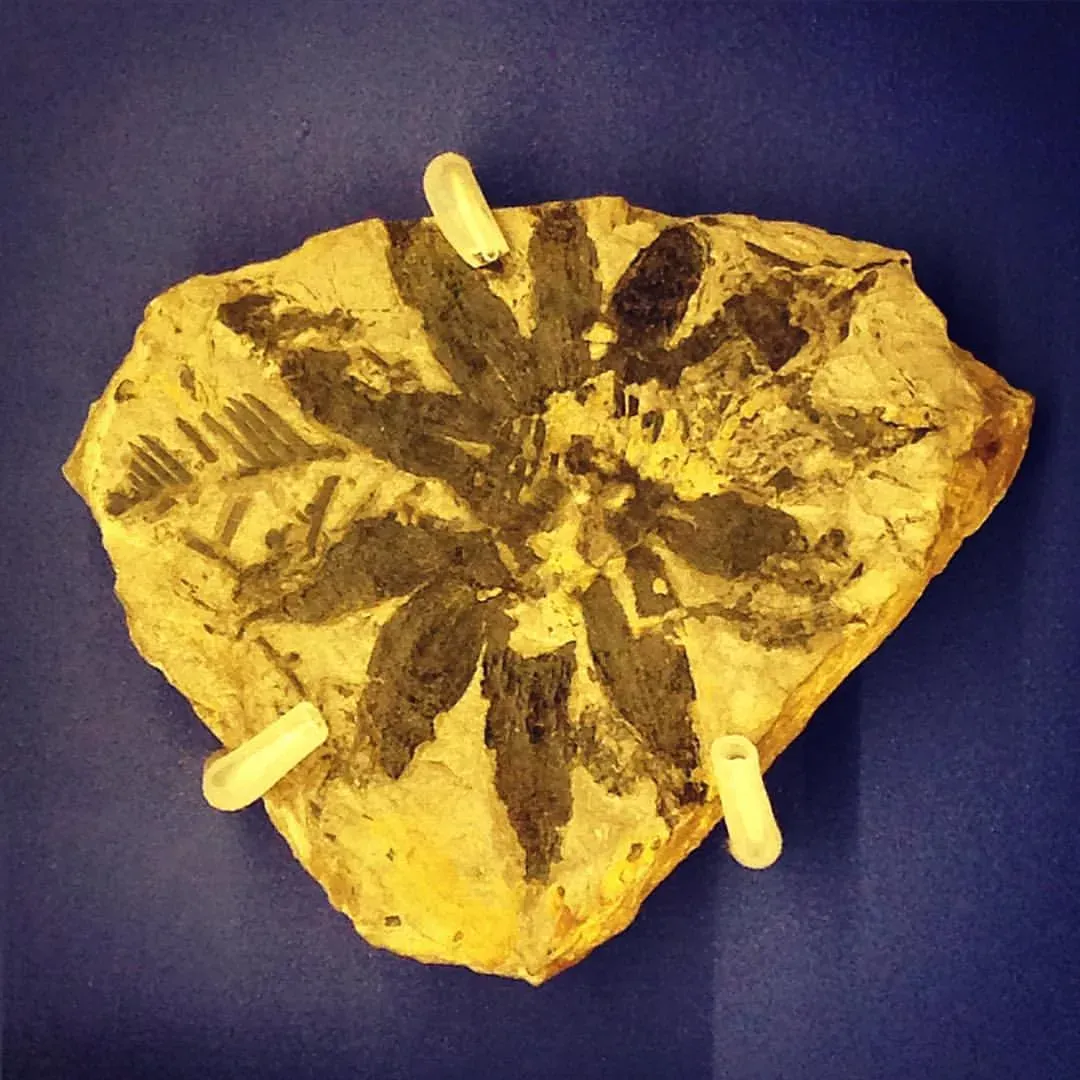
Moving the origin of flowers backward in time might sound like a minor calendar tweak, but it forces a rethink of how plant evolution unfolded. If early angiosperms were already around in the Jurassic, they would have been sharing landscapes with long-necked sauropods and early feathered dinosaurs, not just the later Cretaceous giants that usually get the spotlight. That puts flowers and dinosaurs in a much longer and richer ecological conversation than we once imagined.
An earlier start also stretches out the window for experimentation and diversification within flowering plants. Instead of a short, explosive burst where almost everything happens at once, evolution begins to look more like a long, slow fuse. Primitive lineages could have been small, rare, and confined to particular habitats, only exploding in abundance when environmental conditions finally tipped in their favor. That narrative feels less like magic and more like the gradual tinkering that evolutionary theory predicts.
How Earlier Flowers Could Reshape the Story of Insects and Pollination
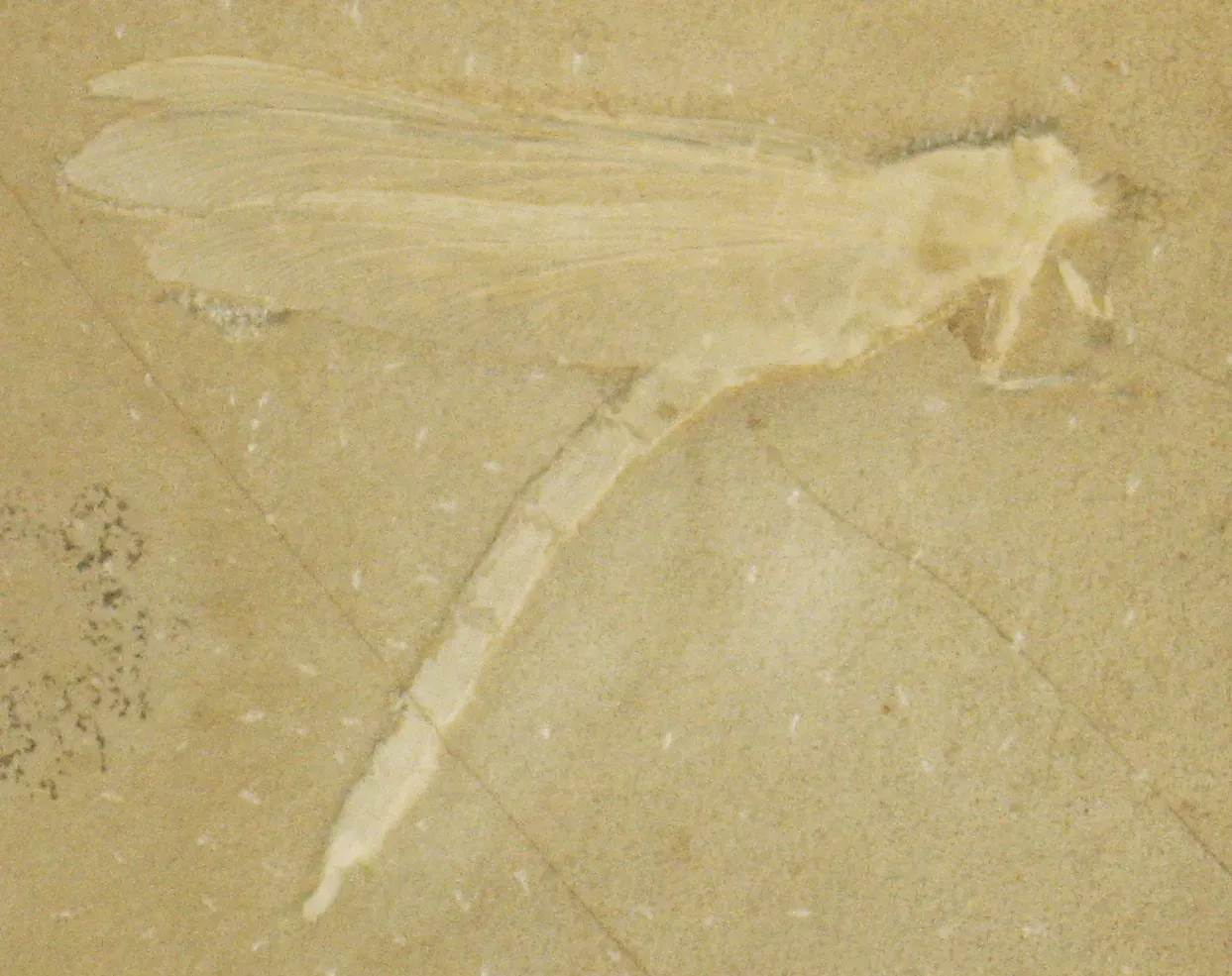
If flowers appeared earlier, that immediately raises a follow-up question: what were they interacting with? Many modern flowers are tightly linked to pollinating insects, especially bees, butterflies, beetles, and flies. Paleontologists have already uncovered insect lineages in the Jurassic that have mouthparts suggesting they fed on plant fluids and perhaps early nectar or pollen, even before the classic angiosperm bloom in the Cretaceous.
An older origin for flowers fits neatly with this insect story, suggesting a much longer period of coevolution between plants and pollinators. Instead of a rapid, late-stage partnership, we get a more extended dance where insects and early flowers gradually shaped one another’s bodies and behaviors. Think less lightning-strike romance and more slow-burn relationship, where small advantages – like slightly sweeter nectar or slightly better pollen-carrying hairs – accumulated over millions of years.
Rethinking Ancient Ecosystems: What Did Prehistoric Landscapes Really Look Like?
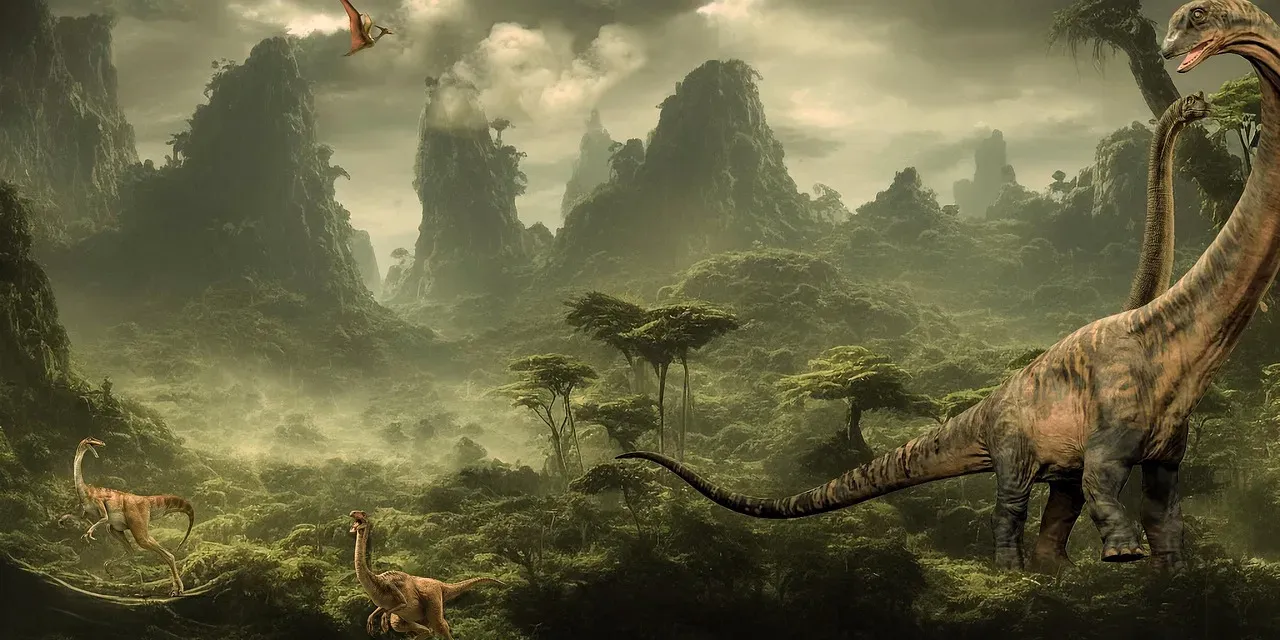
When we picture prehistoric Earth, we often imagine forests of ferns, cycads, and towering conifers, with flowers absent until relatively late. An earlier origin for angiosperms complicates that picture. It suggests that even in landscapes dominated by non-flowering plants, pockets of primitive flowering shrubs, small trees, or herbaceous plants could have been thriving quietly along riverbanks, in disturbed soils, or in specific microclimates.
This matters because flowers do more than look pretty; they change how energy and nutrients move through ecosystems. Their seeds, fruits, and nectar provide concentrated resources that can transform food webs. If ancient ecosystems had access to these floral resources sooner, that could have altered everything from insect diversity to the behavior of small vertebrates. The result is a world that may have been more colorful, more scented, and more biologically complex than the old textbook illustrations ever hinted.
Personally, I find this shift weirdly humbling. It is a reminder that even when we think we’ve nailed down the big story of life on Earth, the details can still surprise us, like realizing your hometown used to have a whole neighborhood you never knew about. Science is not rewriting the past for fun; it is revising the script as better clues come in.
Why Scientists Still Disagree (And Why That’s a Good Thing)

Despite the buzz around earlier flower origins, not every researcher is convinced, and the debate is very much alive. Some paleobotanists argue that the fossil record still does not show unambiguous angiosperm remains in those older rocks, and they caution against over-interpreting fragmentary pollen or ambiguous plant bits. From that perspective, molecular clocks might be stretching the timeline too far, especially since they rely on assumptions about mutation rates that can be tricky to calibrate.
Others counter that the fossil record is inherently biased against small, delicate plants and that it is not surprising early flowers would be underrepresented or misidentified. When you put the genetic data together with the growing number of borderline fossils, the case for an earlier origin looks increasingly persuasive. This tension is not a flaw in science; it is the engine that drives it. Honest disagreement forces better methods, more careful fieldwork, and more rigorous comparisons, and over time the picture usually comes into sharper focus.
How This Research Changes Our Everyday View of Flowers
It is easy to think of this as a purely academic argument about dates deep in the past, but it subtly changes how we see the flowers around us today. If angiosperms have a deeper evolutionary history than we thought, that means every garden rose, sunflower, and wild grass carries an even longer story inside its DNA. The petals you see on your morning walk may be the very latest expression of a design that has been refined for many tens of millions of years.
There is also a quiet philosophical shift here. Flowers often feel fragile and fleeting, gone within days or weeks. An earlier origin reminds us that, beneath that delicate surface, they represent one of the most persistent and successful strategies life has ever invented. To me, that contrast – between their short-lived beauty and their deep evolutionary endurance – makes them feel less like decoration and more like the planet’s long-running experiment in cooperation between plants and animals.
Conclusion: A Longer, Stranger Story for the World’s Blossoms
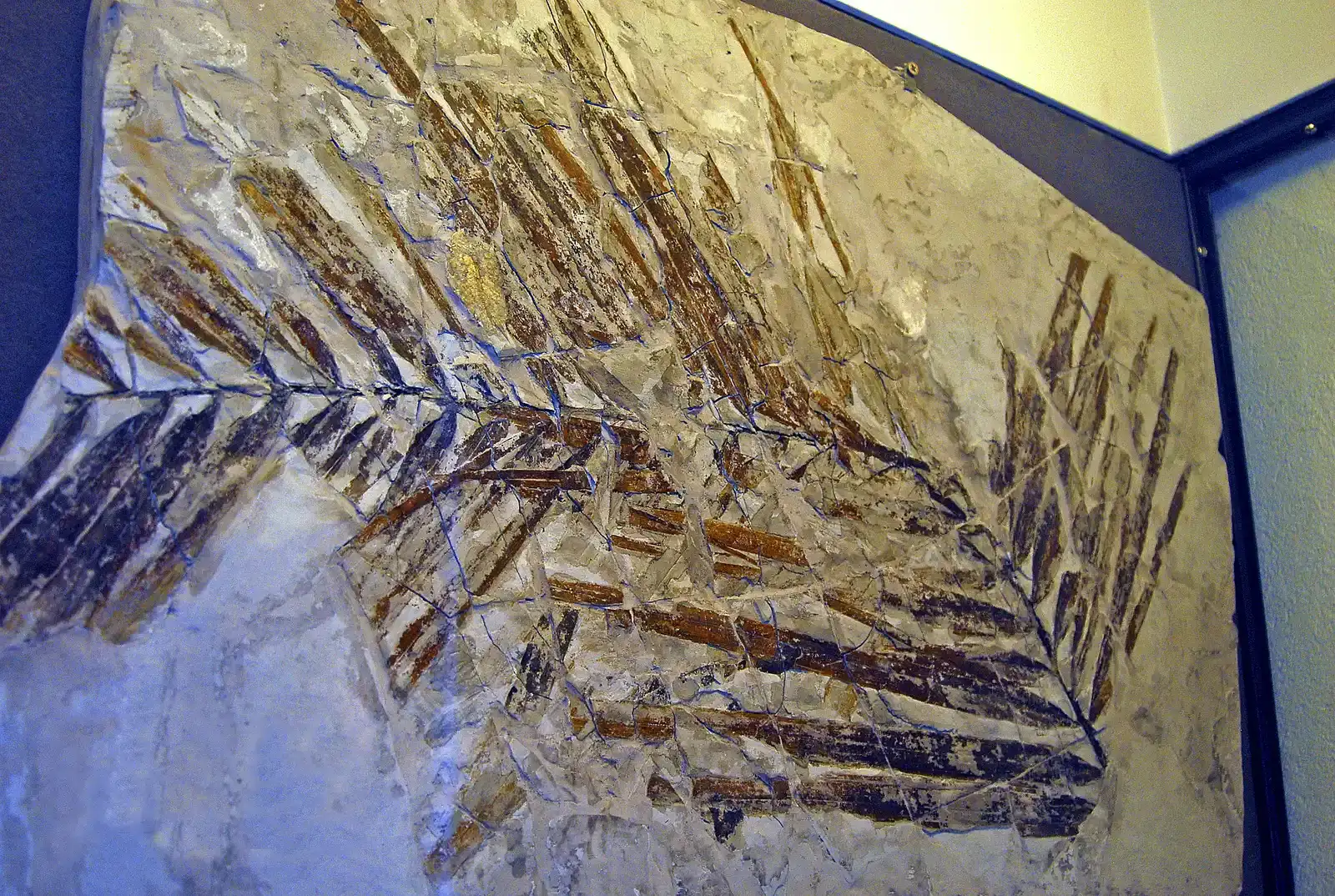
The idea that flowers appeared earlier than we once believed does not blow up the entire field of plant evolution, but it does nudge us toward a more nuanced, and frankly more interesting, story. Instead of a sudden and almost magical floral takeover in the Cretaceous, we are now looking at a world where early angiosperms were quietly present, experimenting and adapting in the shadows of conifers and cycads. That longer runway gives evolution more time to do its work and makes the eventual dominance of flowering plants feel less like a surprise and more like the culmination of a very long gamble that paid off.
My own view is that we should lean into this revised timeline, while staying honest about its uncertainties. The weight of genetic data and suggestive fossils makes an earlier origin compelling, even if not every piece has fallen neatly into place. In a way, that unfinished quality is the best part: it means the story of flowers is still being written, in dusty rock outcrops and in labs around the world. Next time you notice a tiny wild bloom in a sidewalk crack or a splash of color in a forest understory, it is worth asking yourself: just how far back does this story really go – and would you have guessed it started that early?