South Australia’s Yorke Peninsula – Researchers examining old wildlife photos have uncovered signs that the little pygmy possum, the planet’s tiniest possum, inhabits this isolated region hundreds of kilometers from its confirmed range.
Overlooked Images Spark a Breakthrough
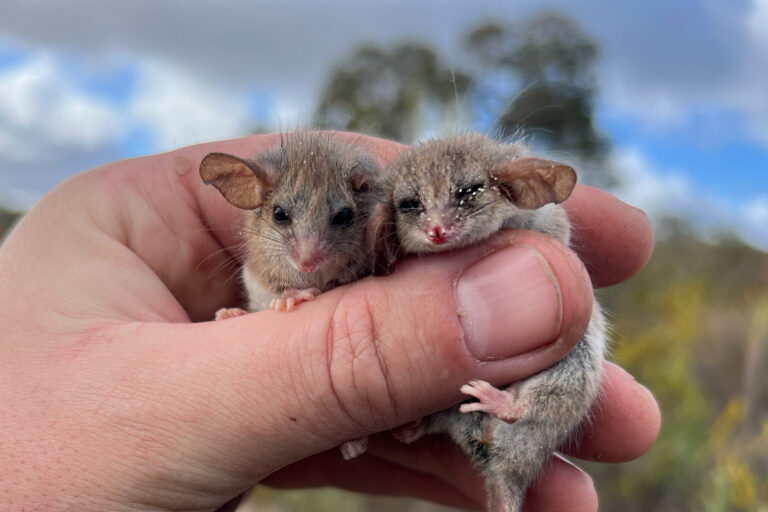
Overlooked Images Spark a Breakthrough (Image Credits: Imgs.mongabay.com)
Two diminutive marsupials appeared in camera trap photographs taken during pitfall surveys in Dhilba Guuranda–Innes National Park back in December 2006. Among more than 250 captures of the common western pygmy possum, these stood apart.
Scientists initially dismissed the pair as young western pygmy possums. No one anticipated encountering a different species in the area. The images gathered dust until a recent reanalysis prompted a closer look.
Lead researcher Dr. Sophie (Topa) Petit of Adelaide University spearheaded the review. Her team compared the photos to museum specimens at the South Australian Museum. The evidence pointed clearly to little pygmy possums.
Spotting the Subtle Differences
The little pygmy possum measures just a few grams and fits in a matchbox. This mouse-sized creature thrives in open woodlands, heathlands, and scrub, dining on nectar, pollen, and insects while aiding pollination.
It contrasts sharply with its relative, the western pygmy possum. Key distinctions emerge in fur and build.
| Feature | Little Pygmy Possum | Western Pygmy Possum |
|---|---|---|
| Ventral fur | Grey | White |
| Adult size | Smaller | Larger |
| Face shape | Slightly different | Standard |
Previously known only from Tasmania, western Victoria, southeast South Australia, and Kangaroo Island, the species lacked any records on the Yorke Peninsula. That site lies over 200 kilometers west, separated by gulf waters for 10,000 years.
Habitat Loss Threatens Survival
The Yorke Peninsula has suffered severe clearance of native vegetation. Just 13 percent remains, with over half clustered in the southern national park. Nineteen of 24 ground-dwelling mammals have vanished from the area.
Frequent prescribed burns since 2006 aim to curb wildfires and honor Indigenous practices. Yet these may harm the sensitive little pygmy possum more than its sturdier cousin. Habitat fragmentation compounds the risks.
Dr. Petit noted, “There is no museum or other record of Little Pygmy-Possums for the Yorke Peninsula. Although the animals looked slightly different from western pygmy possums, they were labelled as juveniles, because no one in the team expected to discover a new mammal species for the Yorke Peninsula.”
Urgent Steps for Confirmation and Care
The findings appeared in the journal Australian Zoologist. Verification demands fresh surveys. Dr. Petit emphasized precaution: “This area is an important refuge for what’s left of the region’s native fauna. If the Little Pygmy-Possum is still there, it needs urgent attention.”
Local extinction looms possible after two decades of pressures. Still, survival would mark a conservation victory. Managers should adjust practices pending clarity.
Key Takeaways
- Photographic evidence from 2006 suggests little pygmy possums on Yorke Peninsula.
- No prior records exist; nearest population over 200 km away.
- Habitat threats include burns and fragmentation; surveys needed now.
This potential range extension highlights how much remains unknown about Australia’s elusive wildlife. Targeted protection could safeguard a hidden population before it slips away. What steps should conservationists prioritize next? Share your thoughts in the comments.