You might think the story of life on Earth has already been written, locked away in textbooks and museum displays. Yet every year, scientists unearth fossils that shake up what we thought we knew. These discoveries are forcing experts to reconsider how old life really is, how quickly it evolved, and which creatures came first.
It’s hard to imagine, honestly, but some of the most mind-blowing finds in paleontology have happened just recently. From tiny arthropod larvae preserved with their internal organs intact to ancient human relatives walking alongside each other, the past few years have revealed secrets buried for millions, even billions, of years. What we’re learning now changes everything, from evolutionary timelines to the very definition of what it means to be alive on this planet.
Ancient Microbes Push Life’s Origins Back Billions of Years
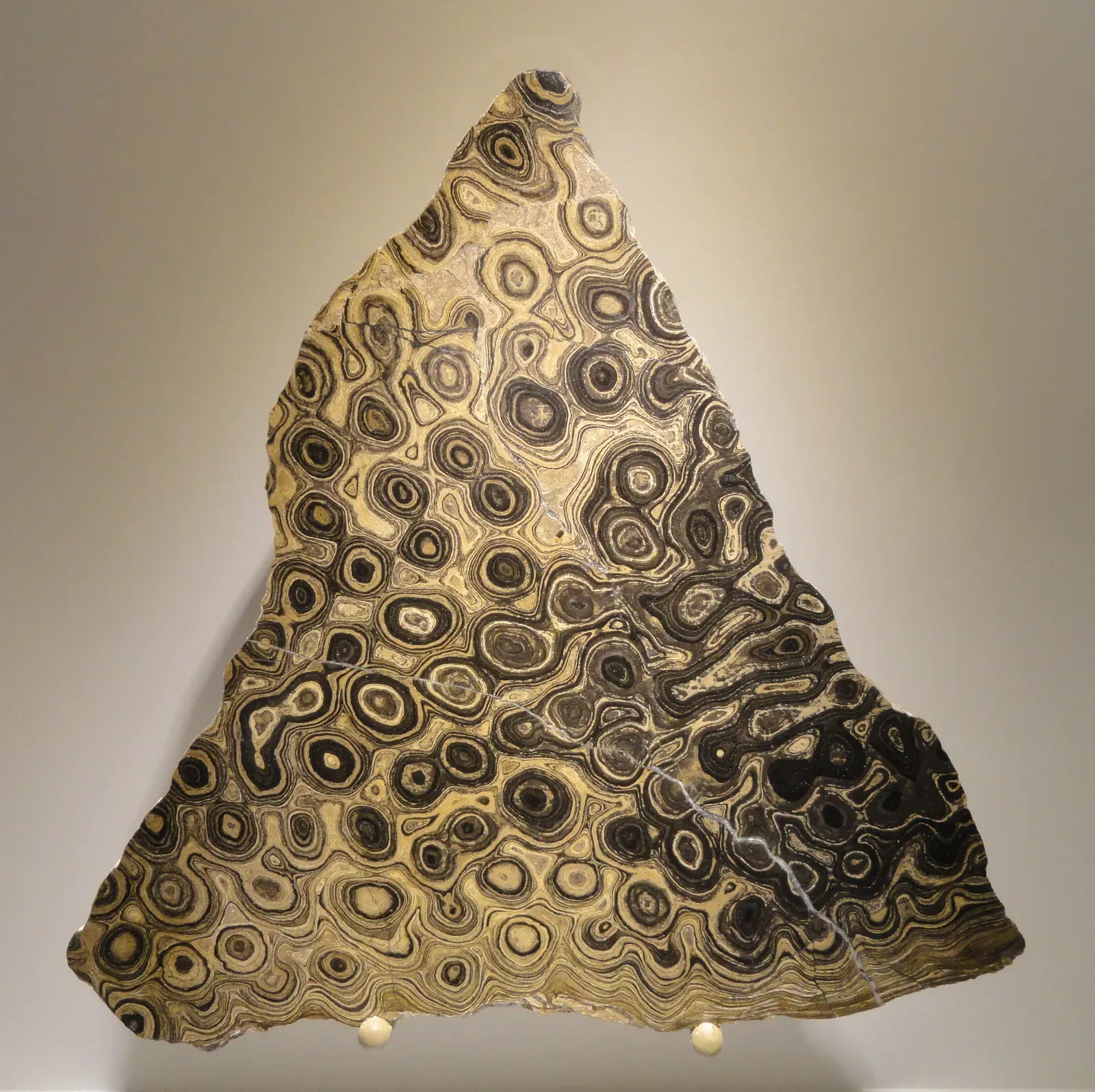
Stromatolite fossils uncovered in Western Australia date back roughly 3.48 billion years, representing some of the earliest direct evidence of life on Earth. Various microfossils of microorganisms have been found in similar ancient rocks, including specimens from the Apex chert deposit and hydrothermal vent areas in South Africa. Think about that for a second. These microscopic organisms were thriving when our planet was still a violent, volcanic world.
Researchers led by scientists from UCL discovered remains of microorganisms at least 3,770 million years old, consisting of tiny filaments and tubes formed by bacteria that lived on iron, encased in quartz layers in Quebec, Canada. The region contains some of the oldest sedimentary rocks known on Earth, which likely formed part of an iron-rich deep-sea hydrothermal vent system that provided a habitat for Earth’s first life forms between 3,770 and 4,300 million years ago. If these findings hold up, it suggests life appeared almost immediately after the oceans formed. That’s a staggering thought.
A 540 Million Year Old Fossil That Defied Classification
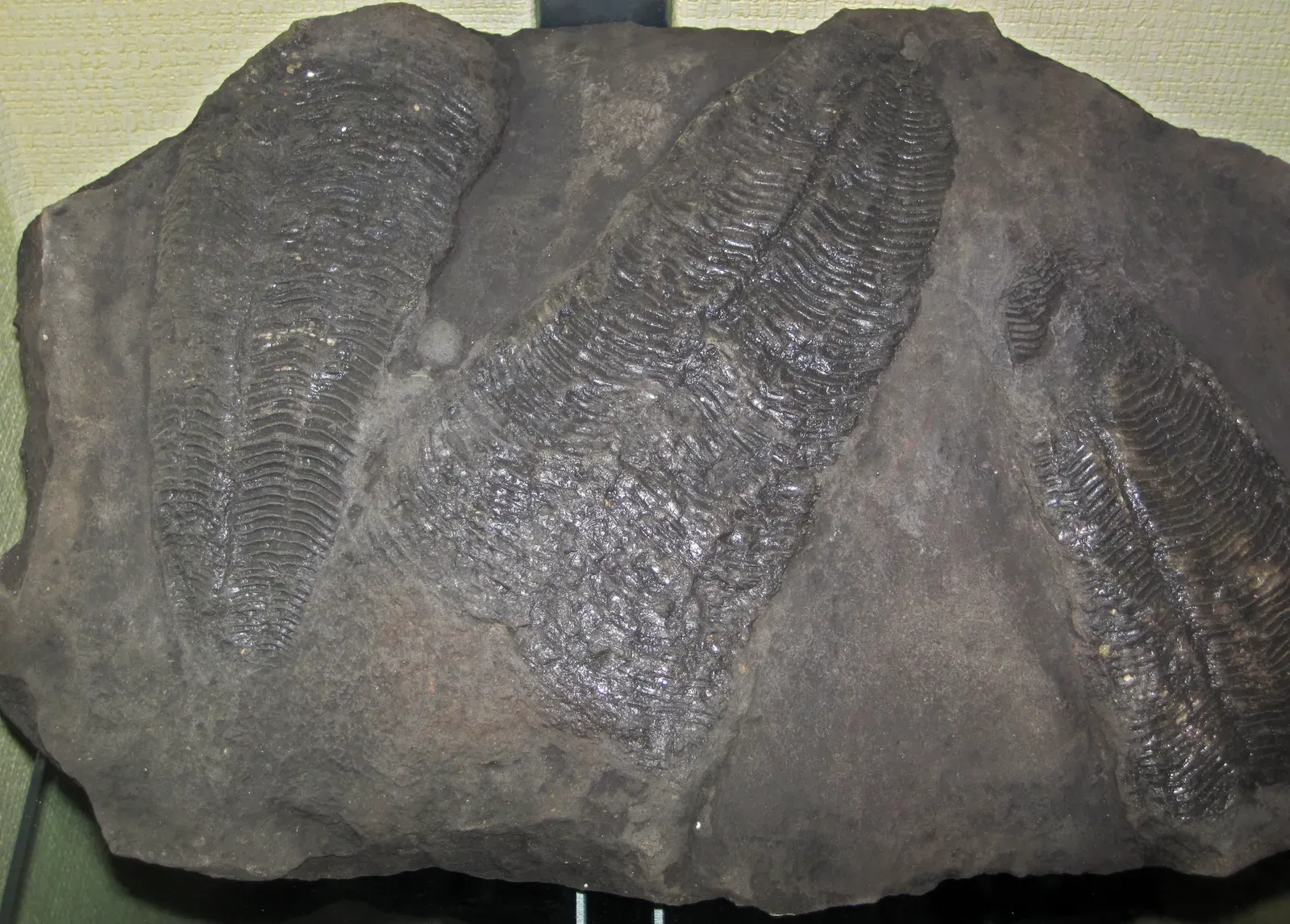
For decades, paleontologists struggled to figure out where certain ancient creatures belonged on the tree of life. Salterella, a peculiar fossil, defied conventions by combining two different mineral-building methods. After decades of confusion, scientists have linked it to the cnidarian family. What makes this so significant is that cnidarians include jellyfish and corals, organisms that have been around far longer than we realized.
Scientists have struggled for years to determine where Salterella fits in the evolutionary story. It was first grouped with squids and octopuses, then with sea slugs, jellyfish ancestors, and even worms. Eventually, in the 1970s, researchers gave up trying to fit it neatly into an existing category and created a new one for Salterella and a related fossil called Volborthella, where the two remained isolated and misunderstood for decades. It’s almost like finding a puzzle piece that doesn’t seem to fit anywhere until you realize you’ve been looking at the wrong puzzle altogether.
Nanotyrannus Proves It Wasn’t Just a Baby T. Rex
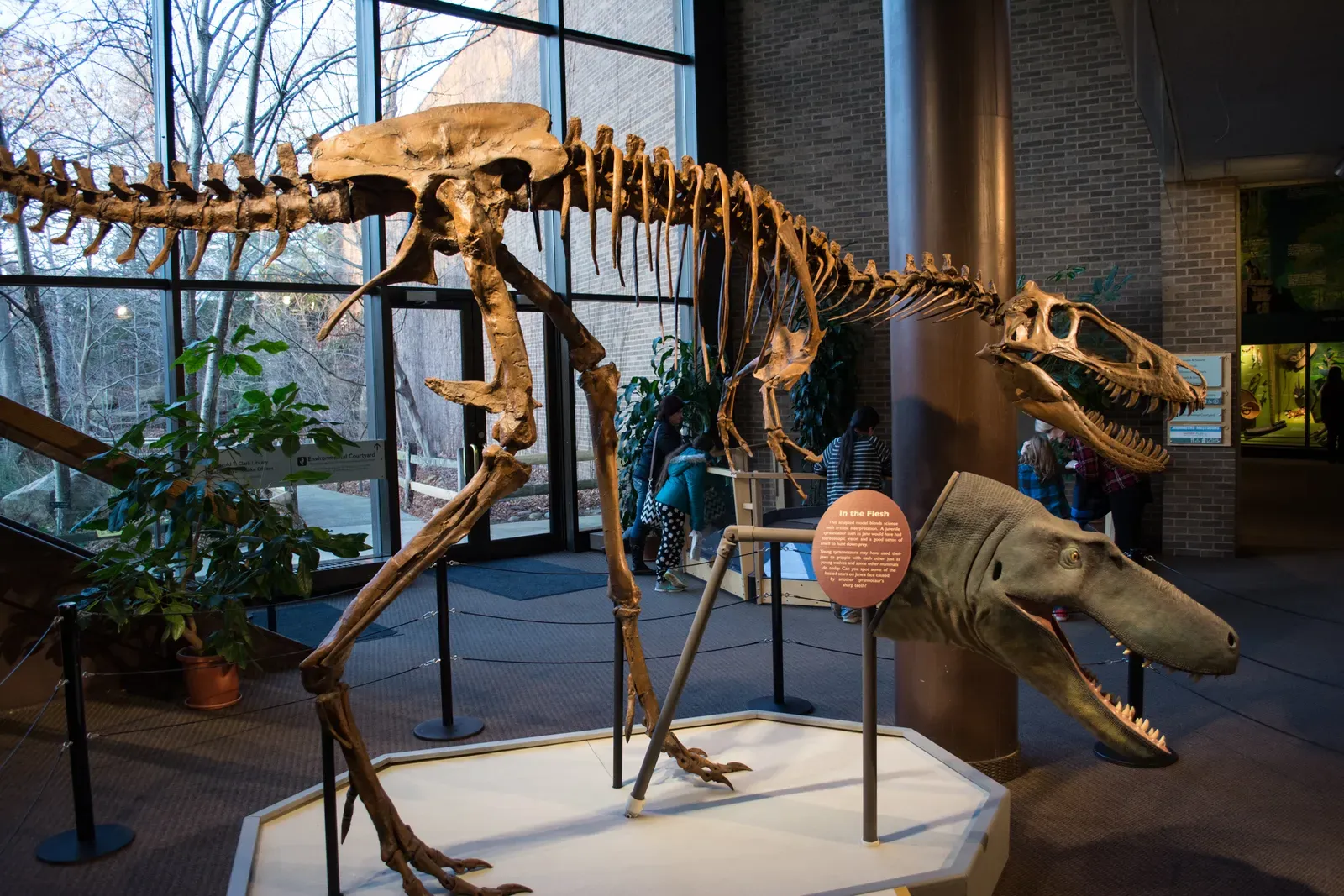
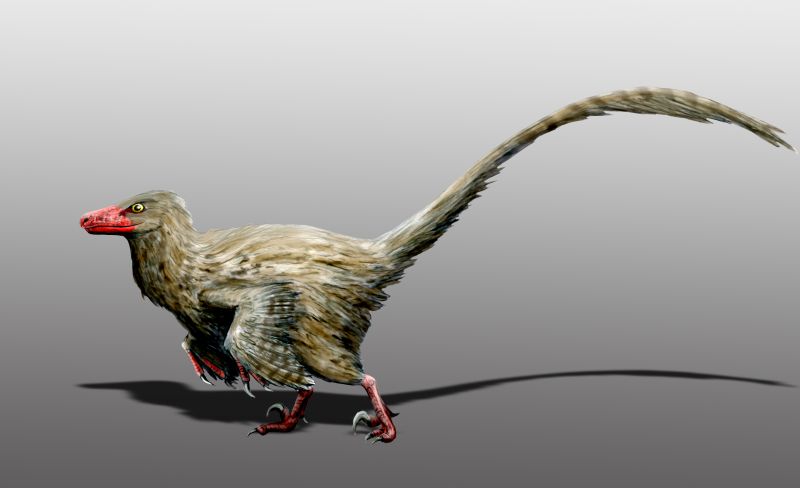
Nanotyrannus came into its own in 2025, with the diminutive dinosaur proving it wasn’t just a teenage version of Tyrannosaurus rex, according to scientists in two separate studies. This debate had raged for years, with some paleontologists insisting that the smaller tyrannosaur fossils were simply young individuals of the famous predator.
A remarkably preserved fossil proves Nanotyrannus was a mature species, not a teenage T. rex. The specimen from the famous Dueling Dinosaurs find showed distinct anatomical differences, including unique nerve patterns, sinus structures, and extra teeth that set it apart. Let’s be real, this changes how we understand predator diversity during the late Cretaceous. There wasn’t just one tyrant king ruling North America, there were multiple species of large predators competing for resources.
Cambrian Larvae Preserved With Internal Organs Intact
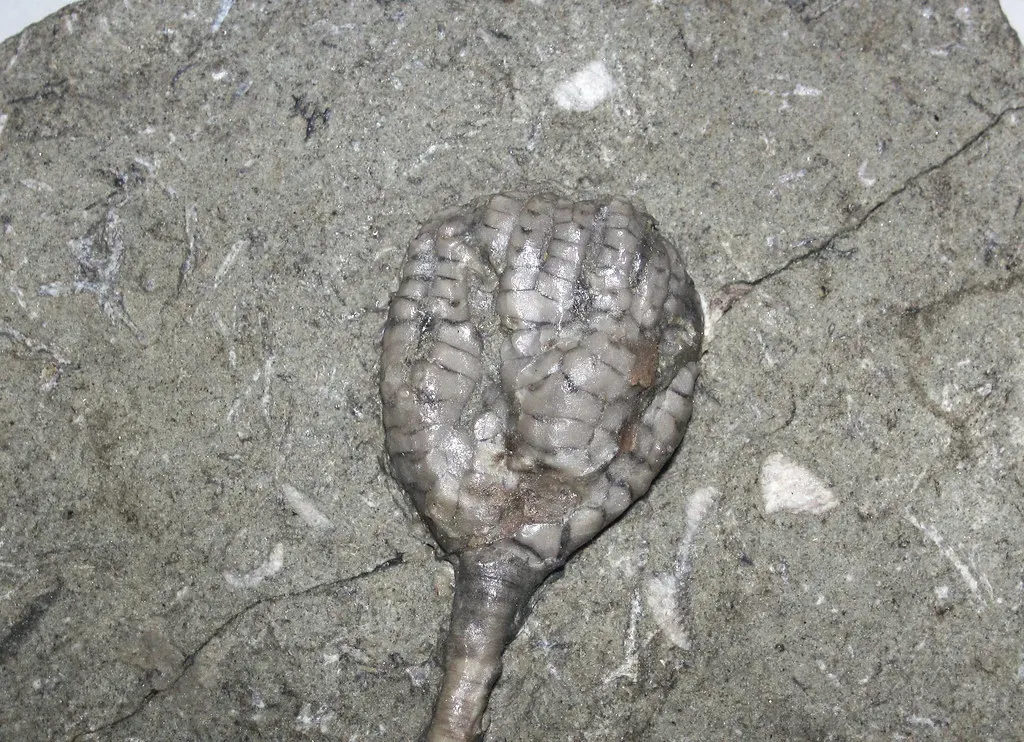
Here’s something that sounds almost impossible. In 2025, scientists announced the discovery of Youti yuanshi, a tiny 520-million-year-old arthropod larva from China preserved with internal organs intact, including digestive glands and regions interpreted as early neural structures. Unlike typical shelly fossils, this specimen preserves anatomy normally lost to decay. Imagine finding something so small and so ancient that you can still see its guts.
This fossil is transformative because it unites embryology, evolution, and the deep-time record. Soft-tissue preservation from such ancient strata is extraordinarily rare, and larval forms even more so. By capturing the internal body plan of an early arthropod, scientists can now anchor hypotheses about how segmented nervous systems, organ differentiation, and digestive complexity evolved at the dawn of animal life. These kinds of discoveries give us a window into not just what ancient creatures looked like on the outside, but how they actually functioned.
Ancient Human Relatives Walked Side by Side in Ethiopia
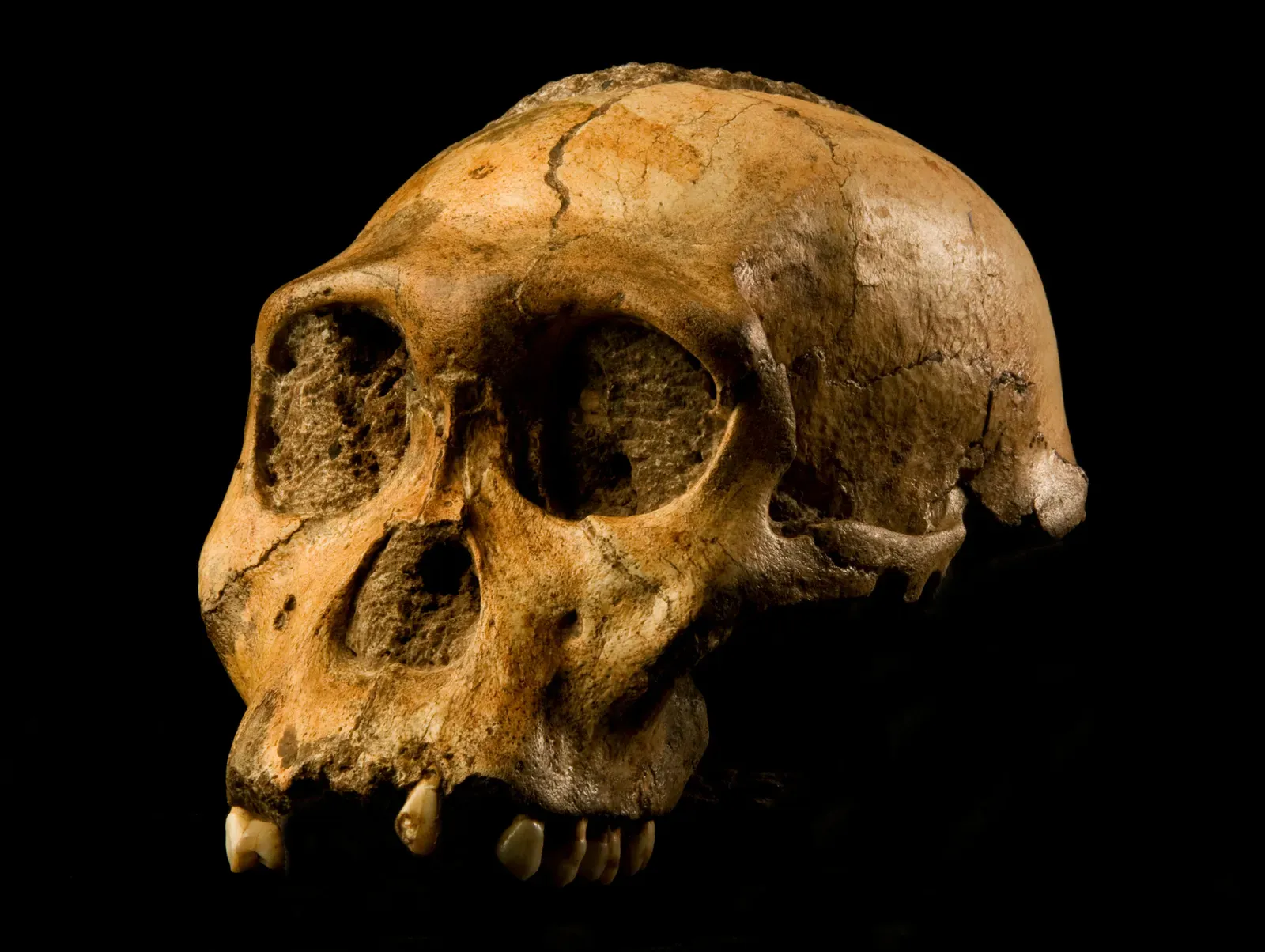
A partial foot skeleton from 3.4 million years ago has been assigned to the early human relative Australopithecus deyiremeda, a species that was first named in 2015 and challenges the traditional view of human evolution during this time. The conventional wisdom used to be that only one species of human ancestor lived in a particular region at any given time.
Newly discovered fossils prove that a mysterious foot found in Ethiopia belongs to a little-known, recently named ancient human relative who lived alongside the species of the famous Lucy. This means multiple species of our ancestors coexisted, perhaps even interacting with one another. It raises fascinating questions about how they divided resources, whether they competed, or possibly even interbred. The human family tree keeps getting bushier and more complicated with every new find.
RNA From a 40,000 Year Old Mammoth Still Contains Genetic Secrets
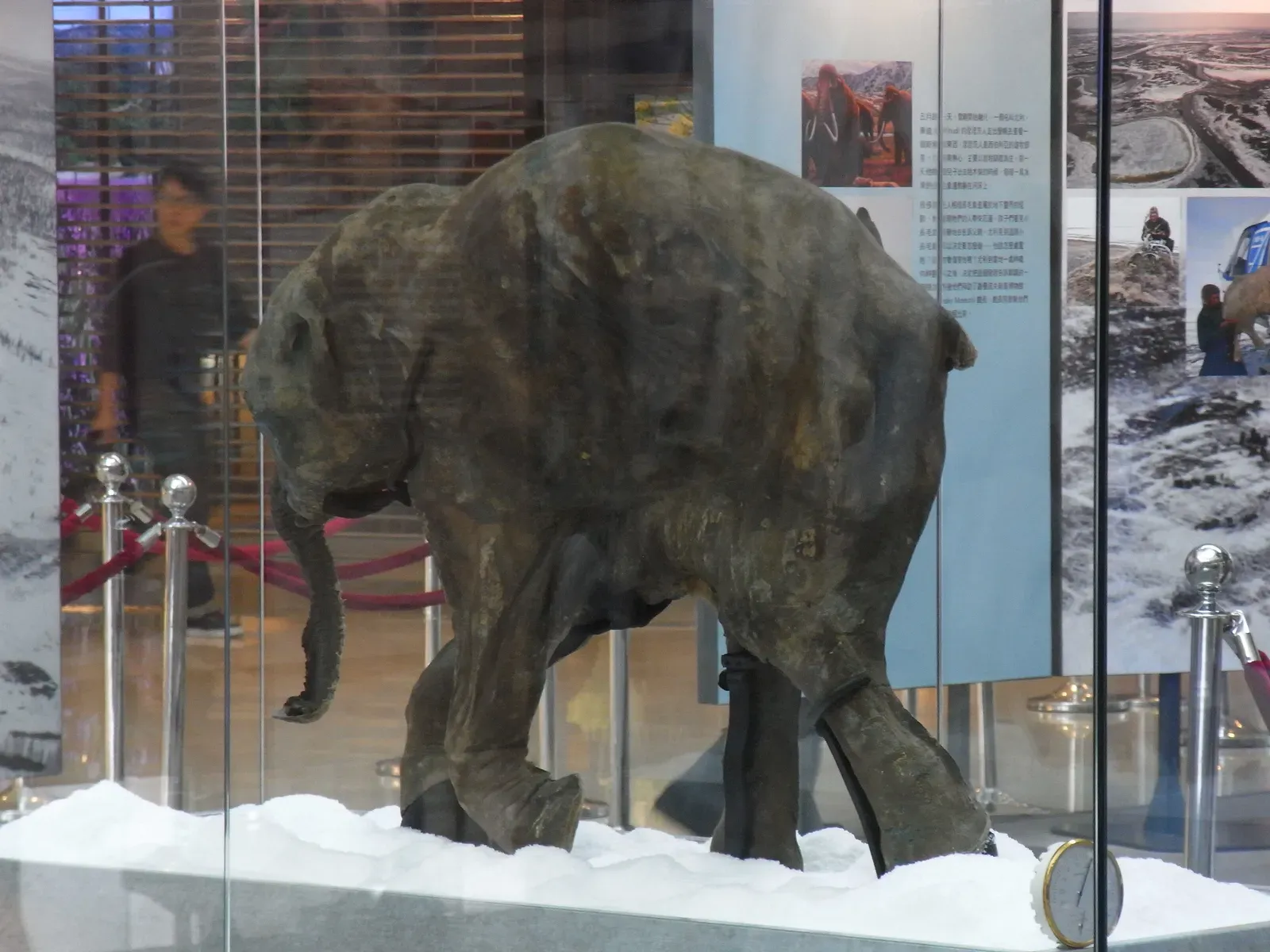
Researchers have sequenced the oldest RNA ever recovered, taken from a woolly mammoth frozen for nearly 40,000 years. The RNA reveals which genes were active in its tissues, offering a rare glimpse into ancient physiology. This is groundbreaking because RNA degrades much faster than DNA. Finding it preserved after tens of thousands of years seems like winning the molecular lottery.
Scientists extracted and sequenced ancient RNA from 39,000-year-old woolly mammoth tissues in 2025, a breakthrough because RNA degrades much faster than DNA and almost never fossilizes. This marks one of the first successful recoveries of gene-expression material from deep time. RNA reveals physiology, gene regulation, and cellular activity that DNA alone cannot show. It’s the difference between finding a blueprint for a building and finding a snapshot of the construction crew actually at work. Both are valuable, but one tells you what was happening at a specific moment in time.
Archaeopteryx Fossil Reveals How Flight Actually Evolved
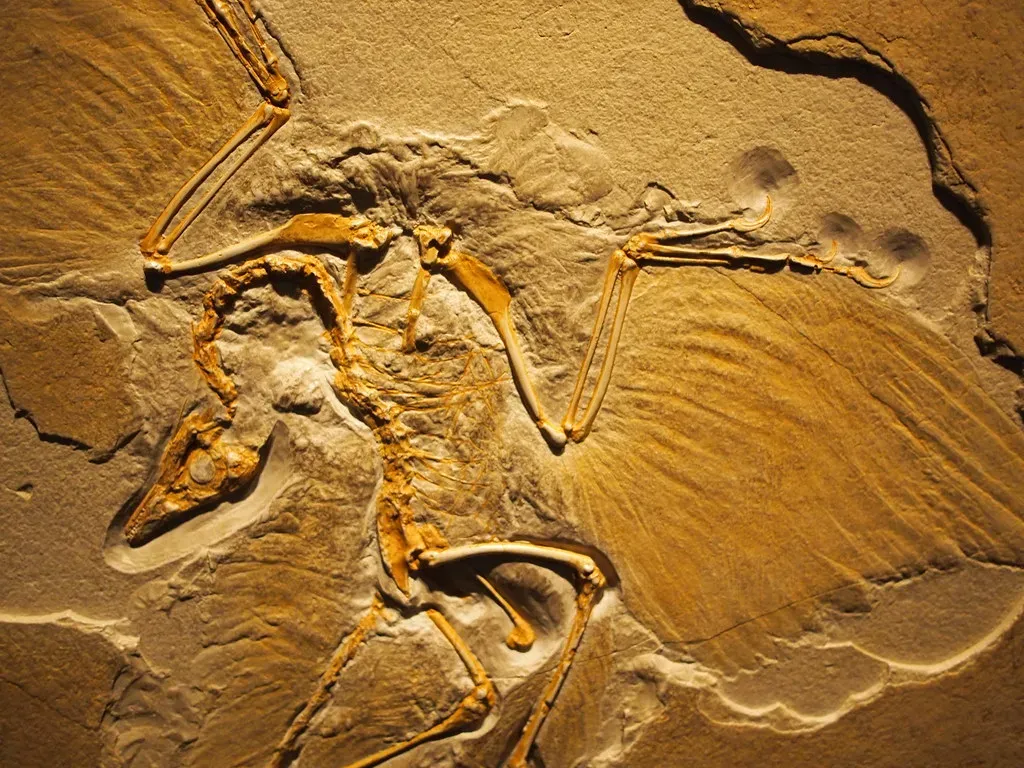
An exceptionally well preserved and complete fossil of Archaeopteryx, Earth’s most ancient bird, is offering new clues to how flight took off in birds. Nearly 100 percent complete, and not crushed by postmortem geologic pressures, the 150-million-year-old fossil preserved with wings outstretched contains the imprints of soft tissues like feathers and skin. What makes this specimen special isn’t just its completeness, but what it reveals about the transition from dinosaurs to birds.
The wings show the bird had tertials, a type of specialized inner feathers on its upper arms, a feature of modern flying birds but not nonavian feathered dinosaurs. It also had mobile digits on its hands, supporting a hypothesis that Archaeopteryx wasn’t just able to fly but may have been able to climb trees. This paints a picture of an animal that was genuinely in between, capable of both tree-dwelling and powered flight. The evolution of flight wasn’t a single leap but a gradual process involving multiple adaptations.
Dinosaurs Were Thriving Right Until the Asteroid Hit
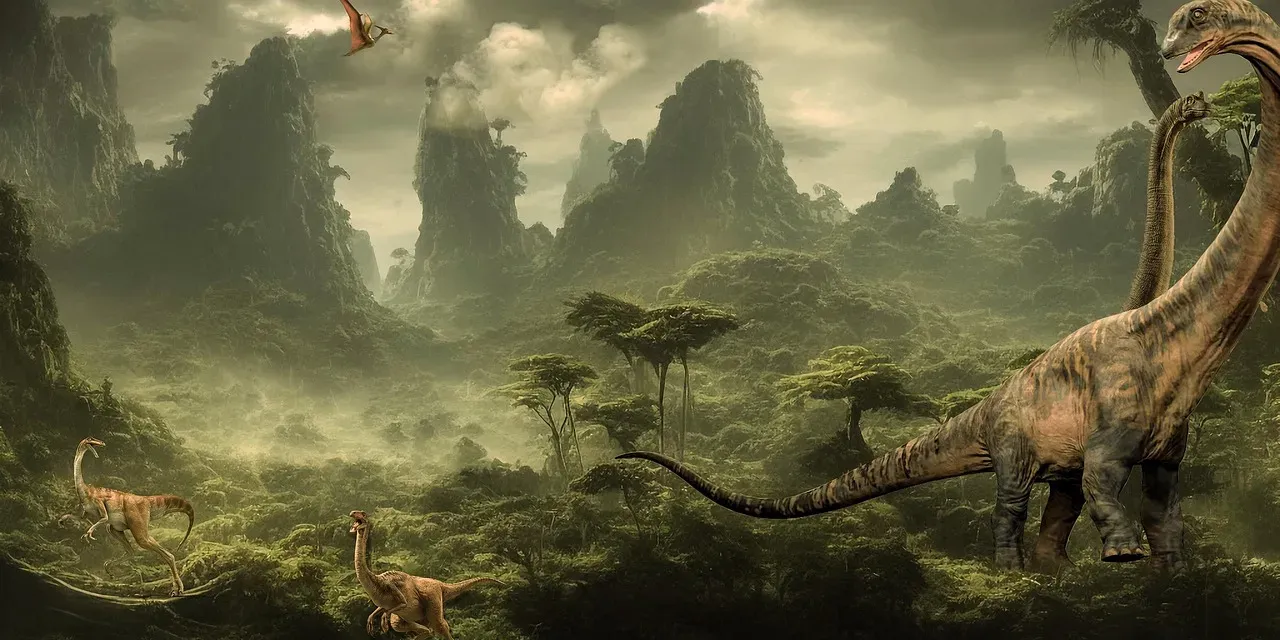
There’s been a longstanding debate about whether dinosaurs were already declining before the asteroid impact that ended the Cretaceous period. New finds in New Mexico reveal a species rich and diverse dinosaur ecosystem thriving literally just before the impact. Coupled with other sites in North America, this research reveals that the dinosaurs might have kept going along if space hadn’t intervened. The evidence suggests they weren’t fading away at all.
Dinosaurs weren’t dying out before the asteroid hit, they were thriving in vibrant, diverse habitats across North America. Fossil evidence from New Mexico shows that distinct bioprovinces of dinosaurs existed until the very end. This overturns the idea that these magnificent creatures were somehow doomed regardless of cosmic intervention. Their extinction wasn’t inevitable, it was catastrophic and sudden. That realization makes the event even more tragic and fascinating.
What All These Discoveries Mean for Understanding Life
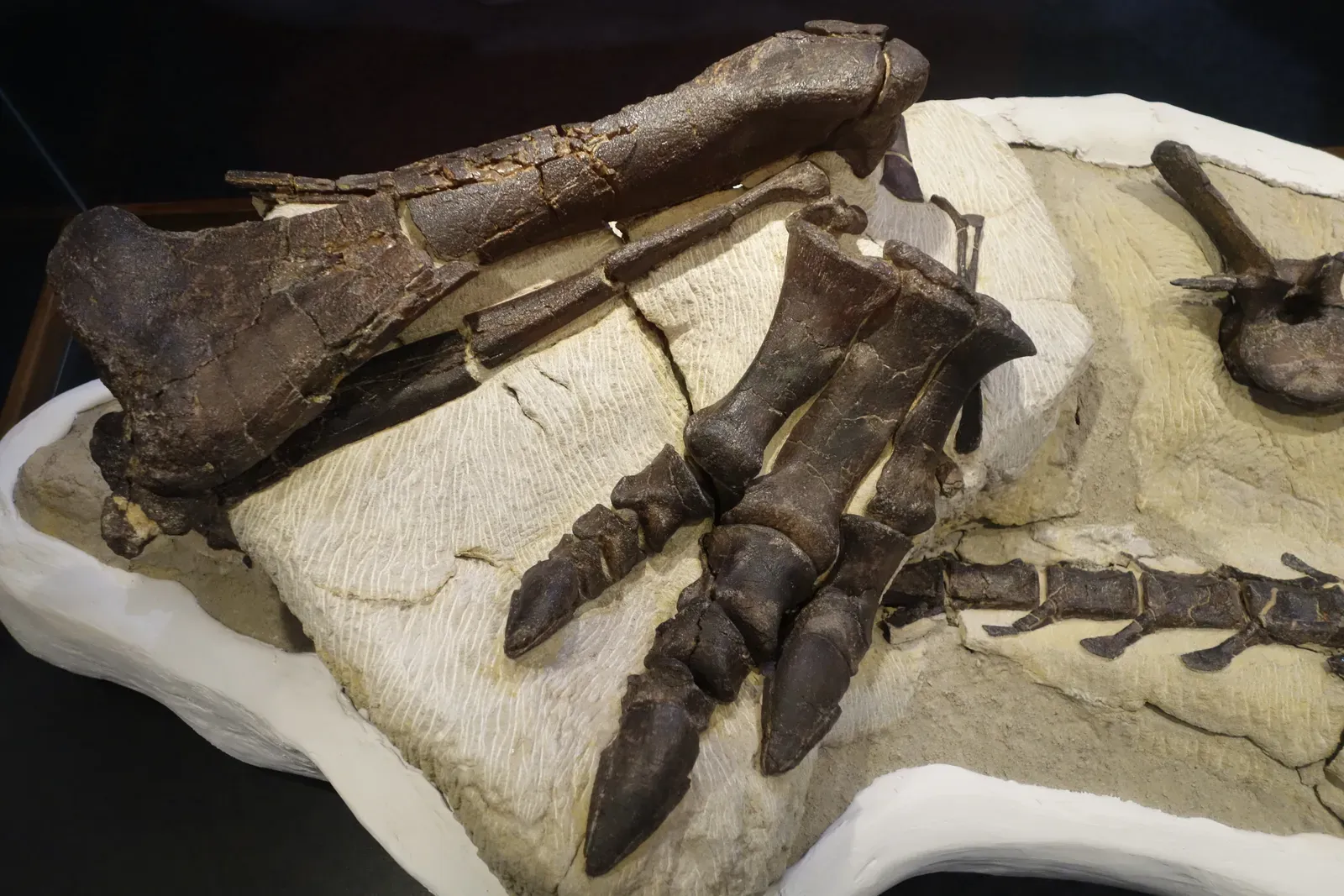
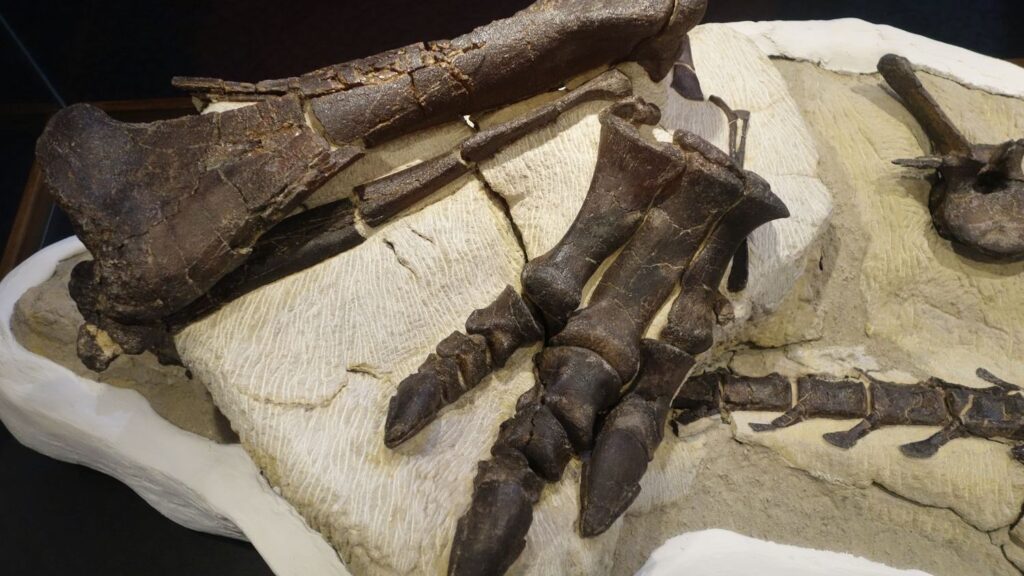
Paleontology in 2025 proved once again that Earth still holds extraordinary stories in stone, amber, and microscopic cellular archives. Over the past year, fossil finds and scientific breakthroughs captured global attention, reshaped evolutionary family trees, revealed ancient behavior, and even pushed the boundaries of molecular preservation. From predatory dinosaurs and injured sauropods to Cambrian larvae with internal organs intact, 2025 delivered a sweeping reminder that fossils are not just relics of form, but time capsules of ecology, motion, and biology at every scale.
Every new discovery forces scientists to revise their understanding of when life began, how quickly it diversified, and how resilient it has been through Earth’s many upheavals. The findings not only suggest that life on our planet originated some 4 billion years ago, but also help support the increasingly widespread theory that life in the universe is much more common than we previously thought, with experts noting that life had to have begun substantially earlier and confirms that it was not difficult for primitive life to form and to evolve into more advanced microorganisms.
The fossil record will never be complete. Too much time has passed, too many organisms never fossilized, and too many rocks have been destroyed by geological processes. Yet what we do find continues to surprise us, challenge us, and remind us that the history of life is far stranger and more wonderful than we ever imagined. What will we dig up next? That’s the question that keeps paleontologists searching, and the rest of us wondering.