Dinosaurs have always captured our imagination. From the thundering footsteps of a Tyrannosaurus rex to the sharp, sickle-toed raptors made famous by Hollywood, these creatures have been the stuff of both nightmares and wonder for generations. Most people picture them as powerful but fundamentally dim-witted beasts, ruled by instinct and little else.
That picture, it turns out, may be embarrassingly incomplete. A wave of new fossil discoveries and cutting-edge scientific techniques is forcing researchers to rethink everything. What’s emerging is something far more complex and, honestly, kind of mind-blowing. Let’s dive in.
The Golden Era of Dinosaur Discovery Is Right Now
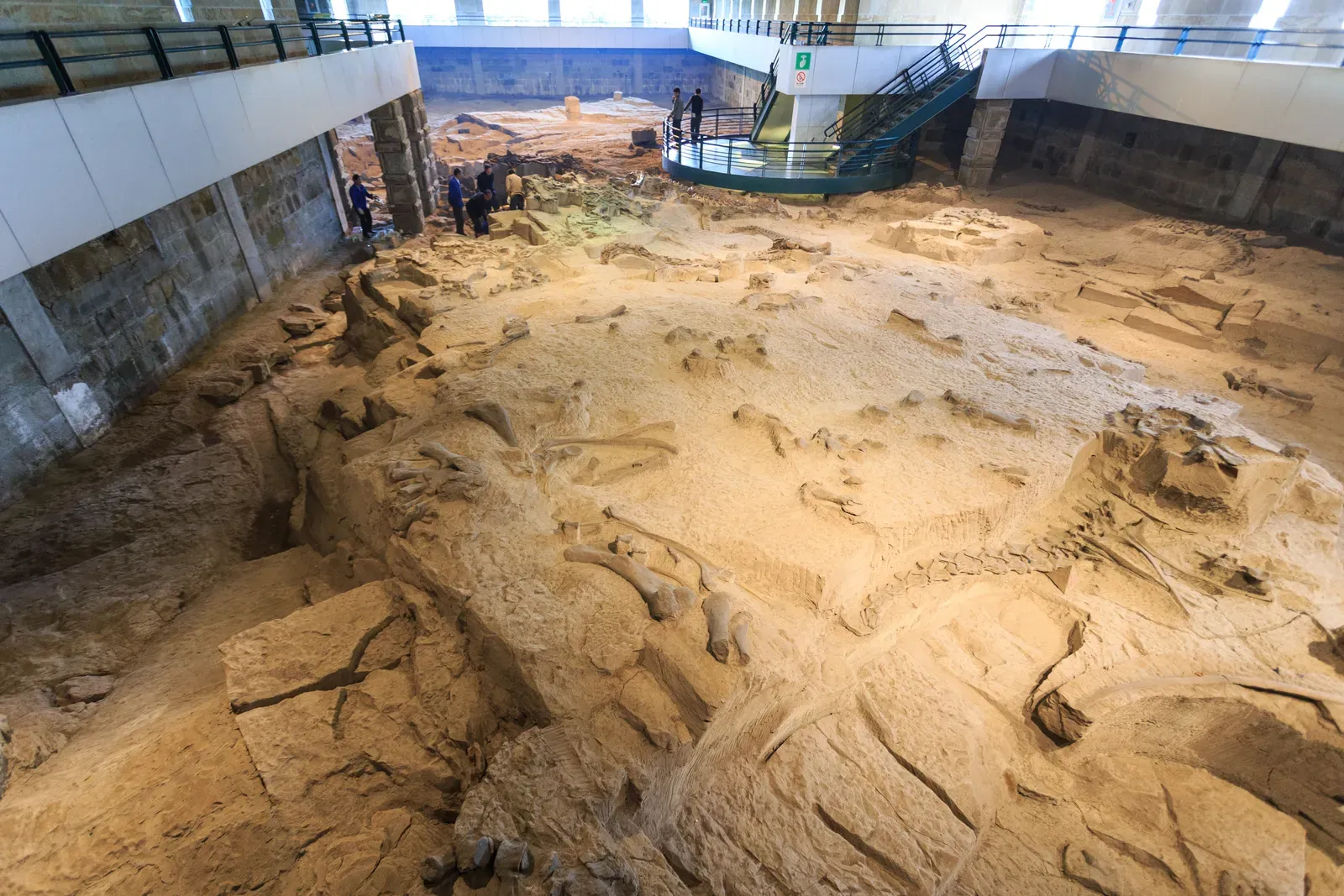
You might think we’ve already found the most exciting fossils the Earth has to offer. Think again. A golden era in dinosaur science is driving a global fascination with these creatures, and around 1,400 dinosaur species are now known from more than 90 countries, with the rate of discovery accelerating in the last two decades. That’s not a trickle of new findings. That’s a flood.
Dinosaurs may be long extinct, but recent years have made it abundantly clear that they’re anything but settled science. New fossils, reanalyses of famous specimens, and the use of increasingly sophisticated tools have continued to upend what we thought we knew about how these animals lived, moved, fed, and evolved. Every year brings something that surprises even seasoned experts.
What Fossil Brains Are Actually Telling You
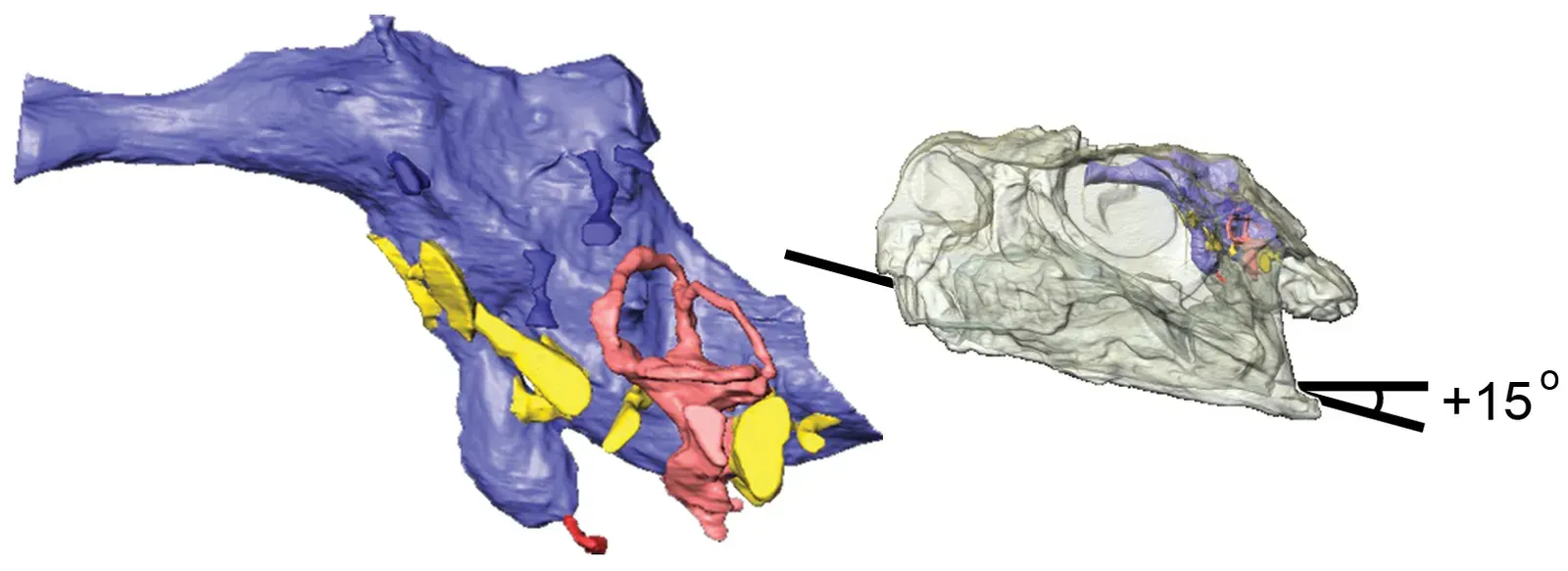
Information on dinosaur brains comes from mineral infillings of the brain cavity, termed endocasts, as well as the shapes of the cavities themselves. Think of it like a plaster cast taken from the inside of a skull. It can’t preserve neurons, but it preserves the shape, the ridges, and the overall architecture of what once sat inside.
Recent research utilizing computed tomography (CT) has enabled scientists to create accurate models of dinosaur brains, allowing for more comprehensive analyses of their cognitive capacities. Notably, studies indicate that theropod dinosaurs may have had higher neuron densities similar to those found in modern primates, hinting at sophisticated intelligence. These are not minor observations. They are genuinely reshaping how we think about prehistoric life.
Troodon: The Undisputed Einstein of the Dinosaur World
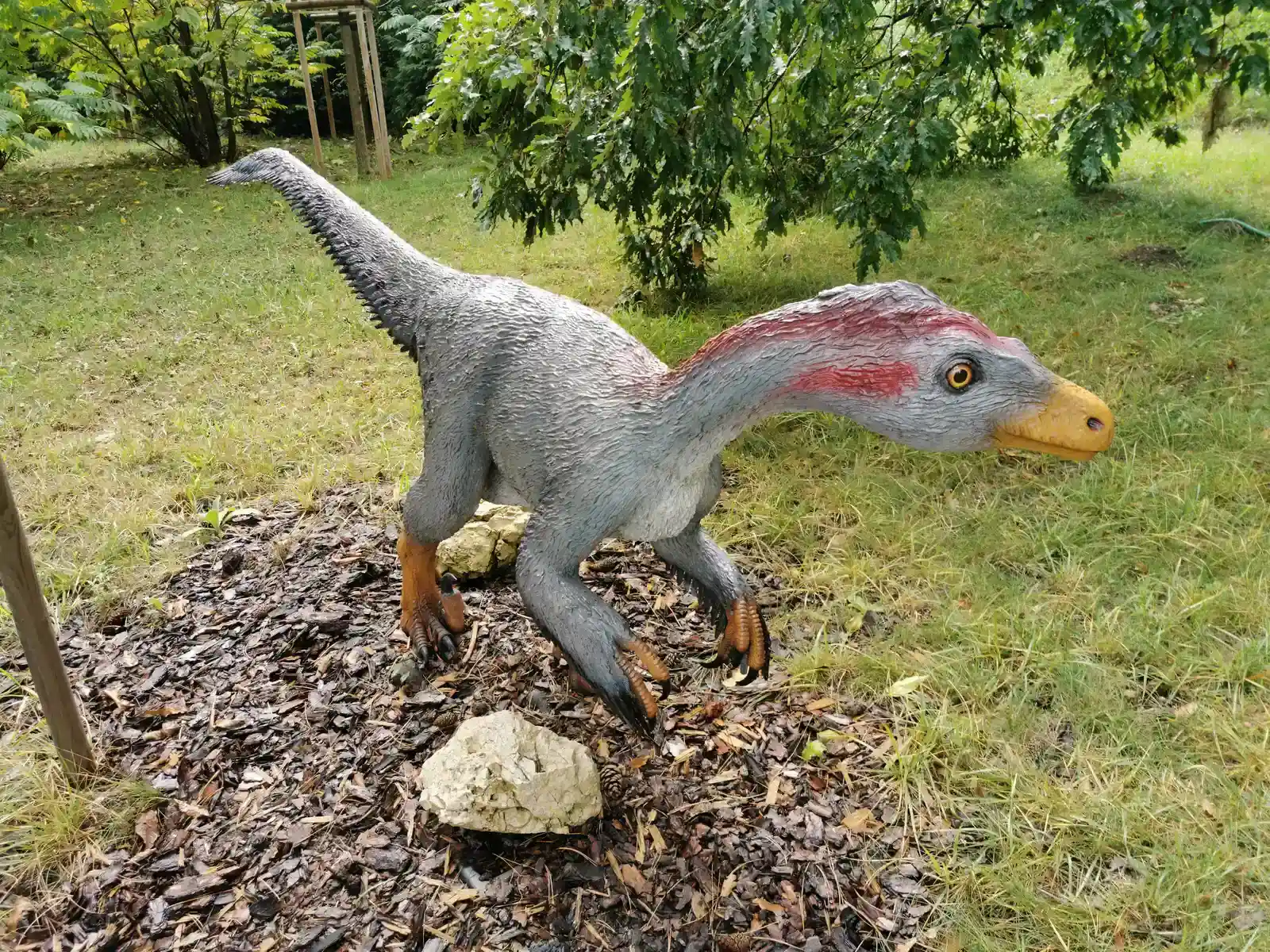
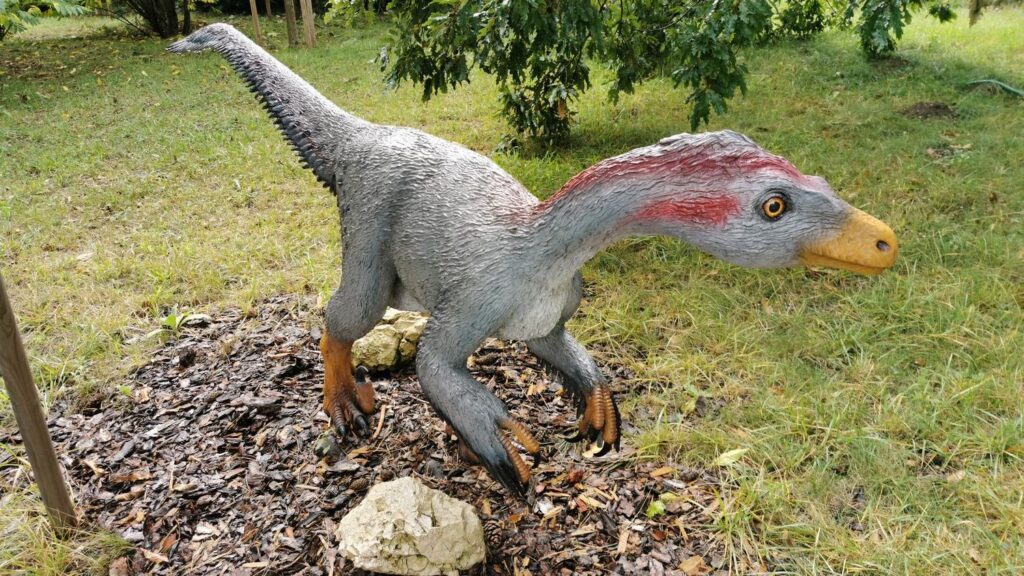
Troodon is often cited as the smartest dinosaur due to its exceptionally large brain relative to its body size. Paleontologists believe that Troodon had a brain-to-body ratio comparable to modern birds, suggesting advanced cognitive abilities. Its large, forward-facing eyes provided excellent binocular vision, enhancing its depth perception, crucial for hunting and navigating complex environments. When you hear “binocular vision,” think of a hawk zeroing in on prey. That’s the level of sensory precision this animal had.
Troodon had a large brain for its relatively small size and was probably among the smartest dinosaurs. Its brain is proportionally larger than those found in living reptiles, so the animal may have been as intelligent as modern birds, which are more similar in brain size. Some researchers have even speculated that, had the extinction event not struck, this creature’s lineage could have evolved into something far beyond what we can currently imagine.
Fossilized Nesting Evidence Reveals Parental Intelligence
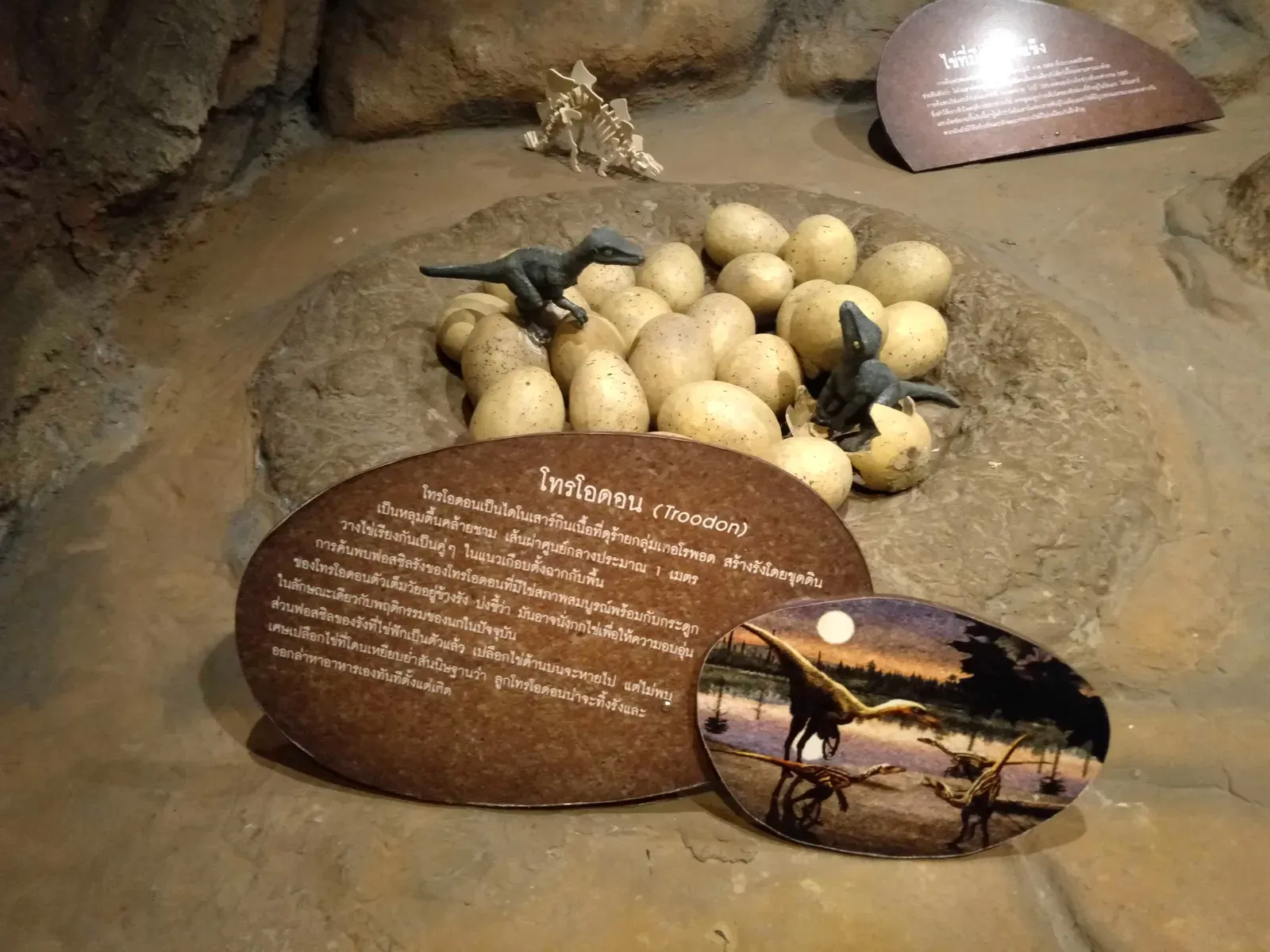
Fossils from Montana’s Two Medicine Formation reveal carefully arranged clutches of Troodon eggs, half-buried in sediment and likely attended by an adult. Studies have shown that Troodon incubated its eggs much like modern birds, suggesting complex reproductive behavior. Such attention to nesting and parental care points to a degree of behavioral intelligence uncommon in reptiles, but characteristic of avian species. Parental care is not a simple instinct. It requires memory, recognition, and sustained commitment.
The so-called “egg thief,” Oviraptor, has long gotten a bad rap. The name comes from the assumption it was stealing eggs, but later fossil finds revealed that it was actually guarding its own nest. That’s not thievery; it’s parental care. Living during the Late Cretaceous, Oviraptor had a relatively large brain and birdlike features, including a beak and crest. It showed behaviors that point to higher intelligence, like nesting and brooding. Honestly, the story of Oviraptor alone should make you question every old assumption about dinosaur behavior.
Social Herding: Dinosaurs Were Not Lone Wolves
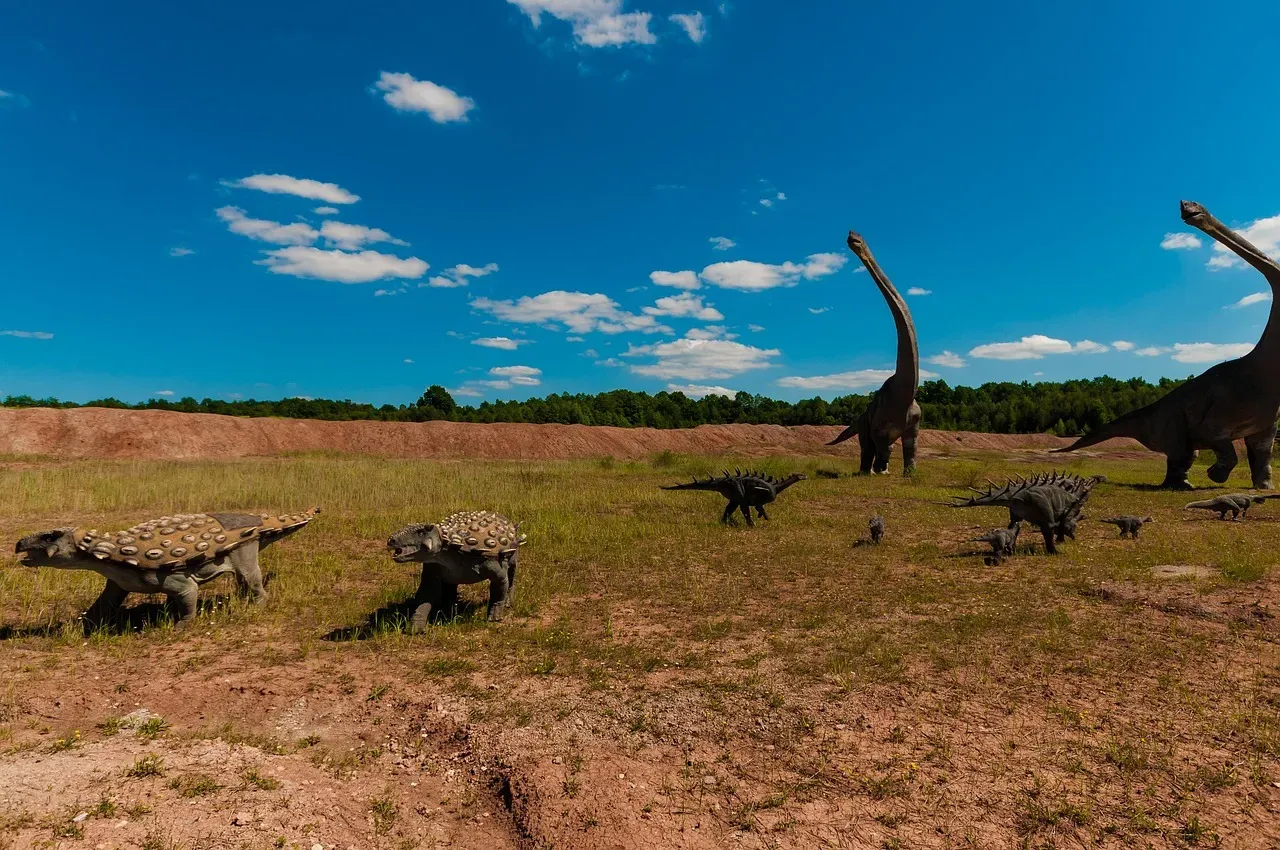
Researchers from MIT, Argentina, and South Africa detailed their discovery of an exceptionally preserved group of early dinosaurs that shows signs of complex herd behavior as early as 193 million years ago, a full 40 million years earlier than other records of dinosaur herding. Their results show that Mussaurus and possibly other dinosaurs evolved to live in complex social herds around the dawn of the Jurassic period. Social structure this early in the fossil record is extraordinary.
This “age segregation” is considered a strong sign of a complex, herd-like social structure. The dinosaurs likely worked as a community, laying their eggs in a common nesting ground. Juveniles congregated in “schools,” while adults roamed and foraged for the herd. This is not random clustering. This is organized, community-driven behavior, the kind of thing you’d expect from mammals, not ancient reptiles from the Mesozoic.
Predatory Tactics That Hint at Strategic Thinking
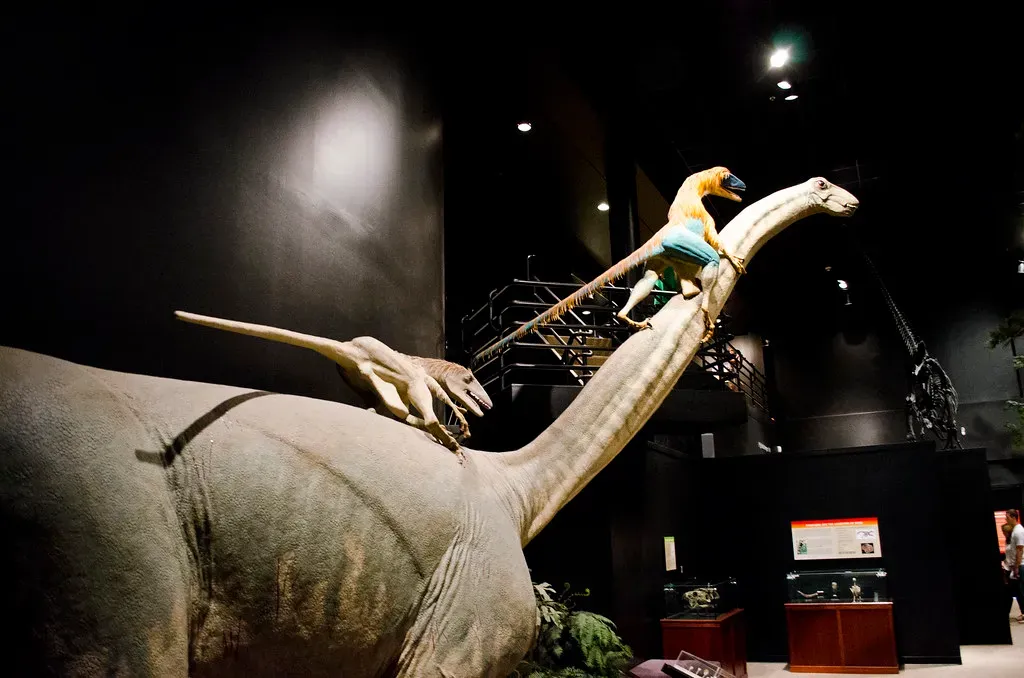
Deinonychus, the dinosaur that the raptors from the Jurassic Park movies were based on, has a lot of interesting evidence of social behavior. North American fossil sites have found a lot of individual animals of varied ages in concentrated sites. They have also been found in close proximity to a possible prey animal called Tenontosaurus. Deinonychus was about one-twentieth the size at best, so how did they bring them down? Many have speculated that this is an indication of pack hunting.
Velociraptor brain structure, as reconstructed through endocasts, shows regions associated with sensory integration and motor coordination. Research examined wear patterns on Velociraptor claws and teeth. The findings suggest that the species may have engaged in strategic feeding behaviors, such as targeting vulnerable areas of prey. This level of precision indicates advanced motor skills and possibly learned behaviors, traits associated with higher intelligence. Let’s be real: targeting the most vulnerable point on a prey animal is not an accident. That’s calculation.
Technology Is Unlocking Secrets Fossils Were Always Hiding
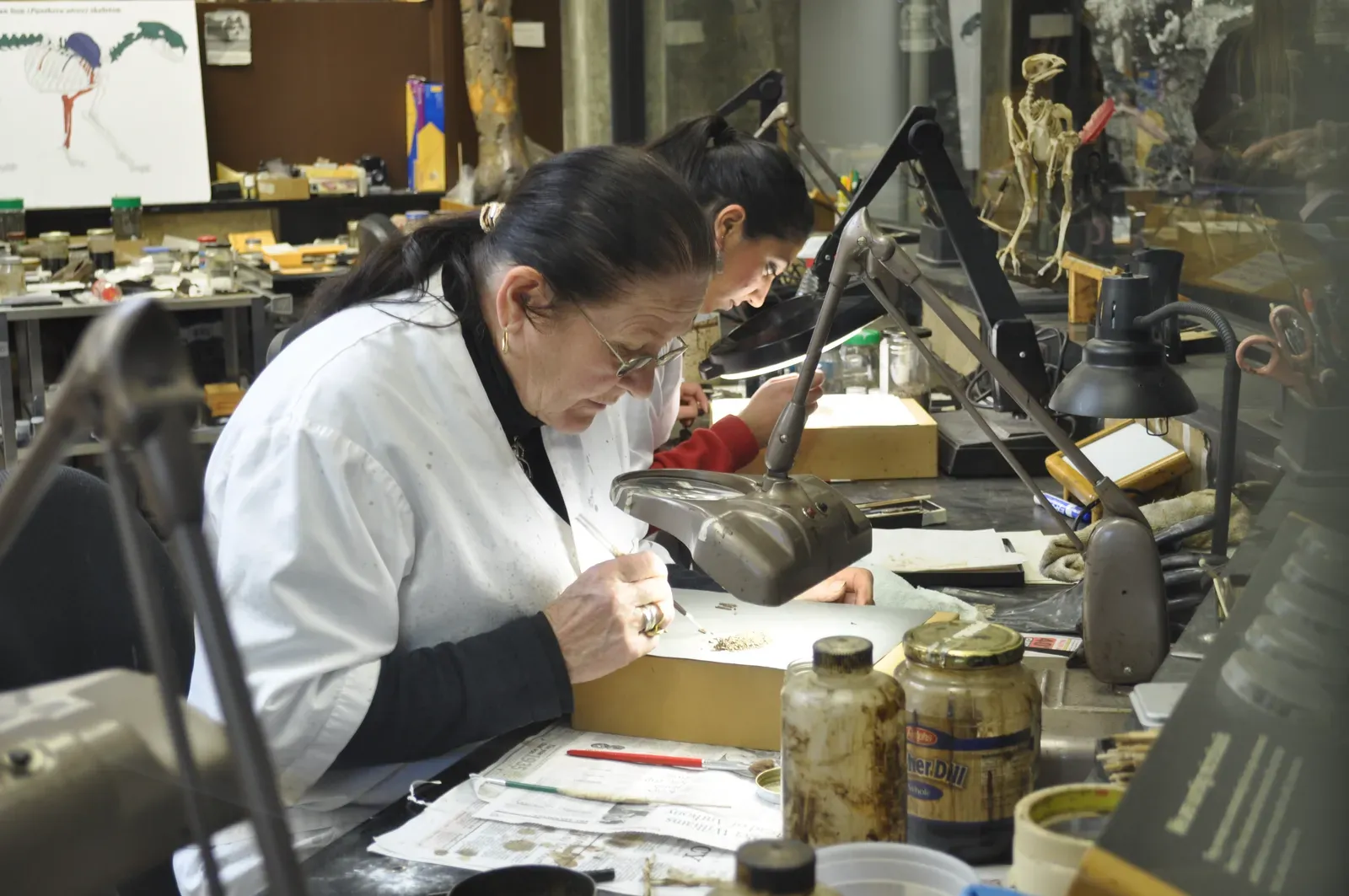
The application of remote sensing and drone imaging to help narrow down the best areas to prospect, three-dimensional scanning to record fossils in the field and in the laboratory, and artificial intelligence and machine-learning applied to help identify problematic fossils could revolutionize the field in the future. We are living at a genuinely remarkable moment in paleontology. The tools available now would have seemed like science fiction to researchers just a generation ago.
To reliably reconstruct the biology of long-extinct species, researchers argue that we should look at multiple lines of evidence, including skeletal anatomy, bone histology, the behaviour of living relatives, and trace fossils. This is the key insight that separates modern dinosaur science from the old days of simply measuring skull size. It’s about combining clues, like detectives piecing together a cold case from millions of years ago. Paleontologists and behaviorists agree that estimates of dinosaur intelligence are highly problematic and may be far from accurate, and in some cases, researchers have found that overall brain size is a more reliable indicator of intelligence than relative brain size. The science is evolving, and that’s exciting.
Conclusion: The Past Is Not What You Were Taught
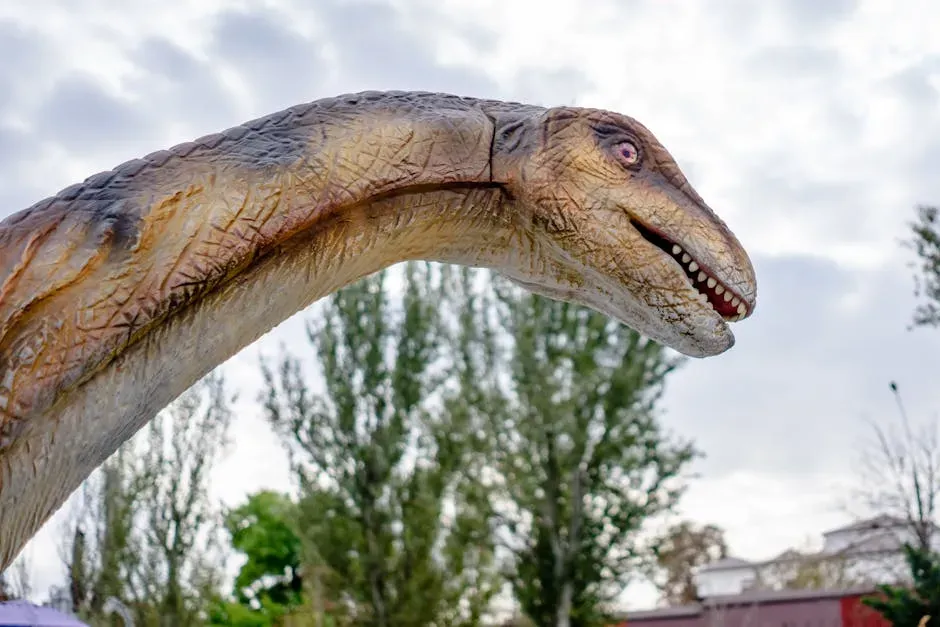
The story of dinosaur intelligence is still being written, and every new fossil adds another sentence. What we know for certain is that the old image of plodding, brainless giants does not hold up to scrutiny anymore. From Troodon’s bird-like brain to the community nesting of Mussaurus, from Deinonychus’s coordinated hunting to Oviraptor’s devoted parental care, the fossil record is painting a portrait of animals far more behaviorally sophisticated than anyone dared suggest decades ago.
The science is rigorous, the evidence is real, and the implications are stunning. These were not simple creatures. They were survivors, strategists, and in some cases, perhaps even nurturers. The next time you look at a dinosaur skeleton in a museum, consider that what you’re seeing might be just the shell of something far more complex and alive than its bones let on.
What would you have guessed about dinosaur intelligence before reading this? Tell us in the comments.