For most of the history of paleontology, feathered dinosaurs were considered an Asian story. China held all the headlines. Germany had Archaeopteryx. North America, despite being a treasure chest of dinosaur bones, seemed strangely quiet on the feathered front. That comfortable assumption has been shattered, piece by piece, by a growing wave of fossil discoveries across the continent that are forcing scientists to rethink everything they thought they knew.
What you are about to read is the story of how badlands, ancient riverbeds, and a few extraordinary bones have fundamentally changed the narrative of feathered dinosaur evolution in the Western Hemisphere. From massive crested creatures that looked like something out of mythology, to ostrich-like animals sporting wing-like arms, North America turns out to have had a feathered past far richer than anyone expected. Let’s dive in.
The Long-Standing Assumption That Asia Owned Feathered Dinosaurs
Uploaded by FunkMonk, CC BY-SA 2.0)
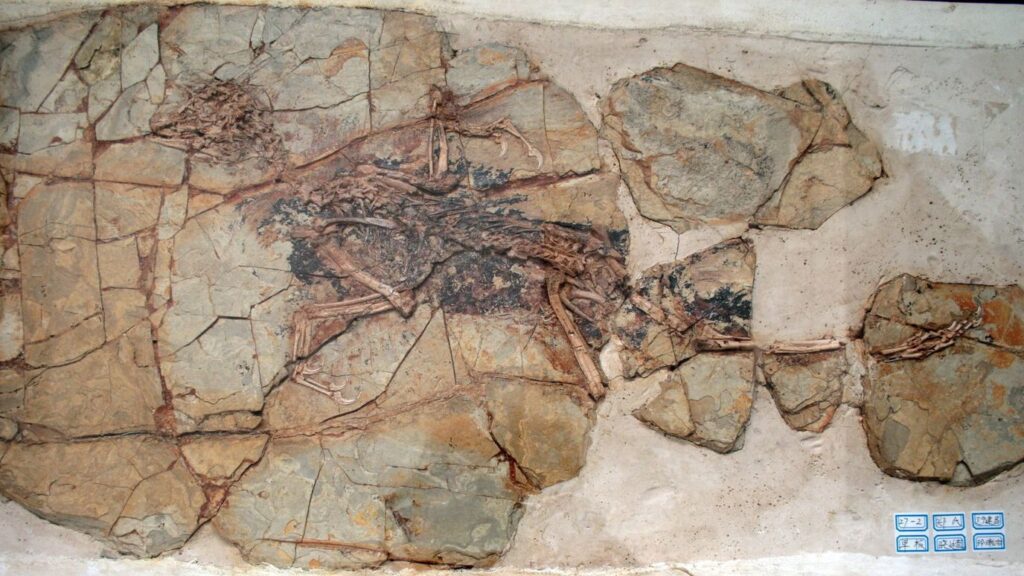
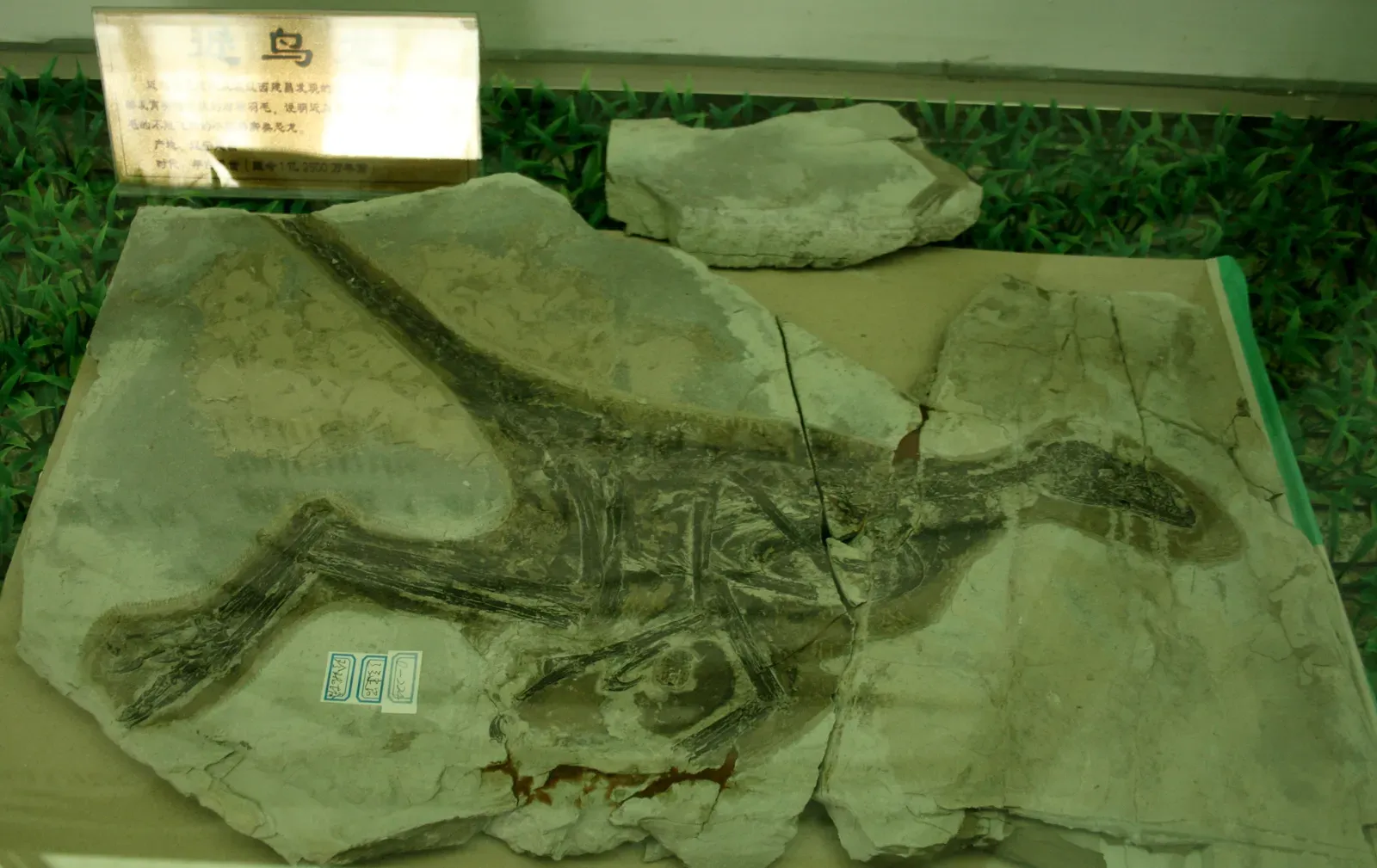
For much of the twentieth century, if you wanted to find a feathered dinosaur, you looked east. Feathered dinosaur skeletons had been recovered almost exclusively from fine-grained rocks in China and Germany. That monopoly made sense at the time. The famous Liaoning fossil beds in northeastern China were producing discovery after discovery, and the sheer quality of preservation there was unlike almost anything found elsewhere.
The most important discoveries at Liaoning included a host of feathered dinosaur fossils, with a steady stream of new finds filling in the picture of the dinosaur-bird connection. Knowledge of the origin of feathers developed as new fossils were discovered throughout the 2000s and 2010s, and technology enabled scientists to study fossils more closely. Meanwhile, North America sat on the sidelines, rich in large dinosaur bones but seemingly barren when it came to evidence of feathers. That, as it turned out, was simply a problem of where scientists were looking, not of what was actually there.
Alberta’s Badlands Break the Western Hemisphere Barrier
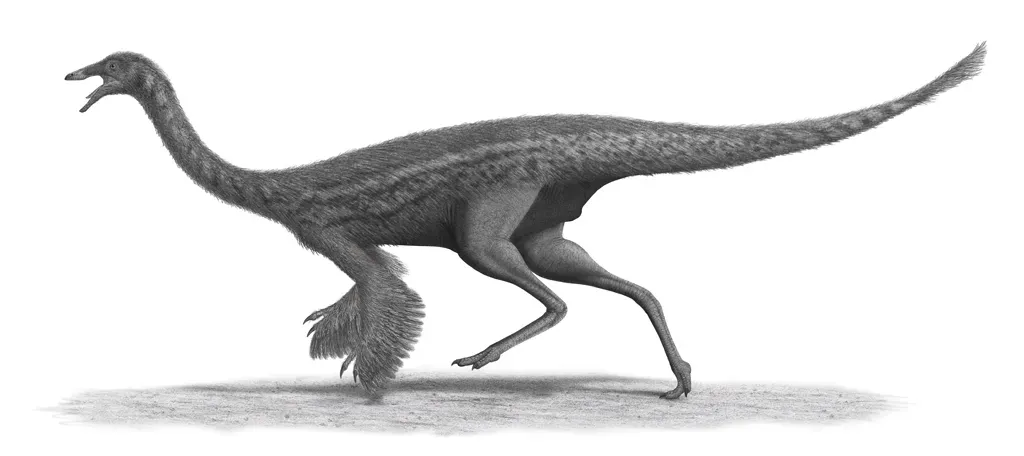
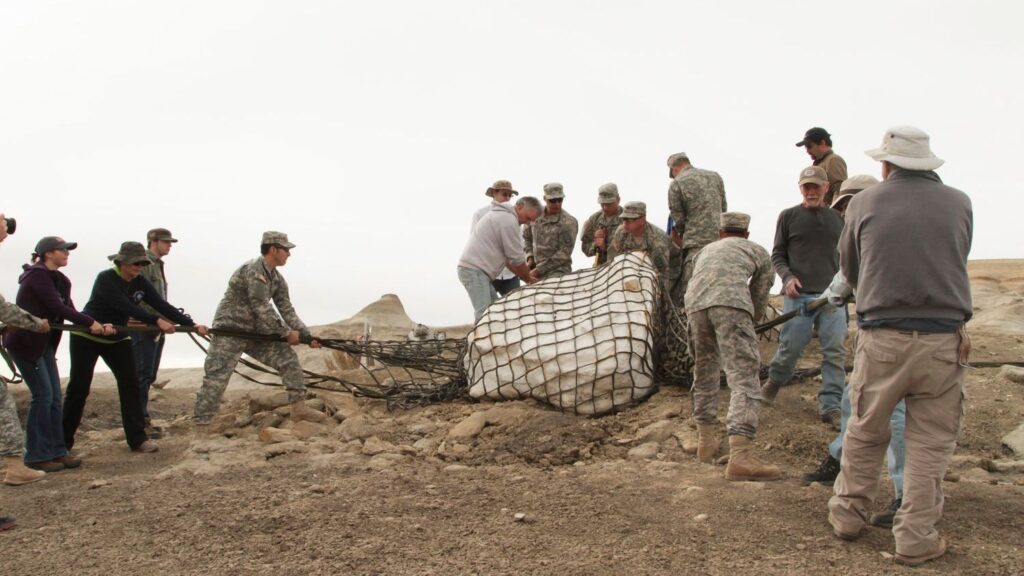
The real turning point for North American feathered dinosaurs came from a place you might not expect: the windswept badlands of Alberta, Canada. A study led by paleontologists Darla Zelenitsky from the University of Calgary and François Therrien from the Royal Tyrrell Museum of Palaeontology described the first ornithomimid specimens preserved with feathers, recovered from 75 million-year-old rocks in the badlands of Alberta, Canada. This represented the first feathered dinosaur specimens found in the Western Hemisphere. Honestly, the scientific world had been waiting for something like this for decades.
The researchers found evidence of feathers preserved with a juvenile and two adult skeletons of Ornithomimus, a dinosaur belonging to the group known as ornithomimids. This discovery suggests that all ornithomimid dinosaurs would have had feathers. Think about that for a moment. These were not obscure, one-off creatures. Ornithomimids were a well-known group, fossils of which had been pulled from North American rock for over a hundred years, yet nobody had ever seen their feathers until those Alberta specimens told the full story.
Wings That Were Never Meant for Flying
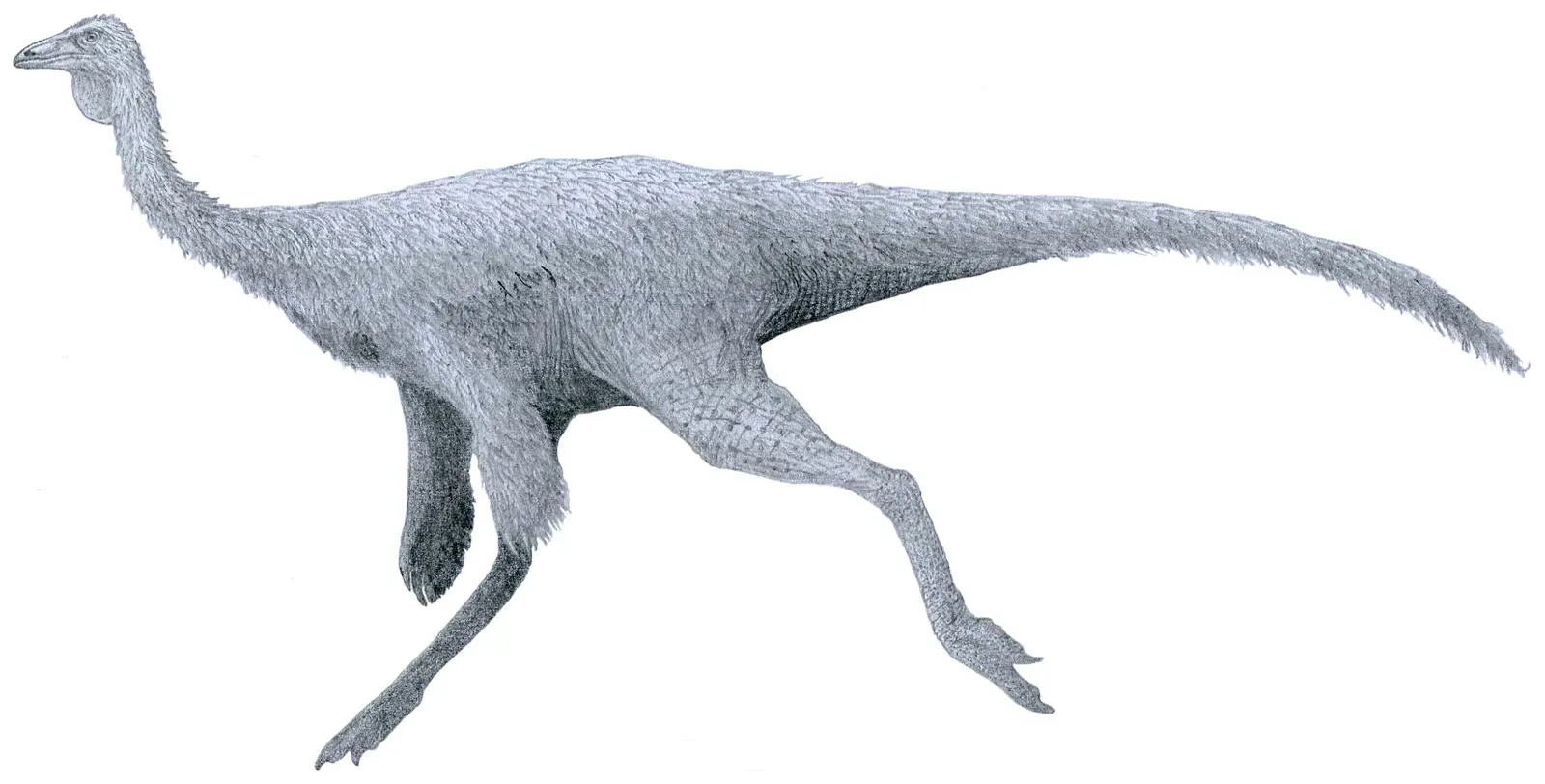
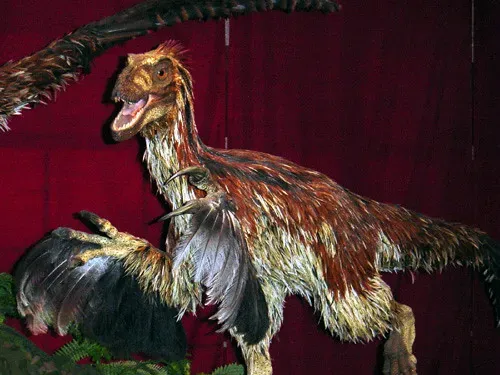
Here is the thing that makes the Alberta ornithomimid discovery especially fascinating. The feathers were not just simple fuzz for insulation. The specimens revealed an interesting pattern of change in feathery plumage during the life of Ornithomimus. The dinosaur was covered in down-like feathers throughout life, but only older individuals developed larger feathers on the arms, forming wing-like structures. This pattern differs from that seen in birds, where the wings generally develop very young, soon after hatching. This discovery of early wings in dinosaurs too big to fly indicates the initial use of these structures was not for flight.
Individuals from different growth stages reveal the presence of a filamentous feather covering throughout life and wing-like structures on the forelimbs of adults. The appearance of wing-like structures in older animals indicates that they may have evolved in association with reproductive behaviors. This changes everything about how we think feathers first became useful. They were not tools of flight. They were probably tools of attraction, display, perhaps even warmth for eggs. The idea that wings began as a kind of peacock-tail-for-dinosaurs is, I think, one of the most elegantly strange conclusions in all of paleontology.
Sandstone Changes the Rules of Preservation
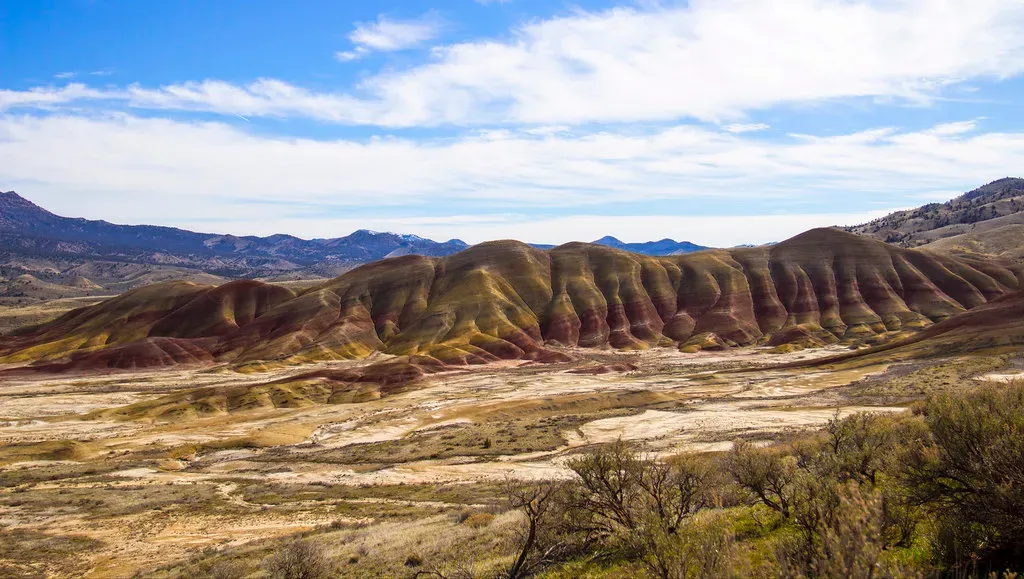
Beyond the biological revelations, the Alberta find also upended something very practical about how paleontologists search for feathered fossils. It was previously thought that feathered dinosaurs could only fossilize in muddy sediment deposited in quiet waters, such as the bottom of lakes and lagoons. But the discovery of these ornithomimids in sandstone shows that feathered dinosaurs can also be preserved in rocks deposited by ancient flowing rivers. This is a genuinely huge deal. Sandstone is everywhere.
Because sandstone is the type of rock that most commonly preserves dinosaur skeletons, the Canadian discoveries reveal great new potential for the recovery of feathered dinosaurs worldwide. In other words, the absence of feathered dinosaur fossils in North America for so long was partly a matter of assumption. Scientists assumed the rock types were wrong. Now that assumption is gone, and the implications for future searching are enormous. It is a bit like realizing you have been looking for your car keys only under the lamppost because the light was better there.
The “Chicken From Hell” and North America’s Feathered Giants
![The "Chicken From Hell" and North America's Feathered Giants ([1]Uploaded by FunkMonk, CC BY 2.0)](https://nvmwebsites-budwg5g9avh3epea.z03.azurefd.net/dinoworld/8540dd1c51166e44a4523eb394cfee84.webp)
Uploaded by FunkMonk, CC BY 2.0)
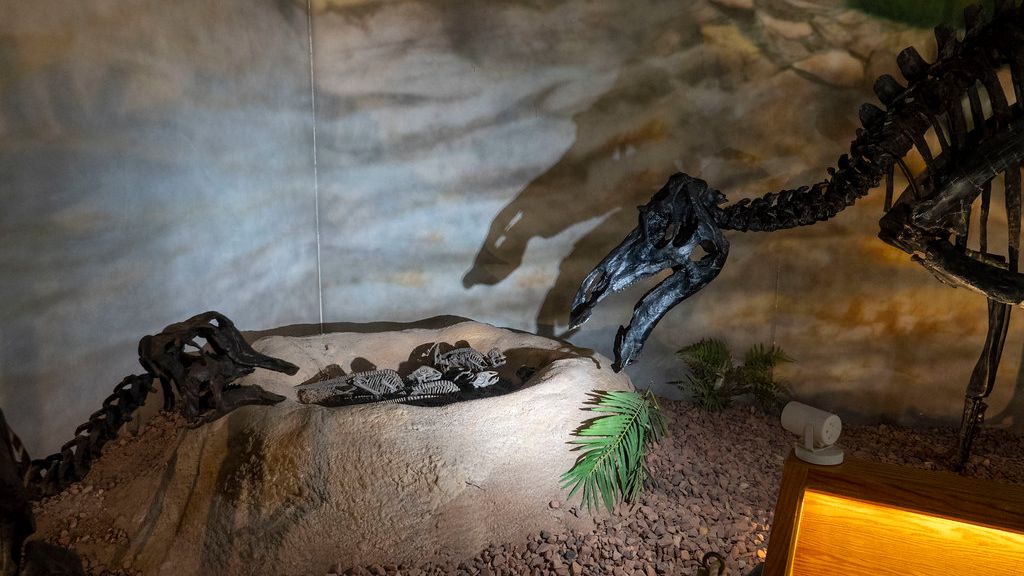
If the ornithomimids were a surprising revelation, then the discovery of Anzu wyliei was something closer to a jaw-dropping event. A newly discovered dinosaur species that paleontologists dubbed the “Chicken from Hell” is among the largest feathered dinosaurs ever found in North America. The eleven-foot-long, roughly five-hundred-pound Anzu wyliei is an oviraptorosaur, a family of two-legged, bird-like dinosaurs found in Central Asia and North America. For almost a century before this find, North America’s oviraptorosaurs were little more than fragments and guesswork.
The discovery represents the first North American example of a species belonging to Oviraptorosauria, a group of dinosaurs mostly known from fossils found in Central and East Asia. Although the Anzu specimens preserved only bones, close relatives of this dinosaur have been found with fossilized feathers, strongly suggesting that the new creature was feathered too. Its enormous crested skull, its long-clawed arms, and its likely fan of tail feathers paint a picture of something truly spectacular. Not a small, delicate creature. A feathered predator the size of a car, stalking humid floodplains in what is now the Dakotas.
What the Fossils Reveal About Feather Function and Evolution
Uploaded by FunkMonk, CC BY-SA 2.0)
One of the most compelling things these North American finds have contributed is fresh insight into what feathers were actually for in their earliest stages. We now know that at first feathers served a lot of functions. They can protect an animal from both cold and heat, aid in courtship rituals, and help protect offspring. It was only later that a group of dinosaurs used them for gliding, and then flight. This progression is much more complicated and interesting than the old story, which essentially went: feathers appeared, birds flew away.
Young individuals were covered with filamentous feathers but did not have wings like adults. Wings developed as the animal reached sexual maturity and would have been used for courtship, display, and possibly to keep eggs and hatchlings warm. The parallel with modern birds who use feathered displays to attract mates is striking. It also raises a deeper question. If wing-like structures in North American dinosaurs evolved for behavior rather than flight, then perhaps the very origins of bird wings are rooted not in survival mechanics, but in something more intimate. Attraction. Competition. The desire to be seen.
Modern Technology is Unlocking Secrets Hidden in Old Bones
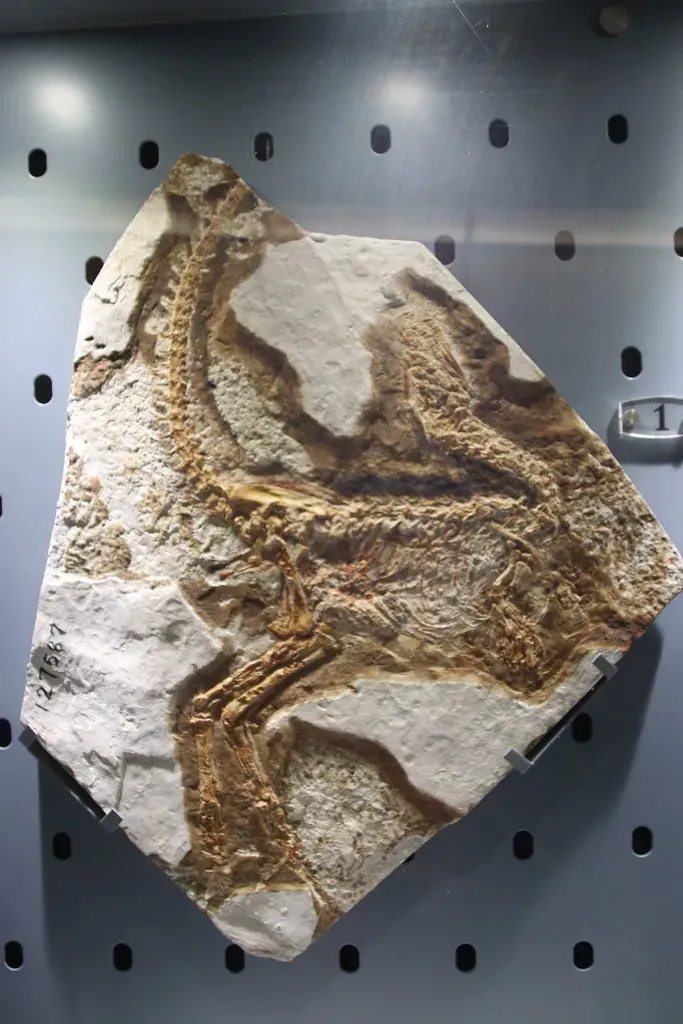
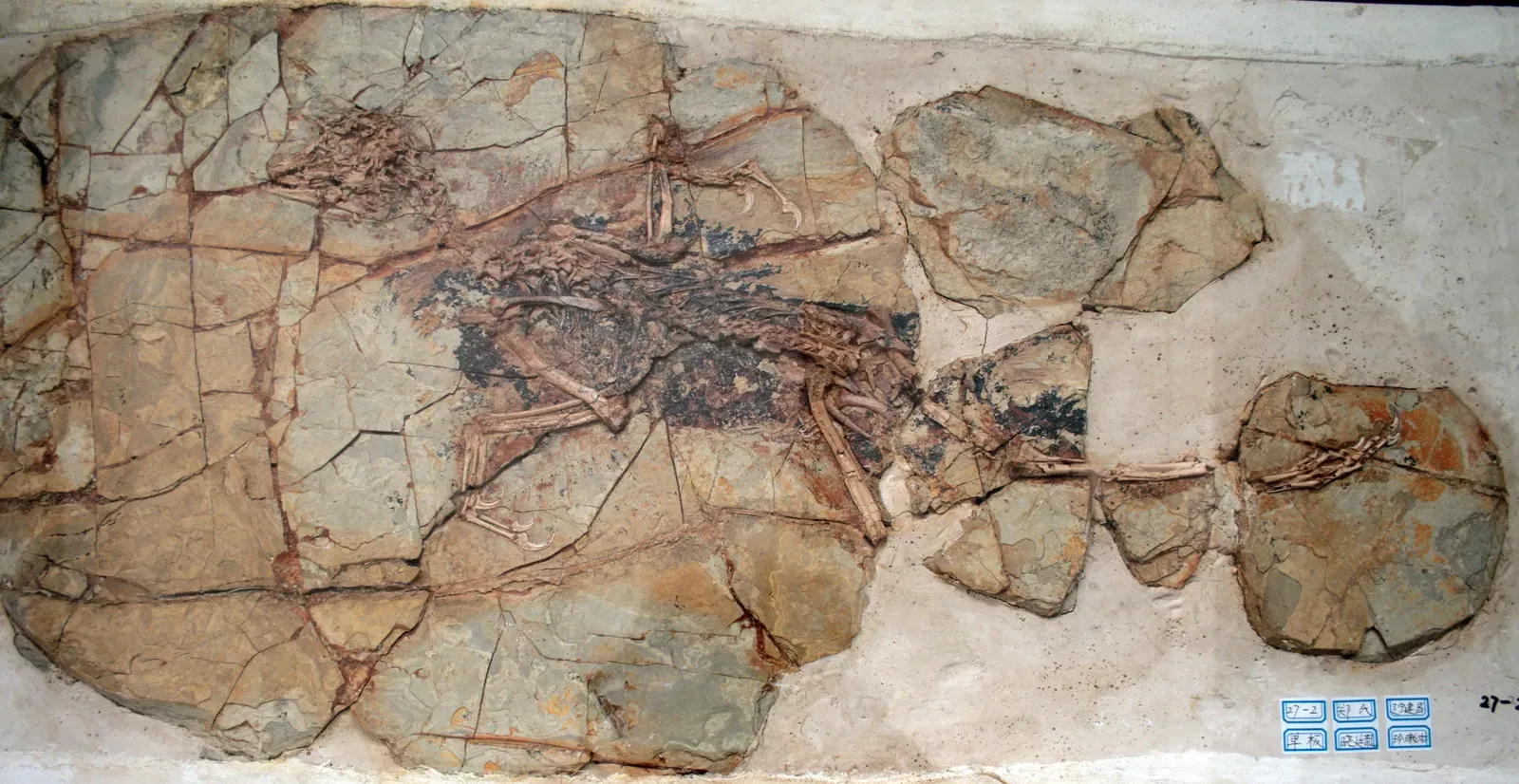
You might assume that the big discoveries are all about digging up new fossils, but some of the most exciting recent breakthroughs have come from re-examining specimens that were already sitting in museum drawers. Some discoveries came from recent expeditions, while others emerged after scientists reexamined older specimens using modern genetic and imaging tools. Among the most remarkable recent examples are two new species from the group of earliest feathered dinosaurs that lived about 125 million years ago, including one that was originally identified as a primitive bird but has now been reclassified.
Palaeontologists have discovered that some feathered dinosaurs had scaly skin like reptiles today, shedding new light on the evolutionary transition from scales to feathers. The researchers studied a new specimen of the feathered dinosaur Psittacosaurus from the early Cretaceous, a time when dinosaurs were evolving into birds. The study shows, for the first time, that Psittacosaurus had reptile-like skin in areas where it did not have feathers. This kind of granular, nuanced finding is only possible because of advances in imaging and fossil preparation. It is a reminder that the story is still being written, even from specimens discovered long ago.
Conclusion
The story of feathered dinosaurs in North America is, at its core, a story about what happens when assumptions go unchallenged for too long. For generations, the feathered chapter of dinosaur history was thought to belong entirely to Asia. Yet the badlands of Alberta, the Hell Creek Formation of the Dakotas, and a growing number of sites across the continent have shown that North America was every bit as rich in feathered life, as dramatic and bizarre as anything found in China.
What makes all of this even more remarkable is that we are almost certainly just getting started. Breakthrough fossils unearthed across Asia, South America, North America, and Europe have dramatically expanded our understanding of dinosaur evolution, biology, and behavior. These finds, remarkable for their preservation, size, or scientific implications, showcase how much remains to be uncovered about life in the Mesozoic. Every time a new specimen emerges from ancient rock, the picture of early life becomes richer, stranger, and more wonderful. What other feathered giants are still waiting out there, locked inside North American sandstone? That question alone should keep you up at night.