You might think we’ve already found most of what there is to know about dinosaurs. After all, these creatures have been studied for nearly two centuries, and their bones fill museum halls across the world. Yet here’s the thing: recent fossil discoveries from unexpected places are completely turning our understanding of prehistoric life on its head.
Every new fossil locality tells a different story, and right now, those stories are rewriting textbooks. Scientists are finding dinosaur remains in locations that challenge everything from where dinosaurs first evolved to how diverse their ecosystems really were. So let’s get started.
Romania’s Dense Bone Trap Reveals Unexpected Diversity
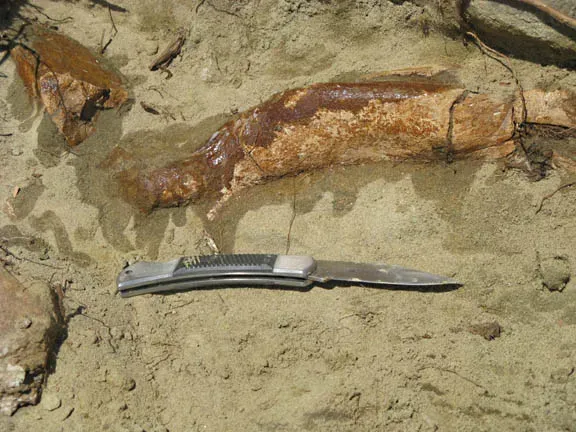
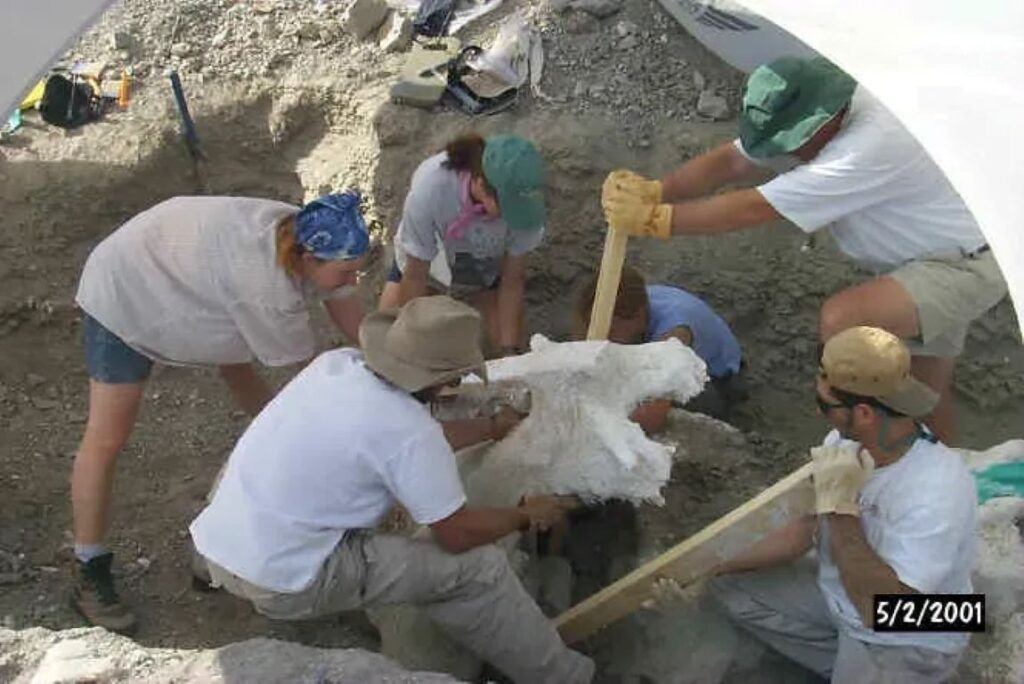
Scientists exploring Romania’s Hațeg Basin have discovered one of the densest dinosaur fossil sites ever found, with bones lying almost on top of each other, at a site that preserves thousands of remains from a prehistoric flood-fed lake that acted like a natural bone trap 72 million years ago. From an area measuring less than five square meters, researchers recovered more than 800 vertebrate fossils, making it the richest site documented so far.
Alongside common local dinosaurs, researchers uncovered the first well-preserved titanosaur skeletons ever found in the region. This matters because complete skeletons are remarkably rare in this part of Europe, even though the Hațeg Basin has been explored for over a century. The fossils are helping scientists refine their understanding of how dinosaur communities evolved across Eastern Europe during the Late Cretaceous, providing valuable clues about how ancient ecosystems formed, changed, and responded to environmental forces near the end of the age of dinosaurs.
Wyoming Discovery Challenges Dinosaur Origin Theories
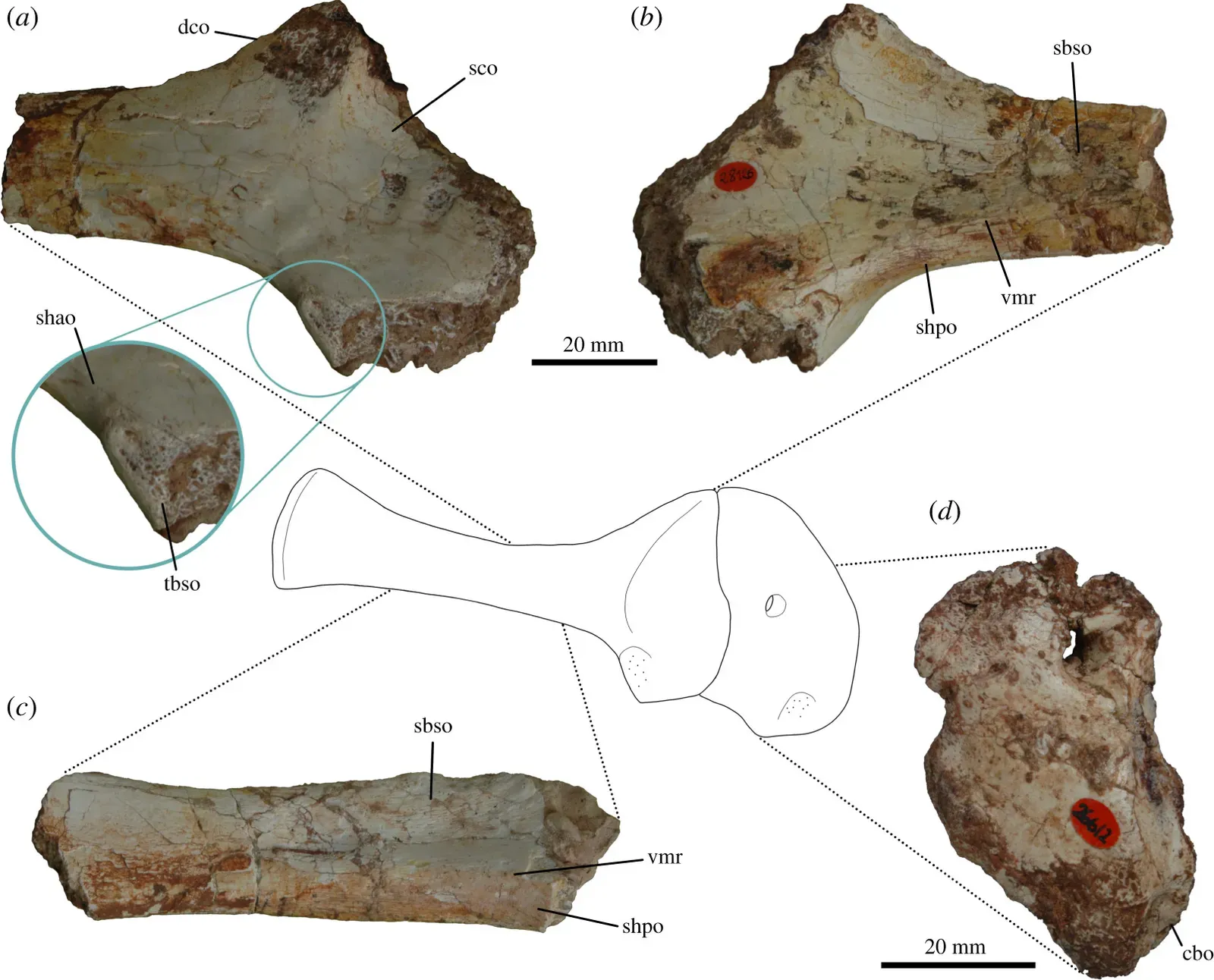
Paleontologists in the United States have uncovered the fossilized remains of a new species of sauropodomorph dinosaur that lived in the northern hemisphere during the Carnian age of the Late Triassic epoch, around 230 million years ago. Until now, the origin of dinosaurs was thought to be deeply rooted in the high-latitude southern hemisphere, with Gondwanan dinosaur faunas and the oldest known dinosaur occurrence in the northern hemisphere separated by 6 to 10 million years.
The newly discovered species, named Ahvaytum bahndooiveche, changes all of that. It’s the oldest equatorial dinosaur in the world and North America’s oldest dinosaur. Its presence, along with a silesaurid, challenges the hypothesis of a delayed dinosaurian dispersal out of high-latitude Gondwana, filling a critical gap in the early record of sauropodomorph dinosaur evolution and demonstrating widespread geographic distribution by the Mid-Late Carnian age.
Mongolia’s Gobi Desert Unveils Ancient Dome-Headed Dinosaur
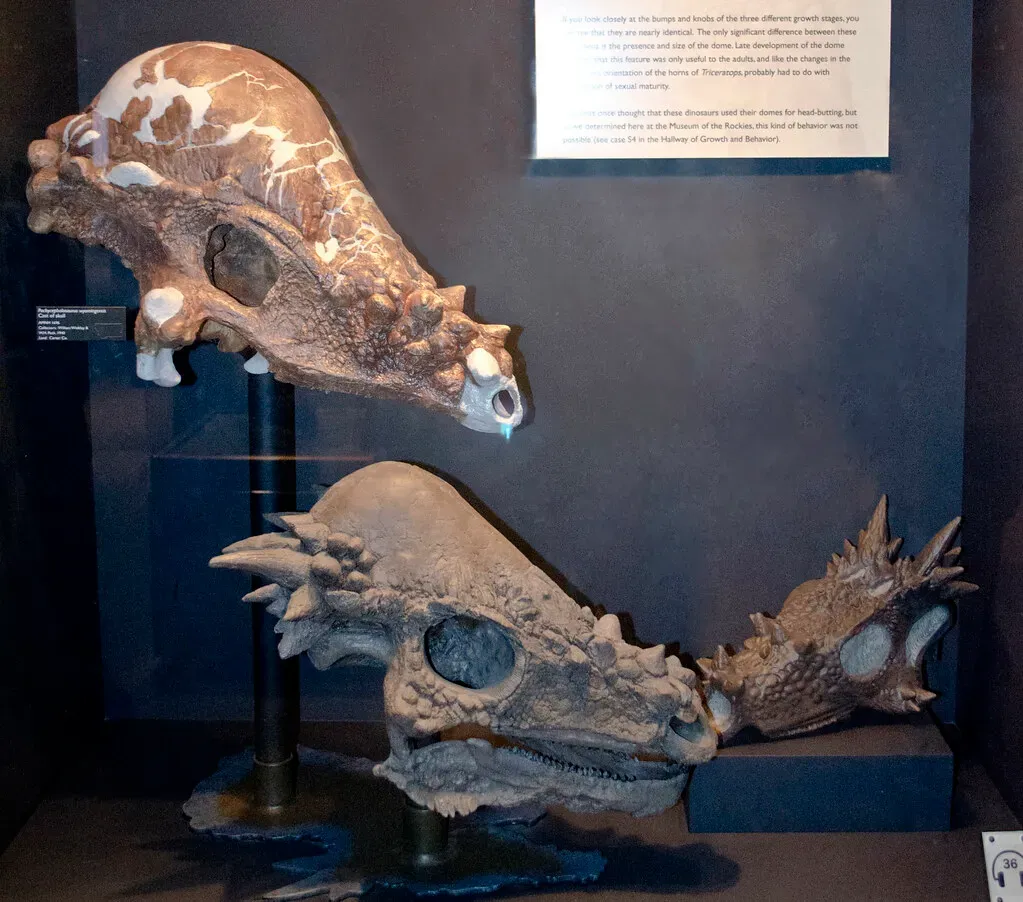
A teenaged pachycephalosaur from Mongolia’s Gobi Desert represents a new species of pachycephalosaur and is both the oldest and most complete skeleton of this dinosaur group found to date. The creature, called Zavacephale rinpoche, lived roughly 110 million years ago and has stunned paleontologists with its exceptional preservation.
It’s remarkable for pushing back the fossil record of this group by at least 15 million years, and gives researchers an unprecedented glimpse into the anatomy and biology of pachycephalosaurs, including what their hands looked like and that they used stomach stones to grind food. Pachycephalosaurs, famous for their thick domed skulls, have long been mysterious because most specimens are just fragmentary skulls. This complete skeleton allows scientists to finally age the animal properly and understand its true growth patterns.
Morocco’s Punk Rock Dinosaur Rewrites Armor Evolution
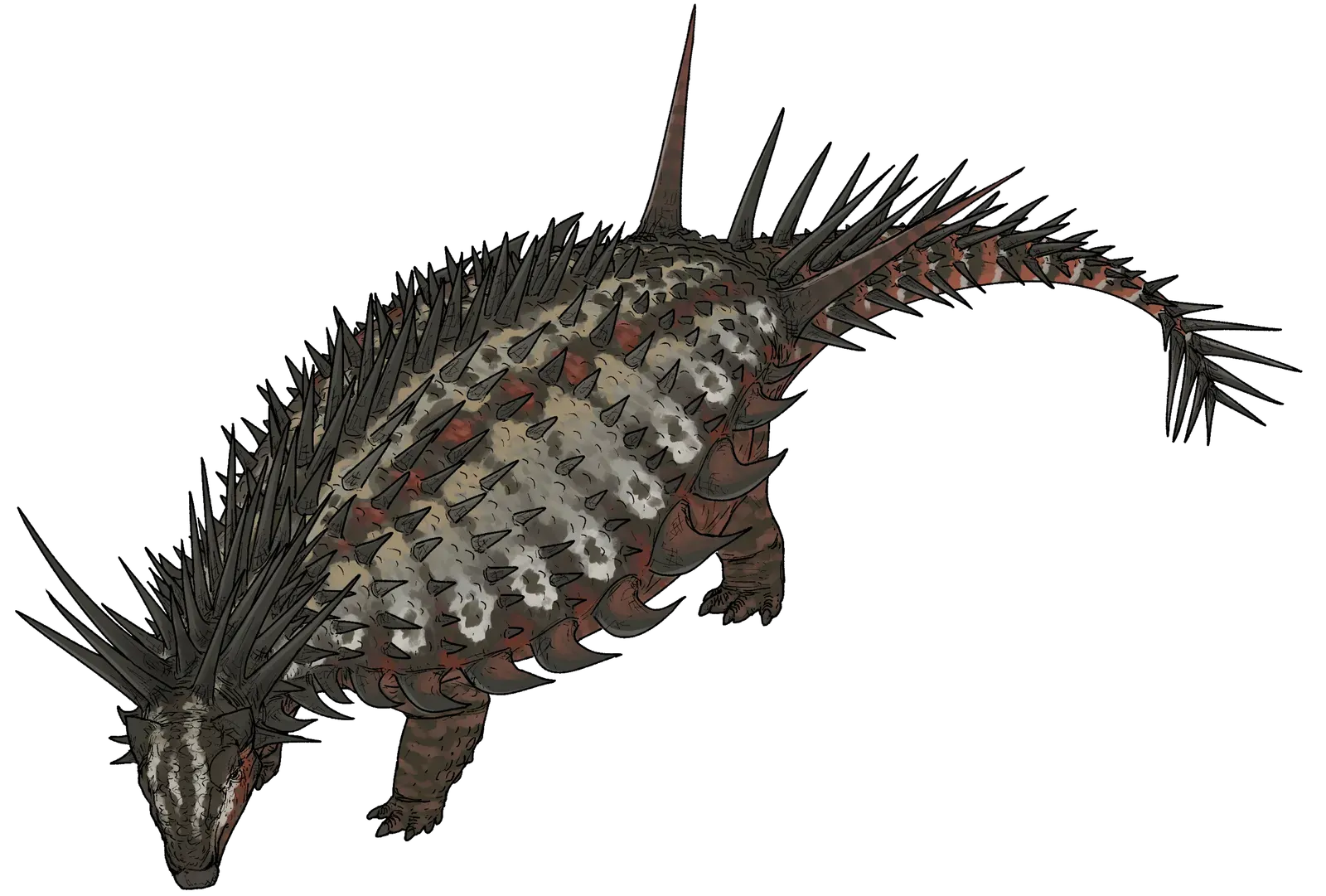
Spicomellus was named in 2021 based on an incomplete rib from 165-million-year-old rocks in Morocco, a rib unlike that in any other animal with a series of long spines fused to its surface. In 2025, a team described a much more complete skeleton that revealed one of the strangest dinosaurs ever discovered.
The new fossils show that Spicomellus is the oldest known member of the ankylosaurs, heavily armored, low and squat plant-eaters resembling walking coffee tables, characterized by its bizarre armor, bristling with long spines all over the body, including a bony collar around the neck with spines the length of golf clubs sticking out of it. The discovery doesn’t just push back the timeline of ankylosaur evolution. It also highlights how much paleontologists still have to learn from regions like Morocco that remain relatively underexplored compared to traditional hotspots like Montana or China.
Montana’s Dueling Dinosaurs Settles Decades-Long Debate
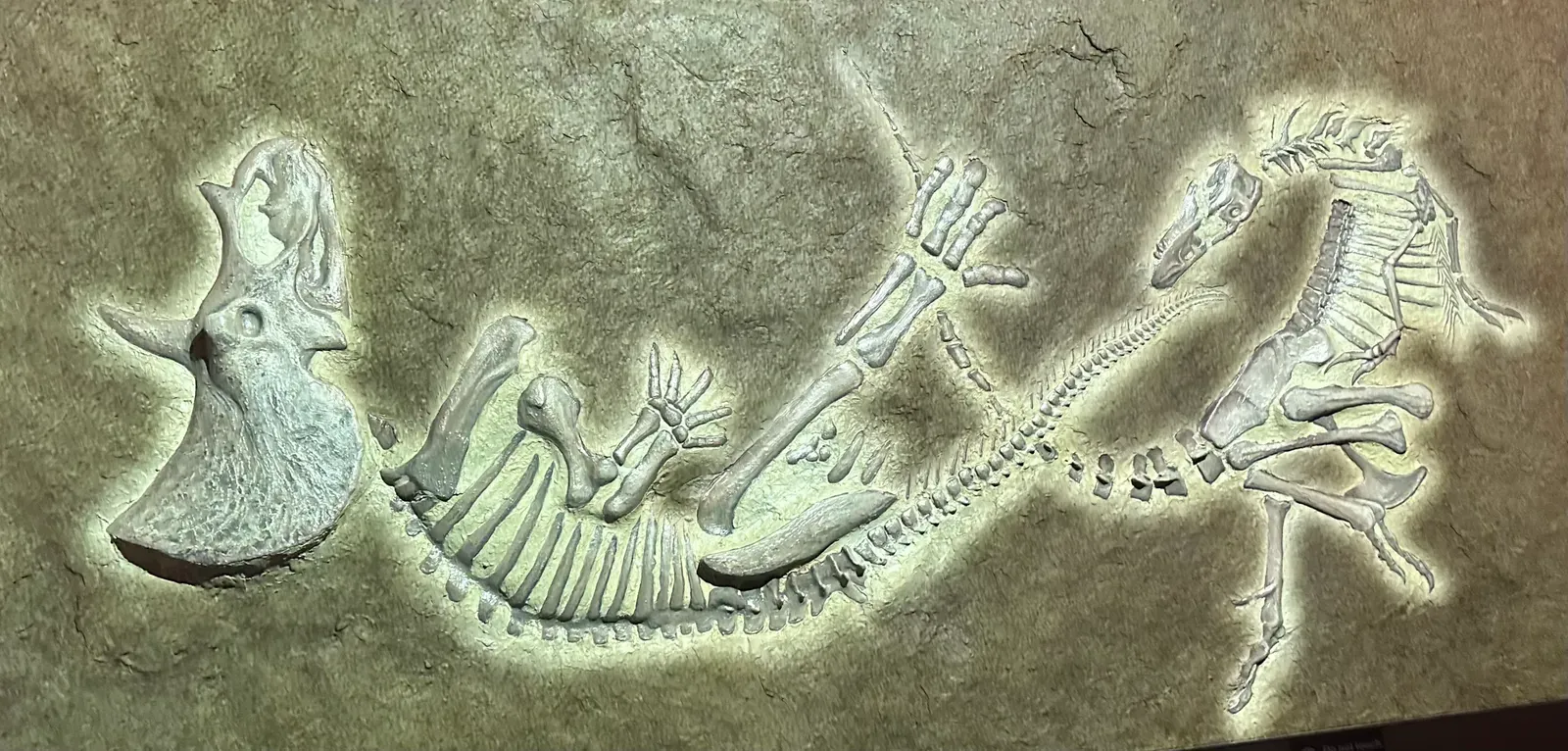
The fossil, part of the legendary Dueling Dinosaurs specimen unearthed in Montana, contains two dinosaurs locked in prehistoric combat: a Triceratops and a small-bodied tyrannosaur confirmed to be a fully grown Nanotyrannus lancensis, not a teenage T. rex, as many scientists once believed. This discovery ends one of paleontology’s fiercest debates that has raged since the 1940s.
Using growth rings, spinal fusion data and developmental anatomy, researchers demonstrated that the specimen was around 20 years old and physically mature when it died, with skeletal features including larger forelimbs, more teeth, fewer tail vertebrae, and distinct skull nerve patterns that are fixed early in development and biologically incompatible with T. rex. Multiple tyrannosaur species coexisted in the last million years before the asteroid impact, suggesting a richer, more competitive ecosystem than previously imagined.
West Texas Extends Geographic Range of Known Species
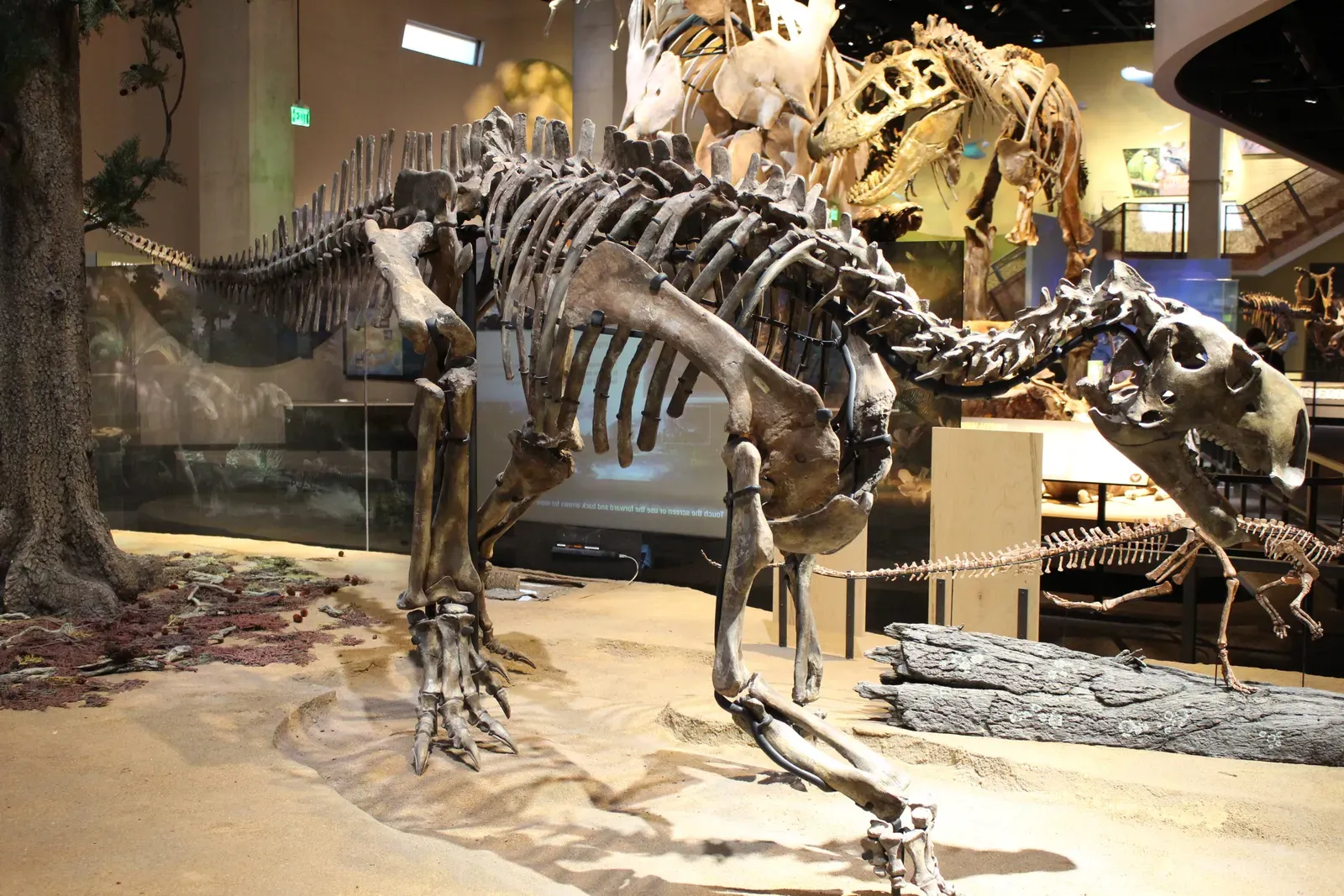
Dinosaur fossil discoveries in West Texas are rare, and the finding of fossilized bones, rather than just footprints, is especially uncommon, with fossils found as individual fragments, the largest identified as part of a femur leg bone having significant scientific value despite being incomplete. The fossils belong to Tenontosaurus, a medium-sized plant-eating dinosaur from the Early Cretaceous period.
This discovery extends the known range of Tenontosaurus farther southwest than previously documented, as until now, fossils of this species were known primarily from localities farther north and east, such as Utah and Wyoming. It seems like a small thing, extending a species range by a few hundred miles. However, these geographic extensions tell scientists where ancient migration corridors existed and how climate zones shifted over millions of years. The discovery also reminds us that vast stretches of North America remain largely unexplored for dinosaur fossils.
China Reveals Unprecedented Dinosaur Skin Preservation
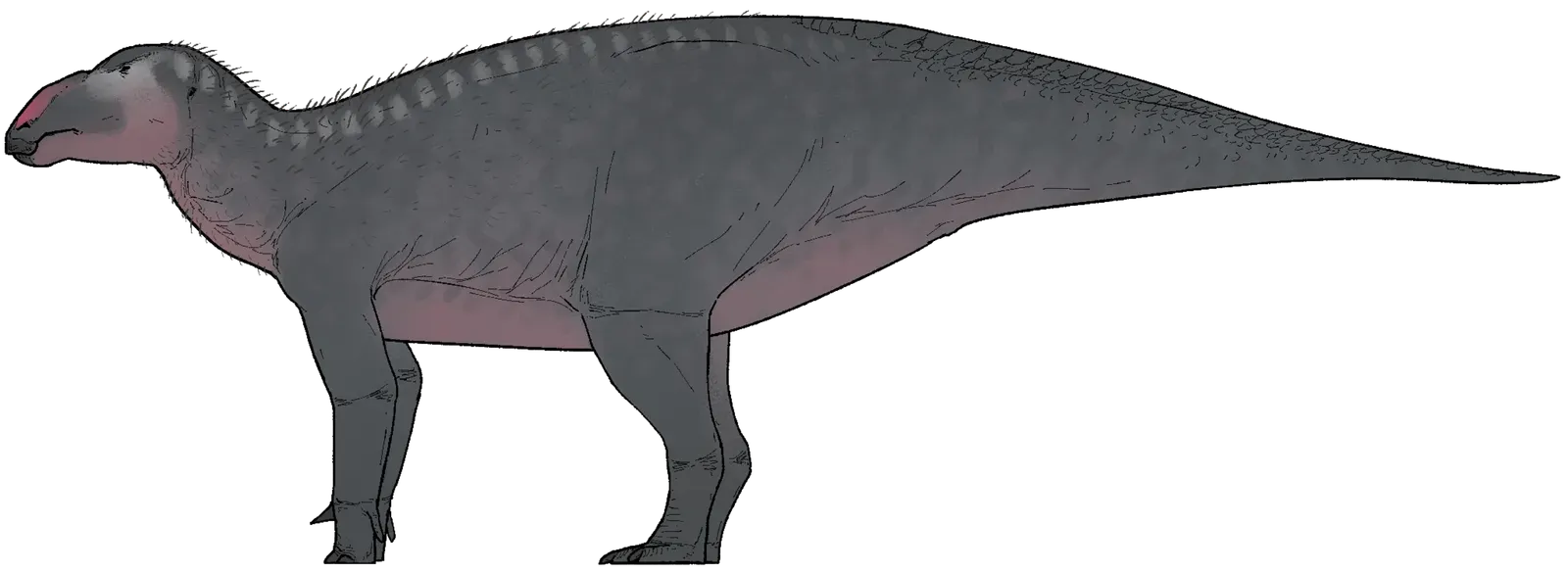
Paleontologists in China have discovered a nearly complete skeleton of a previously unknown species of iguanodontian dinosaur that preserves exceptionally detailed fossilized skin, including structures unlike anything seen in other non-avian dinosaur fossils. The species, named Haolong dongi, lived around 125 million years ago during the Early Cretaceous epoch.
Most striking are cutaneous spikes scattered among the scales, and advanced imaging and microscopic analysis found that these spikes are hollow and cylindrical, composed of a highly cornified outer layer over a multi-layered epidermis, with keratinocytes preserved down to their nuclei, while at the core of each spike lies a porous dermal pulp. These spikes differ from both protofeathers and scaly spines in modern lizards, suggesting an independent evolutionary origin. This discovery provides unprecedented insight into the microanatomy of non-avian dinosaur skin and highlights the complexity of skin evolution in ornithischian dinosaurs.
Spain’s Miniature Dinosaur Overturns Size Assumptions
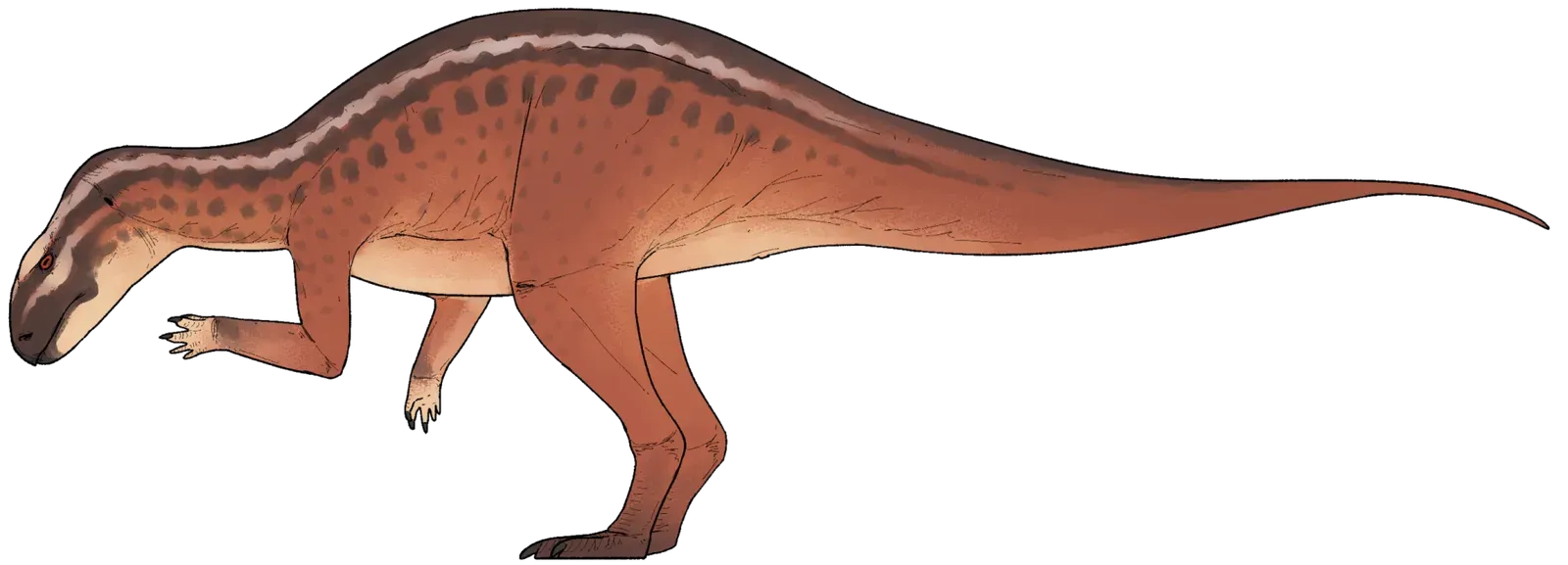
A newly identified tiny dinosaur, Foskeia pelendonum, is shaking up long-held ideas about how plant-eating dinosaurs evolved, as though fully grown adults were remarkably small and lightweight, their anatomy was anything but simple, featuring a bizarre, highly specialized skull and unexpected evolutionary traits, with detailed bone studies showing these dinosaurs matured quickly with bird- or mammal-like metabolism.
At just about half a meter long, Foskeia ranks among the smallest known ornithopod dinosaurs. Miniaturization did not imply evolutionary simplicity, as this skull is weird and hyper-derived, and Foskeia helps fill a 70-million-year gap, a small key that unlocks a vast missing chapter. The fossils come from at least five individuals discovered in Burgos province, and they demonstrate that evolutionary experimentation happened just as radically at small body sizes as at large ones.
Looking Forward: What These Discoveries Mean for Paleontology
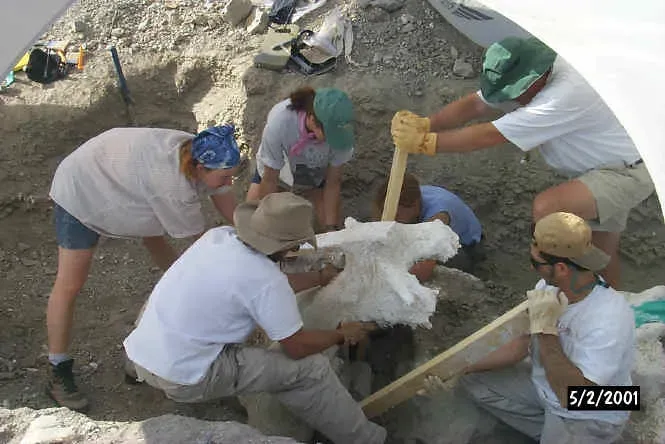
Around 1,400 dinosaur species are now known from more than 90 countries, with the rate of discovery accelerating in the last two decades, and the year 2025 has so far seen the discovery of 44 new dinosaur species, nearly one a week. These numbers aren’t just statistics. They represent a golden era of dinosaur science driven by new technology, increased global collaboration, and exploration of previously neglected regions.
Many new discoveries come from paleontological hotspots, such as Argentina, China, Mongolia and the US, but dinosaur fossils are also being found in many other places, from a Serbian village to the rainswept coast of north-west Scotland. Each new fossil locality brings fresh perspectives on ancient ecosystems, migration patterns, and evolutionary relationships. The Romania site teaches us about bone concentration and preservation. Wyoming’s discovery forces us to reconsider where dinosaurs originated. Morocco’s spiny ankylosaur shows how armor evolved independently across different lineages.
What really fascinates me is how much these discoveries depend on chance and persistence. Some fossils sit in museum basements for decades before someone takes a second look. Others emerge from parking lot excavations or chance encounters in remote deserts. The next major discovery that reshapes could be happening right now, in a place nobody expects. What would you have guessed about where the next game-changing fossil will come from?