Montana’s Hell Creek Formation – Paleontologists recently analyzed key specimens that settled a decades-long debate over a mysterious small tyrannosaur. Fossils long dismissed as juvenile Tyrannosaurus rex now stand confirmed as adults of a separate species, Nanotyrannus lancensis. This revelation points to a more crowded top of the food chain in the late Cretaceous, around 67 million years ago.
A Small Tyrant Steps Out of the Shadows
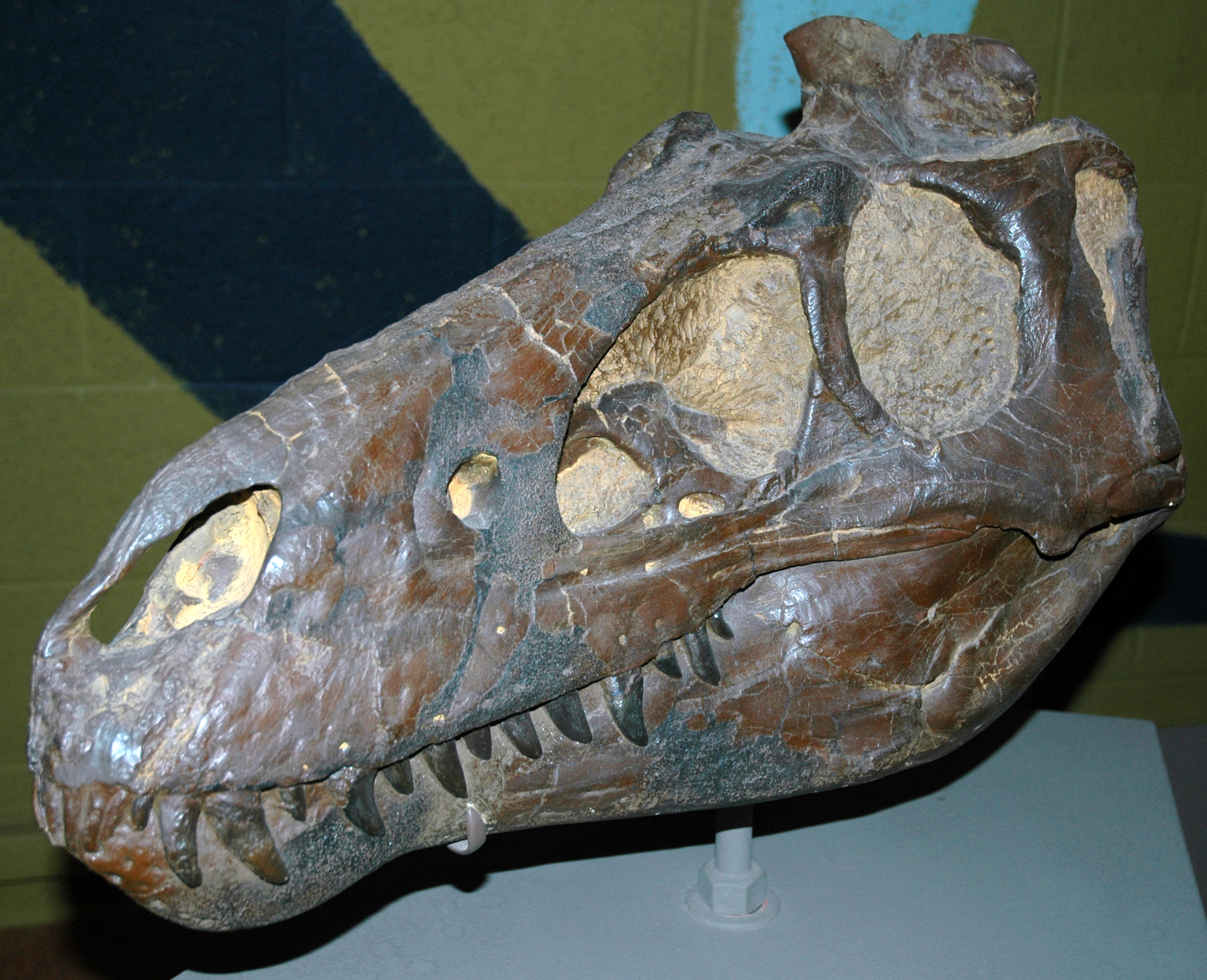
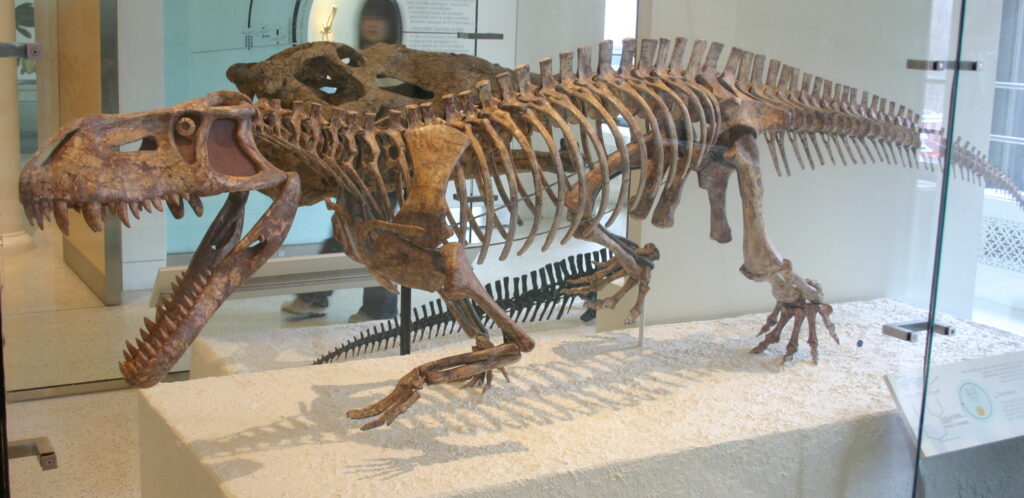
A Small Tyrant Steps Out of the Shadows (Image Credits: Upload.wikimedia.org)
Researchers once viewed Nanotyrannus skulls as those of growing T. rex individuals, but new examinations revealed striking differences. Adult features in these fossils, such as fused bones and specific growth markers, proved otherwise. This small predator reached maturity at about half the length and one-tenth the mass of a full-grown T. rex.
The shift came from detailed studies of preserved elements rarely seen in such specimens. Throat bones and other indicators showed these dinosaurs had stopped growing. Paleontologists now accept Nanotyrannus as a valid species that shared its world with the larger tyrant.
Spotlight on Landmark Specimens
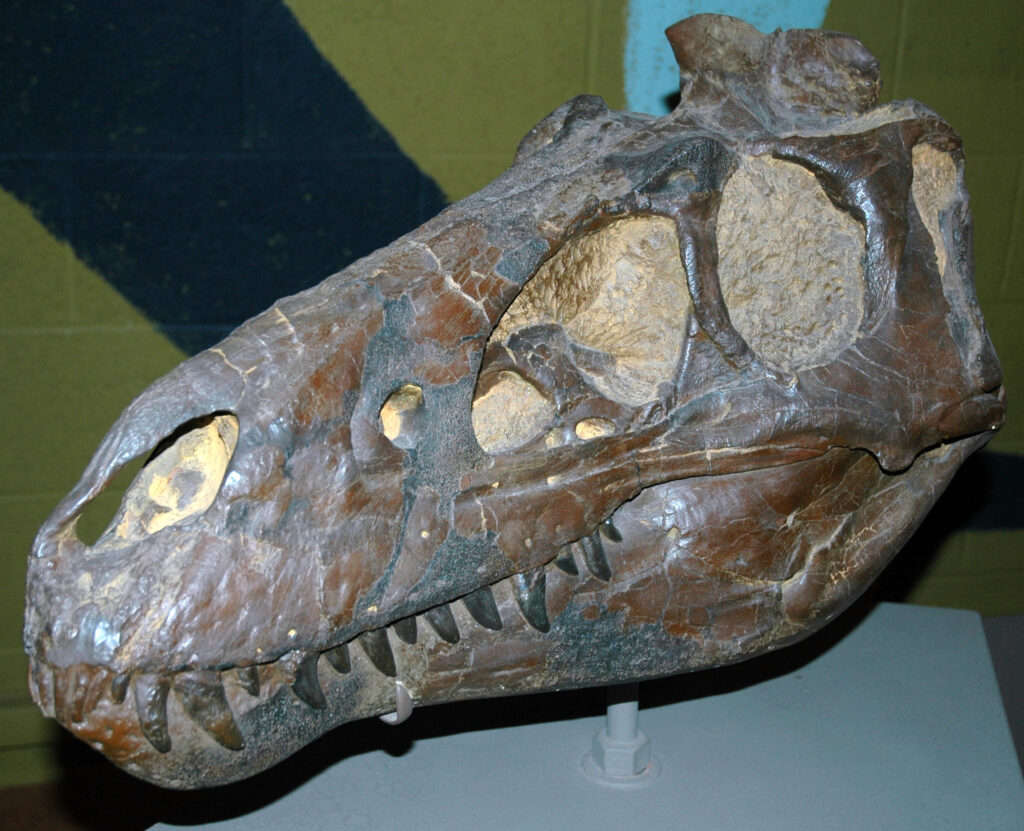
The Cleveland skull, unearthed in 1942 from Hell Creek rocks, served as the holotype for Nanotyrannus. Housed at the Cleveland Museum of Natural History, this fossil sparked controversy from the start. Recent analysis of its hyoid bone, which supports the tongue, confirmed its adult status through microscopic growth lines.
Another pivotal find, the Manteo specimen from the famous Dueling Dinosaurs site, emerged in 2006. Locked in combat with a Triceratops named Murphy, Manteo represented the most complete Nanotyrannus skeleton known. North Carolina’s museum confirmed its identity in late 2025, highlighting unique skeletal traits.
These discoveries built on earlier work, including CT scans and bone histology. Teams from institutions like NC State and the Cleveland Museum provided the decisive evidence.
Distinct Traits Set Nanotyrannus Apart
Nanotyrannus displayed longer arms, narrower skulls, and more flexible builds compared to T. rex. Its teeth remained slender and blade-like into adulthood, ideal for slicing prey. Growth patterns diverged sharply, with Nanotyrannus topping out much smaller.
| Feature | Nanotyrannus | T. rex |
|---|---|---|
| Adult Length | ~5 meters | ~12 meters |
| Arm Length | Longer, more robust | Shorter |
| Skull Shape | Narrower | Wider, deeper |
| Body Mass | ~1 ton | ~7-9 tons |
Such differences suggest niche partitioning. Nanotyrannus likely hunted agile prey, while T. rex tackled larger game.
- Narrower build for speed and maneuverability.
- Retained juvenile-like features in adulthood, unlike T. rex.
- Bone fusion patterns indicating full maturity.
- Distinct sinus structures in skulls.
- Hyoid bones showing halted growth.
Rethinking Late Cretaceous Food Webs
The coexistence of these tyrannosaurs implied a richer predator guild than previously thought. Hell Creek ecosystems supported multiple large carnivores, reducing T. rex’s monopoly. This diversity mirrored patterns in earlier tyrannosaur evolution.
Prey like Triceratops and hadrosaurs faced varied threats. Smaller Nanotyrannus may have scavenged or ambushed, complementing T. rex hunts. Future digs could uncover more evidence of this dynamic balance.
Key Takeaways:
- Nanotyrannus reached adulthood at a fraction of T. rex size.
- New analyses of Cleveland skull and Manteo ended the juvenile debate.
- Late Cretaceous saw diverse tyrannosaur communities.
This breakthrough invites fresh models of dinosaur societies, where no single king ruled unchallenged. What do you think about Nanotyrannus sharing the stage with T. rex? Tell us in the comments.