Picture this: massive creatures weighing dozens of tons somehow moving gracefully across ancient landscapes, their every step a marvel of biological engineering. For nearly two centuries, we’ve puzzled over how dinosaurs actually got around. Were they lumbering reptiles stuck in slow motion, or athletic beasts capable of surprising bursts of speed? Here’s the thing: we’re finally getting answers, and they’re reshaping everything we thought we knew.
You see, understanding how dinosaurs moved isn’t just about satisfying curiosity. It unlocks secrets about their hunting strategies, migration patterns, and social behaviors. Scientists today are using cutting-edge technology, from digital modeling to trackway analysis, painting a picture far more nuanced than old Hollywood films ever suggested. Let’s dive into what recent discoveries are telling us about these giants’ locomotor capabilities.
The Digital Revolution in Reconstructing Ancient Movement
Recent technological advances have transformed how researchers study dinosaur locomotion, with computational modeling methods now integrating musculoskeletal reconstructions and kinematics to extract exceptional detail from fossil traces. Think about it: we’re essentially bringing long-dead animals back to life, at least in digital form.
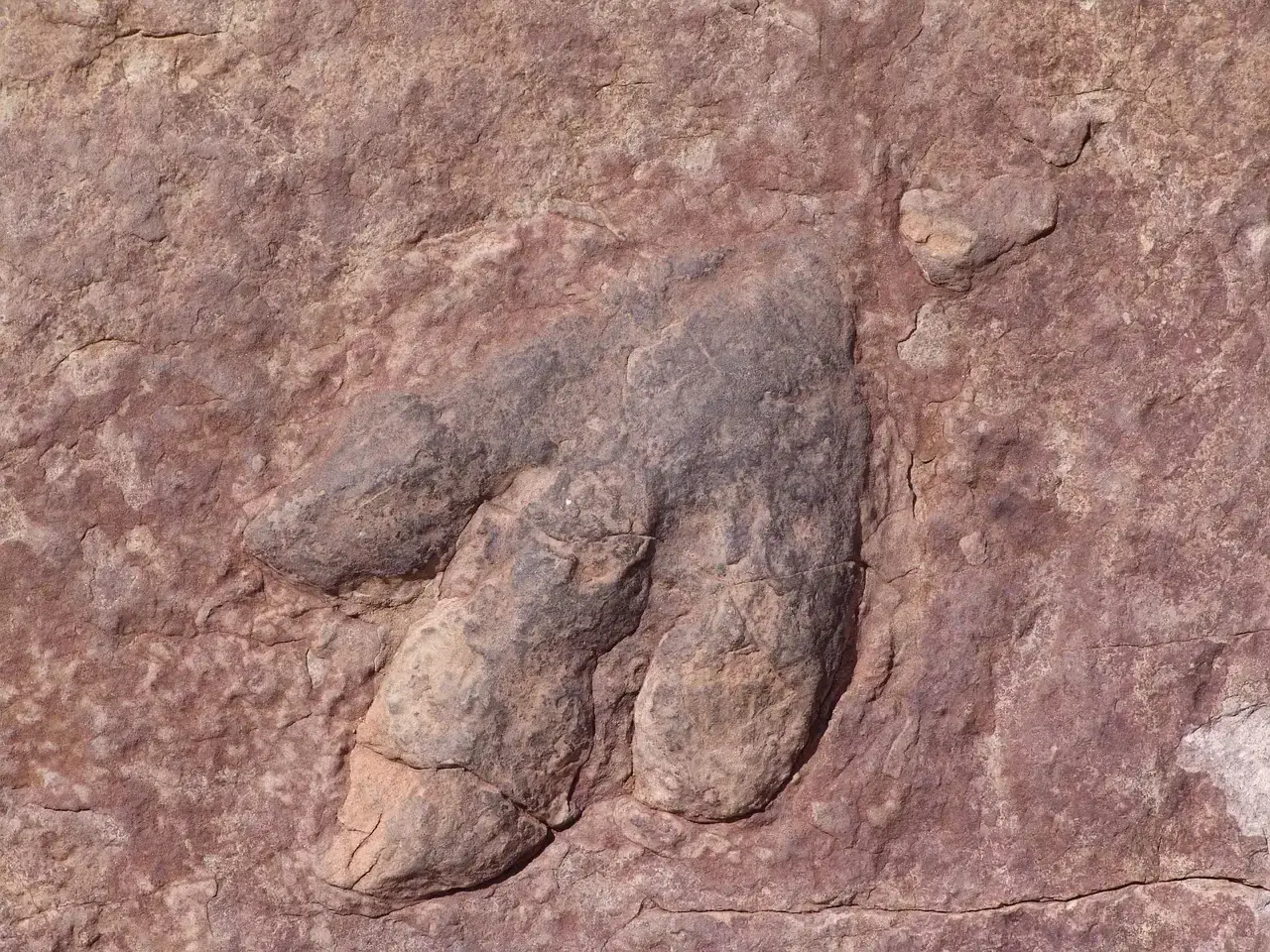
Research teams recently reconstructed a dinosaur’s forty-second journey from over 120 million years ago, analyzing 80 consecutive footprints extending roughly seventy meters. This level of detail would have been unthinkable just a decade ago. Studies have examined nearly seventy-meter-long theropod trackways from the Cretaceous Jiaguan Formation in China, presenting detailed reconstructions of the trackmaker’s locomotion, revealing how these predators walked, changed pace, and responded to their environment in real time.
Speed Demons: Faster Than We Ever Imagined
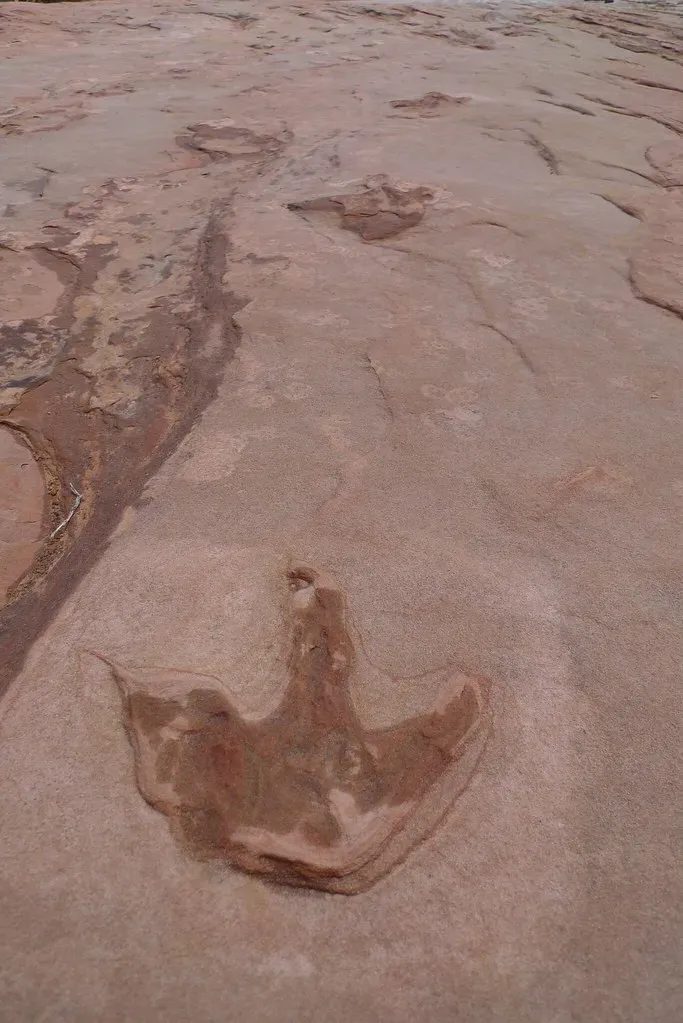
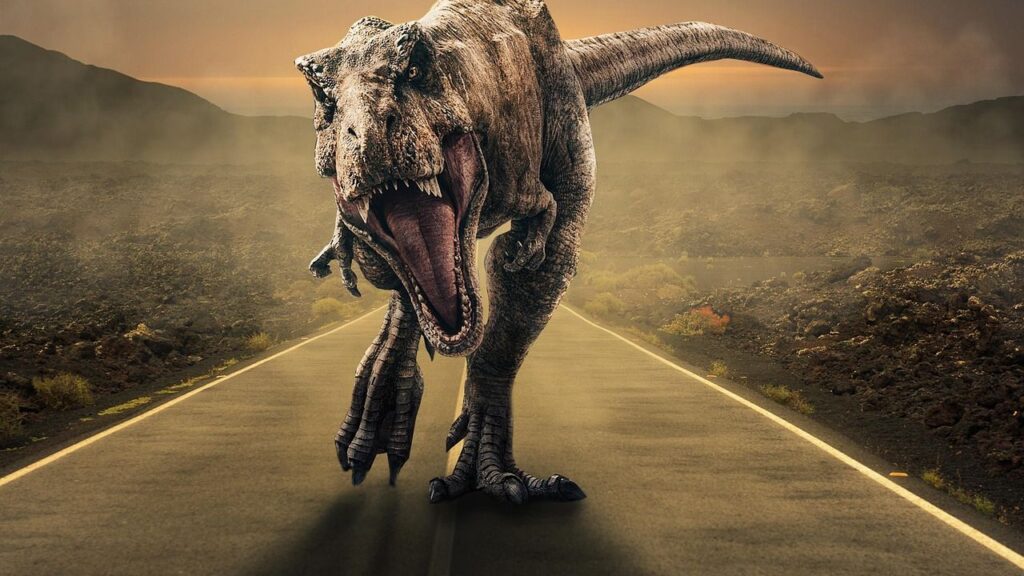
Let’s be real: many of us grew up thinking dinosaurs were slow and plodding. Turns out, that couldn’t be more wrong for certain species. A newly discovered fossil trackway in Inner Mongolia reveals the fastest-running theropod from the Cretaceous period, reaching speeds around 45 kilometers per hour. That’s fast enough to keep pace with a professional cyclist on city streets.
Speed analyses of trackways from Spain show speed ranges between 6.5 and 12.4 meters per second, representing some of the top speeds ever calculated for theropod tracks. To put that in perspective, roughly about twenty-eight miles per hour represents the upper range, comparable to Usain Bolt at his peak. The estimated speed of 45 kilometers per hour appears to represent maximum capability, supported by very straight trackways with deep toe impressions while heels are virtually absent, indicating sprint-like gait patterns.
The Biomechanical Puzzle of Sauropod Necks
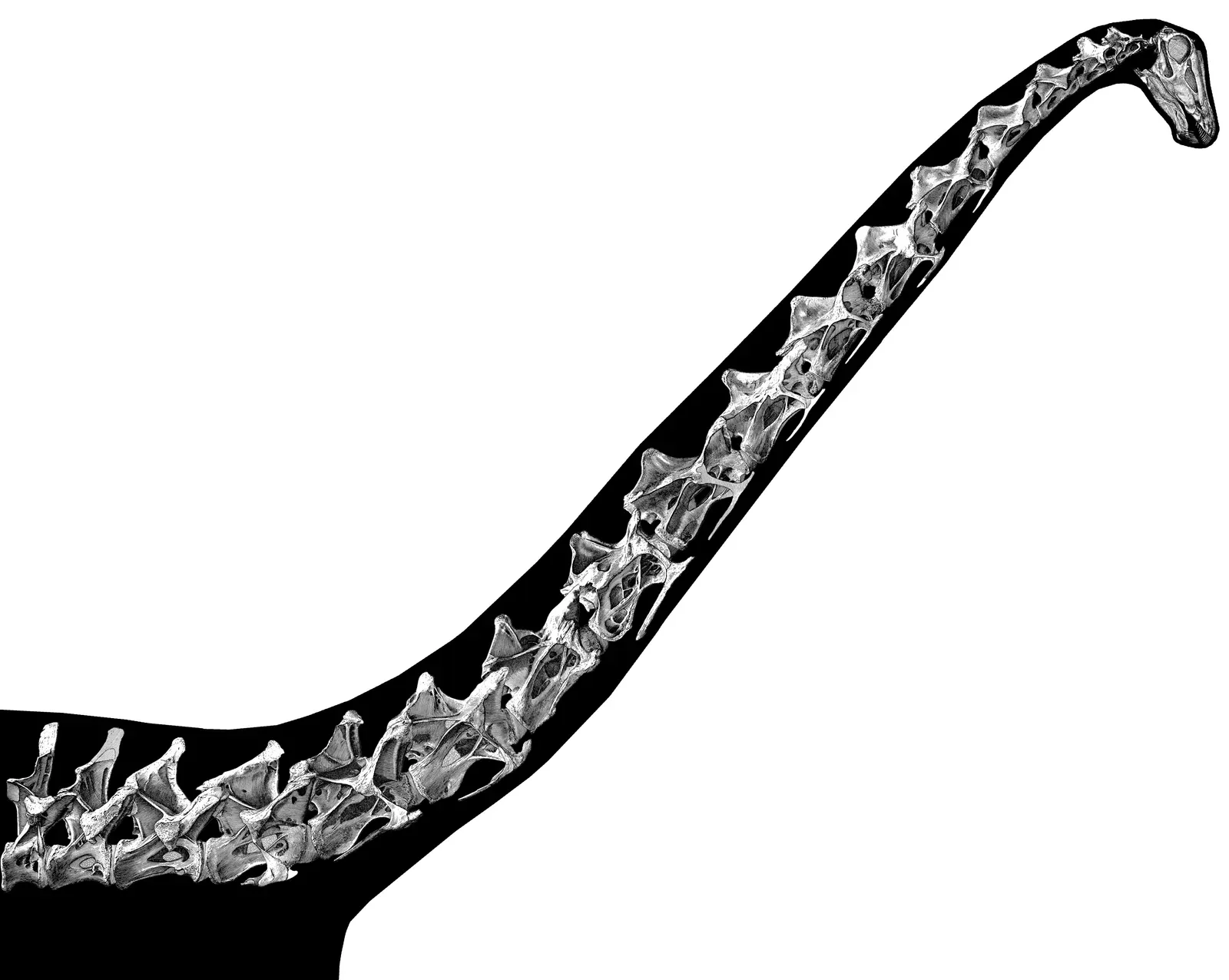
Honestly, sauropod necks might be the most debated feature in all of paleontology. These impossibly long structures have sparked fierce arguments among scientists for decades. Biomechanical evidence favors an upright neck when traveling to spread resources apart, with studies testing energy expenditure when walking and standing with an upright posture.
Yet it’s not that simple. Previous biomechanics studies found neck positions ranged between extremes of vertical and downward slanting, though researchers caution that flexibility estimates based solely on osteology should be used cautiously, and sauropod necks were probably less flexible than previously thought. Here’s where it gets interesting: different sauropods likely held their necks at different angles depending on their feeding strategies. Some grazed low vegetation, while others reached into treetops like modern giraffes.
Tail Tales: More Than Just a Counterbalance
Archosaur tails serve as important appendages for biomechanical function and as behavioral tools that help animals communicate and interact with their environment, though tails have been neglected in biomechanical analyses and considered stiff units until recently. We’re now appreciating their role in ways that would’ve seemed impossible earlier.
An international research team used new digital reconstructions to gain detailed insights into the mobility of the sauropod Giraffatitan brancai’s tail, analyzing eighteen preserved caudal vertebrae and hemal arches from a relatively complete tail specimen. Specific computer programs tested movement between individual vertebrae, showing these tails were far more mobile than previously assumed. Little is known about haemal arches’ biomechanical function, but they move together with the caudal series and can be mobile themselves since they’re not fixed to caudal vertebral centra.
Continental Crossings: Migration on a Grand Scale
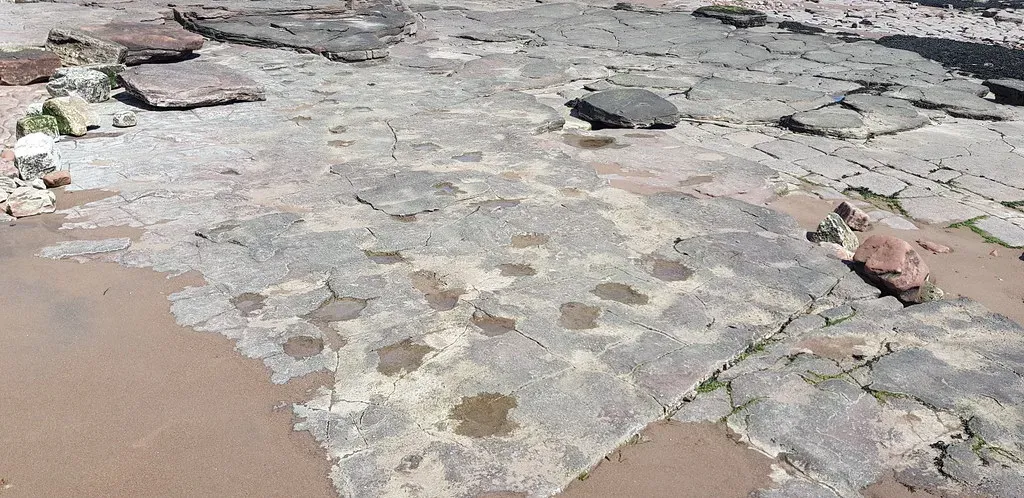
More than 260 footprints discovered in Brazil and Cameroon show where land-dwelling dinosaurs freely crossed between South America and Africa millions of years ago before the continents split apart, with tracks found more than 3,700 miles away from each other and made 120 million years ago on the supercontinent Gondwana. Let that sink in for a moment: identical footprints on opposite sides of an ocean.
Twin sites preserve what researchers call the Dinosaur Dispersal Corridor, with most footprints belonging to three-toed theropods, alongside sauropod and ornithopod impressions hinting at plant-eater herds trudging through the same wetlands. Even though migration of dinosaur groups slowed down, it didn’t completely stop, with movement still occurring between major continental land masses even when continents appeared really isolated. Temporary land bridges likely formed during sea level fluctuations, creating highways for these ancient travelers.
Body Mass and the Speed Limit Problem
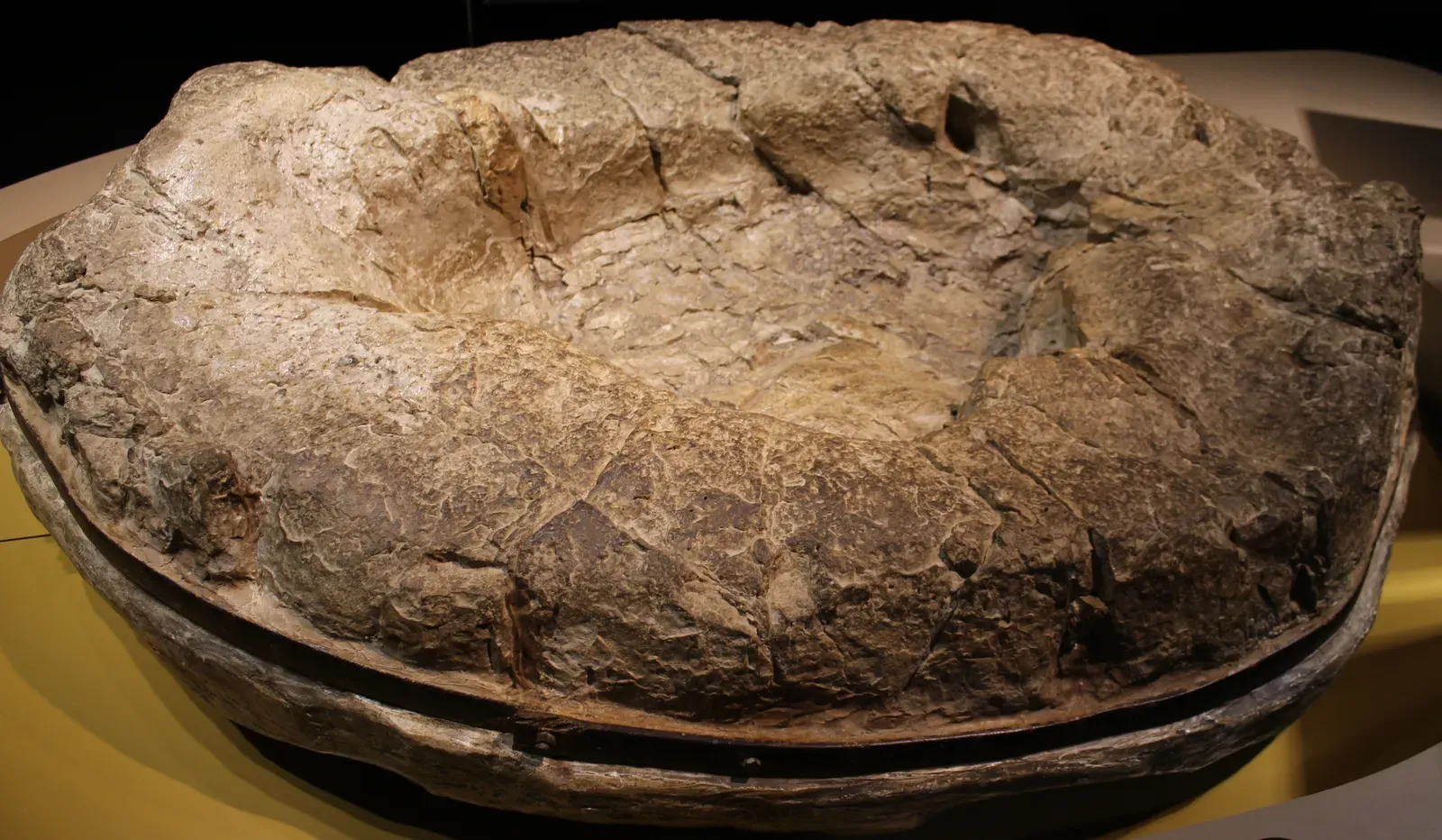
Estimating maximum speed capability of very large fossil animals is challenging, as large animals have limbs favoring longer stride lengths and higher speeds, but body mass imposes limitations on bones, joints, available forces, and physiology, resulting in the fastest animals not being the largest. It’s physics, pure and simple.
For very large sauropod and theropod dinosaurs, various factors limited their potential speed, with massive size imposing substantial stress on bones and joints, while muscle power scaling relative to body mass resulted in disproportionately high energy costs and structural strain during rapid movement, leading large dinosaurs to likely prioritize slower-paced movement. Think about a loaded freight train trying to accelerate: the mass becomes the enemy of speed. Medium-sized theropods, however, were the speed champions of their time.
Trackways as Time Capsules of Behavior
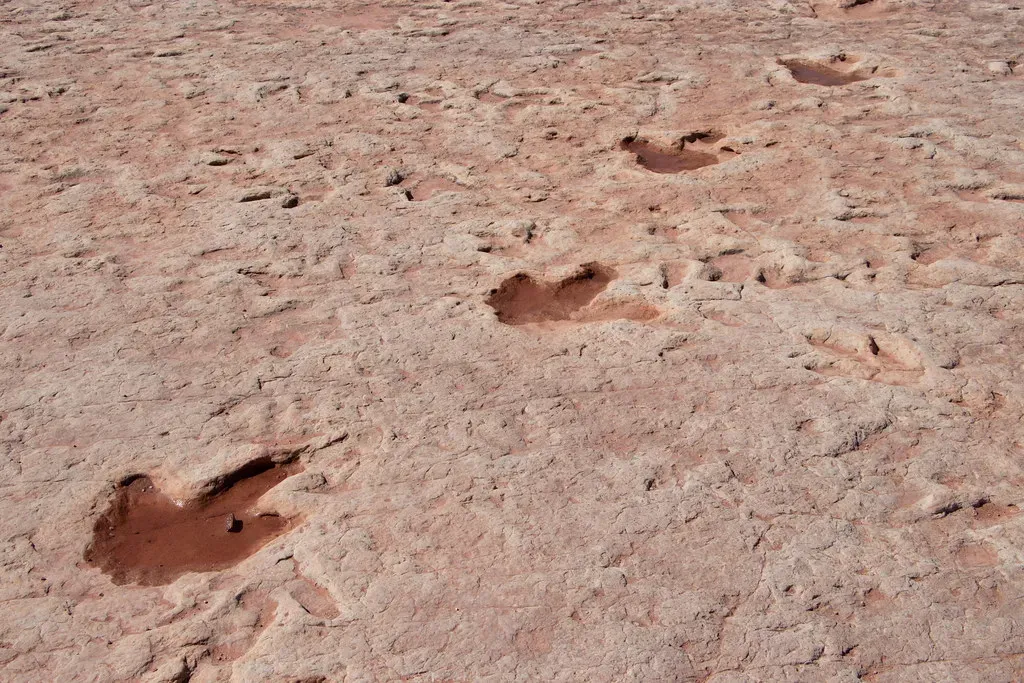
To shed light on how dinosaurs moved, researchers must draw from multiple sources of evidence, with information about dinosaur locomotion coming from four main sources: extant animals, fossilized bones, reconstructed soft tissues inferred from bones and extant taxa, and fossilized trackways. It’s detective work on a massive scale.
Research analyzed and reconstructed the Phoenix Trackway, the longest documented set of footprints made by a predator walking on two legs in East Asia, with this sequence of 80 consecutive footprints extending for seventy meters in Sichuan Province, China, representing a fleeting moment frozen in stone. Through digital animation, scientists observed that moment as it unfolded, gaining unprecedented insights into animal behavior and biomechanics. Each footprint tells a story: speed, weight distribution, even emotional state if the animal was fleeing or hunting.
Lessons from Living Relatives
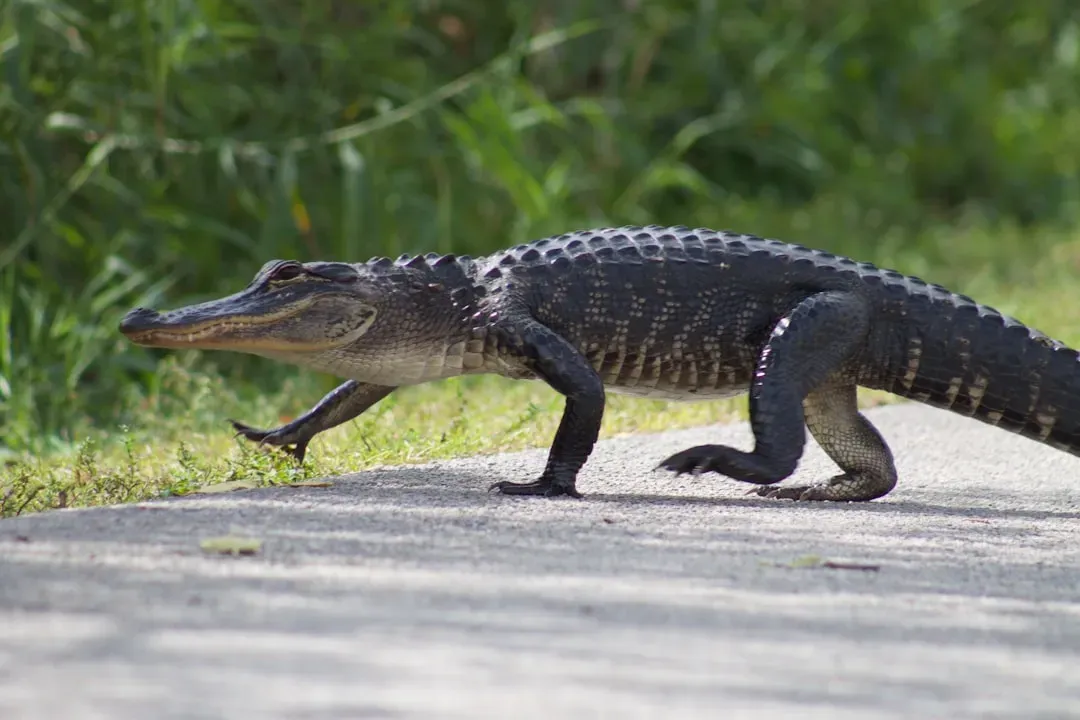
Extant taxa provide the basic principles of locomotion, bracket soft-tissue reconstructions, and provide validation data for methods and hypotheses applied to dinosaurs. Birds and crocodiles serve as our living laboratories for understanding extinct giants.
Fundamental principles of animal locomotion are necessarily derived from living animals, from which researchers can draw comparisons, infer soft-tissue morphology, and ultimately constrain reconstructions in extinct taxa, with observation of living animals providing means to discover relationships between form and function. The similarity between modern bird tracks and theropod footprints is striking. Yet we must be careful: dinosaurs pushed the boundaries of size and form far beyond anything alive today, forcing scientists to extrapolate beyond modern comparisons.
The Future of Dinosaur Locomotion Studies
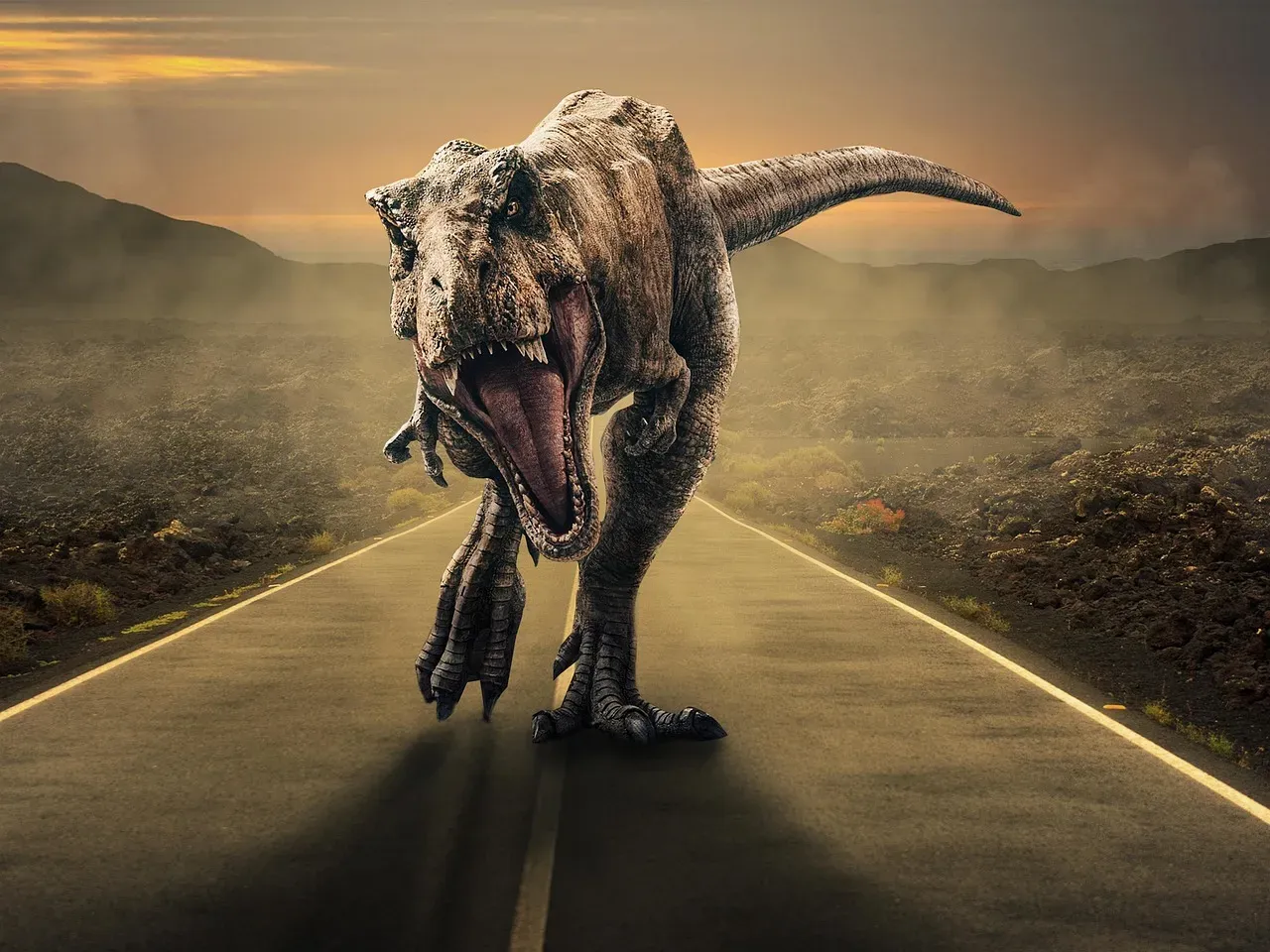
A recent review of sources of information about dinosaur locomotion and studies from preceding years highlights how traces can provide vital data, with new technologies extracting exceptional detail from fossils that present direct windows on dinosaur behavior. We’re living through a golden age of discovery.
Around 1,400 dinosaur species are now known from more than ninety countries, with the rate of discovery accelerating in the last two decades, and 2025 has seen the discovery of 44 new dinosaur species, nearly one a week. Each new fossil refines our understanding, each trackway adds another piece to the puzzle. The combination of traditional paleontology with artificial intelligence, 3D scanning, and biomechanical modeling promises revelations we can barely imagine today. What would we learn if we could watch a real sauropod herd migrate across an ancient floodplain? We’re getting closer to that virtual reality every year.
The story of how dinosaurs moved across continents remains far from complete, yet every fossil unearthed brings us closer to understanding these magnificent creatures. From sprinting theropods to neck-swinging sauropods, the locomotor diversity of dinosaurs staggers the imagination. Their ability to traverse continents, adapt to changing landscapes, and thrive for over 160 million years speaks to remarkable evolutionary success. As technology advances and new fossils emerge from the ground, we’ll continue rewriting the playbook on how these giants truly moved through their ancient world.