Dinosaurs have always held a special grip on human imagination. Something about creatures so impossibly large, so ancient, and so utterly vanished from the world keeps pulling us back. For most of history, we studied them by digging up their bones, brushing away the dirt, and making educated guesses. That was, honestly, impressive work for its time. But what is happening in paleontology right now? It makes those old methods feel like reading a book with half the pages torn out.
Today, researchers are cracking dinosaur mysteries with tools that sound borrowed from science fiction. From AI apps that identify footprints to fossilized blood vessels that still hold molecular clues after tens of millions of years, the field is moving at a pace that would have seemed unthinkable even two decades ago. Every single week, new findings are reshaping what you thought you knew about these ancient giants. So let’s dive in.
CT Scanning: Seeing Inside the Stone Without Breaking a Single Bone
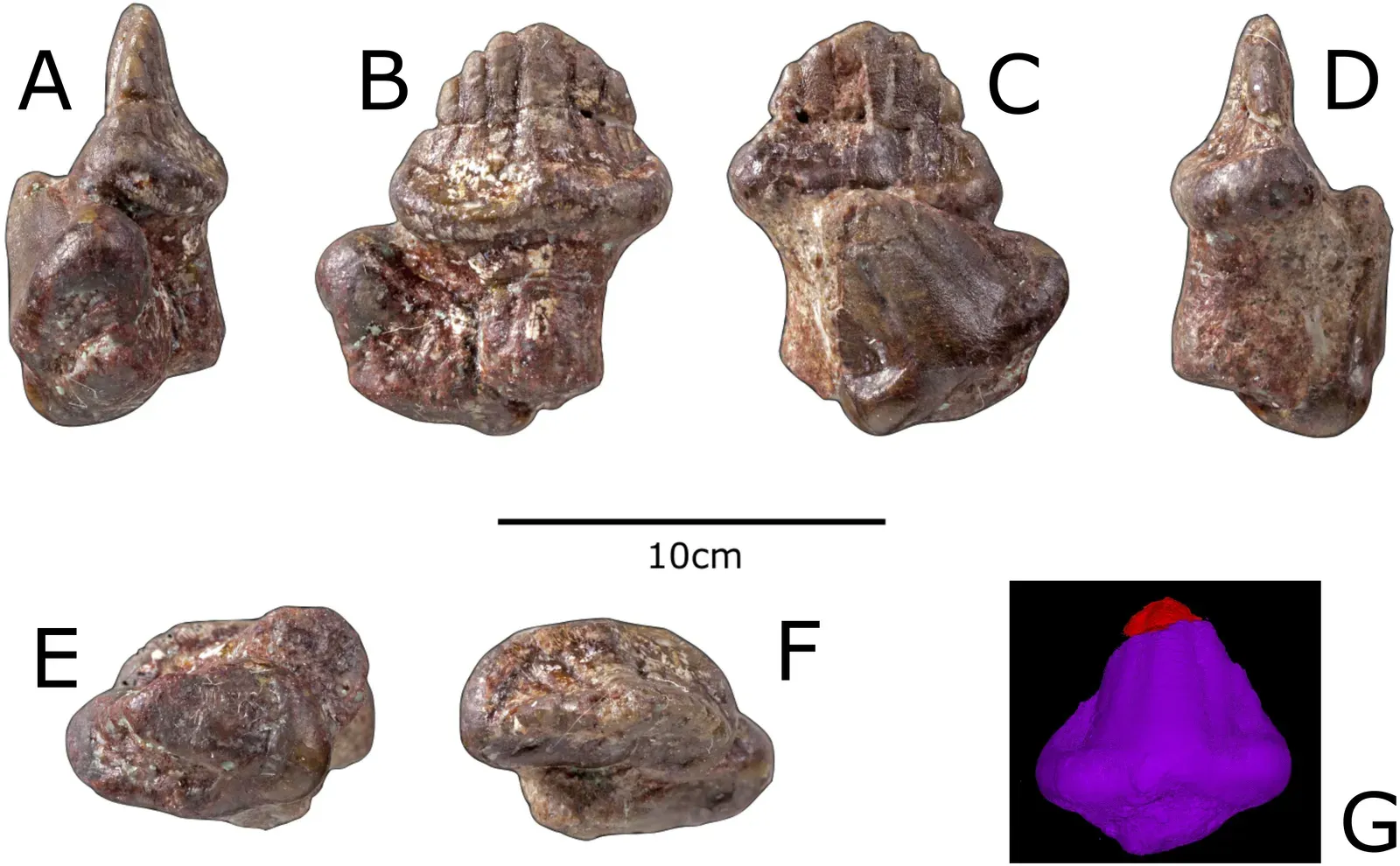
Imagine trying to understand a sealed treasure chest without ever opening it. That is essentially what paleontologists faced for generations, staring at fossils still locked inside rock and unable to extract them without causing damage. That problem has been transformed almost entirely by X-ray computed tomography, or CT scanning. Paleontology has undergone a revolution in recent years thanks to advancements in imaging technology, and among these, X-ray CT has emerged as a transformative tool, allowing researchers to peer into the depths of fossils without damaging these precious remnants of the past.
In recent years, 3D surface digitization tools for fossils have been extensively used in paleontology, and these innovative techniques allow researchers to produce digital replicas of fossils using computed tomography, laser scanning, or photogrammetry. Think of it like getting a full medical scan of a dinosaur skull, layer by layer, without ever touching it with a chisel. Paleontologists have always dedicated themselves to uncovering previously unseen aspects of life on Earth, and new imaging technology is taking them further toward that goal than ever before, using high-resolution X-ray microtomography to look into both the exteriors and interiors of fossils at a microscopic scale, in three dimensions.
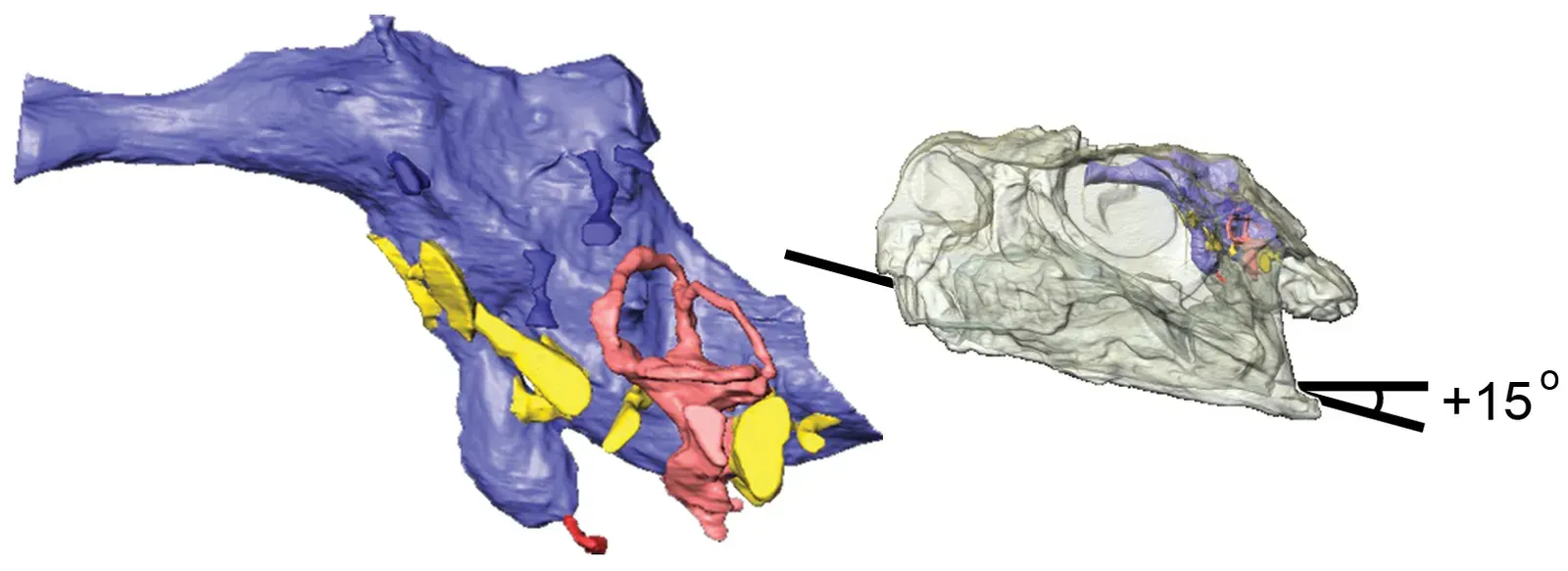
In one compelling example, researcher Lautenschlager studied the skull of a giant theropod dinosaur called Erlikosaurus andrewsi, which belonged to the same lineage as Tyrannosaurus rex but was, improbably, an herbivore with a beaked snout. When a scholar visiting from the University of Mongolia brought the fossil to the United Kingdom, it was still partially embedded in stone, and Lautenschlager and his collaborators performed a micro-CT scan to peer inside, virtually restoring missing pieces of the cranial skeleton, beak, and jaw muscles. The result was a full reconstruction of what this strange animal looked like when it was alive roughly 90 million years ago. Without a single hammer strike on the fossil itself.
Deep Learning Steps In: How Artificial Intelligence Is Reclassifying the Past
Here’s the thing about paleontology that people often overlook. It has always been, at its core, a human judgment exercise. Experts would look at a bone, a footprint, a tooth, and make a call based on decades of experience. That is valuable. But it is also surprisingly vulnerable to bias. Machine learning has become an increasingly powerful tool for addressing various challenges in paleontology, including fossil identification and taxonomic classification, and in recent years ML techniques, particularly deep learning and computer vision, have been increasingly adopted for tasks such as morphological analysis, paleoecological inference, and data-driven taxonomic revision.
Recent developments in deep learning have opened the possibility for automated segmentation of large and highly detailed CT scan datasets of fossil material, though previous methodologies required large amounts of training data to reliably extract complex skeletal structures. Researchers have now presented a method for automated deep learning segmentation to obtain high-fidelity 3D models of fossils digitally extracted from the surrounding rock, training the model with less than one to two percent of the total CT dataset. That is a staggering efficiency leap. What used to take months of manual processing can now happen in a fraction of the time. This workflow has the capacity to revolutionize the use of deep learning to significantly reduce the processing time of such data and boost the availability of segmented CT-scanned fossil material for future research outputs.
DinoTracker: The AI App That Reads Footprints Like a Detective
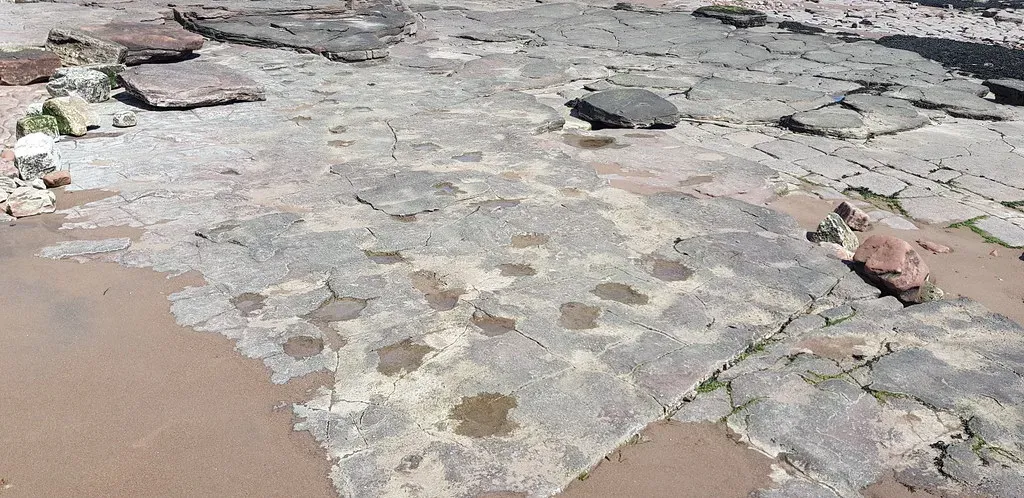
You might not immediately think of a smartphone app as a serious scientific instrument. Yet right now, one called DinoTracker is doing something that stumped experts for over a century. Dinosaur footprints have always been mysterious, but this new AI app is cracking their secrets. DinoTracker analyzes photos of fossil tracks and predicts which dinosaur made them with accuracy rivaling human experts, and along the way it uncovered footprints that look strikingly bird-like, dating back more than 200 million years, a discovery that could push the origin of birds much deeper into prehistory.
The AI system was trained on nearly 2,000 real fossil footprints, along with millions of additional simulated examples, with these extra variations designed to reflect realistic changes such as compression and edge displacement that occur as footprints are preserved over time. Think of it as teaching the system to account for all the messy, imperfect ways real history leaves its mark. The algorithm achieved around ninety percent agreement with the classifications made by human experts, even for contentious species. Most intriguingly, the network found that several dinosaur tracks made more than 200 million years ago share uncanny features with extinct and modern birds, suggesting that birds could have originated tens of millions of years earlier than previously thought. That is the kind of conclusion that rewrites textbooks.
Soft Tissue Surprises: When Fossils Are More Than Just Bones
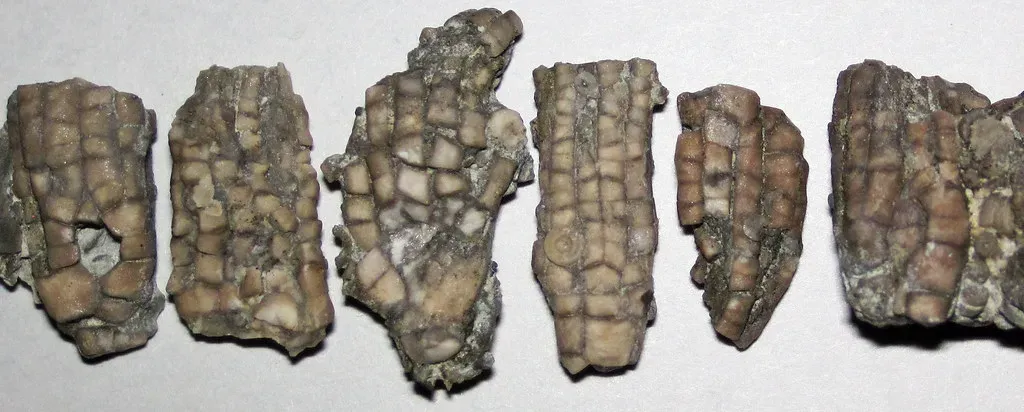
For most of history, the assumption was clean and simple: when a dinosaur died, its soft tissue rotted away, and only its mineralized bones survived. That assumption turned out to be wrong in ways that are still shaking the scientific community. For the past two decades, paleontologists have been able to study soft-tissue samples from prehistoric fossils, and back in 2005, Mary Schweitzer became the first person to find still-soft and flexible tissues in a dinosaur bone, specifically the 68-million-year-old leg of a Tyrannosaurus rex. Honestly, when you first hear that, it sounds impossible.
Soft tissue preservation in fossils does not seem to depend upon the species, age, or burial environment of the fossils in question, according to new research from North Carolina State University, with the work providing further evidence for the preservation of soft tissues and structures through deep time and potentially serving as a methodological framework for other researchers. In 2025, researchers tested specimens from six different dinosaurs ranging between 65 and 85 million years old. The researchers were able to retrieve vessels from all six specimens, though they varied in quality, and they also found evidence of peptides and proteins that were not microbial in origin, suggesting that they could be original preserved molecules. The implications of that are almost too big to absorb.
The Hidden Clock Inside Dinosaur Eggshells
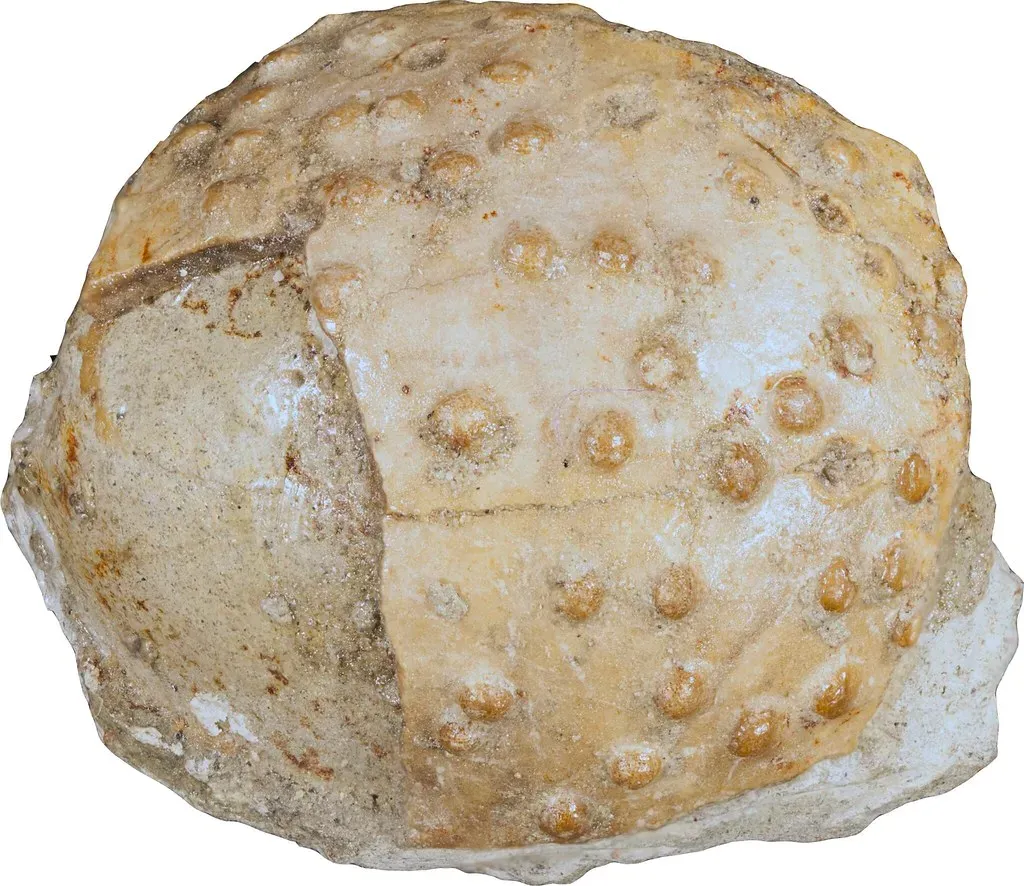
Dating dinosaur fossils has always been tricky business. The most reliable method relies on a mineral called zircon, found in volcanic ash layers near fossil sites. No ash nearby? Then you’re often stuck guessing. It is very challenging to determine how many millions of years old a dinosaur fossil is, and to do so, scientists rely on a special mineral called zircon that is common in volcanic ash. But no ash, no zircon, no age. Paleontologists now hypothesize that they can use dinosaur eggs, since other radioactive isotopes in the eggshell itself seem to be datable in the exact same way, meaning that even a tiny, broken fragment of fossil eggshell could finally allow researchers to calculate how old these deposits were when volcanic ash is not present.
Researchers have found that fossilized dinosaur eggshells contain a natural clock that can reveal when dinosaurs lived, and the technique delivers surprisingly precise ages that could revolutionize how we date prehistoric life. Let that sink in. A fragment of ancient eggshell, something that would have been overlooked as debris in earlier eras, could now carry a timestamp with the precision of a laboratory clock. It is a brilliant reminder that the tiniest fragments of the prehistoric world carry far more information than we ever imagined. From reinterpretations of iconic predators to ancient trackways that capture fleeting moments of Jurassic life, this year’s research showed how much information is still locked inside bones, teeth, and footprints that have been studied for decades.
Metabolic Molecules Inside Ancient Bones: A Window Into Dinosaur Biology
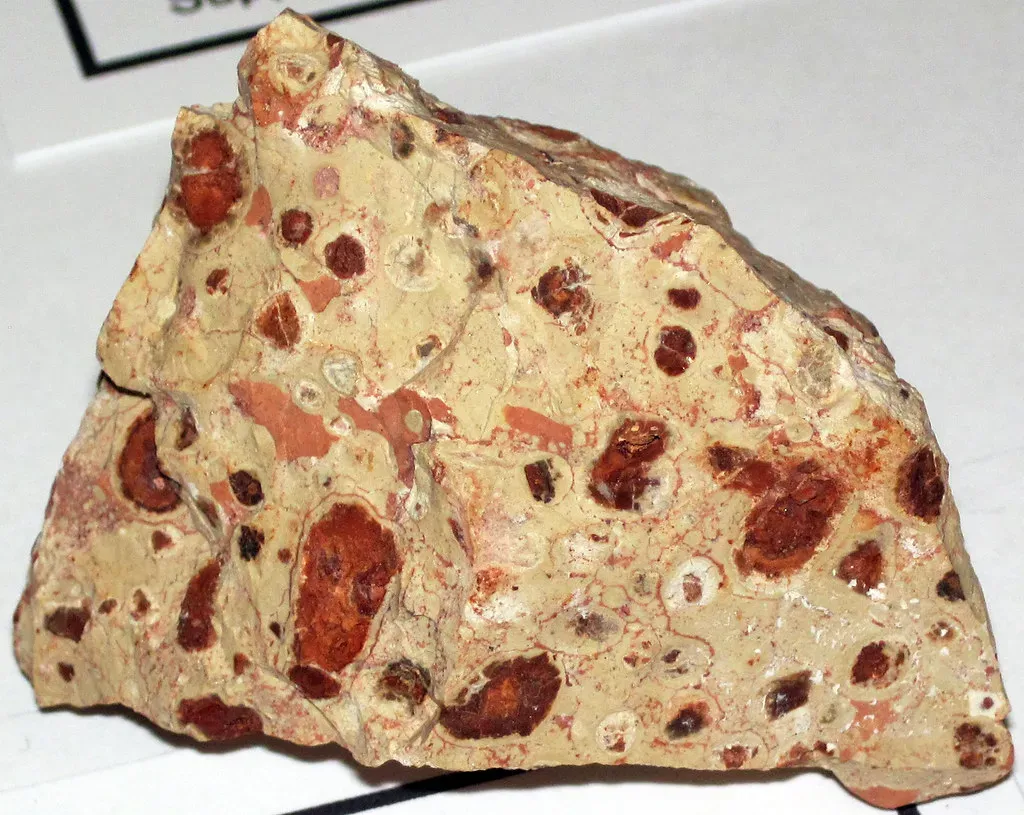
It is one thing to know what a dinosaur looked like. It is another thing entirely to understand how it actually functioned as a living creature. How did it metabolize food? How fast did it grow? Was it warm-blooded? Researchers have uncovered thousands of preserved metabolic molecules inside fossilized bones millions of years old, offering a surprising new window into prehistoric life. Thousands. Inside bones that have been sitting underground since before humans existed.
This kind of molecular paleontology builds on advances in chemistry and biochemistry that were never originally designed for fossil research. Present-day advances in molecular analyses and scanning techniques generate valuable new data to test old and recent systematic problems and provide a revolution in systematic paleontology. What you get from that revolution is not just dry taxonomic data, but a genuine peek into the living biology of animals that vanished from Earth roughly 66 million years ago. These findings not only diverge from textbook descriptions of the fossilization process, they are also yielding fresh insights into the biology of bygone creatures, including evidence from one T. rex specimen that the animal was a female preparing to lay eggs when she died, information that could not have been gleaned from the shape and size of the bones alone. That level of biological detail from a fossil is, to put it simply, extraordinary.
Dinosaurs Thriving Until the Very End: Rewriting the Extinction Story
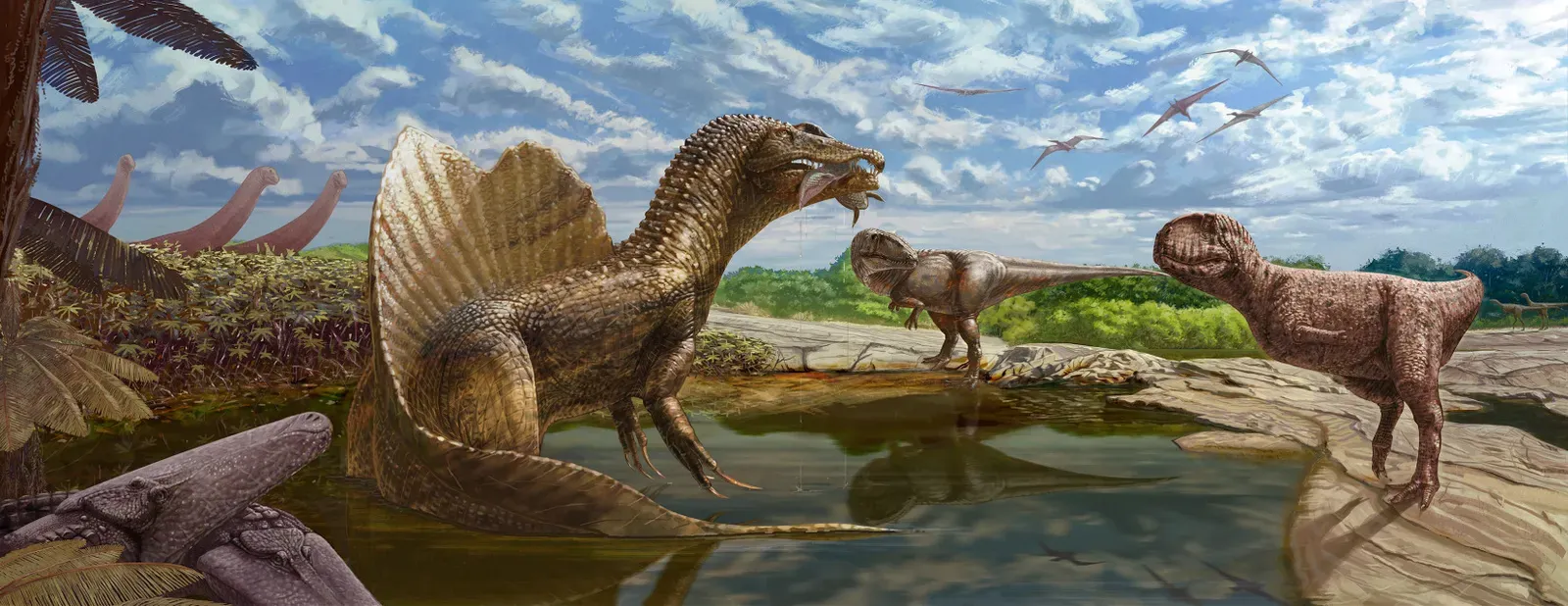
One of the oldest debates in paleontology is whether dinosaurs were already declining when the asteroid hit, or whether they were thriving right up until that catastrophic moment. For a long time, the evidence seemed to suggest a slow, gradual fade. New discoveries are telling a very different story. There has been a long debate over whether dinosaurs were slowly going extinct prior to the asteroid, or if this main event singularly did them in. New finds in New Mexico reveal a species-rich and diverse dinosaur ecosystem thriving literally just before the impact, and coupled with other sites in North America, this research reveals that dinosaurs might have kept going if space had not intervened.
Dinosaurs may be long extinct, but recent discoveries made it abundantly clear that they are anything but settled science. Over the past year, new fossils, reanalyses of famous specimens, and the use of increasingly sophisticated tools have continued to upend what we thought we knew about how these animals lived. I think that is the most exciting part of all this. You might expect a field that studies creatures dead for 66 million years to be running out of surprises. Instead, it seems like every new technique paleontologists get their hands on tears open another chapter. With the year 2025 stomping its way to a close, researchers were left looking back at another stunning year of dinosaur discoveries, with the field so rich in research that paleontologists were still getting important new finds into press as the year drew to a close. The pace shows absolutely no signs of slowing down.
Conclusion: The Dinosaur Story Is Far From Over
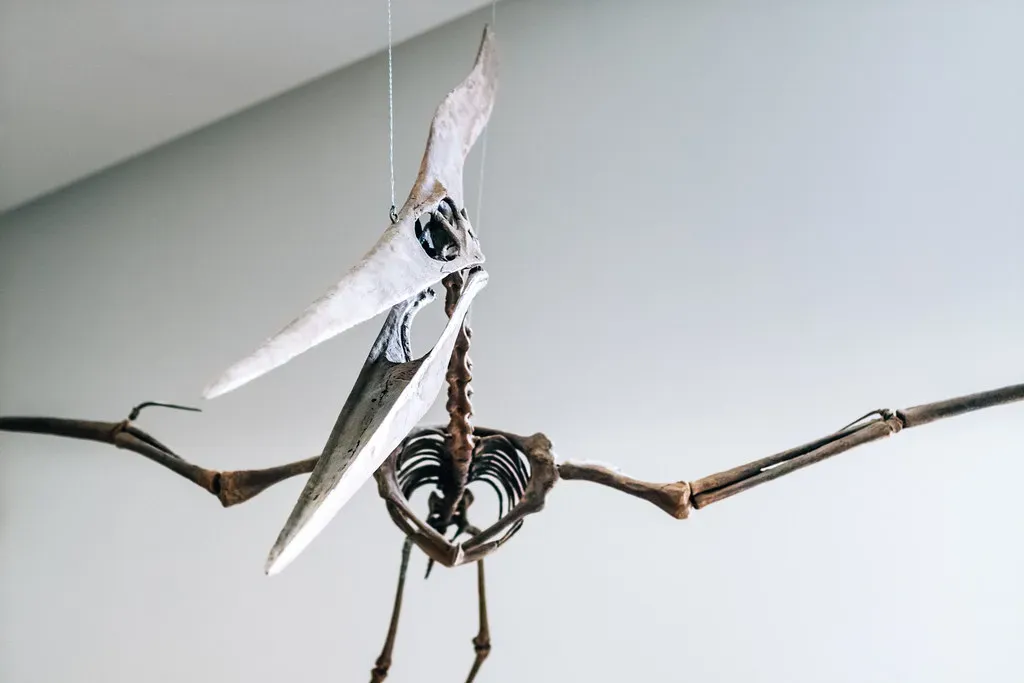
What you are witnessing in paleontology right now is not just incremental progress. It is a full-scale transformation of how science recovers the past. CT scanners peer through solid rock. AI reads ancient footprints with near-human precision. Soft tissue pulled from 80-million-year-old bone reveals biological detail that defies everything the textbooks once claimed. Eggshell fragments carry timestamps. Metabolic molecules tell you how a long-dead creature lived, not just what it looked like.
The dinosaurs are not done revealing their secrets. Not even close. Every new tool scientists develop seems to peel back another layer of a story that is far richer, far stranger, and far more surprising than anyone anticipated. The past is not fixed. It is being actively rewritten, sometimes daily, by researchers willing to ask questions that once seemed unanswerable. What part of the dinosaur story do you think will be rewritten next? Drop your thoughts in the comments.