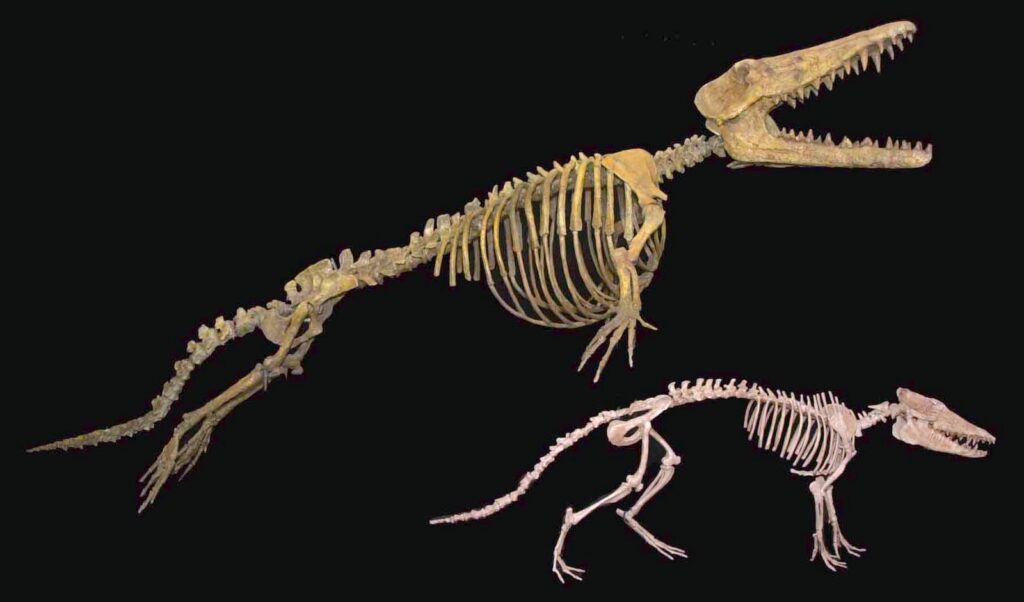
Imagine being able to walk through a jungle that existed 100 million years ago, seeing every predator, feeling the humidity, knowing which trees towered over which rivers. That sounds like pure science fiction, right? Honestly, it’s closer to reality than most people realize. Paleontology, once the lonely domain of dusty hammers and hand chisels, has been quietly transformed into one of the most technologically electrifying sciences on the planet.
What’s happening right now, in labs and excavation sites around the world, is nothing short of a revolution. The tools scientists are using today would have seemed almost magical to researchers just a generation ago. You’re about to discover exactly how they work, what they’re uncovering, and why the story of ancient life on Earth is being completely rewritten. Let’s dive in.
The End of “Just Digging Things Up”: How the Old Methods Are Being Left Behind
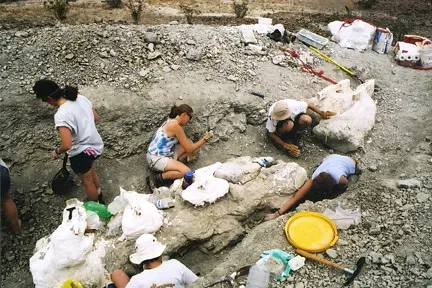
Traditional methods such as manual reconstruction, molding, and casting, though foundational, were often time-consuming and risked damaging valuable specimens. Think about that for a second. Scientists were essentially gambling with irreplaceable objects every time they lifted a tool. A skull that survived 70 million years underground could be ruined in an afternoon by a careless brush stroke.
Paleontology has experienced a transformative shift with the advent of digital technologies. In response to those old limitations, the field has embraced “virtual paleontology,” which employs three-dimensional digital tools to reconstruct, visualize, and study fossils. The shift isn’t just incremental. It’s a complete overhaul of how scientists engage with ancient life, turning fragile rock into rich, interactive data.
Virtual Paleontology: Building the Past Pixel by Pixel
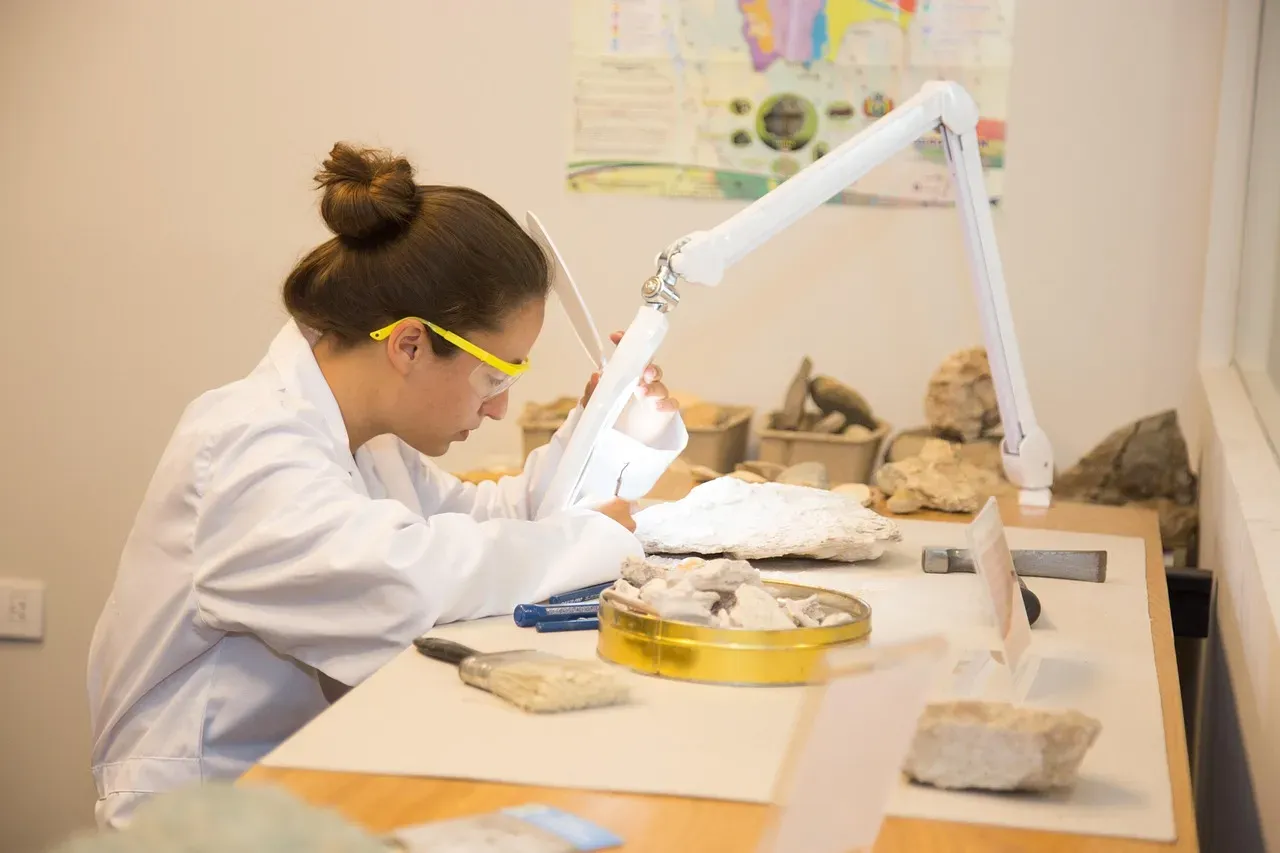
Recent advancements in digital technology have revolutionized paleontology, offering unprecedented opportunities for data utilization in research and science communication. Creating, preparing, and dissecting a “virtual” fossil involves segmentation, rendering, animation, stereo-anaglyphy, data storage, and dissemination. It’s a bit like performing surgery on a patient you never have to touch. The fossil stays safe while scientists disassemble it layer by layer on a screen.
With 3D models, scientists can manipulate specific parts of the specimen for further study, replace missing sections with data from another part of that bone, or digitally reconstruct skulls or other complex structures that have been flattened or distorted during fossilization. Soft tissues, such as the inside of the brain case, or muscles that attach at discernible points on the bones, can also be virtually reconstructed. What this means in plain terms is that you can now see how a dinosaur’s brain was shaped, or how a fish 5 million years old used its jaw, without breaking a single gram of the original fossil.
CT Scanning: The X-Ray Vision That Changes Everything
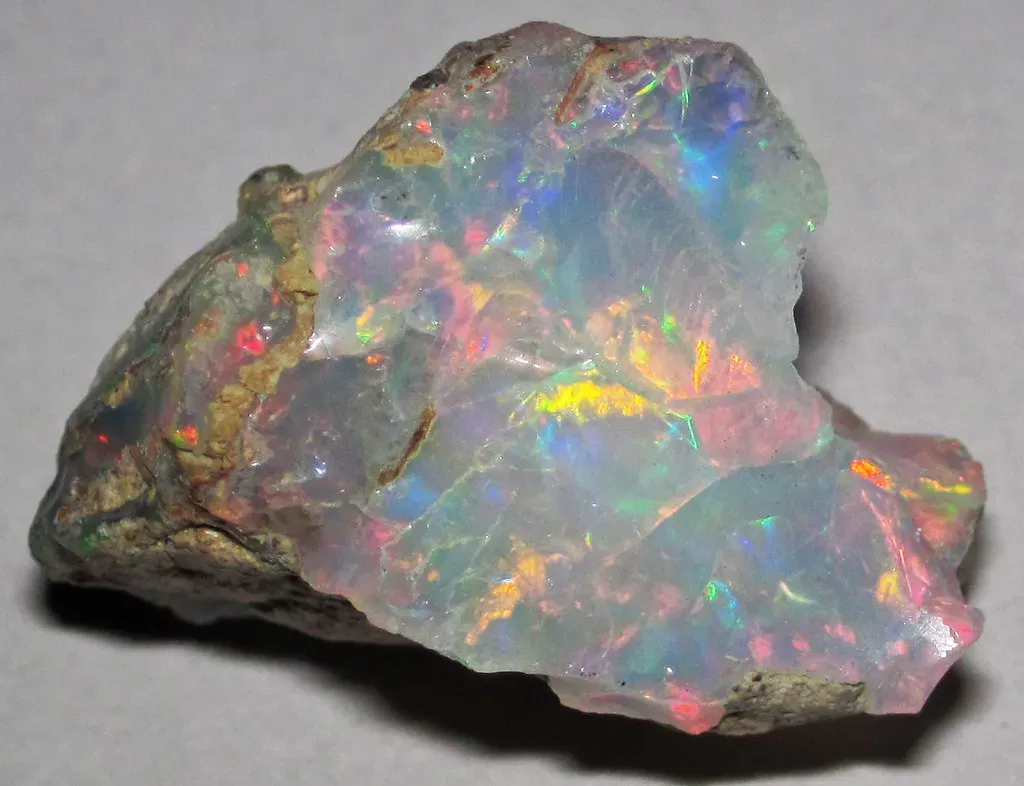
X-ray computed tomography (CT) has emerged as a transformative tool in paleontology, allowing researchers to peer into the depths of fossils without damaging these precious remnants of the past. This non-invasive technique is particularly valuable when studying complex and massive specimens, such as the Apatosaurus, and ancient creatures like prehistoric salmon, offering new insights into their anatomy and behavior. Here’s the thing: this is the same basic technology used in hospital scanners, just applied to rocks instead of people.
CT scanning is an advanced nondestructive technique used to investigate the internal structure of fossils by acquiring thousands of serial images to produce accurate internal morphological 3D reconstructions. CT has been described as one of the most powerful analytical tools available for investigating the anatomy and morphology in paleontological contexts. For fossil analysis, this non-invasive technique can be invaluable for revealing specimen internal structures, with micro CT in particular revolutionizing the study of ancient life.
Artificial Intelligence Steps In: Teaching Machines to Read the Fossil Record
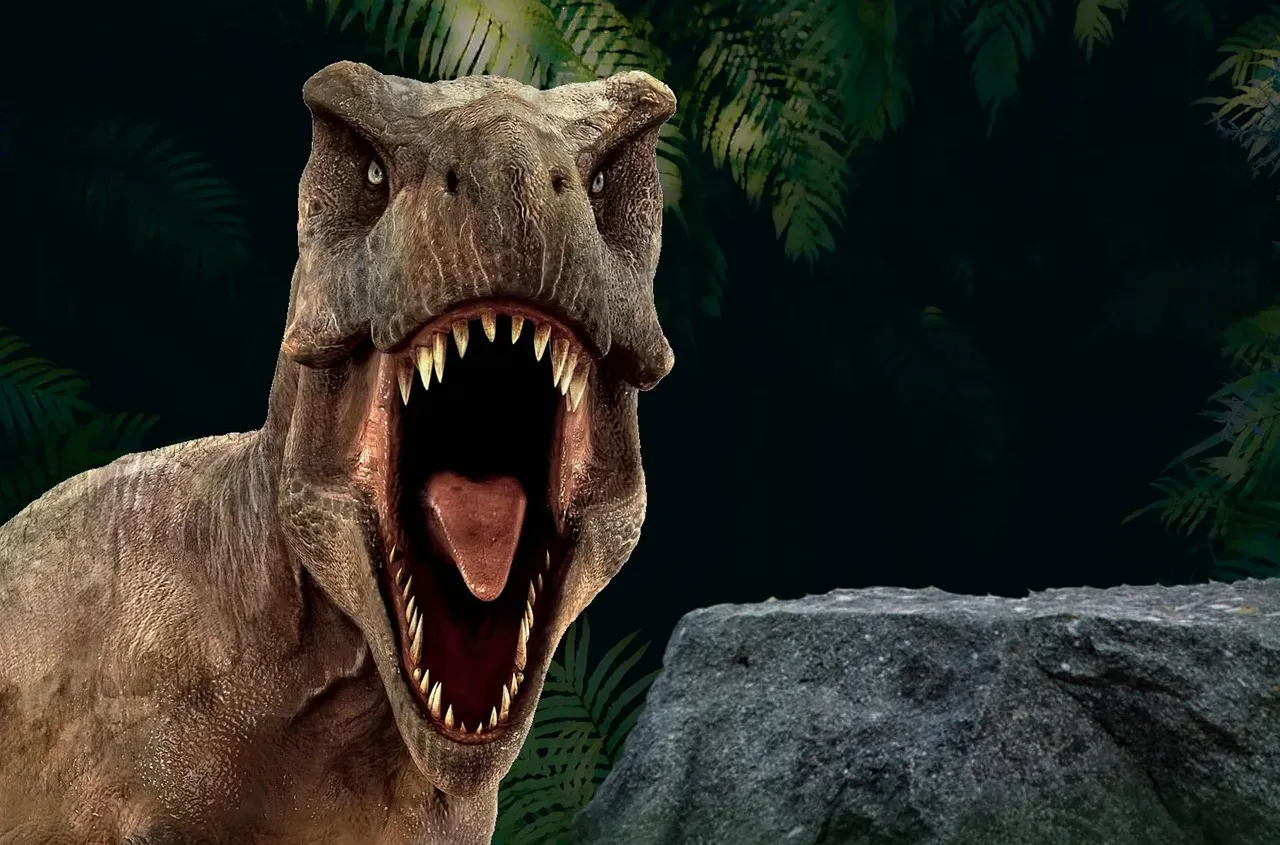
Machine learning has become an increasingly powerful tool for addressing various challenges in paleontology, including fossil identification and taxonomic classification. In recent years, machine learning techniques, particularly deep learning and computer vision, have been increasingly adopted for tasks such as morphological analysis, paleoecological inference, and data-driven taxonomic revision. Think of it like training a dog to sniff out a specific scent, except the dog is a neural network and the scent is the microscopic shape of a 400-million-year-old shell.
The integration of artificial intelligence, particularly machine learning algorithms trained on digitized fossil databases, enables the automated classification of fossil morphologies, the detection of taphonomic signatures, and the prediction of paleoenvironmental conditions with increasing accuracy. Chatbot-based interfaces further support data curation, retrieval, and annotation, fostering more accessible, collaborative, and real-time engagement with large, multimodal paleontological datasets. These innovations mark a decisive transition toward a digitally augmented, conservation-oriented fossil science. In 2026, AI is not just a helpful assistant in paleontology. It’s becoming a core instrument.
Ancient DNA and RNA: Unlocking the Genetic Code of Lost Worlds
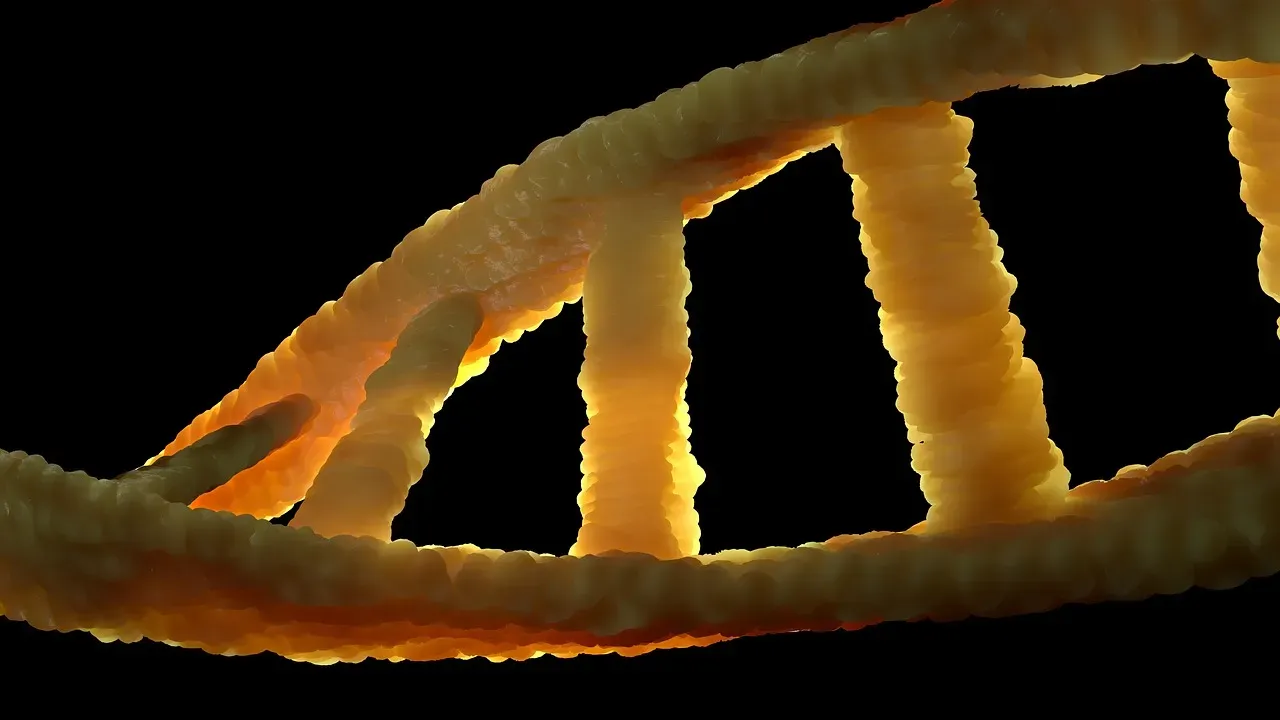
Although most ancient DNA studies have previously focused on the last 50,000 years, paleogenomic approaches can now reach into the early Pleistocene, an epoch of repeated environmental changes that shaped present-day biodiversity. The resulting deep-time datasets enable reconstruction of evolutionary histories across repeated environmental perturbations, refining understanding of adaptive evolution, community organization, and ecosystem resilience. That’s not just about knowing which animals lived where. It’s about understanding why ecosystems survived or collapsed under pressure.
Perhaps the most jaw-dropping molecular breakthrough of recent years involves ancient RNA. In 2025, scientists extracted and sequenced ancient RNA from 39,000-year-old woolly mammoth tissues, a breakthrough because RNA degrades much faster than DNA and almost never fossilizes. RNA reveals physiology, gene regulation, and cellular activity that DNA alone cannot show. Honestly, when you consider that RNA was thought to be essentially impossible to recover from deep time, this is one of the most astonishing scientific achievements in recent memory.
Chemical Imaging and Synchrotron Technology: Reading the Invisible
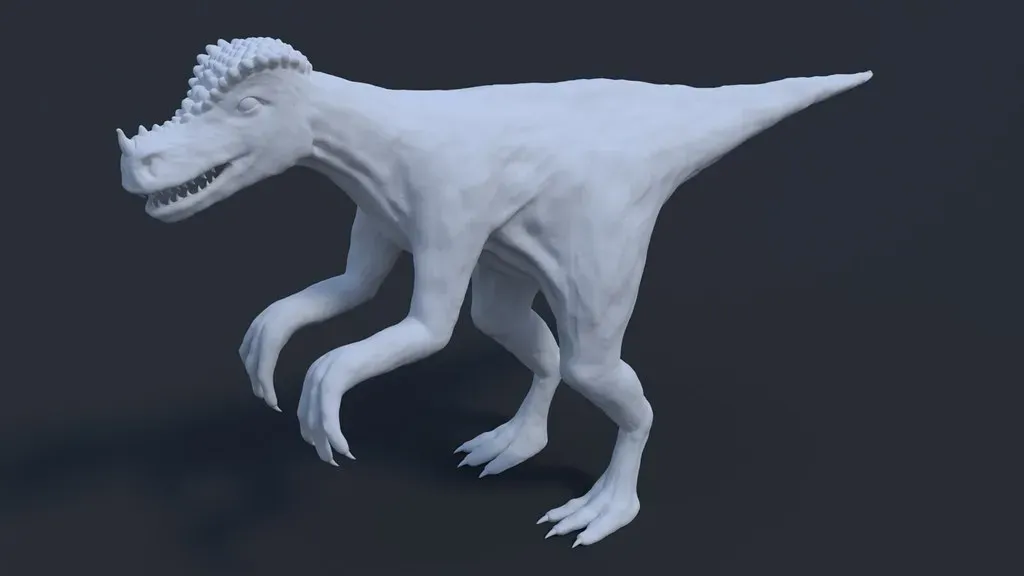
In terms of paleontology, synchrotron radiation has helped analyze preserved organic molecules, map minerals and fossils, and create elemental maps down to the nano-scale, identifying the crystalline structure of minerals and chemical elements down to trace concentrations, discriminating between fossilized tissues based on their elemental concentrations. By using different synchrotron radiation-based techniques, researchers have been able to identify metallic residues coming from melanic pigments, create 3D images of fossils, and even map organic tissue patterns. This is basically forensic science applied to prehistoric life.
In paleontology and paleobiological studies, X-ray fluorescence microanalysis can be used for detailed analysis of morphologic features defined by elemental changes. Recent work has used elemental analysis of dinosaur plumage, the traces of soft tissue and blood in host rock, and the automatic extraction of fossil features from outcrop scans. Let that sink in: scientists can now detect traces of blood and feather pigments in rock that’s been sitting undisturbed since the age of dinosaurs. That kind of detail was utterly unthinkable not long ago.
Sedimentary Ancient DNA and the Invisible Fossil Record
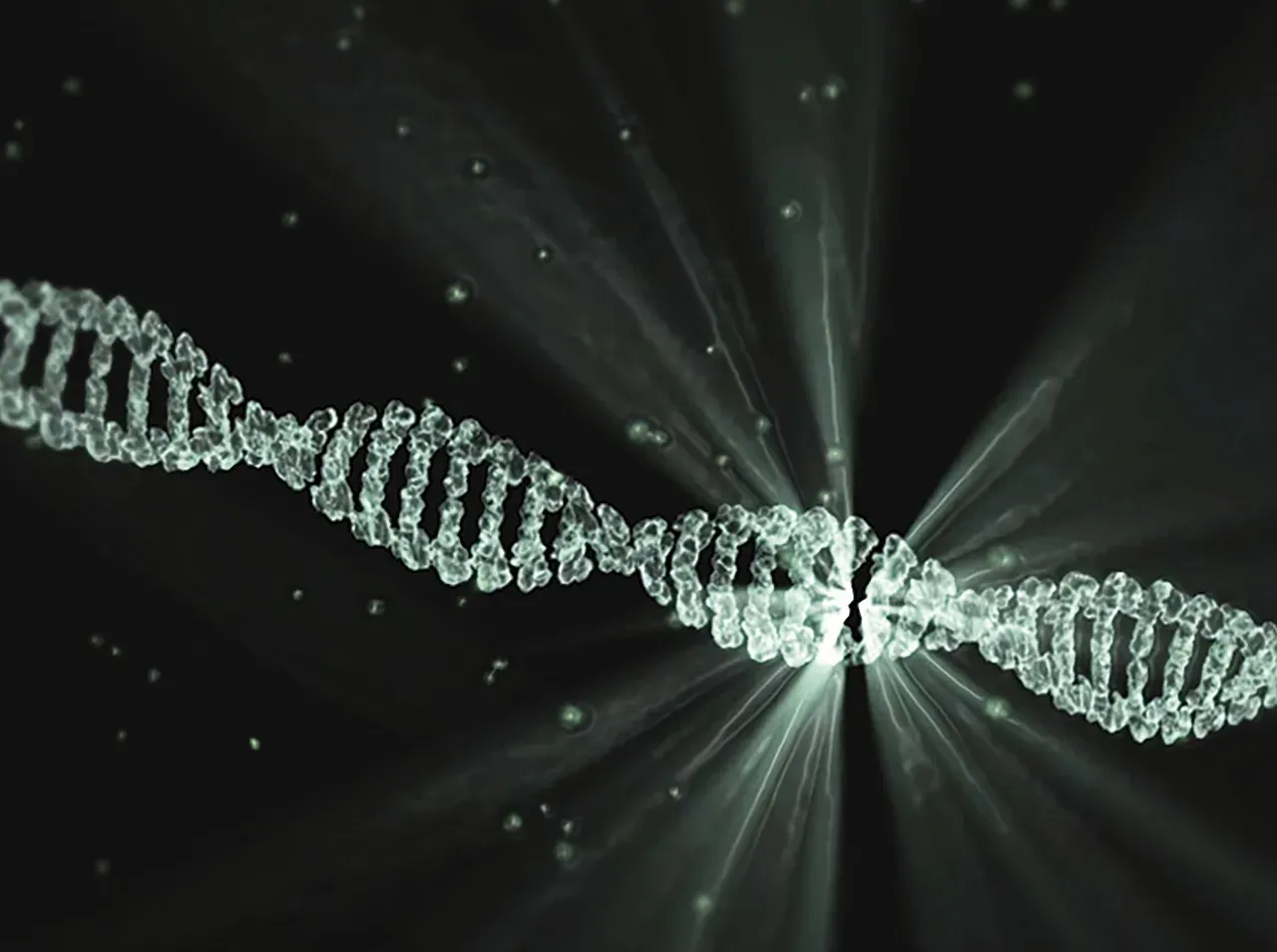
The archaeological and fossil record may not fully capture a region’s species diversity due to degradation and scarcity, hindering accurate reconstruction of past human-environment interactions. Recent studies have shown that ancient DNA in sediments (sedaDNA) can survive even in the absence of visible fossils. This is a staggering discovery. You don’t even need bones anymore to know what lived in a place. The soil itself carries a genetic memory.
Sedimentary ancient DNA opens a window to past biodiversity, beyond the fossil record, that can be used to reconstruct ancient environments and ecosystem functions. To this end, modern biodiversity and environmental conditions are used to calibrate transfer functions, that are then applied to past biodiversity data to reconstruct environmental parameters. Doing this with sedaDNA can be challenging, because ancient DNA is often obtained in limited quantities and fragmented into smaller molecules. It’s a bit like trying to read a full novel from a handful of torn, water-damaged pages. But scientists are getting remarkably good at it.
Conclusion
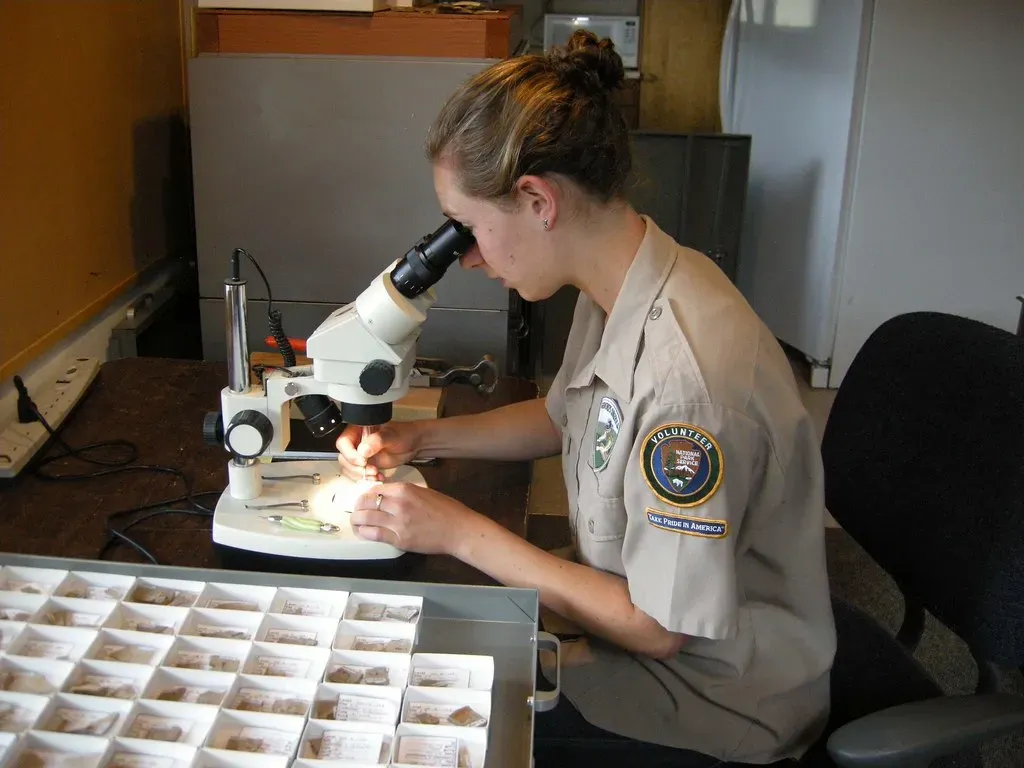
We are living through what may be the golden age of paleontological discovery. You no longer need a complete skeleton to understand how an animal moved, what it ate, or what color its feathers were. Advances in fossil protein sequencing and bone micro-analysis are expected to unlock new biological details from iconic specimens, and renewed attention on ancient forests and early land plants may reveal how ecosystems rebounded after ancient climate shocks. The tools described in this article are not tomorrow’s promises. They are today’s reality.
Studies that link data from ancient and modern ecosystems offer holistic insight into processes spanning long timescales. Time series of taxon occurrences and environmental conditions in the fossil record can complement real-time monitoring to disentangle drivers of community assembly. In other words, understanding the past isn’t just an academic exercise. It actively helps us understand the living world around us right now, and how it might respond to the pressures of a changing climate.
The ancient world is not gone. It’s encoded in rocks, sediments, and scattered molecules, waiting to be read. Every new tool we build helps us hear it more clearly. What do you think is the most exciting breakthrough in this new era of paleontology? We’d love to know your thoughts in the comments.