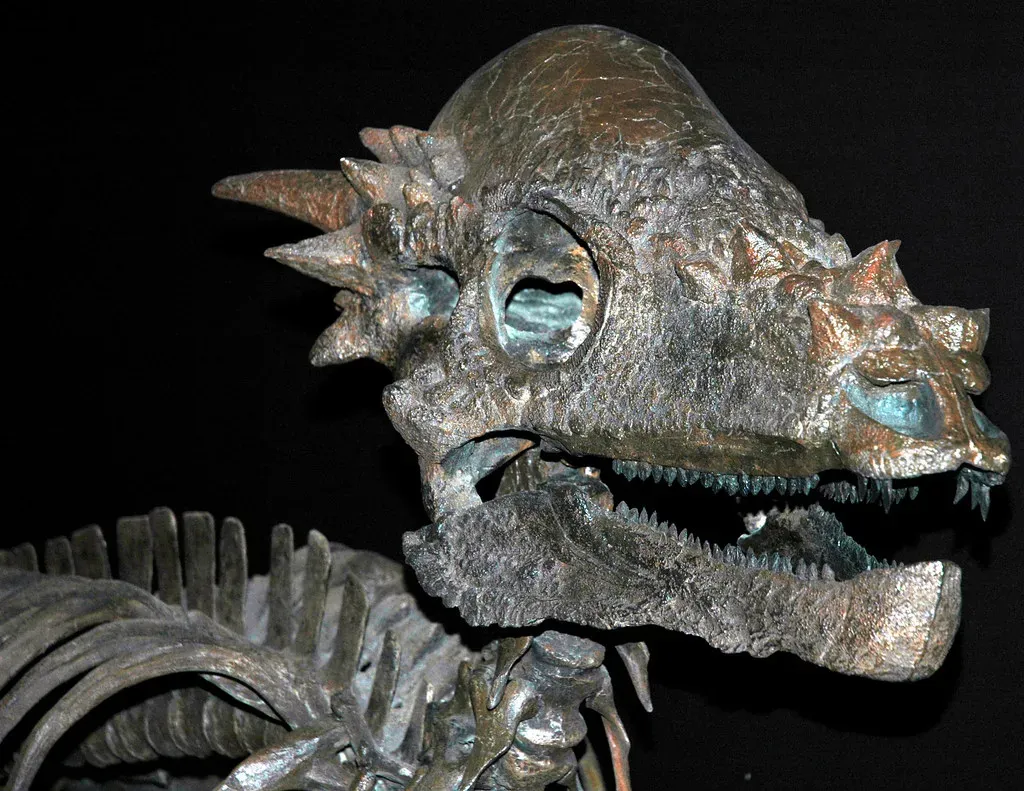
Picture this: a Tyrannosaurus rex, standing nearly four meters tall, scanning the landscape, not just with its eyes and nose, but with a brain that may have been capable of far more nuanced processing than we ever imagined. That image sounds like something ripped from a science fiction screenplay. The truth, however, might be even stranger.
For decades, dinosaurs were caricatured as lumbering, dim-witted giants, relying on instinct more than intelligence. New research and cutting-edge scanning technology are now dismantling that image piece by piece. The science of paleoneurology, the study of ancient brains, is rewriting the story of what life in the Mesozoic actually looked like inside the skulls of its rulers. Buckle up, because you probably never thought a prehistoric brain could spark this kind of debate.
The Old Myth of the Dumb Dinosaur
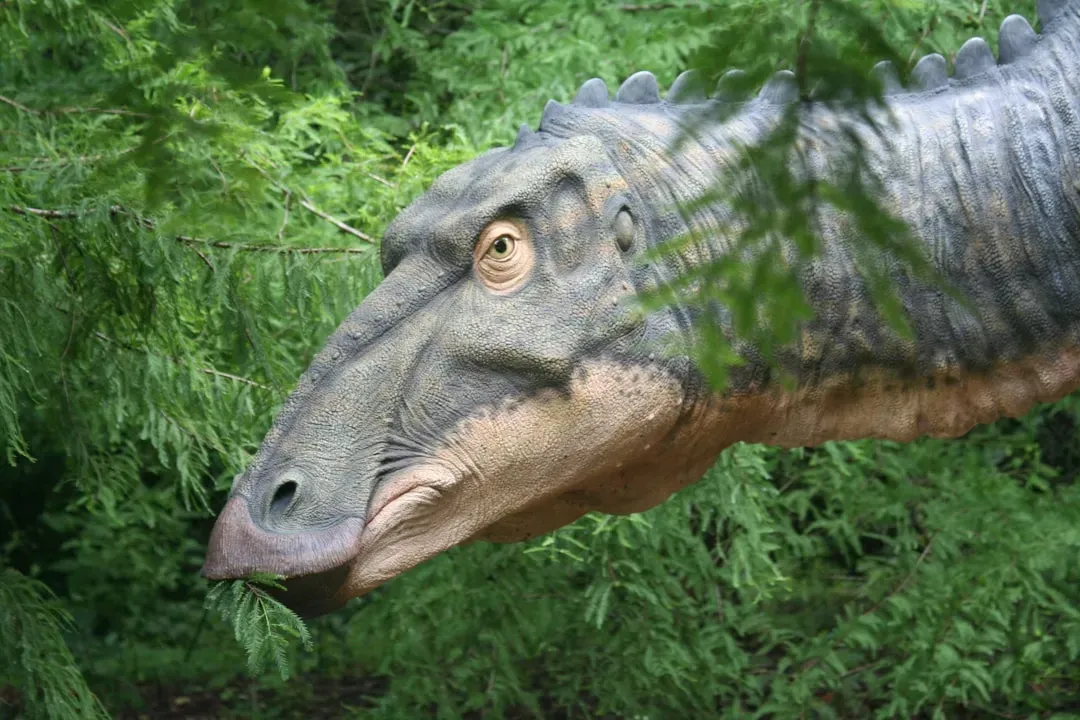
Let’s be real: the dinosaur-as-stupid-beast stereotype has been around since the very first fossils were pulled from the ground. Early assumptions pegged dinosaurs as unintelligent due to their relatively small brain sizes compared to their bodies, aligning them with reptiles. That bias stuck around for a surprisingly long time, shaping everything from museum displays to blockbuster movies.
Here’s the thing, though. Science doesn’t stand still. While dinosaurs were once considered slow-witted, slow-moving reptiles whose very lack of behavioral flexibility and learning skills might have contributed to their demise, many dinosaur species are now recognized to have functioned at an avian level of behavioral complexity. That’s a dramatic shift in thinking, one that changes how you should picture these animals entirely.
What Endocasts Actually Tell You About Dinosaur Brains
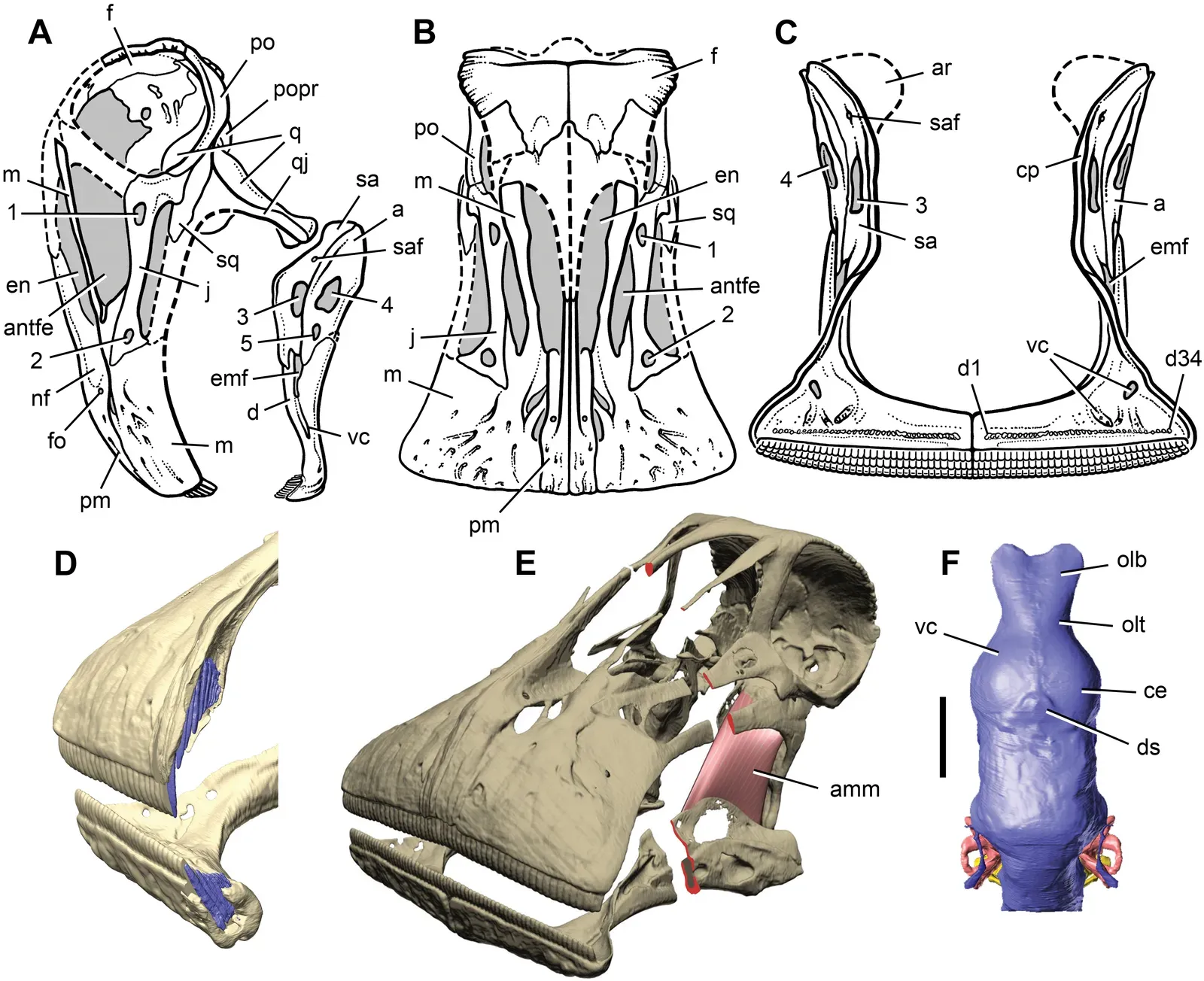
You might be wondering: how do scientists even study the brains of animals that died out 66 million years ago? There’s no preserved brain tissue to examine. Information on dinosaur brains comes from mineral infillings of the brain cavity, termed endocasts, as well as the shapes of the cavities themselves. Think of it like making a plaster mold of the inside of a jug to understand the jug’s shape. It’s clever, if imperfect.
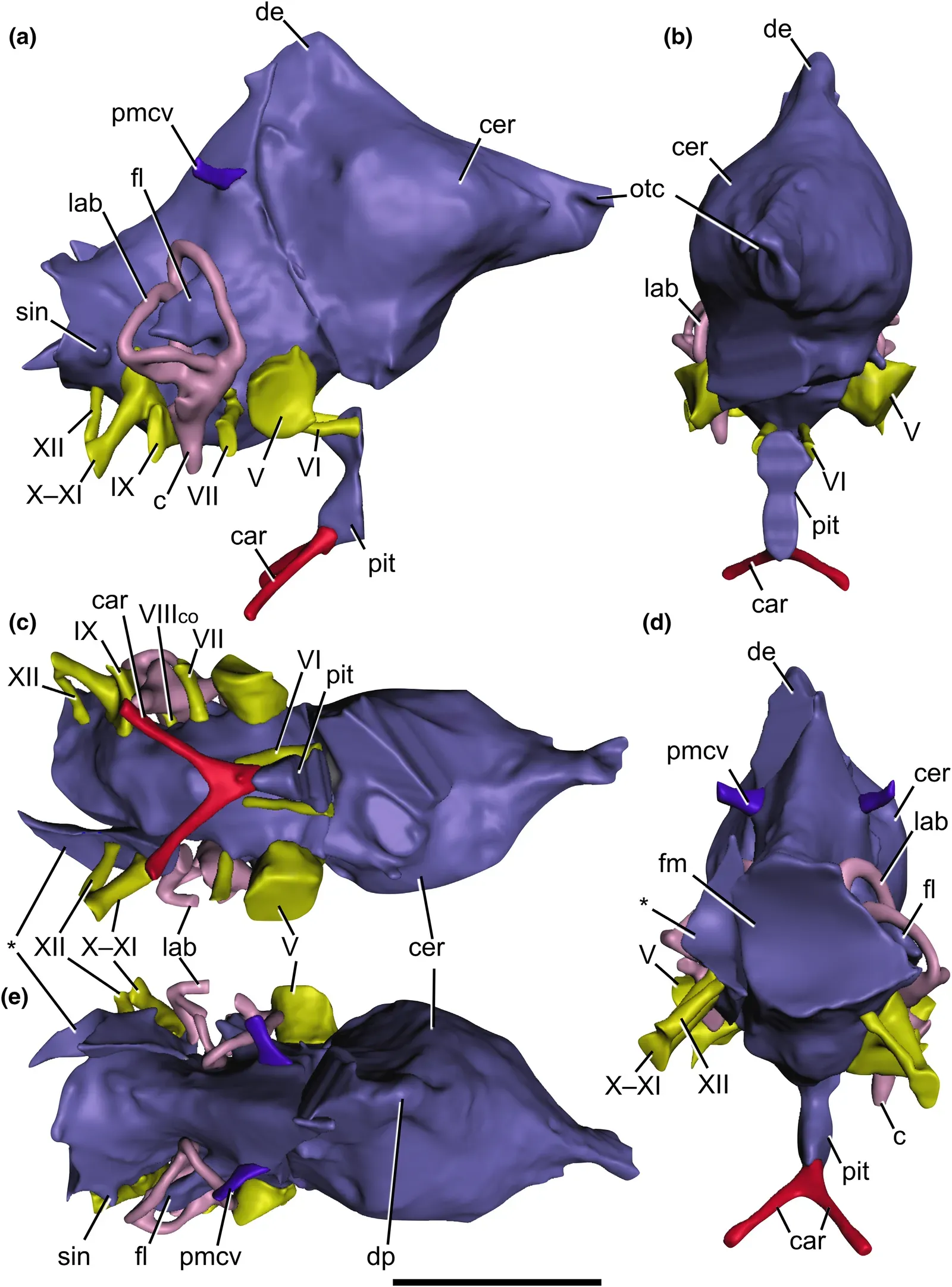
Recent research utilizing computed tomography (CT) has enabled scientists to create accurate models of dinosaur brains, allowing for more comprehensive analyses of their cognitive capacities. With modern CT scanning, researchers can now map cranial nerves, inner ears, and vascular systems with remarkable detail. Fossil endocasts record features of brains from the past: size, shape, vasculature, and gyrification. That’s genuinely impressive for a science that started by eyeballing skull cavities.
The Encephalization Quotient and Why It Matters to You
Advancements in paleontology, particularly the development of the encephalization quotient (EQ) in the 1970s, have shifted scientific views. The EQ measures brain size relative to body mass, suggesting that some dinosaurs, particularly theropods, might have had intelligence levels comparable to modern birds. It’s not a perfect tool by any means, but it opened a whole new way of thinking about prehistoric cognition.
Historically, researchers used the encephalization quotient, which measures an animal’s relative brain size, related to its body size. A T. rex, for example, had an EQ of about 2.4, compared with 3.1 for a German shepherd dog and 7.8 for a human, leading some to assume it was at least somewhat smart. Honestly, comparing a T. rex’s brain rating to a German shepherd’s is one of the more mind-bending things paleontology has ever produced. As absolute brain volume was shown not to be a reliable proxy of intelligence or cognitive ability across animals, Jerison proposed the use of an Encephalization Quotient, the ratio between actual brain size and expected brain size as derived from regression with body size among different reference species.
The Neuron Count Debate That Shook the Scientific Community
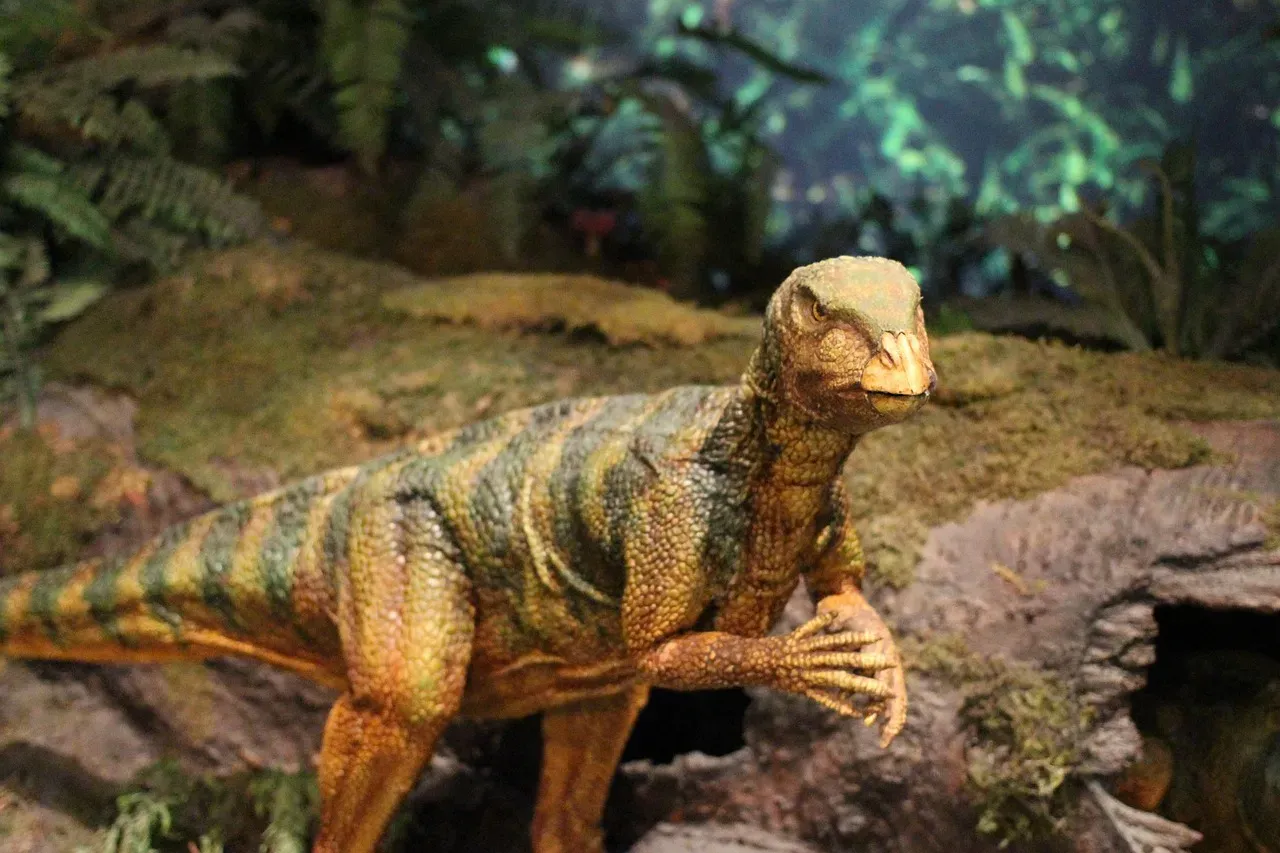
A few years ago, a genuinely explosive claim entered the scientific conversation. In one study, Suzana Herculano-Houzel of the Vanderbilt Brain Institute at Vanderbilt University calculated the likely number of neurons in dinosaurs’ pallium, a brain structure that is responsible for advanced cognitive functions and corresponds to the cortex in mammals. Her conclusions were nothing short of stunning.
By comparing the relationship between brain size, number of neurons and body size in numerous extant bird and reptile species, as well as considering the available fossils of extinct dinosaurs, Herculano-Houzel concludes that a large dinosaur such as Tyrannosaurus rex could have housed two billion to three billion neurons in its pallium, a number similar to that of a baboon. However, not everyone was convinced. The research team that followed found that previous assumptions about brain size in dinosaurs and the number of neurons their brains contained were unreliable, and that brain size had been overestimated, especially that of the forebrain, and thus neuron counts as well. It’s hard to say for sure who is right, and honestly, the debate itself reveals just how complex this science really is.
Brain Architecture: The Real Key to Dinosaur Intelligence
Over 350 million years of separate evolution, mammals and dinosaurs found two rather different ways to organize cognitive functions. The mammalian brain developed the so-called neocortex, in which neurons are organized in a relatively thin layer formed by compact columns. It’s a bit like comparing a densely packed urban subway system to a sprawling highway network. Both can move traffic, but they do it very differently.
Theropod dinosaurs, especially those closely related to birds, showed enlarged cerebrums relative to their brain size, suggesting the potential for more complex cognitive functions. The discovery of dinosaurs like Tyrannosaurus rex having brain-to-body ratios comparable to some modern birds indicates neural complexity beyond basic instinctual responses. Importantly, a new map of a generalized dinosaur brain suggests the possible existence of a cerebrum, a brain part that controls complex cognitive behaviors in mammals, though scientists don’t know what functions dinosaur cerebrums may have controlled.
Herding, Parenting, and Pack Hunting: Social Brains in Action
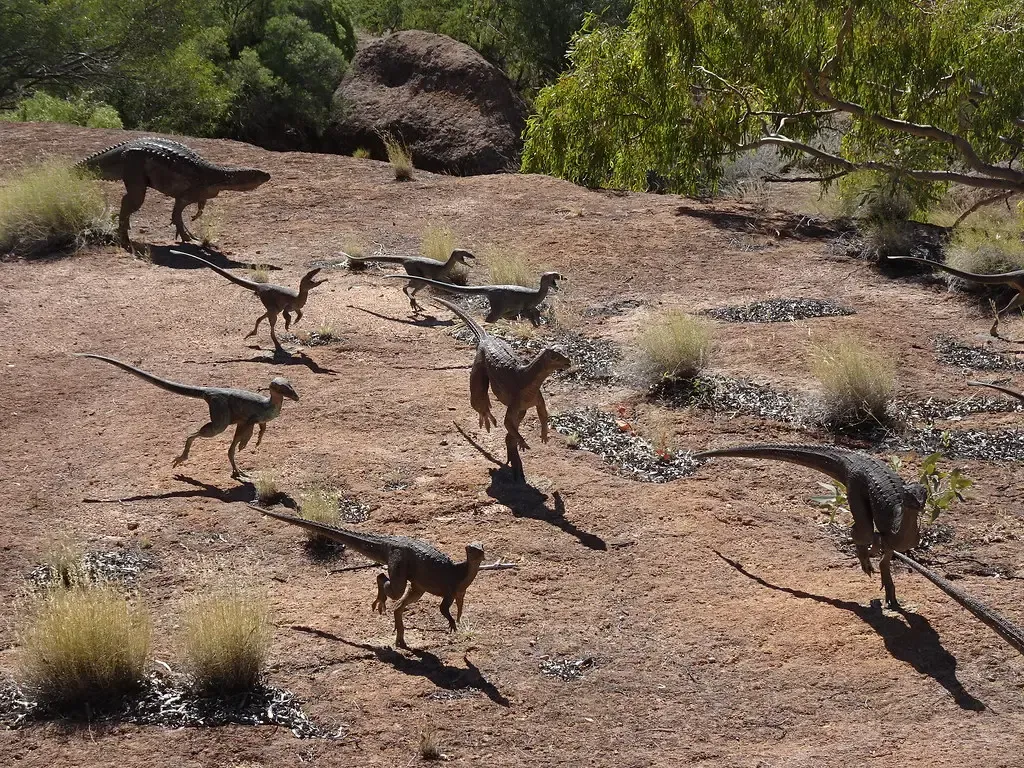
If you want evidence that dinosaur brains were doing something sophisticated, look at their behavior in the fossil record. Studies of dinosaur trackways indicate herding behavior and adult care of juvenile members of the species among various theropod, sauropod, and ornithopod dinosaurs. That kind of organized social life demands real cognitive coordination, not just basic reflex responses.
Discoveries in Patagonia indicate the presence of social cohesion throughout life and age-segregation within a herd structure, in addition to colonial nesting behaviour, providing the earliest evidence of complex social behaviour in Dinosauria, predating previous records by at least 40 million years. On the hunting side, studies of trackways of carnivorous theropod dinosaurs, such as the dromaeosaurid Deinonychus, have provided evidence that they hunted in packs. Such social and parental behaviors are largely uncharacteristic of extant reptiles and are more reminiscent of the flocking, herding, hunting, and parental behaviors shown by birds and mammals.
The Living Legacy: Birds, Brains, and What They Reveal About Dinosaurs
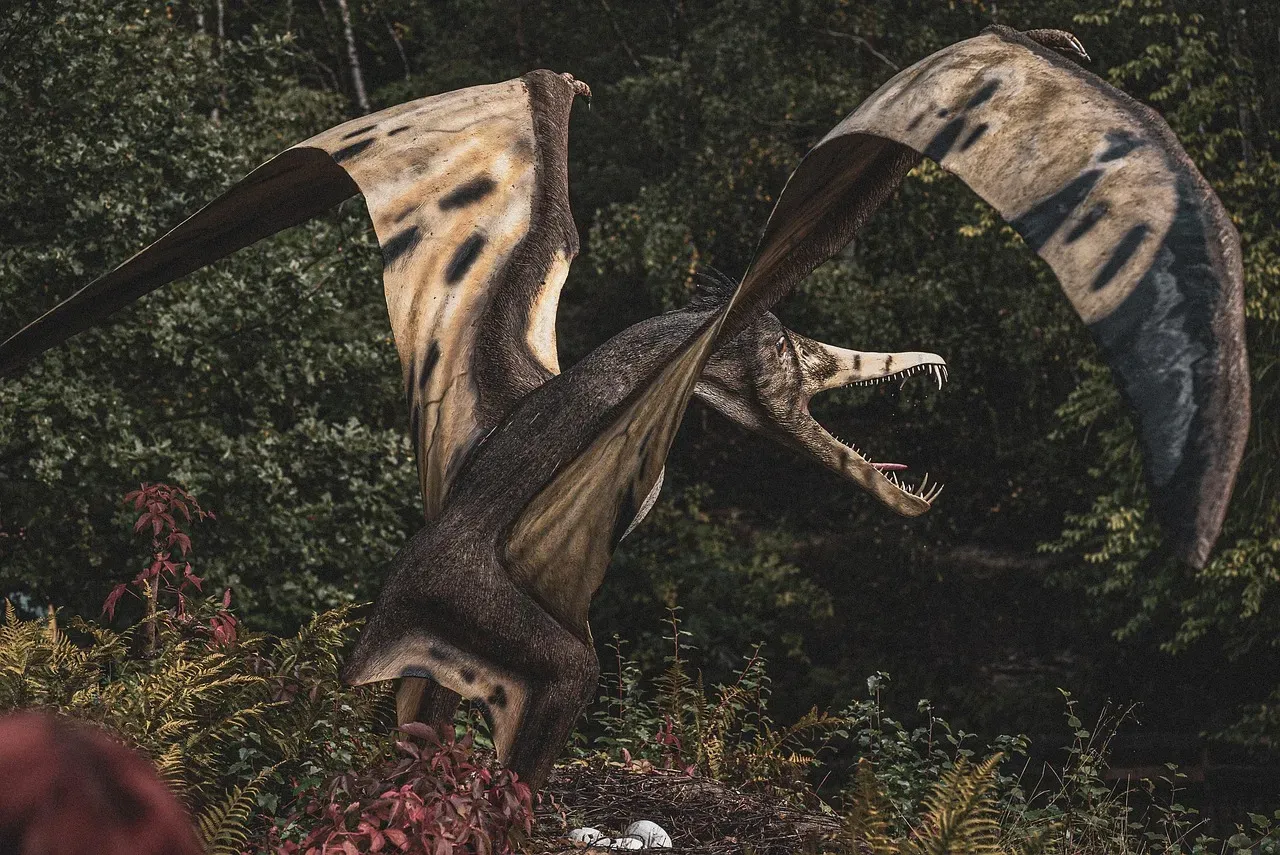
Here’s something that might genuinely blow your mind: birds are, in the most literal scientific sense, living dinosaurs. Researchers describe the study of ancient bird fossils as a kind of “Rosetta Stone” for determining the evolutionary origins of the modern avian brain, filling a 70-million-year gap in our understanding of how the brains of birds evolved between the 150-million-year-old Archaeopteryx and birds living today. Every time you see a crow solve a puzzle or a parrot mimic speech, you are watching dinosaur cognition in action.
The cerebellum swelled in size before flight evolved among modern birds’ dinosaur ancestors, and an analysis of endocasts from ten dinosaur specimens dating to between 90 and 150 million years ago revealed that the volume of the cerebellum expanded in birds’ closest relatives, but not in more distant ones. Researchers suggest the cerebellum was essentially flight-ready before flight even existed. A new study points toward an exciting future for paleoneurology where new neuroscience experiments might be performed to make insights into dinosaur brains, with researchers wanting to see if changes in brain shape observed in endocasts might give hints as to when the earliest bird ancestors began to fly.
Conclusion: The Smartest Question You Can Ask About Dinosaurs
Honestly, the more you dig into this field, the more fascinating it becomes. The old picture of dinosaurs as mindless, instinct-driven machines is well and truly gone. While debates continue regarding the best methods to assess intelligence, whether through absolute or relative brain size, the consensus is that dinosaurs exhibited a range of cognitive abilities, making them some of the most complex animals of their time. Future research may further clarify their intelligence and its implications for understanding the evolution of cognition in both dinosaurs and their avian descendants.
What science is revealing, layer by layer, scan by scan, is that dinosaur brains were genuinely remarkable organs that supported behaviors far richer and more nuanced than we once gave them credit for. To reliably reconstruct the biology of long-extinct species, researchers should look at multiple lines of evidence, including skeletal anatomy, bone histology, the behaviour of living relatives, and trace fossils. The picture that emerges is not of brainless monsters, but of complex, socially active, neurologically sophisticated creatures whose legacy literally flies over your head every single day.
So the next time a crow lands near you and stares with unsettling intelligence, consider this: you might just be locking eyes with the cognitive descendant of a creature that roamed a supercontinent 190 million years ago. What do you think about that?