Have you ever wondered how creatures weighing tons could thrive in environments where freezing darkness lasted for months? You might think of dinosaurs as sun-loving giants, lounging in tropical swamps beneath palm trees. That mental picture has dominated our imaginations for decades. Recent scientific discoveries, however, are rewriting that story in ways that challenge everything we thought we knew about these ancient beasts.
The evidence emerging from fossil sites across the globe paints a dramatically different portrait. From the icy Arctic Circle to scorching desert landscapes, dinosaurs weren’t just surviving in extreme climates. They were thriving, raising families, and dominating ecosystems that would make even modern cold-adapted animals think twice.
Thriving in Polar Darkness: Arctic Dinosaurs Year-Round
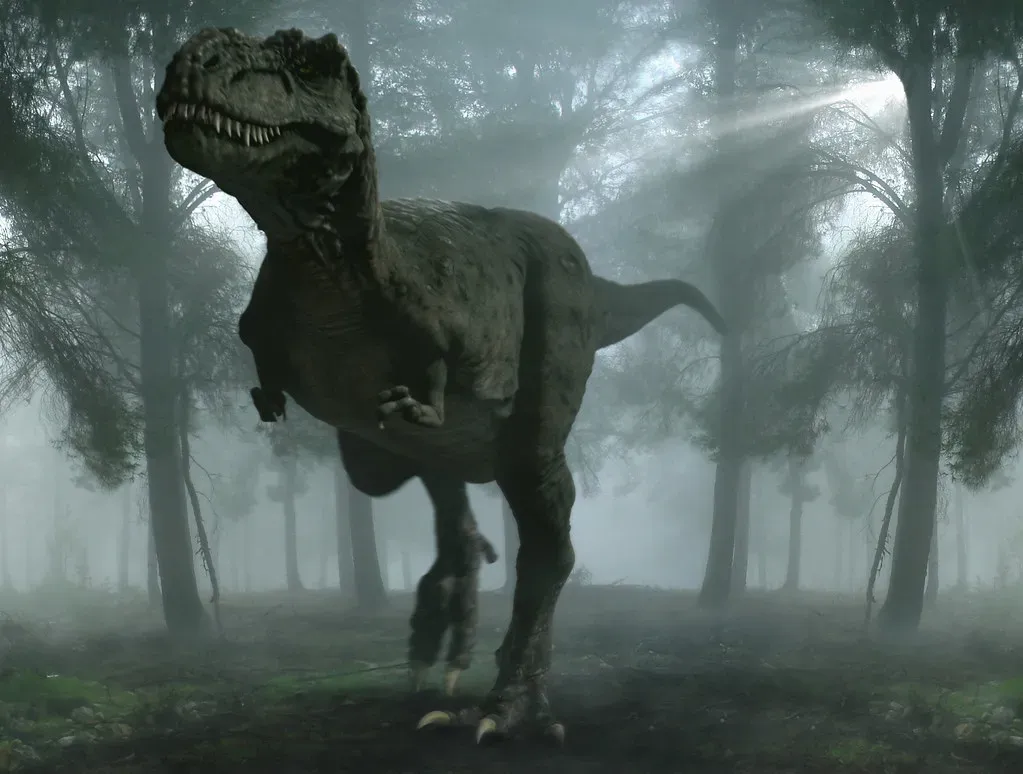
Research in China’s Junggar basin revealed evidence of dinosaurs living above the Arctic circle, indicating their cold-adapted nature. This wasn’t a temporary summer vacation either. Hundreds of bones and teeth from dino hatchlings turned up along the Colville River in northern Alaska.
Here’s the thing that makes this discovery so remarkable: baby dinosaurs can’t migrate long distances. Finding their tiny fossilized remains means these ancient reptiles were nesting, hatching eggs, and raising young in conditions that included months of near-total darkness. Overwintering dinosaurs would have endured months of darkness, cold temperatures and even snowfall, and they may have fought the cold with insulating feathers or some degree of warm-bloodedness.
Feathered Insulation: Nature’s Original Down Jacket
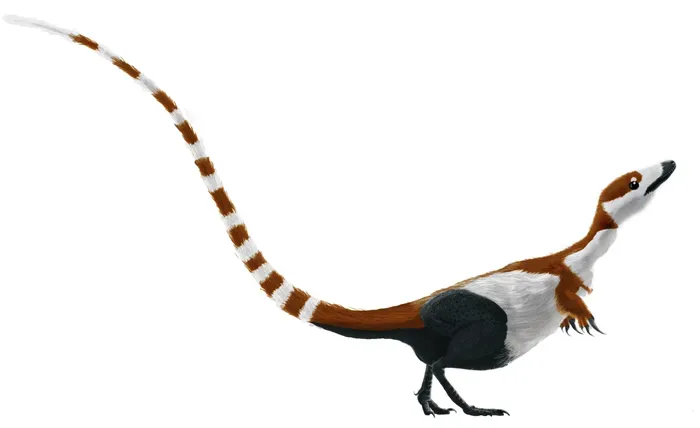
Imagine a Tyrannosaurus rex bundled up in its own built-in winter coat. Sounds absurd, right? Actually, it’s probably accurate. The presence of feather-like structures, known as “protofeathers,” further supports dinosaurs’ ability to adapt to cold climates.
The presence of fuzzy feathers in dinosaurs played a crucial role in their ability to cope with cold temperatures, as these protofeathers provided insulation and warmth, allowing dinosaurs to navigate harsh winters. Think of it as their evolutionary advantage, a biological innovation that separated the survivors from the extinct. These weren’t the elaborate flight feathers you’d see on modern birds, but rather fuzzy coverings that trapped body heat effectively enough to make Arctic winters survivable.
Warm-Blooded Revolution: Internal Temperature Control
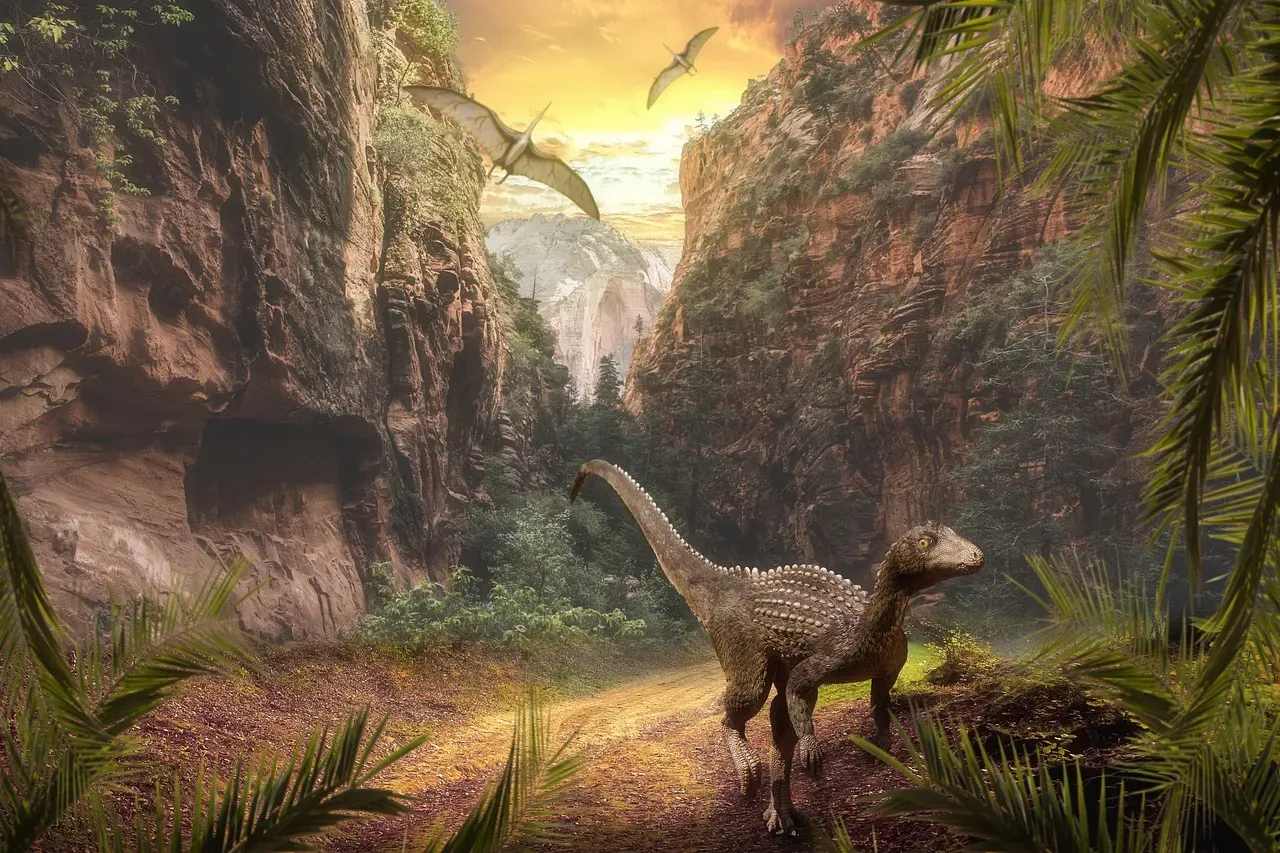
For decades, scientists assumed dinosaurs were cold-blooded sluggish reptiles. During the Early Jurassic Epoch, two kinds of dinosaurs adapted to cold climates: theropods (meat-eating dinosaurs related to T. rex and Velociraptor) and ornithischians (relatives of plant-eaters like Stegosaurus and Triceratops), with their adaptation to colder climates indicating that these dinosaurs could regulate their body temperature.
Let’s be real here, this changes everything. These creatures had high metabolic rates, which helped them regulate their body temperature in order to adapt to environmental fluctuations. The ability to generate internal heat meant dinosaurs could remain active during cold periods when their cold-blooded competitors became sluggish. This allowed the dinosaurs to venture into colder climates, where they could remain active for longer periods, grow faster, and produce more offspring.
Surviving Volcanic Winters: The Ultimate Climate Test
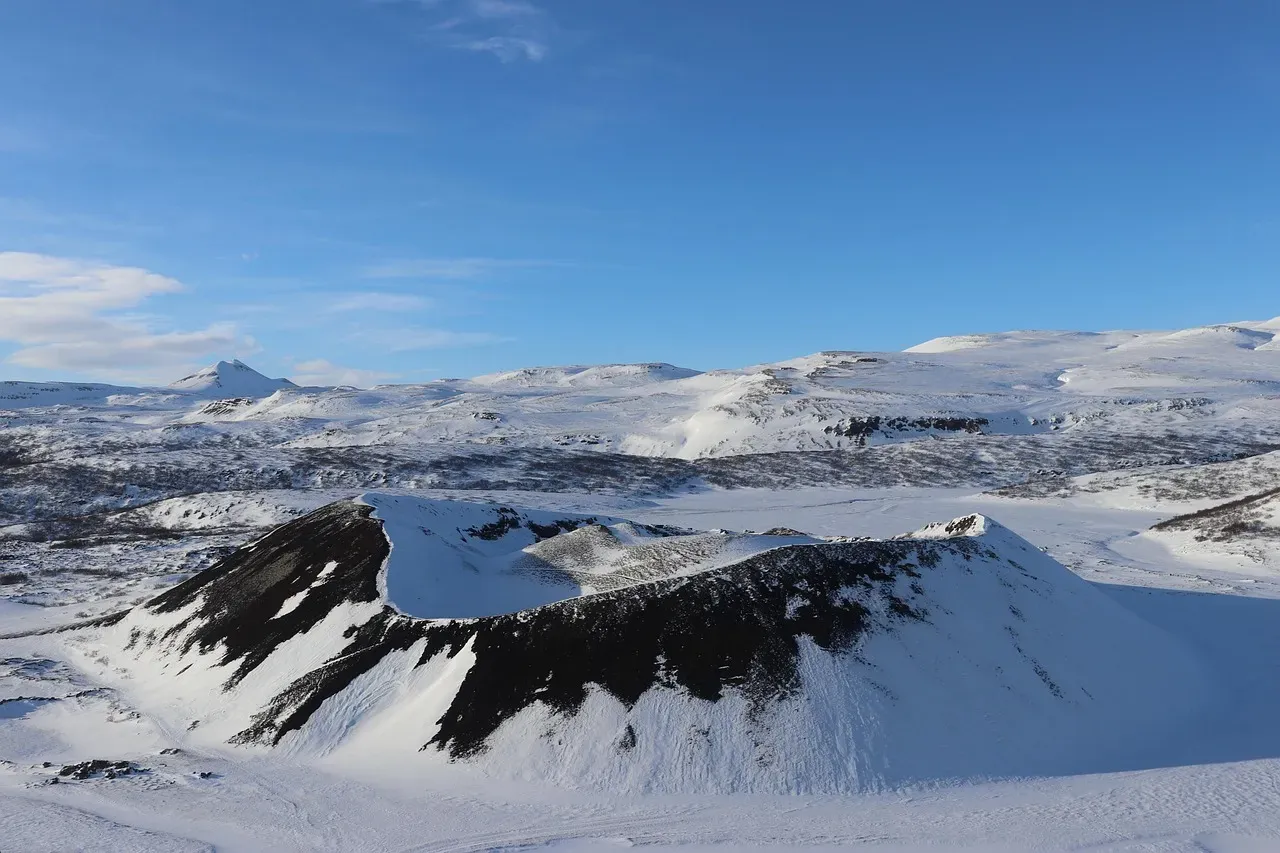
Insulated dinosaurs were primitively equipped, enabling them to access rich Arctic vegetation even under freezing winter conditions, and when transient but intense volcanic winters associated with massive eruptions led to the end-Triassic mass extinction on land, insulated dinosaurs were already well adapted to cold temperatures. Honestly, it’s hard to wrap your head around the scale of those volcanic winters. Imagine decade-long eruptions blocking out the sun, plunging temperatures worldwide into a prolonged freeze.
While other large reptiles perished, dinosaurs endured. In contrast, insulated dinosaurs were already well adapted to cold temperatures, and not only survived but also underwent a rapid adaptive radiation and ecological expansion in the Jurassic, taking over regions formerly dominated by large noninsulated reptiles. Their cold-weather adaptations, developed for surviving polar regions, became their salvation during one of Earth’s most catastrophic climate events.
Desert Survival: Conquering Heat and Drought
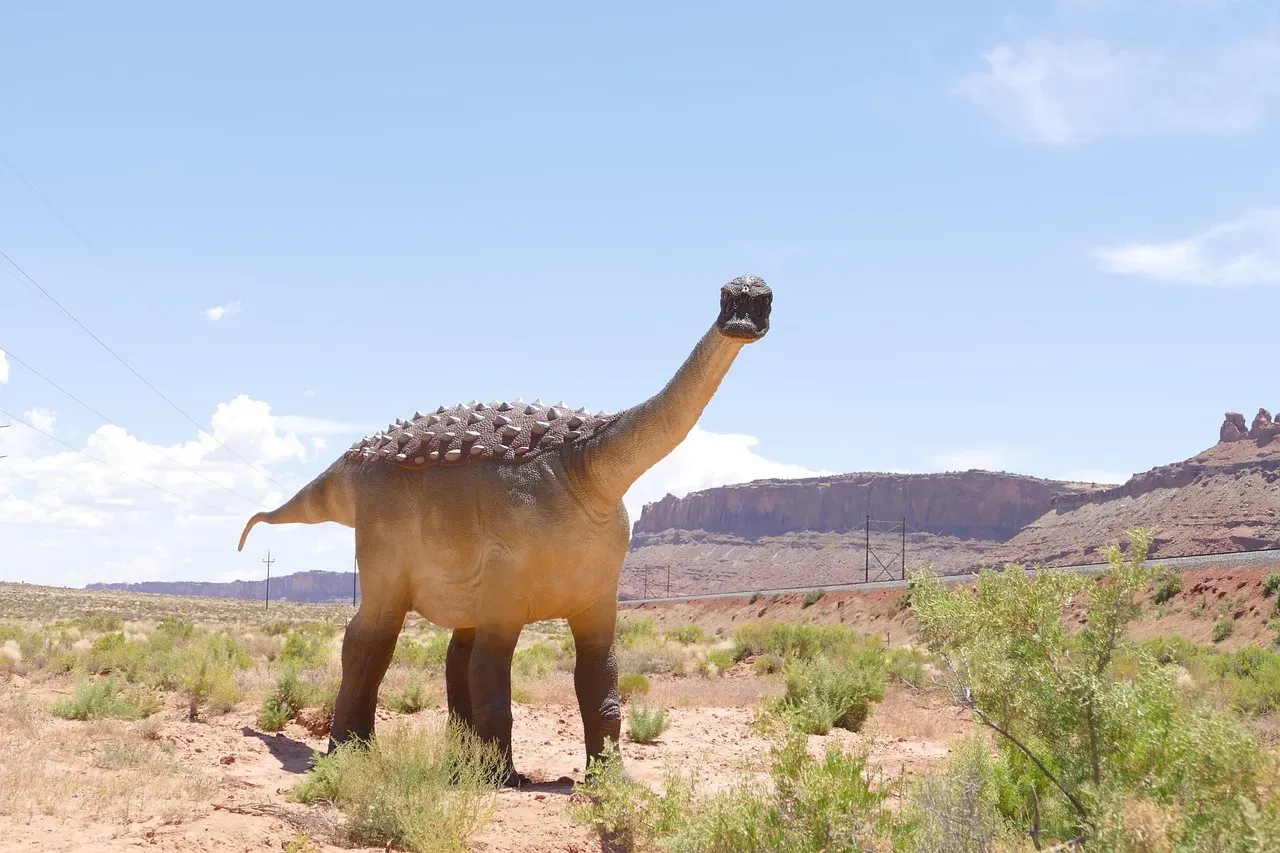
Polar dinosaurs are fascinating, sure, but what about the opposite extreme? Ancient deserts were characterized by extreme temperature variations, with scorching days potentially exceeding 120°F (49°C) and nights that could drop below freezing. You’d think nothing could survive those conditions for long.
Yet dinosaur fossils tell a different story. Nasal passages in desert dinosaurs frequently show evidence of enlarged turbinate bones, structures that would have helped condense moisture from exhaled breath, recapturing precious water that would otherwise be lost during respiration. It’s an ingenious adaptation, really. Every breath became an opportunity to conserve water, allowing these animals to thrive where others would quickly dehydrate. Burrow structures associated with certain smaller desert dinosaur species indicate that some may have adopted subterranean lifestyles during extreme weather conditions, similar to many modern desert animals.
Breathing Systems: The Secret Weapon for Dominance
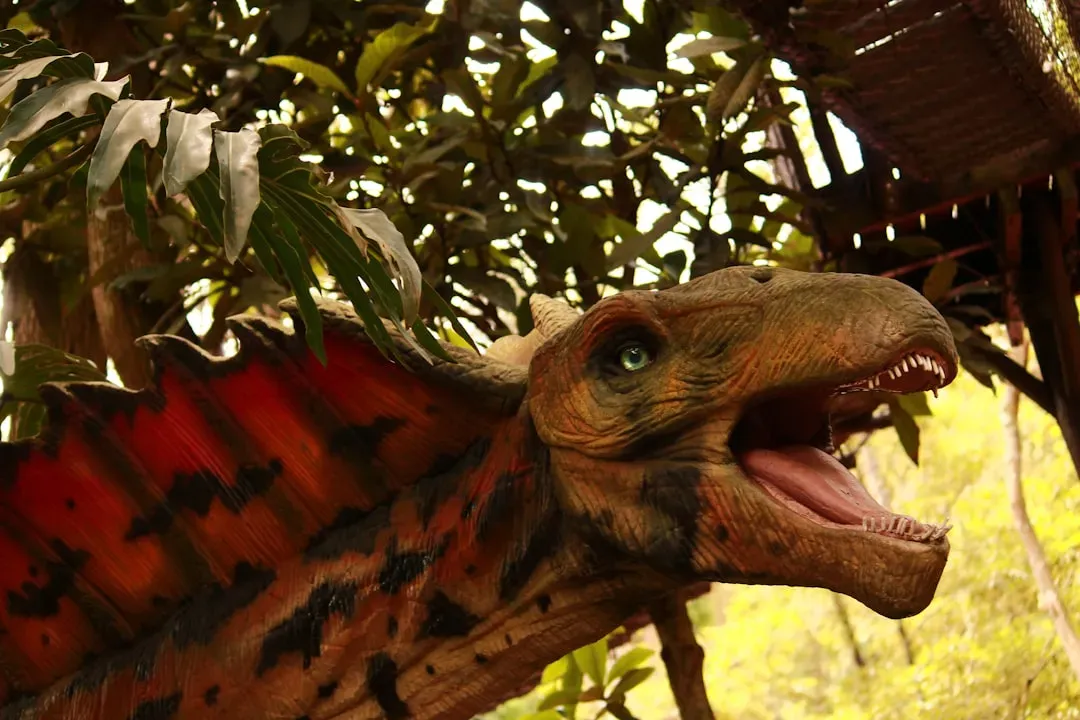
Their secret weapon was superefficient, birdlike lungs, which would have pumped in a constant supply of oxygen. Unlike humans who breathe in and out through the same pathway, dinosaurs possessed something far more sophisticated. Many dinosaurs had complex networks of air sacs that grew out of their throats and lungs and into their bones, with the resulting porousness making them lighter while maintaining bone strength, and the sacs also letting the dinosaurs breathe more efficiently and may even have aided cooling.
This respiratory advantage came at a critical time. The air during the Mesozoic was only 10% to 15% oxygen, compared with 20% today. Think about climbing a high mountain where the air feels thin and breathing becomes labored. Dinosaurs lived their entire existence in such conditions, yet their advanced lungs extracted oxygen so efficiently that they could sustain active, energetic lifestyles that would exhaust most modern animals.
Size as Strategy: Different Approaches for Different Groups
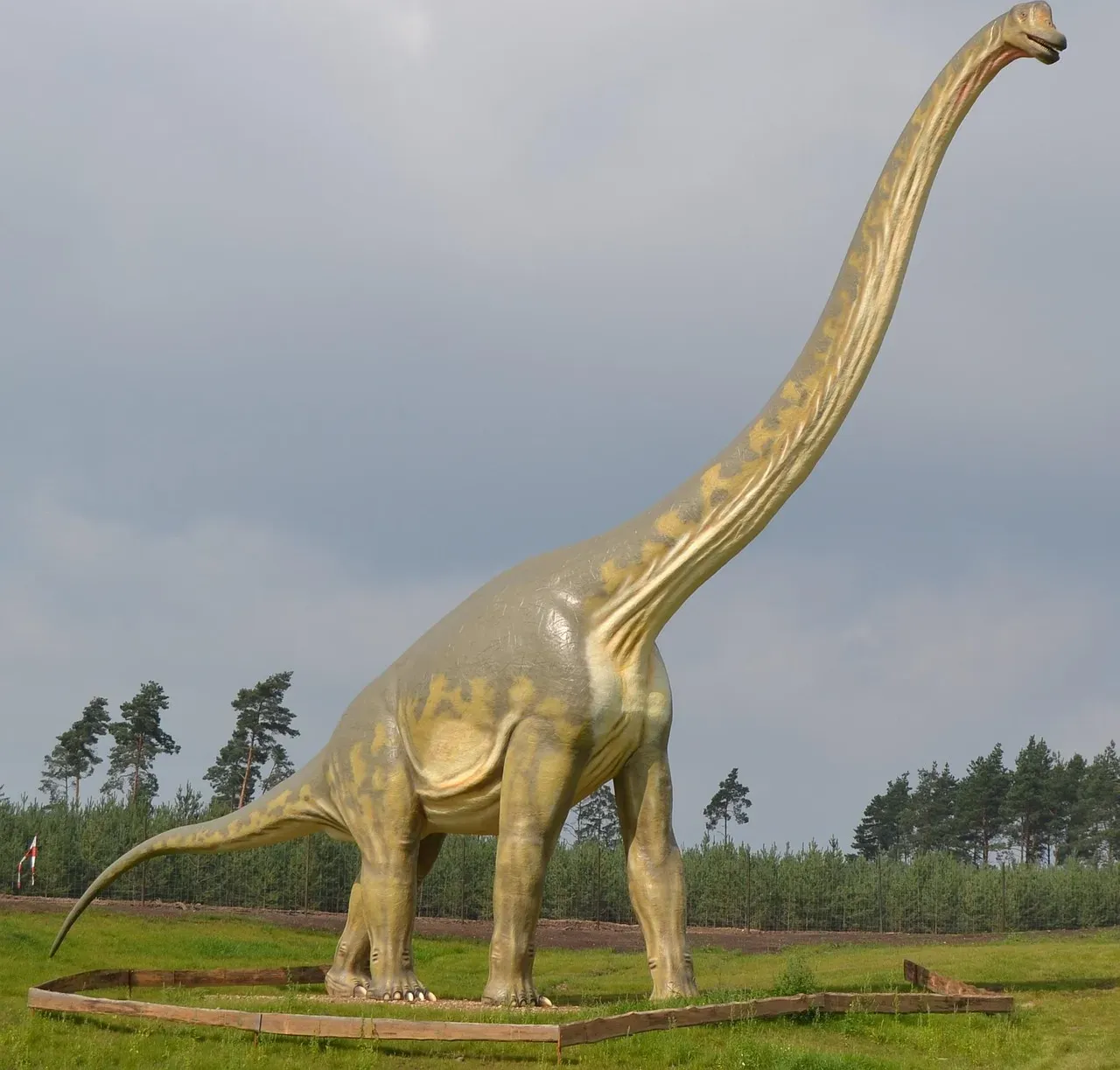
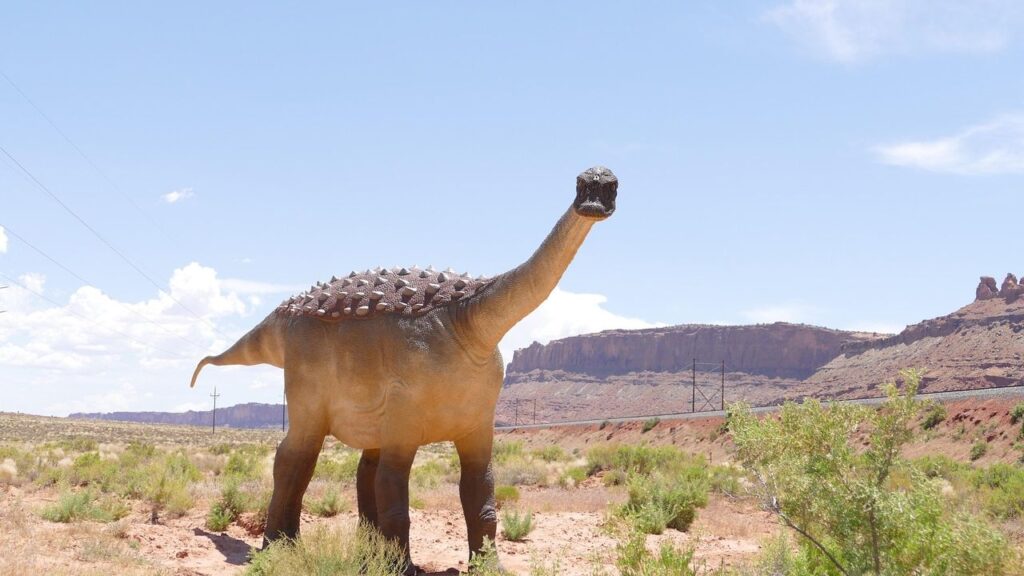
Not all dinosaurs adapted to climate extremes the same way. Sauropods occupied climatic niches characterized by high temperatures and strongly bounded by minimum cold temperatures, which constrained the distribution and dispersal pathways of sauropods to tropical areas, excluding them from latitudinal extremes. These massive creatures, the long-necked giants we all recognize, couldn’t handle prolonged cold.
Sauropods achieved adaptation by growing to enormous sizes, which helped them retain heat due to their smaller surface area to volume ratio, with their larger bodies losing heat at a reduced rate, allowing them to stay active for longer. Meanwhile, smaller polar-adapted species took a different route. The downsized species of horned dinosaur called Pachyrhinosaurus in ancient Alaska hints that types of dinosaurs that grew big elsewhere adapted to become smaller and thereby get by on less food in the cool of ancient Alaska.
Growth Patterns: Seasonal Strategies for Survival
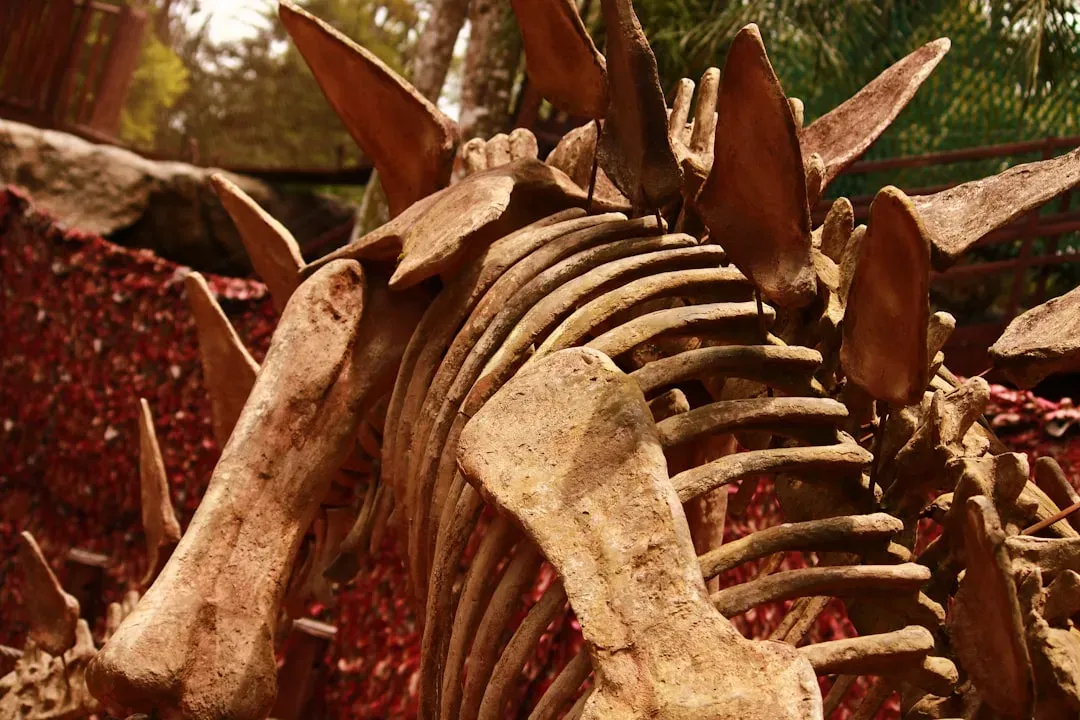
Microscopic details of polar dinosaur bones show that some dinosaurs slowed their growth during harsh seasons to get by with less. It’s surprisingly similar to how trees form growth rings, with periods of rapid summer growth followed by winter dormancy creating visible layers in fossilized bones. Studies of how dinosaurs like the horned Pachyrhinosaurus grew indicate that polar dinosaurs had to grow rapidly in the warm months and stopped growing during the cold ones, creating rings in their bones similar to tree rings.
This flexible growth strategy represents yet another remarkable adaptation. Rather than maintaining constant energy-intensive growth year-round like modern tropical animals, polar dinosaurs developed the metabolic flexibility to essentially hibernate their growth processes during lean winter months. Slowing down their growth during the cold months allowed them to conserve energy when food resources were scarce. When spring returned and vegetation bloomed again, growth would resume at accelerated rates to compensate for the winter pause.
Conclusion: Masters of Adaptation
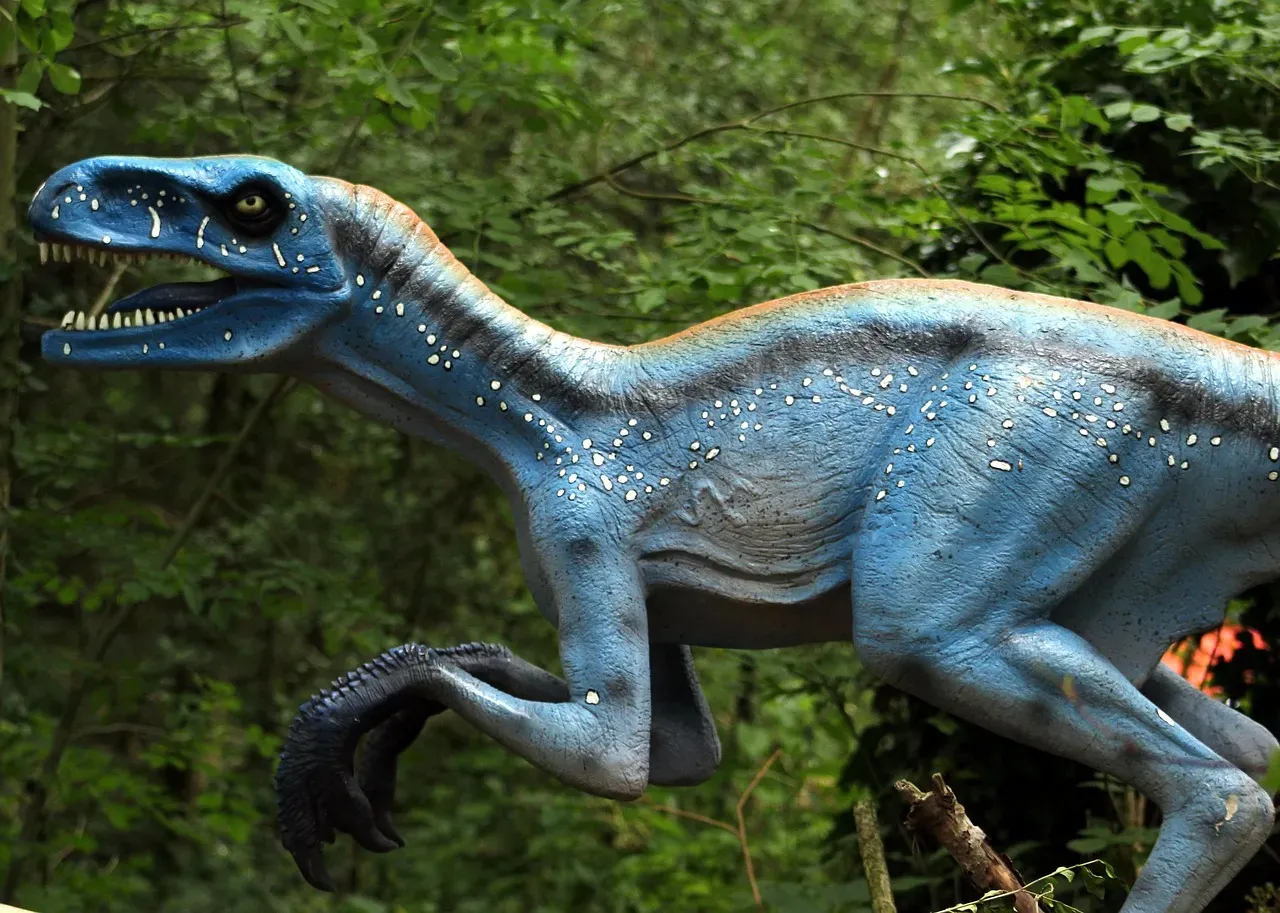
The emerging picture of dinosaur biology reveals creatures far more versatile and resilient than the sluggish swamp-dwellers of outdated textbooks. From Arctic darkness to desert heat, from volcanic winters to thin atmosphere, dinosaurs conquered virtually every terrestrial environment Earth offered during their reign.
Empirical evidence and modeling approaches underscore the high evolutionary adaptability of dinosaurs to long-term, climatically driven, macroecological changes. Their success stemmed from a suite of remarkable adaptations: insulating feathers, warm-blooded metabolism, superefficient respiratory systems, flexible growth patterns, and specialized anatomical features for water conservation. These weren’t simple reptiles waiting for extinction. They were sophisticated biological machines, fine-tuned by evolution to dominate in conditions that would challenge even today’s most specialized creatures.
What’s your take on these ancient climate champions? Did any of these adaptations surprise you? Share your thoughts below.