Imagine a world without oceans separating Africa from South America. A world where you could walk – quite literally – from what is now Brazil straight into Cameroon without ever getting your feet wet. For dinosaurs, that world was real. These extraordinary creatures did not simply stay put in one corner of a prehistoric landmass. They traveled. They wandered. They crossed entire continents in ways that still astonish researchers today.
What’s even more exciting is that science keeps uncovering fresh evidence of just how ambitious these prehistoric journeys actually were. From footprints stamped into ancient riverbeds to chemical signals locked inside fossilized teeth, the clues are stacking up fast. So strap in, because the story of dinosaur migration is far more dramatic than you might ever expect. Let’s dive in.
The Discovery That Shocked the Paleontology World: Footprints on Two Continents
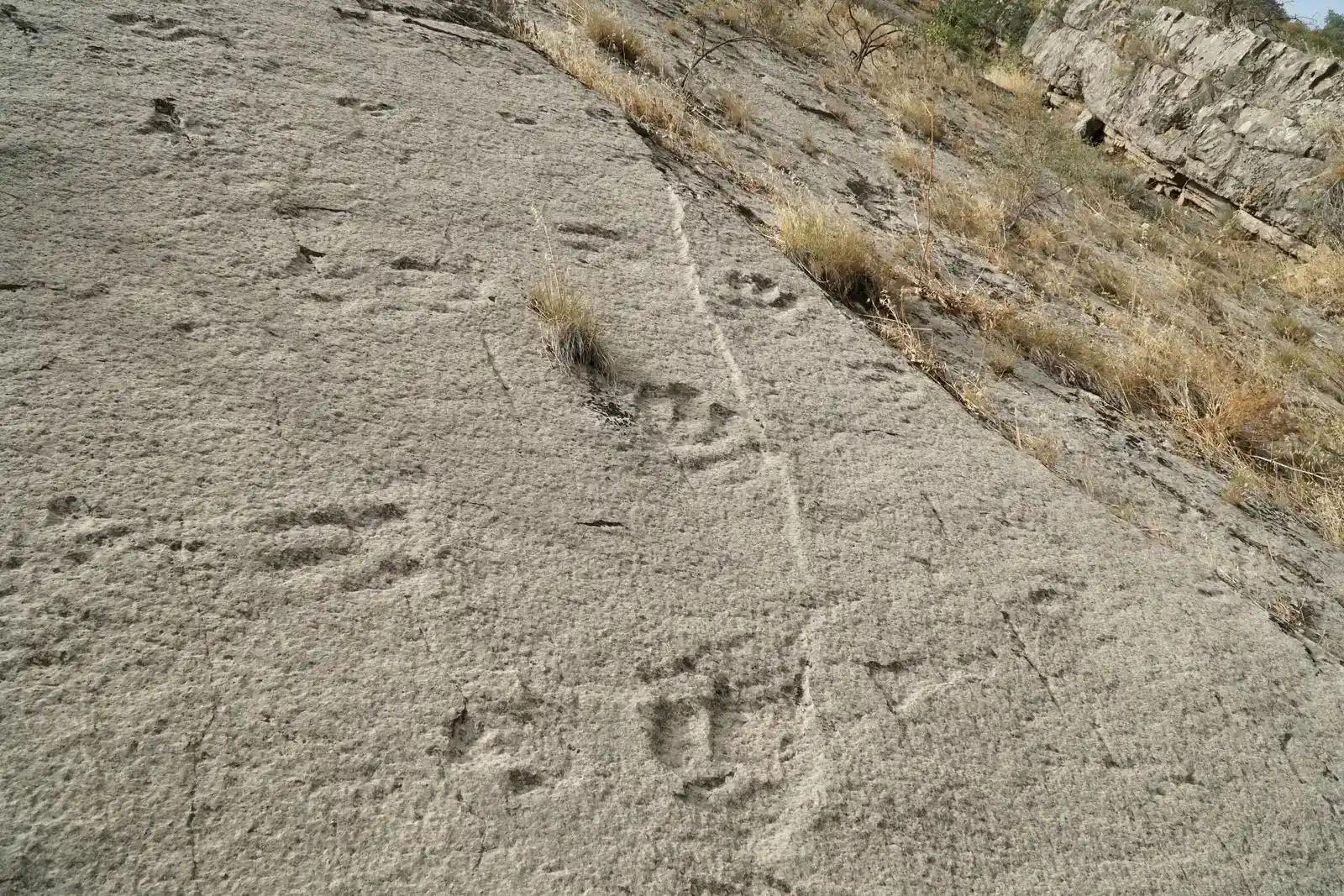
Picture this: you unearth a dinosaur footprint in northern Cameroon, and it is a near-perfect match for one found thousands of miles away in northeastern Brazil. That is not a coincidence. That is a prehistoric highway. A study published by the New Mexico Museum of Natural History and Science revealed that matching sets of dinosaur footprints found on both continents indicate a shared migration route that existed approximately 120 million years ago, before the two landmasses split apart.
More than 260 footprints were discovered in Brazil and in Cameroon, showing where land-dwelling dinosaurs were last able to freely cross between South America and Africa millions of years ago before the two continents split apart. Honestly, that number alone is staggering. These were not ghost impressions or vague marks in rock. These were clear, measurable tracks that told a story of living, breathing animals on the move.
The Ancient Corridor: How the Land Bridge Made It Possible
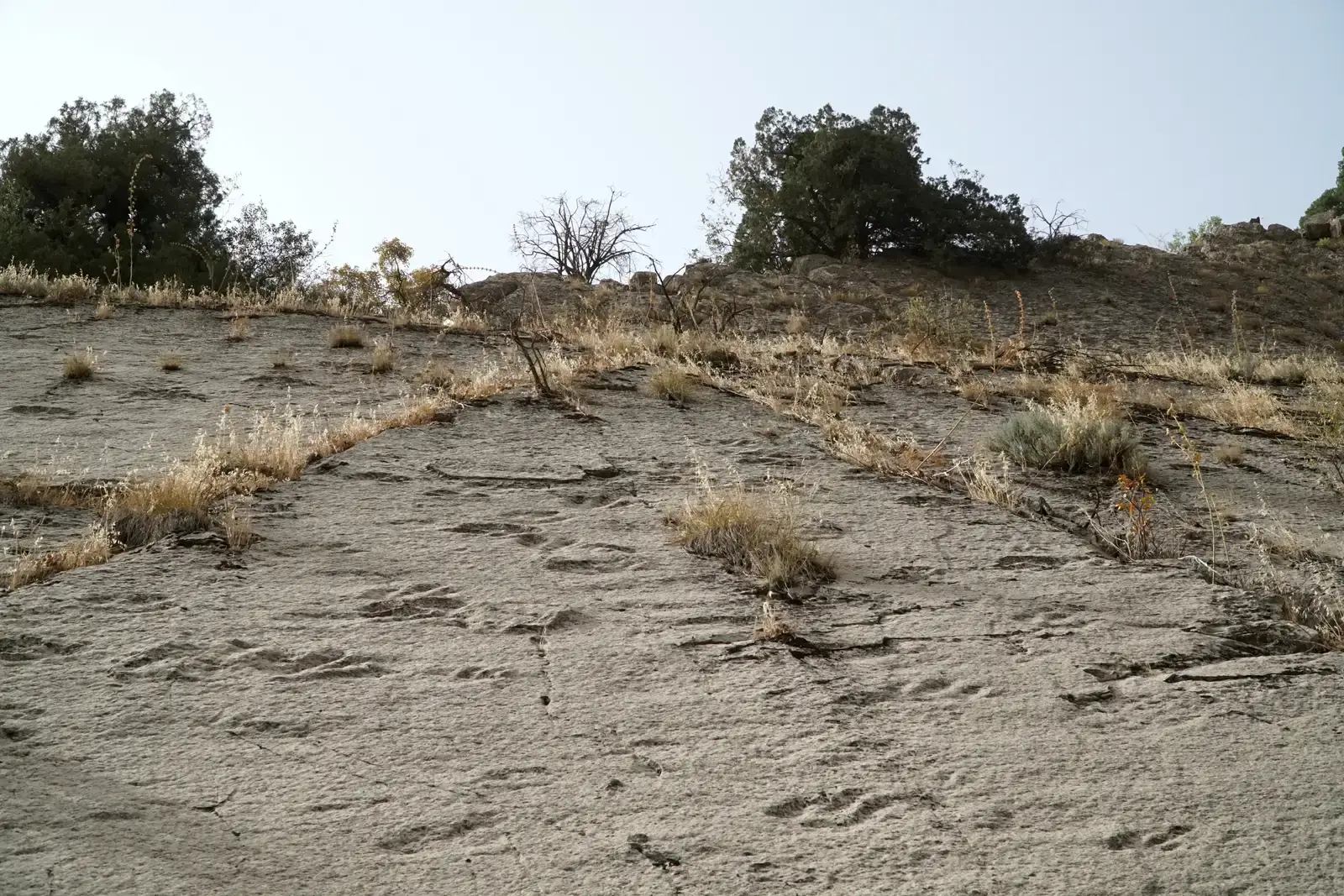
Back in the Early Cretaceous, Cameroon was stitched to the elbow of northeastern Brazil. There was no Atlantic Ocean, only a low, swampy plain linking the two landmasses. Long-necked plant-eaters lumbered through reed beds, sharp-toothed hunters trailed them, and every footfall wrote a record in clay. It is one of those mental images that stops you in your tracks, no pun intended.
Africa and South America started to split around 140 million years ago, causing gashes in Earth’s crust called rifts to open up along pre-existing weaknesses. As the tectonic plates beneath South America and Africa moved apart, magma from the Earth’s mantle rose to the surface, creating new oceanic crust as the continents moved away from each other. Yet even as that slow geological drama unfolded, dinosaurs were still crossing. They used the narrowing corridor right up until the very last moment before the waters swallowed it for good.
What the Footprints Actually Reveal About the Dinosaurs Who Made Them
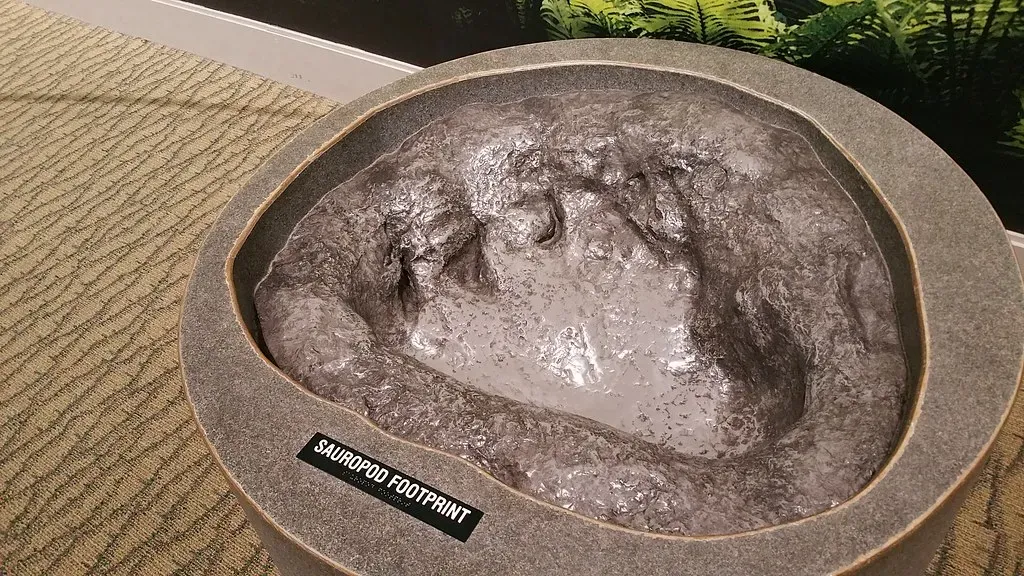
Most of the dinosaur fossils were created by three-toed theropod dinosaurs. A few were also likely made by sauropods or ornithischians, according to Diana P. Vineyard, who is a research associate at SMU and co-author of the study. Think of theropods as the lean, fast, meat-eating kind – think smaller cousins of the T. rex. Their footprints alongside those of plant-eaters suggest this corridor was a full ecosystem in motion, not just a one-species highway.
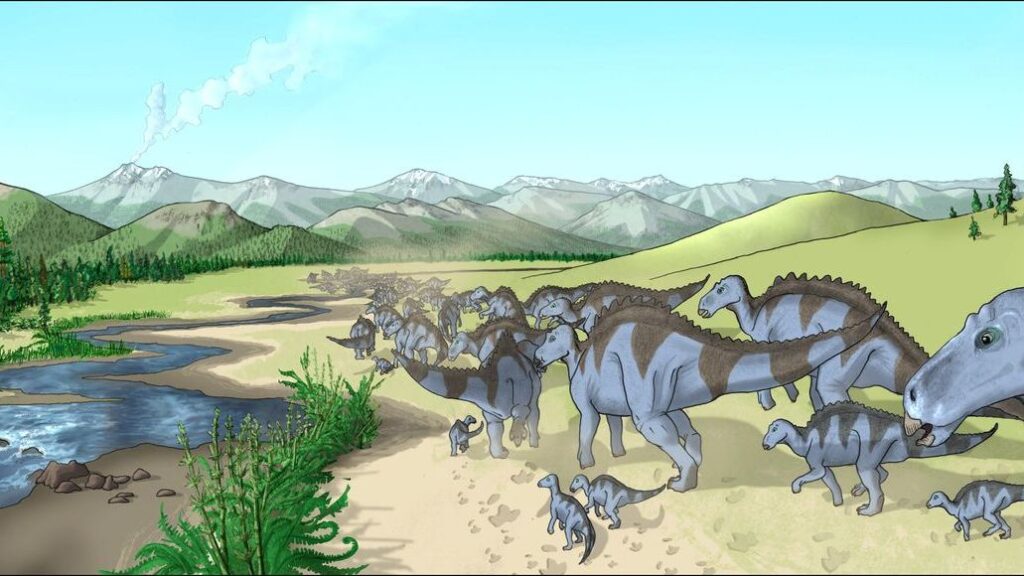
A handful of sauropod and ornithopod impressions round out the roster, hinting at herds of plant-eaters trudging through the same wetlands. Sediments alongside the tracks contain pollen that also dates to about 120 million years ago, reinforcing the match between both sides of the Atlantic rift. You can almost visualize it – a lush, muddy plain alive with giants, leaving their signatures behind in the sediment, completely unaware they were writing history.
The T. Rex Was Not Even Originally American: Asia’s Astonishing Role
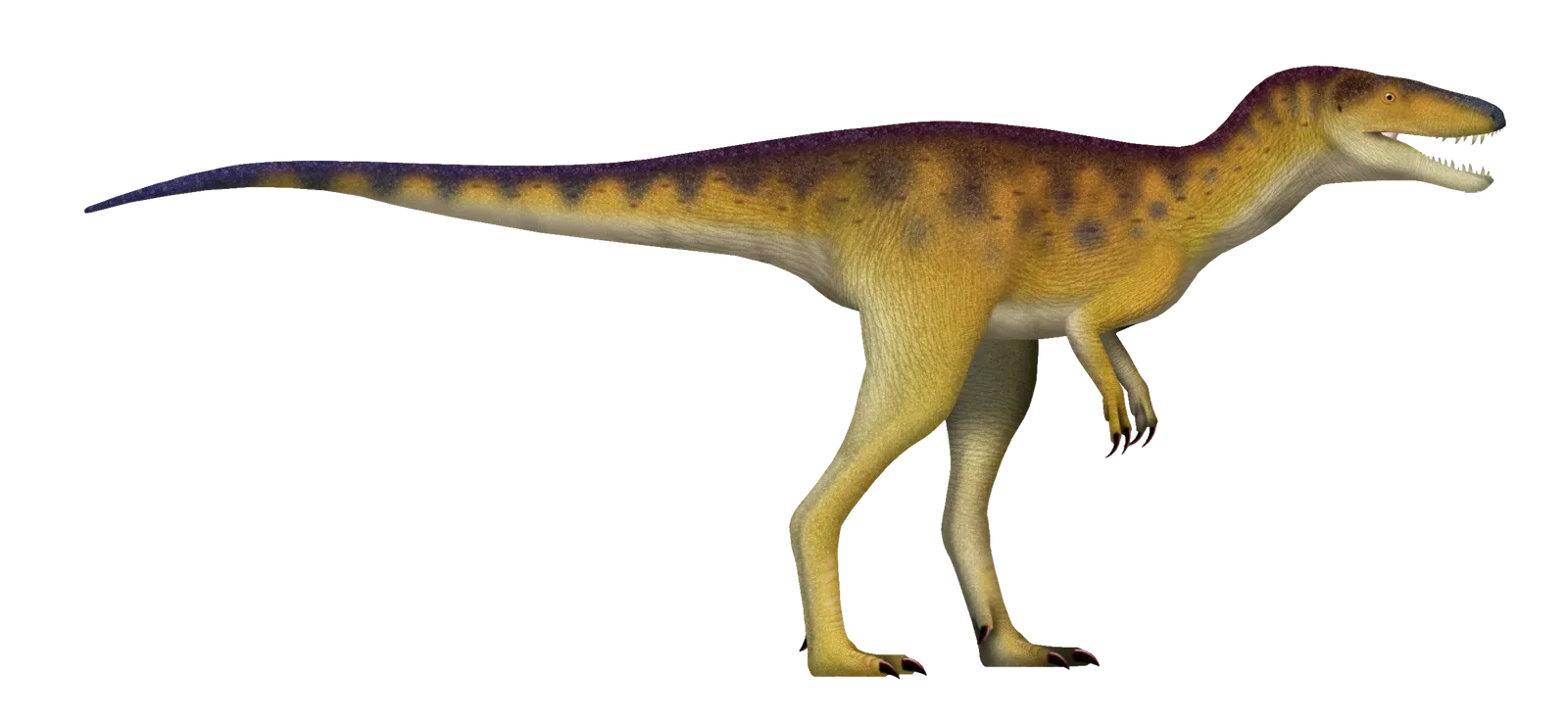
Here is a fact that honestly blew my mind when I first encountered it. The family of dinosaurs that includes the T. rex evolved in Asia long before the famous North American predator did. The earliest known members of the Tyrannosauridae family date back to the Late Jurassic period, around 160 million years ago, and were relatively small compared to the later, more famous T. rex. So the king of the dinosaurs was, in a sense, an immigrant.
Khankhuuluu was part of a burst of tyrannosaur evolution that led to slender, agile creatures crossing into prehistoric North America around 85 million years ago and proliferating there. Some of those tyrannosaurs then crossed back into Asia, evolving into new forms and eventually leading one big, bone-crushing lineage to enter North America once more and give rise to the iconic T. rex. It was a back-and-forth migration spanning millions of years, like an epic relay race across continents.
Teeth as Travel Diaries: The Science of Isotope Analysis
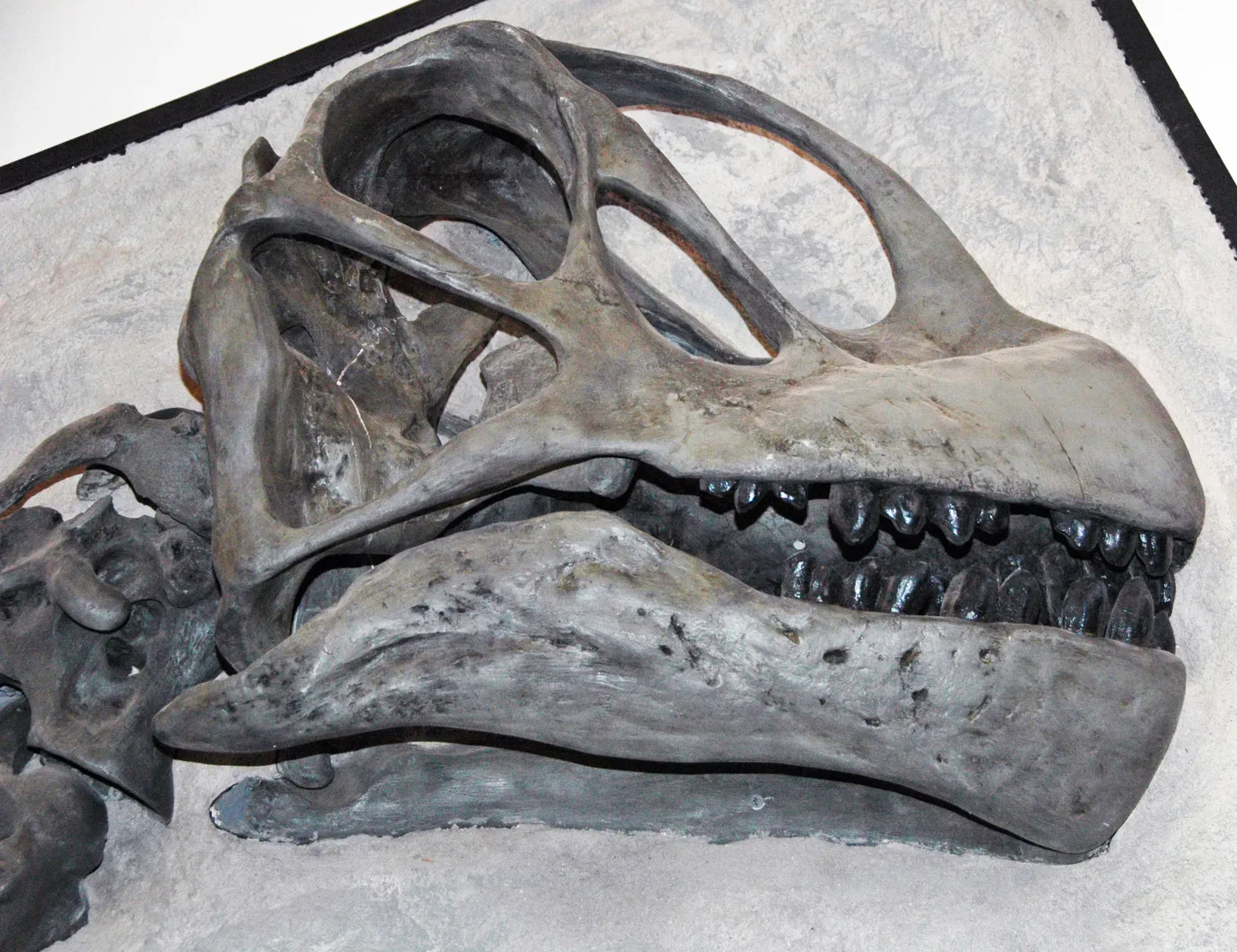
You might not think of a fossilized tooth as a travel journal, but that is essentially what it is. Chemical signals in prehistoric tooth enamel reveal that roughly bus-length Camarasaurus dinosaurs walked hundreds of miles on marathon migrations in late Jurassic North America. That is the kind of detail that makes paleontology feel almost magical. A tooth, sitting in rock for over 150 million years, and it still tells you where its owner went for the season.
Scientists compared ratios of oxygen isotopes in the fossil Camarasaurus teeth with oxygen isotopes found in prehistoric layers of lowland soil. Because the dinosaurs’ teeth were replaced roughly every five months, each tooth offers a unique record of what the animal drank during the tooth’s life span. The ratios in the teeth were akin to what you’d expect had the teeth grown at high elevations, leading researchers to conclude that the sauropod had to be leaving the basin areas and going somewhere else. It is hard to say for sure exactly how far they traveled, but the chemical evidence paints a compelling picture of seasonal, long-distance movement.
Europe’s Surprising Role as a Dinosaur Migration Hub
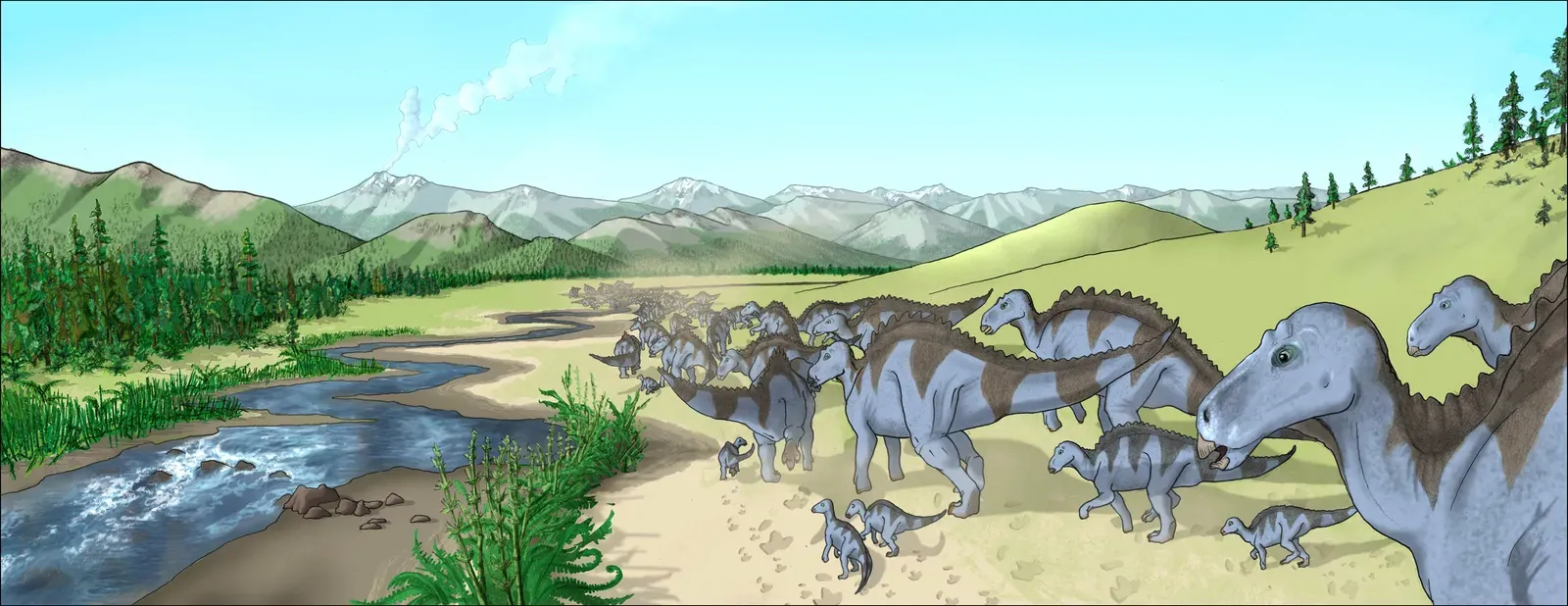
You might not picture Europe as a prehistoric hot spot for dinosaur traffic, but the science says otherwise. A team of paleontologists led by University of Leeds scientist Dr. Alexander Dunhill used the so-called Network Theory to visually depict the movement of dinosaurs around the world during the Mesozoic era, including a curious exodus from Europe during the Early Cretaceous. Let’s be real, calling it a “curious exodus” feels like a massive understatement for what was essentially a continental diaspora.
The findings, published in the Journal of Biogeography, support the idea that, although continental splitting undoubtedly reduced intercontinental migration of dinosaurs, it did not completely inhibit it. Surprisingly, the study also showed that all connections between Europe and other continents during the Early Cretaceous were out-going. One possible explanation is that Europe had been isolated for a while, experienced a burst of speciation, and then reconnections occurred with the rest of the world, after which these new groups of dinosaurs that evolved in Europe radiated out and expanded their geographic ranges.
New Species, New Clues: The Discovery of Archaeocursor asiaticus
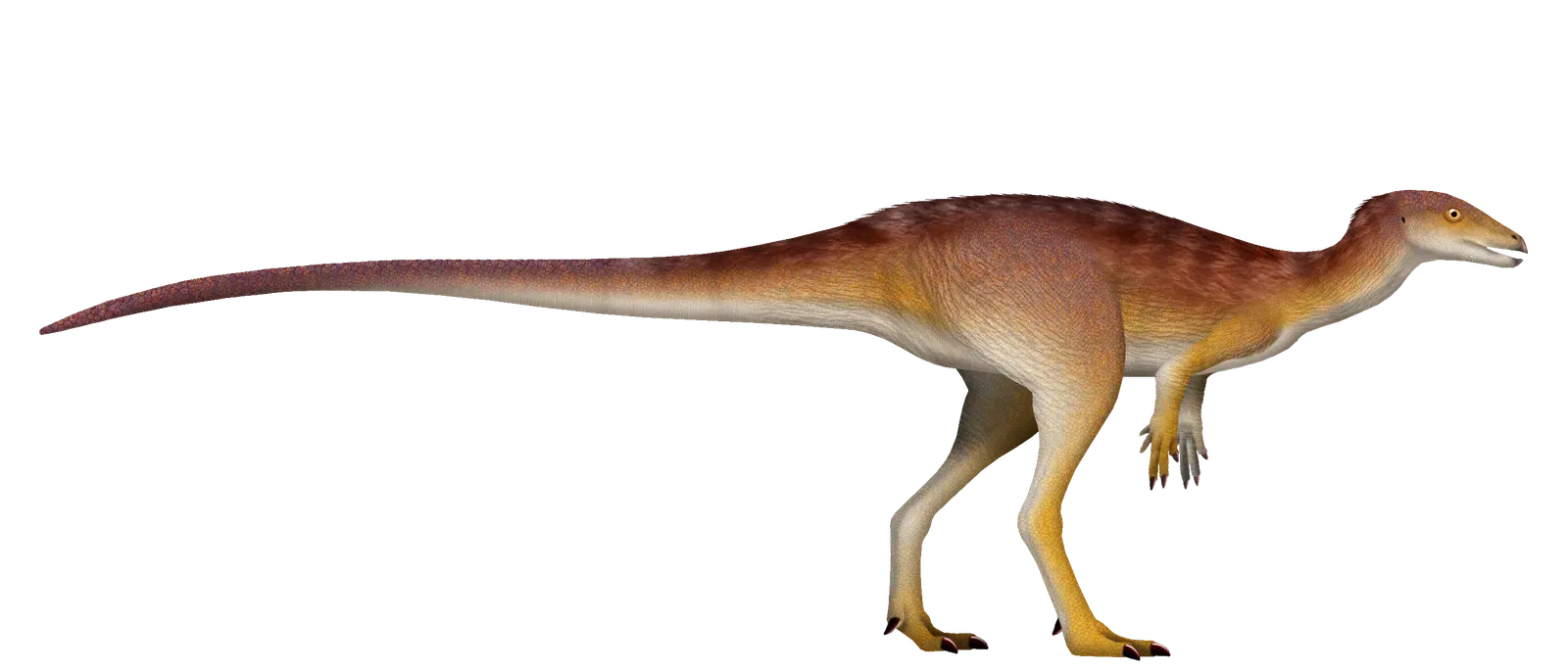
Just when you think the picture of dinosaur migration is getting clearer, a brand-new discovery reshuffles the whole deck. Paleontologists identified Archaeocursor asiaticus, a plant-eating dinosaur from the Early Jurassic that challenges existing narratives about dinosaur evolution and migration. Discovered in southwestern China, this species not only pushes the boundaries of Asia’s ornithischian fossil record but also points to complex global dispersal patterns over 190 million years ago.
Researchers suggest this migration occurred independently of other dinosaur dispersals, offering a new perspective on the spread of these early plant-eaters. The team hypothesizes that Archaeocursor asiaticus represents a cosmopolitan clade of ornithischians that spread widely across continents. Around 1,400 dinosaur species are now known from more than 90 countries, with the rate of discovery accelerating in the last two decades, and the year 2025 alone saw the discovery of 44 new dinosaur species, nearly one a week. With that pace of discovery, who knows what migration stories are still buried out there waiting to be found.
Conclusion: The World Was Their Backyard
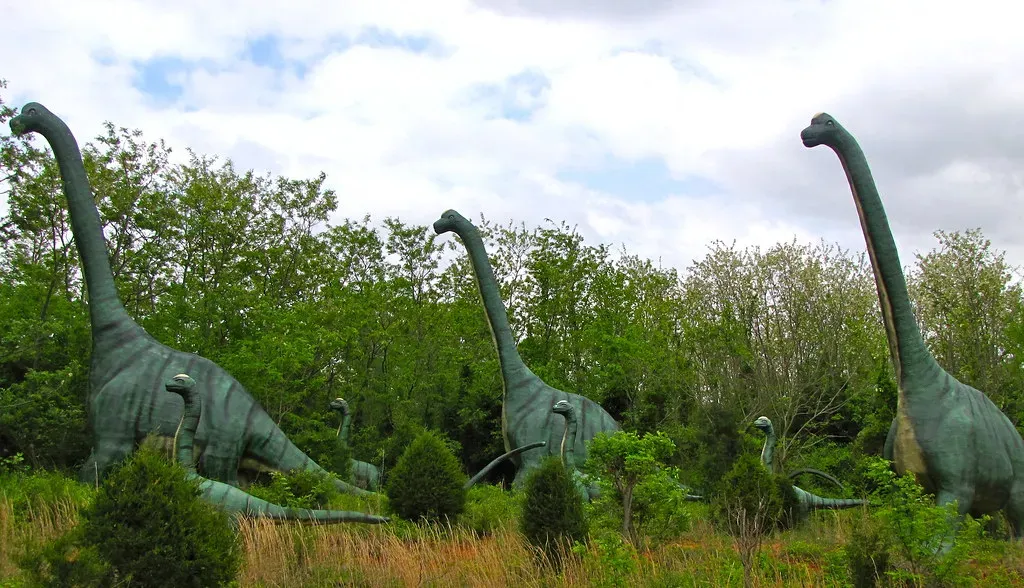
Here’s the thing about dinosaurs – we spent decades imagining them as creatures defined by a single continent, as if a T. rex could only be “American” or a Brachiosaurus only “African.” But the evidence keeps dismantling that idea piece by piece, footprint by footprint. These animals were travelers. They were opportunists. They followed food, climate, and open land the same way that life has always followed opportunity.
What the latest research makes undeniably clear is that the story of dinosaur migration is really the story of life itself – endlessly restless, endlessly adaptive, always pushing toward new horizons. New fossils, reanalyses of famous specimens, and the use of increasingly sophisticated tools have continued to upend what we thought we knew about how these animals lived, moved, fed, and evolved. Some discoveries filled in long-missing gaps in the fossil record, while others forced researchers to confront the uncomfortable reality that a few long-held assumptions were simply wrong. So the next time you look at a globe, think about the creatures that once walked across it without borders, without boundaries, and without limits. Does that change the way you see the world under your feet?