Imagine standing on the coast of Brazil and looking out toward the Atlantic Ocean, knowing that roughly 120 million years ago, a giant dinosaur might have walked through the very spot your feet are planted on, heading toward what is now the coast of Cameroon in Africa. No ocean in its way. Just land, rivers, and ancient forests stretching across what we now call two separate continents. Wild, right?
The story of dinosaur migration has always been fascinating, but the more researchers dig, the more they realize just how mobile, widespread, and surprisingly well-traveled these prehistoric giants truly were. New discoveries are forcing scientists to rethink what they thought they knew about how dinosaurs spread across the planet. Let’s dive in.
A Prehistoric Highway Between Africa and South America
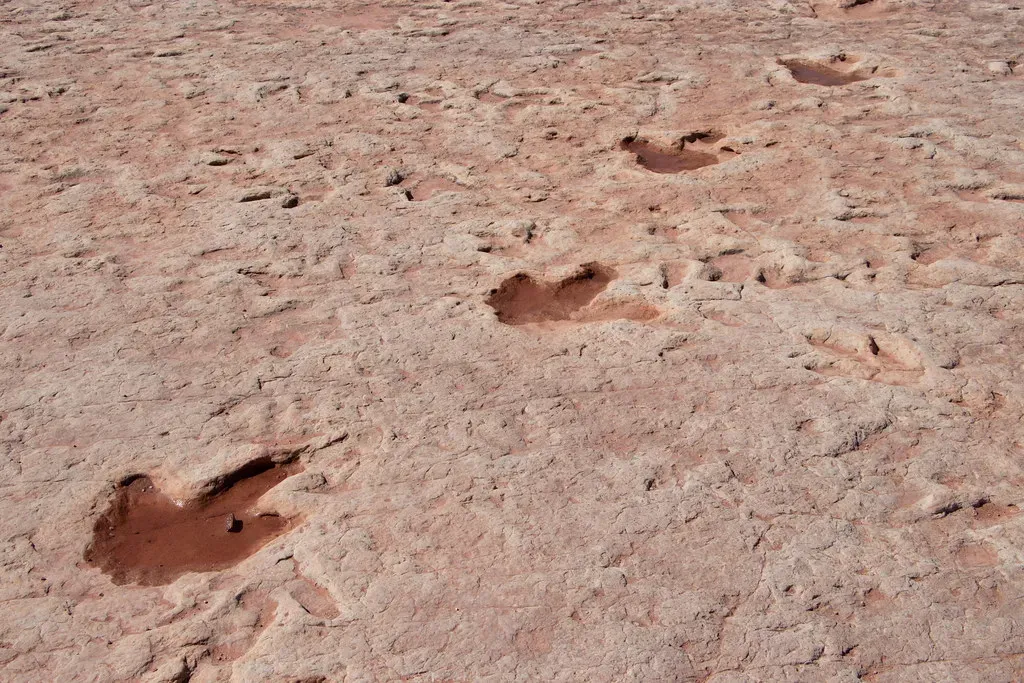
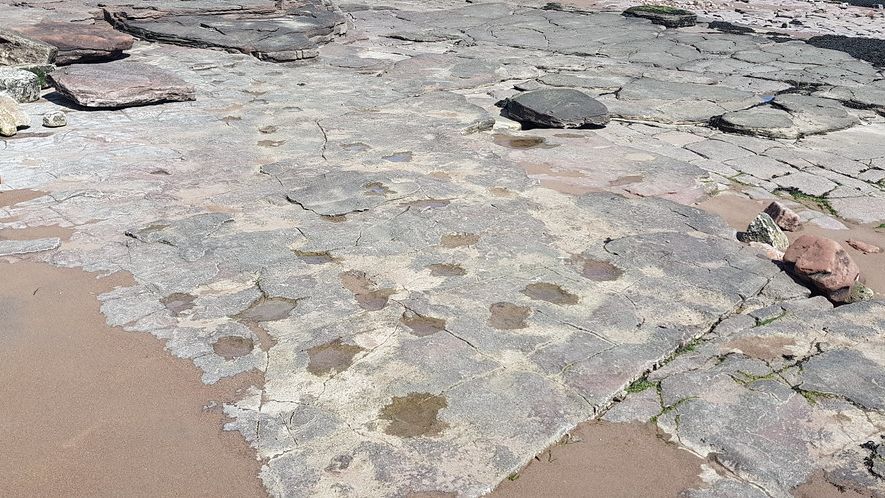
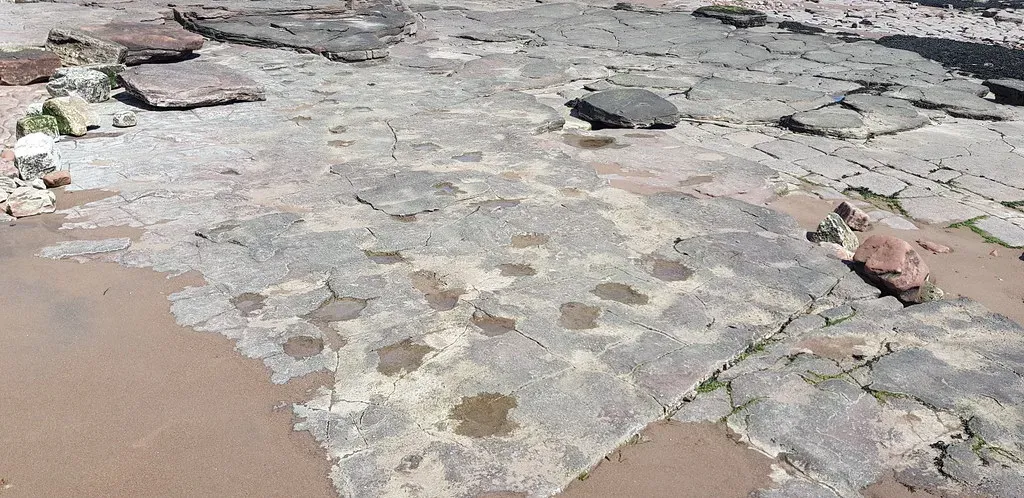
Here’s the thing about dinosaurs: they didn’t know they were supposed to stay put. Matching sets of dinosaur footprints found on both continents indicate a shared migration route that existed approximately 120 million years ago, before the two landmasses split apart. That’s not a coincidence. That’s a prehistoric commute.
More than 260 footprints were discovered in Brazil and in Cameroon, showing where land-dwelling dinosaurs were last able to freely cross between South America and Africa millions of years ago before the two continents split apart. Honestly, the sheer number of tracks is staggering. You’re not looking at a few stray wanderers. You’re looking at a well-worn route.
Africa and South America started to split around 140 million years ago, causing gashes in Earth’s crust called rifts to open up along pre-existing weaknesses. So by the time these footprints were being made, the two continents were already slowly drifting apart, yet some dinosaurs were still squeezing through that narrowing corridor. That’s like commuting to work while the bridge slowly falls behind you.
The Narrow Land Bridge That Changed Everything
One of the youngest and narrowest geological connections between Africa and South America was the elbow of northeastern Brazil nestled against what is now the coast of Cameroon along the Gulf of Guinea. The two continents were continuous along that narrow stretch, so that animals on either side of that connection could potentially move across it. Think of it like a thread connecting two continents, thin enough to miss on a map but wide enough for enormous animals to walk across.
Half-graben basins, geological structures formed during rifting as the Earth’s crust pulls apart and faults form, are found in both areas and contain ancient river and lake sediments. Along with dinosaur tracks, these sediments contain fossil pollen that indicates an age of 120 million years. The environmental clues embedded in those ancient soils are extraordinary. It’s like a timestamp frozen in stone, and scientists are only now fully reading it.
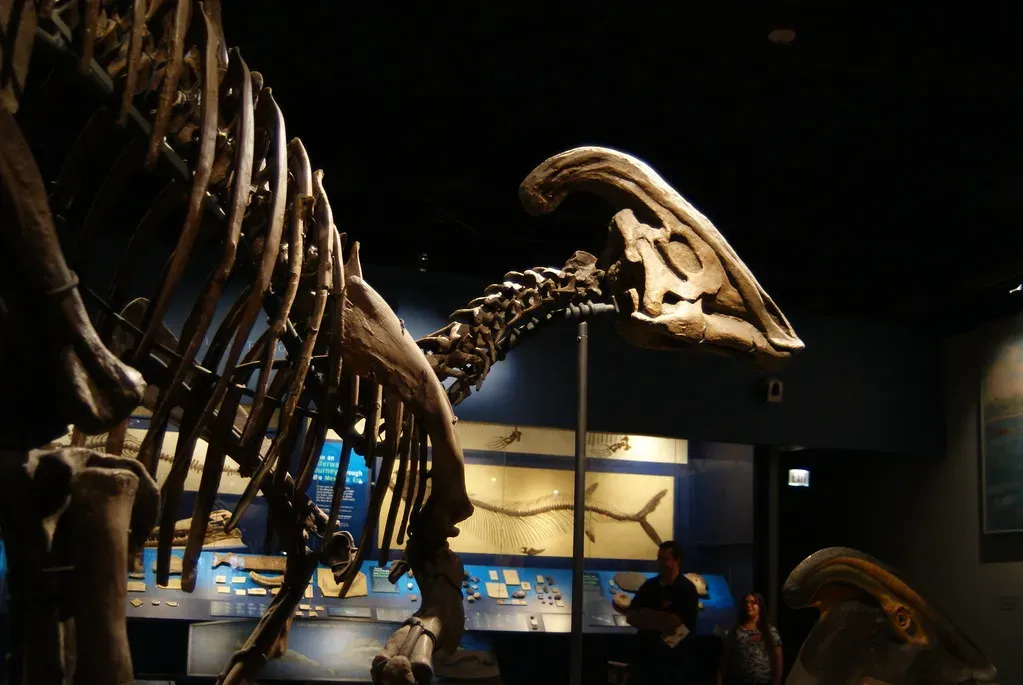
Most of the dinosaur fossils were created by three-toed theropod dinosaurs. A few were also likely made by sauropods or ornithischians. So this wasn’t just one type of animal squeezing through. You had carnivores, herbivores, and everything in between using this ancient bridge. The diversity of species tells a compelling story about how interconnected these ecosystems once were.
The T. Rex Family’s Surprising Intercontinental Journey
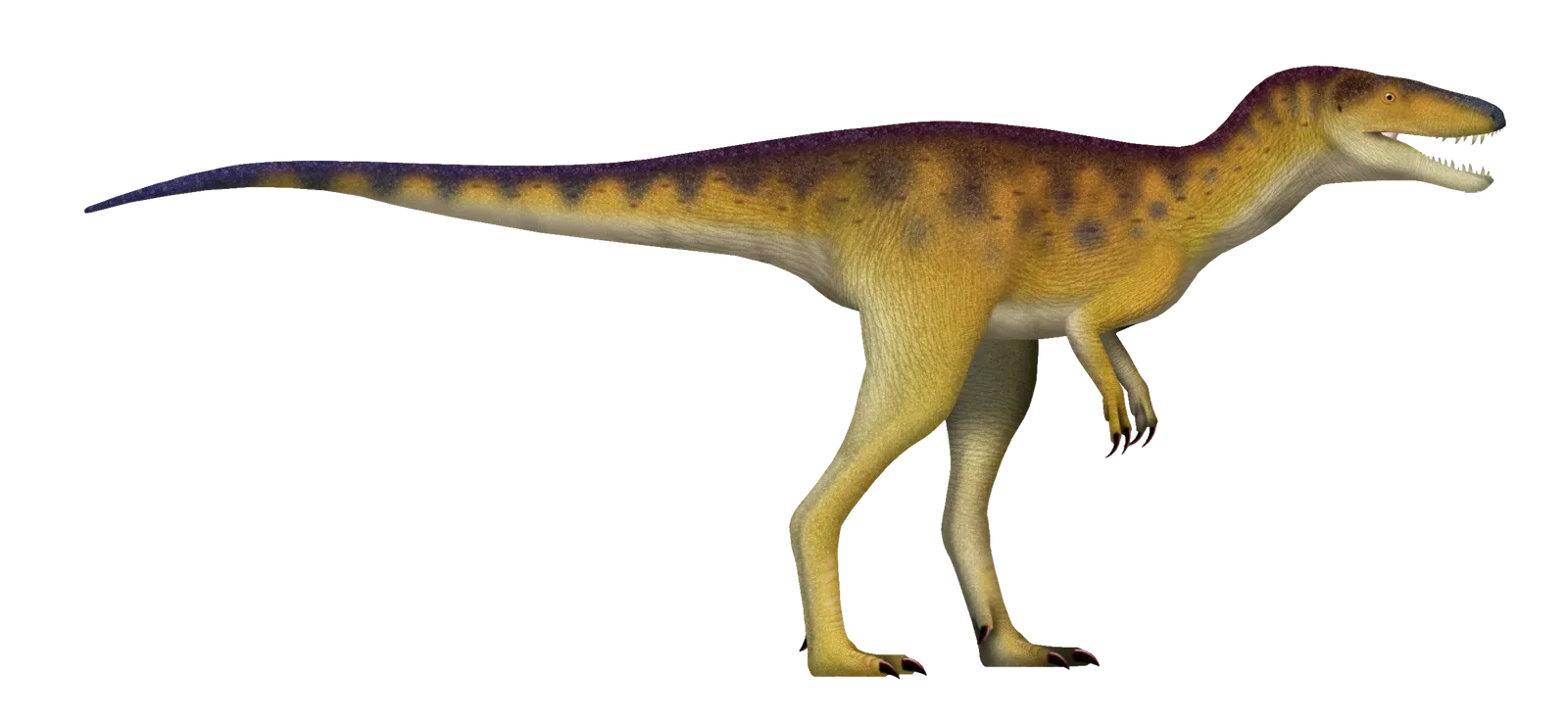
If you’ve ever thought of the Tyrannosaurus rex as the ultimate North American icon, prepare to have that idea rattled. It’s how Khankhuuluu adjusts the tyrannosaur family tree that makes it a standout specimen: the study of the dinosaur, published in Nature, details multiple tyrannosaur migrations, millions of years apart. Khankhuuluu was part of a burst of tyrannosaur evolution that led to slender, agile creatures crossing into prehistoric North America around 85 million years ago and proliferating there.
Some of those tyrannosaurs then crossed back into Asia, evolving into new forms and eventually leading one big, bone-crushing lineage to enter North America once more and give rise to the iconic T. rex. So T. rex was, in a very real sense, an immigrant. Twice over. The king of the dinosaurs didn’t just appear in North America fully formed. It was the product of epic back-and-forth migrations across ancient land bridges connecting Asia and North America.
A study on the biogeography of Megaraptora and Tyrannosauroidea argues that megaraptorans had a cosmopolitan distribution before the splitting of Laurasia and Gondwana, that gigantism evolved multiple times in tyrannosauroids, and that direct ancestors of Tyrannosaurus likely migrated into North America from Asia. The T. rex story is far more of a globe-trotting saga than most people ever imagined.
South America Was Never as Isolated as We Thought
For a long time, South America was treated by scientists as something of a prehistoric island, a continent largely cut off from the rest of the world where species evolved in isolation. That idea is now crumbling fast. This revelation challenges traditional assumptions about the isolation of South America during the Early Cretaceous period, highlighting that it was not a secluded landmass but part of an interconnected world where dinosaurs could migrate between continents.
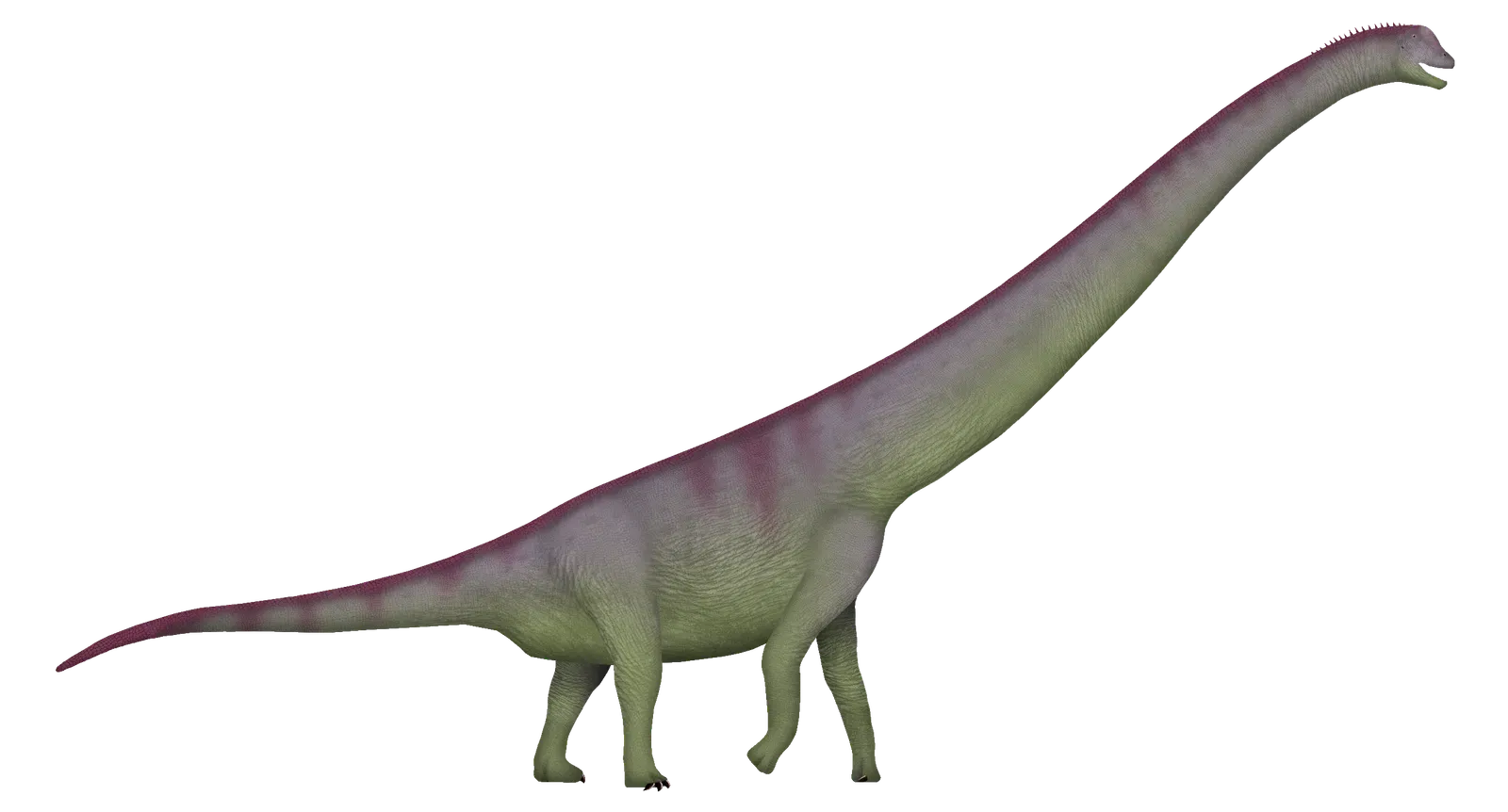
Paleontologists in Brazil have identified a previously unknown species of somphospondylan sauropod dinosaur with European affinities, hinting at ancient migration routes that once linked two continents now separated by the Atlantic Ocean. A Brazilian dinosaur with a European cousin? That sounds almost impossible until you remember that the world used to look completely different. The new species appears to be the closest known relative of Garumbatitan morellensis, a sauropod species that lived in what is now Spain around 122 million years ago. Brazil and Spain were, in evolutionary terms, next-door neighbors.
The findings support the idea that South America, long considered an isolated continent in terms of its prehistoric life, was actually linked to Europe and other parts of Gondwana through a series of land bridges and migration corridors. This ancient network of connections would have allowed species to migrate across vast distances, long before the Atlantic Ocean fully opened up, dividing these landmasses. It’s a complete rethink of the continent’s ancient biography.
Asia’s Role as a Dinosaur Migration Hub
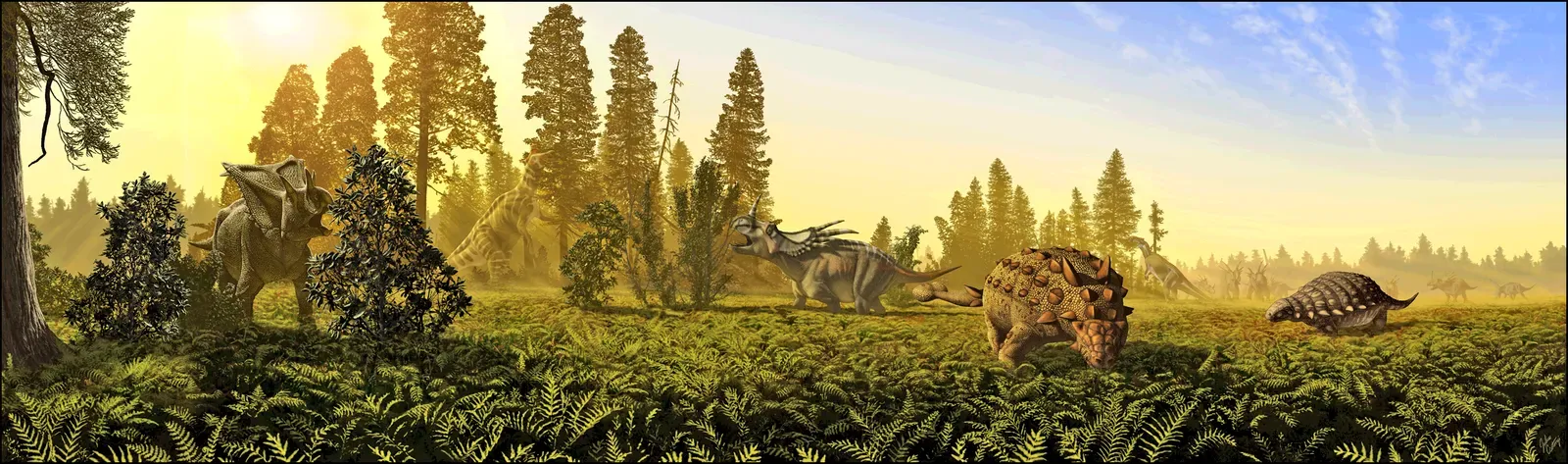
Asia tends to get overlooked in conversations about dinosaur migration, but it turns out the continent was basically a giant crossroads. A large find of dinosaur tracks and fossilized plants and tree stumps in far northwestern Alaska provides new information about the climate and movement of animals near the time when they began traveling between the Asian and North American continents roughly 100 million years ago. Alaska was essentially the exit ramp of a prehistoric interstate highway.
While the migration patterns of dinosaurs to North America and Europe are relatively well-documented, the exploration of their dispersal into Asia has unveiled a wealth of intriguing discoveries and unanswered questions. The vast and diverse landscapes of the Asian continent served as a melting pot for an array of dinosaur species, each adapted to the unique environmental conditions they encountered. It’s a reminder that every continent had its own role to play in the story.
Paleontologists have identified Archaeocursor asiaticus, a plant-eating dinosaur from the Early Jurassic that challenges existing narratives about dinosaur evolution and migration. Discovered in southwestern China, this species not only pushes the boundaries of Asia’s ornithischian fossil record but also points to complex global dispersal patterns over 190 million years ago. The deeper researchers dig, the more routes they find. It’s almost like the ancient world had a secret road network.
How Fossils Are Rewriting the Migration Map
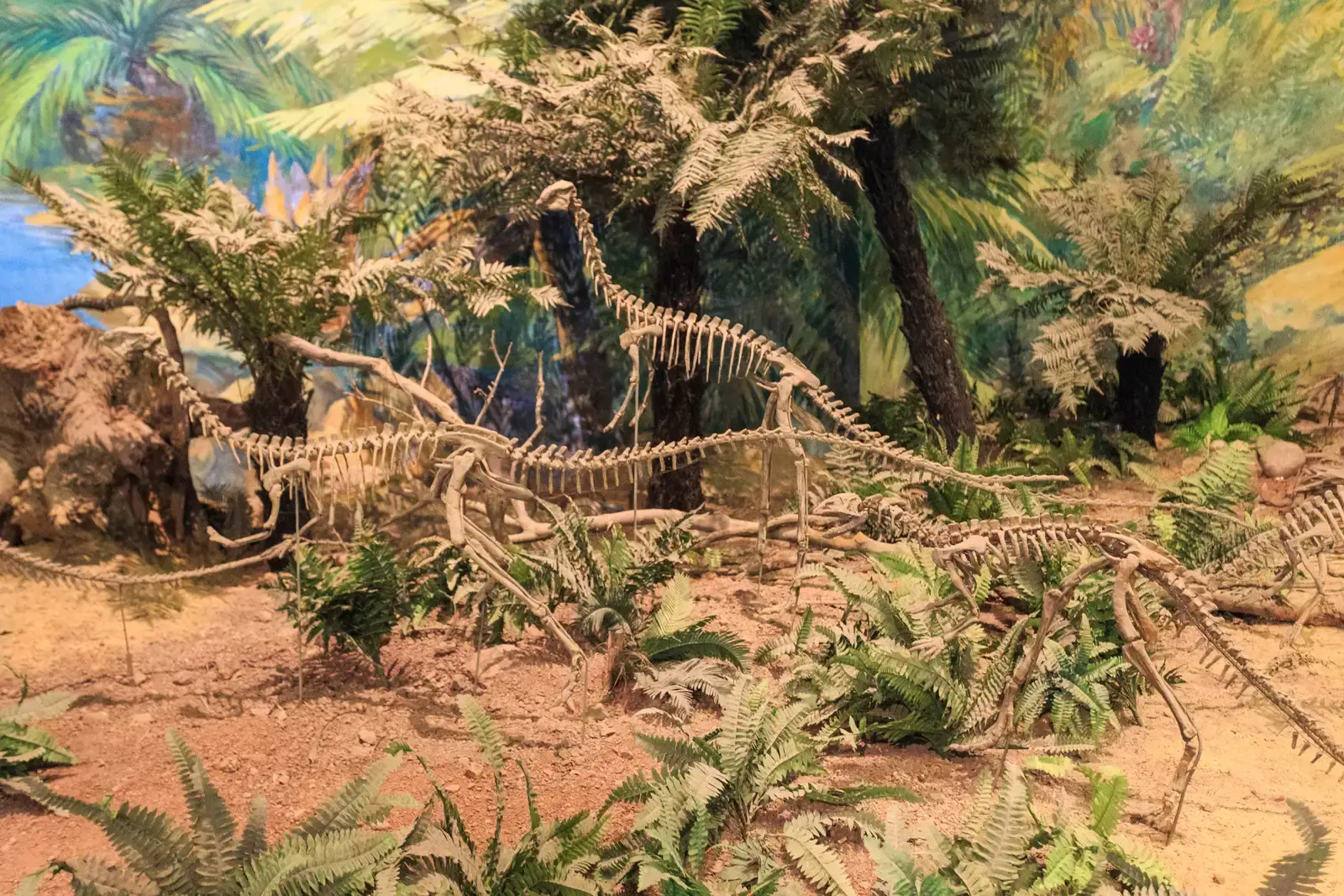
Let’s be real: fossils are the only time machine we have. Every bone, every track, every fragment of ancient pollen is a clue in a detective story that spans hundreds of millions of years. As the African continent drifted apart from the supercontinent Pangaea during the Mesozoic era, dinosaurs began to spread across the globe, colonizing diverse environments and adapting to a wide range of ecological niches. The migration patterns of these prehistoric beasts have been a subject of intense study, with researchers piecing together the clues left behind in the fossil record.
Hadrosaurs, commonly known as duck-billed dinosaurs, have provided some of the most compelling evidence for extensive dinosaur migration. Studies of Edmontosaurus fossils from the Late Cretaceous period suggest these herbivores migrated seasonally across distances of up to 2,600 kilometers in North America. Isotope analysis of their teeth reveals distinct changes in diet that correspond with different geographical regions. Using tooth chemistry to trace journeys of over two thousand kilometers is the kind of scientific elegance that gives you genuine chills.
The Cretaceous period saw further continental fragmentation, with dinosaur populations becoming increasingly isolated on separate landmasses. Rising sea levels during this time created additional challenges, with coastal-dwelling species particularly affected as migration routes were submerged. This dynamic geological context means that migration patterns likely changed significantly over the 165 million years of dinosaur dominance, with species continuously adapting to shifting geographical realities. Dinosaurs weren’t passive passengers on shifting continents. They were active participants in one of nature’s greatest journeys.
Conclusion: The More We Dig, the Farther They Roamed
There’s something deeply humbling about all of this. We tend to think of knowledge as accumulating neatly, one discovery confirming what the last one suggested. Dinosaur migration research keeps doing the opposite. Every new footprint, every new bone fragment, every new isotope analysis upends what scientists thought they had figured out. Newly discovered species filled gaps in dinosaur evolution and shed light on historic migrations, while other studies offered new ways to date remains and made key insights about diets.
The picture that’s emerging is one of an ancient world far more connected than we imagined. Dinosaurs didn’t simply roam within fixed borders. They crossed between continents, followed river valleys, squeezed through narrowing land bridges, and adapted to entirely new environments on the other side. It’s a story of restlessness and resilience on a scale that’s almost impossible to wrap your head around.
In a way, dinosaurs were the original long-distance travelers. The real question now isn’t whether they migrated across continents. It’s how many routes we haven’t discovered yet. What do you think they’ll find next? Drop your thoughts in the comments.