Picture this: you’re standing in a dense Mesozoic forest, 75 million years ago. The ground trembles slightly. You expect a thunderous roar. Instead, you hear something far stranger – a deep, resonating hum, almost musical, like a brass instrument drifting through ancient ferns. That image, as wild as it sounds, is actually closer to what science now tells us dinosaur communication may have looked, and sounded, like.
For decades, our understanding of dinosaur sounds has been dominated by Hollywood, not hard evidence. The roaring T. rex, the shrieking Velociraptor – none of it really holds up to scientific scrutiny anymore. Fascinating new discoveries in paleoacoustics are rewriting the prehistoric soundtrack entirely, and honestly, the real story is far more surprising than any blockbuster could imagine. Let’s dive in.
The Roar That Never Was: How Movies Got It Wrong
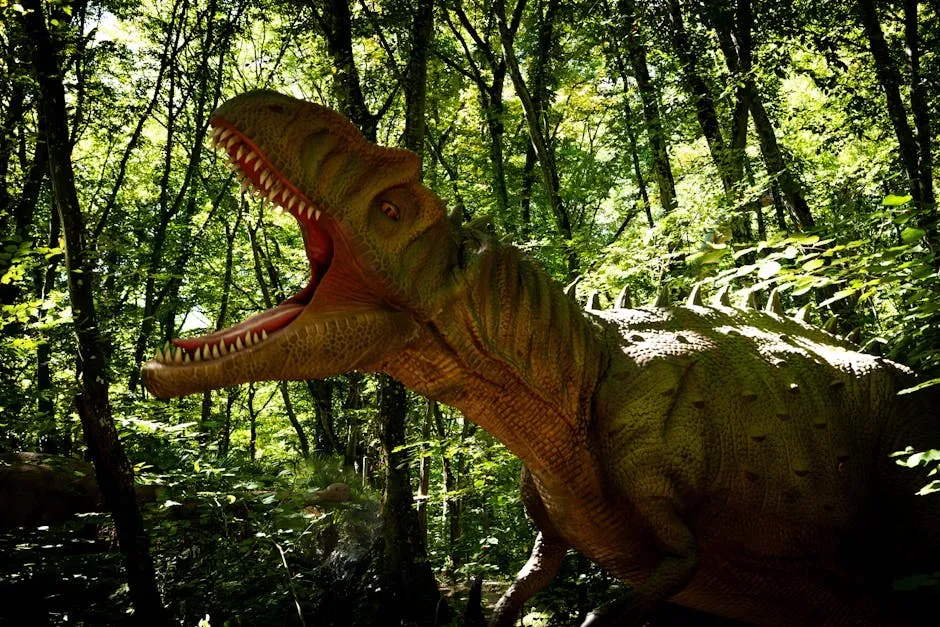
Many people still imagine dinosaurs as they appear in the Jurassic Park films – giant reptiles generating reverberating roars that shake the screen. It’s an iconic image. It’s also, according to current science, almost certainly wrong.
The exciting, blood-curdling roars in the Jurassic Park franchise are not scientifically accurate. Current evidence supports that Tyrannosaurus rex made closed-mouth vocalizations, but in the films, the Tyrannosaurus opens its mouth every time it roars. That’s the exact opposite of what researchers now believe. Think less lion, more pigeon. Honestly, it’s hard to unsee once you know that.
The gap between scientific evidence and public perception remains wide, largely because of Jurassic Park’s enduring cultural footprint. The science has quietly been catching up for years, and you might be stunned by just how far it has come.
Fossilized Voice Boxes: The Breakthrough Evidence You Didn’t Know Existed
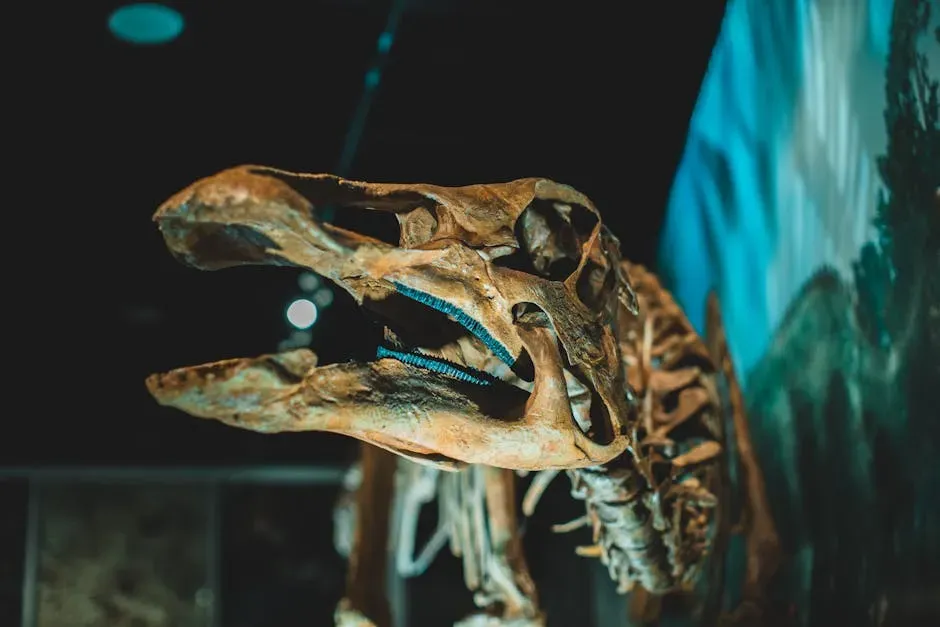
Here’s the thing – finding direct evidence of how dinosaurs sounded has always been the central challenge. The problem was always the evidence: vocal cords, larynxes, and soft tissues decompose, leaving only bones and teeth for scientists to interpret. Without direct fossil evidence, the debate over dinosaur sounds remained speculative.
That changed in 2023. Researchers published the first description of a fossilized voice box from a non-avian dinosaur, and a second discovery followed in early 2025. Two fossilized voice boxes in quick succession – after more than a century of searching. That’s not a coincidence; that’s a field hitting its stride.
Fossilized larynxes or voice boxes have been identified in two dinosaurs: the ankylosaurid Pinacosaurus and the neornithischian Pulaosaurus, the structures of which suggest that dinosaurs were capable of complex bird-like vocalizations. Both finds have sent genuine ripples through the paleontology community, and for very good reason.
Pinacosaurus and Pulaosaurus: The Dinosaurs That Changed Everything
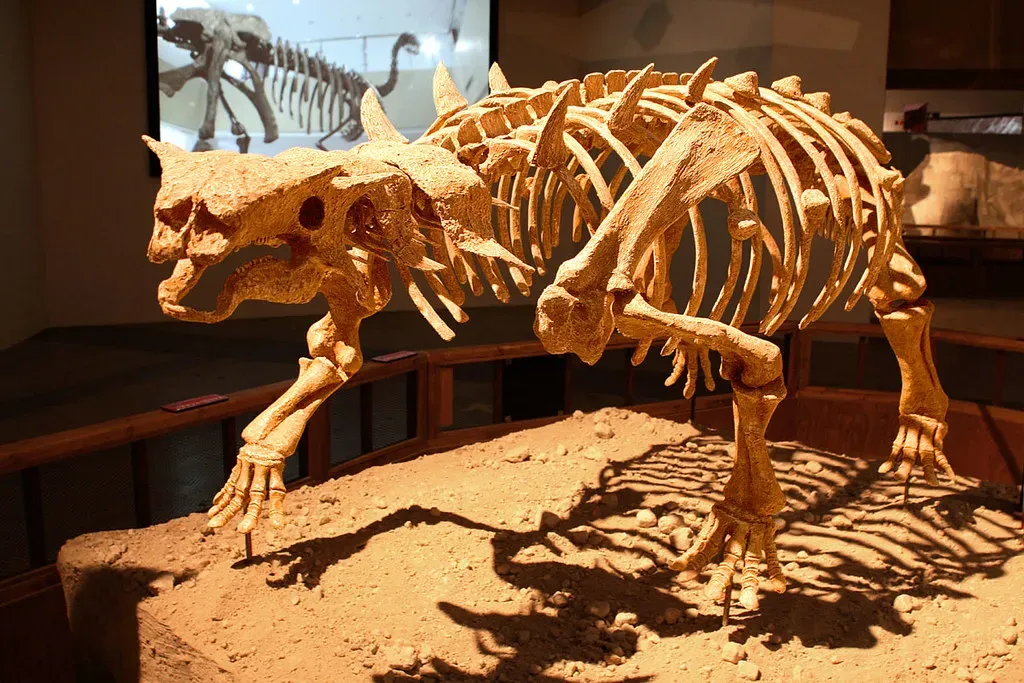
The “extremely rare” discovery of an 80 million-year-old fossilized voice box belonging to an armored dinosaur reveals that the ancient beast may have sounded more birdlike than experts previously thought. Pinacosaurus grangeri, a squat, armor-plated and club-tailed ankylosaur unearthed in Mongolia in 2005, was discovered with the first fossilized voice box found in a non-avian dinosaur.
Researchers found that Pinacosaurus grangeri had a very large cricoid and two long bones that were used to adjust its size – a layout that turned the voice box into a vocal modifier. This anatomical setup likely meant that the ancient herbivore was capable of making a large array of sounds, including rumbles, grunts, roars and possibly even chirps, while bellowing them out across vast distances.
Paleontologists described Pulaosaurus qinglong in the journal PeerJ, identifying it as only the second non-avian dinosaur preserved with a bony voice box. The fossil showed vocal structures similar to those of modern birds. Two separate species. Two independent voice box discoveries. The pattern is hard to dismiss.
Closed-Mouth Vocalizations: The Surprising Science of Prehistoric Sound
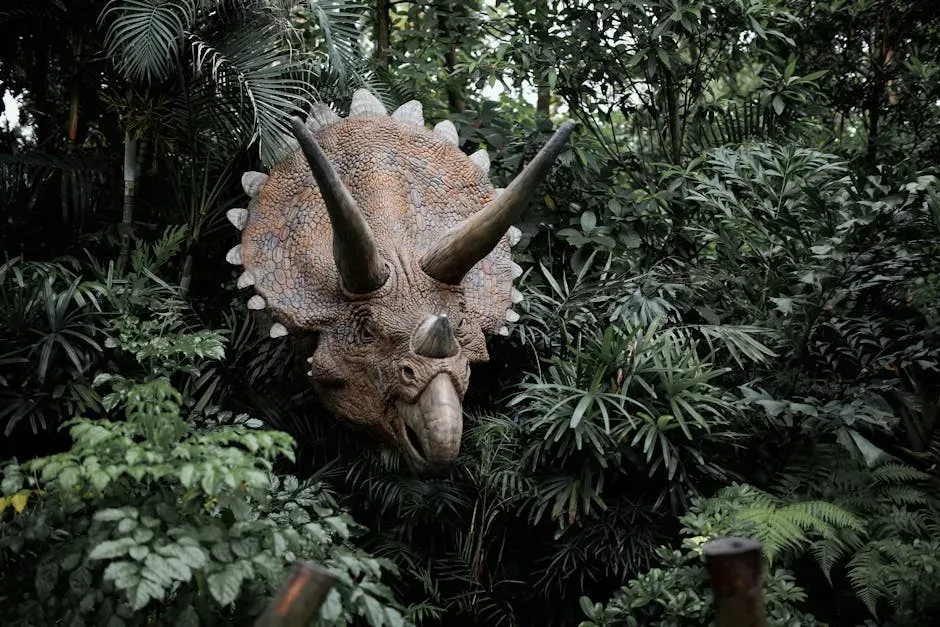
So if dinosaurs didn’t roar, what exactly did they do? Scientists theorize that many dinosaurs may have produced closed-mouth vocalizations – sounds made by inflating the esophagus or tracheal pouches while keeping the mouth closed, producing something comparable to a low-pitched swooshing, growling, or cooing sound. It’s a concept that takes a moment to sink in, but it’s well-supported.
A 2016 study concludes that some dinosaurs may have produced closed-mouth vocalizations, such as cooing, hooting, and booming. These occur in both reptiles and birds and involve inflating the esophagus or tracheal pouches. Such vocalizations evolved independently in extant archosaurs numerous times, following increases in body size.
A line of research published in the journal Evolution examined vocalization data from more than 200 bird and crocodilian species – the closest living relatives of dinosaurs. Researchers found that closed-mouth vocalization evolved independently at least sixteen times within this group. The study demonstrated that this trait appears repeatedly across the archosaur family tree, suggesting deep evolutionary roots. When something evolves that many times independently, you take notice.
The Parasaurolophus Crest: Nature’s Original Brass Instrument
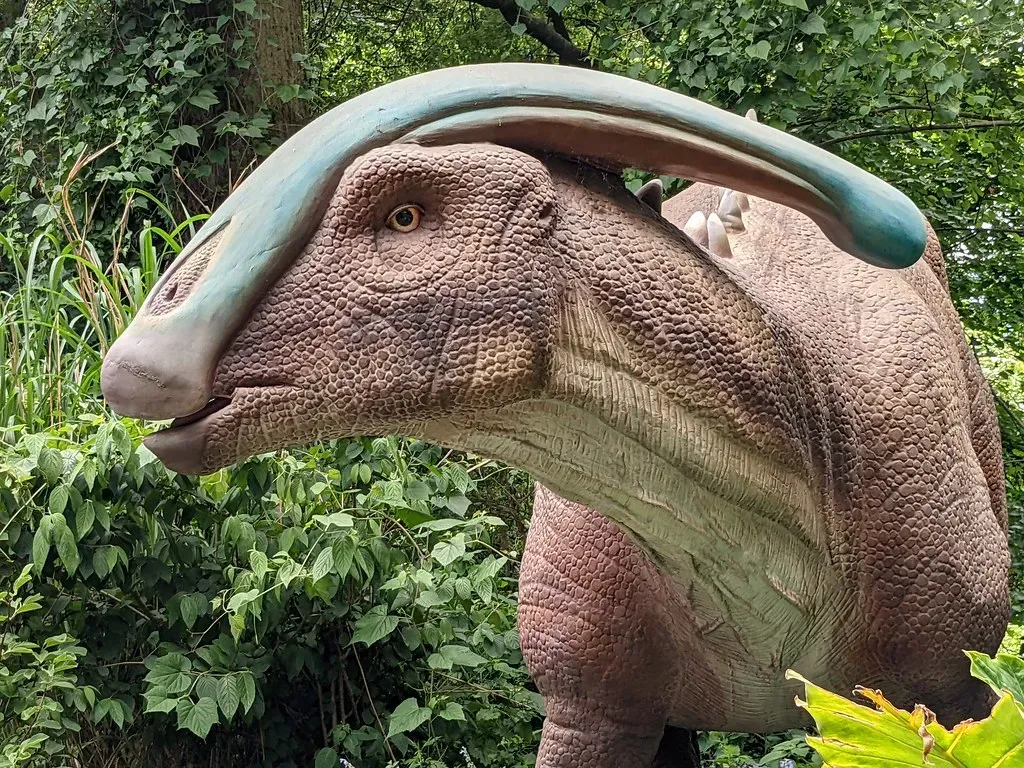
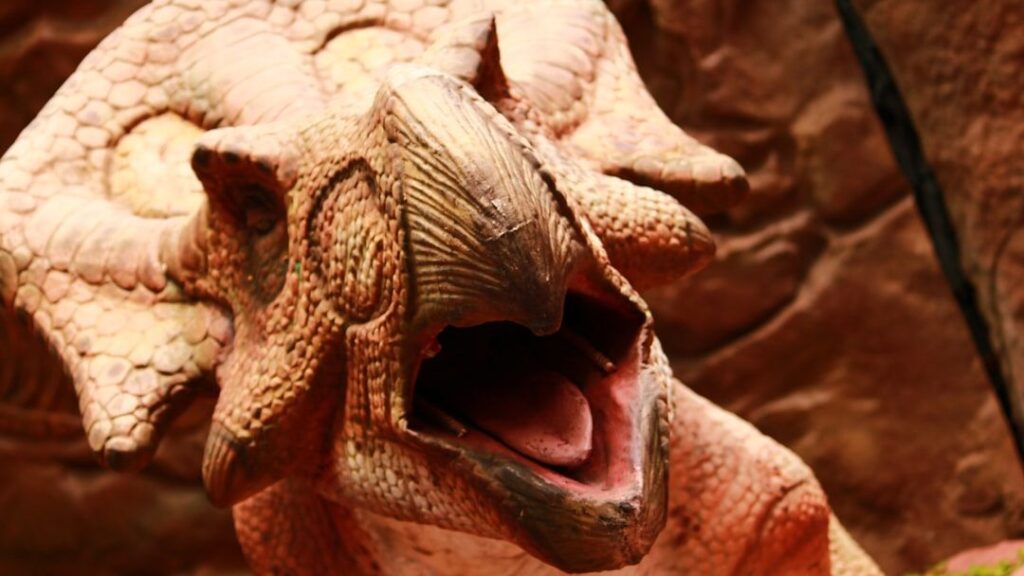
Some dinosaurs took sound production to a genuinely bizarre level. Some hadrosaurs, such as Lambeosaurus and Parasaurolophus, had hollow crests on their heads that were connected to their nasal passages. These crests could have acted as resonating chambers that amplified and altered the sounds they made. Imagine a built-in trombone growing out of your skull. Wild, right?
Many scientists have believed the crest, containing a labyrinth of air cavities and shaped something like a trombone, might have been used to produce distinctive sounds. Based on the structure of the crest, the dinosaur apparently emitted a resonating low-frequency rumbling sound that could change in pitch. Each Parasaurolophus probably had a voice that was distinctive enough not only to distinguish it from other dinosaurs, but from other Parasaurolophuses.
Researchers from New York University created a unique pipe-like instrument inspired by the dinosaur’s distinctive crest, and to understand its acoustic properties, one researcher created a physical model that mirrored this structure. This model consisted of tubes arranged in a way that resembled the hollow chambers within the actual crest. Initial results indicate that the Parasaurolophus’ crest was used for resonance, similar to the crests of birds we see today.
What This Means for Understanding Dinosaur Social Behavior
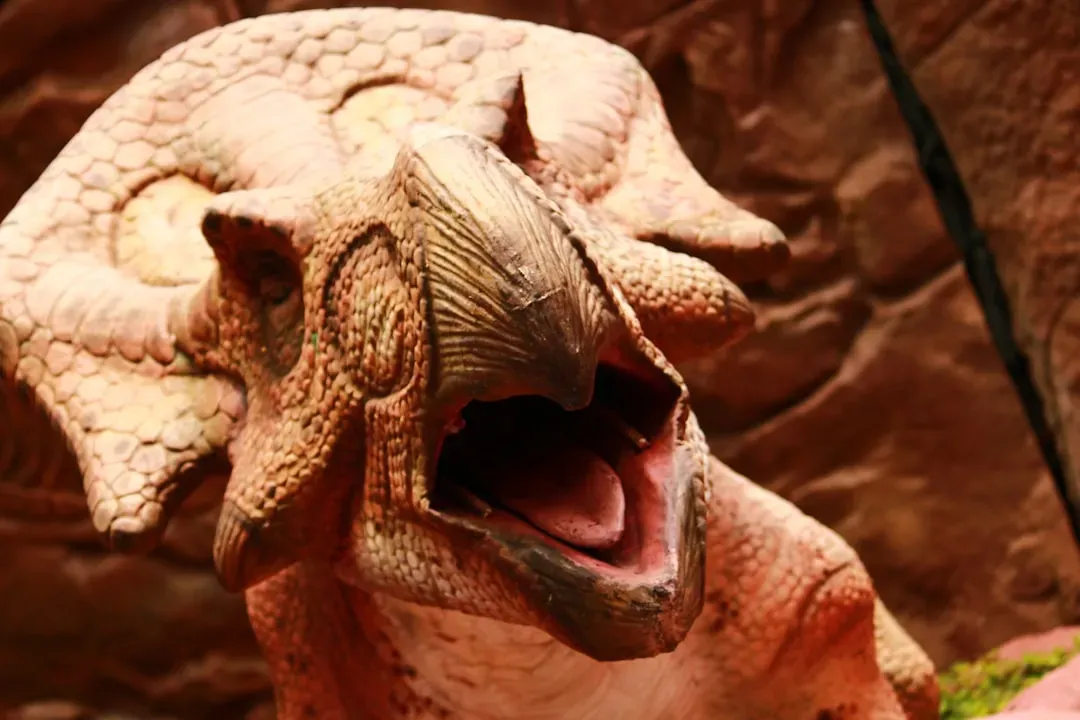
Here’s where it gets really fascinating. Complex vocalizations don’t just happen in a vacuum – they serve a social purpose. Armored dinosaurs like Ankylosaurus might have produced deep, resonant sounds to intimidate predators, while herd-living dinosaurs like Edmontosaurus could have used a mix of low and high frequencies for complex social communication.
Extraordinary preservation of laryngeal structures in some specimens offers a unique window into the sonic capabilities of extinct species. Researchers note that these leaf-shaped, cartilaginous components bear a striking resemblance to those found in modern birds, hinting at the possibility that some dinosaurs could have communicated through complex chirps and calls.
The description of Pulaosaurus in PeerJ offers further evidence that complex sound production may have been more widespread among dinosaurs than previously assumed. You start to see a picture forming: a prehistoric world far noisier, far more communicative, and far more socially sophisticated than any museum diorama has ever suggested.
Conclusion: The Prehistoric Soundscape Is Just Beginning to Speak
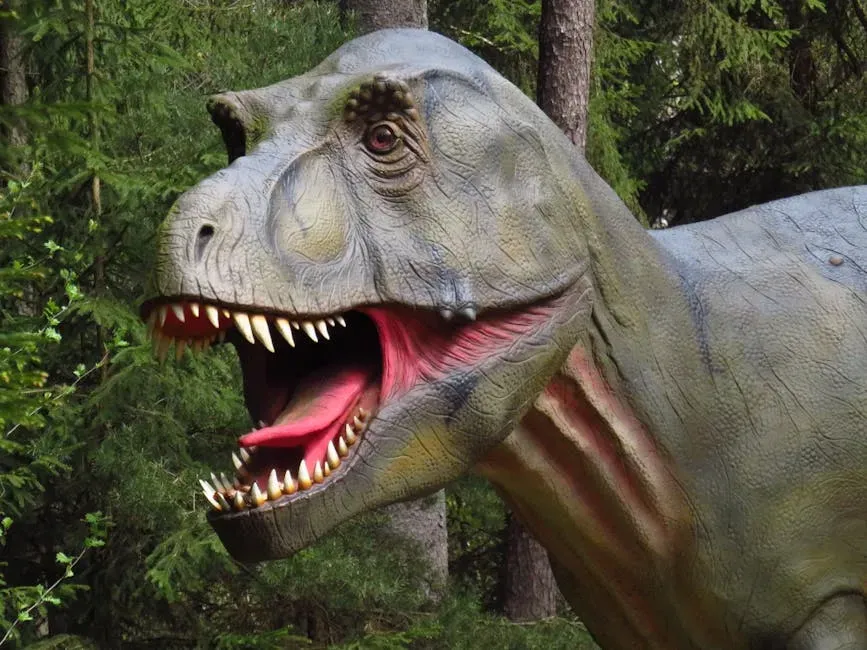
What science is revealing, piece by careful piece, is that dinosaurs were not the thundering, roaring monsters of cinema mythology. The specimens suggest dinosaurs produced sounds closer to a cooing dove or a booming emu than anything resembling a mammalian roar. The anatomical evidence now exists, and it contradicts three decades of cinematic convention.
Unlike bones and fossils, sound doesn’t leave physical traces, so researchers rely on a combination of paleontology, biology, and acoustics to piece together the puzzle. Every new fossilized larynx, every CT scan of a hadrosaur crest, every acoustic model built in a university lab is adding another note to a symphony that went silent 66 million years ago. While they might not have been the roaring, bellowing monsters of movies and TV, there’s little doubt that the dinosaurs filled the Mesozoic world with their presence in some form or other.
The prehistoric soundscape was rich, strange, and deeply layered – and the more we discover, the more extraordinary it becomes. What would you have expected to hear, standing in a Cretaceous forest? Share your thoughts in the comments below.