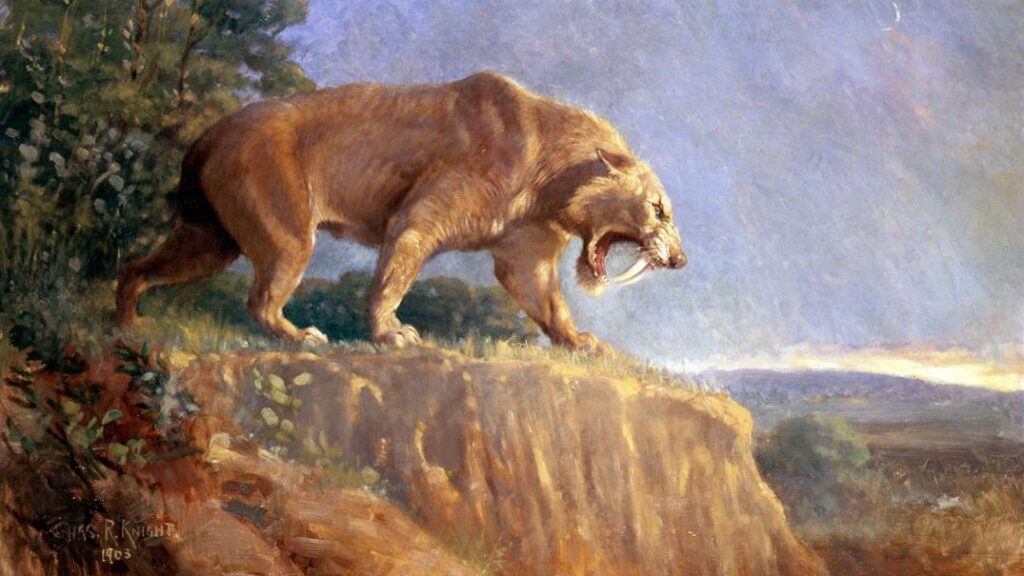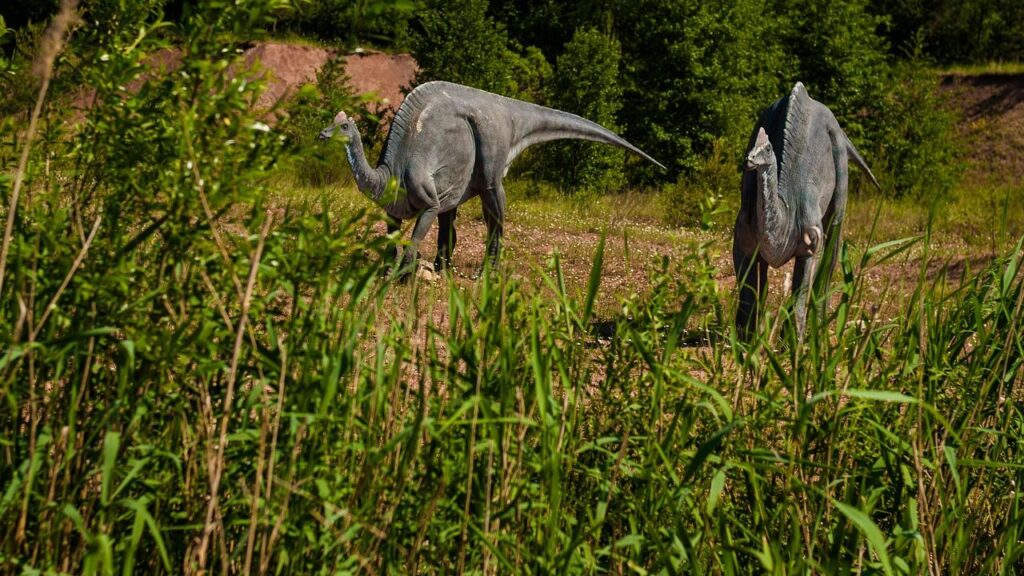
For most of human history, we pictured dinosaurs as solitary giants, roaming ancient landscapes alone, driven purely by instinct and hunger. The image was almost cinematic in its simplicity. A massive predator. A lumbering herbivore. Nothing in between.
Turns out, that picture was completely wrong. New research and fossil discoveries are reshaping everything we thought we knew about how dinosaurs lived, reproduced, and even raised their young. Some of these creatures were not just wandering in packs. They were organizing, communicating, caring for their offspring, and possibly even forming lifelong communities that functioned more like elephant herds than the dim-witted monsters of old Hollywood.
Let’s dive in.
The Myth of the Solitary Dinosaur Is Finally Being Shattered
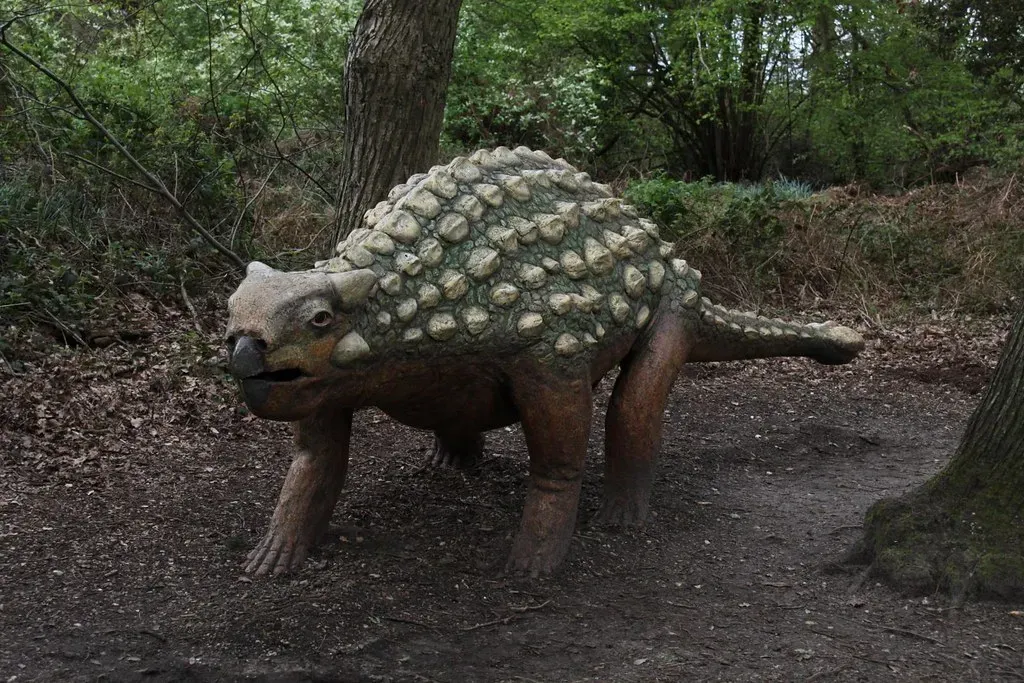
Here is the thing most people get wrong about dinosaurs: the idea that they were antisocial, savage loners. That assumption made sense decades ago, when fossil evidence was sparse and our closest cultural reference was a T. rex snapping at everything in sight. Dinosaurs, once considered solitary creatures, are now understood to have engaged in complex social behaviors. That shift in scientific thinking did not happen overnight, but the evidence has been building steadily.
New studies have provided fresh insights into dinosaur social behavior, including evidence of herd behavior, parental care, and even potential cooperative hunting. Honestly, I think this might be one of the most underappreciated revolutions in modern paleontology. You hear about new species being named, sure. But the realization that these animals had rich social lives? That changes how you feel about them entirely.
Bonebeds and Trackways: The Fossil Record Speaks
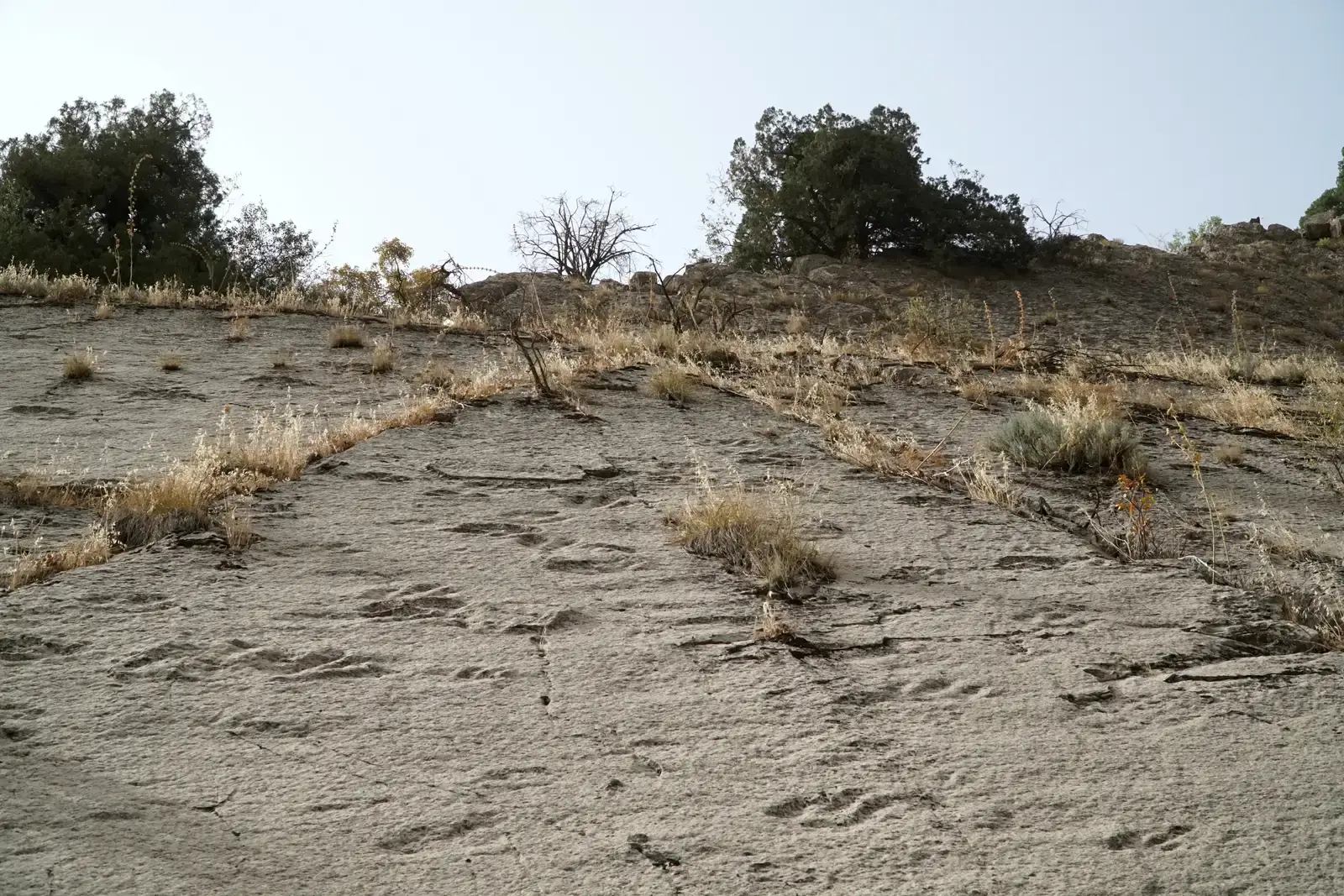
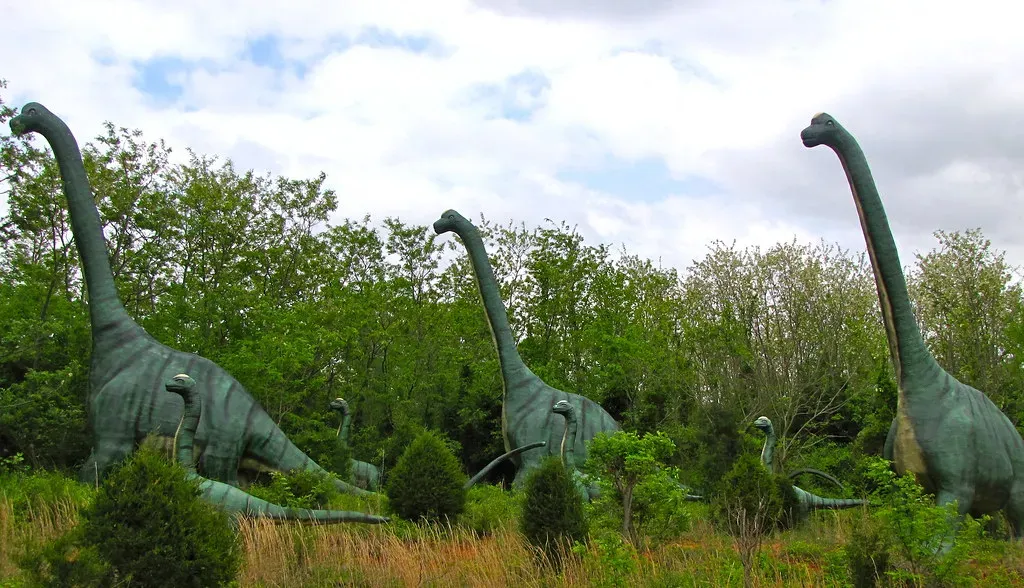
Evidence suggests that many dinosaurs lived in herds, likely for protection, food acquisition, and migration, as groups could have traveled together to find food or avoid harsh environmental conditions, with studies of dinosaur trackways and bonebeds providing insights into herd size, composition, and social structures. Think of a trackway like a prehistoric snapshot. You are not just seeing one set of footprints marching in one direction. You are seeing dozens, sometimes hundreds, all moving together.
These rare occurrences of multiple skeletal remains have repeatedly been reinforced by dinosaur footprints as evidence of herding. Trackways were first noted by Roland T. Bird in the early 1940s along the Paluxy riverbed in central Texas, where numerous washbasin-size depressions proved to be a series of giant sauropod footsteps. Because the tracks are nearly parallel and all progress in the same direction, Bird concluded that “all were headed toward a common objective.” Large trackway sites have since been discovered on nearly every continent, from Canada to Argentina to China.
The Patagonia Discovery That Rewrote the Timeline
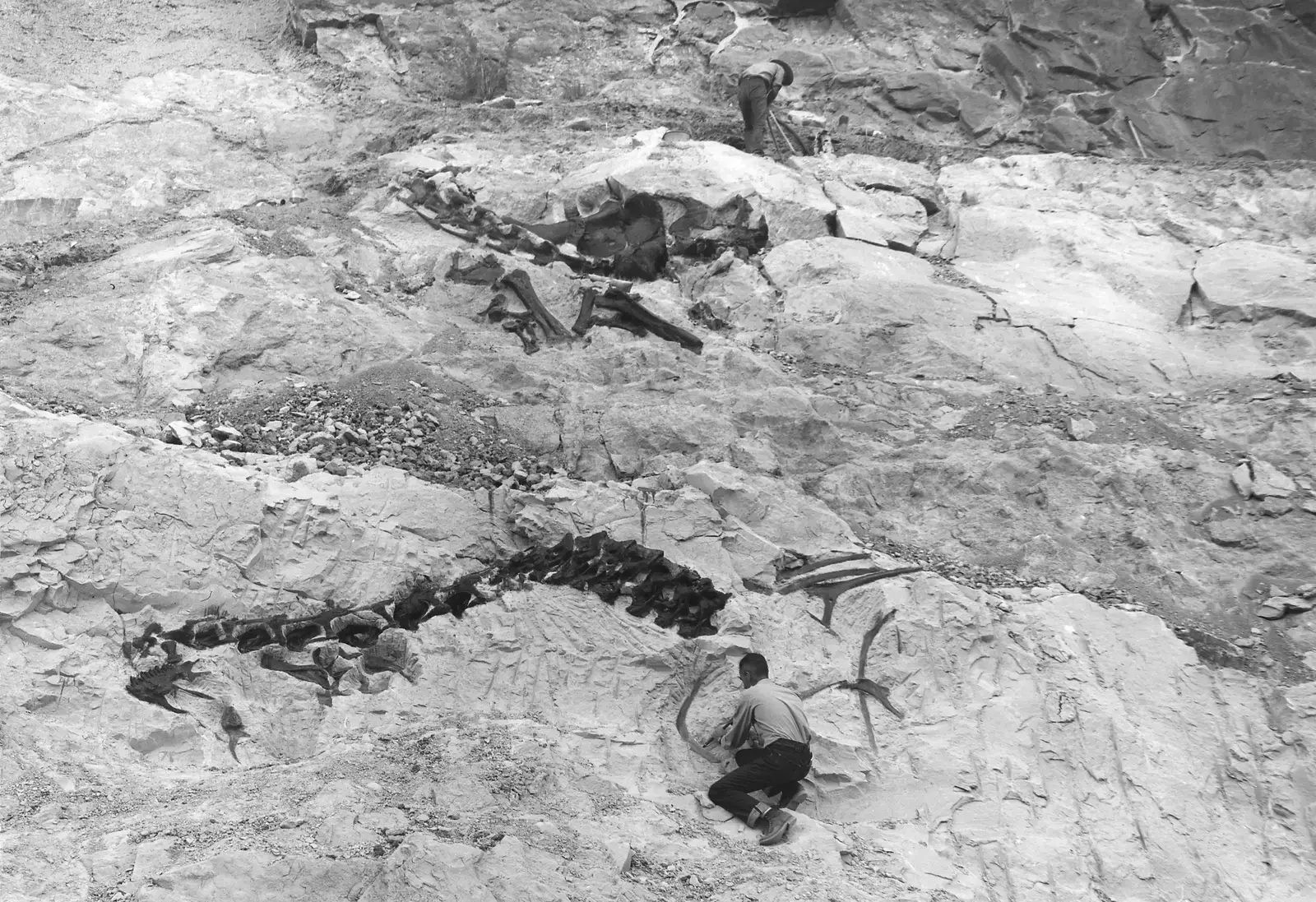
Perhaps the single most jaw-dropping piece of evidence comes from a fossil bed deep in southern Patagonia. Researchers from MIT, Argentina, and South Africa detailed their discovery of an exceptionally preserved group of early dinosaurs that shows signs of complex herd behavior as early as 193 million years ago, a full 40 million years earlier than other records of dinosaur herding. Since 2013, members of the team have excavated more than 100 dinosaur eggs and the partial skeletons of 80 juvenile and adult dinosaurs from this rich fossil bed. That is not a small sample. That is a community.
The discoveries indicate the presence of social cohesion throughout life and age-segregation within a herd structure, in addition to colonial nesting behaviour, providing the earliest evidence of complex social behaviour in Dinosauria, predating previous records by at least 40 million years. To put that in perspective for you, 40 million years is longer than the entire span from the extinction of the dinosaurs to the present day. Social herding was not a late evolutionary trick. It was baked in from the very beginning.
Age Segregation: When Dinosaur Herds Ran Like a Village
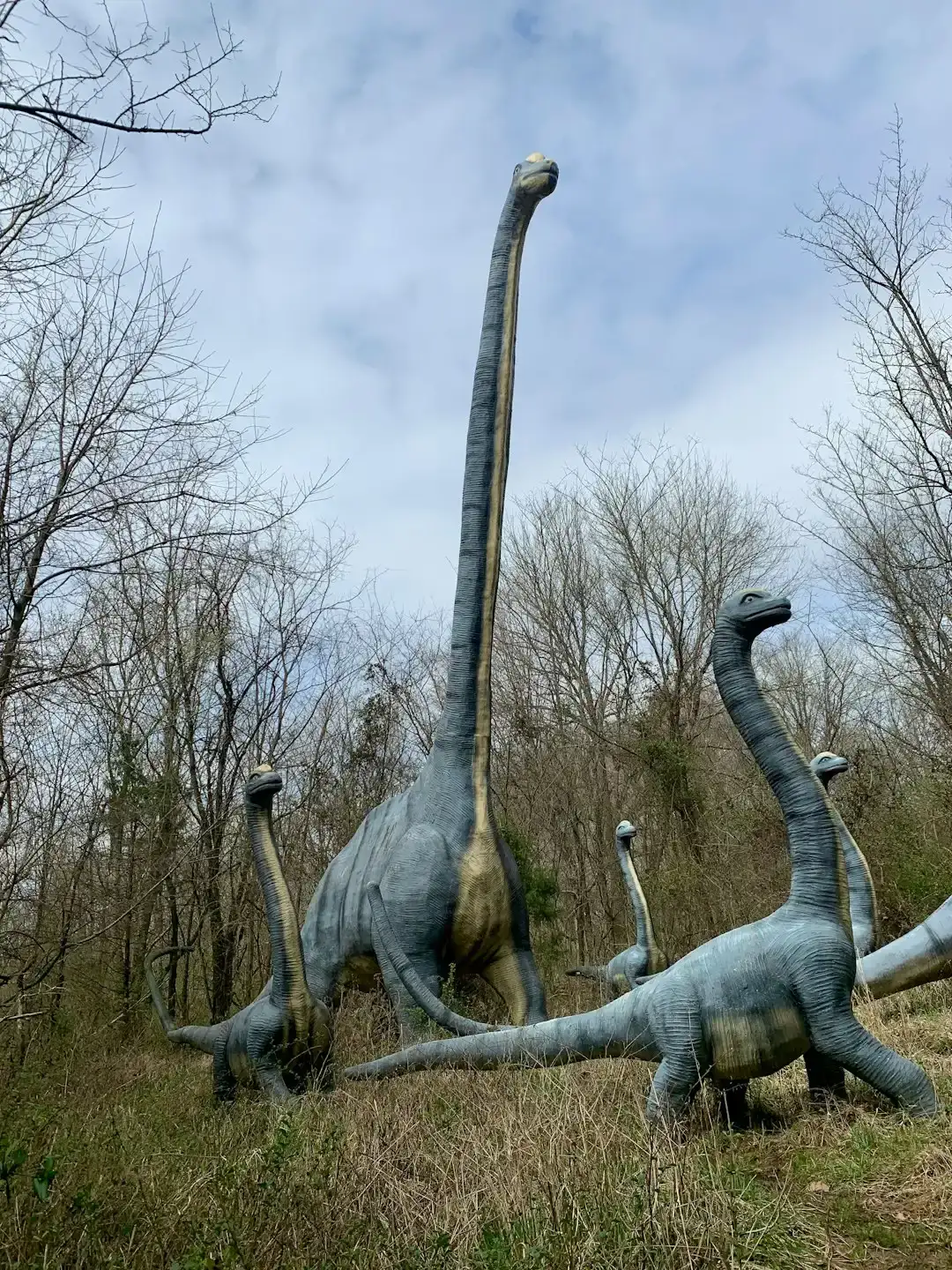
Researchers observed that the fossils were grouped by age: dinosaur eggs and hatchlings were found in one area, while skeletons of juveniles were grouped in a nearby location, and remains of adult dinosaurs were found alone or in pairs throughout the field site. It sounds almost like a school system, does it not? Youngsters stayed with youngsters. Adults roamed separately. The structure was not random.
This “age segregation,” the researchers believe, is a strong sign of a complex, herd-like social structure. The dinosaurs likely worked as a community, laying their eggs in a common nesting ground, while juveniles congregated in “schools” and adults roamed and foraged for the herd. This means that multifamily groups got together not just for breeding and nesting but that they potentially formed life-long herds, more like today’s elephants or wildebeests. That comparison alone should make you pause. These were not mindless reptiles.
Parental Care: Dinosaurs as Devoted Parents
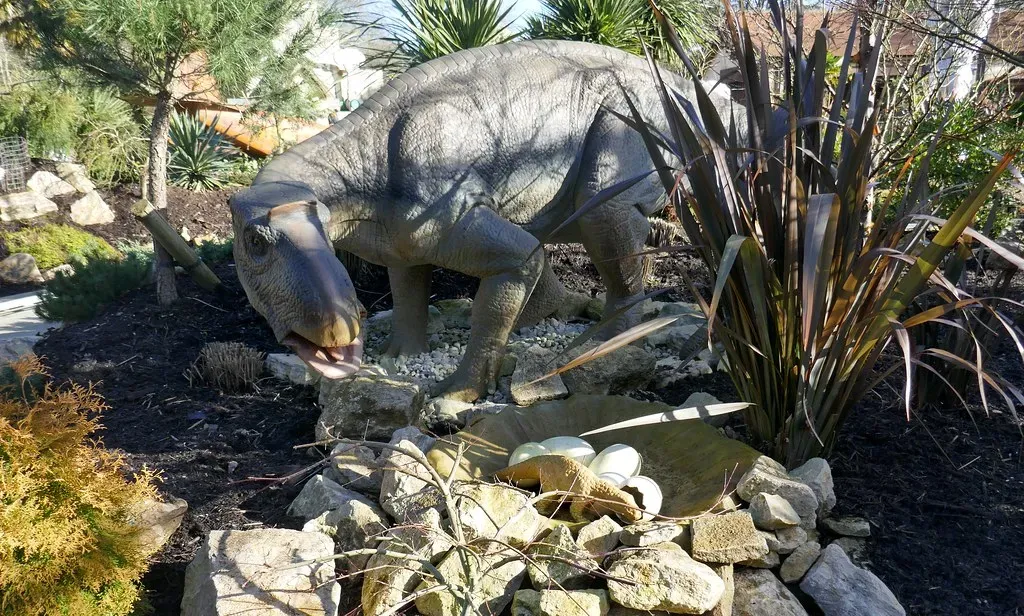
One of the most emotionally compelling pieces of this story is the growing body of evidence for dinosaur parental care. Fossil evidence suggests that Maiasaura parents nested in large colonies, creating a social structure similar to modern-day birds, with communal nesting behavior providing several advantages in terms of protection and care for their hatchlings, and paleontologists finding juvenile dinosaur bones indicating parental care and support during early life stages. The very name Maiasaura translates to “good mother lizard,” and it earned that name.
Instead of finding just one dinosaur or one nest, an entire nesting ground was discovered, spaced closer together than the length of one adult, as some birds do today. The eggs were arranged in a spiral and placed on top of rotten vegetation to keep them warm. The most important find was of hatchlings, which had underdeveloped legs making walking unlikely, and yet had worn teeth. Worn teeth in a hatchling that could not yet walk means only one thing: something was bringing food to them. Someone was taking care of these babies.
Social Hierarchies and Display Structures Within the Herd
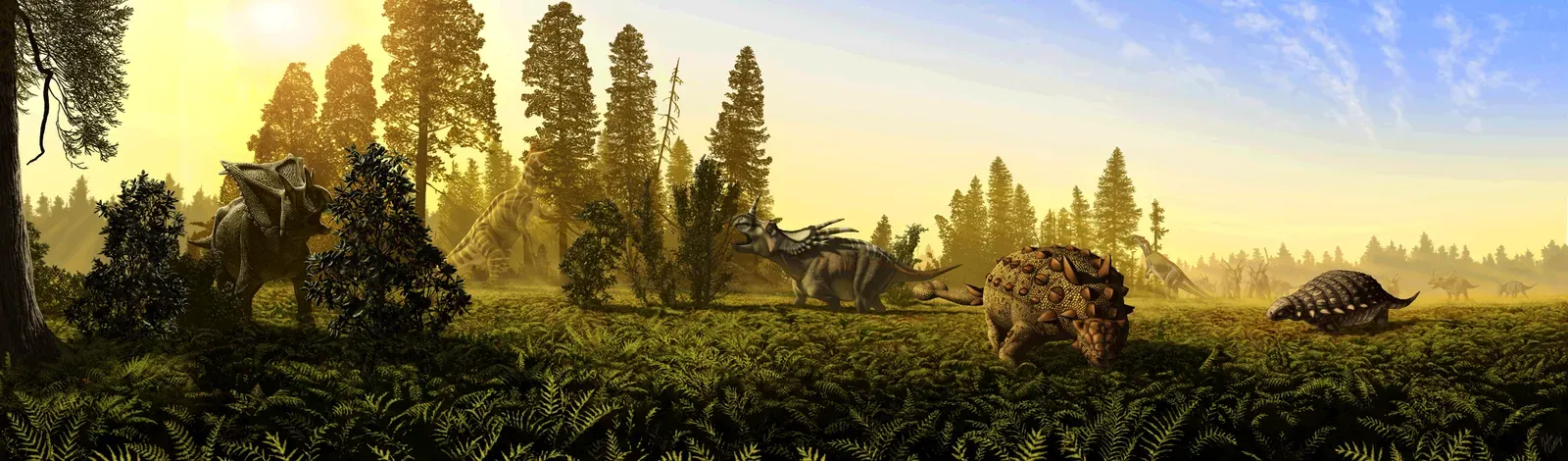
Some dinosaur species may have established social hierarchies within their herds, which could have influenced access to mates, food, and territory. This is where things get genuinely fascinating. You start to see behaviors in the fossil record that go beyond just “they lived in groups.” You start to see politics. Dominance. Competition. One prominent example is the centrosaurine ceratopsids, a group of herbivorous dinosaurs known for their elaborate frills and horns, which likely formed large, socially complex herds, with some individuals occupying higher positions within the social hierarchy than others.
What researchers have learned about dinosaur combat and interactions over the past decade or so is that many of the elaborate structures once thought of as defensive weapons are actually social structures, used for signaling to each other and competing for mates or territory. Imagine a stag with its antlers. Now scale that up to a ceratopsian with a two-metre frill. Archosaurs and other diapsids are profoundly visual animals, using many types of visual displays, including static ones like colors or crests, and moving ones like dances and head bobs. The social signaling, it turns out, runs deep in their evolutionary history.
Communication, Cooperation, and What Fossils Cannot Quite Tell Us
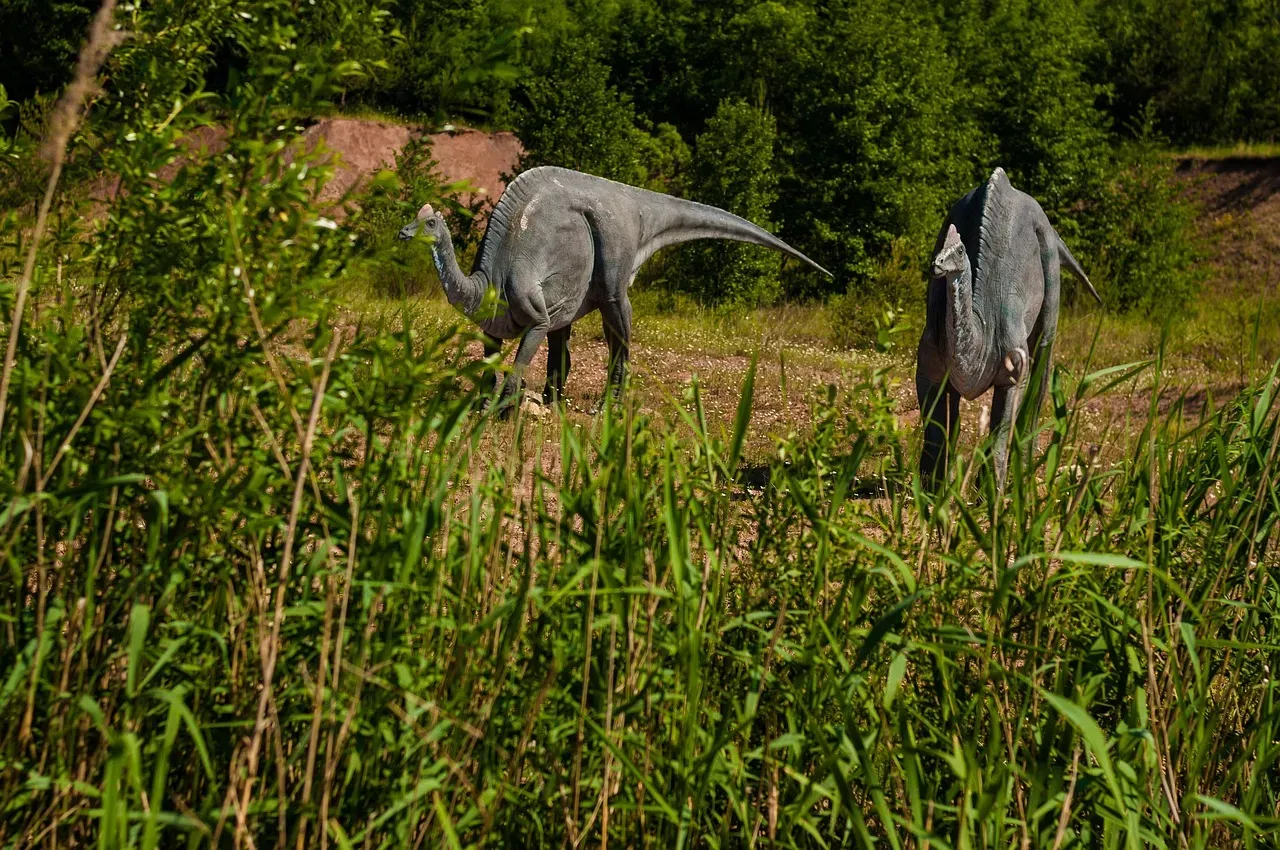
Although it is difficult to directly study dinosaur vocalizations, researchers have inferred their communication abilities based on anatomical features, such as the structure of the larynx and the presence of hollow bones that could have resonated sound. Dinosaurs likely used body language, including postures, gestures, and displays, to communicate with each other. Think of a peacock spreading its feathers or a gorilla beating its chest. These are social signals. Dinosaurs almost certainly had their own versions.
Social bonding and the establishment of hierarchical structures were integral to the functioning of dinosaur communities. Through pack behavior, dinosaurs exhibited coordinated movements, shared resources, and employed cooperative hunting strategies, fostering social cohesion within their groups. This pack behavior facilitated successful hunting, increased survival rates, and enhanced protection against predators. It is hard to say for sure how sophisticated any individual species was, but the overall picture is clear. These were not lone wolves. They were community members.
Conclusion: We Are Only Beginning to Understand Dinosaur Society
Science has a way of humbling us. For generations, we built a mental image of dinosaurs that was dramatic and simple. Solitary killers. Mindless giants. Creatures of pure appetite. And then the fossils started telling a different story, one of age-segregated herds, devoted parents, communal nesting grounds, and social hierarchies organized around display and dominance.
Researchers now acknowledge the documented evidence of early social behavior in dinosaurs, which raises the question of whether living in a herd may have had a major role in dinosaurs’ early evolutionary success. If multiple separate lines of dinosaurs lived in herds, social behavior may have evolved even earlier, perhaps as far back as their common ancestor in the late Triassic. The deeper we look into the ancient rock, the more we find that life, even 200 million years ago, was profoundly social. So the next time someone describes a dinosaur as a mindless killing machine, feel free to politely disagree. What do you think: does knowing that dinosaurs may have been devoted parents and complex social beings change the way you see them? Tell us in the comments.