New Zealand – Lawmakers introduced the Tohorā Oranga Bill in Parliament, marking a potential shift in how the nation views its ocean giants. The legislation proposes recognizing whales, known as tohorā in Māori, as legal persons with inherent rights. This move builds on a 2024 indigenous declaration and reflects growing calls for stronger marine protections.
A Transformative Proposal Enters Parliament
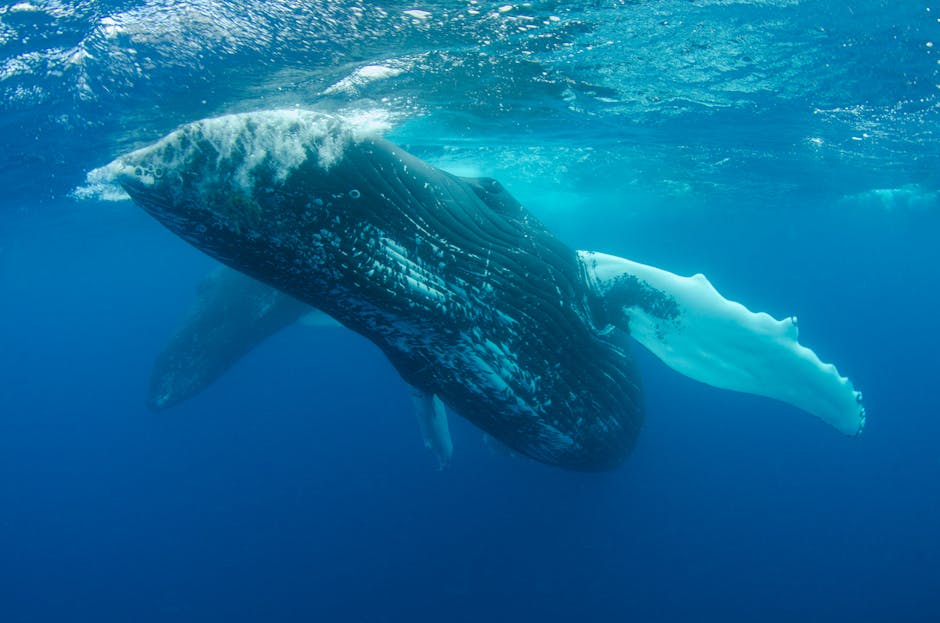
A Transformative Proposal Enters Parliament (Image Credits: Pexels)
Green Party MP Teanau Tuiono lodged the Tohorā Oranga Bill, aiming to redefine whales beyond mere natural resources. The initiative challenges traditional frameworks by granting these mammals legal standing. Tuiono described it as a profound change: “This bill represents a transformation in how we protect our marine species and the wider moana, to create a law that would protect whales by legally recognizing their mana.”
Parliament now holds the power to advance or stall the measure. Supporters highlight its alignment with cultural values and environmental urgency. Critics may question enforcement amid busy shipping lanes and fishing grounds. Still, the bill’s introduction signals momentum in conservation policy.
Roots in Polynesian Indigenous Stewardship
The proposal traces back to He Whakaputanga Moana, the Whale Protection and Legal Personhood Declaration signed in 2024. Chiefs from New Zealand, Tahiti, the Cook Islands, and other Pacific nations endorsed it, affirming whales’ status as rights-holders. This treaty emphasized coexistence and set the stage for legislative action.
Indigenous leaders invoked concepts like mana, or spiritual authority, to underscore whales’ role in ocean ecosystems. The declaration called for freedoms such as movement and habitat health. New Zealand’s bill directly incorporates these principles into national law.
Five Core Rights for Ocean Guardians
The Tohorā Oranga Bill outlines specific protections to safeguard whale welfare. These rights would compel regulators to prioritize cetacean needs in decision-making. Key provisions include:
- Freedom of movement and migration across oceans.
- Protection of natural behaviors essential to survival.
- Safeguarding social and cultural structures within pods.
- Right to a healthy environment free from pollutants and threats.
- Access to restoration and regeneration of habitats and ecosystems.
Such measures promise to influence sectors like fishing and shipping. Seabed mining and coastal projects would face new scrutiny. Proponents argue this holistic approach addresses cumulative threats more effectively than fragmented rules.
Implications for Policy and Global Precedent
New Zealand already pioneered legal personhood for natural features, such as the Whanganui River and Te Urewera forest. The whale bill extends this model to mobile marine life. It requires government assessments of activities impacting whales, potentially reshaping economic practices.
Internationally, the effort inspires similar pushes. Pacific leaders view it as a blueprint for rights-of-nature laws. Success here could accelerate protections amid climate pressures and vessel strikes. Challenges remain, including international enforcement in shared waters.
This legislation embodies a cultural and ecological pivot. As oceans face mounting strains, granting whales legal voice offers a novel defense. What do you think of this approach to conservation? Share your views in the comments.
Key Takeaways
- The Tohorā Oranga Bill targets five inherent rights for whales, from migration to habitat restoration.
- Introduced by MP Teanau Tuiono, it stems from a 2024 Polynesian declaration.
- Approval would transform regulations on fishing, shipping, and mining in New Zealand waters.