New Zealand – The critically endangered kākāpō parrot marked a historic achievement in 2026 with over 100 chicks hatched during its most successful breeding season to date. This surge followed a massive bloom of rimu berries, the birds’ primary food source that cues reproduction every few years. Conservation teams celebrated the milestone as a sign of progress for a species reduced to 235 adults by invasive predators.
A Flightless Wonder Faces Extinction’s Edge
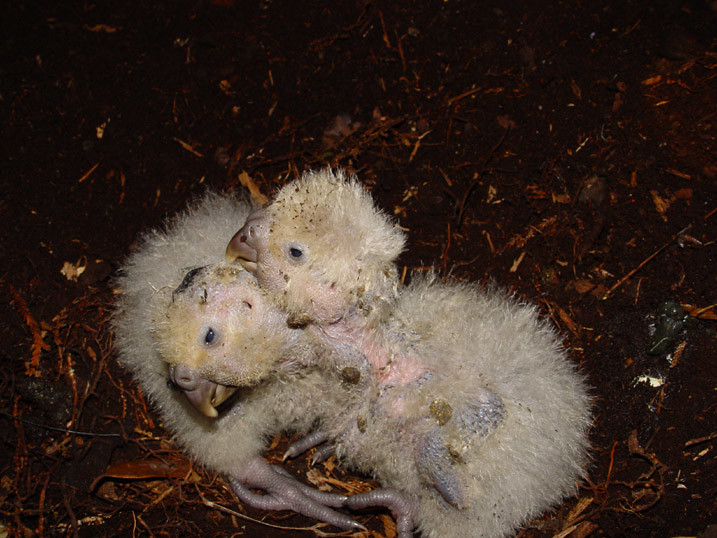
A Flightless Wonder Faces Extinction’s Edge (Image Credits: Flickr)
The kākāpō stands out as the world’s heaviest parrot, a flightless, nocturnal bird unique to New Zealand’s islands. Males weigh up to four kilograms and emit deep booming calls during courtship that resonate across forests. Females, solitary by nature, raise chicks alone in burrows, feeding them high-energy rimu fruit.
European settlers introduced predators like stoats, rats, and cats in the 19th century. These invaders decimated the population, dropping it from thousands to 51 individuals by 1995. Intensive recovery efforts relocated survivors to predator-free sanctuaries, stabilizing numbers at around 235 adults today.
Rimu Berries Ignite a Rare Mating Surge
Kākāpō reproduction hinges on rimu trees, which produce vast berry crops known as masting events roughly every two to four years. In 2026, an exceptional mast provided females with the nutrition needed to breed. Nearly every one of the 83 breeding-age females participated, a rarity that set the stage for unprecedented output.
Teams monitored rimu fruiting closely from late 2025. Data confirmed a record-high mast across key islands, prompting males to boom en masse starting in December. Females harvested up to a pound of berries daily per chick, fueling egg production that peaked in February and March.
Numbers That Shatter Previous Marks
The 2026 season produced 80 nests and 256 eggs across three predator-free islands: Whenua Hou/Codfish Island and sites in Fiordland. Of these, 148 proved fertile, leading to 105 confirmed hatchlings. Ten chicks died early, while three received veterinary care, leaving at least 95 thriving as they grew.
This surpassed the prior record of 85 hatchlings in 2019, when 73 reached fledging. Chicks officially join the adult count at 150 days old, around mid-July for the earliest hatches. Weekly updates from the Department of Conservation tracked progress, building global excitement.
- 80 nests established, highest ever.
- 256 eggs laid, including from artificial insemination.
- 105 hatched, eclipsing 2019’s 85.
- 95+ chicks growing toward independence.
- First major breeding since 2022.
Human Hands Guide Survival
The Kākāpō Recovery Programme, led by the Department of Conservation and partners like Ngāi Tahu, orchestrated much of the success. Rangers checked nests daily, incubated eggs artificially, and hand-reared weak chicks. Veterinary teams performed tiny CPR and stitched wounds on vulnerable hatchlings.
Live cams broadcast egg-laying and chick development, fostering public support. Foster mothers helped rear some young. These interventions addressed infertility and low hatch rates, longstanding hurdles. Officials aim to reduce hands-on management as numbers rise toward self-sustainability.
Toward a Self-Sustaining Future
Not every chick survives to fledging, with risks from infertility, weakness, and habitat demands. Yet the 2026 boom positions the population for growth beyond 300 by year’s end. Past super-breeders built dynasties, and this cohort could follow suit.
Long-term plans expand to larger predator-free areas. The programme shifts toward natural dynamics, honoring cultural ties as taonga species. This season reminds observers of conservation’s impact.
Key Takeaways
- Rimu masting drove near-total female breeding participation.
- 105 hatchlings set a new benchmark over 2019’s record.
- 235 adults now bolstered by intensive recovery support.
Conservation triumphs like this renew commitment to New Zealand’s unique wildlife. What do you think this means for the kākāpō’s future? Tell us in the comments.