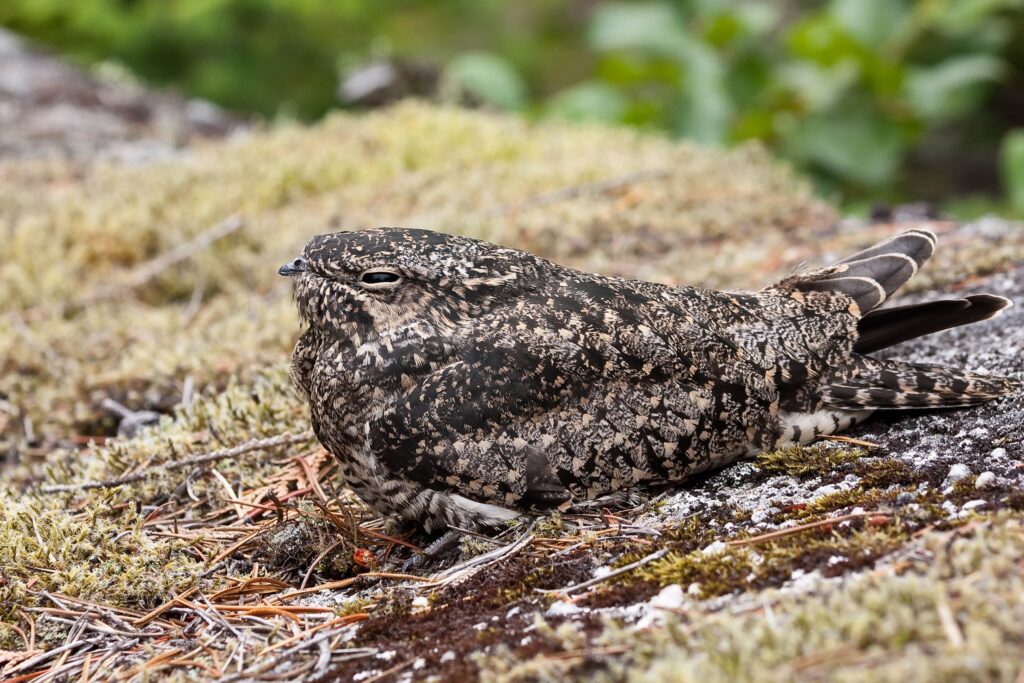
Alberta – Common nighthawks demonstrated a clear preference for darker habitats over areas brightened by human-made illumination, according to recent research conducted in the province’s diverse landscapes.
Wing Booms Reveal Hidden Behaviors
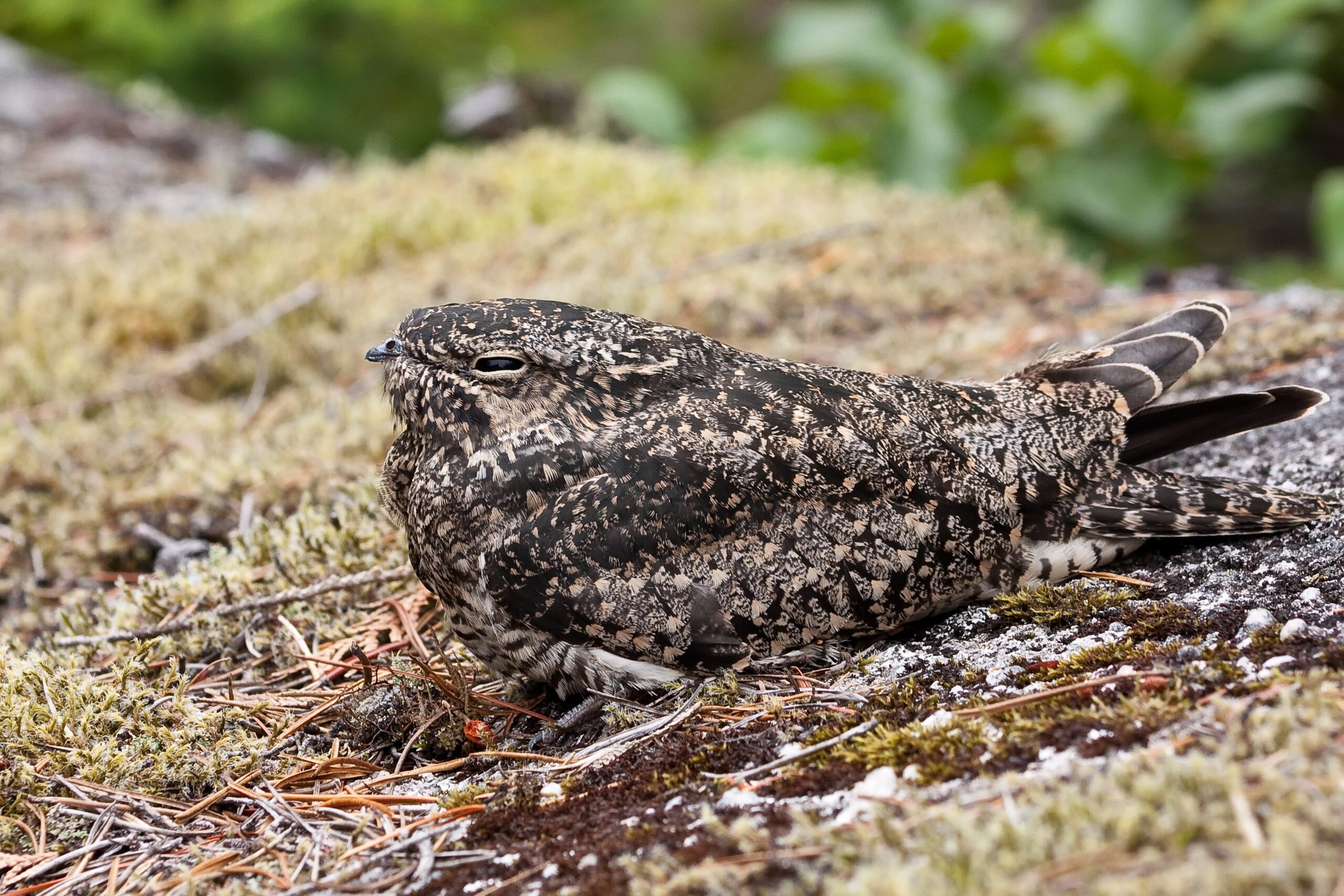
Wing Booms Reveal Hidden Behaviors (Image Credits: Upload.wikimedia.org)
Researchers turned to the birds’ distinctive aerial displays to unravel their habits. Common nighthawks produce a booming sound by rapidly swooping and pulling up near their nests, a behavior captured clearly on audio spectrograms.
Carrie Ann Adams, a postdoctoral fellow at Carleton University, deployed recorders across Alberta’s boreal forests and grasslands during the summers of 2020 and 2021. Each device recorded three minutes of sound every 20 minutes, allowing precise tracking of nesting versus foraging activity. The absence of booms within six minutes after sunset indicated the birds had moved to feeding grounds.
This innovative acoustic method proved essential for studying the elusive nocturnal insectivores without visual confirmation. Adams noted the vocalizations and booms stood out distinctly, enabling reliable behavioral deductions.
Strong Avoidance in Open Grasslands
In Alberta’s southern grasslands, nighthawks consistently shunned zones with artificial light from ground sources. The study revealed fewer birds both nesting and foraging in brighter areas, building on prior observations from British Columbia.
Ground-nesting nighthawks depend on camouflaged plumage to shield eggs and chicks from predators. Increased visibility from lights heightens these risks, prompting the birds to seek out shadowed territories.
Northern boreal forests showed a different picture. No significant link appeared between light levels and nighthawk presence there, likely due to shorter nights farther north that limit overall darkness.
Skyglow’s Cloudy Night Effects
Beyond direct lighting, scattered skyglow – artificial light reflected back from the atmosphere – exerted a minor influence. On cloudy evenings, when the glow intensifies, nighthawks shifted slightly toward earlier morning activity.
Adams explained that skyglow can brighten the sky comparable to a full moon, potentially tricking the birds’ internal clocks into anticipating dawn prematurely. Evening patterns remained unchanged, however, and low sample sizes tempered these observations.
Overall, artificial illumination influenced location choices more than daily rhythms. As Adams stated, “It’s generally having a negative impact, especially for nesting areas.”
Conservation Measures Gain Urgency
The common nighthawk holds special concern status from Canada’s Committee on the Status of Endangered Wildlife, partly due to insect declines tied to light pollution. Western Canada’s findings underscore the need for targeted actions.
Practical steps can mitigate these effects:
- Switch off unnecessary outdoor lights, particularly after dusk.
- Opt for lower-wattage bulbs or shields that direct light downward.
- Employ motion sensors to illuminate paths only when needed.
- Advocate for community dark-sky initiatives in rural and urban edges.
Global light pollution detectable from space expands by about 20% each decade. Beyond wildlife, this trend erodes human access to starry nights. Adams emphasized, “There’s also a human right that we have to be able to see the stars.”
Key Takeaways
- Nighthawks avoid lit areas in grasslands to protect camouflaged nests from predators.
- Skyglow prompts minor early-morning shifts on cloudy nights.
- Reducing light pollution supports nighthawk populations and broader ecosystems.
This research spotlights how subtle human alterations reshape nocturnal wildlife choices, urging proactive dimming for healthier skies. What steps will you take to cut light pollution in your area? Share your thoughts in the comments.