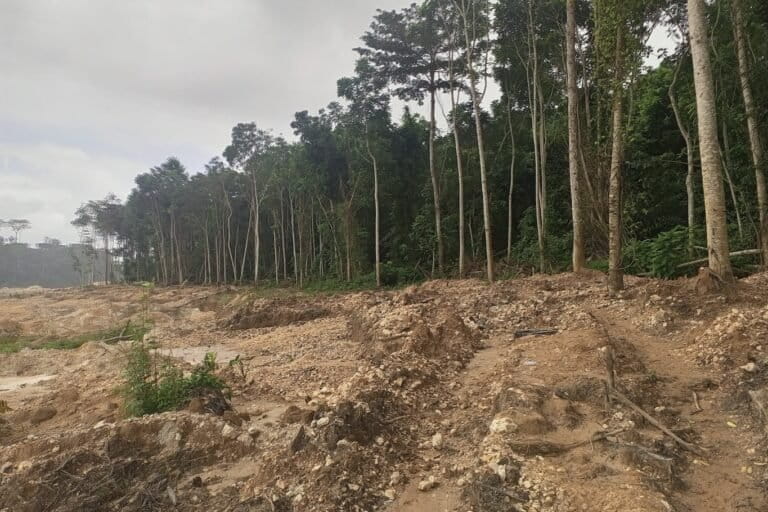
Panama – A recent experiment demonstrated that nitrogen scarcity severely limits the early recovery of tropical forests, hindering their capacity to capture atmospheric carbon dioxide.
Researchers Stunned by Nitrogen’s Impact
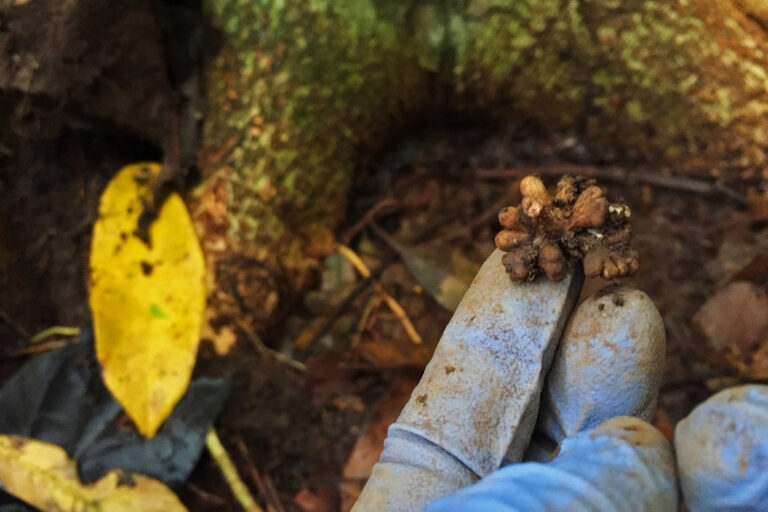
Researchers Stunned by Nitrogen’s Impact (Image Credits: Imgs.mongabay.com)
Scientists conducting a long-term study in Panama’s lowland tropical forests expected phosphorus to play a larger role in regrowth, but nitrogen proved decisive in the initial stages.
The discovery astonished the team. “That totally blew us away,” said Sarah Batterman, an ecologist at the Cary Institute of Ecosystem Studies and a lead author on the research published in Nature Communications. Trees in nitrogen-fertilized plots outpaced controls dramatically, reaching heights that exceeded the researchers’ own stature after just four years.
This finding challenged assumptions about nutrient dynamics in tropical ecosystems, where phosphorus limitation often dominates discussions for mature stands.
Unpacking the Panama Field Experiment
Over a decade, researchers established 76 plots, each spanning 0.16 hectares, across forest stages from freshly cleared pastures to mature woodlands in the Panama Canal Watershed. They applied nitrogen, phosphorus, or both to designated areas while leaving others as unfertilized controls.
Teams measured approximately 200,000 tree stem diameters through multiple censuses. Results showed clear patterns:
- Newly cleared land saw net above-ground biomass accumulate 95% faster with nitrogen.
- Ten-year-old forests grew 48% faster under nitrogen addition, hastening canopy closure.
- Older forests, aged 30 years or more, exhibited no response to either nutrient.
Phosphorus alone or combined with nitrogen yielded no growth benefits at any stage.
| Forest Stage | Biomass Growth Boost with Nitrogen |
|---|---|
| Newly cleared | 95% faster |
| 10-year-old | 48% faster |
| 30-year-old/mature | No effect |
Global Stakes for Carbon Sequestration
Tropical forest restoration ranks among the most effective strategies for climate mitigation, yet nutrient bottlenecks undermine its potential. The study estimated that nitrogen limitation alone prevents young regenerating forests worldwide from sequestering about 0.7 gigatons of CO2 annually.
Practical solutions emerged from the work. Planting nitrogen-fixing tree species could accelerate recovery without synthetic fertilizers, which carry risks like pollution and nitrous oxide emissions – a potent greenhouse gas. Researchers also suggested prioritizing reforestation in areas with elevated atmospheric nitrogen deposition from human activity.
“We didn’t realize that nitrogen could be that important in tropical forests, and the fact that the forest grew back twice as fast in the first decade was just kind of amazing,” Batterman noted.
Challenging Long-Held Theories
Conventional wisdom held that tropical forests shift from nitrogen to phosphorus limitation as they mature. This experiment found no such transition, even in 30-year-old stands, prompting further scrutiny of soil dynamics belowground.
While the study focused on aboveground growth, unmeasured factors like root development or leaf production might reveal subtler phosphorus roles. Independent experts praised the experiment’s scale and called for replication across diverse tropical regions, including drier forests.
Key Takeaways
- Nitrogen drives rapid early regrowth, doubling biomass accumulation in young plots.
- Avoid broad fertilizer use; opt for nitrogen-fixing plants to boost natural sequestration.
- Addressing this gap could unlock 0.7 Gt more CO2 removal yearly from global forests.
This breakthrough refines models of the global carbon cycle, correcting overestimations of CO2 fertilization effects by up to 11%. As nations scale up reforestation, integrating nutrient insights promises greater climate impact. What strategies would you prioritize for tropical restoration? Share in the comments.