Imagine standing in the middle of Kansas, but instead of endless wheat fields stretching to the horizon, you’re staring out at an enormous ocean teeming with massive marine reptiles and strange prehistoric birds. It sounds like something out of a fantasy novel. Yet roughly around one hundred million years ago, that’s exactly what existed where the Great Plains now spread across the continent. North America was split into two distinct landmasses by a massive inland sea that lasted for thirty-four million years, creating ecosystems unlike anything that exists today.
These ancient waters weren’t just some passing flood. They fundamentally shaped how life evolved on the continent, isolating species and creating bizarre food webs that mixed terrestrial and aquatic elements in ways that still puzzle scientists. Let’s dive into this forgotten world where sharks swam over what would become Montana, and massive predatory lizards ruled the waves.
A Continental Split That Rewrote Evolution
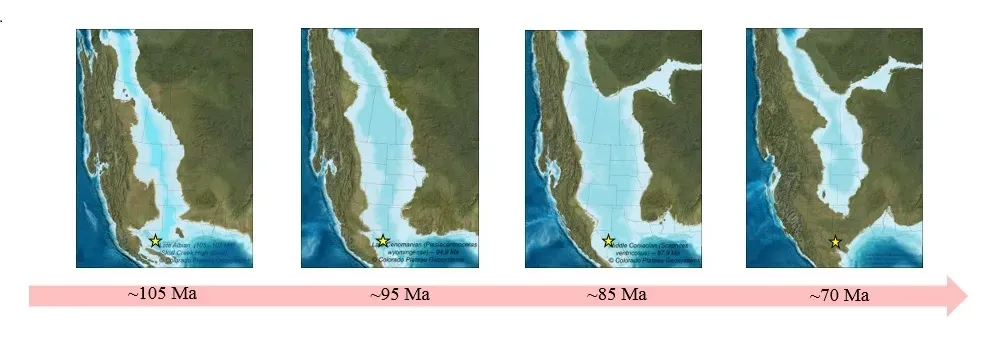
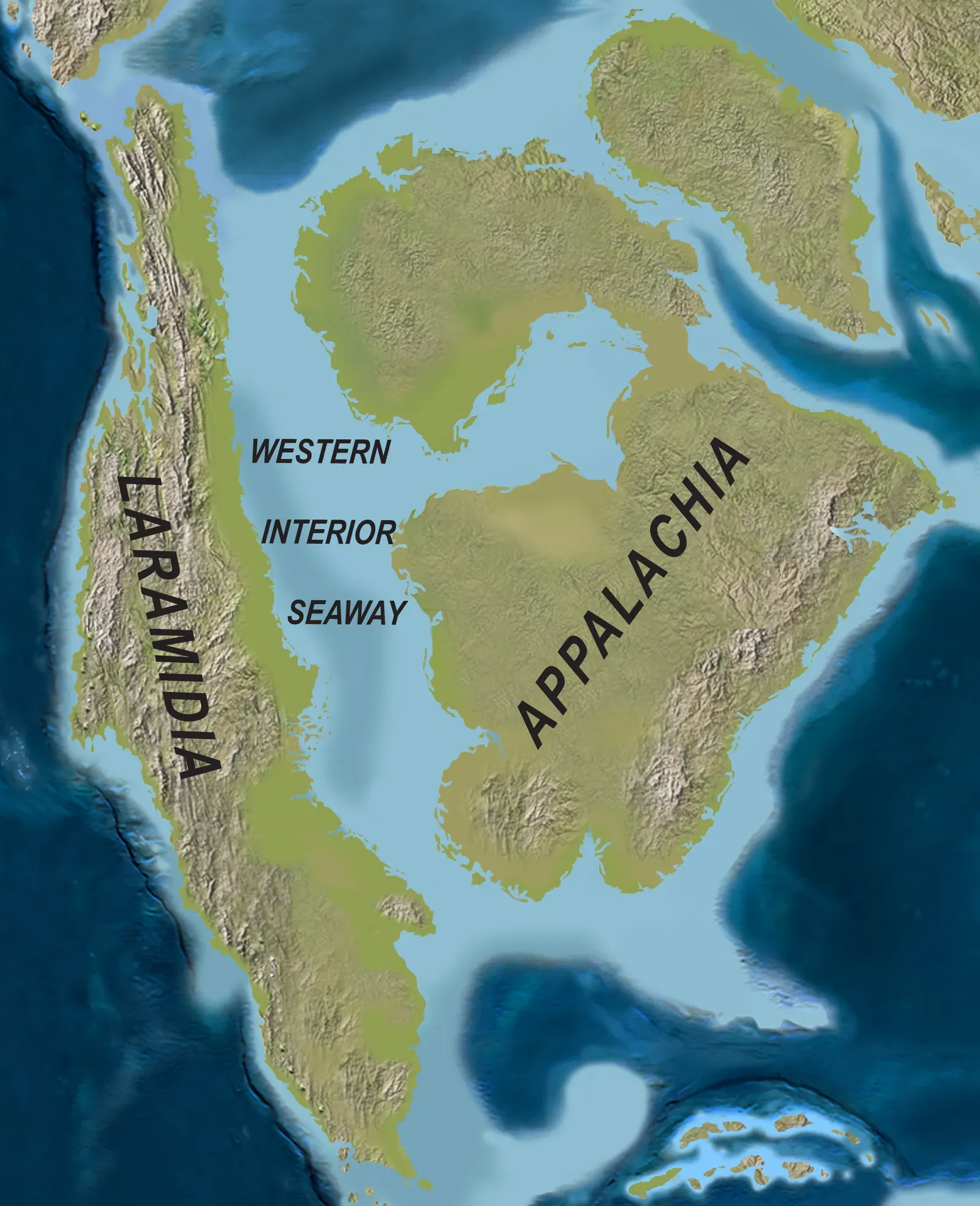
The Western Interior Seaway stretched over the present-day Great Plains, dividing North America into Laramidia in the west and Appalachia in the east for millions of years. Picture the entire midsection of the continent underwater, from the Arctic all the way down to the Gulf of Mexico. At its largest extent, this seaway reached depths of about 2,500 feet, stretched 600 miles wide, and extended over 2,000 miles long.
This wasn’t just a geographic quirk. The separation lasted long enough that species and entire ecosystems on both sides became isolated, allowing them to diversify into forms and populations distinct from one another. Think of it like a natural experiment in evolution, where creatures on the western landmass evolved independently from their eastern cousins for millions of years. Honestly, it’s wild to consider that mountains and deserts we know today were once beneath hundreds of feet of warm, shallow water.
Apex Predators That Make Sharks Look Friendly
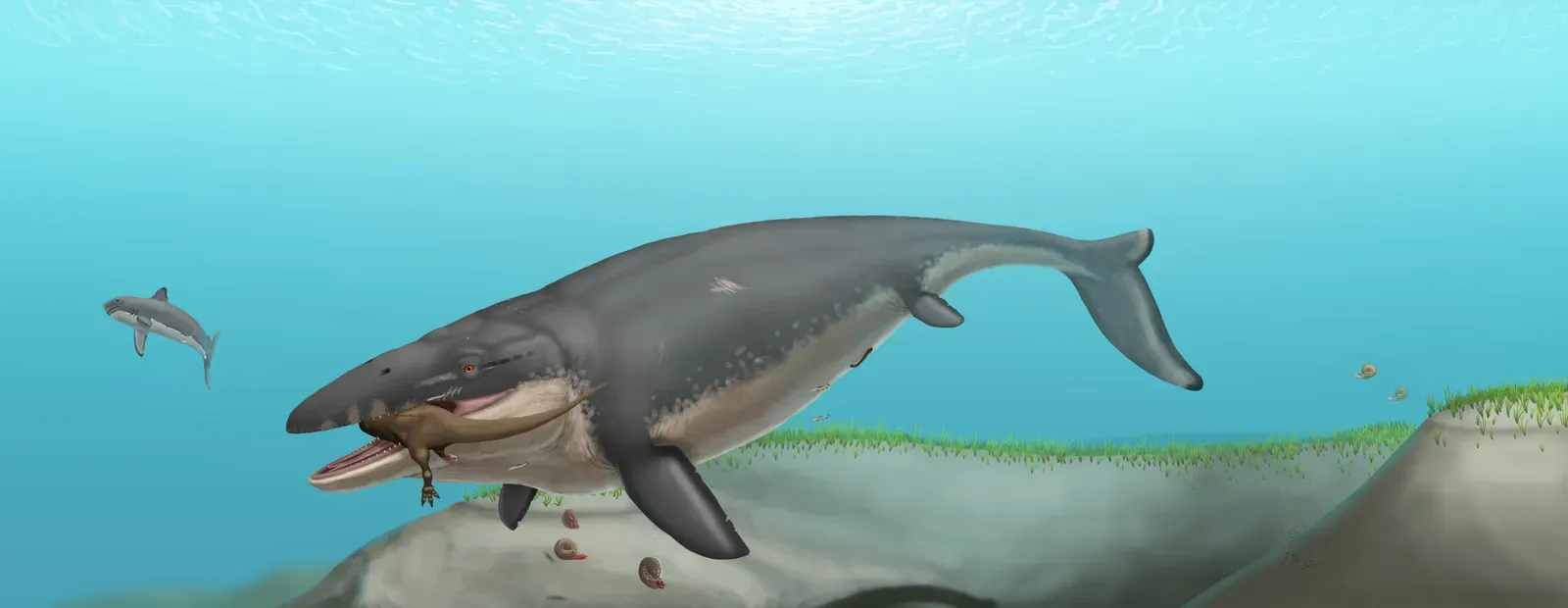
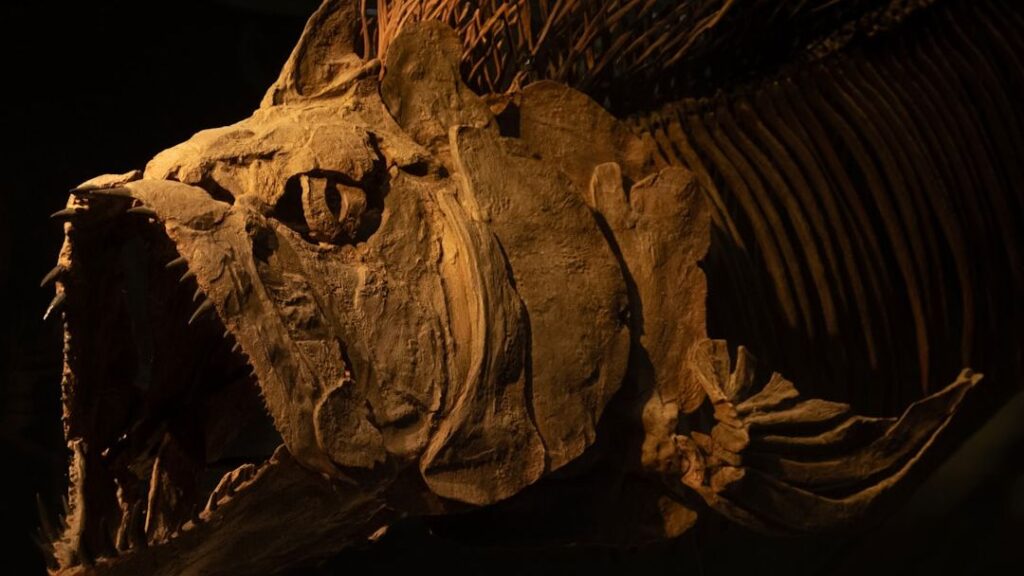
The Western Interior Seaway wasn’t some peaceful tropical paradise. The waters were home to predatory marine reptiles including plesiosaurs, mosasaurs, and massive sharks like the giant Ptychodus mortoni, believed to be 10 meters long. These weren’t your average fish-eaters either.
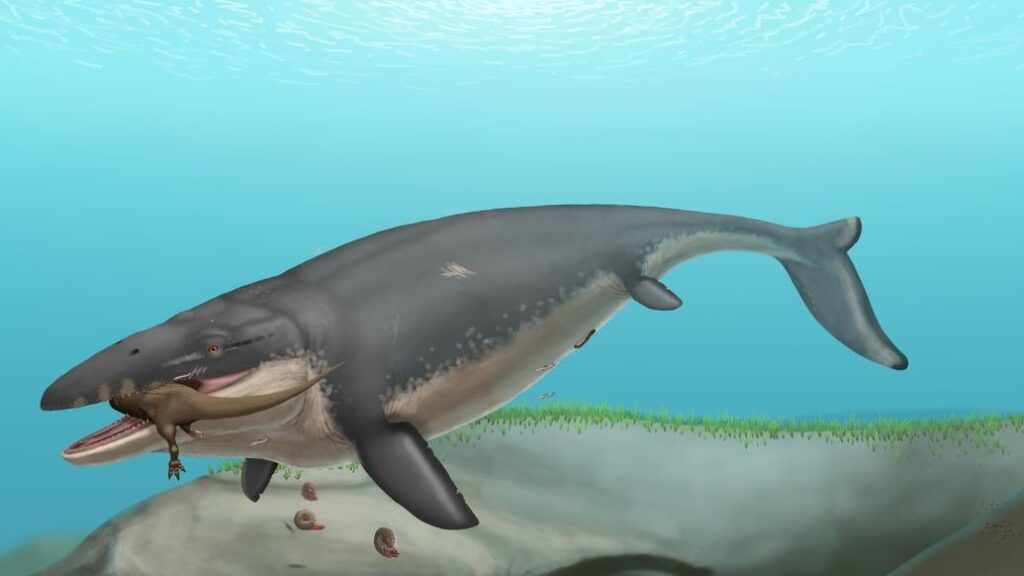
Mosasaurs became the dominant marine predators during the last 20 million years of the Cretaceous period after the extinction of ichthyosaurs and pliosaurs. Some of these beasts stretched over fifty feet in length, essentially the size of a modern humpback whale. Stomach contents of mosasaurs reveal they ate ammonites, bony fish, sea turtles, plesiosaurs, and even seabirds, which tells you they weren’t picky eaters. If it moved and fit in their jaws, it was dinner.
Strange Birds That Couldn’t Fly But Could Dive
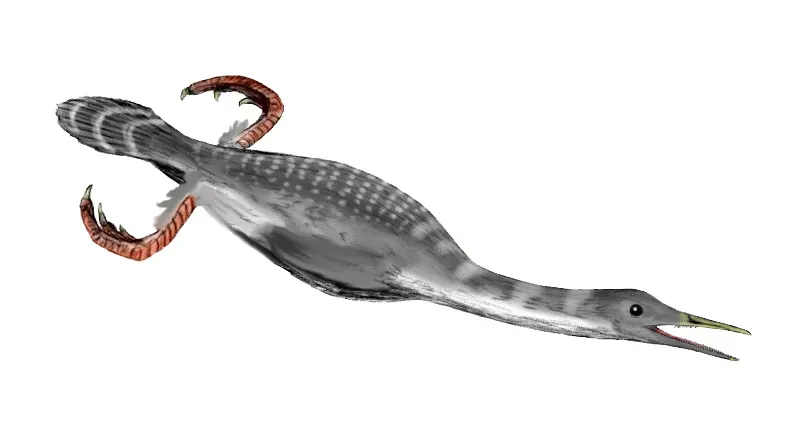
Here’s something you probably didn’t expect: the seaway was home to the flightless Hesperornis, which had stout legs for swimming and tiny wings used for marine steering rather than flight. Imagine a bird that gave up on flying entirely to become an underwater hunter instead. It’s like evolution decided to run the tape backwards.
These waters also hosted Ichthyornis, a tern-like early bird with a toothy beak, which shared the sky with large pterosaurs such as Nyctosaurus and Pteranodon. So you had this bizarre mix of toothed birds diving into the water, flightless birds swimming beneath the surface, and massive flying reptiles soaring overhead. The ecosystem was layered in ways that seem almost alien compared to what we see in modern oceans.
Coastal Dinosaurs Lived Closer Than You’d Think
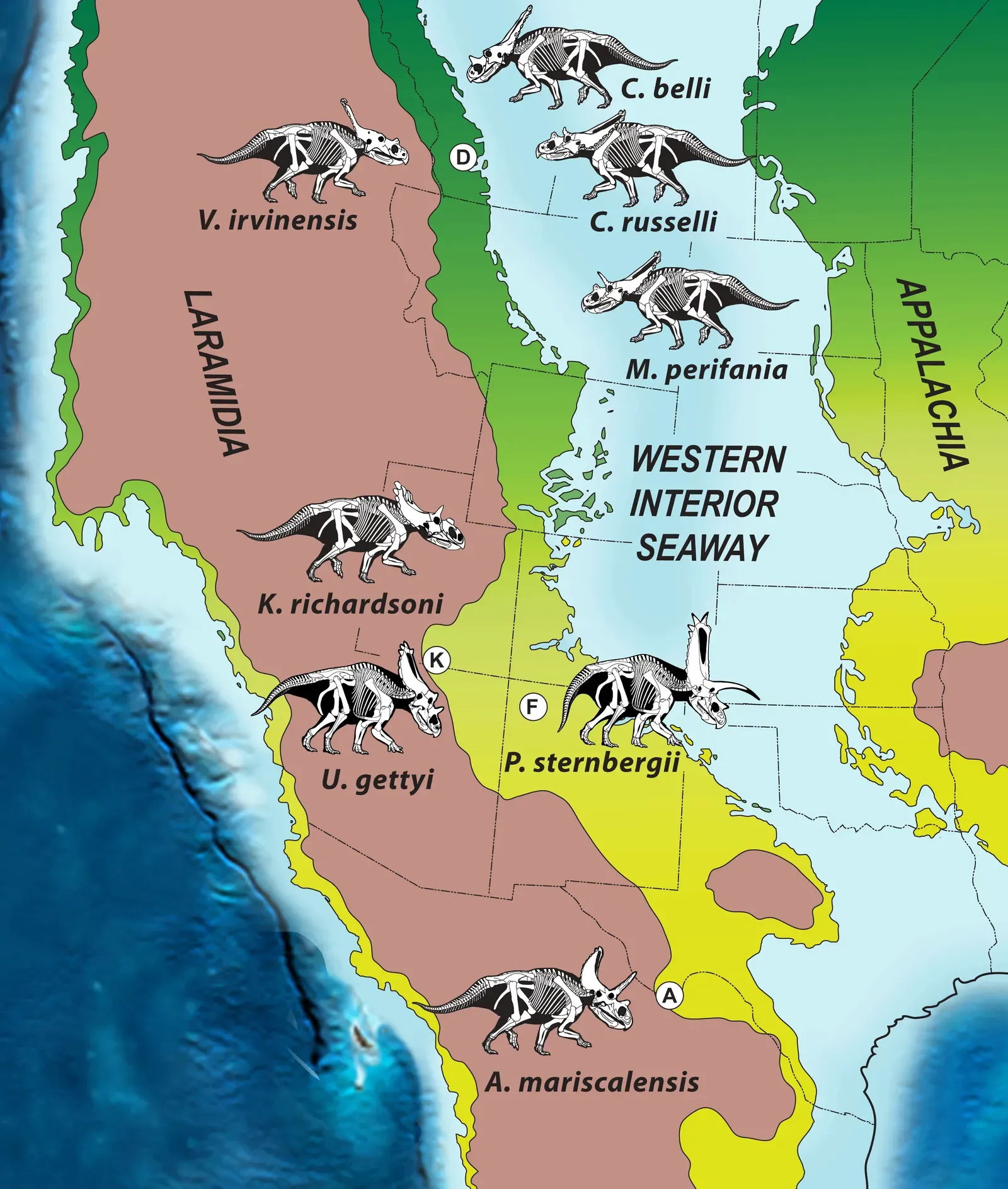
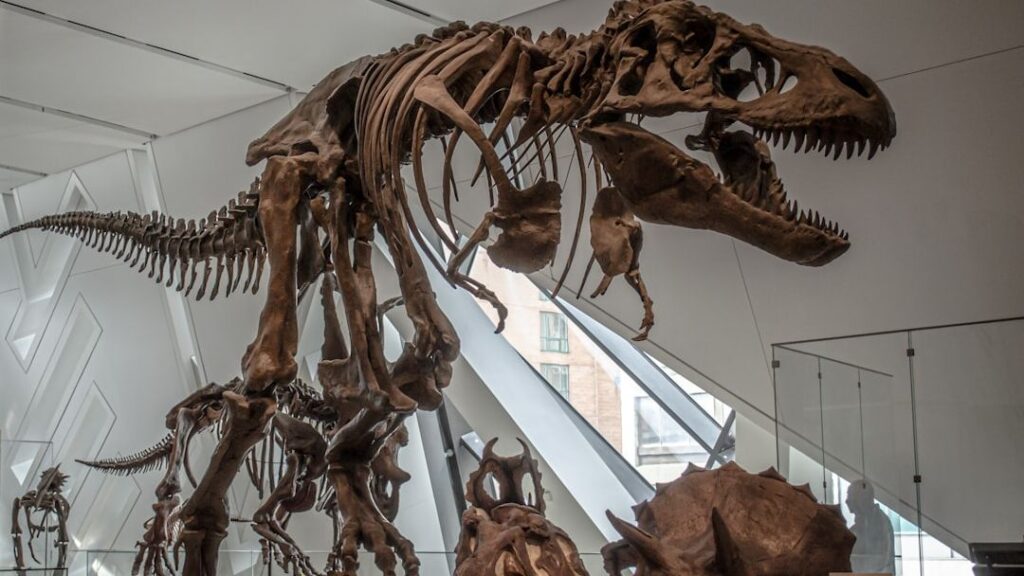
The presence of this massive seaway shaped how dinosaurs lived on the surrounding land. Seventy-five million years ago, the western landmass was home to an extremely rich diversity of dinosaurs despite being a relatively small area. Scientists initially thought different dinosaur groups stuck to specific habitats, with horned dinosaurs near coasts and duck-bills preferring inland areas.
Turns out, that theory didn’t hold up. Research showed hadrosaurs, ceratopsians, and ankylosaurs all had strongly overlapping ranges, meaning they weren’t segregating their habitats as expected. Instead, these massive herbivores somehow coexisted in the same areas, possibly by feeding on different parts of the same plants or shifting their locations seasonally. The sheer density of giant animals living side by side near these ancient shorelines remains somewhat puzzling.
An Oxygen-Starved Sea Floor That Preserved Everything
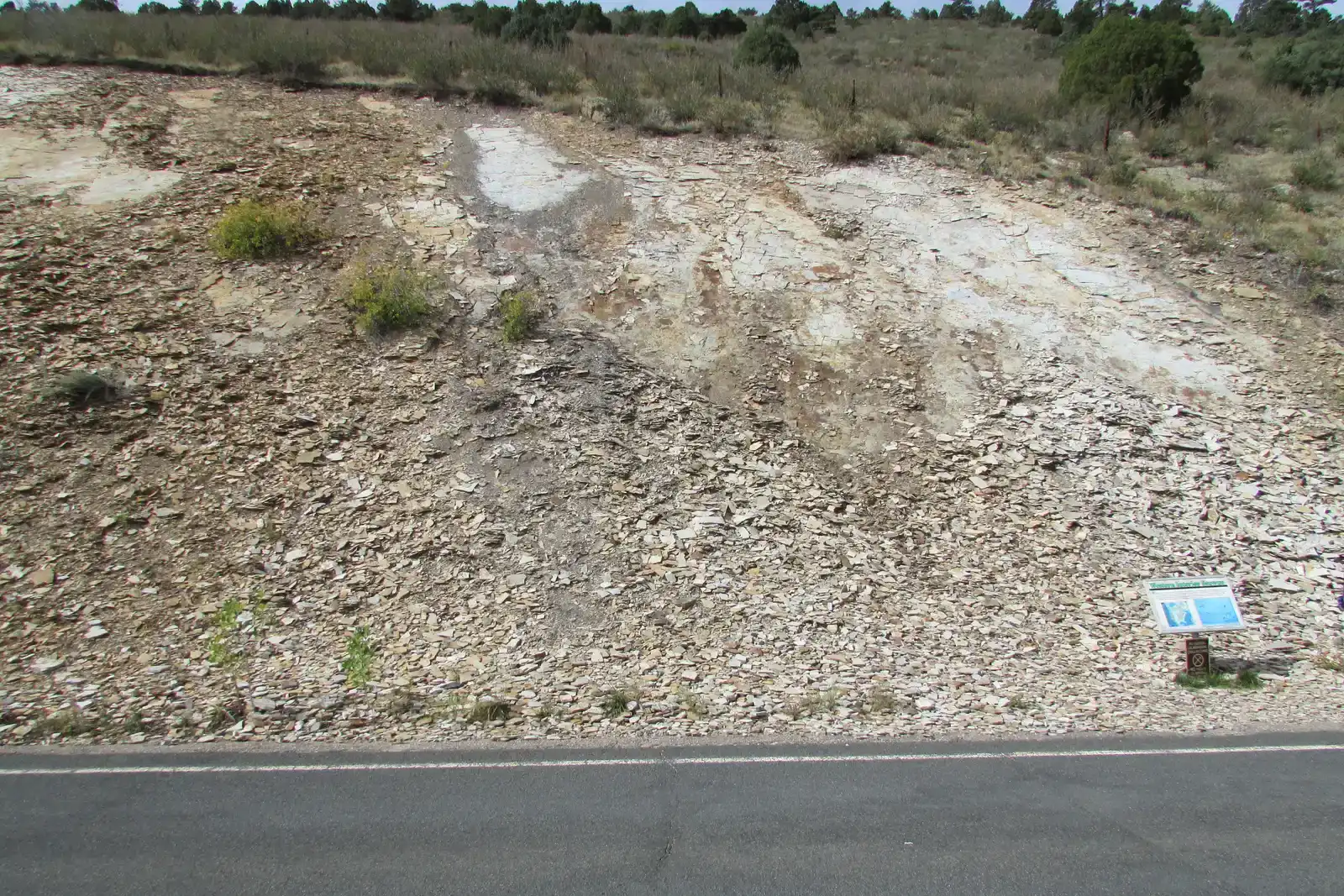
During the late Cretaceous, the Western Interior Seaway went through multiple periods of anoxia when bottom water was devoid of oxygen and the water column was stratified. That sounds like bad news for anything living down there, and it was. However, it turned out to be fantastic news for paleontologists millions of years later.
The periodically anoxic conditions on the ocean floor meant dead animals that sank to the bottom often decomposed slowly, favoring their preservation as fossils. This is why places like Kansas, which seems about as far from an ocean as you can get, are absolutely loaded with spectacular marine fossils. The lack of oxygen meant scavengers couldn’t break down carcasses efficiently, so bones and even soft tissue impressions got buried and fossilized with remarkable detail.
A Climate So Warm It’s Hard to Fathom
Let’s talk about just how different the climate was back then. Seventy-five million years ago, southern Alberta to northern Montana had a mean annual temperature of about 16 to 20 degrees Celsius, compared to the current range of about 5 to 7 degrees. That’s roughly a ten-degree difference, which might not sound like much until you realize it meant no ice caps at the poles and tropical conditions well into what we now consider northern latitudes.
Widespread carbonate deposition suggests the seaway was warm and tropical with abundant calcareous planktonic algae. The entire water mass functioned more like a giant estuary than a typical ocean. Warm, shallow, and teeming with microscopic life that formed the base of an incredibly productive food web. It’s hard to wrap your head around forests extending to the Arctic and dinosaurs wandering near the poles, yet that was the reality of this greenhouse world.
The Seaway’s Disappearance Changed Everything
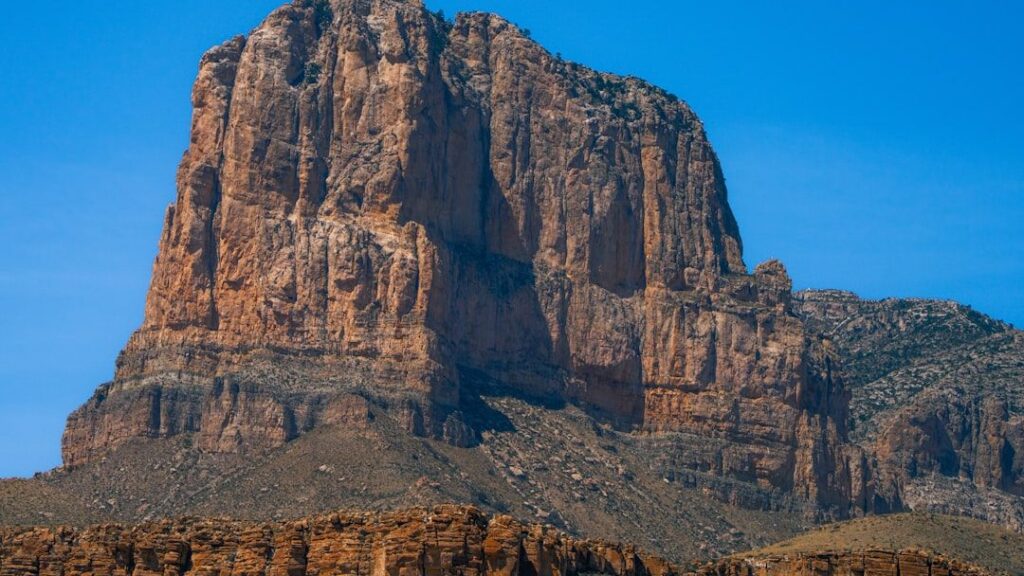
Tectonic activity caused the seaway to experience multiple fluctuations in sea level before it eventually closed off at the end of the Cretaceous and gradually disappeared due to regional uplift and mountain-building. As the Rocky Mountains pushed upward, the waters drained away, reconnecting the two halves of the continent for the first time in millions of years.
This wasn’t a gradual fade into history. Relative sea levels fell multiple times, temporarily rejoining the separated land populations and allowing a mixing of species before separating them again. Each time the waters rose and fell, it created pulses of migration, competition, and probably extinction as eastern and western species encountered each other. By the time that asteroid slammed into Earth sixty-six million years ago, the great inland sea was already mostly gone, leaving behind only the sedimentary layers and fossil record we study now.
The Western Interior Seaway represents one of the most dramatic examples of how profoundly Earth’s geography has changed over deep time. Where massive marine reptiles once hunted and strange toothed birds dove for fish, we now grow corn and wheat. The chalk formations that tower over Kansas plains are tombstones for countless creatures that lived and died in those ancient tropical waters. It’s a reminder that the planet we think we know has had many different faces over its long history, each one hosting ecosystems stranger than we can easily imagine. What other lost worlds lie hidden beneath landscapes we walk past every day?