Medan, Indonesia – Indigenous communities in North Sumatra province have renewed their push to regain ancestral territories long overshadowed by a major pulpwood operation.
A Legacy of Land Disputes Unfolds
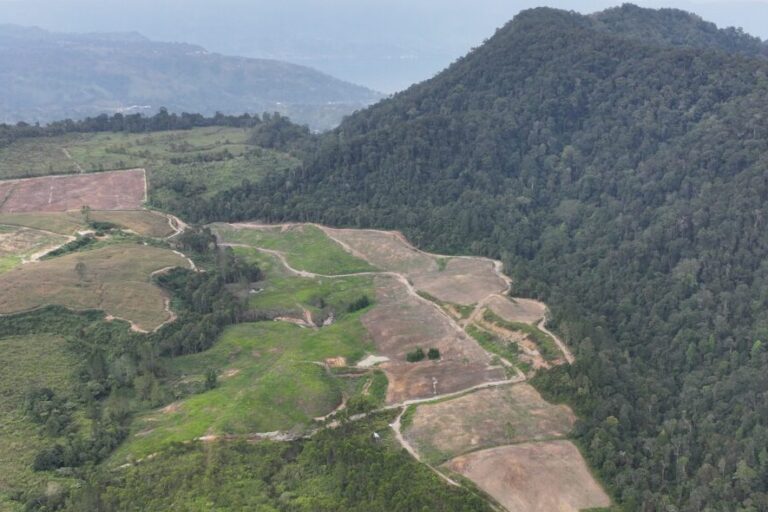
A Legacy of Land Disputes Unfolds (Image Credits: Imgs.mongabay.com)
PT Toba Pulp Lestari held a vast concession spanning 167,927 hectares since the 1980s, sparking enduring conflicts with local groups over inadequate consultation.
Twenty-nine indigenous communities now seek the return of 37,219 hectares overlapping that area, including sacred forests converted to eucalyptus plantations for pulp production.
These territories served as vital sources of water, farming grounds, and spiritual sites for generations.
Natinggir village alone claims 1,496 hectares, where residents like Sahala Pasaribu, the 35-year-old head, have already started replanting corn and vegetables after his family lost access for over three decades.
Revocation Follows Deadly Disasters
The Indonesian government revoked PT Toba Pulp Lestari’s forest utilization permit in January 2026, alongside those of 27 other firms, citing environmental and forestry violations that worsened November 2025 floods and landslides from Cyclone Senyar.
Those disasters claimed around 1,200 lives across Sumatra, with authorities linking corporate activities to heightened erosion and runoff in vulnerable watersheds.
State Secretariat Minister Prasetyo Hadi announced the decision after a presidential review of audit findings.
Yet officials plan to shift management of these concessions to state-owned enterprises under the Danantara investment agency, leaving communities uncertain about regaining full control.
Voices from Affected Villages
In Dolok Parmonangan village, Marinir Siallagan voiced fears of ongoing tensions despite the revocation, as company security lingered on their 851 hectares of customary land – of which only 15 hectares remain in use.
Her father, elder Sorbatua Siallagan, served a two-year prison term in 2024 for burning grass on disputed ground.
Sihaporas village residents, occupying 2,000 hectares for 11 generations predating Indonesia’s 1945 independence, have reentered the area but demand permanent exclusion from any new concessions, according to head Mangitua Ambarita.
- Natinggir: Plans sacred forest restoration amid replanting efforts.
- Dolok Parmonangan: Seeks legal certainty to avoid further clashes.
- Sihaporas: Insists on full land excision from industrial zones.
- Overall: 29 groups mapped by NGOs like AMAN and KSPPM.
Advocacy Builds for Rights and Recovery
NGOs such as the Indigenous Peoples Alliance of the Archipelago (AMAN) Tano Batak branch and the Community Initiative Study and Development Group (KSPPM) rallied communities in mid-February 2026 meetings to strategize land titling and reforestation.
A coalition including religious leaders met Environment Minister Hanif Faisol Nurofiq on February 5, pressing for ecosystem restoration alongside land returns.
Jhontoni Tarihoran, AMAN Tano Batak director, stressed that permit cancellations must include indigenous territories and damaged habitat repairs.
| Village | Customary Land (hectares) | Key Concern |
|---|---|---|
| Natinggir | 1,496 | Forest restoration |
| Dolok Parmonangan | 851 | Security presence |
| Sihaporas | 2,000 | Concession removal |
Past successes offer precedent: Six communities secured 6,884 hectares in 2022 via presidential decree.
Key Takeaways
- Permit revocations signal environmental accountability but risk shifting conflicts to state entities.
- Indigenous groups prioritize legal recognition and titling for sustainable management.
- Restoration efforts could revive sacred forests and bolster wildlife habitats in Sumatra’s watersheds.
While Sahala Pasaribu nurtures new crops on his birthright soil, the path to unhindered stewardship hinges on government clarity – “We want to live in peace on our own land,” he said. True resolution promises not just land recovery but renewed harmony with fragile ecosystems. What steps should authorities take next? Share your thoughts in the comments.