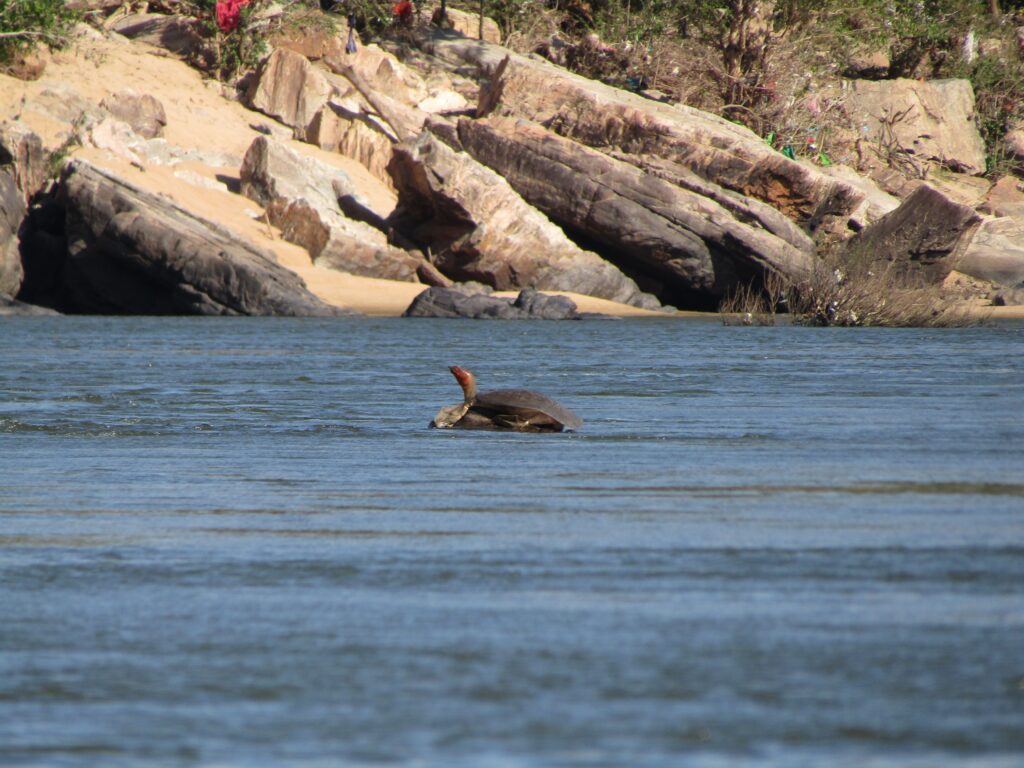
Belize – Deep in the rainforests of southern Belize, a quiet crisis unfolds for the Hicatee, the Central American river turtle teetering on the brink of extinction. Overharvesting for food has decimated populations despite legal protections, leaving this fully aquatic species one of the world’s 25 most threatened turtles. Zoo New England forged a vital partnership with the Belize Foundation for Research and Environmental Education (BFREE) in 2019, channeling expertise and resources into captive breeding and research at BFREE’s Hicatee Conservation and Research Center.
Breakthroughs in Captive Breeding
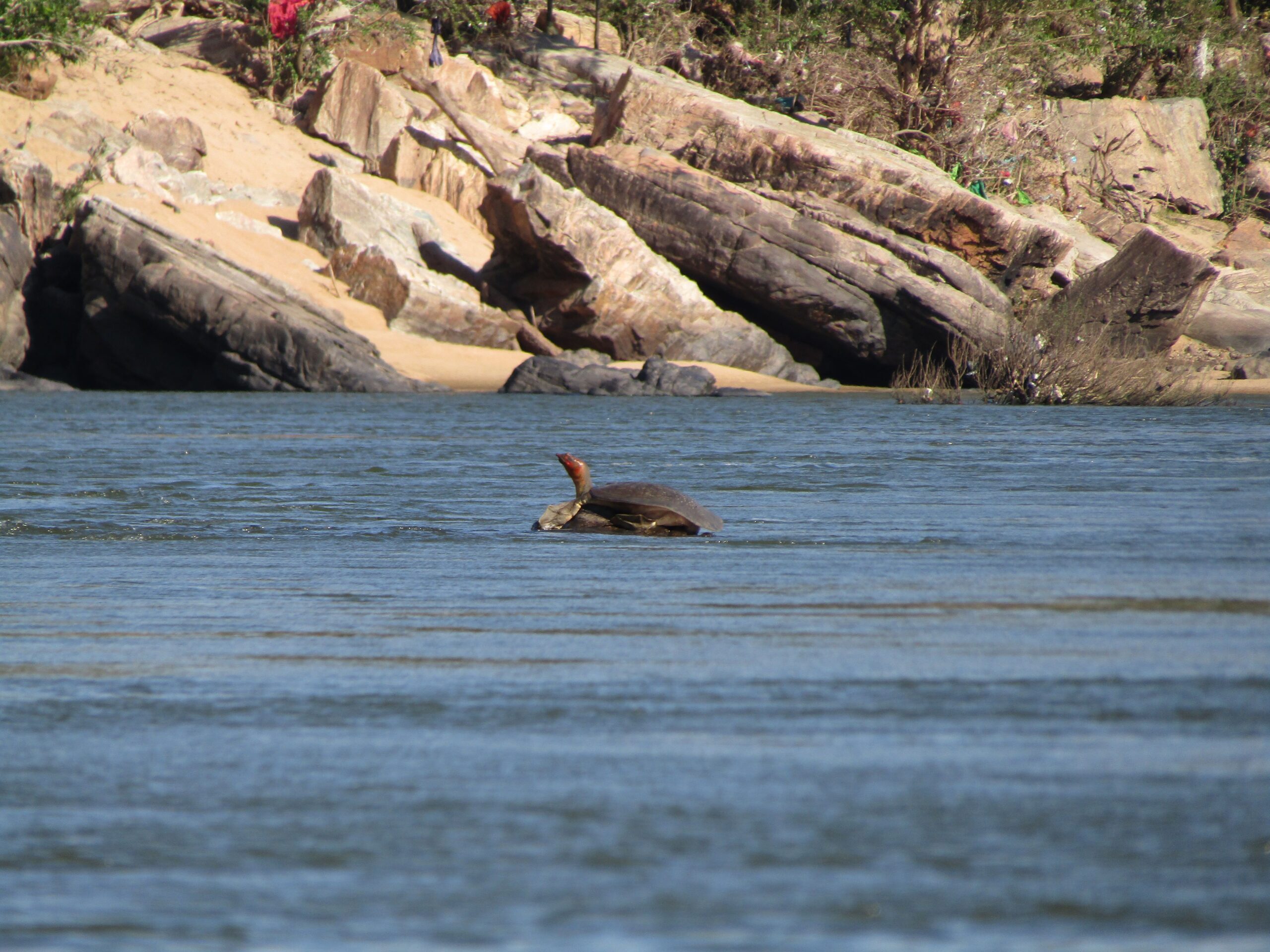
Breakthroughs in Captive Breeding (Image Credits: Upload.wikimedia.org)
The Hicatee Conservation and Research Center stands as the only ex-situ facility dedicated to this species. Staff there pioneered techniques to mimic natural nesting conditions, flooding ponds and adding clay substrates along edges. This innovation paid off dramatically in the 2023-2024 season.
All 29 adult female turtles produced clutches, yielding 309 eggs for incubation. Each female laid an average of 10 eggs in underwater nests, a process halted by embryonic diapause until water levels recede and temperatures rise. These milestones marked a decade of progress at the center.
Expertise Flows Across Borders
Zoo New England’s Field Conservation Department delivered specialized knowledge in turtle veterinary medicine, captive husbandry, and reintroduction strategies. Senior field conservationist Jimmy Welch joined BFREE teams for a 2024 survey in Golden Stream Preserve, deploying trammel nets across diverse habitats from broadleaf forests to mangroves.
Though no wild Hicatees appeared, the effort collected fecal samples for DNA analysis and documented other species, including giant musk turtles and white-lipped mud turtles. Measurements and data from these unsurveyed sites will guide future headstarting and release programs. Meanwhile, BFREE’s center manager Thomas Pop and Wildlife Fellow Barney Hall visited Zoo New England facilities, fostering mutual learning.
Empowering Local Talent Through Fellowships
Beyond technical support, Zoo New England backs BFREE’s Fellows program, a two-year initiative training young Belizeans in wildlife conservation and leadership. Participants gain hands-on skills at the field station, building partnerships that sustain long-term efforts.
This focus on capacity-building addresses root challenges in regions with limited resources. Scholarships co-sponsored by the organizations enable promising individuals to pursue advanced studies, turning passion into professional expertise. Such programs ensure that protection for the Hicatee endures through local stewardship.
Milestones and Challenges Ahead
Successes include confiscations from poachers since 2014, growing the captive population rapidly. Fieldwork informs reintroduction sites, while advocacy pushes for stronger laws and national reptile status for the Hicatee.
- 29 clutches from 29 females in one season.
- 309 eggs incubated for future releases.
- Staff exchanges enhancing global best practices.
- Fellows program training emerging leaders.
- Surveys mapping potential habitats.
Yet populations in the wild remain elusive, underscoring the urgency. Ongoing monitoring and community engagement will determine if these efforts tip the scales toward recovery.
Key Takeaways
- International partnerships blend expertise for species survival.
- Youth training programs build sustainable conservation.
- Captive breeding offers hope amid wild declines.
This collaboration exemplifies how targeted action and human investment can confront extinction. As the Hicatee clings to survival, empowered locals stand ready to lead. What role can global audiences play in such vital work? Share your thoughts in the comments.