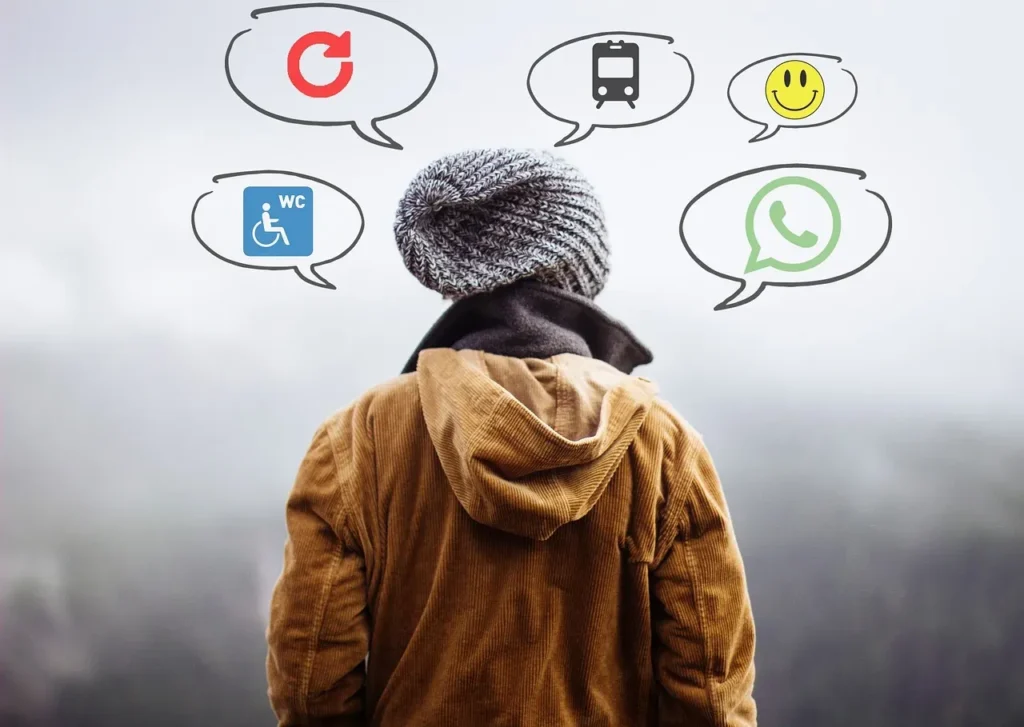
You might think you’re the captain of your own ship, making thoughtful decisions about what to eat, who to trust, and where to focus your energy. That feels empowering, right? The truth is, you’re probably running on autopilot far more than you’d like to admit. Your subconscious mind is quietly steering the wheel in ways that would surprise you if you could see the full picture.
Think about the last time you drove home from work. Can you recall every turn you made, every stoplight you passed? Probably not. Your conscious mind might have been planning dinner or replaying a conversation, while something deeper handled the actual driving. That invisible operator isn’t some mystical force. It’s your subconscious, and it’s been making decisions for you since long before you even realized you had a choice.
The Hidden Architect Behind Your Everyday Actions
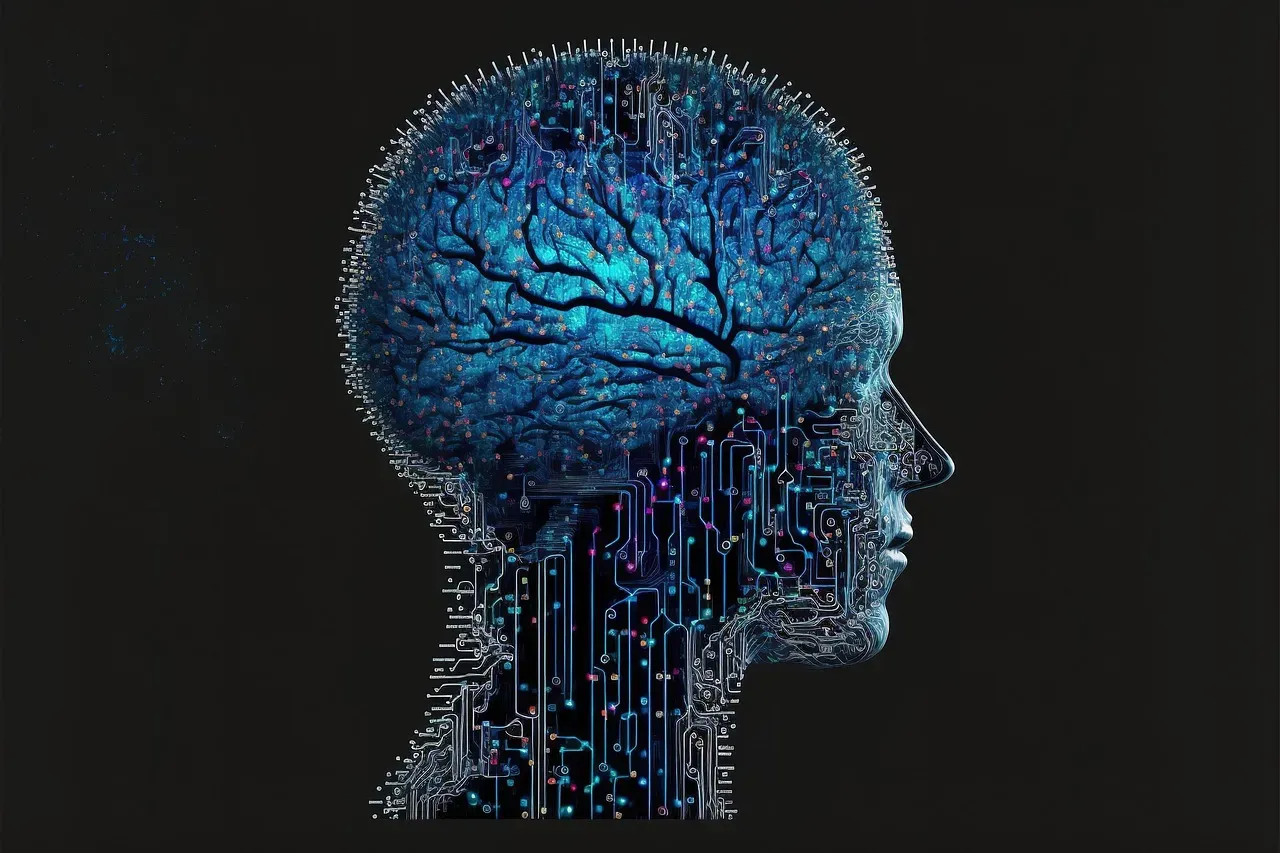
Research suggests that roughly the vast majority of your daily decisions are made by the subconscious mind, leaving just a sliver for conscious thought. Let’s be real, that’s a staggering amount of influence happening beneath your awareness. While the conscious mind can only process a limited amount of information per second, the subconscious brain handles a staggering volume without breaking a sweat.
Your brain didn’t evolve to overthink every single moment. If we were forced always to consider every aspect of the situation around us and had to weigh all our options, humankind would have died out long ago. The subconscious acts as an efficiency expert, automating the mundane so your conscious mind can tackle the novel and complex. It’s a survival mechanism that’s been fine-tuned over millennia.
Your Brain Makes Decisions Before You Know It

Here’s where it gets really wild. Brain signals can predict which option you’ll choose up to seven seconds before you consciously make the decision. Seven seconds might not sound like much, yet in brain time, that’s an eternity. Imagine your unconscious mind already knowing what you’re going to pick for lunch while your conscious self is still debating the options.
All our decisions and actions are actually made unconsciously, although we fool ourselves into believing that we consciously made them. That’s a humbling realization. The feeling of free will you experience? It might be your brain’s way of narrating a story that’s already been written. You think you’re choosing, when really, you’re just becoming aware of a choice that’s already happened.
The Autopilot Mode You Didn’t Ask For
Up to roughly all of your daily decisions, actions, and thoughts occur without conscious effort, including everything from making your coffee to reacting to emails to interpreting social cues. Your brain enters what scientists call autopilot mode during familiar, low-stress activities. You’re not checked out, exactly. You’re just operating on a different level of awareness.
When we switch to autopilot, the brain’s default mode network suppresses activity in the prefrontal cortex and hands control to older brain structures like the basal ganglia, which manages habitual behaviors. Those ancient parts of your brain are running routines established through years of repetition. Honestly, it’s like having software running in the background that you never consciously installed.
Implicit Bias Lives Where You Can’t See It

Implicit bias is the attitude or internalized stereotypes that unconsciously affect our perceptions, actions, and decisions, often leading to unequal treatment based on race, ethnicity, gender identity, and other characteristics. You might genuinely believe you’re fair and open-minded, yet your subconscious could harbor associations you’d consciously reject.
Even people with the best intentions are influenced by these hidden attitudes, behaving in ways that can create disparities in hiring practices, student evaluations, law enforcement, and criminal proceedings. The scary part? You won’t necessarily feel it happening. Your subconscious processes information based on patterns it’s absorbed from culture, media, and past experiences, creating shortcuts that bypass your conscious values entirely.
Habits Are Your Subconscious on Repeat

Research in neuroscience suggests that up to the vast majority of our daily actions are influenced by the subconscious, meaning much of what we do on autopilot arises from subconscious patterns. Habits aren’t just quirks or preferences. They’re deeply embedded routines that your brain shifted from conscious effort to automatic execution.
As the brain associates the cue with the routine and reward, this loop becomes ingrained in neural pathways through the basal ganglia, creating a habit that occurs subconsciously. That’s why breaking a bad habit feels like fighting against yourself. You literally are. Your conscious intention is battling neural pathways that have been reinforced thousands of times, pathways your brain considers efficient and worth keeping.
The Consumer You That Buys Without Thinking

Research in consumer psychology shows that roughly the vast majority of buying decisions are driven by subconscious mind influence rather than conscious analysis. Marketers have known this for decades. The packaging color, the background music in a store, even the scent pumped through the ventilation system? All designed to speak directly to your subconscious.
When you walk into a store, choosing a product might seem like a conscious decision, however, many subconscious factors such as colors, music, scents, and product placement affect our choices. You think you’re rationally comparing prices and features, when really, your brain is responding to environmental cues you’re barely noticing. It’s hard to say for sure, but that “gut feeling” about a product might just be clever design triggering subconscious preferences.
Emotional Memory Runs the Show Behind the Scenes

Emotional memory systems store past experiences with associated feelings, influencing current reactions without explicit recall. Ever met someone new and immediately felt uneasy without knowing why? Your subconscious might be picking up on subtle cues that remind you of someone from your past, someone who hurt or disappointed you.
These emotional associations operate lightning fast. Subconscious decisions are driven by past experiences, learned behaviors, emotions, and environmental cues that influence thoughts and actions in ways we may not immediately recognize. Your conscious mind might be trying to give someone a fair chance while your subconscious is already flagging danger signals based on pattern recognition developed over a lifetime. It’s an internal tug-of-war you might not even notice.
Reclaiming Control from Your Inner Autopilot

Awareness is the first weapon against subconscious dominance. Body scanning practices help develop sensitivity to physical sensations that reflect subconscious emotional states, with regular attention to muscle tension, breathing patterns, and energy levels providing information about subconscious responses. When you start paying attention to how your body reacts, you begin to catch your subconscious in the act.
Practicing mindfulness can help break bad habits by slowing down the decision-making process and allowing for more conscious choices, being mindful of triggers and behaviors helps disrupt the automatic habit loop. It takes effort, no question about it. Slowing down when every instinct screams to rush forward feels unnatural at first. Yet that discomfort is exactly the space where conscious choice lives, where you can intercede before your subconscious completes its usual script.
Conclusion: The Power You Didn’t Know Was Running You
Your subconscious isn’t the enemy. It’s just doing the job evolution designed it for, keeping you efficient and alive. The problem arises when those automated patterns no longer serve your best interests, when biases you don’t endorse leak into your behavior, when habits formed years ago keep you stuck in place. Understanding that your subconscious dictates the majority of your choices isn’t about surrendering control. It’s about recognizing where the real battleground is.
The more you illuminate what’s happening beneath conscious awareness, the more power you reclaim. Mindfulness, pattern recognition, deliberate habit formation – these aren’t just wellness buzzwords. They’re practical tools for hacking your own operating system. You might never achieve complete conscious control, and honestly, you wouldn’t want to. The key is finding balance, knowing when to trust your autopilot and when to grab the wheel yourself.
What hidden patterns might be running your life right now without your knowledge? That’s the question worth sitting with.