Picture this: a dinosaur with a skull so thick it could probably headbutt a car and walk away unscathed. That’s Pachycephalosaurus for you – a creature that literally wore its brain like armor. These remarkable dinosaurs roamed North America during the Late Cretaceous period, sporting dome-shaped skulls that could reach up to 10 inches thick. While most herbivores relied on speed, size, or camouflage to survive, Pachycephalosaurus took a completely different approach – they turned their heads into battering rams.
The Bone-Headed Giants of the Cretaceous
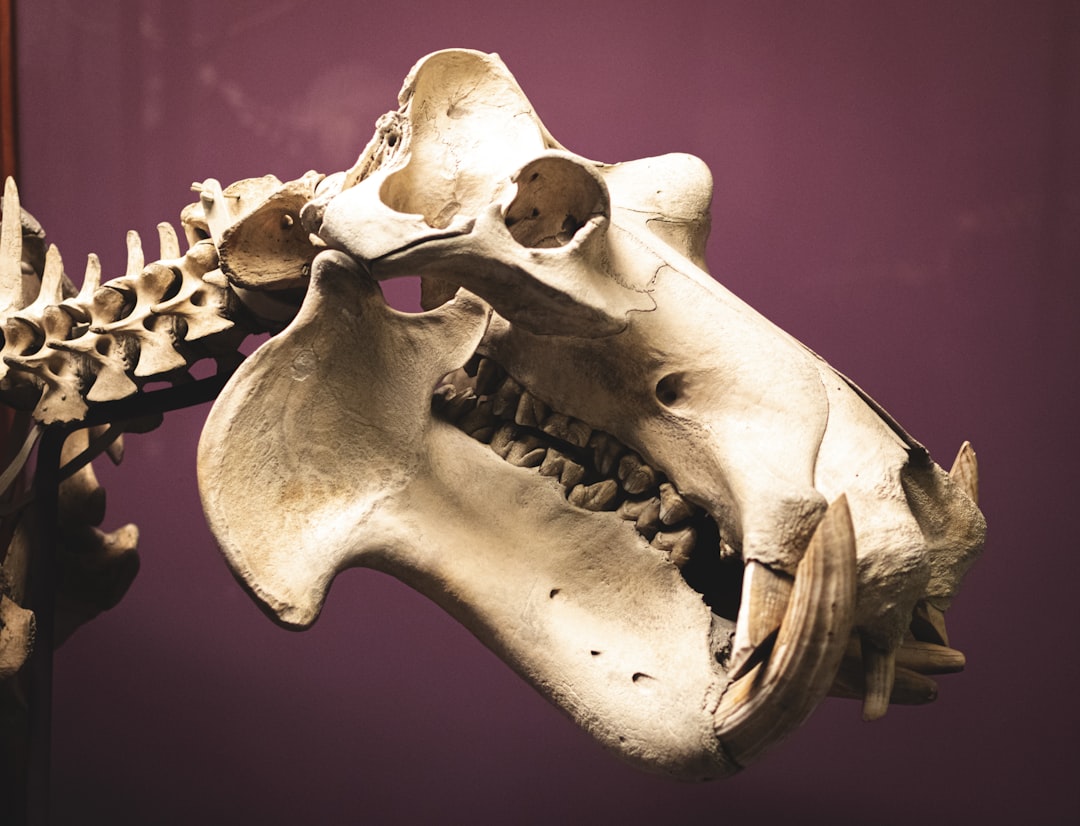
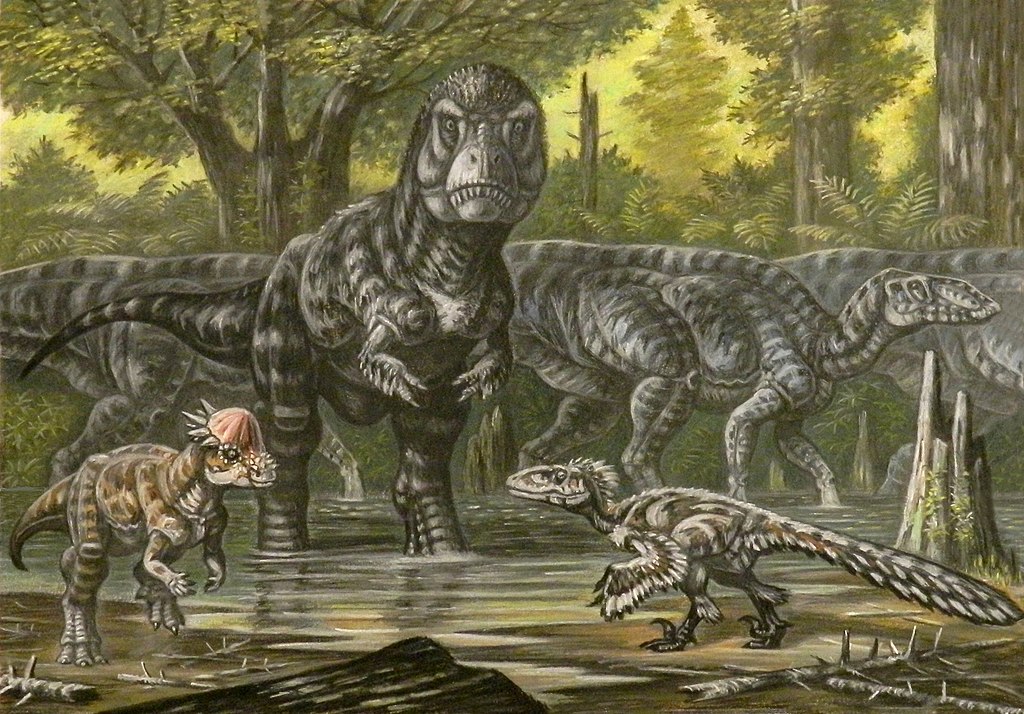
Pachycephalosaurus wasn’t your average plant-eater. These dinosaurs measured up to 15 feet in length and weighed around 990 pounds, making them roughly the size of a small car. Their most striking feature was undoubtedly their incredibly thick, dome-shaped skull that gave them their name – literally meaning “thick-headed lizard.”
The skull dome wasn’t just for show either. Made of solid bone, it could withstand tremendous impact forces that would have easily crushed the skulls of other dinosaurs. Scientists estimate that these domes were surrounded by small spikes and knobs, creating an even more formidable headpiece.
When Dinosaurs Played Head Games
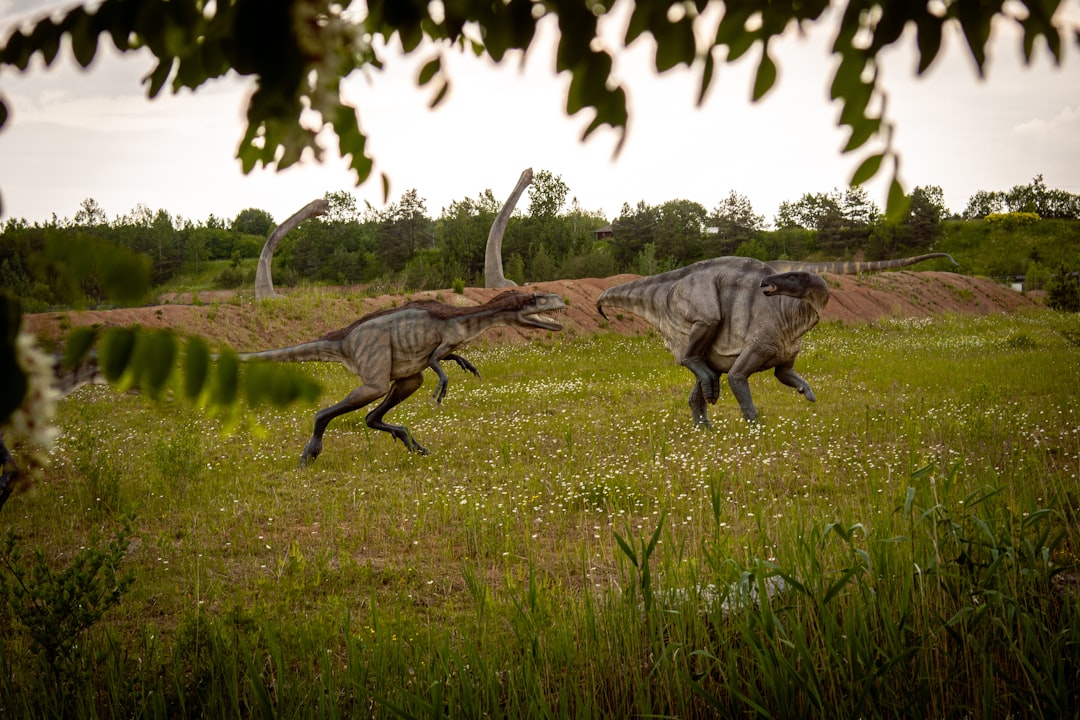
The thick skull of Pachycephalosaurus has sparked one of paleontology’s most heated debates. Many scientists believe these dinosaurs engaged in head-butting contests, similar to how modern rams and goats establish dominance. Imagine two massive dinosaurs charging at each other at full speed, their dome-shaped heads colliding with bone-crushing force.
However, this theory isn’t without controversy. Some researchers argue that the skull structure wouldn’t have been suitable for direct impact, suggesting instead that Pachycephalosaurus used flank-butting techniques. The debate continues to rage in scientific circles, with new evidence constantly reshaping our understanding of these mysterious creatures.
A Plant-Eater’s Surprising Arsenal
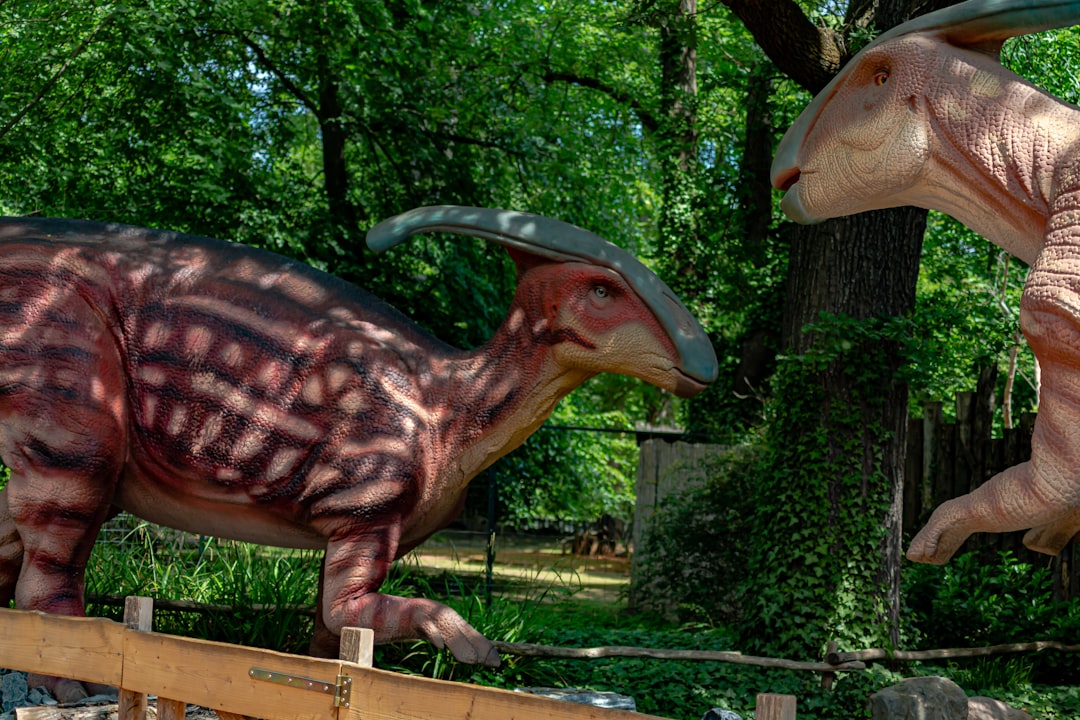
Despite their intimidating appearance, Pachycephalosaurus were strict vegetarians. Their teeth were small and leaf-shaped, perfectly designed for shredding plant material rather than tearing flesh. They likely fed on ferns, cycads, and early flowering plants that carpeted the Cretaceous landscape.
What’s fascinating is how these herbivores evolved such aggressive-looking features while maintaining a peaceful diet. It’s like finding out that a heavily armored tank was actually designed to harvest lettuce. This contradiction makes Pachycephalosaurus one of the most intriguing dinosaurs in the fossil record.
Walking on Two Legs With Style
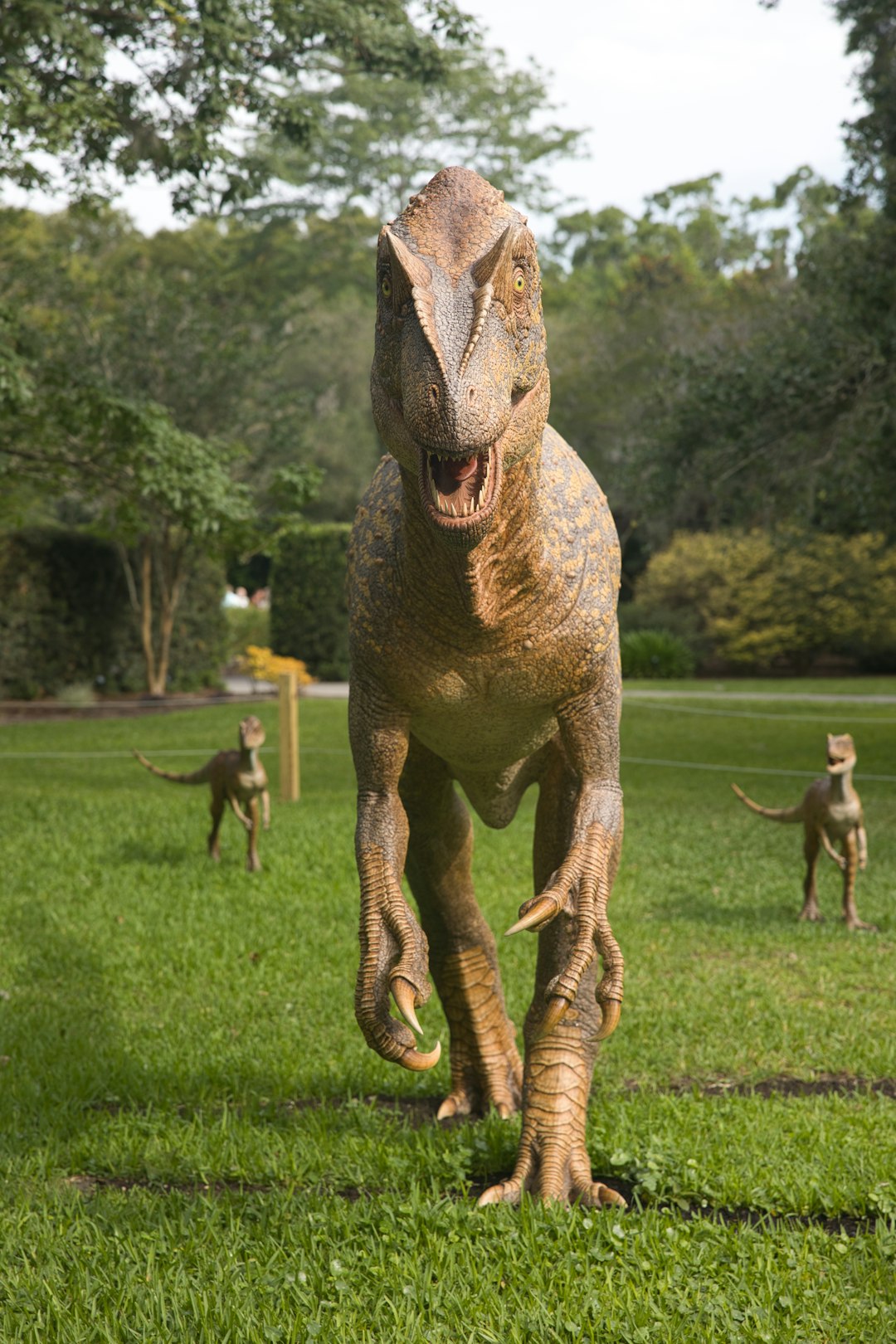
Pachycephalosaurus were bipedal dinosaurs, meaning they walked exclusively on their hind legs. Their front limbs were much smaller and likely used for grasping vegetation or perhaps display purposes. This upright posture gave them excellent visibility across the prehistoric plains, allowing them to spot both food sources and potential threats.
Their long, thick tail served as a counterbalance, helping them maintain stability while moving at high speeds. Picture a massive, dome-headed dinosaur sprinting across ancient floodplains – it must have been quite a sight to behold.
The Mystery of Their Social Lives
One of the biggest mysteries surrounding Pachycephalosaurus is how they lived and interacted with each other. Unlike many other dinosaur species, we have very little evidence of their social behavior. Some scientists speculate they lived in small herds, while others believe they were largely solitary creatures.
The lack of juvenile fossils has made it particularly difficult to understand their family dynamics. Did parents care for their young, or were baby Pachycephalosaurus left to fend for themselves? These questions continue to puzzle researchers and add to the enigmatic nature of these dinosaurs.
Fossil Discoveries That Changed Everything
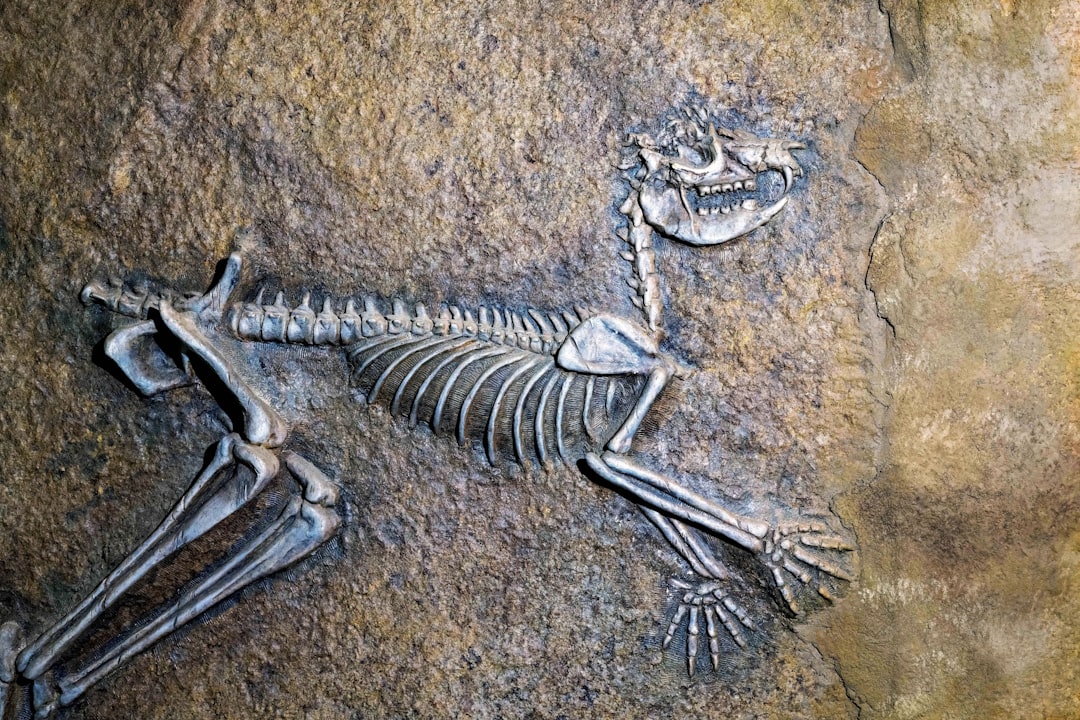
The first Pachycephalosaurus fossils were discovered in the late 1800s, but it wasn’t until 1943 that they received their official scientific name. The most complete skeleton, nicknamed “Sandy,” was found in South Dakota and provided crucial insights into their anatomy and lifestyle.
What’s remarkable is how rare complete Pachycephalosaurus fossils are. Most discoveries consist of isolated skull fragments or partial skeletons, making each new find incredibly valuable to our understanding. Every bone fragment is like a piece of a massive prehistoric puzzle that scientists are still trying to solve.
The Thick-Skulled Family Tree
Pachycephalosaurus belonged to a group called Pachycephalosauria, which included several other dome-headed dinosaurs. These relatives varied significantly in size and skull thickness, suggesting that head-butting (if it occurred) evolved differently across the family. Some had flat skulls with spikes, while others sported towering domes.
The diversity within this group reveals how successful the “thick-skull” strategy was during the Cretaceous period. It’s almost as if nature was experimenting with different helmet designs to see which worked best for prehistoric survival.
Surviving in a World of Giants
Living alongside massive predators like Tyrannosaurus rex required some serious survival strategies. Pachycephalosaurus likely relied on their speed and agility to escape danger, using their powerful legs to outrun pursuing carnivores. Their excellent vision and hearing would have given them early warning of approaching threats.
Some scientists theorize that their thick skulls also served as protection against predator attacks. A T. rex bite to the head might have been survivable thanks to that incredible bone armor, though we can only imagine how terrifying such encounters must have been.
The Great Skull Thickness Debate
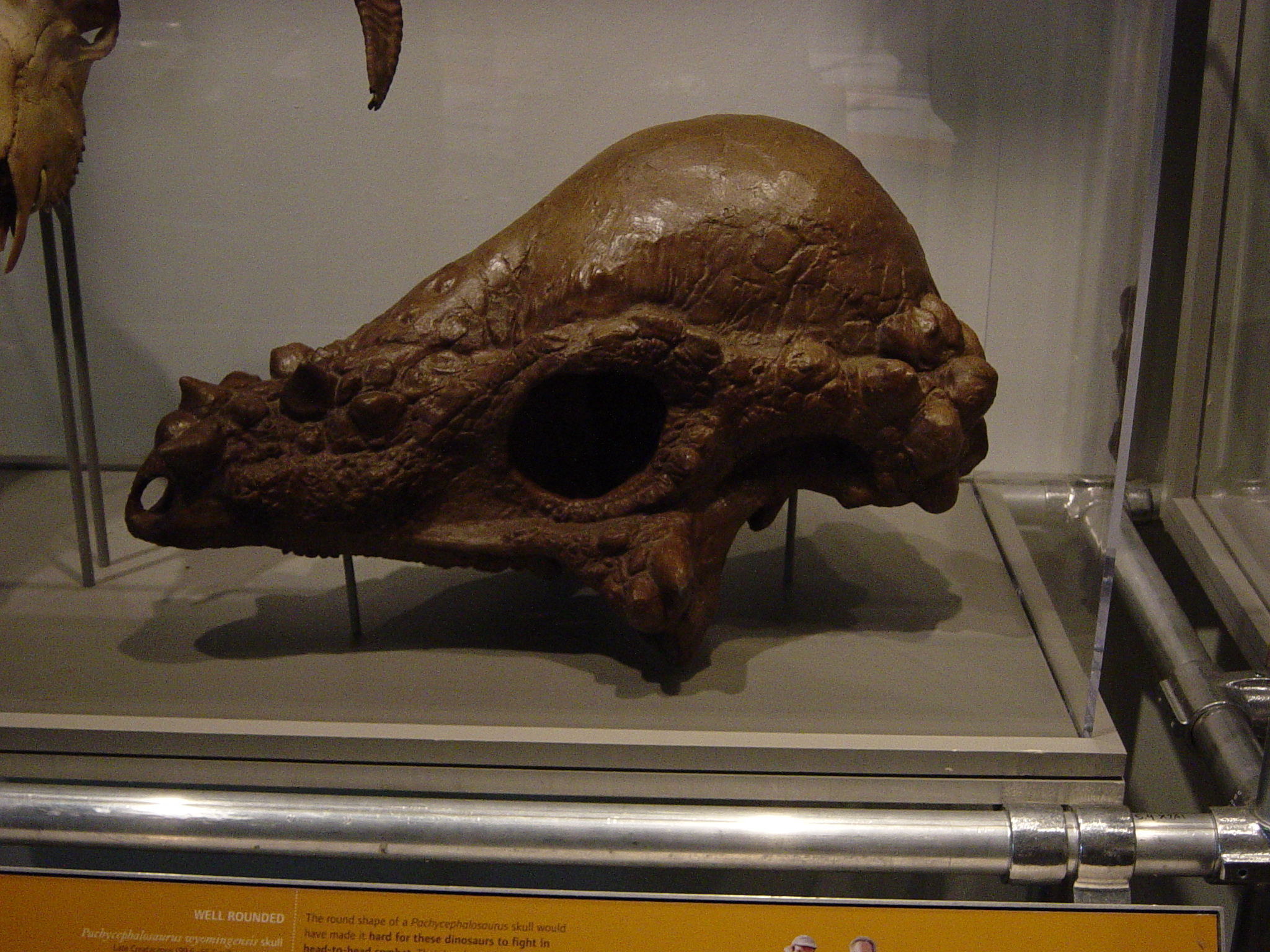
Not all Pachycephalosaurus had equally thick skulls, and this variation has led to fascinating theories about their development. Some fossils show relatively thin skulls, while others display massive, dome-shaped fortresses. This could indicate different species, ages, or even genders within the Pachycephalosaurus group.
Recent studies suggest that skull thickness may have increased with age, meaning younger individuals had flatter heads that gradually developed into towering domes. This would explain why we find such a wide range of skull shapes in the fossil record.
Advanced Senses for a Changing World
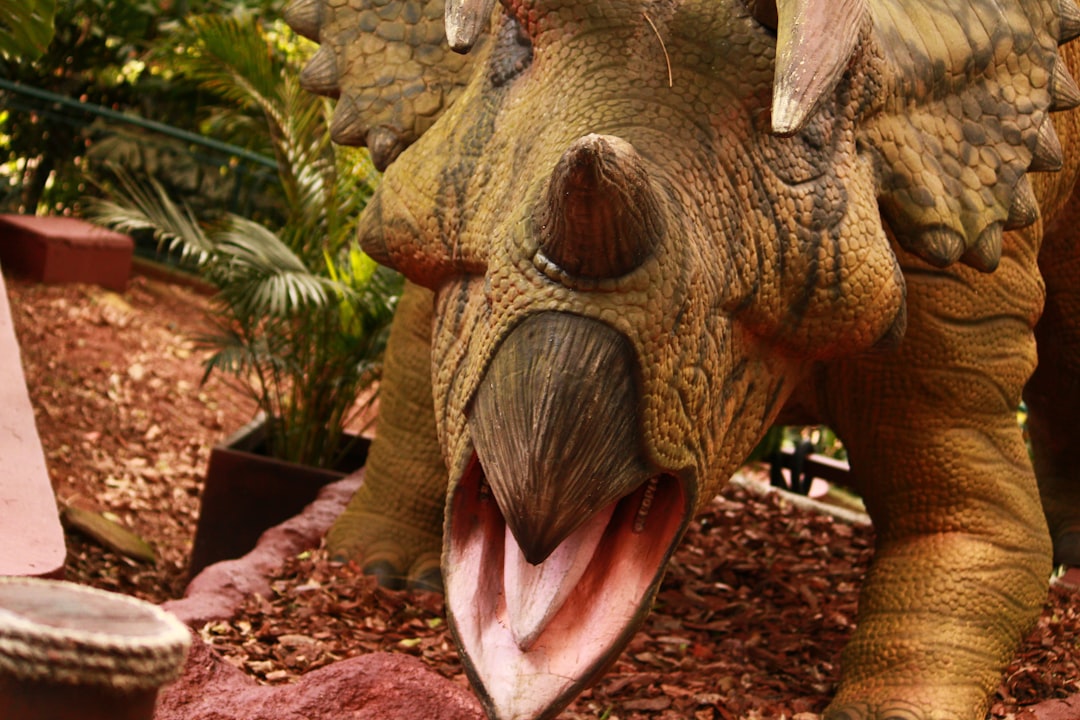
Pachycephalosaurus possessed remarkably advanced sensory capabilities for their time. Their large eye sockets suggest excellent vision, while inner ear reconstructions indicate sophisticated balance and hearing systems. These enhanced senses would have been crucial for detecting both food sources and predators in their environment.
The placement of their eyes also provided excellent peripheral vision, allowing them to spot threats approaching from multiple angles. This 360-degree awareness system was like having built-in security cameras that never stopped recording.
Climate Survivors of the Late Cretaceous
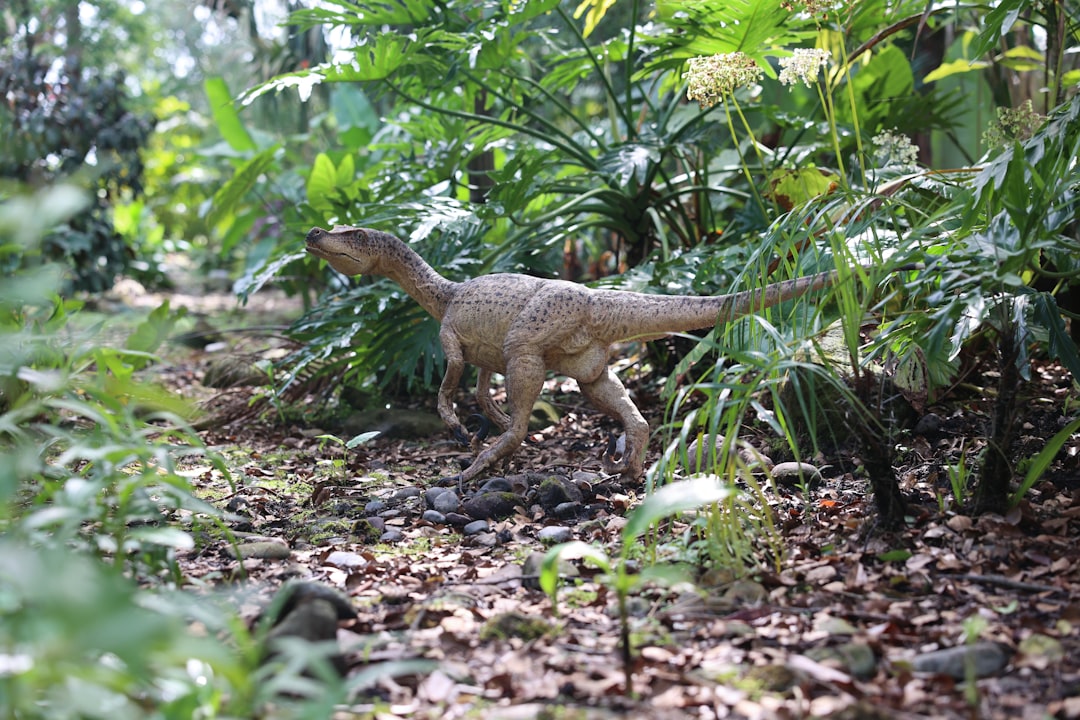
During the Late Cretaceous period, North America was experiencing significant climate changes. Sea levels were rising, creating vast inland waterways, while volcanic activity was increasing dramatically. Pachycephalosaurus managed to thrive in this changing environment, adapting to new plant communities and shifting ecosystems.
Their ability to survive in various habitats – from coastal plains to inland forests – demonstrates remarkable adaptability. Unlike many dinosaur species that were restricted to specific environments, Pachycephalosaurus seemed comfortable almost anywhere plants grew abundantly.
Modern Technology Reveals Ancient Secrets
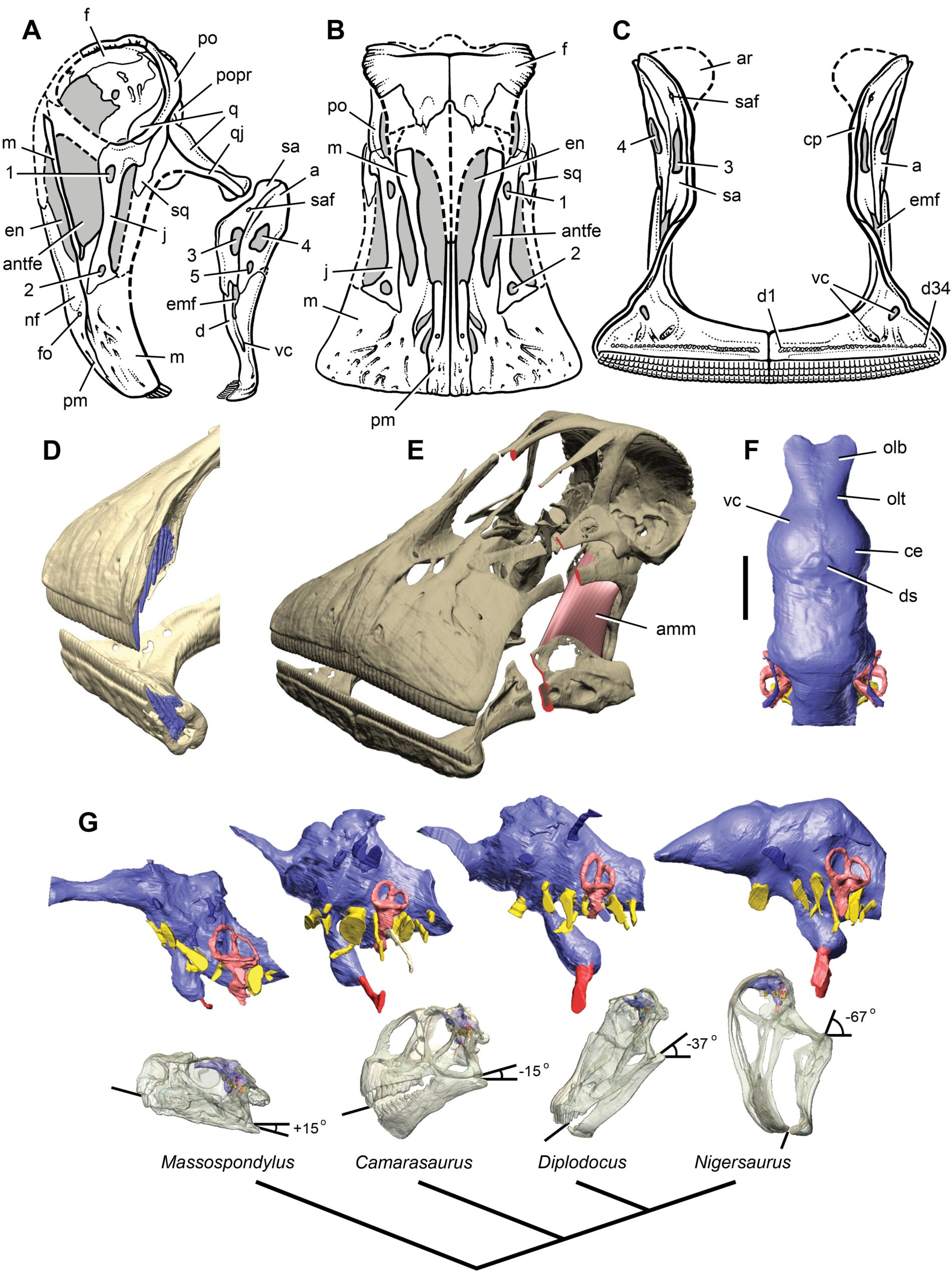
Advanced CT scanning and computer modeling have revolutionized our understanding of Pachycephalosaurus skulls. These technologies allow scientists to examine internal bone structures without damaging precious fossils, revealing details about blood vessel patterns and bone density that were previously invisible.
Recent studies using these methods have shown that Pachycephalosaurus skulls contained complex internal structures that may have helped distribute impact forces. It’s like discovering that these ancient dinosaurs had natural shock absorbers built into their heads.
The Extinction Event That Ended It All
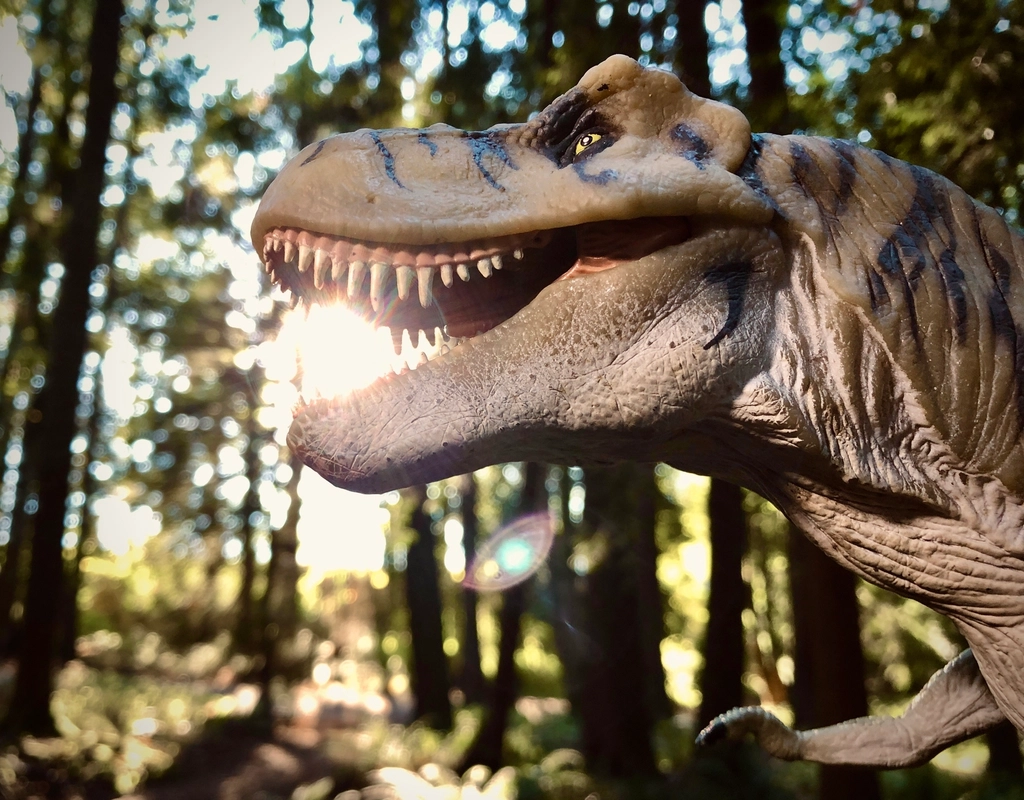
Pachycephalosaurus lived right up until the end-Cretaceous extinction event 66 million years ago. They were among the last non-avian dinosaurs to walk the Earth, witnessing the catastrophic asteroid impact that would end their reign forever. Fossil evidence suggests they were still thriving when disaster struck.
Their sudden disappearance serves as a powerful reminder of how quickly environmental changes can affect even the most successful species. These dome-headed survivors had weathered millions of years of evolutionary challenges, only to be defeated by a single cosmic event.
Unanswered Questions That Keep Scientists Guessing
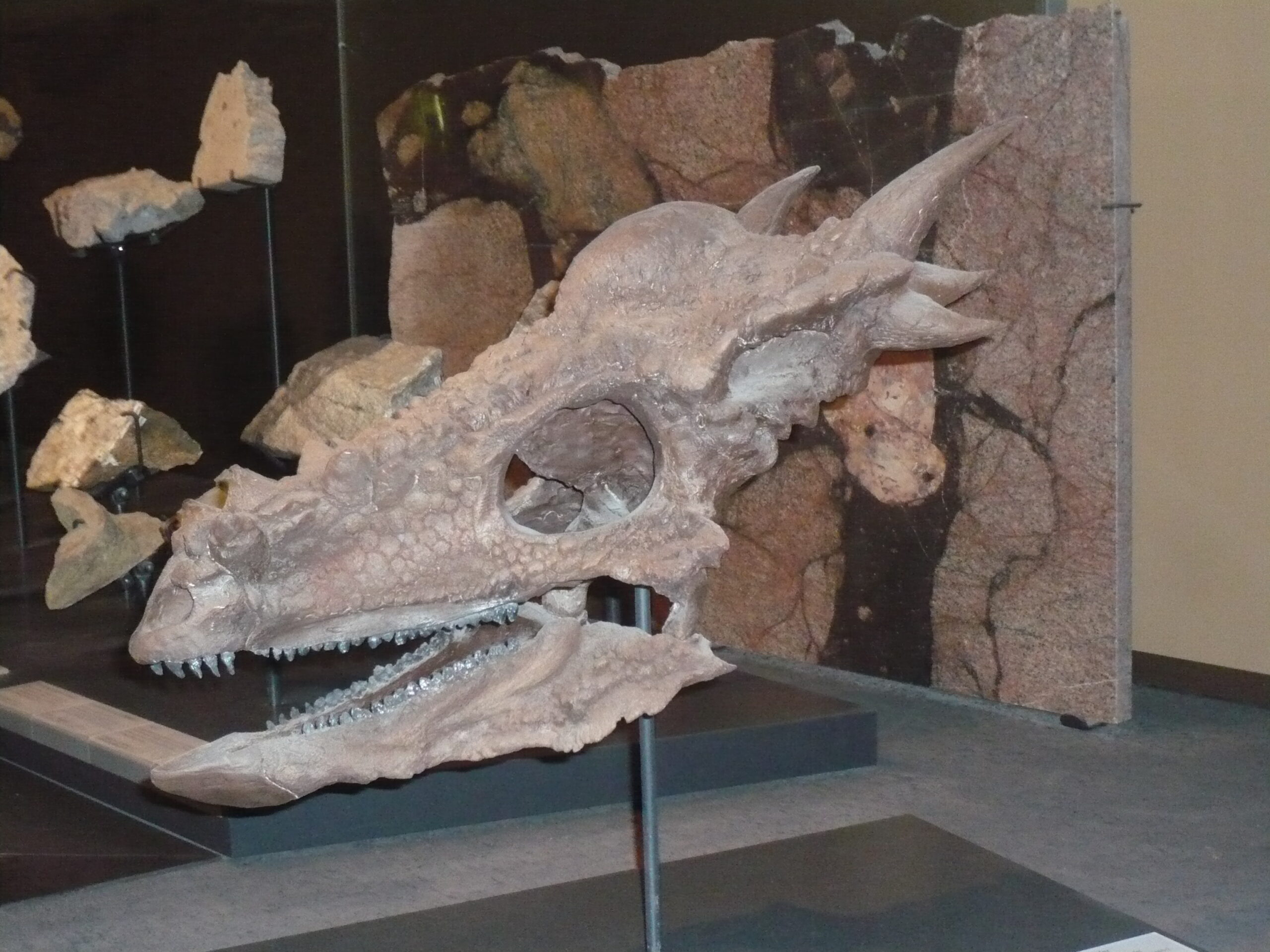
Despite decades of research, Pachycephalosaurus continues to puzzle paleontologists. We still don’t know definitively whether they head-butted, how they raised their young, or why their skulls varied so dramatically in thickness. Each new fossil discovery raises as many questions as it answers.
The mystery extends to their behavior, diet preferences, and social structures. Were they territorial creatures that fought for the best feeding grounds, or peaceful herbivores that shared resources? These fundamental questions about their daily lives remain largely unanswered, making every new fossil discovery potentially game-changing.
Pachycephalosaurus stands as one of paleontology’s most captivating enigmas – a dinosaur that challenges our assumptions about herbivore behavior and survival strategies. Their thick skulls tell a story of adaptation and mystery that continues to unfold with each new discovery. These remarkable creatures prove that the prehistoric world was far more complex and surprising than we ever imagined, filled with animals that defied easy categorization.