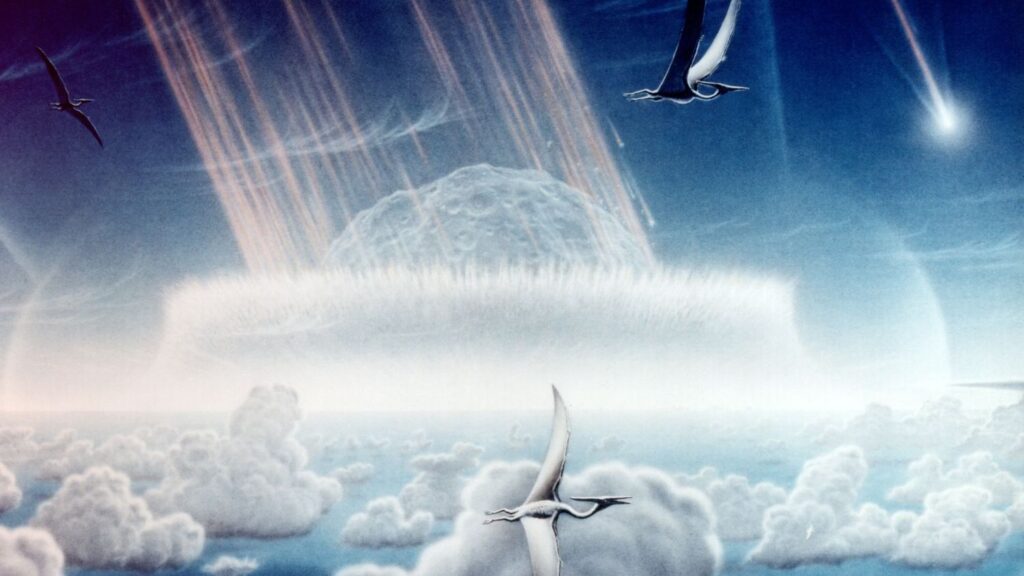
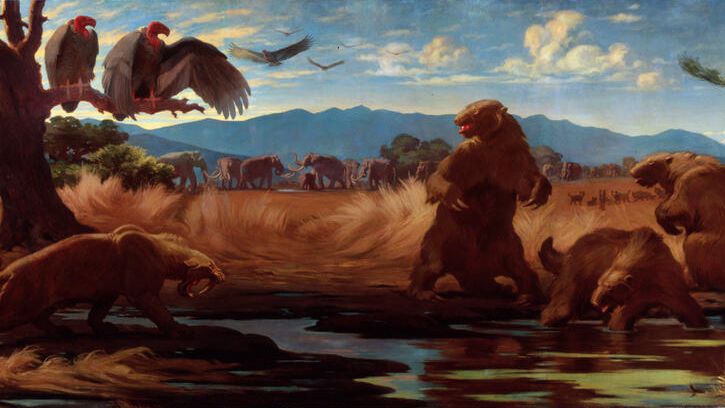
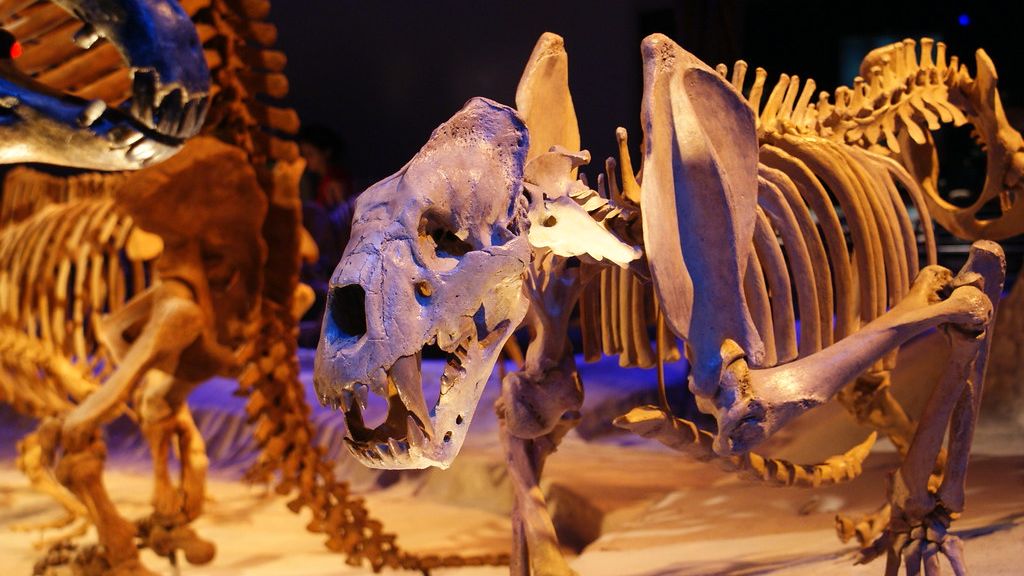
When we think of dinosaurs, our mental images have evolved dramatically over the decades. From lumbering, lizard-like beasts to dynamic, bird-like creatures, the artistic representation of dinosaurs reflects both scientific understanding and creative speculation. One of the most fascinating chapters in this visual evolution involves artists who daringly depicted dinosaurs with feathers long before paleontological evidence confirmed their existence. These visionaries, working at the intersection of science and art, helped reshape our understanding of prehistoric life and influenced how we imagine the distant past.
The Traditional Scaly Paradigm
For most of the 20th century, dinosaurs were predominantly portrayed as reptilian creatures with scaly skin. This representation stemmed from the close relationship between dinosaurs and modern reptiles observed in the fossil record. Museums, textbooks, and popular media all reinforced this image, creating a deeply entrenched public perception of dinosaurs as essentially oversized lizards. The iconic dinosaur reconstructions by paleoartists like Charles R. Knight and Zdeněk Burian became the standard reference points for how dinosaurs should look. These influential images showed dinosaurs with tough, scaly hides in earthy tones of green, brown, and gray, establishing a visual tradition that would prove remarkably persistent even as scientific understanding began to shift.
Early Scientific Hints of Feathered Dinosaurs
The theoretical groundwork for feathered dinosaurs was laid surprisingly early in paleontological history. In 1868, Thomas Henry Huxley first proposed the evolutionary relationship between birds and dinosaurs, noting anatomical similarities between Archaeopteryx and small theropod dinosaurs. This bird-dinosaur connection was further developed in the 1970s when John Ostrom revived and expanded upon Huxley’s ideas with detailed studies of Deinonychus, revealing numerous avian characteristics in this predatory dinosaur. These scientific developments prompted some researchers to speculate that certain dinosaur species might have possessed feathers or feather-like structures, though hard evidence remained elusive. The hypothesis gained theoretical support from cladistic analyses, which consistently placed birds within the theropod dinosaur group, suggesting that feathers might have evolved before true flight capabilities.
Pioneers of Feathered Dinosaur Art

Among the earliest artists to depict feathered dinosaurs was Sarah Landry, who illustrated John Ostrom’s revolutionary papers in the 1970s with images of Deinonychus sporting a light covering of filaments. Robert Bakker, both a paleontologist and talented illustrator, produced influential drawings of active, warm-blooded dinosaurs in the 1960s and 1970s, occasionally suggesting feather-like structures on certain species. Gregory S. Paul became particularly noteworthy for his consistent portrayal of small theropods with feathery coverings throughout the 1980s, well before concrete evidence emerged. These artists weren’t merely making arbitrary artistic choices—they were visualizing logical inferences based on emerging evolutionary theories about the dinosaur-bird relationship. Their work represented an evidence-based speculation that challenged the established visual orthodoxy while anticipating future discoveries that would validate their forward-thinking approach.
The Resistance to Feathered Depictions
The introduction of feathered dinosaur illustrations met significant resistance from both scientific and public quarters. Many established paleontologists dismissed such depictions as speculative overreach, arguing that the fossil record provided no direct evidence for feathered dinosaurs outside of clearly avian specimens. Museum curators and exhibition designers often rejected feathered reconstructions as too radical a departure from visitor expectations. In popular culture, the resistance was perhaps even stronger, with film productions like “Jurassic Park” (1993) deliberately opting for the traditional scaly appearance despite consulting with paleontologists who advocated for feathers on certain dinosaur species. This resistance stemmed partly from the visual power of established dinosaur imagery and partly from genuine scientific caution about extrapolating beyond available evidence. For many, feathered dinosaurs simply didn’t look “dinosaur-like” enough according to the cultural image that had been cultivated for decades.
The Watershed Discovery: Sinosauropteryx
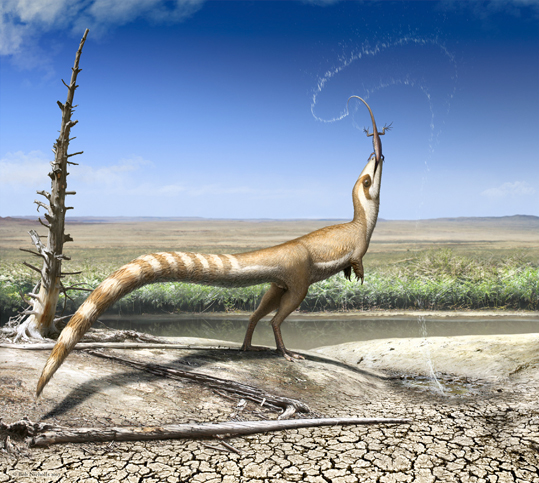
The paradigm shifted dramatically in 1996 with the announcement of Sinosauropteryx, a small theropod dinosaur from China’s Liaoning Province preserved with unmistakable feather-like structures along its back and tail. This remarkable fossil provided the first concrete evidence that at least some non-avian dinosaurs possessed feathers or feather-like coverings. The preservation quality was exceptional, showing fibrous structures that scientists identified as primitive “proto-feathers”—simple filaments that predated the complex feathers of modern birds. The scientific paper describing Sinosauropteryx, published in Nature, sent shockwaves through the paleontological community and received extensive media coverage. Suddenly, the speculative illustrations of earlier decades appeared prescient rather than fanciful, and the artists who had depicted feathered dinosaurs found their work vindicated by empirical evidence that many had thought would never be found.
The Feathered Dinosaur Revolution Accelerates
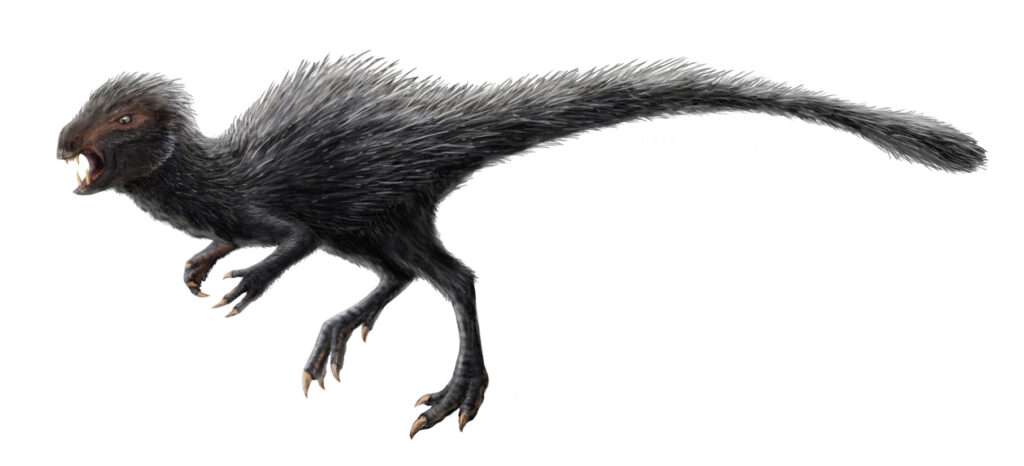
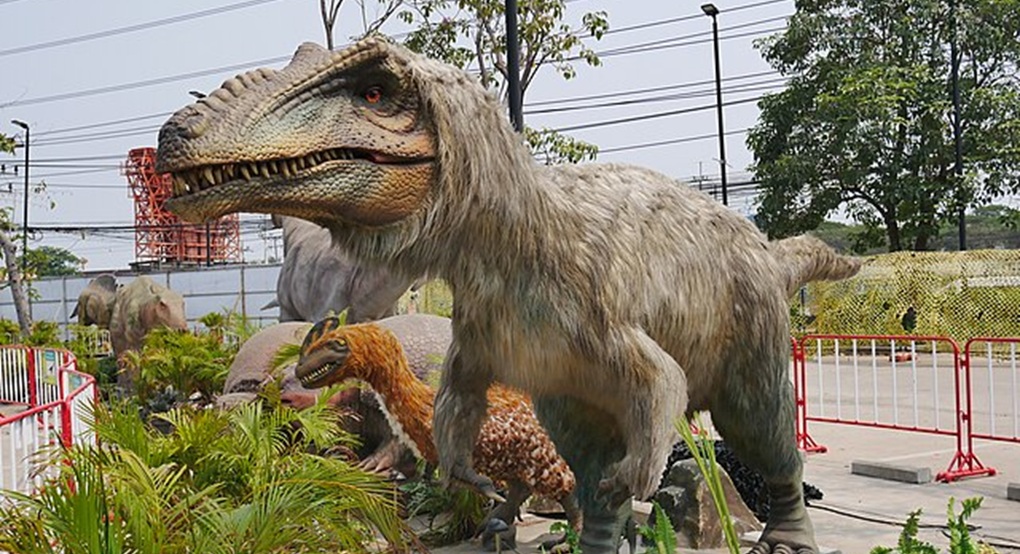
Following Sinosauropteryx, a remarkable series of discoveries from the same Liaoning fossil beds revealed numerous feathered dinosaur species in rapid succession. Caudipteryx, discovered in 1998, showed unmistakable pennaceous feathers—true feathers with central shafts and barbs—on a clearly non-flying dinosaur. Microraptor, described in 2000, astonished scientists with its four wings and complex feather arrangements suggesting some gliding capability. Yutyrannus, a relatively large tyrannosauroid described in 2012, demonstrated that even substantial predatory dinosaurs could be feathered, challenging the assumption that feathers were limited to small species. These discoveries transformed paleontological understanding, establishing beyond reasonable doubt that feathers had evolved in dinosaurs long before the emergence of birds, and were likely widespread among theropod species. The avalanche of evidence made the earlier artistic depictions of feathered dinosaurs appear not just plausible but prophetic.
The Science Behind the Speculation
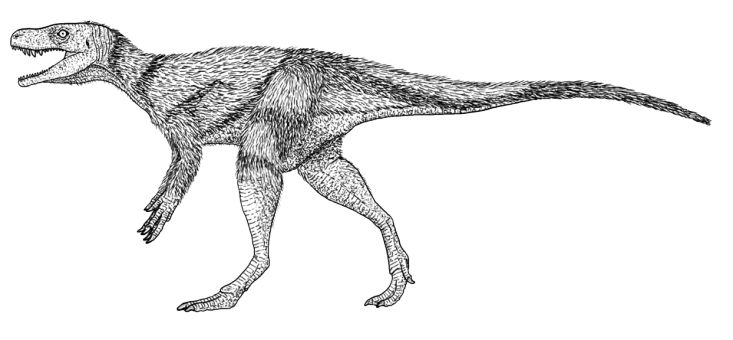
The artists who depicted feathered dinosaurs before confirming evidence weren’t merely making lucky guesses—they were applying sound evolutionary reasoning. The principle of phylogenetic bracketing suggests that if two closely related living groups share a feature (like feathers in birds and hair in mammals), their common ancestor likely had some version of that feature. Since dinosaurs were identified as the direct ancestors of birds, the possibility of feathers became a reasonable inference. Additionally, the discovery of endothermy (warm-bloodedness) in many dinosaur species suggested they might need insulation similar to modern endothermic animals. The identification of bird-like features in dinosaur respiratory and circulatory systems further strengthened the case for physiological similarities that might extend to integumentary structures like feathers. These scientific principles guided forward-thinking paleoartists in creating speculative but scientifically informed reconstructions that anticipated future discoveries.
Artistic Techniques for Depicting the Unknown
Creating plausible reconstructions of feathered dinosaurs before confirming evidence required artists to develop specialized approaches. Many artists studied the anatomy and feather arrangements of modern birds, particularly primitive species like ratites (ostriches and their relatives), to understand how feathers interact with body structure. They examined feather development in modern bird embryos to infer how primitive feathers might appear and be distributed. Color choices presented a particular challenge, with some artists adopting the muted patterns of ground-dwelling birds while others drew inspiration from the vibrant displays of modern reptiles. The most meticulous artists created detailed anatomical studies before adding integumentary coverings, ensuring that feathers followed the underlying musculature in a biologically plausible manner. These techniques allowed artists to create speculative but convincing reconstructions that bridged the gap between known fossil evidence and reasonable evolutionary inferences.
Key Artists of the Pre-Confirmation Era

Several artists stand out for their pioneering depictions of feathered dinosaurs before fossil confirmation. Gregory S. Paul’s meticulously researched illustrations from the 1980s showed small theropods with feather coverings that proved remarkably accurate when compared to later fossil discoveries. Mark Hallett produced influential paintings of feathered dromaeosaurs in the early 1990s that challenged conventional dinosaur imagery. John Sibbick, while more conservative in his approach, began incorporating subtle feather-like textures in some dinosaur illustrations during this period. Eleanor Kish created several notable paintings featuring partially feathered dinosaurs for National Geographic and scientific publications. Doug Henderson developed a distinctive style that suggested feathery textures without explicitly showing modern-type feathers, creating a plausible transitional appearance. These artists weren’t merely following a stylistic trend—each developed a thoughtful approach to representing the possible appearance of dinosaurs based on the best available scientific information.
Impact on Popular Culture
The gradual acceptance of feathered dinosaurs has profoundly transformed popular cultural representations, though not without resistance. Steven Spielberg’s “Jurassic Park” films initially maintained scaly dinosaurs despite scientific advisors suggesting feathers for certain species, reflecting commercial concerns about audience expectations. Children’s books began incorporating feathered dinosaurs more quickly, with educational publishers leading the way in updating dinosaur imagery for young readers. Television documentaries like the BBC’s “Walking with Dinosaurs” initially presented mostly scaly dinosaurs in 1999, but later productions such as “Planet Dinosaur” (2011) featured extensively feathered reconstructions. The most significant shift occurred in museum exhibits, where institutions like the American Museum of Natural History and the Natural History Museum in London completely redesigned their dinosaur displays to include feathered models and illustrations. These cultural representations matter enormously, as they shape public understanding of science and prehistoric life far more effectively than technical scientific papers.
The Persistent Myth of the “Shrink-Wrapped” Dinosaur
Even as feathered reconstructions gained scientific support, many dinosaur depictions continued to suffer from what paleontologists call the “shrink-wrapped” problem—showing dinosaurs with skin tightly stretched over the skeleton with minimal soft tissue. This approach, prevalent in both feathered and non-feathered reconstructions, created an unnaturally gaunt appearance unlike any living animal. Modern paleoartists have increasingly recognized this problem, adding appropriate muscle mass, fat deposits, and integumentary structures (including feathers) to create more biologically plausible reconstructions. The evolution away from shrink-wrapped dinosaurs represents another example of artistic anticipation preceding scientific consensus, as anatomists and paleontologists have subsequently emphasized the importance of soft tissues in reconstructing extinct animals. The most accurate modern depictions show dinosaurs as fully-fleshed creatures with appropriate body coverings, whether scales, feathers, or some combination of both, moving far beyond the skeletal caricatures that dominated earlier eras.
Modern Understanding of Dinosaur Feathers

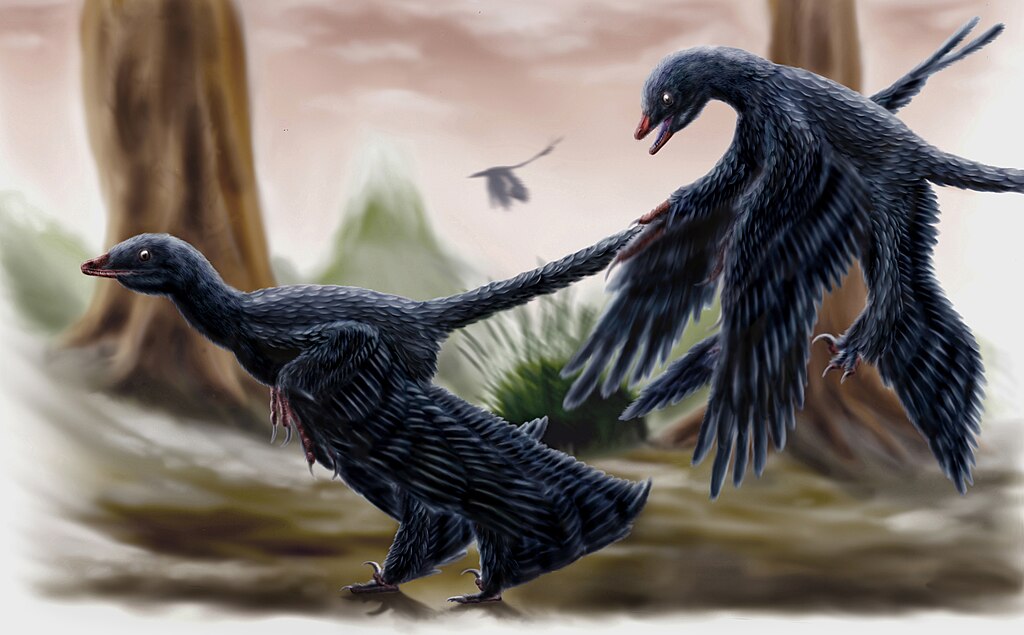
Contemporary science has developed a nuanced understanding of dinosaur feathers that validates many artistic speculations while refining others. Research now indicates that feathers likely evolved in stages, beginning with simple filaments (Stage I feathers) before developing into more complex structures with barbs and eventually the full branching structure seen in modern bird feathers. Different dinosaur groups displayed different feather types, with some having only simple filaments while others possessed complex pennaceous feathers capable of forming aerodynamic surfaces. Microscopic studies of preserved dinosaur feathers have even revealed melanosomes—cellular structures containing pigment—allowing scientists to determine the actual colors of some dinosaur feathers. These findings suggest that some dinosaurs, like Microraptor, had iridescent black feathers similar to modern crows, while others displayed patterns of russet, white, and black. The diversity of feather types, distributions, and colors was likely far greater than even the most speculative early artistic reconstructions suggested.
The Future of Paleoart
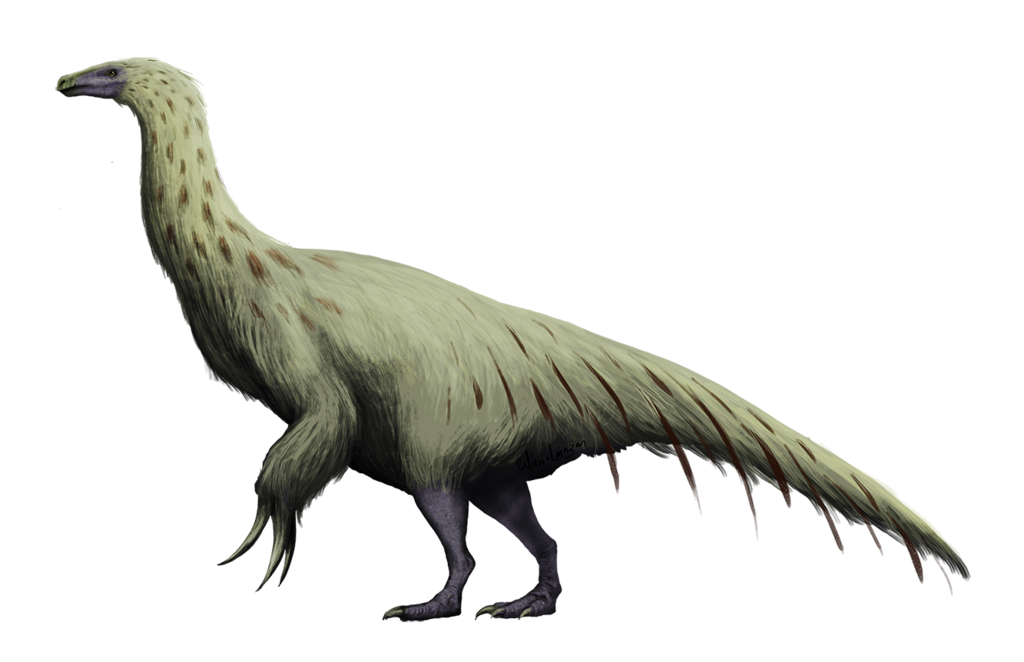
The story of feathered dinosaur art teaches valuable lessons about the relationship between scientific illustration and discovery. Today’s paleoartists continue to work at the frontier of knowledge, visualizing reasonable possibilities that scientific evidence might later confirm or refute. Current areas of artistic speculation include dinosaur vocalizations, social behaviors, and environmental adaptations that might never be directly preserved in the fossil record. Digital technologies have transformed the field, with 3D modeling and animation allowing artists to test the biomechanical plausibility of their reconstructions. Collaboration between artists and scientists has become increasingly formalized, with many research papers now including artistic reconstructions as integral components rather than mere decorations. As new fossil discoveries continue to refine our understanding of prehistoric life, the most forward-thinking artists will likely continue the tradition of evidence-based speculation that characterizes the best paleoart, anticipating tomorrow’s scientific consensus through thoughtful visual exploration today.
Conclusion

The story of artists who painted feathered dinosaurs before confirmation exemplifies the powerful synergy between scientific reasoning and artistic visualization. These visionaries weren’t merely guessing—they were thoughtfully extrapolating from available evidence, creating reconstructions that bridged known facts with reasonable possibilities. Their work reminds us that visual representation is not merely decorative but can itself be a form of scientific hypothesis, proposing testable ideas about the appearance of extinct life. As our understanding of dinosaurs continues to evolve, we might wonder what current artistic speculations will be validated by future discoveries, continuing the productive dialogue between science and art that has so enriched our vision of the prehistoric world.