
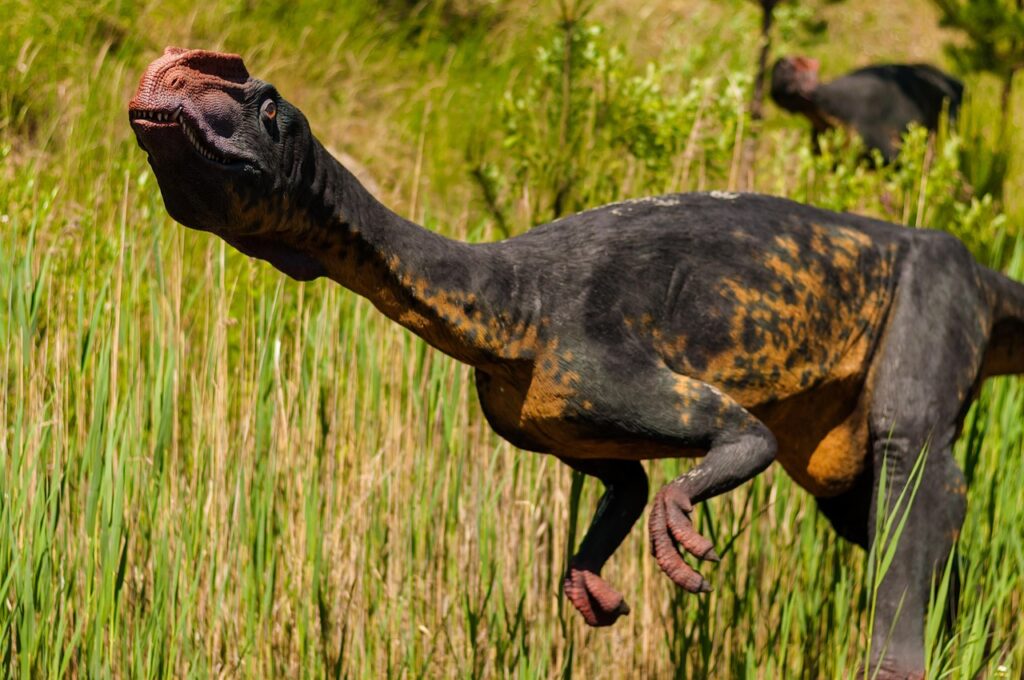
Imagine walking through a Late Cretaceous forest and having a two‑ton dinosaur look you in the eye and, instead of just seeing “food” or “threat,” actually recognising you as a specific individual. It sounds like pure science fiction, or the kind of emotional flourish that belongs in a movie, not in careful palaeontological discussion. Yet over the last couple of decades, a surprising convergence of fossil clues, brain studies, and modern animal research has pushed scientists to quietly consider a bold idea: some dinosaurs might have actually known one another’s faces.
This does not mean dinosaurs were just giant, scaly versions of dogs greeting their favourite humans. The evidence is subtle, scattered across fossilised skulls, microscopic structures in bone, and surprising overlaps with birds and crocodiles alive today. But when you put those pieces together, the old picture of dinosaurs as simple, lumbering reptiles starts to crumble. Instead, a more nuanced – and frankly more unsettling – image appears: large‑brained, socially complex animals that could pick out partners, rivals, and maybe even offspring by sight alone.
The surprising role of brain shape in dinosaur vision
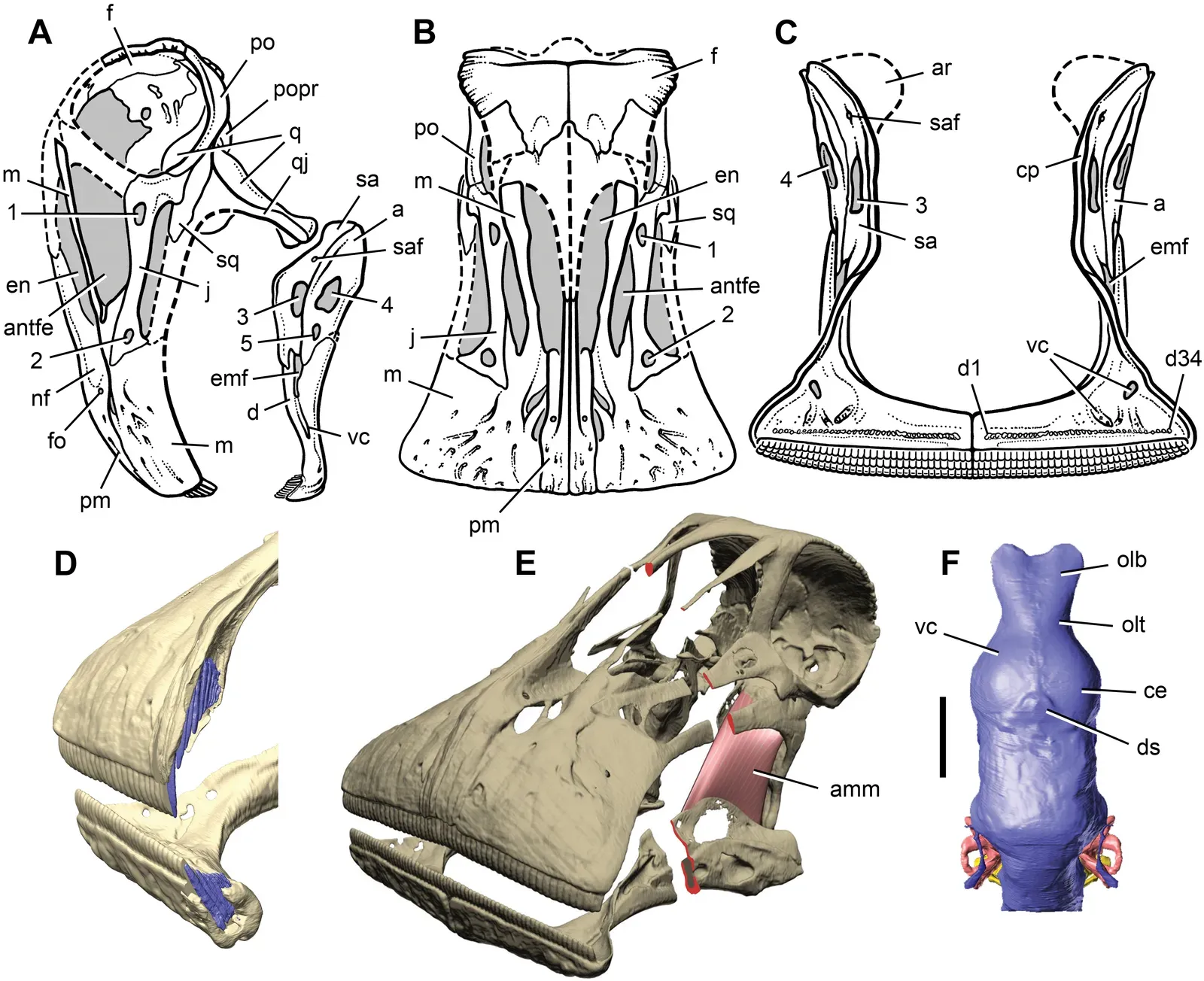
One of the strongest hints that some dinosaurs could recognise faces comes not from skin or eyes, but from the hollow spaces inside their skulls. When palaeontologists create digital endocasts – virtual models of the brain cavity using CT scans – they sometimes find enlarged regions associated with vision and sensory processing, especially in certain theropods and early birds. These brain areas are not just a little bigger; in some species, they take up a surprisingly large share of the cranial volume, more like what we see in visually sophisticated birds today than in simple, sluggish reptiles.
In living animals, larger and more complex optic lobes and forebrain regions often go hand in hand with higher visual discrimination: the ability to tell one individual from another, notice tiny variations in plumage, or even distinguish individual human faces. It would be a stretch to say a fossil brain cavity alone proves facial recognition, and scientists are rightly cautious about that leap. But if you asked which dinosaurs might be capable of such skills, you’d start your shortlist with those whose brain shapes already look like they were built for visual nuance, not just basic light–dark detection.
From birds and crocodiles to dinosaurs: what living relatives can do
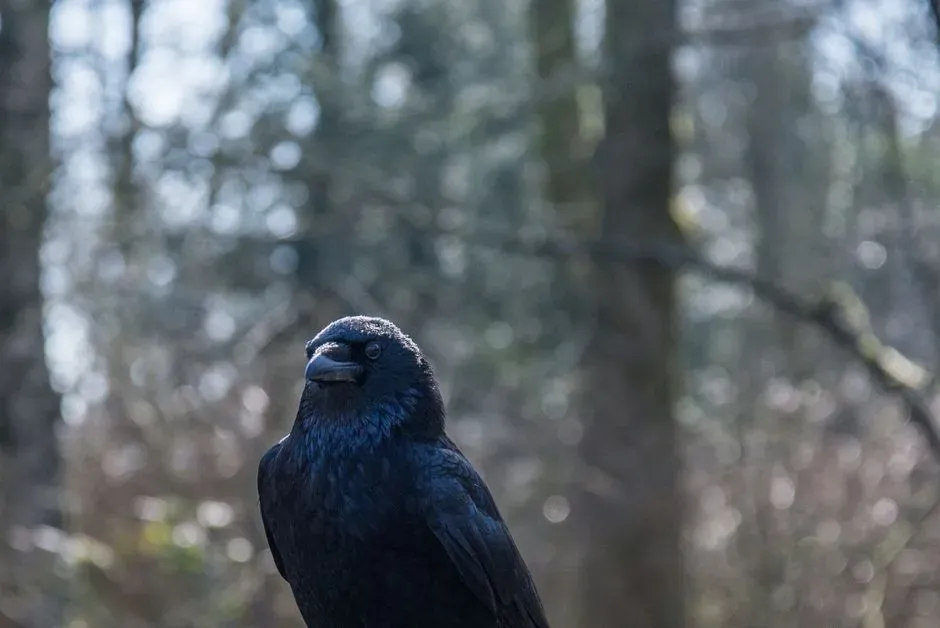
Because we can’t run memory tests on a hadrosaur, researchers lean heavily on the next best option: what can its closest living relatives actually do? Modern birds, which are literally surviving dinosaurs, provide some striking case studies. Many species of crows, parrots, pigeons, and even chickens can learn to pick out specific individuals – of their own kind and of ours – based on faces and other visual cues, and they can remember those distinctions for long periods. These are not isolated anecdotes; controlled experiments have repeatedly shown that certain birds can treat one human as trustworthy and another as dangerous, purely from facial or body‑shape differences.
Crocodilians, the other main branch of the archosaur family, are not as thoroughly studied for face recognition, but they are far from mindless. Keepers and researchers routinely report that some crocodiles and alligators react differently to familiar vs unfamiliar people, and that they clearly identify specific mates or rivals within crowded groups. Taken together, birds and crocodiles show that the archosaur lineage is fully capable of sophisticated individual recognition based on sight. It would actually be odd if dinosaurs – sitting right in between them on the family tree – were somehow exempt from that potential.
Why social dinosaurs would benefit from recognising individuals
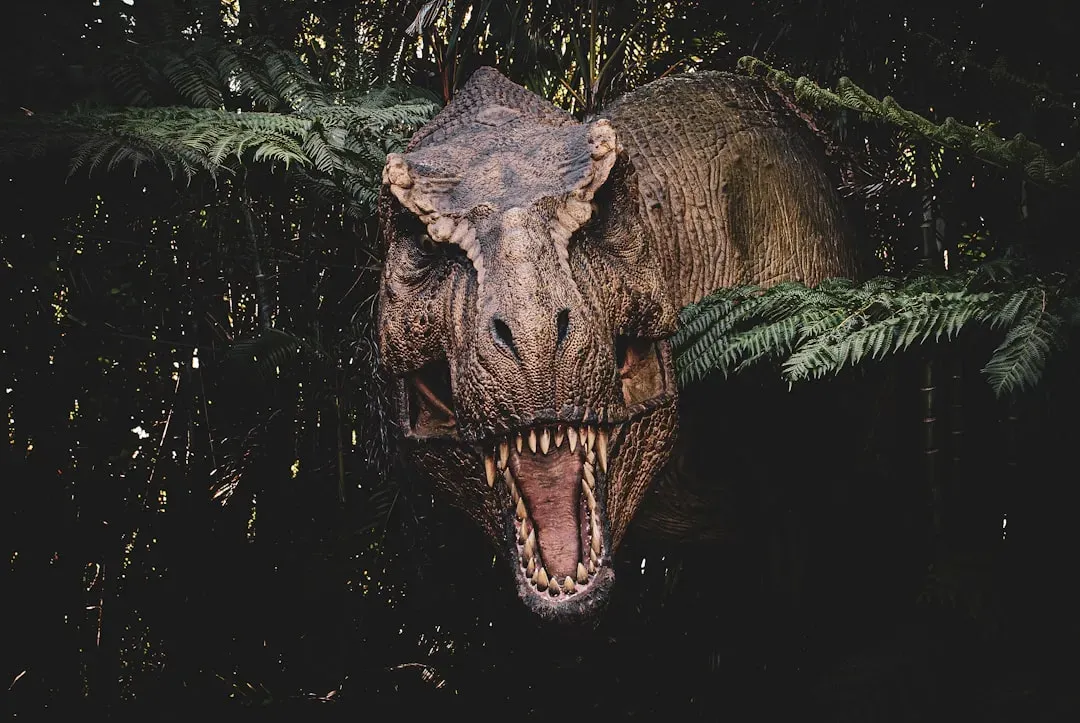
Facial recognition is not a party trick; in evolution it only sticks around if it pays off. In species that live complex social lives – forming herds, packs, flocks, or long‑term pairs – being able to track who is who can be a matter of survival. Fossils give us repeated hints that many dinosaurs were not solitary. Trackways show groups of animals moving together in the same direction. Bonebeds contain multiple individuals of the same species that appear to have died together, possibly indicating herds or flocks. Nesting grounds with repeated, layered clutches suggest some species returned to the same breeding sites year after year, a behaviour that often pairs with intricate social interactions.
In such contexts, individual recognition is pure evolutionary gold. A hadrosaur in a massive herd that can distinguish its own offspring in a crush of youngsters gains a clear advantage. A small theropod that can remember which neighbour is a reliable ally and which one is a bully stands a better chance in daily disputes. You do not necessarily need human‑style facial recognition to do this – patterns on feathers, crests, or even smell could help – but in a visually oriented animal, faces are prime real estate for identity signals. Once social complexity is there, the pressure to evolve fine‑grained recognition follows naturally.
Crests, horns, and strange skulls as identity badges
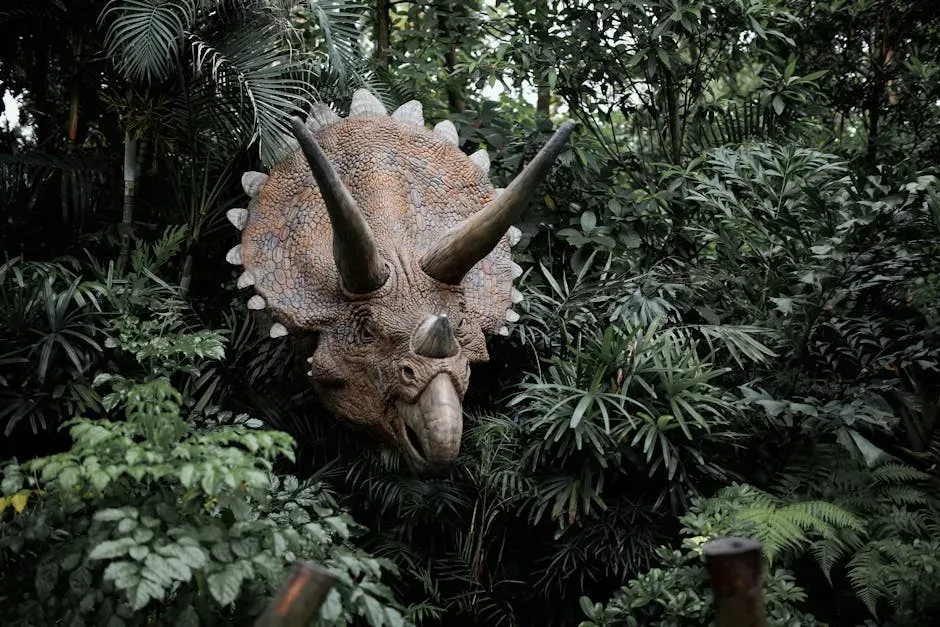
Some dinosaurs practically scream individuality just by the way their skulls are built. Think of ceratopsians with elaborate frills and horns, or hadrosaurs with towering head crests and resonating tubes, or the bizarre domed skulls of pachycephalosaurs. These features are often wildly exaggerated, vary between species, and sometimes show hints of changing shape as animals age. Many researchers interpret them as social signals – ways to attract mates, intimidate rivals, or signal membership in a particular group, similar to the flamboyant tails of peacocks or the antlers of deer.
Once you accept these structures as visual signals, a follow‑up question almost demands to be asked: who are they signalling to? If the audience is just “any member of the same species,” then coarse recognition might be enough. But the degree of subtle variation in some crests and frills suggests that more detailed identity cues could be at play. Slight differences in size, shape, or pattern may have served as built‑in name tags, making it easier for individuals to recognise particular partners, offspring, or rivals at a glance, especially at medium distance where fine facial details are harder to see.
Skin, scales, and feathers: patterns that could carry a “face”
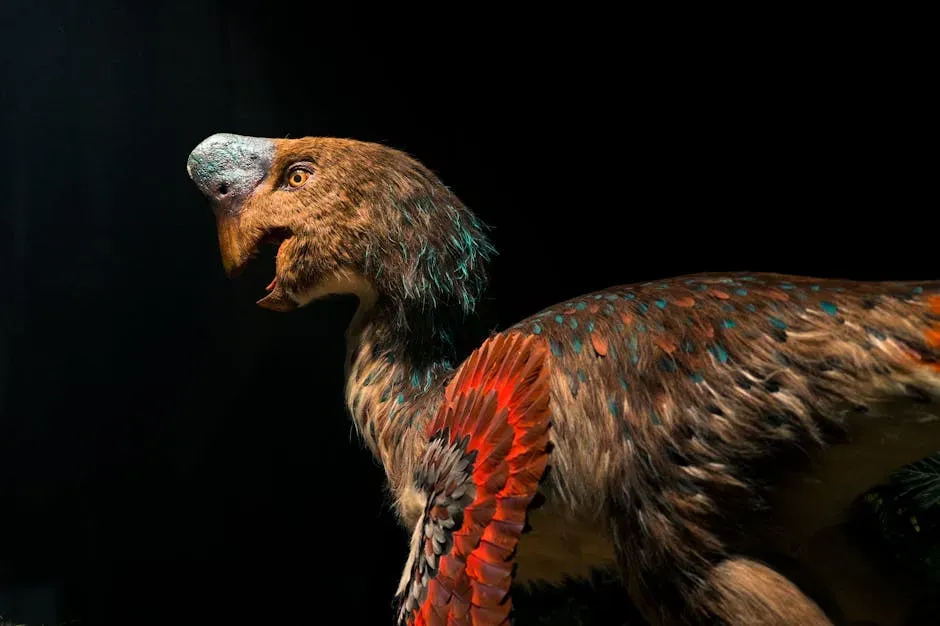
For a long time, dinosaurs were imagined as uniformly greyish or greenish, with little visual flair beyond their silhouettes. That picture has been quietly overturned. Exceptional fossils preserving skin impressions and even microscopic pigment structures tell us that at least some species had patterned scales or feathers, and in a few famous cases, scientists have reconstructed likely colour schemes of browns, blacks, and even iridescent sheens. In living animals, such patterns often concentrate around the head and neck, where they function as both social displays and identity markers.
If even a fraction of dinosaur species had patterned faces or distinctive markings around the eyes, the evolutionary door to facial recognition swings wider. In birds, subtle differences in feather patterning are enough for parents and chicks to find each other in jam‑packed colonies, and for individuals to maintain long‑term pair bonds. We do not yet have a fossil that unambiguously shows a freckled or banded dinosaur face the way we can see stripes in some fossilised tails, and we may never get that level of detail. But given what we know about pigment distribution in modern animals, betting that dinosaur heads were visually important is far safer than assuming they were blank, interchangeable masks.
Cognitive capacity: were dinosaurs smart enough for this?
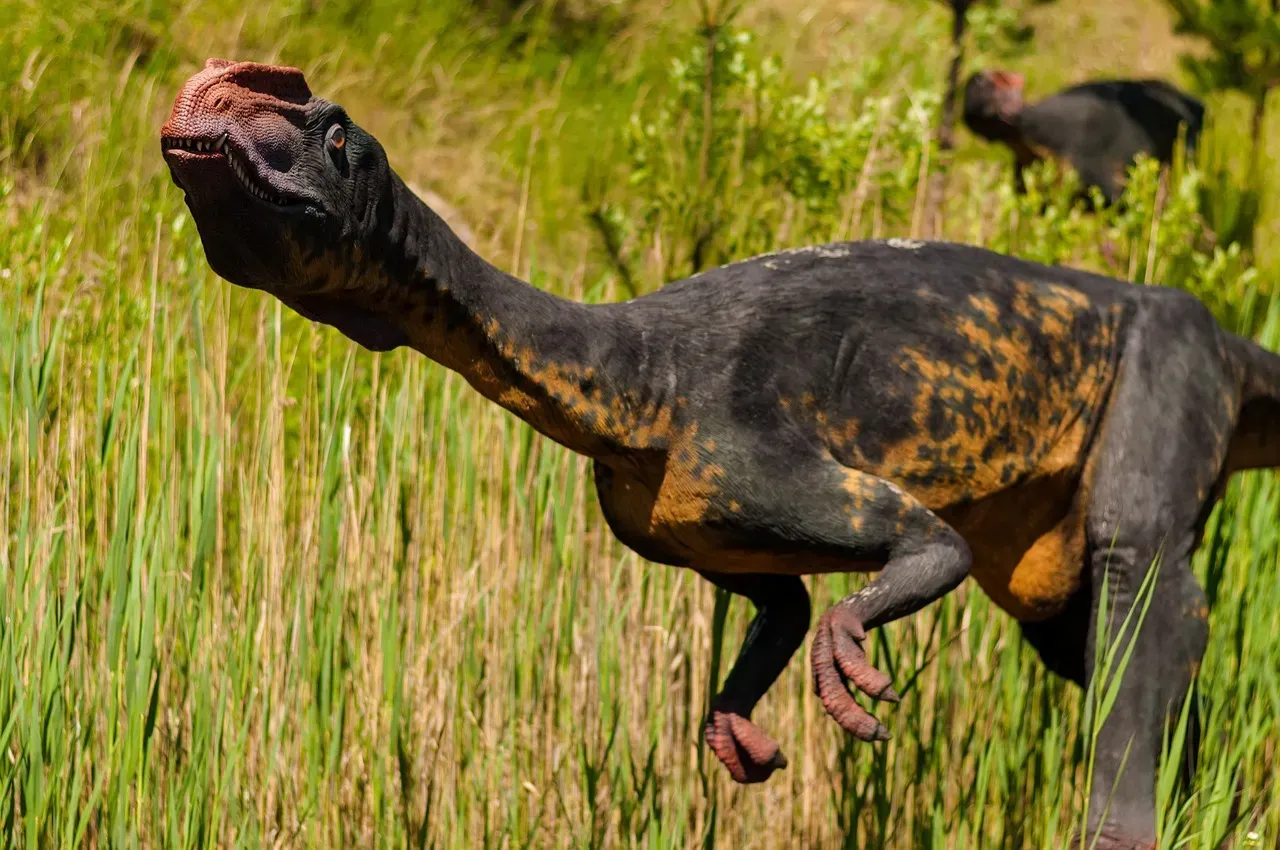
This is where the conversation often hits a wall: did dinosaurs actually have the mental horsepower for something as intricate as individual face recognition? If you imagine them as slow‑witted reptiles, the answer feels like an obvious no. But that stereotype is increasingly out of step with current research. Brain‑to‑body size estimates for many theropods and some ornithischians fall into ranges that overlap with modern birds and mammals, not with low‑energy lizards. Some maniraptoran dinosaurs, the group that includes the ancestors of birds, had especially high relative brain sizes and complex inner ear and visual systems consistent with agile, behaviourally flexible animals.
In present‑day ecosystems, animals with similar brain proportions often show sophisticated memory, problem‑solving, and social learning – all abilities that sit in the same cognitive neighbourhood as recognising individuals over time. It is important to be cautious here; big brains alone do not guarantee face recognition, and we cannot pull a fossilised behaviour out of stone. But if you lined up the brains of known vertebrates and asked which ones tend to show individual visual recognition, the dinosaurs on the “more bird‑like” end of the spectrum would not look out of place. They have the right raw neural budget for the job, even if we will never watch them use it directly.
Where the evidence ends – and why the idea still matters
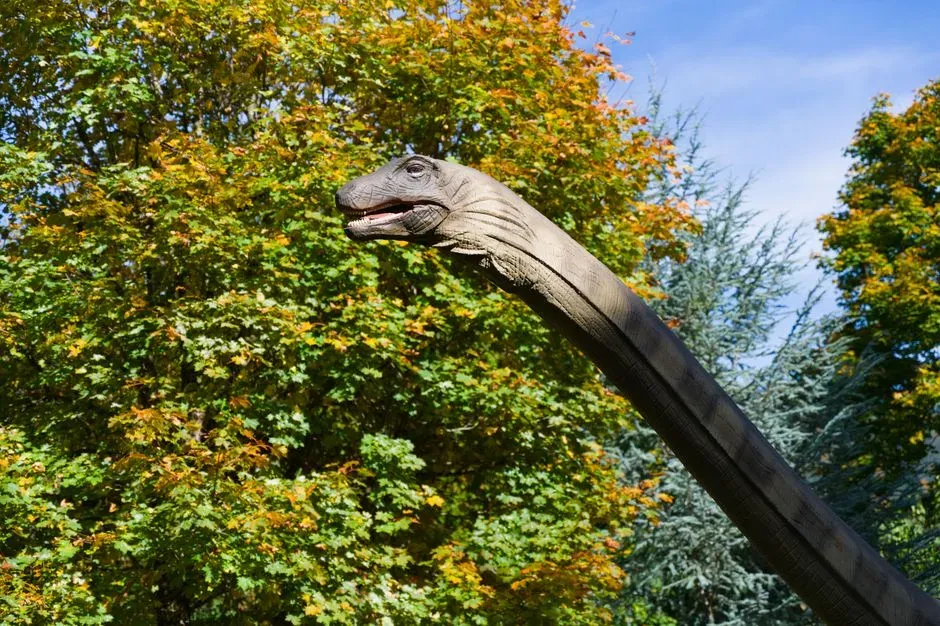
Here is the uncomfortable truth: no matter how many CT scans we run or fossil pigments we analyse, we will probably never have smoking‑gun proof that a particular dinosaur species recognised individual faces. Behaviour does not fossilise, and experiments on long‑extinct animals are, by definition, impossible. At some point, we are inferring backwards from anatomy, from the behaviours of living relatives, and from general principles of how brains and societies tend to co‑evolve. That makes the face‑recognition claim inherently probabilistic instead of absolute, and any honest discussion needs to admit that uncertainty up front.
Yet dismissing the idea outright is, in my view, just as unscientific as declaring it proven. When the anatomy, the social context, the colour evidence, and the living relatives all point in the same direction, the responsible stance is to treat dinosaur individual recognition – including facial recognition in some species – as a serious, plausible possibility rather than a fantasy. It forces us to abandon the comforting distance between “them” and “us” and to entertain a more unsettling scenario: that these ancient animals navigated social worlds full of remembered faces, grudges, alliances, and affections. That shift in perspective does not just make dinosaurs more interesting; it challenges the way we draw lines around intelligence and emotional complexity in the history of life. And really, which is harder to believe – that evolution repeatedly reinvented sophisticated social minds, or that it skipped them for the entire age of dinosaurs only to start over again later?