There’s something almost humbling about realizing that the dinosaurs you grew up with – the big, scaly, gray-green monsters stomping around in movies and on museum posters – were probably never quite real. Not in any accurate scientific sense. The images that shaped a generation’s understanding of these extraordinary animals were built mostly on guesswork, artistic tradition, and a remarkably thin slice of actual evidence.
That’s all changing now. Rapidly. Breakthroughs in paleontology, chemistry, imaging technology, and evolutionary biology are forcing paleo-artists to tear up old canvases and start again. What’s emerging in their place is something stranger, more beautiful, and far more fascinating than anything you might have imagined as a child staring at a T. rex model in a glass case. Prepare to be surprised by what science is revealing.
When Bones Were Everything – And Why That Was Never Enough
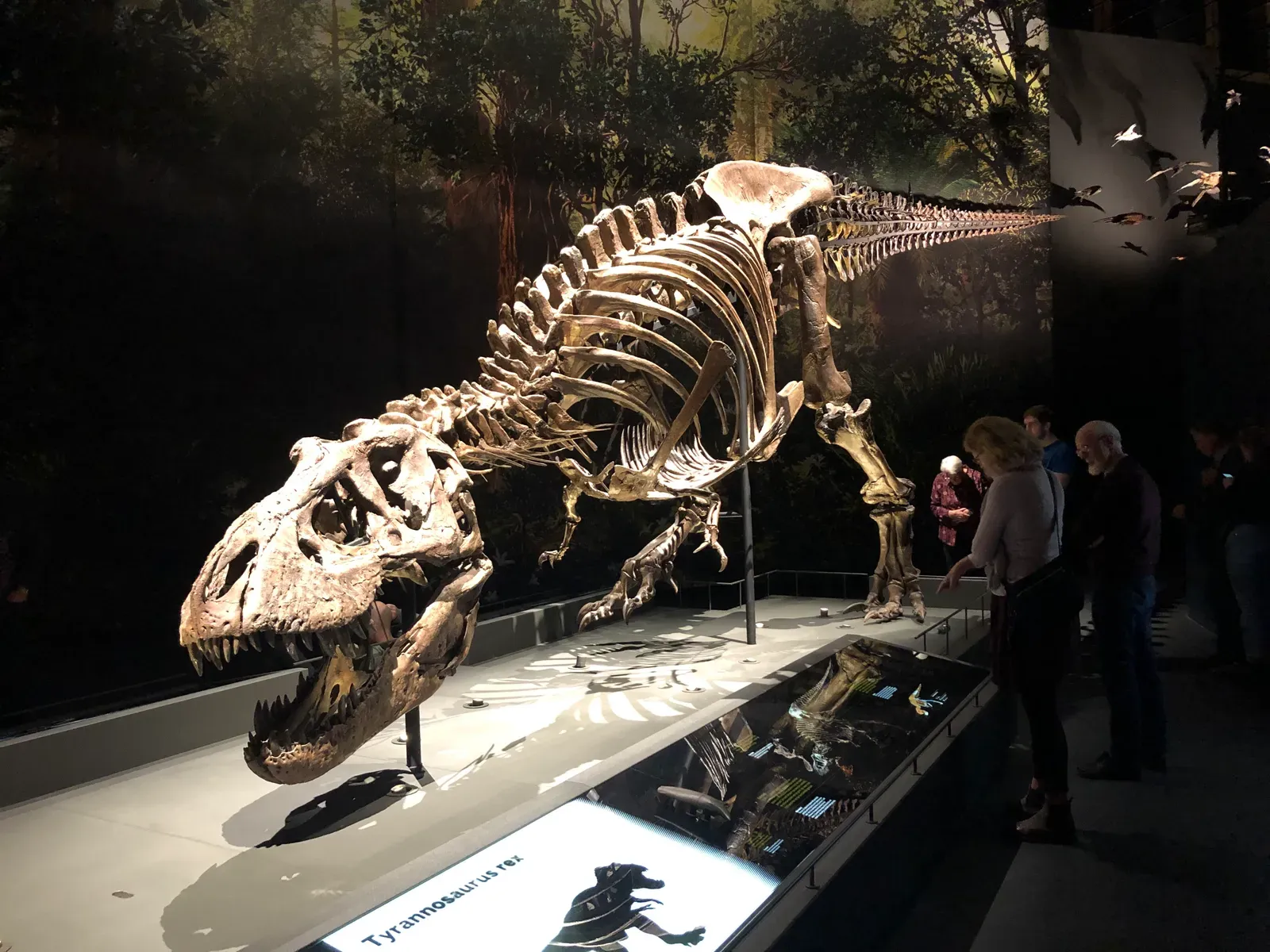
Increasingly, paleontologists can offer answers to long-standing visual questions about dinosaurs, thanks to evidence of soft tissues discovered in the last thirty years. Translating those discoveries into works that satisfy the public’s imagination is the purview of paleoartists – the scientific illustrators who reconstruct prehistory in paintings, drawings, and sculptures found in exhibit halls, books, magazines, and films. For most of paleontology’s history, however, artists had only bones to work from, and bones alone tell a frustratingly incomplete story.
Prehistoric creatures have captivated human imagination for centuries. While paleontologists can study fossilized bones to understand skeletal structure, the soft tissues – skin, muscles, and fat – typically don’t survive the fossilization process. This is where paleoartists step in, combining scientific knowledge with artistic skills to bring these ancient creatures to life visually. Think of it this way: if someone in the future found only a human skeleton, you wouldn’t know whether they wore glasses, had curly hair, carried extra weight, or had deeply pigmented skin. Bones hide almost as much as they reveal.
The “Shrink-Wrapping” Problem That Haunted Decades of Dinosaur Art
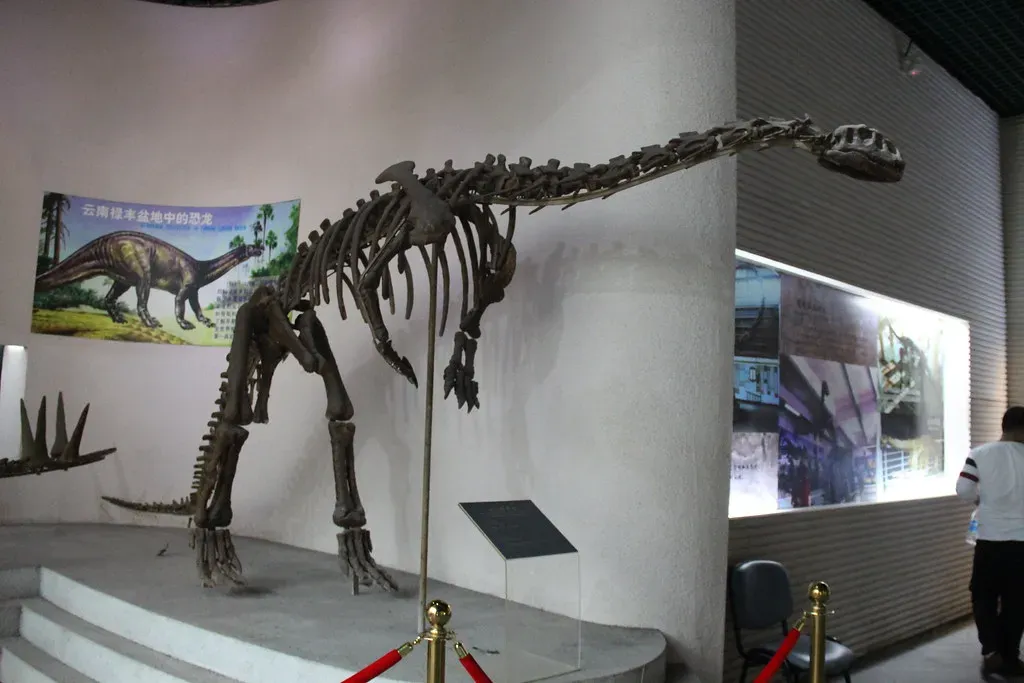
Paleo-art shrink wrap refers to the outdated practice of reconstructing dinosaurs and other extinct animals with minimal soft tissue, essentially depicting them as skeletons covered only by a thin layer of skin. This results in animals that appear gaunt, reptilian, and often unrealistically thin. Honestly, if you’ve ever looked at those classic museum reconstructions and felt something was off – a kind of walking-skeleton quality to the animals – your instincts were completely right.
Shrink-wrapping is the conservative approach to imagining an entire animal based on fossil bones rather than speculating about soft tissue. An artistic movement in the last decade is pushing back hard, arguing that modern animals look nothing like their skeletons. If paleoartists drew extant species based on their bones alone, they’d be “very grotesque, hyper-muscled things with all their teeth exposed.” You can test this yourself: find a picture of a rooster’s skeleton, then look at a real rooster. The crest, the wattles, the iridescent feathers – none of that would survive in a skeleton. Dinosaurs were almost certainly full of similar surprises.
Decoding Color – Melanosomes Change Everything
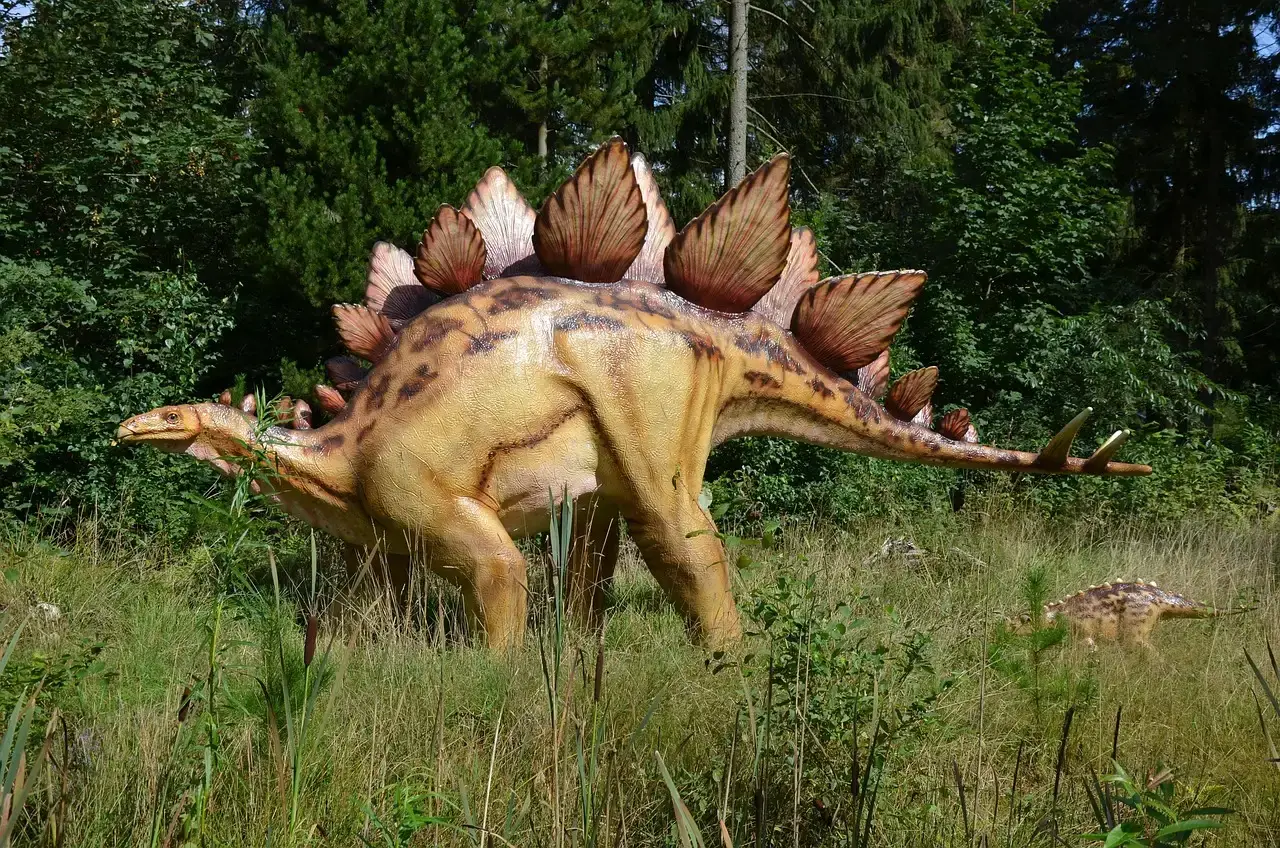
Dinosaur coloration is generally one of the unknowns in the field of paleontology, as skin pigmentation is nearly always lost during the fossilization process. However, studies of feathered dinosaurs and skin impressions have shown the color of some species can be inferred through the analysis of color-determining organelles known as melanosomes, preserved in fossilized skin and feathers. This is, I think, one of the most jaw-dropping advances in all of modern paleontology. The idea that we could ever know a dinosaur’s actual color seemed laughable twenty years ago.
In 2012, the stacked arrangement of melanosomes found in the feathers of the four-winged dinosaur Microraptor was shown to create an iridescent sheen similar to that of a modern raven. Avian dinosaurs also joined the list, with giant fossil penguins bearing color patterns of black, red, and gray. While early studies focused on feathers, paleontologists soon found that melanosomes can reveal the hues of scaly dinosaurs, too. The beaky, horned dinosaur Psittacosaurus was countershaded dark above and light below to help with camouflage, and the immense armored dinosaur Borealopelta sported reddish-brown tones. Your image of a bland, gray-skinned dinosaur world has just been permanently retired.
Feathers – Not Just for Birds Anymore
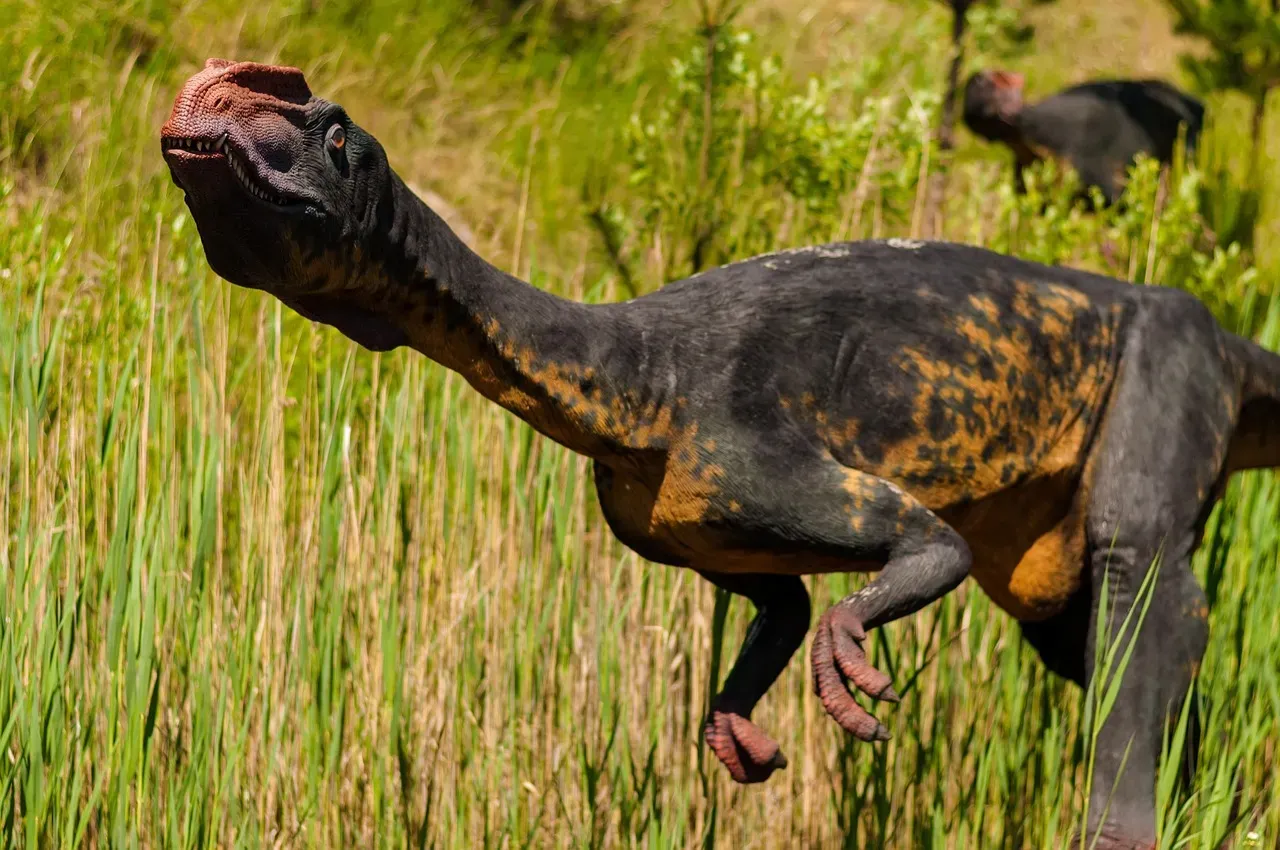
Beyond fossilized bones, skin impressions and fossilized feathers have been crucial to helping experts understand what dinosaurs looked like. For over a century, the prevailing public image of dinosaurs was that of oversized lizards lumbering around swamps. That image, comforting as it may have been for a certain kind of monster-movie imagination, simply doesn’t hold up anymore.
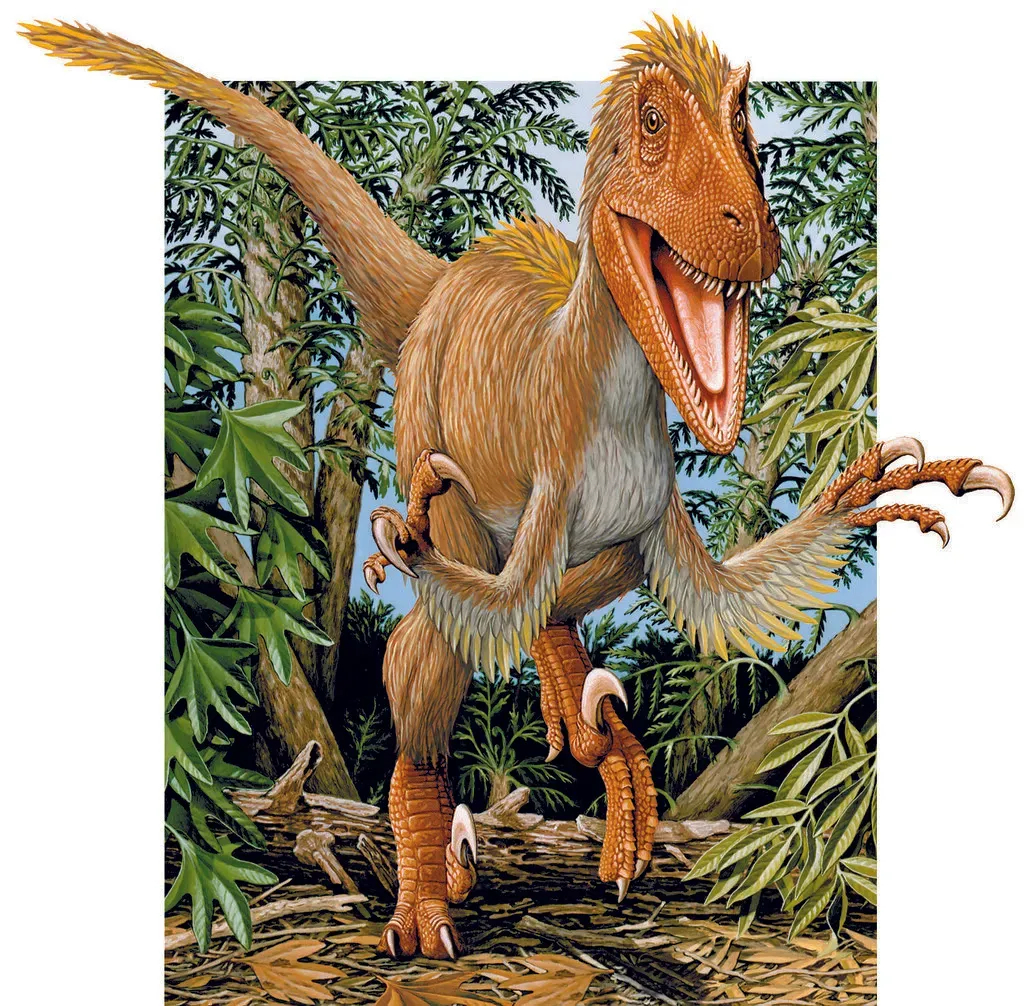
Fossils show that feathered theropods did not have sparse scatterings of feathers on their necks and backs, as shown in shrink-wrapped reconstructions. Instead, they were clothed in dense feathery coats that must have mostly obscured their underlying skeletal form. Surprisingly long feathers obscured the contours of their limbs and tails, and feathers grew along their snouts and even to the tips of their toes. It is now technically incorrect to show maniraptoran theropods with no plumage or a sparse plumage: numerous fossils show that they were extensively covered in a complete plumage much like that of birds. So the next time you see a bare-skinned Velociraptor on screen, you’re looking at scientific fiction.
Metabolism and Warm Blood – Rethinking How Dinosaurs Powered Their Bodies
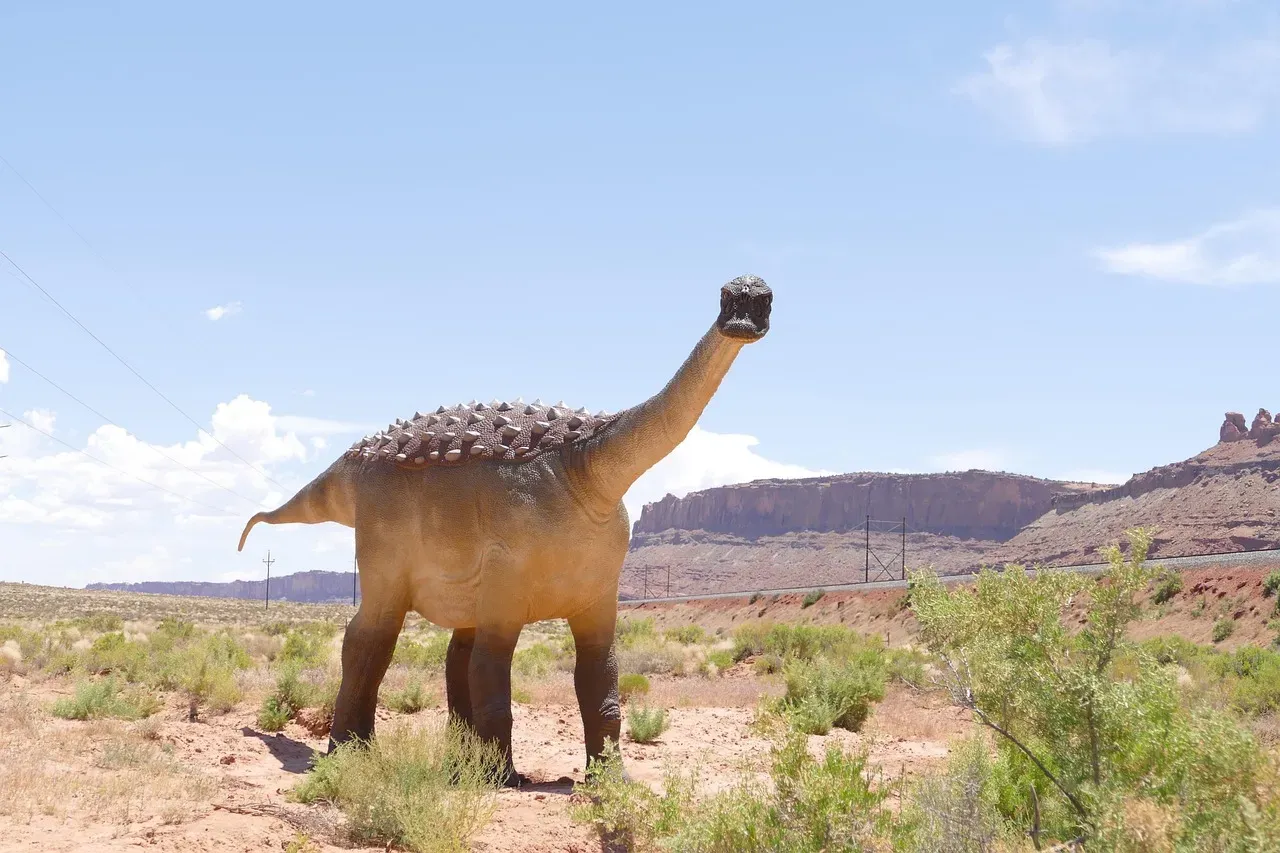
Dinosauria was conventionally regarded as a group of stereotypically lumbering, slow-moving reptiles, sharing characteristics with most ectothermic and poikilothermic vertebrates – species with higher variation in internal temperature that rely on environmental heat for homeostasis. However, recent discoveries culminating two centuries of research are challenging this “cold-blooded,” environmentally regulated body temperature paradigm, painting a more nuanced picture. This is a seismic shift, and it completely transforms how paleoartists must portray these animals.
Comparing samples from more than fifty vertebrate species, some modern and some extinct, researchers found evidence that endothermy, or warm-bloodedness, was already widespread before the mass extinction event at the end of the Cretaceous period, challenging the widely held idea that differences in metabolism explain why birds fared so much better than non-avian dinosaurs. Today, it is generally thought that many or perhaps all dinosaurs had higher metabolic rates than living reptiles, but also that the situation is more complex and varied than originally proposed. An active, warm-blooded creature moves, behaves, and looks different from a sluggish cold-blooded one – and paleo-art must reflect that reality.
Technology Opens the Door – From CT Scans to AI-Powered Tracks
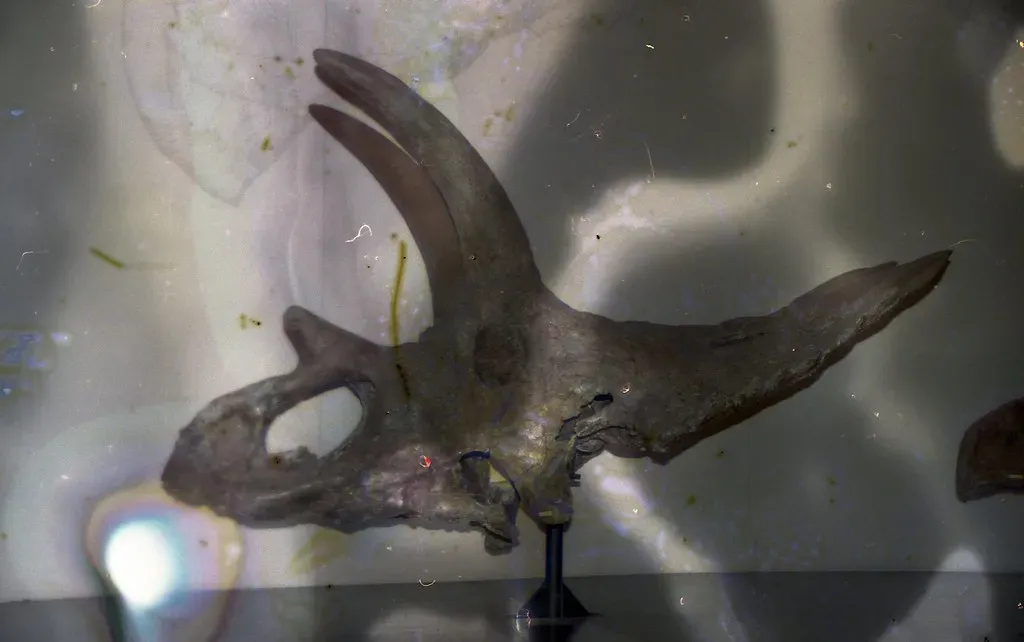
The application of remote sensing and drone imaging to help narrow down the best areas to prospect, three-dimensional scanning to record fossils in the field and in the laboratory, and artificial intelligence and machine-learning applied to help identify problematic fossils could revolutionize the field in the future. These tools aren’t just helping scientists find new fossils. They’re fundamentally changing what artists can know before they ever pick up a brush.
Dinosaur footprints have always been mysterious, but a new AI app is cracking their secrets. DinoTracker analyzes photos of fossil tracks and predicts which dinosaur made them, with accuracy rivaling human experts. Modern interpretations, driven by improved fossil discoveries and tools like computed tomography scanning, now allow researchers to visualize internal structures and extrapolate soft tissue presence with greater accuracy. Every new layer of data translates directly into a more truthful, and often more astonishing, visual reconstruction of prehistoric life.
The Artist’s Challenge – Creativity Within Science’s New Boundaries
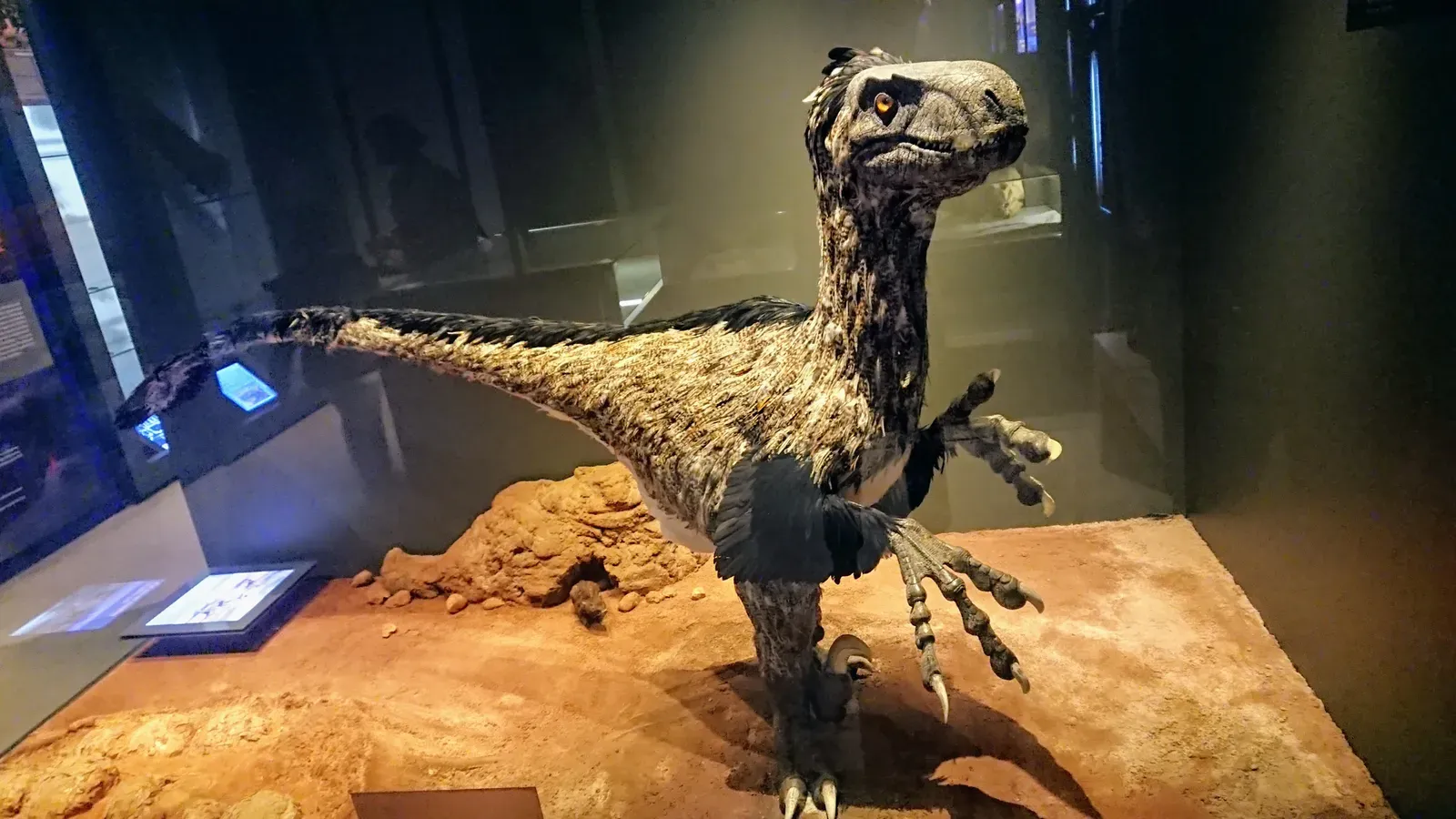
Regardless of their backgrounds, professional paleoartists share a dedication to credibility and typically consult with paleontologists, or reference scientific articles and specimen photos, to ensure scientific accuracy – or at least defensibility if an animal’s exact appearance remains open for debate. It’s a bit like being an actor handed a very detailed script: you still bring interpretation and craft, but certain lines simply cannot be changed.
New evidence challenges artists to relearn the anatomy of animals they’re already accustomed to reconstructing in a certain way. Suddenly knowing the placement of feathers or color can be jarring. The shift toward more accurate paleo-art has been driven by advances in comparative anatomy, biomechanical modeling, and a better understanding of dinosaur biology. Social media has also played a role, allowing paleoartists to share knowledge and techniques while educating the public about more scientifically accurate dinosaur appearances. This artistic revolution is gradually replacing the skeletal, shrink-wrapped dinosaurs of the past with more lifelike and engaging reconstructions. The result is a field that’s never been more exciting – or more demanding.
Conclusion
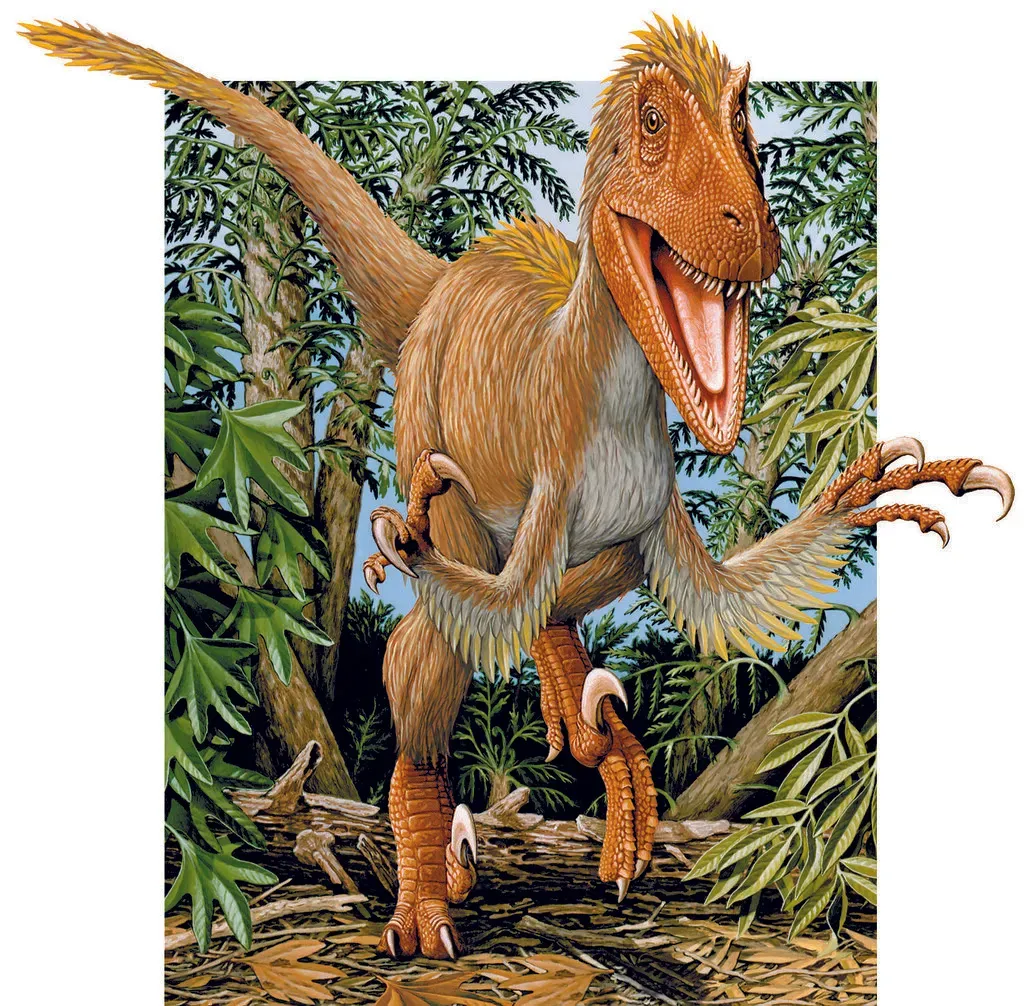
Paleo-art has always walked a tightrope between imagination and evidence. For most of its history, imagination had far too much rope to play with. Not anymore. The collision of melanosome chemistry, soft tissue fossils, metabolic science, and cutting-edge imaging technology is reshaping our entire visual understanding of the dinosaur world – and the results are extraordinary. These animals were not the dull, scaly automatons of old reconstructions. They were colorful, dynamic, often feathered creatures living complex lives we are only beginning to truly comprehend.
From reinterpretations of iconic predators to ancient trackways that capture fleeting moments of Jurassic life, recent research showed how much information is still locked inside bones, teeth, and footprints that have been studied for decades. From rewriting evolutionary timelines to challenging how fast dinosaurs really were, the science reminds us that paleontology is not about dusting off the past, but opening new windows for us to peer into it. Every discovery hands a paleo-artist a new brushstroke – and the painting is nowhere near finished.
So here’s a thought worth sitting with: if our understanding of dinosaur biology has changed this dramatically in just the last few decades, what will paleo-art look like thirty years from now? What do you think the next great revision will reveal?