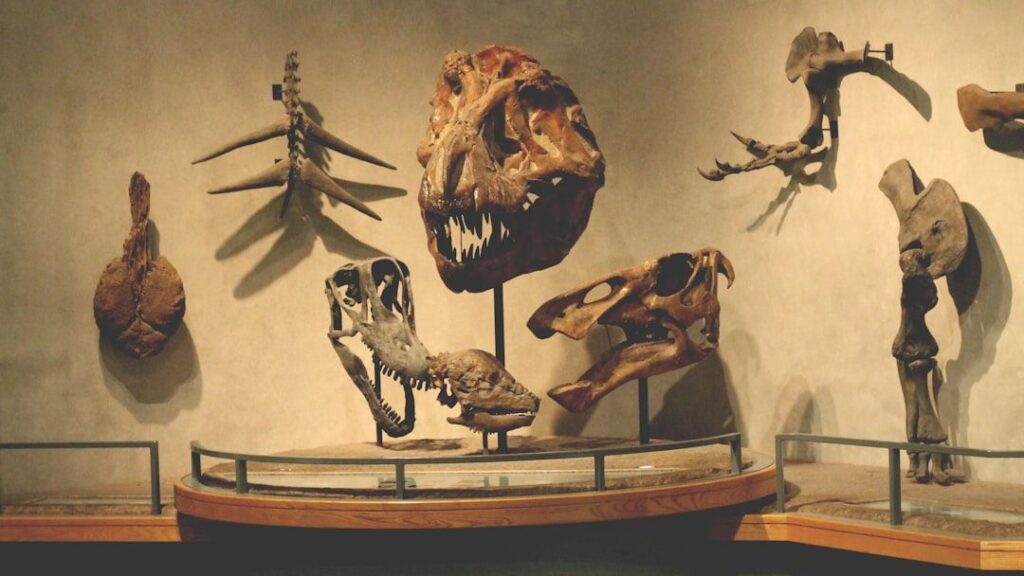
Picture this. You’re standing in a museum hall, staring up at a towering skeleton that once walked the planet millions of years ago. The bones tell a story, sure, yet so much remains hidden between those ancient fragments. For all our technological advancements and decades of digging through ancient rock, dinosaurs still guard their secrets fiercely. These magnificent creatures dominated Earth for an astounding 170 million years, but the details of how they lived, evolved, and ultimately vanished continue to perplex even the sharpest scientific minds.
Here’s the thing: every new fossil we unearth seems to raise more questions than it answers. Think about it. We’ve made incredible progress since the first dinosaur bones were identified in the 1800s, naming new species at a breakneck pace. Paleontologists continue to find new species, naming a new one every two weeks or so. Despite this flood of discoveries, fundamental questions about dinosaur biology and evolution remain maddeningly elusive.
What Was the Very First Dinosaur?
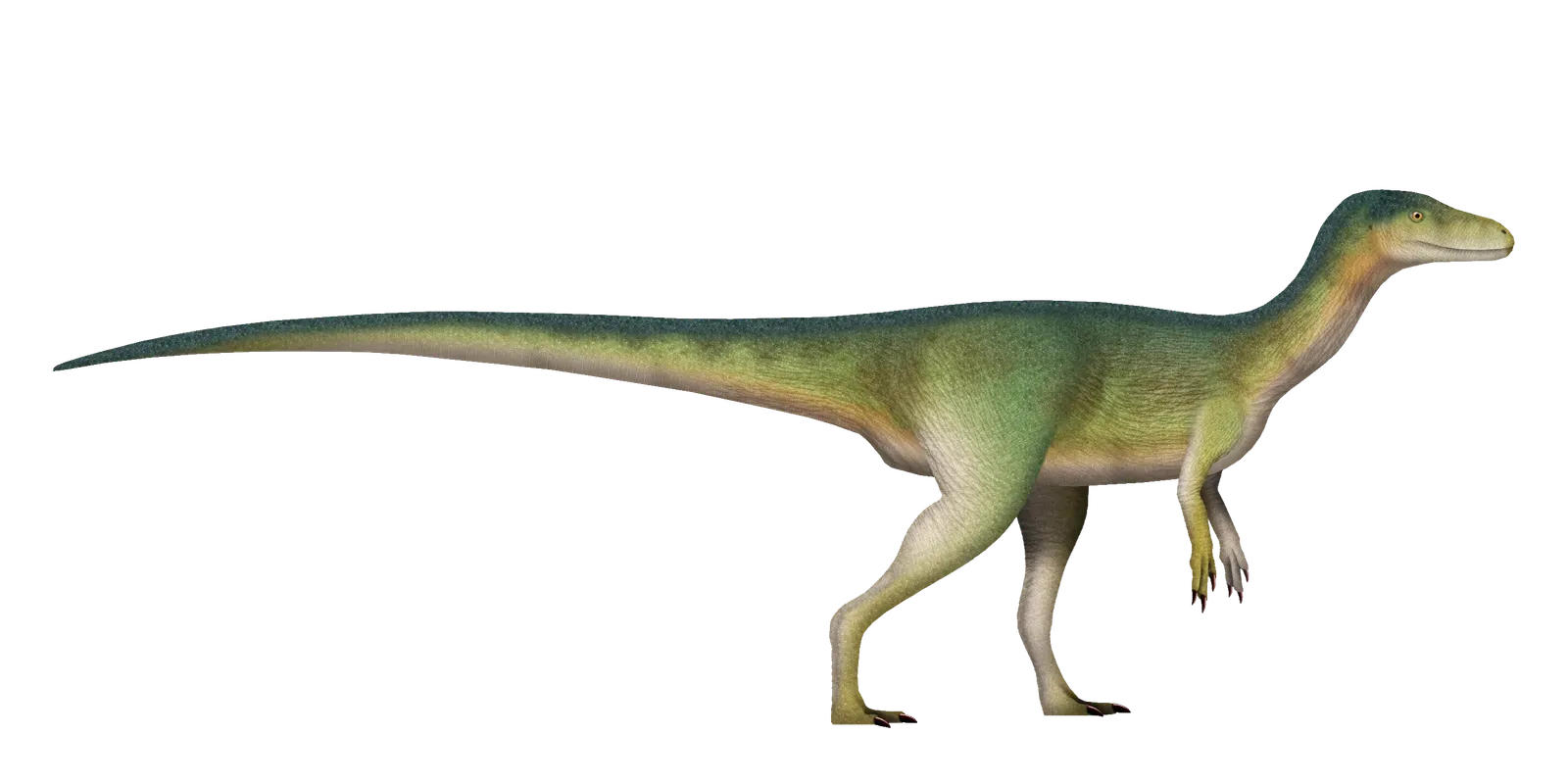
What was the first dinosaur? For paleontologists, the earliest species of any major lineage is always a sought-after critter. The trouble is that the fossil record is made up of snippets of life’s history, not the entire reel. It’s like trying to reconstruct an entire movie from a handful of random frames scattered across decades.
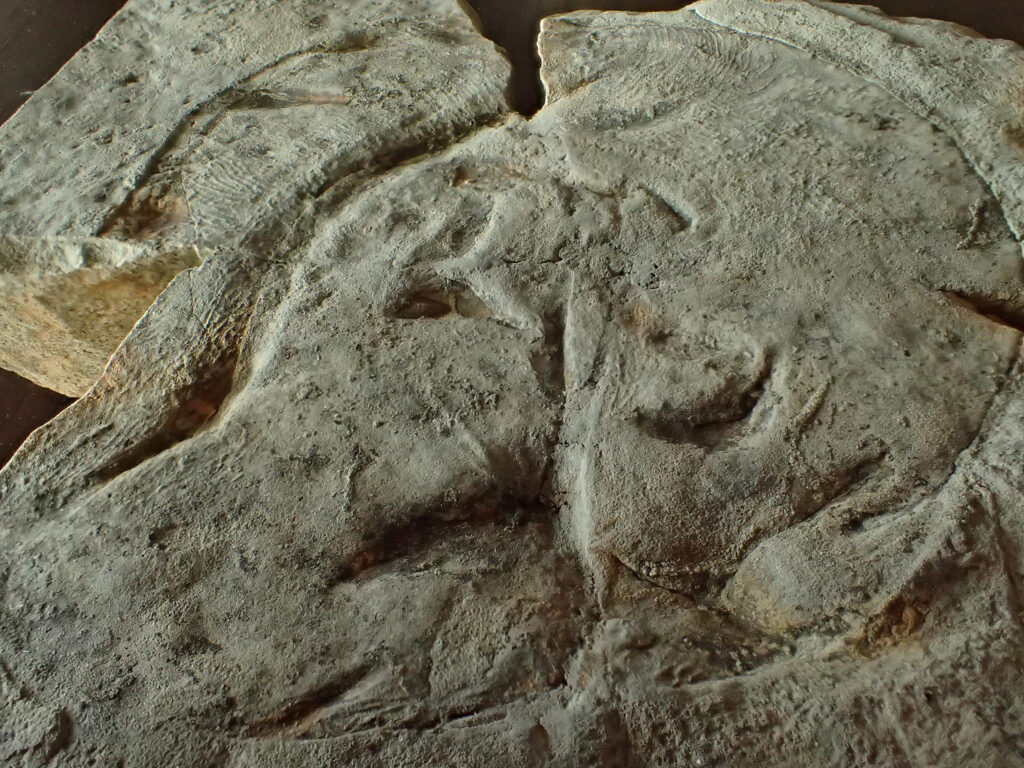
The search for this primordial beast takes scientists back to the Triassic Period, roughly around 245 million years ago. We’ve found tantalizing clues in places like Poland and Tanzania, where fossilized tracks and skeletal fragments belong to creatures that were tantalizingly close to being true dinosaurs, but not quite there yet. Some candidates teeter on that evolutionary edge between dinosaur ancestor and actual dinosaur. Without a complete skeleton or more definitive evidence, pinpointing that exact moment when the first true dinosaur stepped onto the prehistoric stage remains frustratingly out of reach. The fossil gods haven’t been kind enough to preserve that pivotal creature for us to find.
How Did Feathers Evolve and Which Dinosaurs Could Truly Fly?
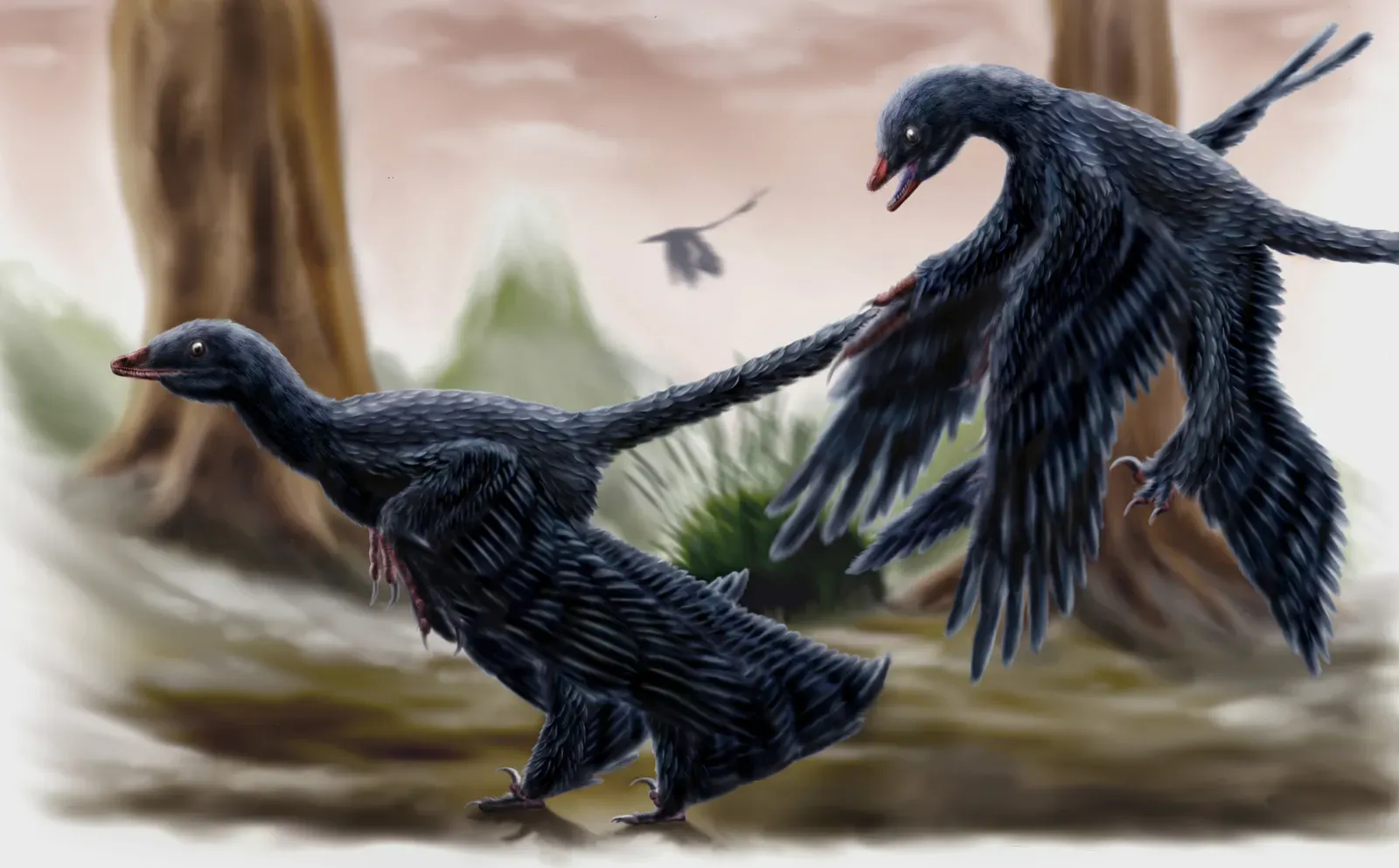
Let’s be real, this is one of the wildest mysteries in paleontology. It remains unknown if ‘true’ feathers originated at the base of Avemetatarsalia or within Theropoda. The debate gets heated because if feathers appeared early in dinosaur evolution, that means multiple lineages lost them over time. Alternatively, feathers might have evolved later and spread across different groups independently.
Scientists examined hundreds of birds in museum collections and discovered a suite of feather characteristics that all flying birds have in common. These “rules” provide clues as to how the dinosaur ancestors of modern birds first evolved the ability to fly. It’s really surprising, that with so many styles of flight we can find in modern birds, they all share this trait of having between 9 and 11 primary feathers. Some feathered dinosaurs like Caudipteryx had feathers but couldn’t fly at all, while creatures like Archaeopteryx and Microraptor seemed flight-ready. The evolutionary pathway from simple filaments to complex flight feathers capable of lifting a creature skyward involves biochemical changes we’re only beginning to understand. Honestly, it’s a puzzle with pieces still missing.
How Did Dinosaurs Achieve Such Colossal Size?
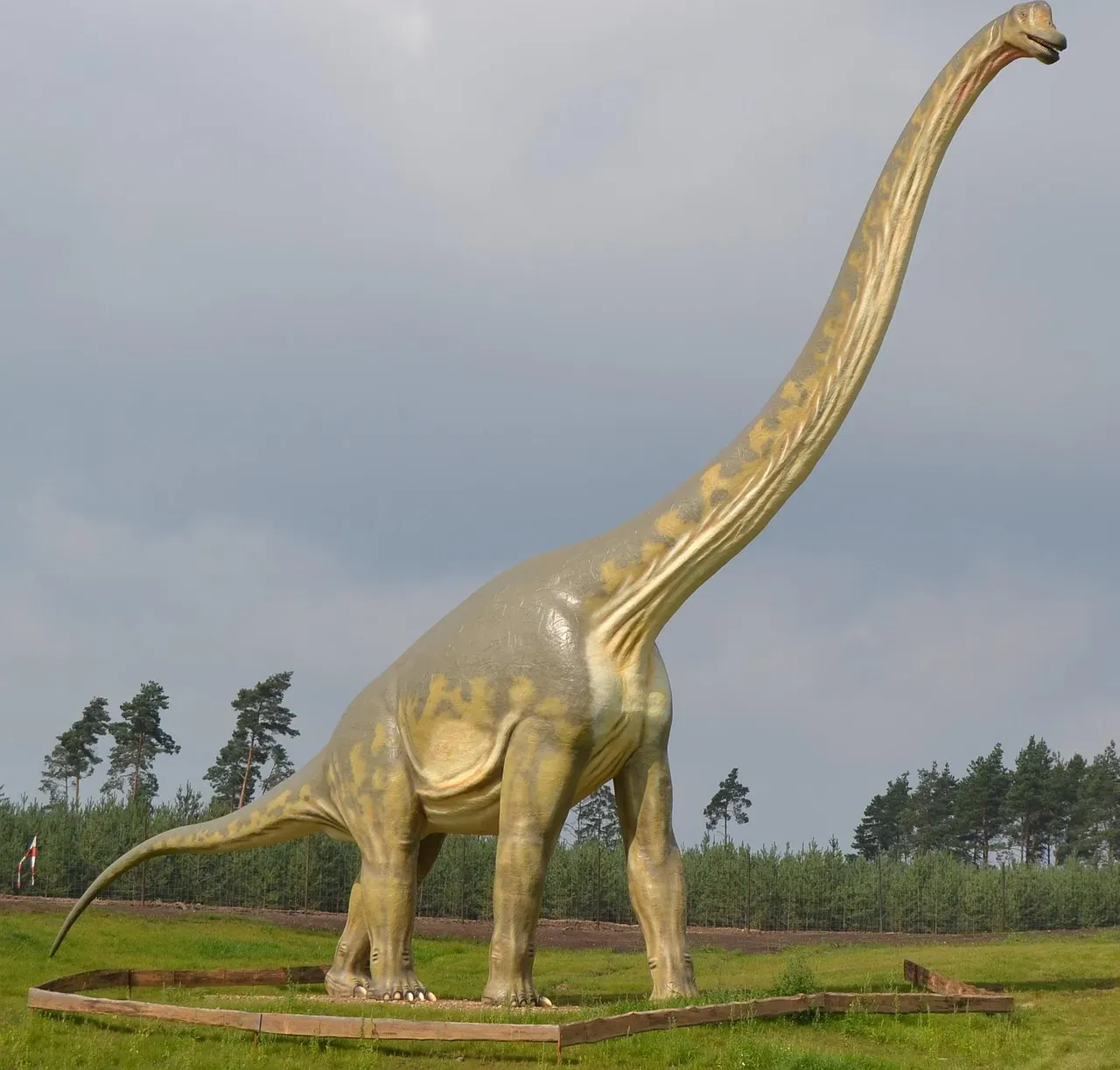
We’re all familiar with those gargantuan sauropods like Argentinosaurus and Patagotitan, creatures so massive they make elephants look like house pets. Yet determining which dinosaur actually claimed the title of largest ever is complicated by incomplete skeletons. The biggest dinosaurs are only known from partial skeletons, typically less than half the skeleton down to maybe one part of a single bone. That means paleontologists have to rely on smaller, more complete cousins of the giants to come up with size estimates.
An analysis of 250 sauropod species published in May found that truly giant members of this dinosaur group evolved superlative size at least 36 times over the course of a hundred million years. The finding emphasizes that there were probably various evolutionary routes in different habitats for giant size to evolve. Size wasn’t a one-time evolutionary jackpot but rather a recurring theme. Various biological advantages probably contributed, cushioned feet to support immense weight, efficient respiratory systems, and perhaps unique metabolic strategies. Still, the precise combination of factors that allowed these animals to push the boundaries of terrestrial body size remains partially mysterious. The giants are keeping some secrets to themselves.
What Temperature Were Dinosaurs and How Did They Regulate It?
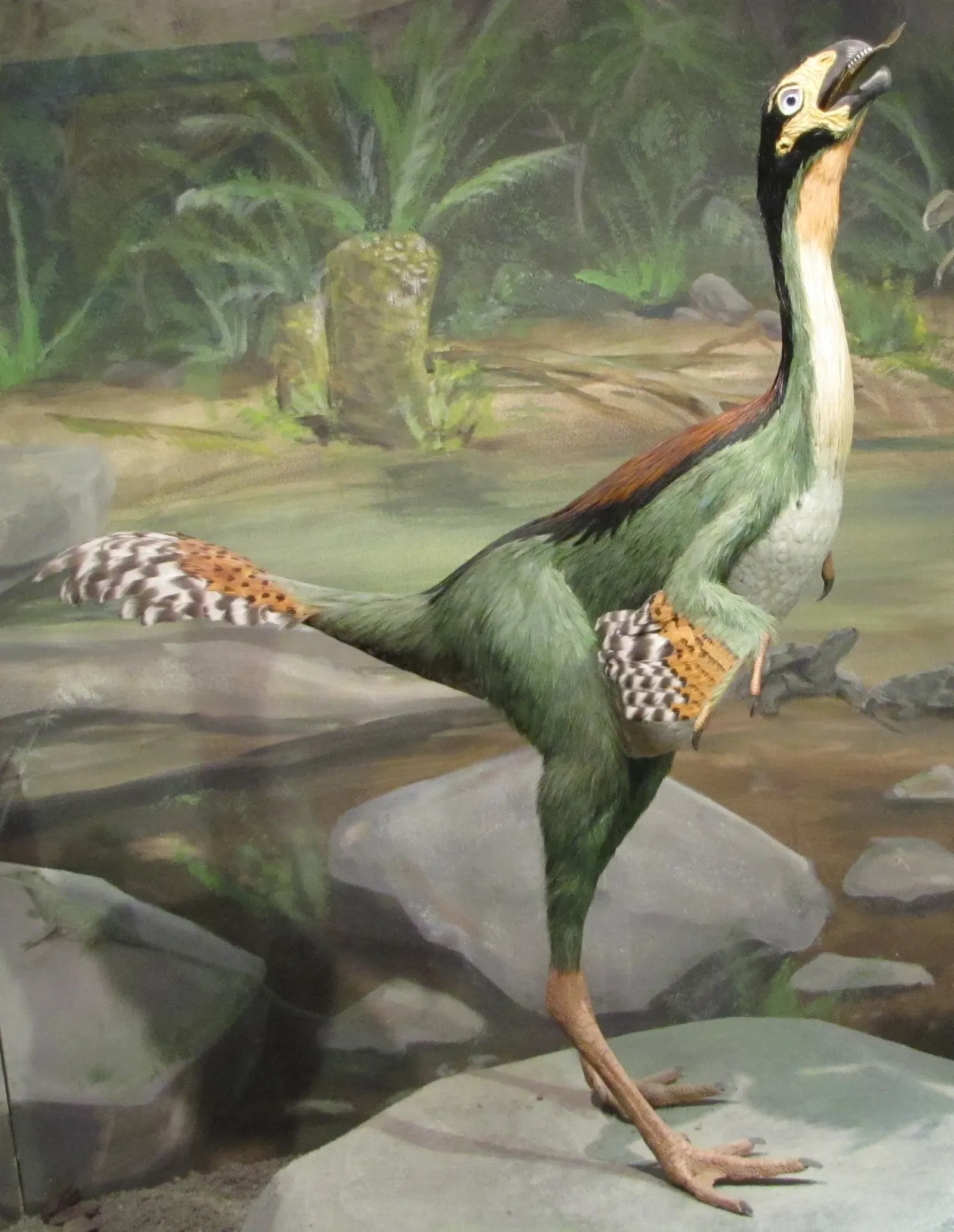
Here’s where things get messy. Were dinosaurs warm-blooded like mammals, cold-blooded like modern reptiles, or something entirely in between? Paleontologists have suggested an array of arrangements, from a physiology that maintained a high, constant body temperature to big herbivorous dinosaurs warmed by fermenting vegetation in their guts. The debate has raged for decades with compelling arguments on all sides.
A study published this year suggests dinosaurs evolved in cooler climates, and their combination of warm body temperatures and insulating coats of feathery fluff allowed them to withstand what many other reptiles could not. This hypothesis would explain how dinosaurs survived a mass extinction event roughly 200 million years ago that wiped out many other reptile groups. Their potential advantage? A metabolism that kept them active when competitors couldn’t cope. Evidence points in multiple directions, though. Large dinosaurs might have been gigantotherms, using their massive size to maintain stable temperatures. Smaller, feathered species likely had more bird-like metabolisms. The diversity of dinosaur body plans probably means we can’t paint them all with the same metabolic brush.
What Exactly Caused the End-Cretaceous Extinction and Were Dinosaurs Already Declining?
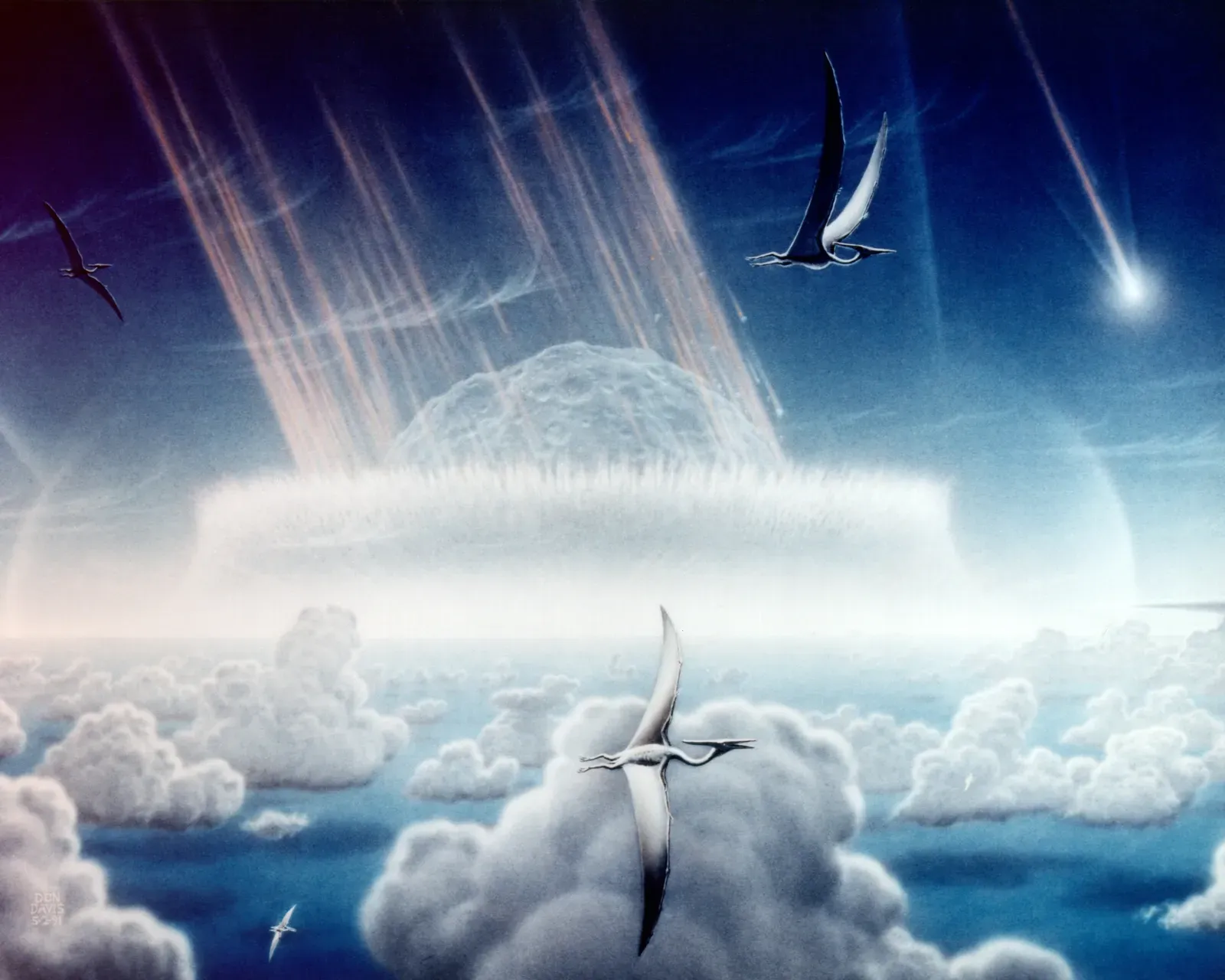
This debate has earned the nickname “Dinosaur Wars” for good reason. Debate regarding the cause of the K-Pg extinction has proven to be extremely controversial among researchers, and the resilience of its intensity has earned it the moniker of the “dinosaur wars.” Criticism is unusually harsh, targeting not only research findings but the credibility and integrity of the scientists themselves. Scientists have passionately defended competing theories about what killed off non-avian dinosaurs 66 million years ago.
Since researchers first began to understand that the mass nonavian dinosaur extinction occurring at the end of the Cretaceous was due to an asteroid, many have also debated whether these groups were already on the decline. This debate has been ongoing for decades, in large part because there are few fossil sites dated to this precise time period. Some studies suggest dinosaurs were thriving right up until impact, while others argue environmental stresses and competition had already weakened them. The speciation-extinction dynamics for six key dinosaur families, and find a decline across dinosaurs, where diversification shifted to a declining-diversity pattern ~76 Ma. The decline of dinosaurs was likely driven by global climate cooling and herbivorous diversity drop. Meanwhile, volcanic eruptions in India’s Deccan Traps may have created additional environmental chaos. Was it asteroid, volcanoes, climate change, or some deadly combination? We’re still sorting through the evidence.
How Did Dinosaurs Actually Mate and Reproduce?
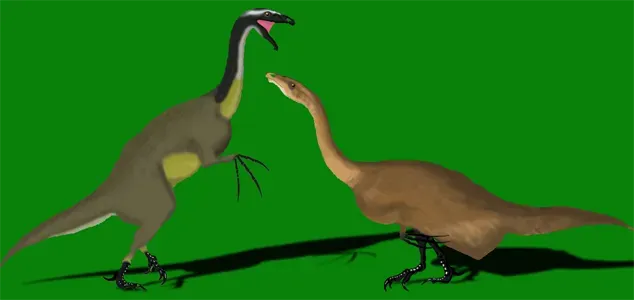
I know it sounds almost comical, but this is a legitimate scientific mystery. Every dinosaur started life by hatching from an egg. That much we know for sure. But how parent dinosaurs came together to start the next generation isn’t as clear. Try to imagine a multi-ton Tyrannosaurus or a spiky Stegosaurus attempting to reproduce. The mechanics alone boggle the mind.
Soft tissues rarely fossilize, which means direct evidence of reproductive organs or mating behavior is virtually nonexistent. We have eggs and embryos, providing clues about reproduction’s endpoint. Analysis of the eggs, in particular, indicates that they were leathery and hint that the earliest dinosaur eggs would have had similarly flexible shells. Yet the actual process of courtship, pair bonding, and physical mating remains largely speculative. Did they have elaborate displays like modern birds? How did armored and heavily spiked species manage the physical act without injury? These intimate details of dinosaur life are locked away in the past, leaving paleontologists to make educated guesses based on modern animal behavior and whatever fragmentary clues ancient bones provide.
Conclusion
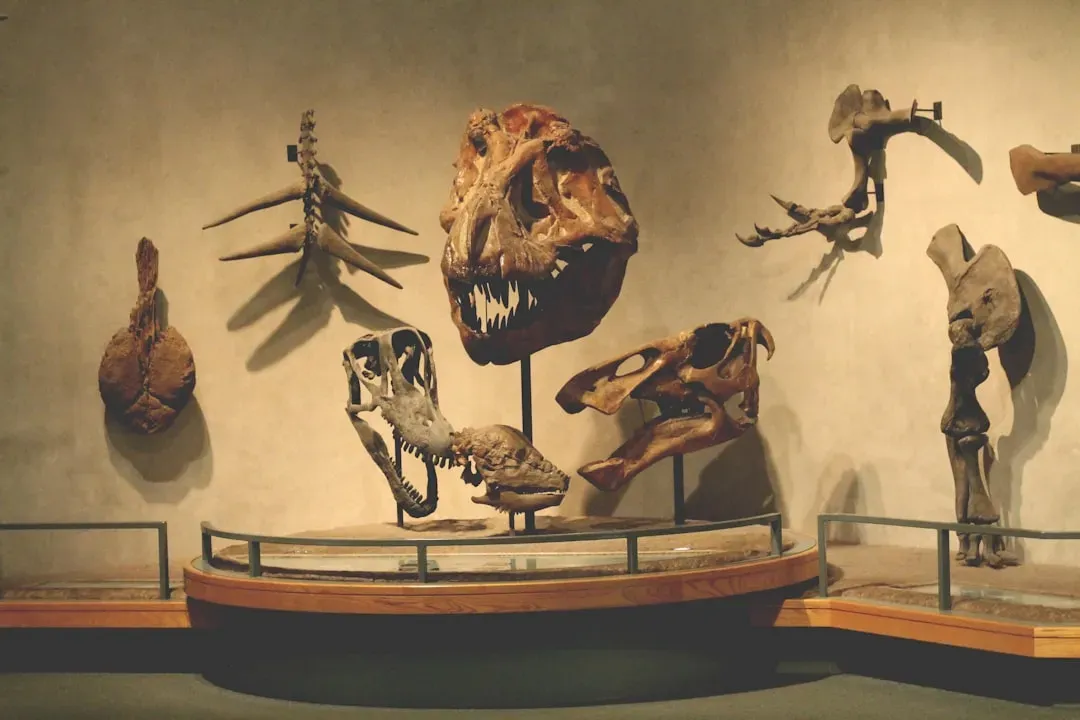
The mysteries surrounding dinosaur evolution remind us that science is an ongoing journey rather than a destination. Each fossil discovery peels back another layer, revealing both answers and new questions. These magnificent creatures, which ruled Earth for an incomprehensible stretch of time, continue to challenge our understanding of biology, evolution, and extinction.
What makes these puzzles so captivating isn’t just their scientific importance. They connect us to a vanished world that existed long before humans walked the planet, sparking wonder and curiosity across generations. As technology advances and paleontologists continue unearthing new specimens from remote corners of the globe, we inch closer to solving these ancient riddles. Yet I suspect dinosaurs will always retain some mystery, forever keeping us guessing about their true nature. What do you think is the most fascinating unsolved mystery about these ancient giants?