We have spent more than a century digging up dinosaur bones, assembling giant skeletons, and marveling at their sheer, prehistoric scale. Yet for all that time, one of the most fascinating mysteries has gone largely unsolved: what was actually happening inside those ancient skulls? What did a Tyrannosaurus rex really think about? Was it calculating, curious, instinctive, or something far more complex than we ever imagined?
It turns out, science is finally starting to crack that riddle open. Thanks to leaps in imaging technology, bold new research, and a growing community of paleontologists devoted to studying the architecture of ancient brains, we are closer than ever before to understanding how dinosaurs actually perceived their world. Let’s dive in.
The Science of Paleoneurology: Reading Brains from Bones
You cannot fossilize a brain. Soft tissue disappears over millions of years, leaving only the hollow cavity where it once sat. That cavity, however, turns out to be a surprisingly useful imprint of the brain’s shape and structure. The study of these impressions is called paleoneurology, and it has quietly become one of the most exciting corners of modern science.
A dinosaur’s “brain” is actually a cast molded by the cranial cavity, and most fossil endocasts are plaster casts made in the laboratory from well-preserved skulls that are carefully prepared and cleaned. Think of it like pouring concrete into a mold. The resulting shape gives you an echo of the brain’s outer contours, which is not perfect, but it is honestly remarkable for something that lived tens of millions of years ago.
Endocasts provide a record of 450 million years of the evolution of the brain, beginning with fossil jawless fish related to living lampreys. That is an almost incomprehensible timeline. Paleontologists can essentially trace the evolutionary story of the vertebrate brain through stone. For dinosaurs specifically, this record is spotty but growing richer every single year.
Before the emergence of non-destructive CT imaging technology, studying dinosaur brains came with one major problem: to examine the endocast, you had to sacrifice the skull. You cannot remove the endocast without first breaking the surrounding bone. That is a devastating trade-off when you are working with irreplaceable fossils. Thankfully, the game has changed completely.
CT Scanning: The Tool That Changed Everything
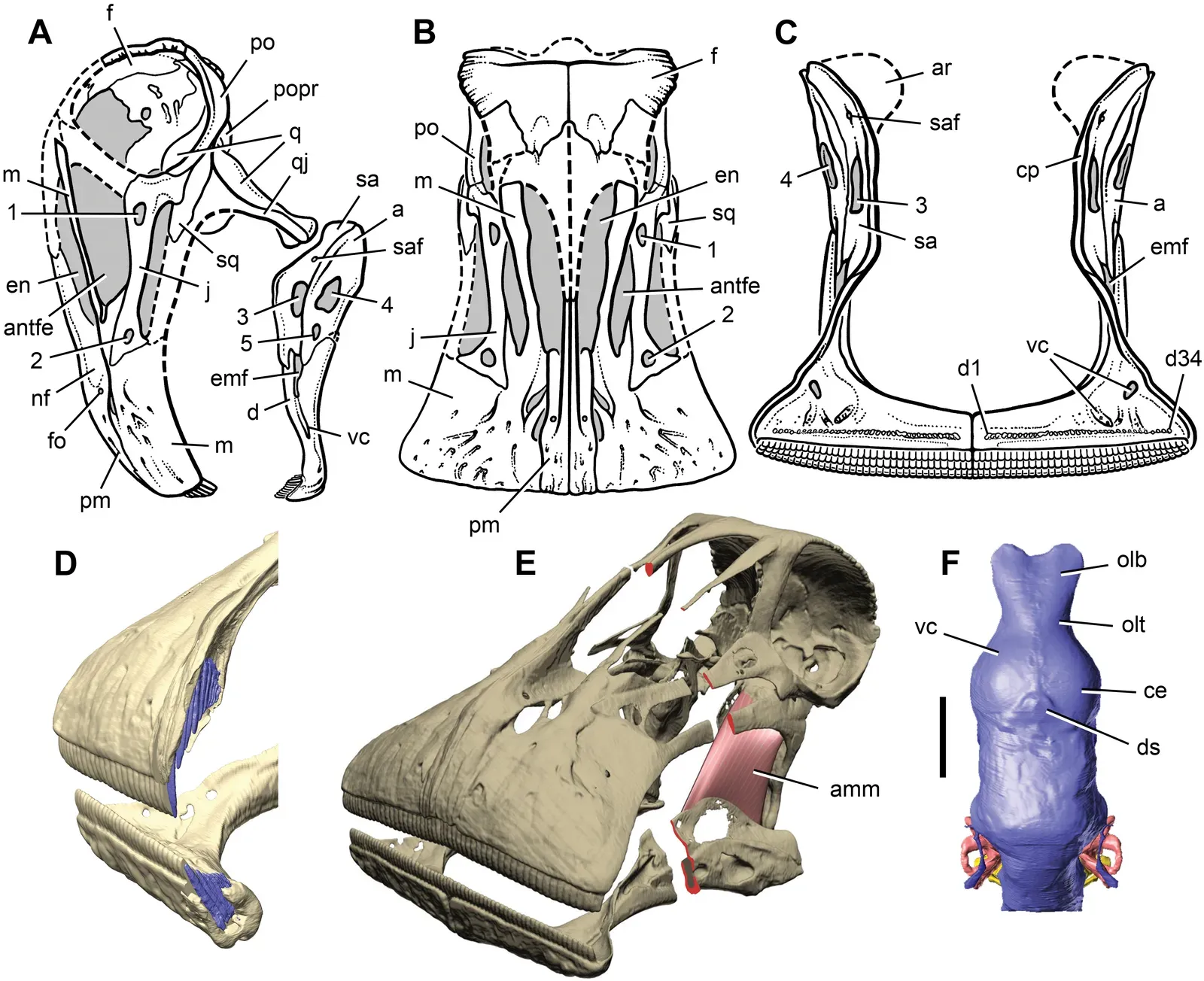
If paleoneurology has a superhero gadget, it is the CT scanner. Computed tomography allows researchers to peer inside ancient skulls without ever touching, let alone damaging, the fossil itself. The result is a three-dimensional virtual map of everything that once lived inside that bone. Honestly, it is the closest thing to time travel that modern science has managed to produce.
Many more dinosaur endocasts have been studied using CT scans, so researchers can now get a better sense of how dinosaur brains varied, and how they evolved in the theropod lineage on the way to the origin of birds. This is not just about satisfying curiosity. Understanding those evolutionary steps helps explain how the remarkably intelligent birds we see today came to be.
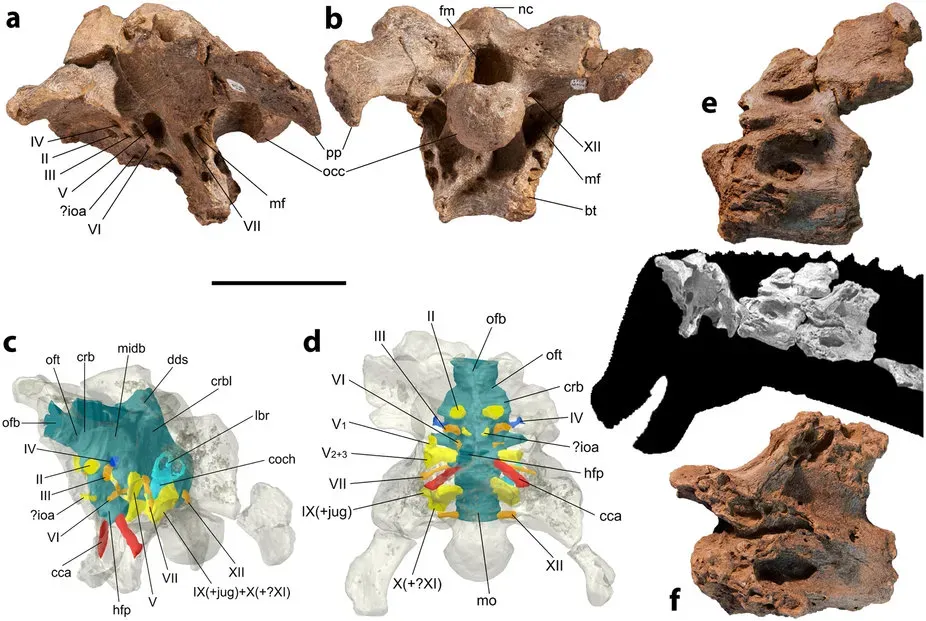
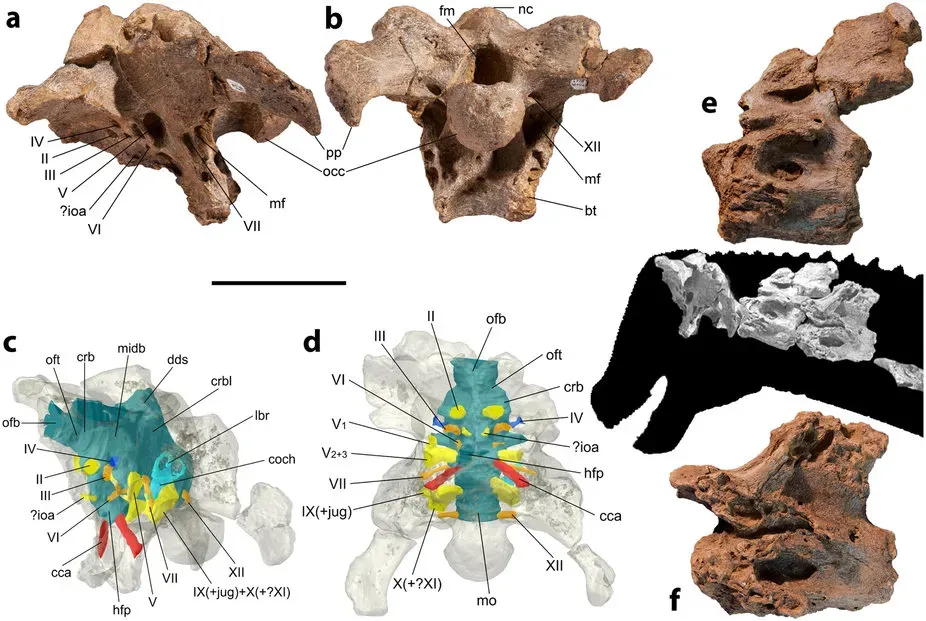
More recently, CT scanning has allowed virtual casts to be created in incredible detail. You can now digitally reconstruct the olfactory bulbs, the cerebellum, the inner ear, the cranial nerve pathways, and even the blood vessel channels, all from a scan. As a non-destructive 3D imaging technique, CT scanning has been widely used in paleontological research, providing the solid foundation for taxon identification, comparative anatomy, and functional morphology.
For fragile specimens that cannot be mechanically prepared, CT scanning is the only way to make detailed observations. Such scanners are now common elements in many paleontological laboratories. The technology has moved from being a rare, expensive privilege to something that is becoming standard practice. That shift is accelerating discovery at a pace that would have been unthinkable even twenty years ago.
What Juvenile Gorgosaurus Revealed About Tyrannosaurid Brains
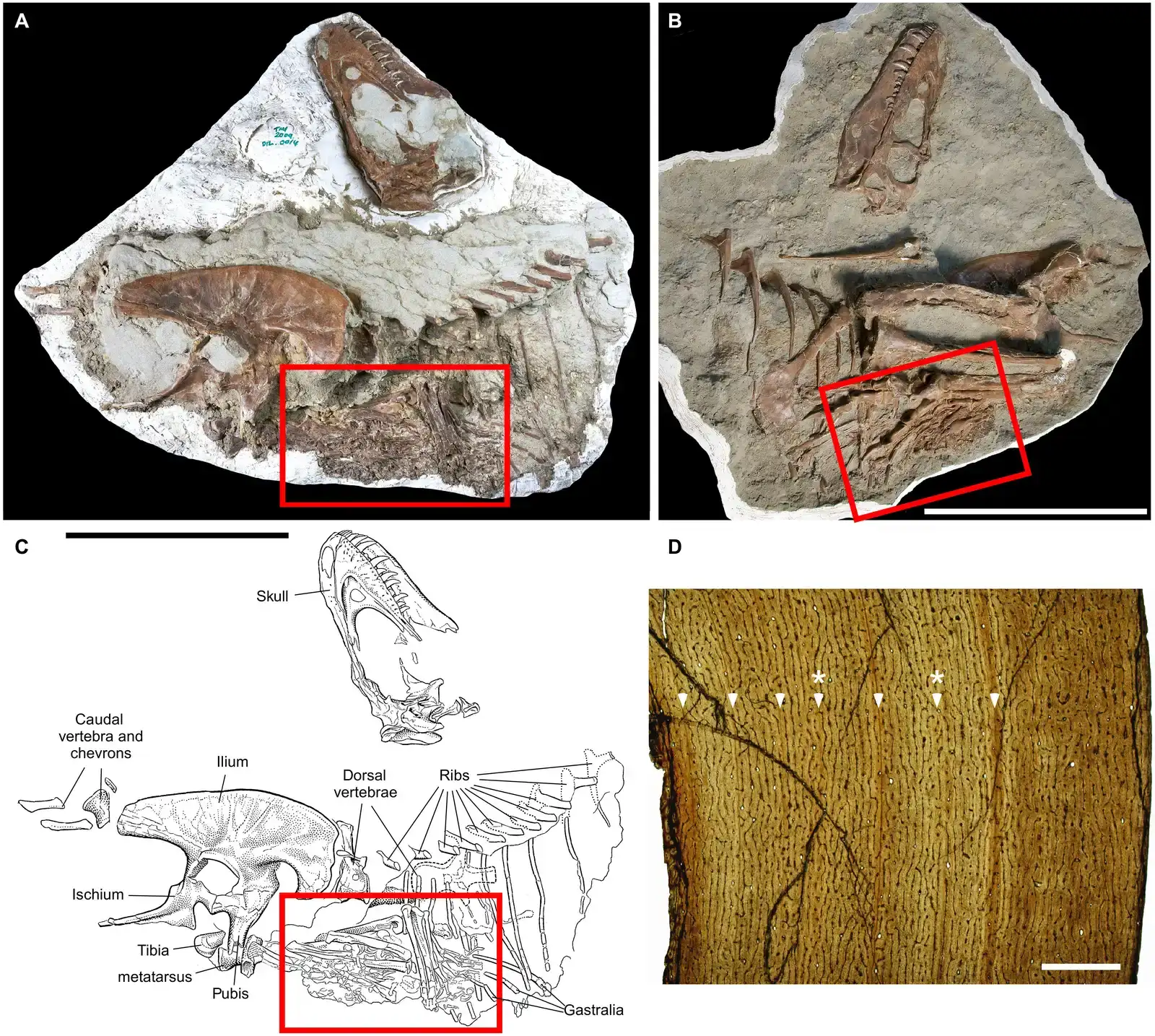
Here is something genuinely surprising. It turns out that studying young dinosaurs is actually more informative than studying adults. The endocasts of juvenile Gorgosaurus exhibit better defined cerebral hemispheres, optic lobes, and cerebella than those of larger and more mature individuals. This suggests a closer correspondence between the endocast and the brain in juvenile tyrannosaurids, indicating the endocast of juvenile individuals provides a more accurate representation of the brain’s structure and regions.
Endocasts of tyrannosaurids are noted for preserving little detail of the underlying brain structure due to the fact that, unlike in birds and mammals, the brain was much smaller than the brain cavity and, consequently, was generally not in close contact with the brain cavity walls. In adults, the brain floated inside a spacious skull cavity like a brain in a bucket. In juveniles, the fit was tighter, and the detail preserved was far richer.
The brain of Gorgosaurus displays a mix of basal archosaurian traits and more derived coelurosaurian traits. More primitive features include large olfactory bulbs and tracts, a posteroventrally oriented long axis of the cerebrum, and posteriorly positioned optic lobes, whereas derived features include prominent hindbrain flexure, a somewhat enlarged cerebrum, and a cerebellum that at least partially separates the left and right optic lobes. This is a brain caught between two evolutionary worlds, part ancient reptile, part proto-bird.
How Smart Was T. Rex? A Debate That Still Divides Scientists
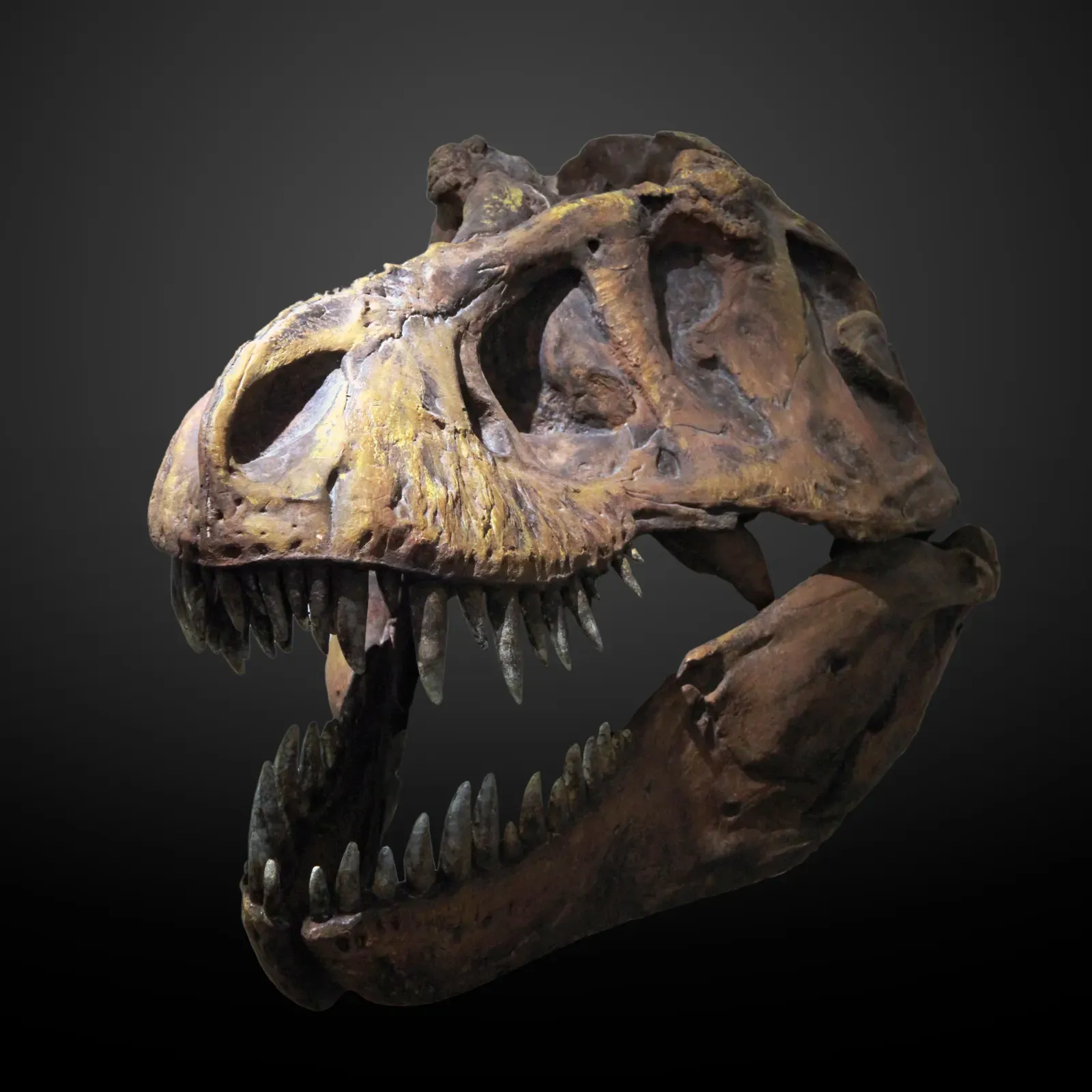
Few questions in paleontology have sparked more public excitement in recent years than this one. In 2023, Vanderbilt University paleontologist Suzana Herculano-Houzel made a bold claim that sent headlines around the world. It was claimed that dinosaurs like T. rex had an exceptionally high number of neurons and were substantially more intelligent than assumed. It was claimed that these high neuron counts could directly inform on intelligence, metabolism and life history, and that T. rex was rather monkey-like in some of its habits. Cultural transmission of knowledge as well as tool use were cited as examples of cognitive traits it might have possessed.
That claim landed like a meteor. A team of researchers led by Dr. Kai Caspar from Heinrich Heine University pushed back hard in 2024, and their counterargument was persuasive. In their new study, the team took a closer look at techniques used to predict both brain size and neuron numbers in dinosaur brains. They found that previous assumptions about brain size in dinosaurs, and the number of neurons their brains contained, were unreliable.
The core issue is deceptively simple. Unlike modern birds, the brain of T. rex and many other dinosaurs floated in a fluid, much as do those in modern crocodiles. T. rex’s brain occupied about 30 to 40 percent of its braincase. When you recalculate based on that smaller actual brain size, the impressive neuron count shrinks dramatically. The estimate for the telencephalon dropped from 3.3 billion to 1.2 billion. Using reptile neuron density cut the amount even more, to between 245 million and 360 million.
To reliably reconstruct the biology of long-extinct species, the team argues, researchers should look at multiple lines of evidence, including skeletal anatomy, bone histology, the behaviour of living relatives, and trace fossils. Determining the intelligence of dinosaurs is best done using many lines of evidence ranging from gross anatomy to fossil footprints instead of relying on neuron number estimates alone.
Sensory Lives of Dinosaurs: Smell, Hearing, and Balance
Intelligence is only one piece of the puzzle. What is equally fascinating, and perhaps even more revealing, is what CT scans tell us about dinosaur senses. These ancient animals were not simply brainless automatons. They were highly tuned sensing machines, each species shaped by millions of years of evolutionary pressure to perceive the world in specific ways.
It is concluded that tyrannosaur sensory biology is consistent with their predatory coelurosaurian heritage, with emphasis on relatively quick, coordinated eye and head movements, and probably sensitive low-frequency hearing; tyrannosaurs apomorphically enhanced their olfactory apparatus. In plain terms, T. rex was very likely an exceptional tracker with a nose fine-tuned for hunting. That large olfactory bulb was not accidental.
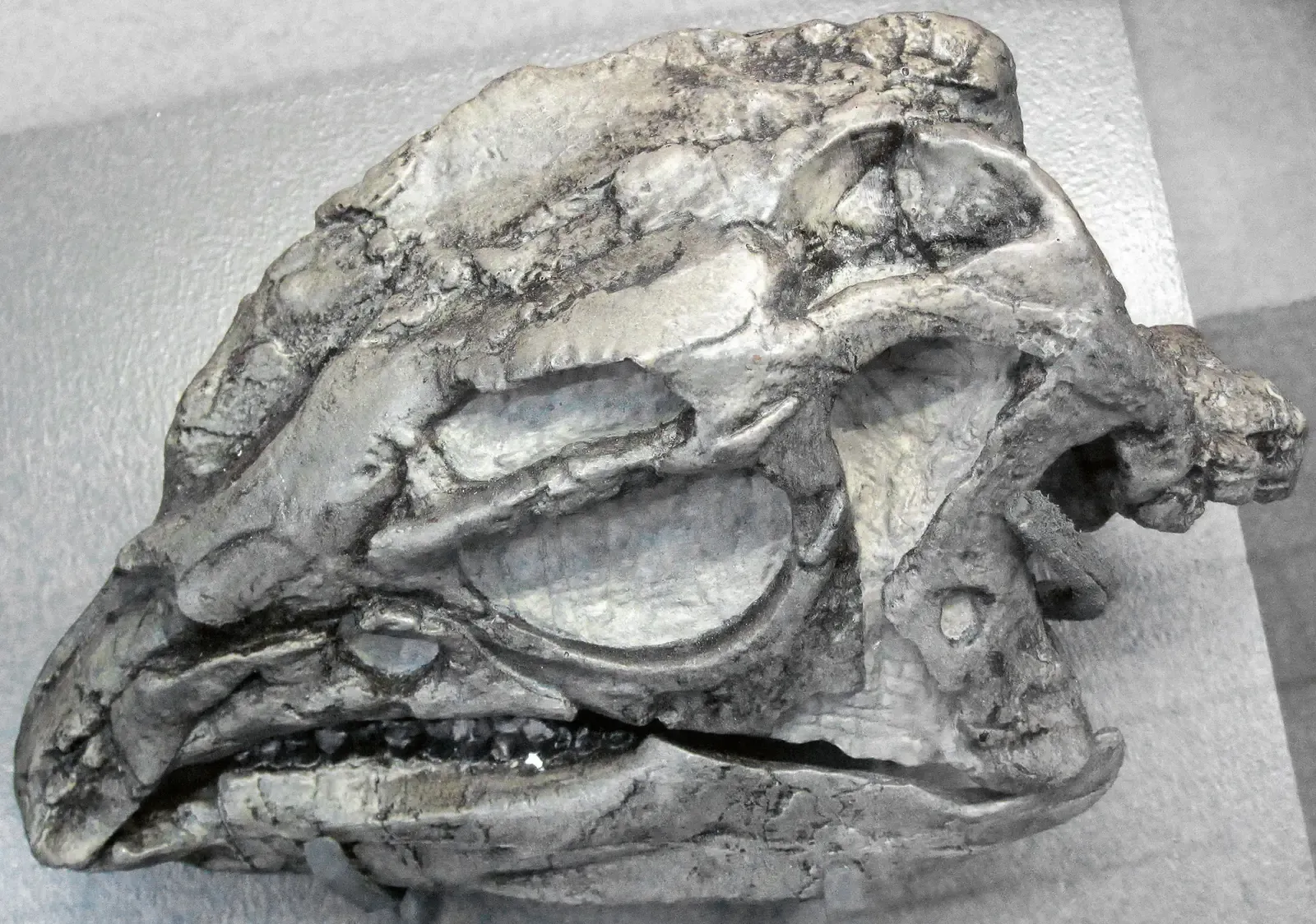
Meanwhile, the plant-eating Thescelosaurus told an entirely different sensory story. A CT scan of this often-overlooked dinosaur’s skull reveals that while it may not have been all that “brainy,” it had a unique combination of traits associated with living animals that spend at least part of their time underground, including a super sense of smell and outstanding balance. The work is the first to link a specific sensory fingerprint with this behavior in extinct dinosaurs.
Thescelosaurus balanced its poor hearing with an excellent sense of smell. The olfactory bulbs, the regions of the brain that process smell, were very well developed in Thescelosaurus. It is remarkable to think that a small, unassuming plant-eater is teaching us about sensory evolution in a way that big, flashy predators never could. Science works in surprising corners.
The Evolutionary Bridge Between Dinosaur Brains and Bird Brains
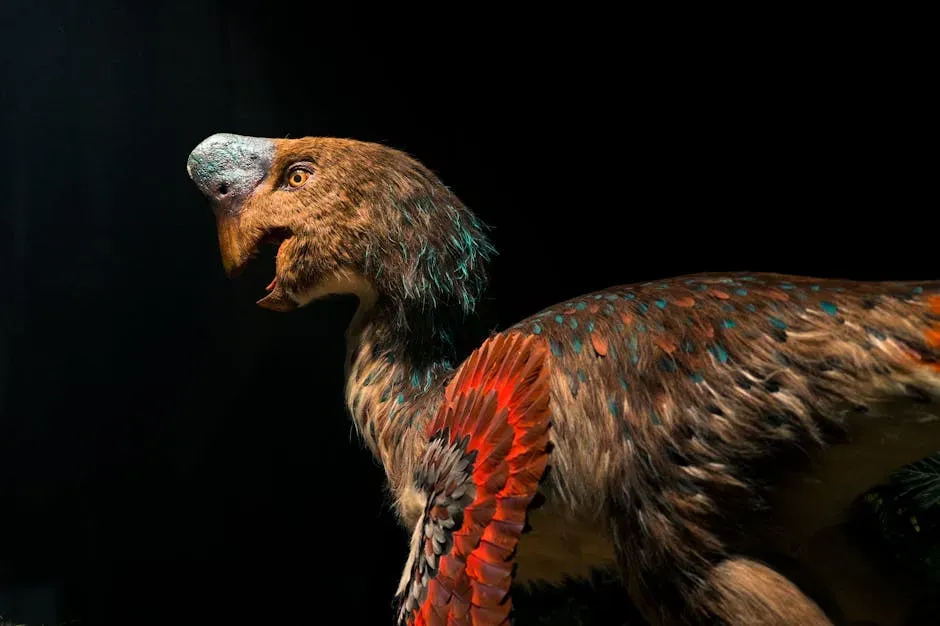
Here is where things get truly mind-bending. Birds are not merely descended from dinosaurs. They are, technically speaking, living dinosaurs. And that means everything you know about how a crow solves puzzles, or how a parrot learns language, has deep roots in the ancient neurological evolution you can trace through fossil endocasts. The bridge between a 70-million-year-old tyrannosaurid skull and a modern raven is real and measurable.
Evolutionary biologists and paleontologists have reconstructed the evolution of the avian brain using a massive dataset of brain volumes from dinosaurs, extinct birds like Archaeopteryx, and modern birds. This kind of sweeping, cross-time comparison has revealed that brain expansion in the bird lineage was not sudden. It was gradual, incremental, and traceable.
A study performing quantitative functional imaging of the brain during rest and flight in rock doves with implications for the evolution of avian flight was published, and through comparisons with cranial endocasts of extinct theropods, results suggest that cerebellar expansion underlying increased neural activity during flight occurred at the base of Maniraptora, prior to the origin of avian flight. So the neural hardware for flight was evolving in dinosaurs long before any of them took to the sky. That is a spectacular finding.
It has been this evidence that led systematic biologists to conclude that dinosaurs were closer to birds than to reptiles, in effect, that birds are surviving specialized dinosaurs. The implication of that statement, when you really sit with it, is staggering. The neural evolution of all modern birds began inside the skulls of creatures that became extinct roughly 66 million years ago.
The Road Ahead: New Tech, New Questions, New Discoveries
Dinosaurs may be long extinct, but they are anything but settled science. Over the past year, new fossils, reanalyses of famous specimens, and the use of increasingly sophisticated tools have continued to upend what we thought we knew about how these animals lived, moved, fed, and evolved. In 2026, the pace of discovery has not slowed. If anything, it is speeding up.
A description of the braincase and cranial endocast of the holotype of Venetoraptor gassenae was published in 2026, adding yet another data point to our growing map of dinosaur neuroanatomy. Every new species studied adds a pixel to a picture that, not long ago, barely existed. Piece by piece, researchers are assembling something extraordinary.
A review of main obstacles in the study of neurology of Mesozoic dinosaurs, and of advances in the study of dinosaur neurology, was published in 2024, reflecting how seriously the scientific community is now taking this field. The obstacles remain real and challenging. Unlike birds and mammals, the brains of reptiles don’t generally fill their brain cavity, so researchers have to estimate how big this organ is based on known relationships to overall body size. That estimation problem is not going away quickly.
Paleontology, like all the sciences, is a continually evolving and growing field. Our knowledge changes with the help of new technology, such as CT imaging, curious minds, and unexpected discoveries. The most exciting discoveries are almost certainly still sitting underground, waiting to be found. Somewhere out there is a beautifully preserved juvenile skull that will answer questions we haven’t even thought to ask yet.
Conclusion: The Most Ancient Minds Are Finally Revealing Their Secrets
We are living through a genuine golden age of paleoneurology. The combination of advanced CT scanning, deep-learning image analysis, and a new generation of researchers willing to ask bold questions has transformed what was once an almost speculative science into something precise, rigorous, and constantly surprising. What began with plaster casts poured into dinosaur skulls has become a field capable of mapping blood vessels, inner ear canals, and optic lobes in creatures that died before the continents looked anything like they do today.
The debates are real, and the answers are not always clean. Whether T. rex was closer in cognition to a crocodile or a baboon remains genuinely contested, and honestly, that kind of scientific tension is a sign that the field is healthy and alive. What is not debatable is the direction of travel: with every new scan, every juvenile specimen studied, and every comparative dataset built, we edge closer to knowing what it was actually like to be a dinosaur, to smell a Cretaceous forest, to track prey with a brain shaped by a hundred million years of evolution.
The most ancient minds on Earth are finally, slowly, beginning to speak. What would you have guessed they’d have to say?