Imagine a creature built like a living tank, roughly the length of a city bus, bristling with spikes and swinging a sledgehammer tail that could shatter bone. Now imagine that this beast had been hiding from science for a hundred million years, its very existence only confirmed through a handful of ancient footprints pressed into stone in a rugged corner of the Canadian Rockies. That is exactly the kind of discovery that makes paleontology feel more like detective fiction than science.
You might think the days of shaking, headline-level dinosaur discoveries are behind us. You would be wrong. In 2025, the scientific world was introduced to a genuinely new species of armored dinosaur, one never before known to science, found right here in North America. So let’s dive in, because this one is well worth your attention.
Footprints That Changed Everything
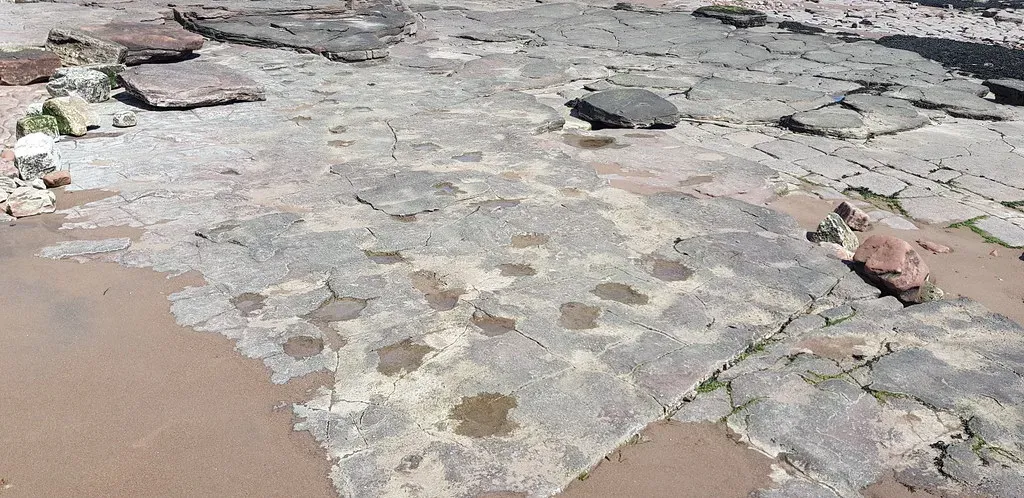
Here’s the thing about fossil bones – they don’t always survive the ages. Bones can dissolve, scatter, or simply never fossilize at all. Footprints, pressed into ancient mud that turns to stone, can sometimes outlast the animal itself. That’s precisely what happened in the Canadian Rockies, where a set of ancient tracks rewrote what you thought you knew about armored dinosaurs.
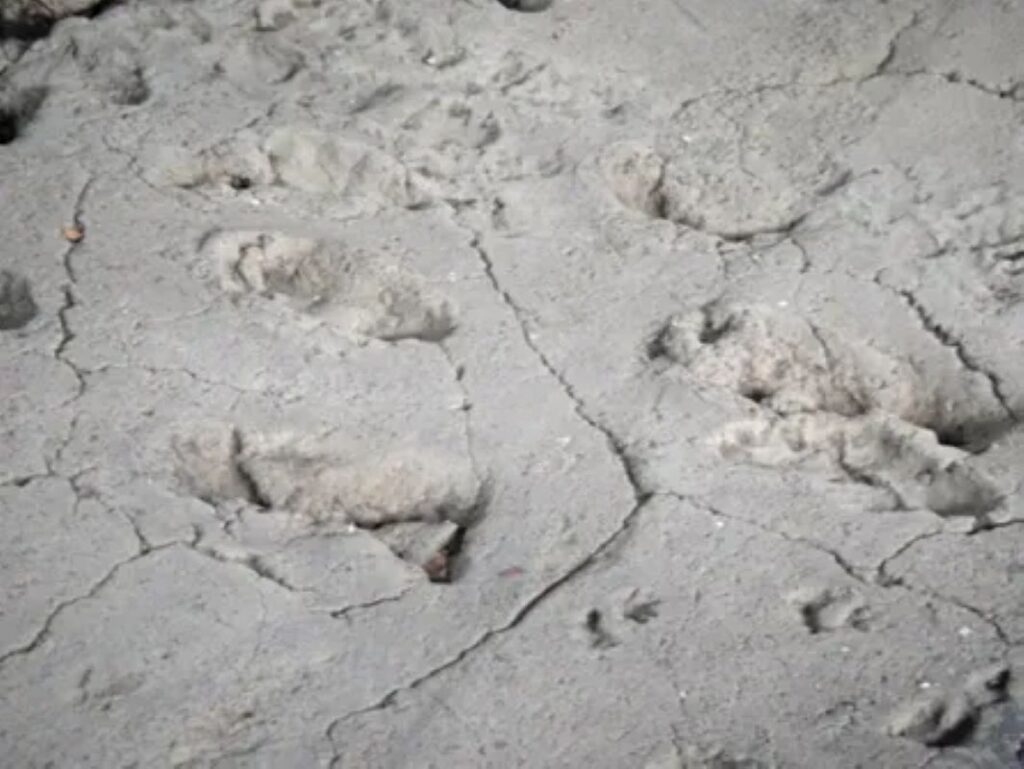
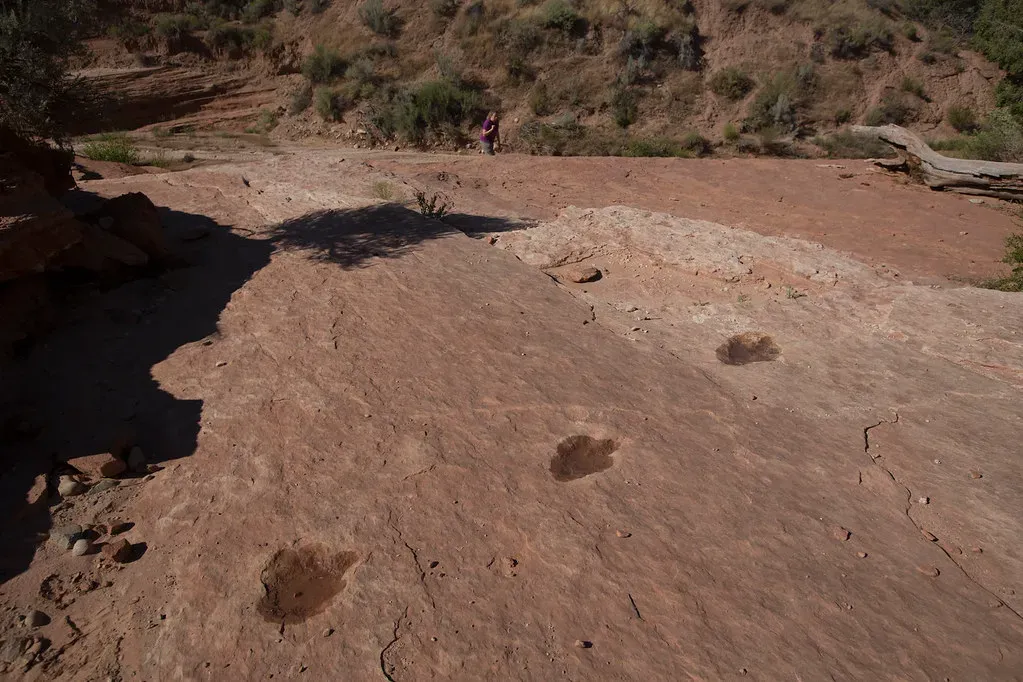
Footprints of tail-clubbed armored dinosaurs, known as ankylosaurids, were discovered for the first time ever, thanks to fossil trackways found in the Canadian Rockies. These rare, three-toed prints belong to a newly identified species, Ruopodosaurus clava, shedding light on a mysterious gap in the fossil record.
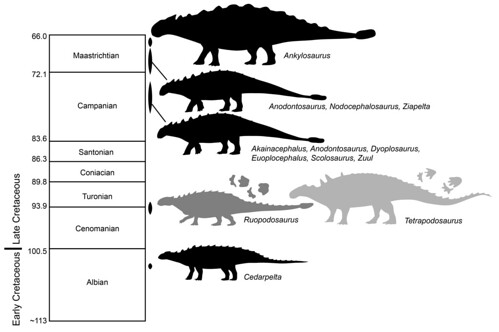
The newly discovered Ruopodosaurus clava footprints date back to the mid-Cretaceous period, about 100 to 94 million years ago. No bones from ankylosaurids had been found in North America from about 100 to 84 million years ago, leading to some speculation that ankylosaurids had disappeared from North America during this time. These footprints show that tail-clubbed ankylosaurs were alive and well in North America during this gap in the skeletal fossil record. Honestly, that is a stunning reversal of what scientists had assumed for decades.
What Makes Ruopodosaurus So Unusual
Think of two cousins who look vaguely similar but walk completely differently. That’s a good analogy for the two main groups of ankylosaurs. One group walks with four toes, the other with three – and that single anatomical detail turned out to be a game-changer for paleontologists in Canada.
There are two main groups of ankylosaurs. Nodosaurid ankylosaurs have a flexible tail and four toes, while ankylosaurid ankylosaurs have a sledgehammer-like tail club and only three toes on their feet. Unlike the well-known ankylosaur footprints called Tetrapodosaurus borealis found across North America, which have four toes, these new tracks have only three, making them the first known examples of ankylosaurid ankylosaur footprints anywhere in the world.
The expert team named the new species of this ankylosaurid ankylosaur Ruopodosaurus clava. It means “the tumbled-down lizard with a club/mace,” referencing both the mountainous location in which these tracks were discovered and the distinctive tail clubs of these dinosaurs. It’s a name that manages to be both scientifically descriptive and genuinely poetic at the same time.
What the Dinosaur Actually Looked Like
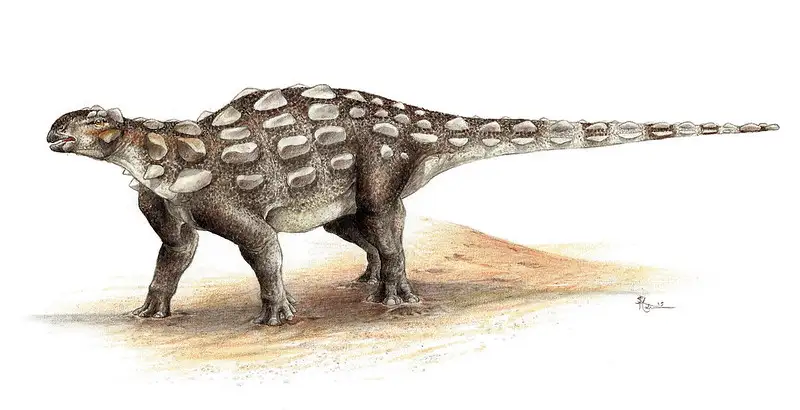
You might be wondering what you’d actually see if this armored beast came thundering toward you across a Cretaceous floodplain. The science can’t give you a complete portrait just yet, since only tracks have been found rather than bones. Still, the researchers were able to piece together a vivid picture from those three-toed impressions alone.
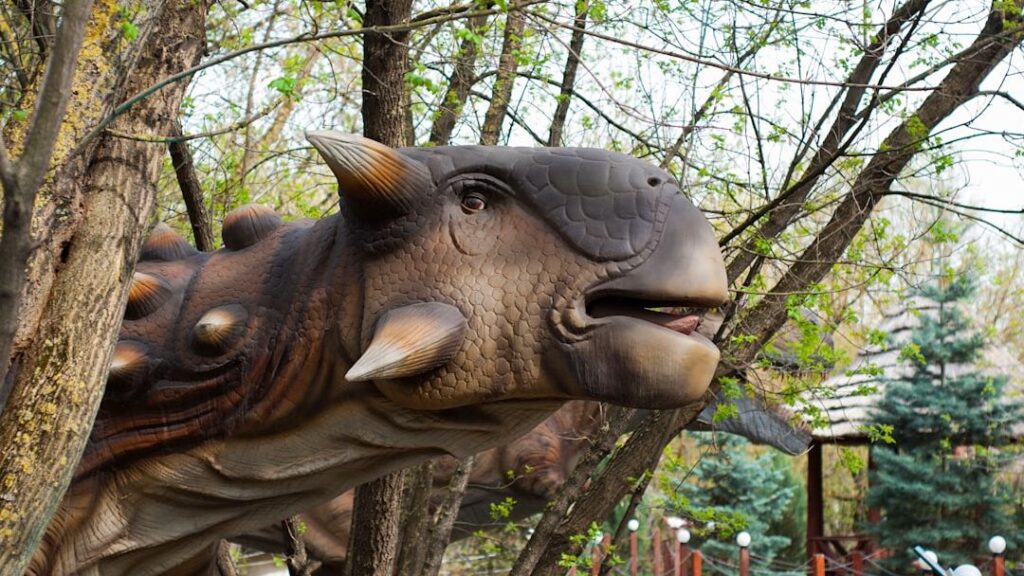
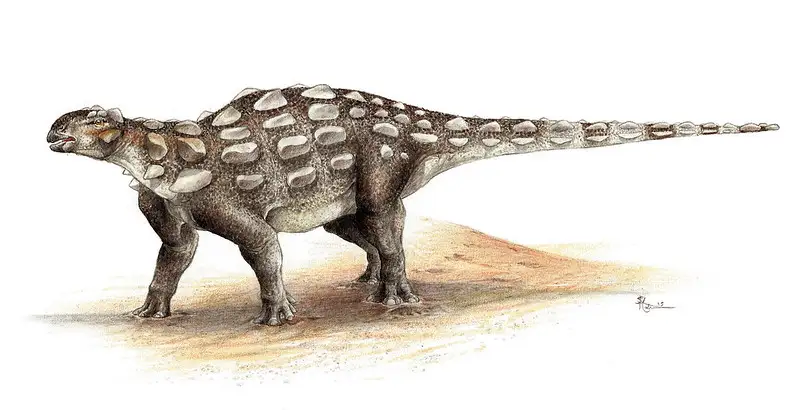
While paleontologists don’t know exactly what the dinosaur that made Ruopodosaurus clava footprints looked like, they know that it would have been about 5 to 6 meters long, spiky and armored, and with a stiff tail or a full tail club. That puts you looking at an animal roughly the size of a large SUV in length, walking low to the ground, encased in bony plating.
While the exact species that made these footprints is unknown, it was likely similar to Gobisaurus or Jinyunpelta, both known from China. Picture something like a living armored vehicle with a wrecking ball attached to its back end. It’s hard to say for sure what colors it wore or exactly how it moved, but the silhouette alone would have been deeply intimidating.
Where the Discovery Was Made and Who Found It
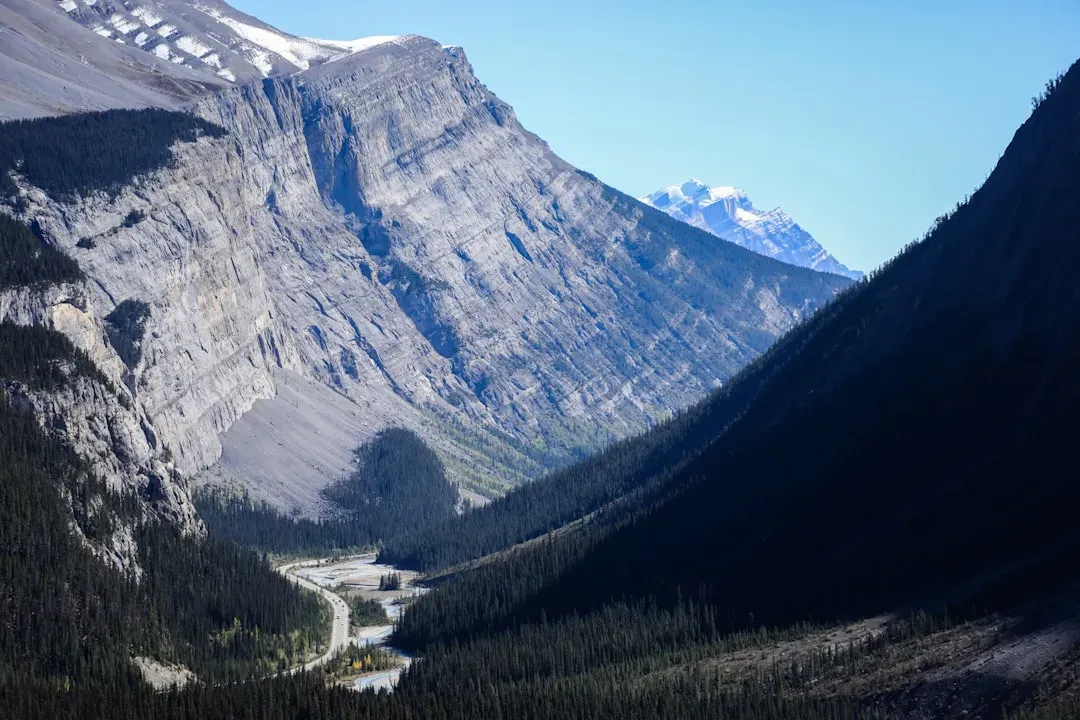
Location matters enormously in paleontology. The spot where these tracks were uncovered is not some remote desert in Mongolia or a sun-baked basin in Argentina. You’d find this site in the breathtaking and rugged landscape of British Columbia and Alberta, Canada, a region that is fast becoming one of the most important dinosaur zones on the continent.
These 100-million-year-old fossilized tracks were found in two locations in the Canadian Rockies, Tumbler Ridge in British Columbia and northwest Alberta, revealing exciting clues about a group of dinosaurs called ankylosaurs.
A research team including Dr. Victoria Arbour, the curator of paleontology at the Royal BC Museum, alongside researchers from the Tumbler Ridge Museum and the Tumbler Ridge UNESCO Global Geopark, reported their findings in the Journal of Vertebrate Paleontology. Dr. Charles Helm, scientific advisor at the Tumbler Ridge Museum, had noted the presence of several of these three-toed ankylosaur trackways around Tumbler Ridge for several years, and invited Arbour to work together to identify and interpret them during a visit in 2023. Science, it turns out, sometimes starts with one person quietly noticing something strange for years before anyone listens.
Why This Discovery Matters Beyond the Headlines
Let’s be real: a lot of paleontology news comes and goes without changing much. A new species gets a Latin name, a press release gets issued, and the world moves on. This one is different. The implications of Ruopodosaurus clava ripple outward through everything scientists thought they understood about armored dinosaur evolution in North America.
This breakthrough not only proves that these dinosaurs roamed North America during the mid-Cretaceous period, but also reveals they shared the region with their four-toed nodosaurid cousins. Previous beliefs had suggested that three-toed ankylosaurs may have gone extinct in North America during this period; however, these footprints prove their presence during that time. You can think of it like finding a family photo that proves a relative was at an event everyone swore they missed.
In 2025 alone, 44 new dinosaur species were identified, reflecting an accelerated rate of discovery and expanding the known diversity to about 1,400 species globally. Ruopodosaurus stands out even within that remarkable company. The study also highlights how important the Peace Region of northeastern British Columbia is for understanding the evolution of dinosaurs in North America, and that there is still lots more to be discovered. The earth, it seems, is still full of secrets.
Conclusion
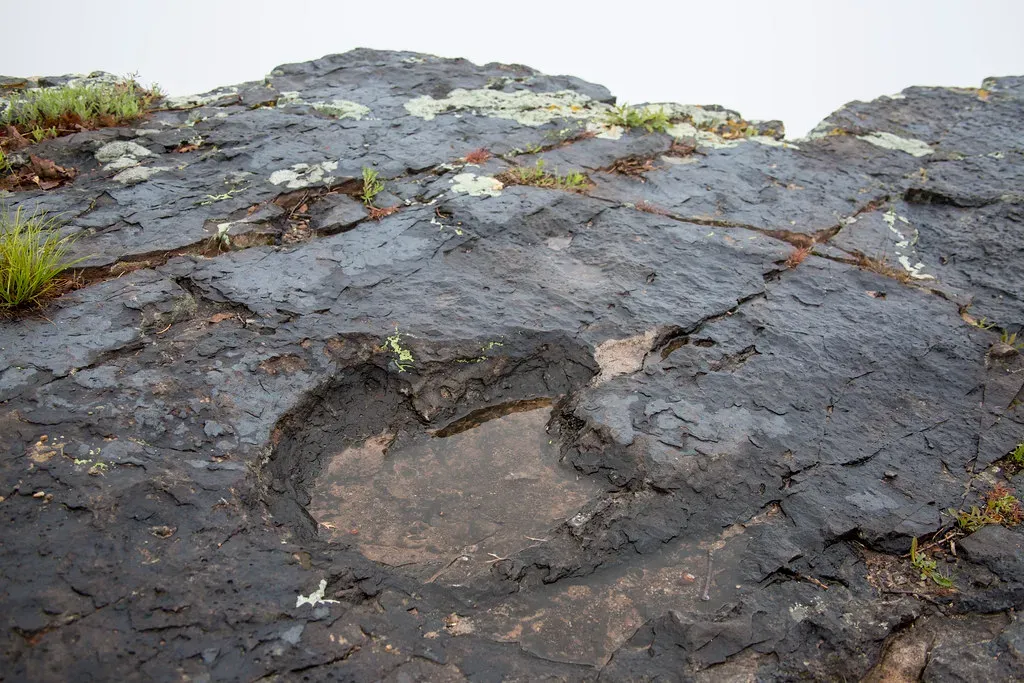
The discovery of Ruopodosaurus clava is a reminder that nature keeps better records than we do. A pair of ancient footprints stamped into mountain rock proved an entire chapter of dinosaur history that had gone missing for a century of fossil hunting. You didn’t need a complete skeleton. You didn’t need a skull or a tail club or a single bone. You just needed to look down and pay attention to what the ground was trying to tell you.
What makes this story truly exciting is what it implies going forward. If a creature this large, this armored, and this distinctively built could hide from science until 2025, what else might be lurking beneath the surface of the Canadian Rockies? The fossil record is not a closed book. It is more like a vast library that humans have barely begun to explore, with new shelves appearing every time the rock erodes a little further.
So, the next time you hear someone say all the great dinosaur discoveries have already been made, you can politely but confidently tell them about the tumbled-down lizard with a club. What do you think is still out there waiting to be found? Drop your thoughts in the comments.