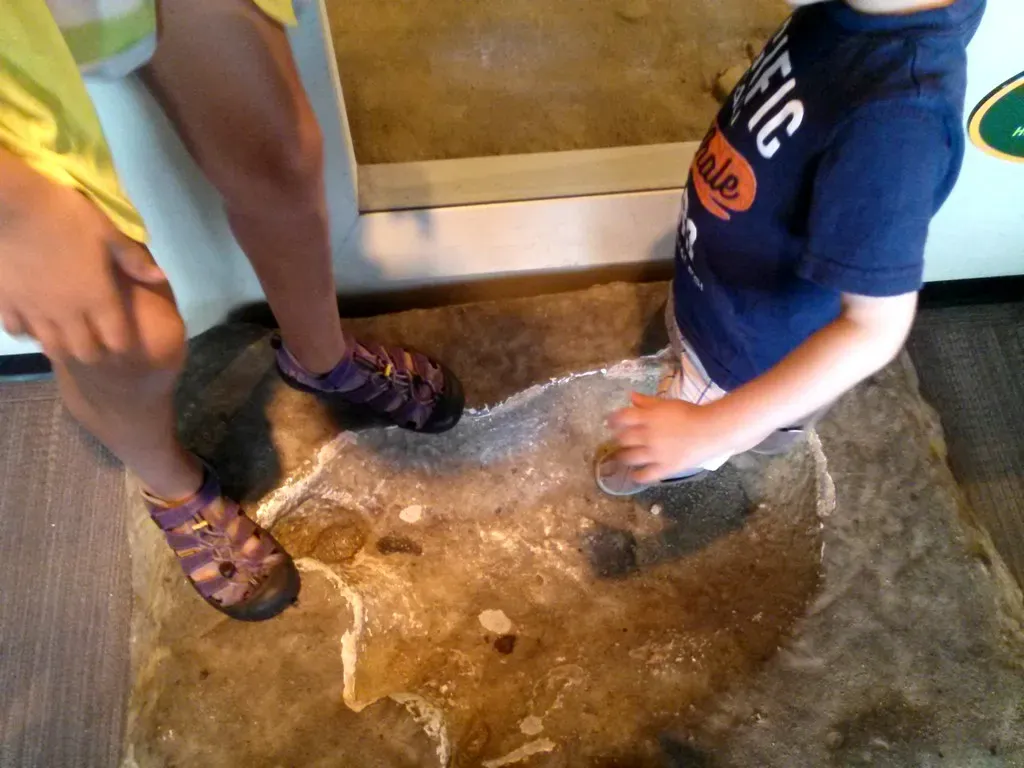
Imagine standing next to a single footprint so enormous that you could lie down inside it, stretch your arms above your head, and still not reach the edge. That is not science fiction. That is the staggering reality of what researchers have documented along the rugged coastline of Western Australia’s Kimberley region, where the largest dinosaur footprint ever recorded has left scientists around the world genuinely speechless.
This discovery is not just about size, though honestly, the size alone is enough to stop you in your tracks. It pulls back the curtain on an ancient world teeming with giants, behavioral clues, and buried secrets that no skeleton could ever fully reveal. There is a lot more to this story than one colossal footprint. Let’s dive in.
A Footprint So Big It Was Hiding in Plain Sight
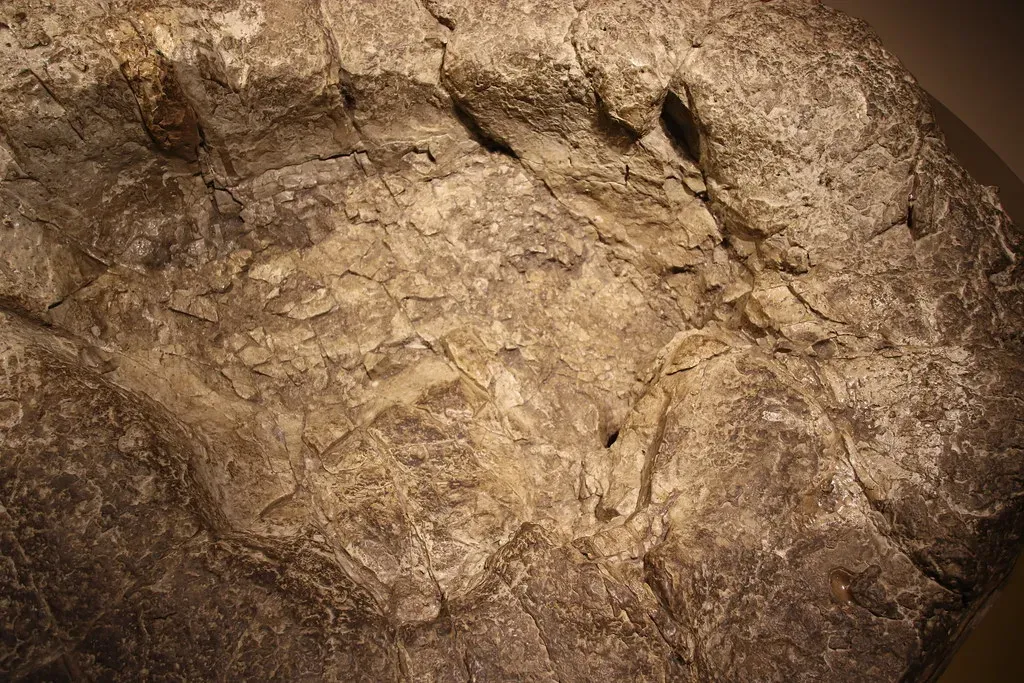
Here’s the thing about the world’s largest dinosaur footprint: it was almost too big to see. The 1.7-meter footprints were so enormous that they were initially overlooked, with researchers admitting that some were “beyond your search image for a dinosaur track.” Think about that for a second. You can miss a footprint the size of a door simply because your brain refuses to categorize something that large as a footprint.
Deep in the sandstone cliffs of Western Australia’s remote Kimberley region, researchers uncovered dinosaur footprints of unprecedented scale, some extending over 1.7 meters in length, etched into tidal flats over 130 million years ago by sauropods, among the largest animals to ever walk the Earth. To put that in a human context, at 170 centimeters, the footprints are almost as tall as the average American male. You could lie down flat inside one of these prints and be entirely swallowed by it.
The Record-Breaking Numbers Behind the Find
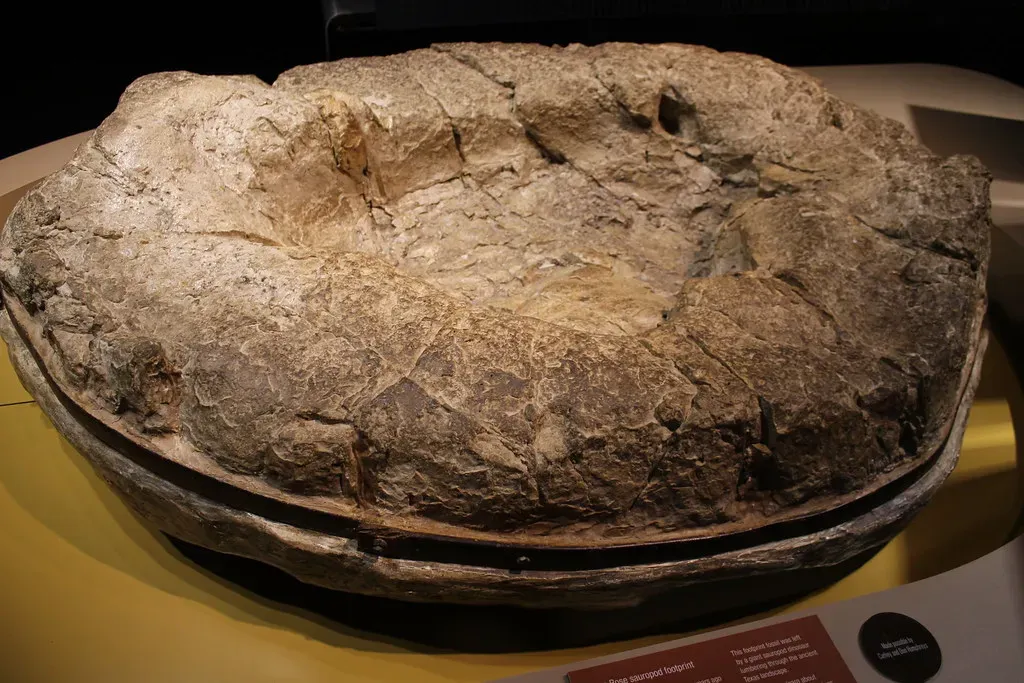
Discovered along the Kimberley shoreline on the northwestern coast of a remote region in Western Australia, the biggest of these prints measure 1.7 meters long, big enough for most humans to be able to lie fully stretched out inside them. That is not just impressive by dinosaur standards. It is a record that blows every previous contender completely out of the water.
These prints surpass the previous record, a 1.06-meter-long track discovered in Mongolia and reported in 2016. That is a difference of roughly two-thirds of a meter, which in the world of paleontology is an absolute leap. As Dr. Salisbury put it, “Probably the next biggest footprints are just over a metre,” making the Kimberley find its own category entirely.
The Animal That Left This Mark on History
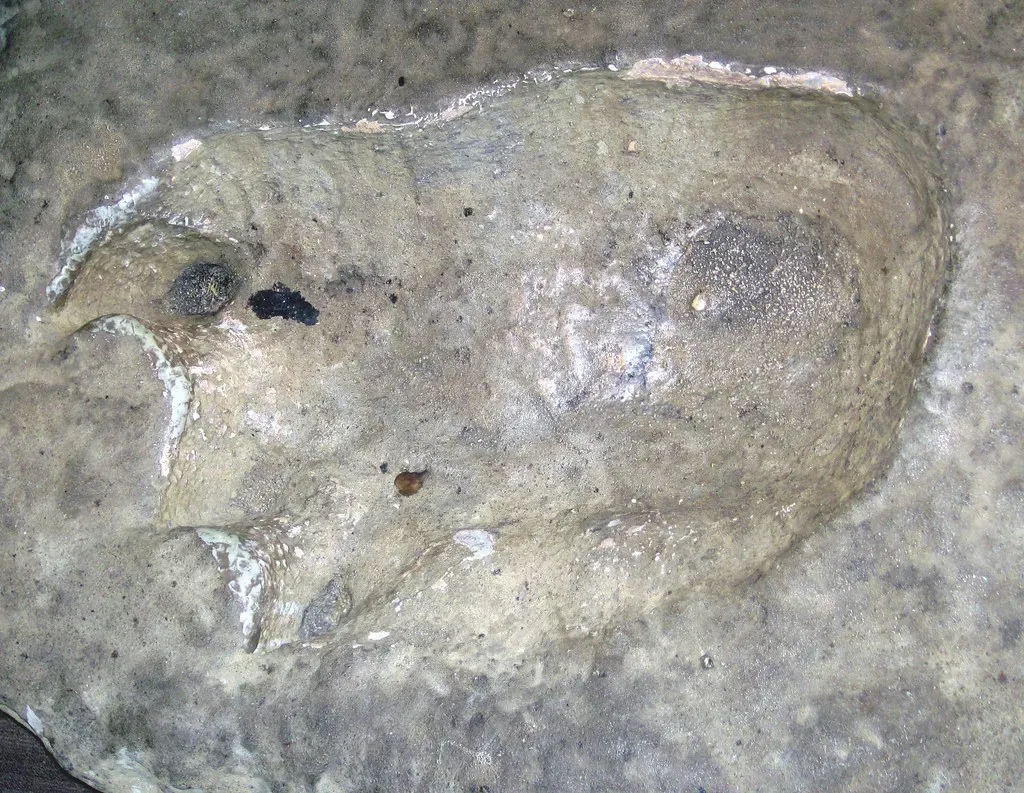
Researchers from the University of Queensland and James Cook University documented 21 different types of fossil footprints near Broome in the Kimberley region, and the team believes the largest footprint belongs to the largest member of the sauropods, a group of dinosaurs with long necks and tails which includes the brontosaurus. Sauropods were essentially nature’s ultimate engineering project: impossibly large, plant-eating machines that somehow found a way to move across the Earth.
Most people would be able to fit inside tracks that big, and they indicate animals that are probably around 5.3 to 5.5 meters at the hip, which is enormous, according to Dr. Steve Salisbury of the University of Queensland. For comparison, that hip height alone is taller than most house ceilings. Sauropods were among the largest animals to ever walk the Earth, with some species reaching lengths of over 30 meters.
How Indigenous Knowledge Saved This Discovery
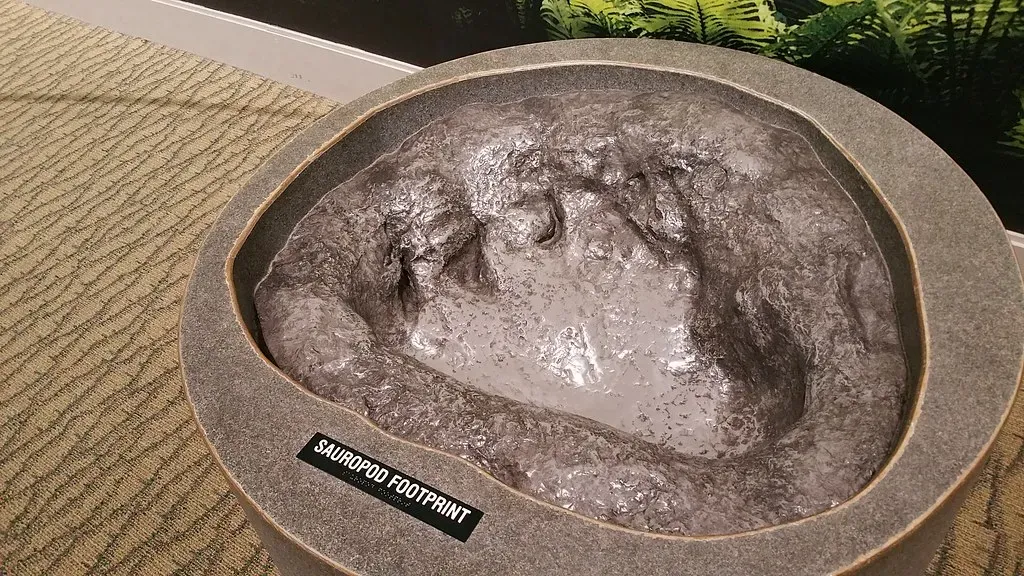
This is the part of the story that I think deserves far more attention than it typically receives. The region’s paleontological importance might have gone unstudied if not for the intervention of the Goolarabooloo people, who had long been aware of the ancient footprints embedded along the coast, and when the area was selected in 2008 as a potential site for a liquid natural gas processing precinct, local Indigenous leaders contacted scientists to assess what was at risk.
Dinosaur tracks had been known through that area probably for thousands of years and form part of the traditional song cycle, referring to cultural maps passed down through generations. That outreach led to an extensive scientific study involving researchers from James Cook University and other institutions, and the team spent over 400 hours documenting the tracks with Indigenous representatives on-site. Without that intervention, these ancient giants might have been paved over for a gas processing facility. It is hard to say for sure, but this may be one of the most significant conservation partnerships in modern paleontology.
What the Site Tells Us About Dinosaur Behavior
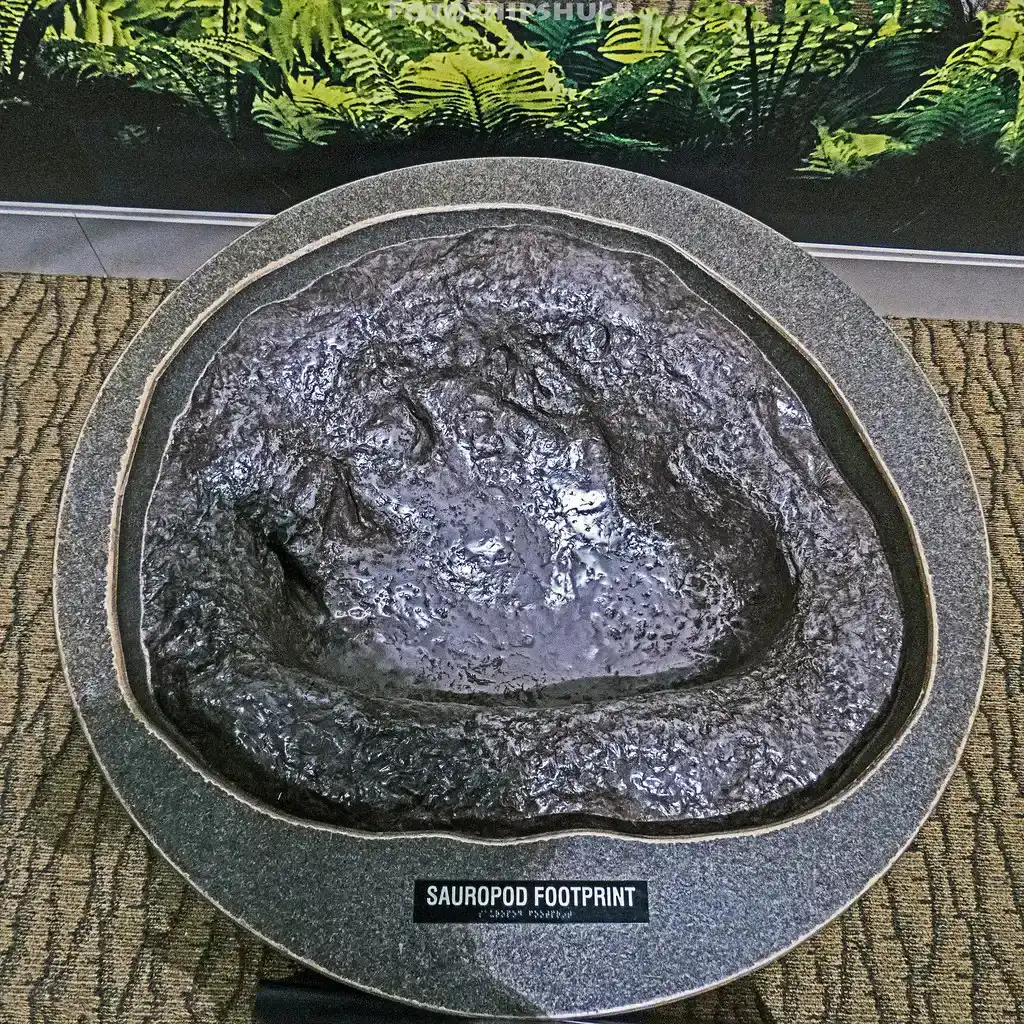
Scientists from the University of Queensland report that the site offers much more than just size, containing an extraordinary range of 21 different dinosaur track types, making it one of the richest and most varied fossil tracksites ever found. Think of it less like a single footprint discovery and more like an entire prehistoric city square, frozen in stone. Every type of giant that walked this region left its calling card behind.
The spacing between footprints can help scientists estimate the dinosaur’s stride length and walking speed, and sauropod footprints often show evidence of herd behavior, with the presence of multiple prints in the same area indicating these dinosaurs may have migrated together in search of food and water. Footprints, it turns out, are almost like reading someone’s diary. They capture living behavior, not just anatomy. As one paleontologist at the University of Queensland put it, “A skeleton shows what an animal could do; trackways show what it actually did, moment to moment.”
A Global Wave of Extraordinary Footprint Discoveries
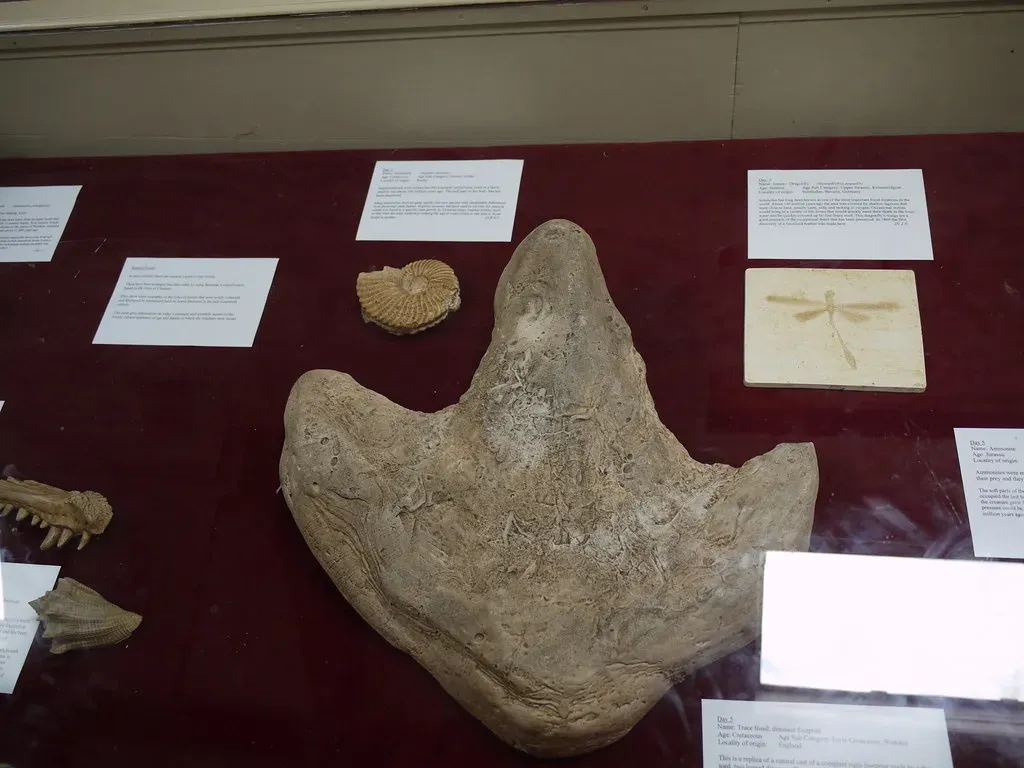
The Kimberley find is the crown jewel, but honestly, the world of paleontology has been going through an extraordinary period of footprint discoveries. Researchers from the Universities of Oxford and Birmingham uncovered a huge expanse of quarry floor filled with hundreds of different dinosaur footprints, dating back to the Middle Jurassic Period around 166 million years ago, including footprints from the 9-meter ferocious predator Megalosaurus and herbivorous dinosaurs up to twice that size.
A study also painted an enormous picture of almost 17,000 dinosaur footprints in a mountainous area of Bolivia, making it the world’s largest find of its kind protected from centuries of erosion. Meanwhile, ancient dinosaur footprints dating back 115 million years were discovered in Northwest Travis County, Texas, after recent flooding swept away layers of sediment and brush that had long hidden them. The Earth, it seems, is in no hurry to stop revealing its buried secrets.
Conclusion: The Ground Beneath Your Feet Holds Giants
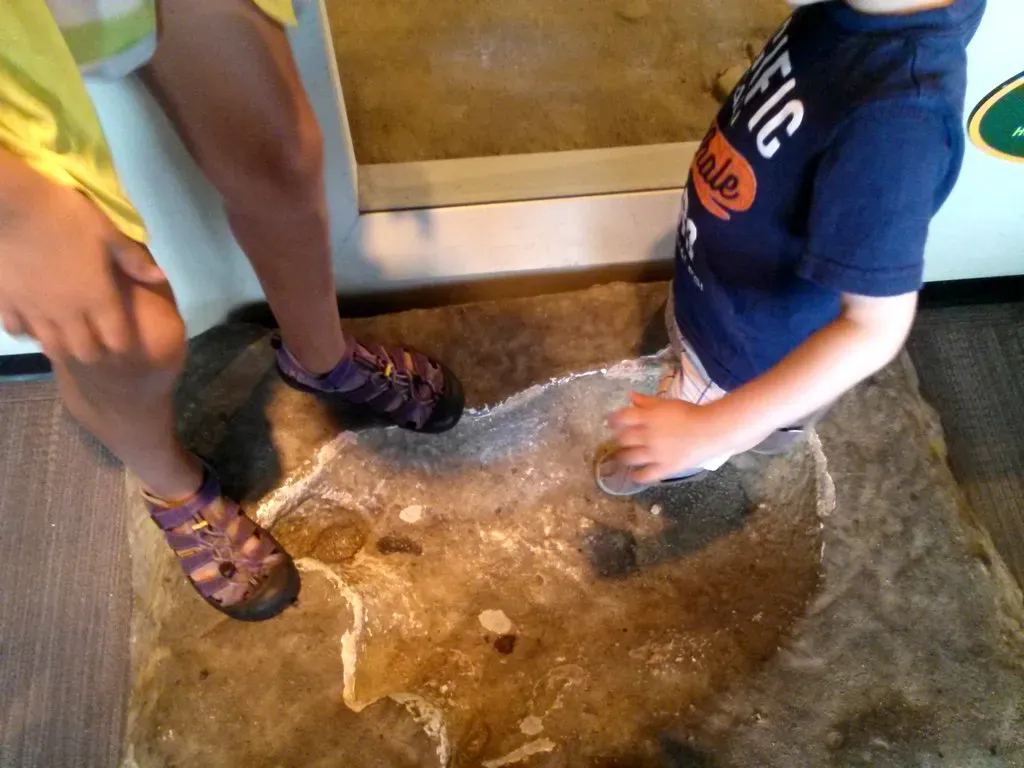
There is something profoundly humbling about all of this. The largest footprint ever found was not discovered in a controlled excavation with millions in funding. It was spotted, almost missed, and nearly destroyed by industrial development. It survived because of Indigenous knowledge holders who understood the land’s significance long before any scientist arrived with a measuring tape.
The size and quality of the prints contribute to the site’s global significance, and researchers have referred to it as the “Cretaceous equivalent of the Serengeti,” due to its concentration and variety of dinosaur life preserved in fossil form. That comparison sends a chill down the spine. We are not talking about a curiosity. We are talking about an entire lost world, preserved in sandstone along a tidal coastline in one of the most remote corners of the planet.
is not just a record. It is a reminder that the Earth we walk on has held unimaginable life before us, and that the past is still speaking, if only we stop to listen. What would you have guessed the record size would be before reading this? Something tells me 1.7 meters was not on your radar.