You might think you’ve seen everything when it comes to dinosaur discoveries, but this one might make you look twice. Picture this: a creature that roamed the earth more than a hundred million years ago, suddenly thrust back into the spotlight with unprecedented detail. It’s rare that we find something this well preserved, and honestly, it makes you wonder what else is still buried out there waiting to be found.
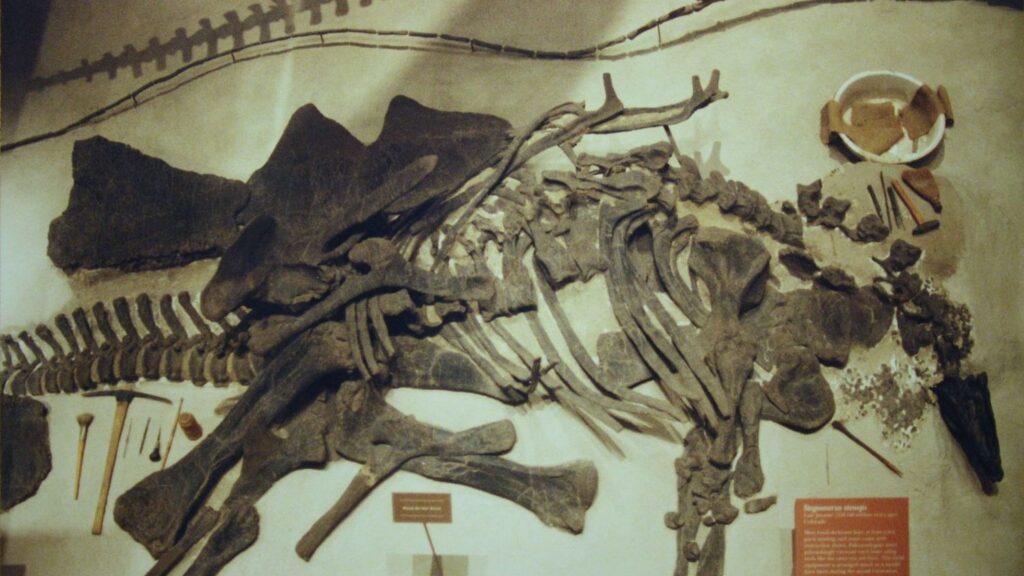
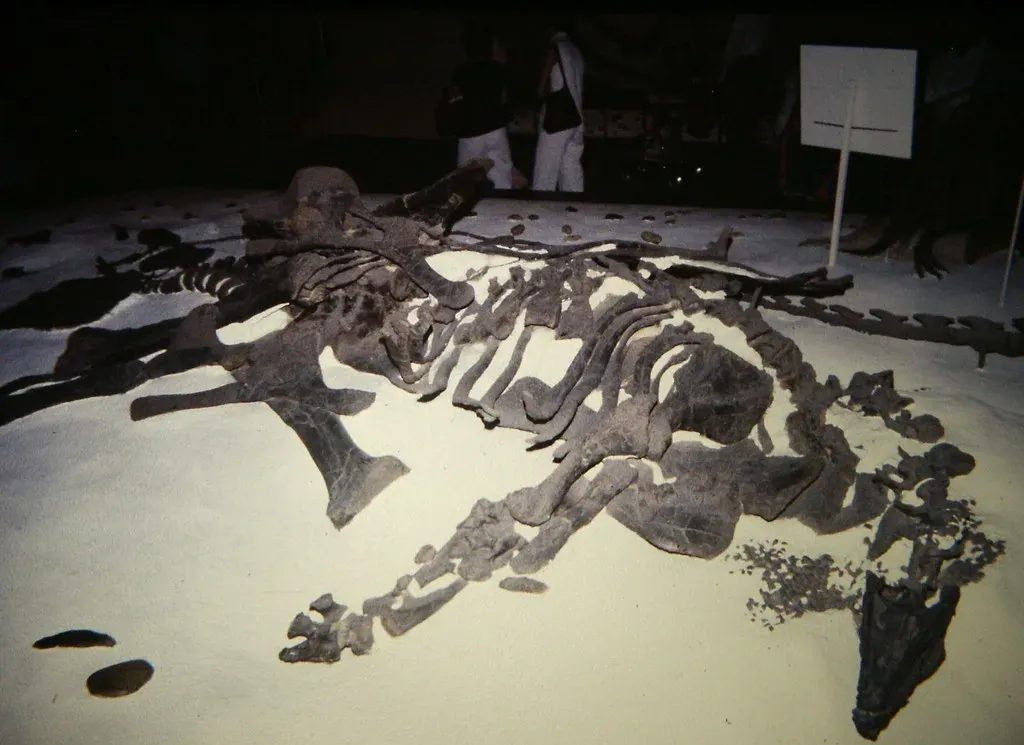
The discovery occurred in Colorado’s Morrison Formation back in 2022, revealing the largest known Stegosaurus fossil that preserves skin impressions and throat ossicles alongside a mostly complete skeleton. We’re not talking about a few bones scattered here and there. This specimen, nicknamed Apex, contains 254 bones preserved out of approximately 319. That’s roughly four fifths of the entire creature. The implications for what we can learn from this find are staggering. Let’s dive into why this discovery is making waves across the scientific community.
A Discovery Near the Town of Dinosaur
Commercial paleontologist Jason Cooper discovered Apex in May 2022 on private land in Moffat County, Colorado, near the town of Dinosaur. There’s something almost poetic about finding one of the best Stegosaurus specimens ever in a town literally called Dinosaur. The fossil was found encased in hard sandstone, and excavation of the specimen lasted until October 2023.
Let’s be real, digging through hard sandstone for more than a year isn’t exactly a walk in the park. No other fossils were found nearby, although the area is part of the larger Morrison Formation. The isolation of this specimen makes it even more special. You’ve got this massive creature, perfectly preserved, lying alone in ancient rock as if time itself decided to create a monument.
Why Size Matters With This Stegosaurus
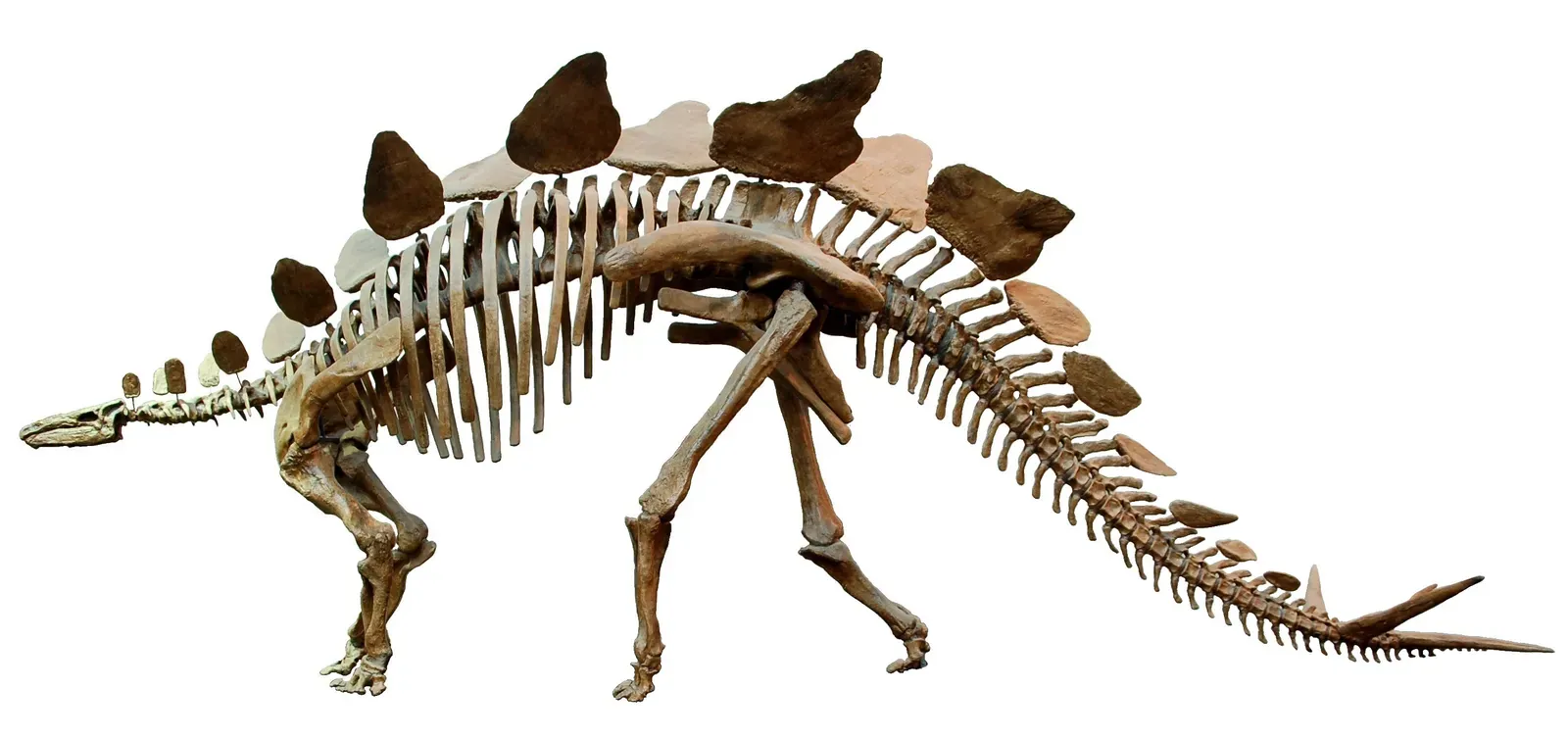
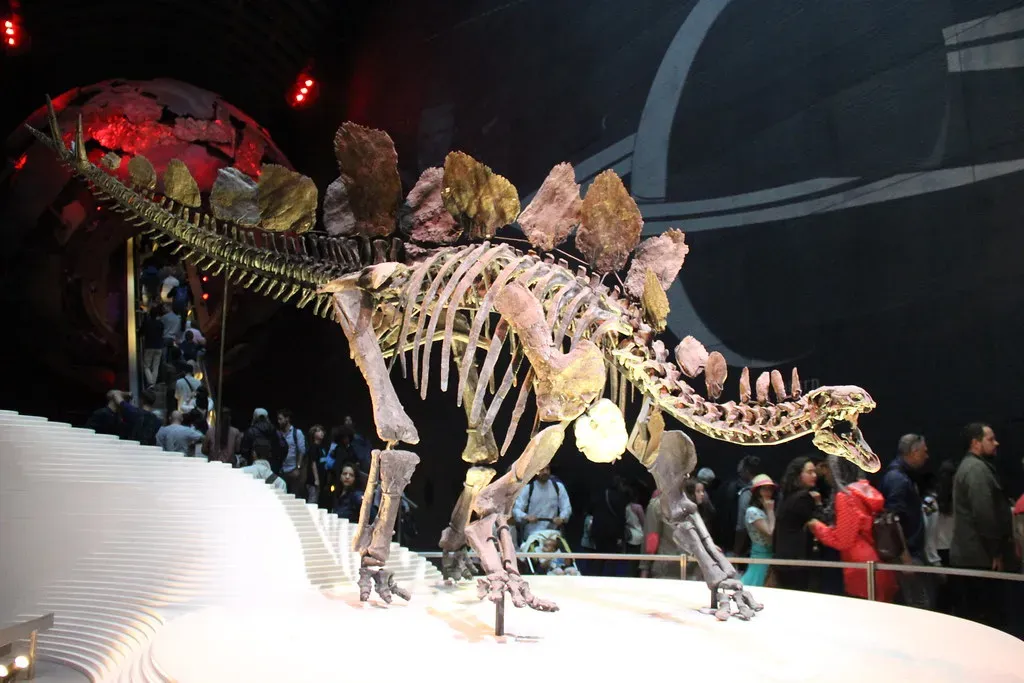
Apex is 11.5 feet tall and 27 feet long. To put that in perspective, imagine a creature about the height of a basketball hoop and nearly as long as a school bus. Apex has been described as being 30 percent larger than Sophie, which was at the time of Apex’s sale the most complete Stegosaurus skeleton on public display. Sophie resides in London’s Natural History Museum, and until Apex came along, she held the crown for completeness.
The proportions of the specimen have been described as unusual, having comparatively long legs and square-bottom plates. These distinctive features suggest you’re looking at something truly unique within the Stegosaurus genus. According to Sotheby’s, the name was given to highlight the importance of the specimen within Stegosaurus, owing to its high degree of preservation. When experts start using words like “apex” to describe your find, you know it’s exceptional.
Evidence of an Ancient Life Well Lived
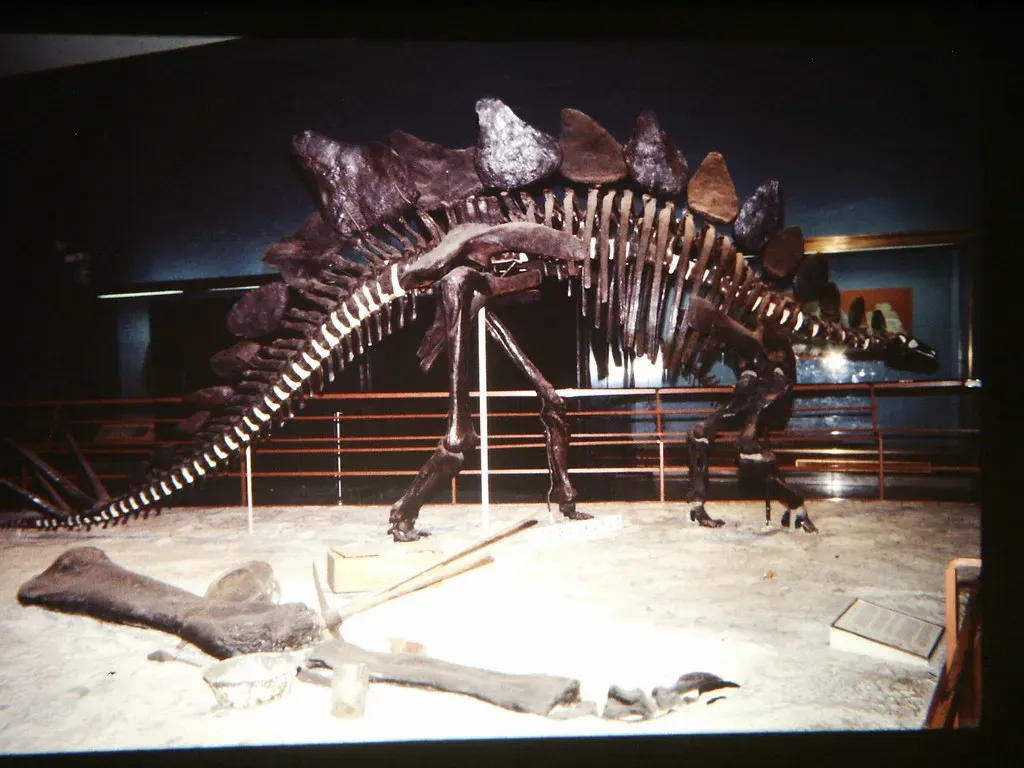
The animal to which it belonged was elderly, as attested by signs of rheumatoid arthritis such as the fusion of the sacral bones. Think about that for a moment. You’re looking at a dinosaur that lived to old age, something not every prehistoric creature managed to accomplish. No traces of injuries caused by combat or predation, or of post-mortem scavenging, are present on the fossil.
The specimen was found in a death pose, with its tail curled under its body. This peaceful end suggests Apex died of natural causes, perhaps succumbing to age or illness rather than violence. Alongside the skeleton, three ossicles from the stegosaur’s throat armor were preserved, and skin impressions from the neck have also been preserved. These soft tissue details are incredibly rare in fossils, offering glimpses into features that usually vanish into the geological record.
A Record Breaking Auction Sale
On July 17, 2024, the specimen was sold at Sotheby’s for $44.6 million to hedge fund billionaire Kenneth C. Griffin, making it the highest-priced fossil ever sold at auction. That price tag raised more than a few eyebrows, I know it sounds crazy, but that’s actually what happened. That purchase price made Apex more expensive than the previous record-holder, a T. rex named Stan that went for $31.8 million in 2020.
The sale sparked debate among paleontologists regarding the purchase by private individuals of specimens with high scientific value. It’s a fair concern when you think about it. Should scientifically important specimens end up in private collections where access might be limited? Illustrating the hazards of the private sale of specimens, Stan disappeared from the public eye for two years after the sale, alarming scientists who worried the fossil’s scientific value would be lost.
Making Science Accessible to Everyone
Here’s the thing: Griffin didn’t want Apex locked away in some private vault. In December 2024, the fossil was loaned to the American Museum of Natural History, and is planned to be exhibited there for four years. The specimen does not belong to AMNH, but is being loaned by its buyer, hedge fund manager and billionaire Kenneth C. Griffin, who bought the skeleton at auction for $44.6 million in July 2024.
Apex will also be available to the research community for the immediate future, and AMNH plans to display the skeleton for four years, after which a cast will replace the original bones. Meanwhile, Griffin has endowed a three-year postdoctoral fellowship for the study of Apex, with goals to identify which species of Stegosaurus Apex is as well as investigating the metabolism and growth of stegosauruses. You’ve got to admit, that’s a pretty generous move for science.
What Scientists Plan to Learn
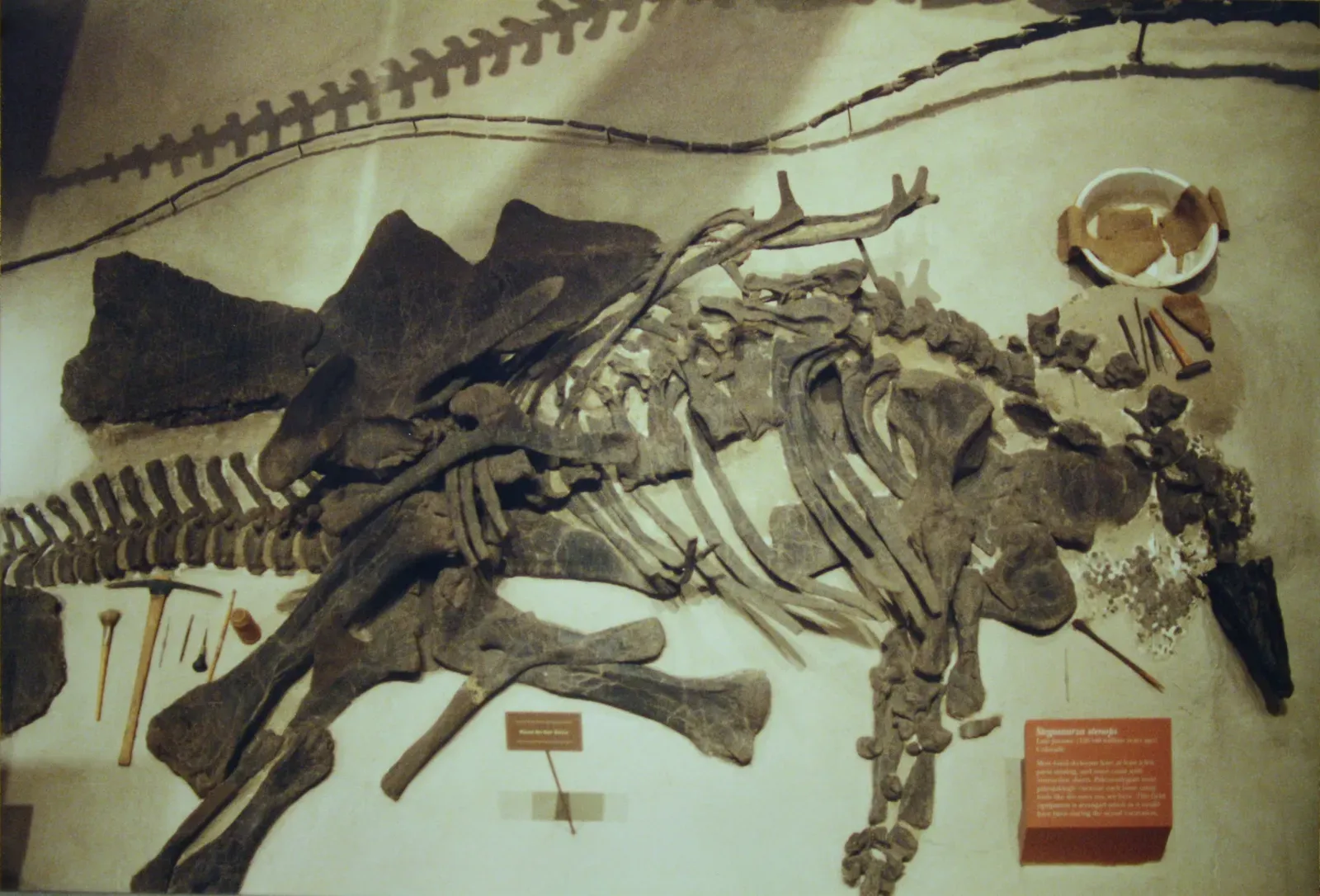
Researchers aim to identify Apex’s species and study its growth pattern. Despite Stegosaurus being one of the most recognizable dinosaurs out there, we still have massive gaps in our understanding. Scientists will take a sample of the dinosaur’s thigh bone and also conduct CT scanning of the structure of its skull.
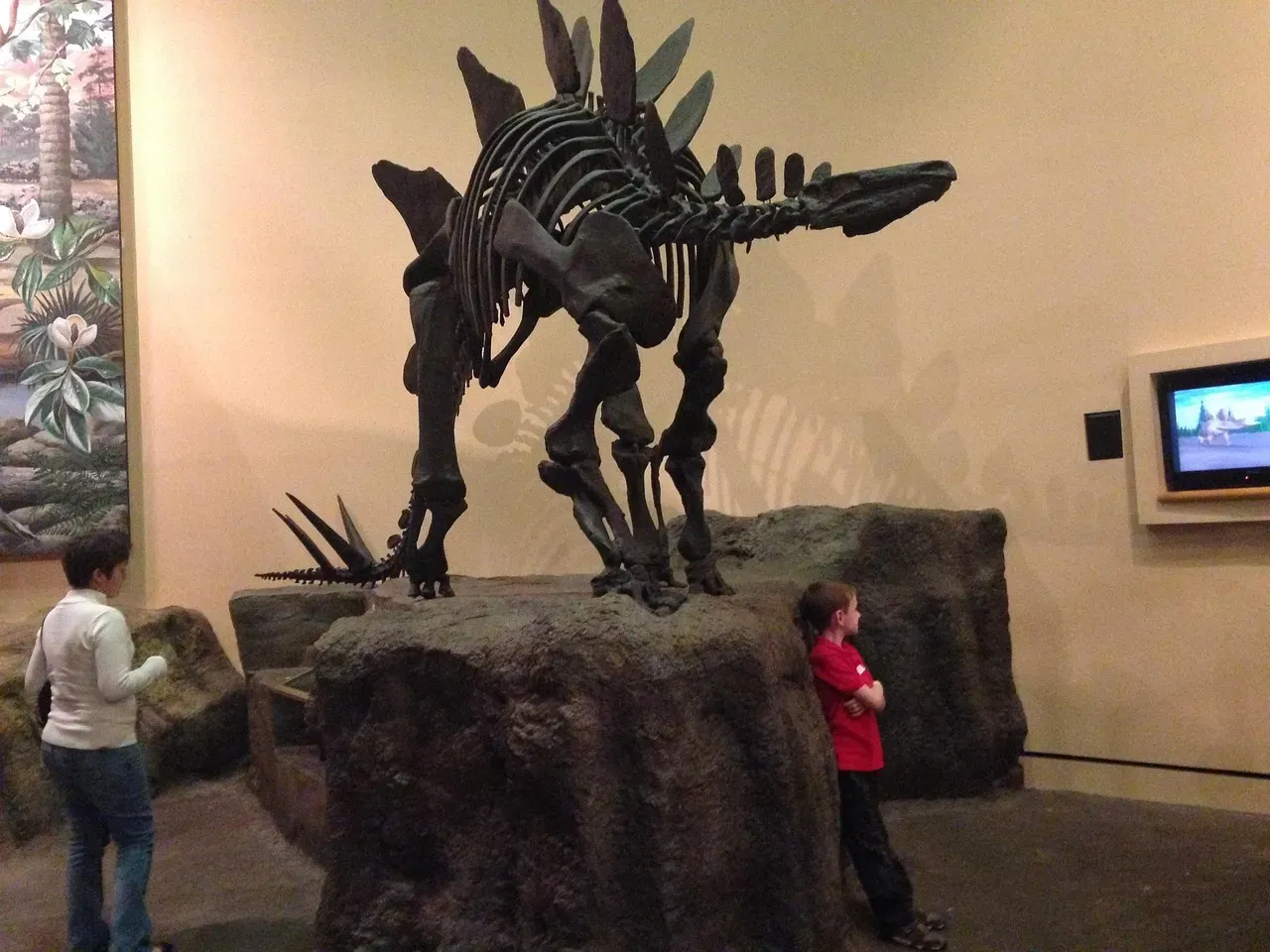
It is mounted with its spiked tail raised high, as if the dinosaur were about to defend itself. That defensive posture captures something primal about these ancient creatures. Like other fossil animals in this formation, Apex lived approximately 150 million years ago. We’re separated from this creature by an almost incomprehensible span of time, yet here it is, ready to teach us about a world we’ll never see.
The Rarity of Complete Fossils
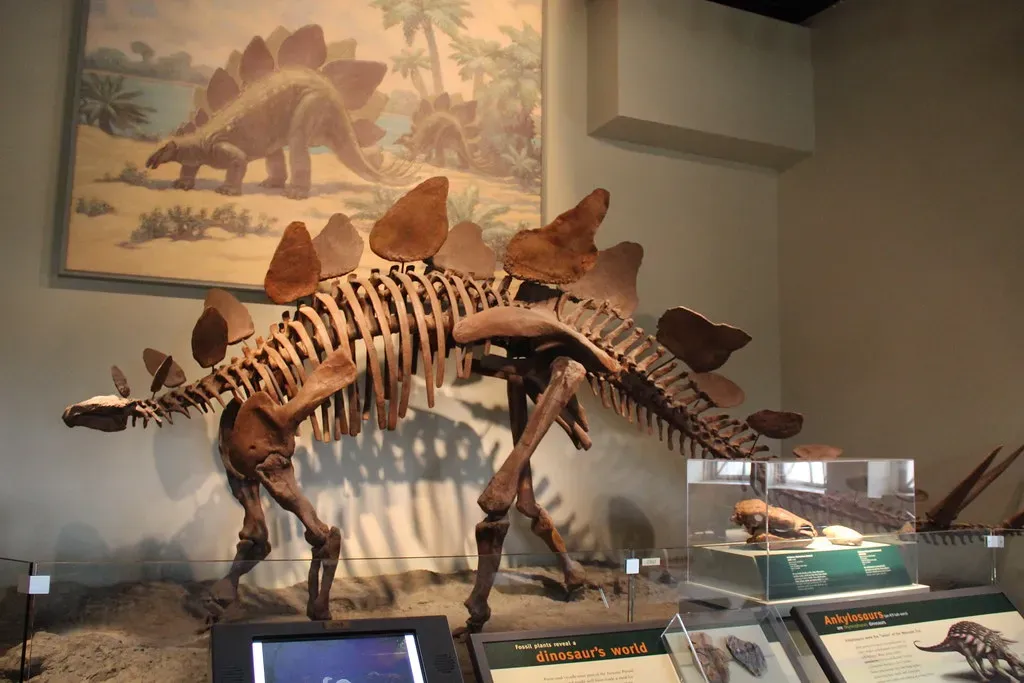
Complete dinosaur skeletons are rarer than most people realize. It is extremely well-preserved, with more than 254 of approximately 320 bone elements, and missing pieces were filled in with 3D-printed and sculpted components. Nearly eighty percent intact is phenomenal in paleontology. Most dinosaur displays you see in museums are composites, assembled from multiple individuals to create one complete skeleton.
Named for its large size, this fossil skeleton is relatively complete and shows signs that this dinosaur lived into old age. The fact that Apex reached advanced age tells you something important about its environment and survival skills. This fossil was discovered in 2022 just outside of Dinosaur, Colorado. Sometimes the best discoveries happen in your own backyard, or in this case, someone’s private land in a remote corner of Colorado.
Why This Changes Our Understanding
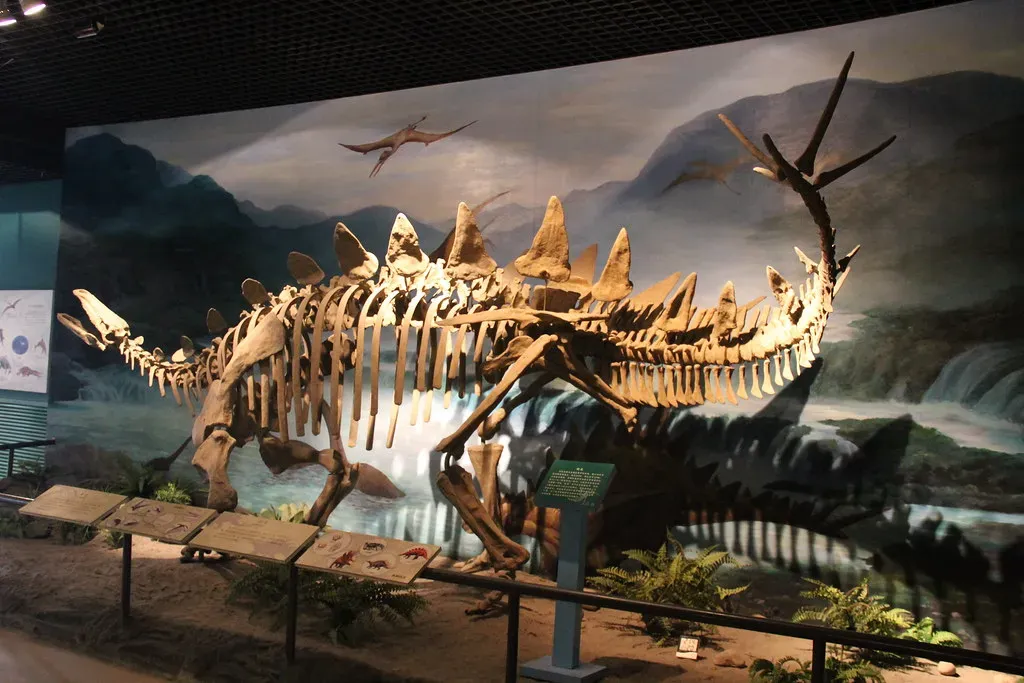
Every major fossil discovery rewrites part of our understanding of prehistoric life. Dated to the Late Jurassic epoch, it is the largest known Stegosaurus fossil. Having such a complete specimen allows researchers to ask questions they couldn’t before. How did these creatures move? What can bone density tell us about their metabolism? How did their distinctive plates actually function?
The rough surface of the bone was covered in keratin – the same material found in reptilian scales and human fingernails. These kinds of details connect us to these ancient animals in tangible ways. Now on view on Floor 4, Apex anchors the entrance to the Museum’s famed fossil halls from the Gilder Center, and the exhibit includes a new touchable cast of a Stegosaurus back plate. Being able to actually touch a part of this creature makes the experience real in a way photographs never could.
When you think about it, discoveries like Apex remind us that the earth still holds countless secrets. Somewhere beneath our feet, more incredible fossils wait in stone, preserving stories from worlds we can barely imagine. This Stegosaurus isn’t just bones and rock. It’s a time capsule, a messenger from an epoch when giant reptiles ruled landscapes we would barely recognize today. The more we learn from Apex, the more questions arise about life in the Jurassic. What do you think we’ll discover next?