We tend to picture dinosaurs as lone, savage giants stomping across a desolate ancient world. Solitary. Ruthless. Indifferent. But what if that picture has been badly wrong all along? Across the last several years, paleontologists have been uncovering a quietly staggering truth – that dinosaurs were, in many ways, surprisingly social, nurturing, and even community-minded creatures.
The fossil record, once thought too sparse to reveal behavioral nuances, is now speaking volumes. From Patagonian nesting grounds to Canadian footprint sites frozen in time, the evidence is piling up fast. Buckle up, because what researchers have found is nothing short of a prehistoric revolution in how you should think about life during the Mesozoic. Let’s dive in.
Herding Goes Back Much Further Than You Think
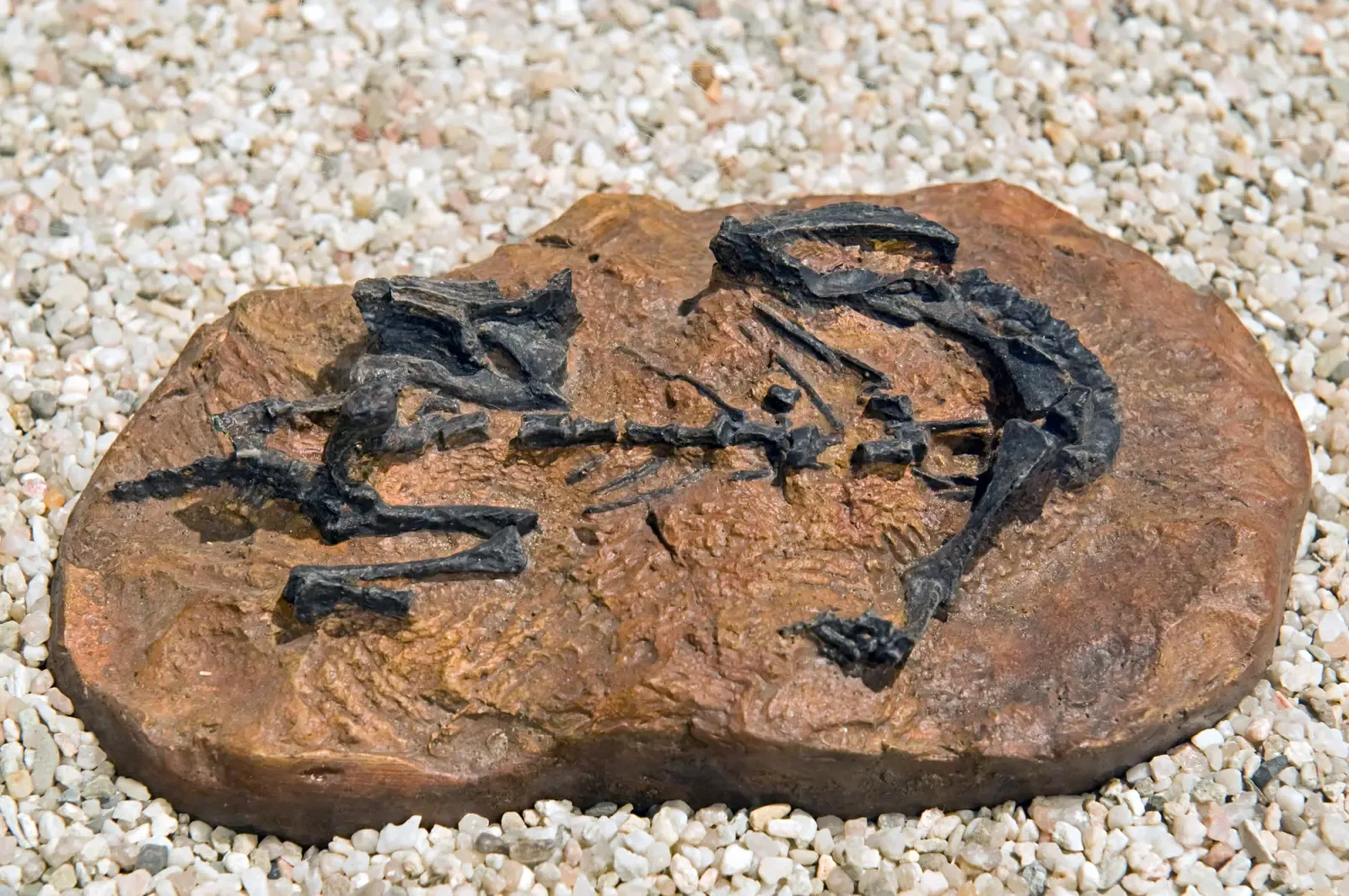
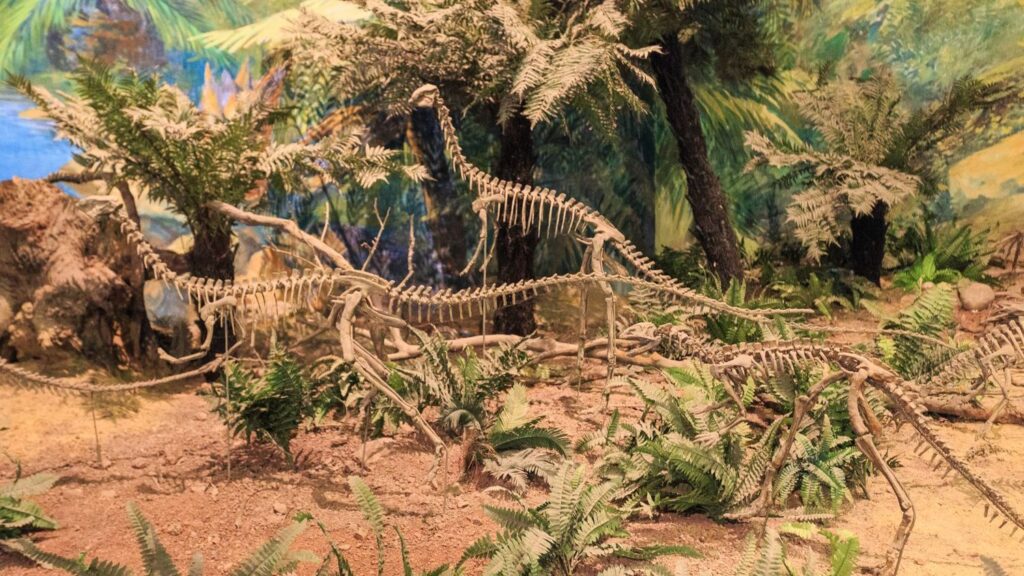
Here’s the thing – scientists always knew that large dinosaurs in the late Jurassic and Cretaceous periods moved in herds. That part wasn’t controversial. What nobody expected was how far back that social impulse actually reached. Research shows that Mussaurus and possibly other dinosaurs evolved to live in complex social herds as early as 193 million years ago, around the dawn of the Jurassic period. That’s a stunning 40 million years earlier than what the previous fossil record suggested.
An exceptional fossil occurrence from Patagonia included over 100 eggs and skeletal specimens of 80 individuals of the early sauropodomorph Mussaurus patagonicus, ranging from embryos to fully-grown adults, with an Early Jurassic age determined by high-precision U-Pb zircon geochronology. Think of it like stumbling onto a prehistoric neighborhood, completely intact. It’s rare. It’s remarkable. It completely changes the timeline of dinosaur sociality.
Age-Segregated Herds: A Surprisingly Modern Strategy
You might assume that a dinosaur herd was just a big, chaotic crowd – adults and babies all jumbled together. The evidence says otherwise, and honestly, it’s one of the more fascinating details to come out of recent research. New discoveries indicate the presence of social cohesion throughout life and age-segregation within a herd structure, in addition to colonial nesting behaviour. It looks far more organized than anyone expected.
Evidence suggests that Mussaurus optimized foraging potentials during the early Jurassic via age-based social partitioning – neonates, juveniles, and adults apparently foraged, and perished, in age-based groups. Think of it like how schools separate children by grade, or how elephant herds keep calves in the center for protection. Dinosaurs may have been running the same playbook, roughly 193 million years ago.
The Maiasaura Revolution: Dinosaurs as Devoted Parents
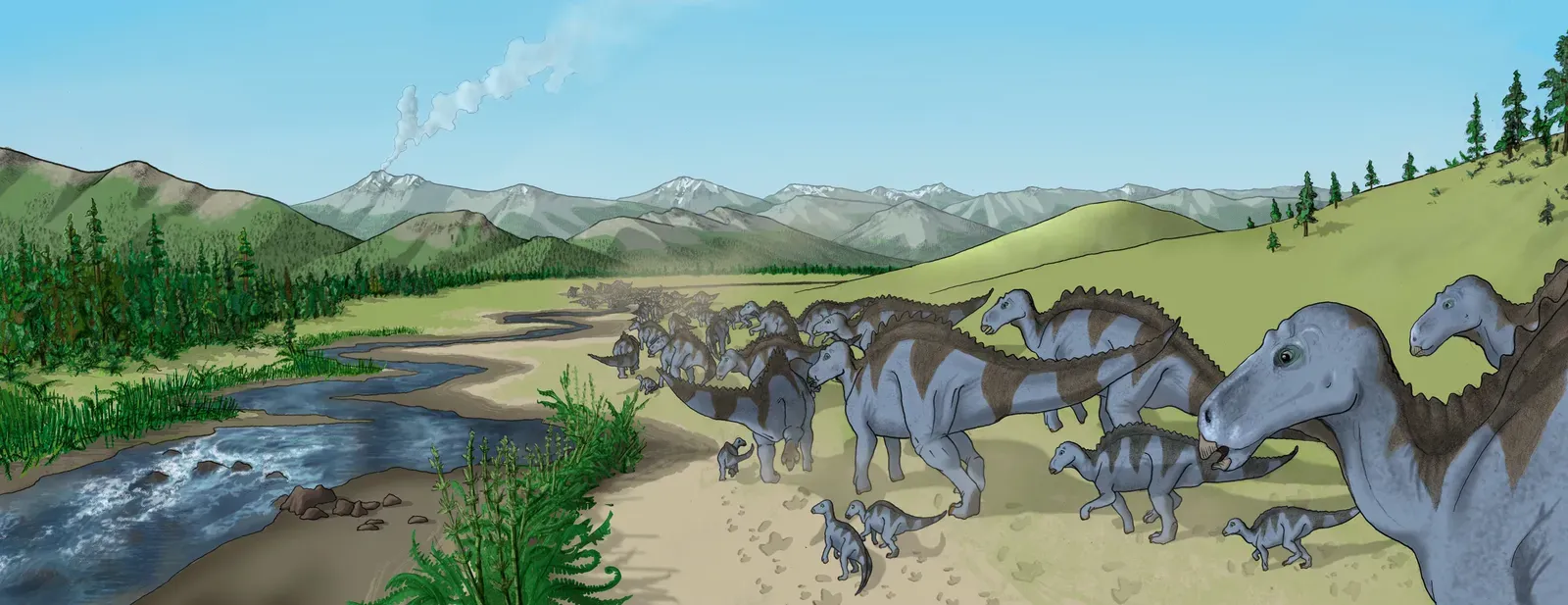
Nothing shook up the world of paleontology quite like a duck-billed dinosaur from Montana. Jack Horner’s 1978 discovery of a Maiasaura nesting ground in Montana demonstrated that parental care continued long after birth among the ornithopods. Before that find, most scientists assumed dinosaurs laid their eggs and essentially moved on, much like sea turtles.
Duck-billed Maiasaura, a name that means “good mother lizard,” is one of the best-known examples of parental behaviour. These Late Cretaceous dinosaurs, which lived around 80 to 75 million years ago, are thought to have nested in large colonies. The parents may have extensively provided food and protection for their hatchlings, although this idea is still debated. Still, the hatchlings found at the site had underdeveloped legs and worn teeth – signs they stayed in the nest and were actively fed. That’s not accident. That’s care.
Oviraptor: The Wrongly Named Egg Thief Who Was Actually a Loving Parent
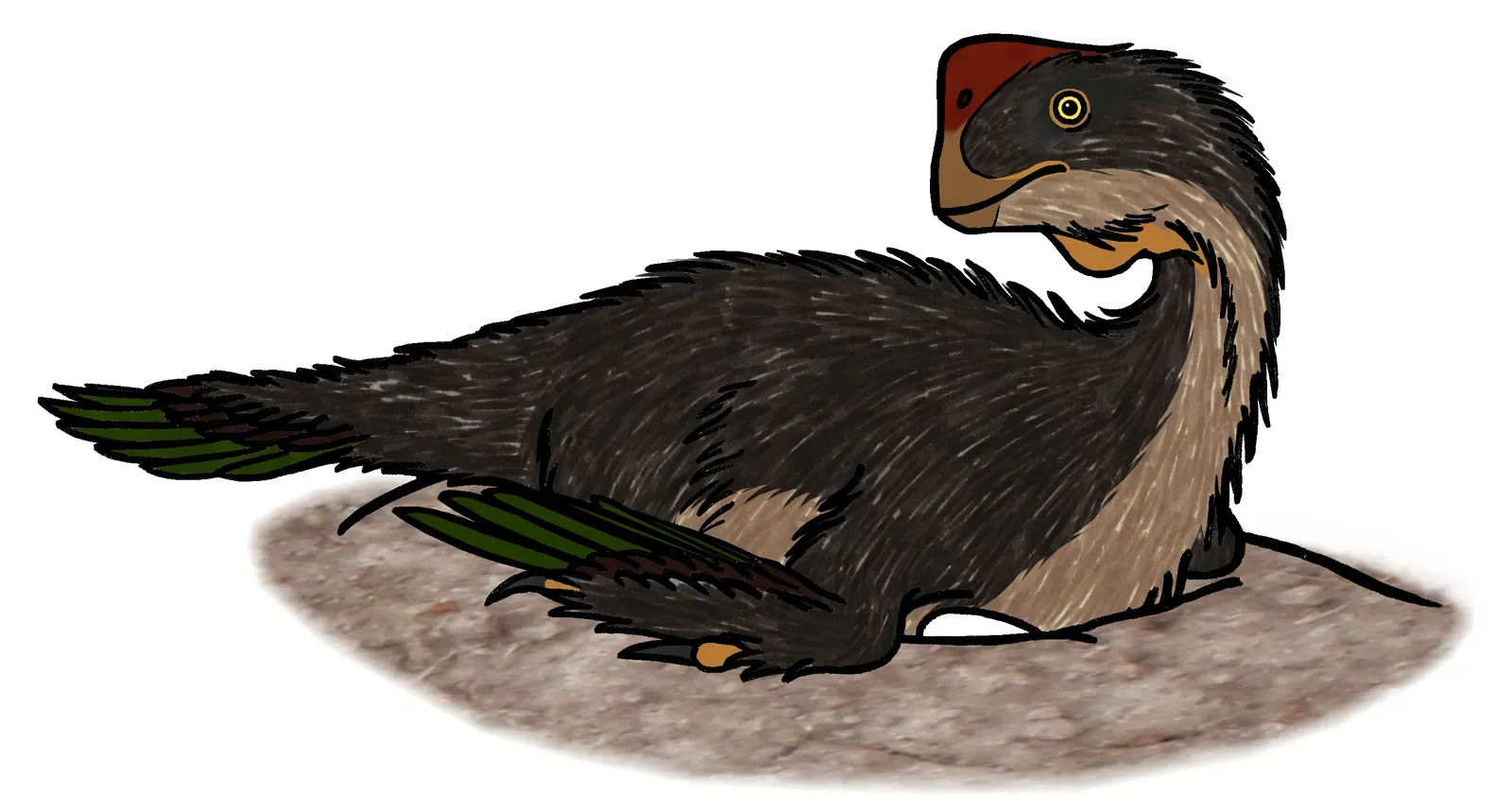
Few stories in paleontology are more satisfying than the complete rehabilitation of Oviraptor. When first described, Oviraptor was interpreted as an egg-thief, egg-eating dinosaur given the close association of the holotype with a dinosaur nest. However, findings of numerous oviraptorosaurs in nesting poses have demonstrated that this specimen was actually brooding the nest and not stealing nor feeding on the eggs. The name literally means “egg seizer.” Science had to eat some humble pie on that one.
Results suggest oviraptors used a hybrid incubation method unlike modern birds. A life-size dinosaur nest experiment suggests oviraptors relied on both body heat and sunlight to hatch their eggs. Their unusual egg arrangement likely led to uneven temperatures and staggered hatching. Groundbreaking work published in March 2026 recreated a life-size oviraptor nest to probe these very questions. It’s a wild approach, but it works – and it’s revealing just how inventive these animals were as parents.
Communal Nesting: Raising the Young as a Village
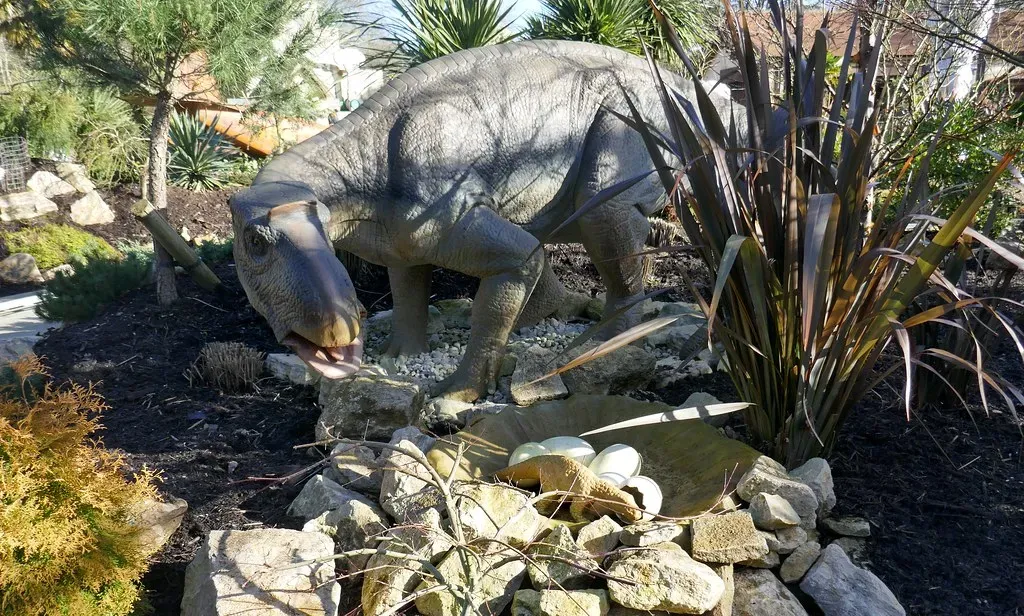
Dinosaur parenting, it turns out, was sometimes a team effort. In Liaoning Province, China, the fossils of one adult and 34 juvenile ceratopsian Psittacosaurus were found together. The average total length of the juveniles was 23 cm, while the adult, presumed to be the parent, is estimated to have been over 1 meter long, suggesting that adults and children lived in social groups. One adult looking after 34 young ones. That’s not just parenting – that’s daycare on a prehistoric scale.
It has been found that Maiasaura and sauropods discovered in Argentina formed huge nesting colonies with many nests in the same location. Nesting sites discovered in the late 20th century also establish herding among dinosaurs. Nests and eggs numbering from dozens to thousands are preserved at sites that were possibly used for thousands of years by the same evolving populations of dinosaurs. That level of fidelity to a nesting ground suggests something almost cultural – a tradition passed down across generations of animals returning to the same spot.
Mixed-Species Herds: Dinosaurs That Crossed the Social Divide
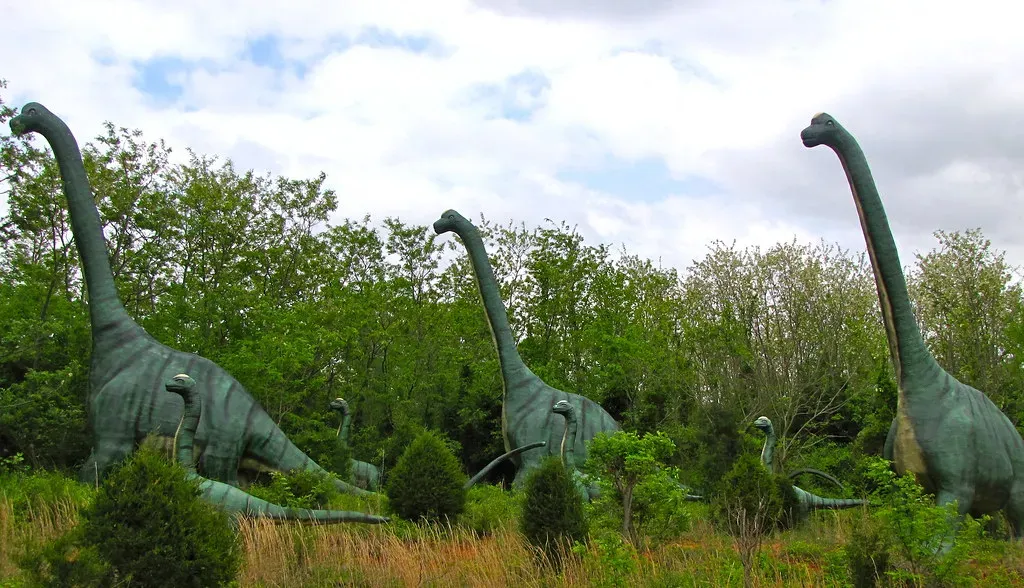
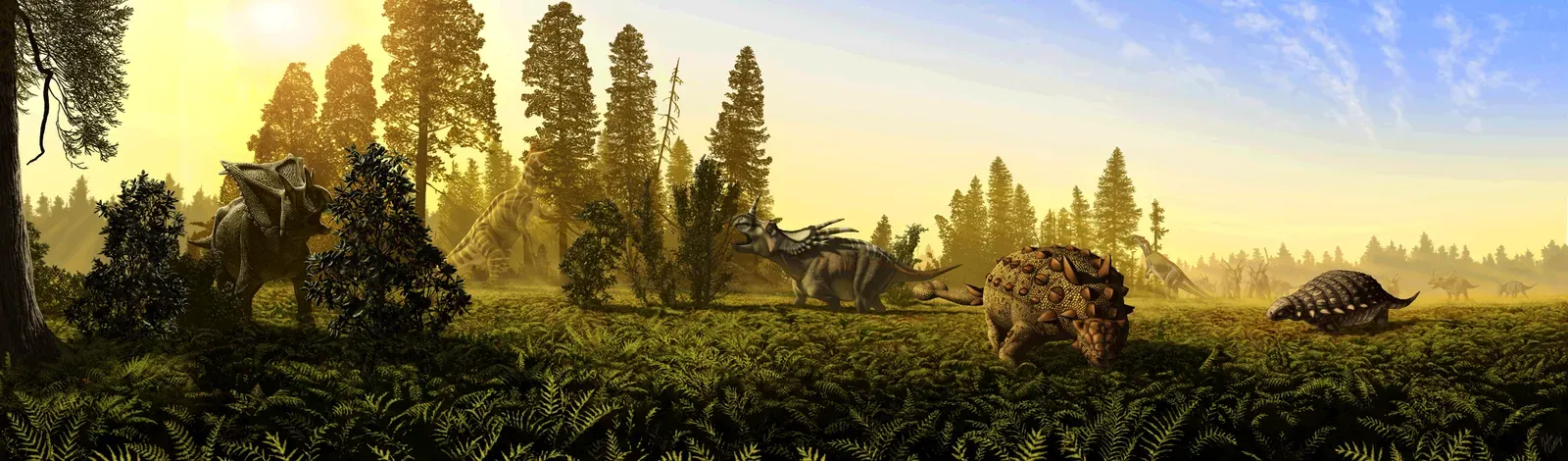
I think this might be the most jaw-dropping discovery to emerge from recent fieldwork. You might expect different dinosaur species to keep to themselves. What researchers found in Canada in 2025 suggests something far more dynamic. New research by a University of New England palaeontologist uncovered the first known evidence of multi-species herding behaviour in dinosaurs, based on fossilised footprints discovered in Canada’s Dinosaur Provincial Park. The discovery, made in July 2024 during an international field course and published in the journal PLOS One, reveals 76-million-year-old tracks from different dinosaur species walking side by side.
The international team, led by Dr Brian Pickles of the University of Reading, Dr Phil Bell of the University of New England, and Dr Caleb Brown of the Royal Tyrrell Museum of Palaeontology, excavated 29 square metres of the site, revealing 13 ceratopsian (horned dinosaur) tracks from at least five animals walking side by side, with a probable ankylosaurid (armoured dinosaur) walking in the midst of the others. It looks eerily like the mixed herds of zebras and wildebeest moving across the African savanna today. Different species, shared protection, common threat – some survival strategies appear to be genuinely timeless.
What the Fossil Record Tells You About Dinosaur Cognitive Complexity
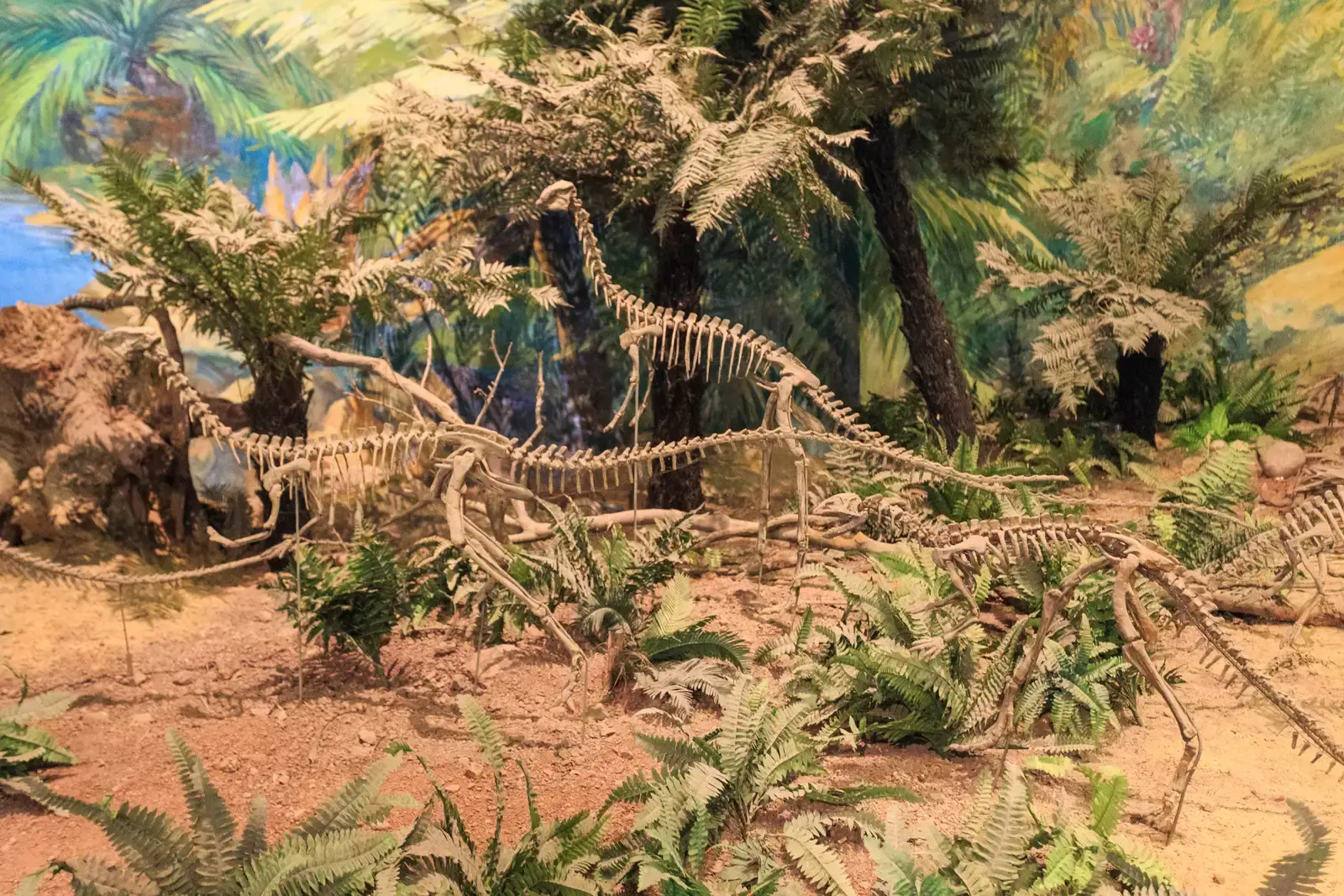
Honestly, it’s hard not to wonder: if dinosaurs were forming mixed-species herds, segregating by age, building nesting colonies, and brooding their eggs – what does that say about their minds? Through most of the 20th century, before birds were recognized as dinosaurs, most of the scientific community believed dinosaurs to have been sluggish and cold-blooded. Most research conducted since the 1970s, however, has indicated that dinosaurs were active animals with elevated metabolisms and numerous adaptations for social interaction. The shift in scientific consensus has been dramatic.
There is general agreement that some behaviors that are common in birds, as well as in crocodilians, closest living relatives of birds, were also common among extinct dinosaur groups. Interpretations of behavior in fossil species are generally based on the pose of skeletons and their habitat, computer simulations of their biomechanics, and comparisons with modern animals in similar ecological niches. It’s hard to say for sure just how emotionally complex dinosaur social bonds were – the fossil record has limits. Yet the cumulative picture emerging is of creatures far more behaviorally sophisticated than the old “dumb reptile” stereotype ever allowed. Perhaps the most extraordinary thing about dinosaurs isn’t how different they were from us. It’s how surprisingly familiar some of their behaviors turn out to be.
Conclusion
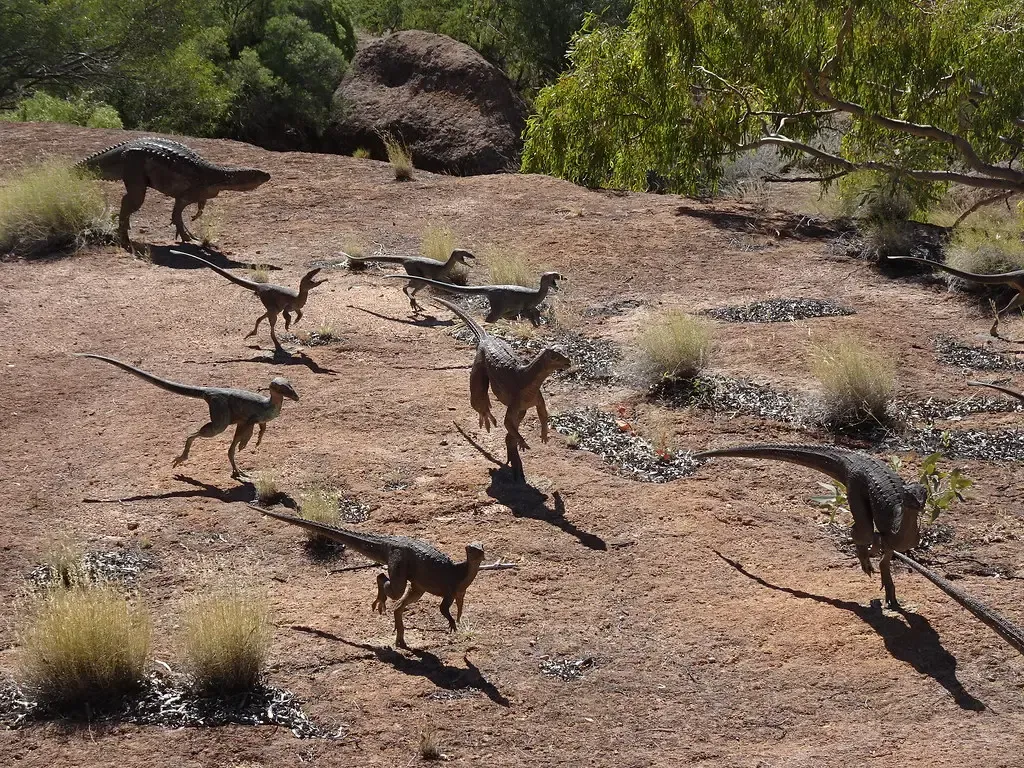
The image of the solitary, brutish dinosaur is fading fast – and good riddance to it. What you’re seeing emerge from the world’s fossil beds is something far more nuanced, far more social, and in many ways far more moving. Dinosaurs formed herds, guarded their nests, raised their young, traveled beside different species for protection, and returned year after year to the same nesting grounds. These weren’t mindless machines. They were living animals navigating a complex world with complex social strategies.
Every new trackway uncovered, every nest excavated, every clutch of fossilized eggs analyzed through modern technology adds another brushstroke to a portrait that’s still being painted. The science of dinosaur behavior is young, growing rapidly, and full of surprises. If the last few decades have taught researchers anything, it’s that the more you look, the more you find – and the more you find, the more extraordinary these animals become. What would you have guessed about the social lives of dinosaurs before reading this? Tell us in the comments.