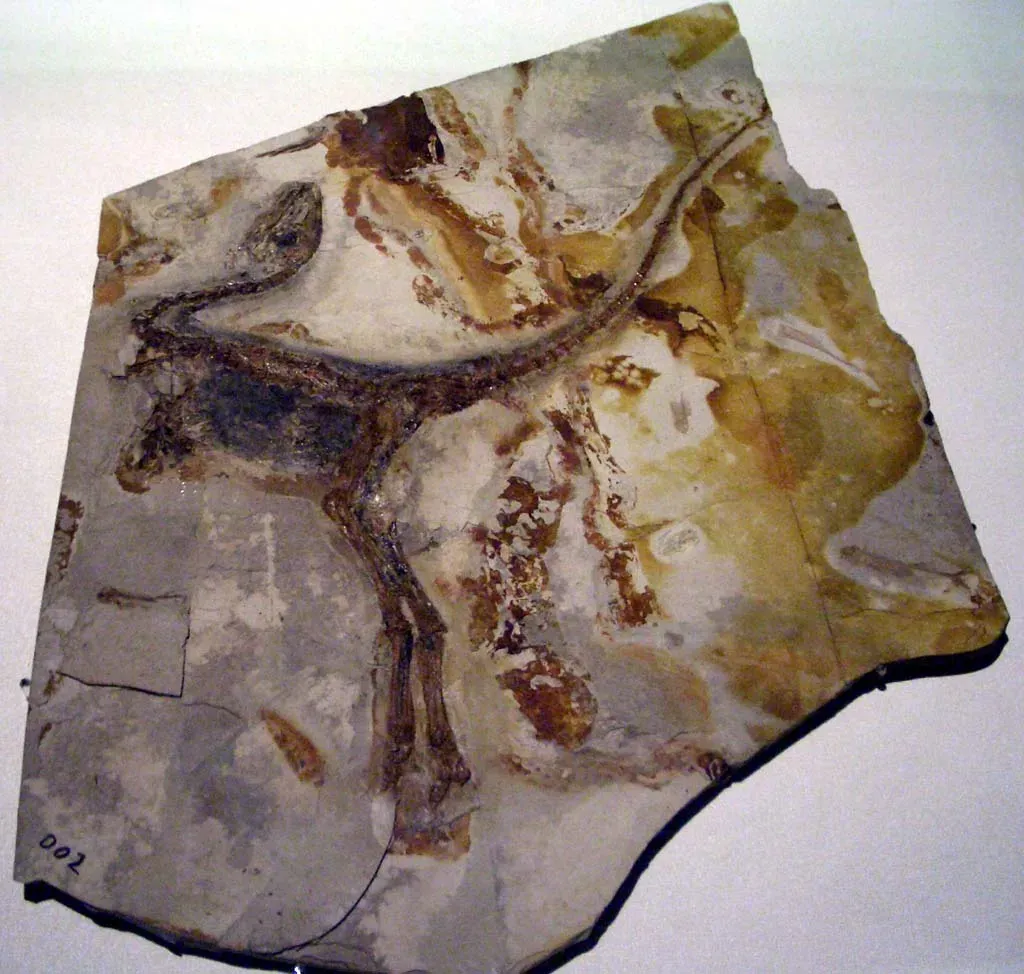
Somewhere between the bones and the stone lies a story that keeps rewriting itself. For generations, we imagined dinosaurs as thundering, scaly beasts, nothing more than overgrown reptiles lumbering through a prehistoric fog. Then the fossils started talking back. What they’ve been saying ever since has shaken paleontology to its very core, and honestly, it’s only getting more astonishing with time.
You might think we’ve figured most of it out by now, that museums have painted the full picture. Not even close. In fact, the pace of discovery has actually accelerated. Feathered giants. Hidden colors. Flight feathers frozen in stone. Every new find chips away at the old image of dinosaurs and replaces it with something far stranger and more spectacular. Buckle up, because the story is wilder than anything Hollywood has managed to cook up. Let’s dive in.
The Feathered Revolution That Changed Everything
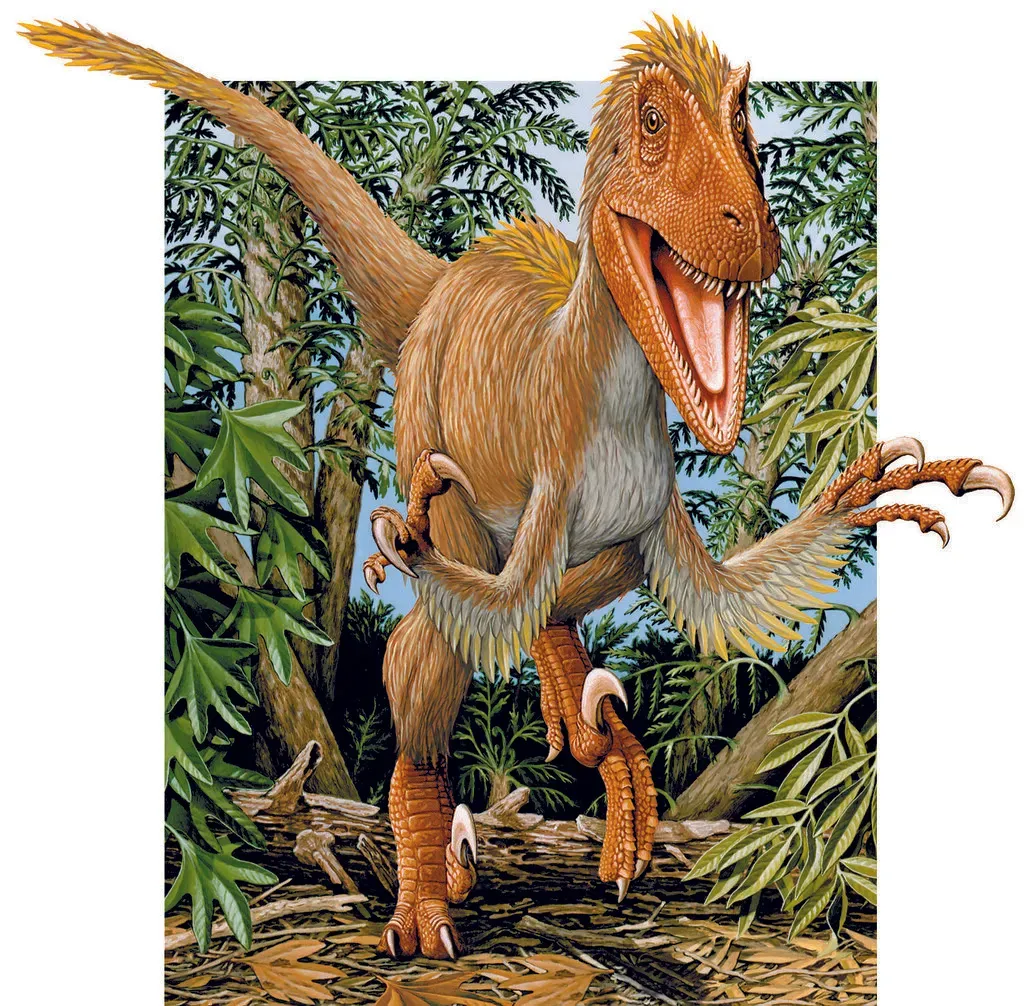
For most of modern history, you would have been laughed out of a lecture hall for suggesting that the terrifying apex predators of the Mesozoic were covered in feathers. Since scientific research began on dinosaurs in the early 1800s, they were generally believed to be closely related to modern reptiles like lizards. The very word “dinosaur,” coined in 1842 by paleontologist Richard Owen, comes from the Greek for “terrible lizard.” That view only began to shift during the so-called dinosaur renaissance in the late 1960s, when significant evidence emerged that dinosaurs were far more closely related to birds.
The real turning point, though, arrived in the mid-1990s when fossil hunters in China started pulling feathered creatures out of the ground at a stunning rate. The most important discoveries at Liaoning have been a host of feathered dinosaur fossils, with a steady stream of new finds filling in the picture of the dinosaur-bird connection and adding more to theories of the evolutionary development of feathers and flight. Think about that for a moment. A province in northeastern China essentially held the key to one of the greatest biological stories ever told.
Yutyrannus Huali: The Giant Feathered Tyrant
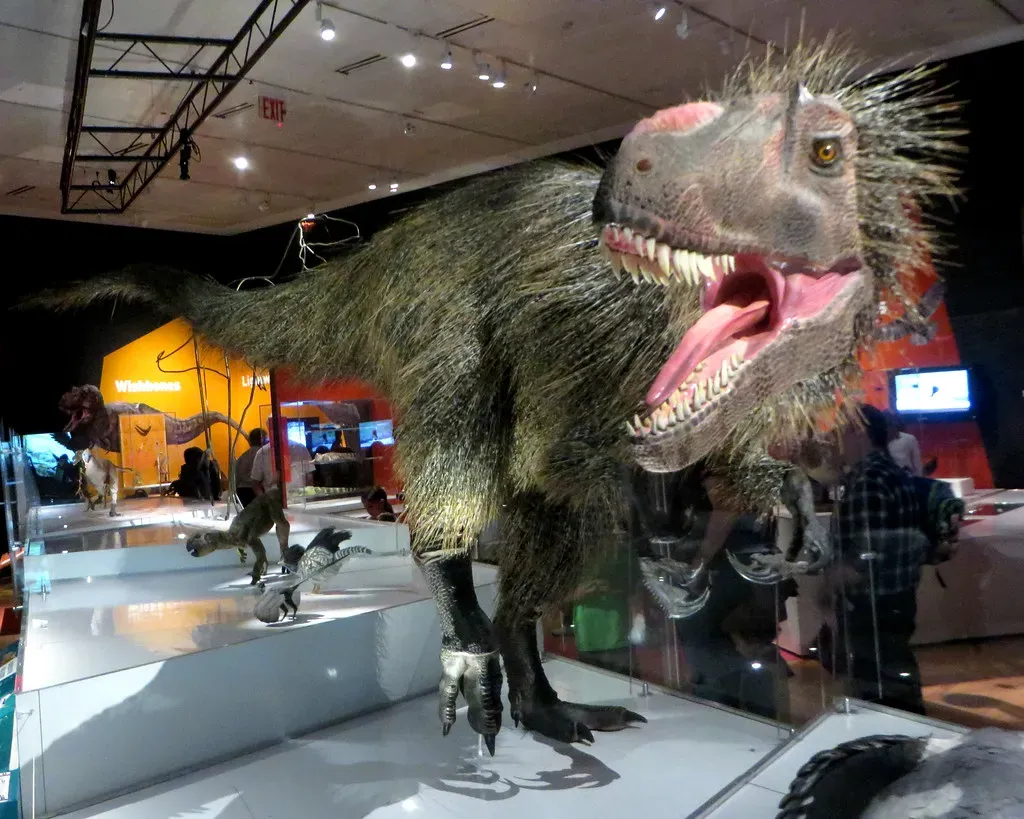
If you want one fossil that perfectly captures the drama of this field, look no further than Yutyrannus huali. Paleontologists unearthed fossils of the largest feathered creature yet known, a 1.4-metric-ton dinosaur that was an early cousin of Tyrannosaurus rex. The long, filament-like feathers preserved with three relatively complete skeletons of the newly described species provide direct evidence of extensively feathered gigantic dinosaurs. The discovery is controversial and, in some scientific circles, largely unexpected.
Here’s the thing that makes Yutyrannus so mind-bending. Evidence from the three fossil skeletons recovered from Liaoning deposits suggests that this Early Cretaceous tyrannosaur possessed tufts of filamentous feathers up to 16 to 20 centimeters long on its body, and these structures may have covered the whole animal. Yutyrannus, whose adult weight was estimated at 1,400 kg, is the largest known feathered animal in Earth’s history. That’s not a sparrow. That’s a predatory giant wearing what was essentially a thick, primitive coat. Let that image settle in for a second.
Why Did Giants Need Feathers? The Insulation Theory
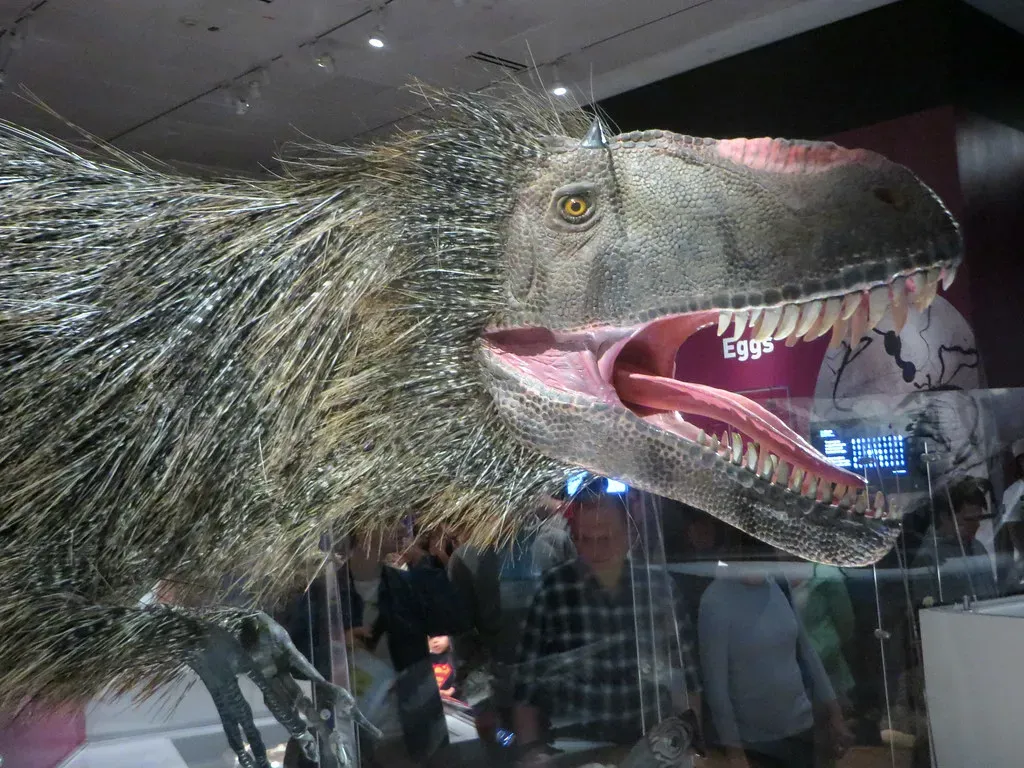
You might be asking yourself the same question scientists asked when they first saw those filament impressions on the Yutyrannus specimens. Why would a massive, heat-generating predator bother with feathers? The team’s measurements of the oxygen isotope ratios in the creatures’ teeth, a sensitive paleo-thermometer, suggest that the climate where these dinosaurs lived probably averaged about 10 degrees Celsius over the course of a year, substantially colder than most of the dinosaur era, and in fact close to that seen in northeastern China today.
Scientists believe that the feathers may have provided insulation against the colder climes of the late Cretaceous, or may have been used as display plumage. It’s a bit like asking why polar bears have thick fur, or why an elephant in a particularly cold snap would theoretically benefit from some extra coverage. Regardless of the feathers’ function, the researchers say, the new discovery reveals that a drastic reduction in plumage wasn’t an inevitable consequence of very large body size. That conclusion alone rewrote textbooks.
The Chicago Archaeopteryx: A Fossil That Stopped Scientists in Their Tracks
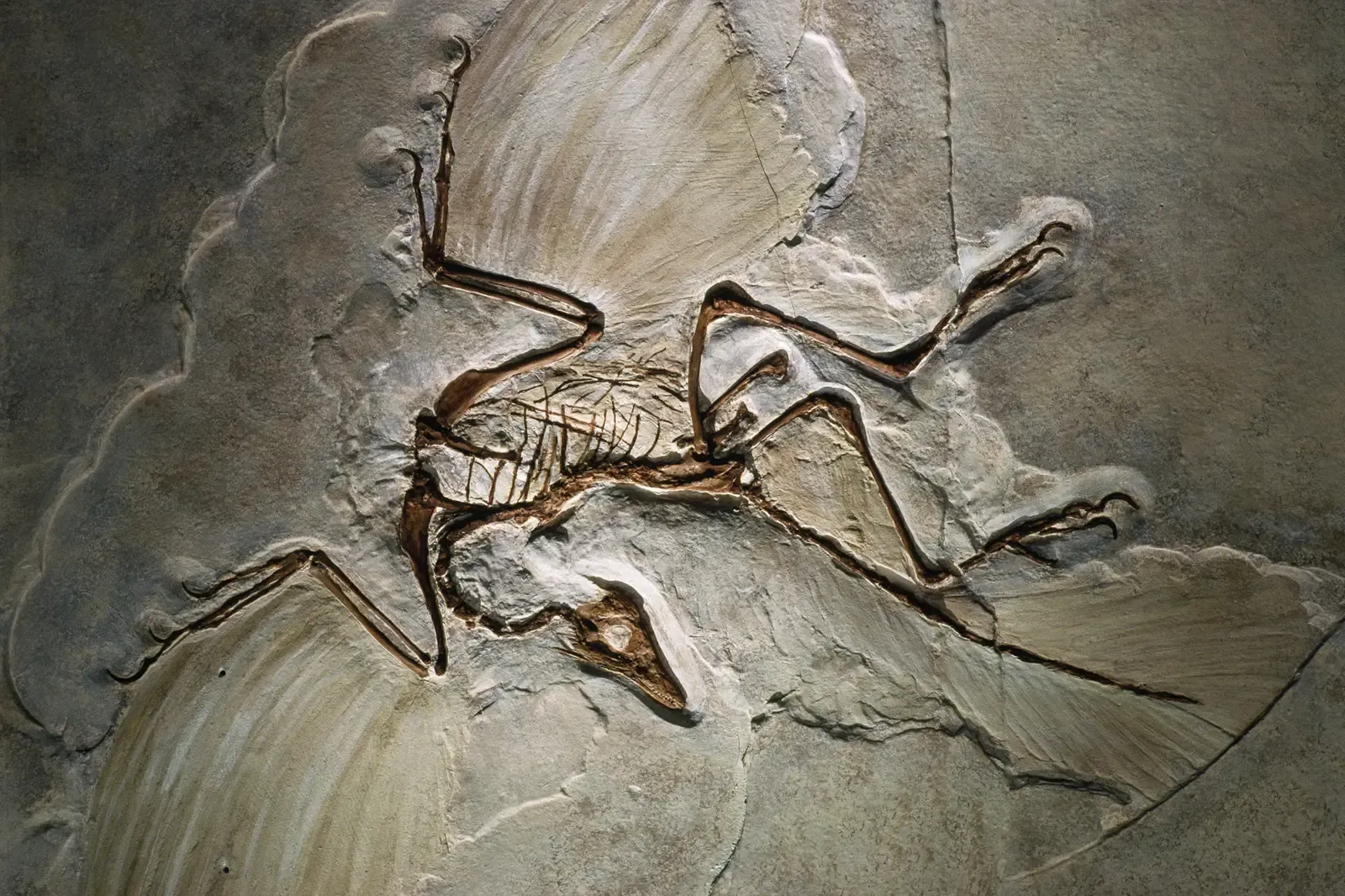
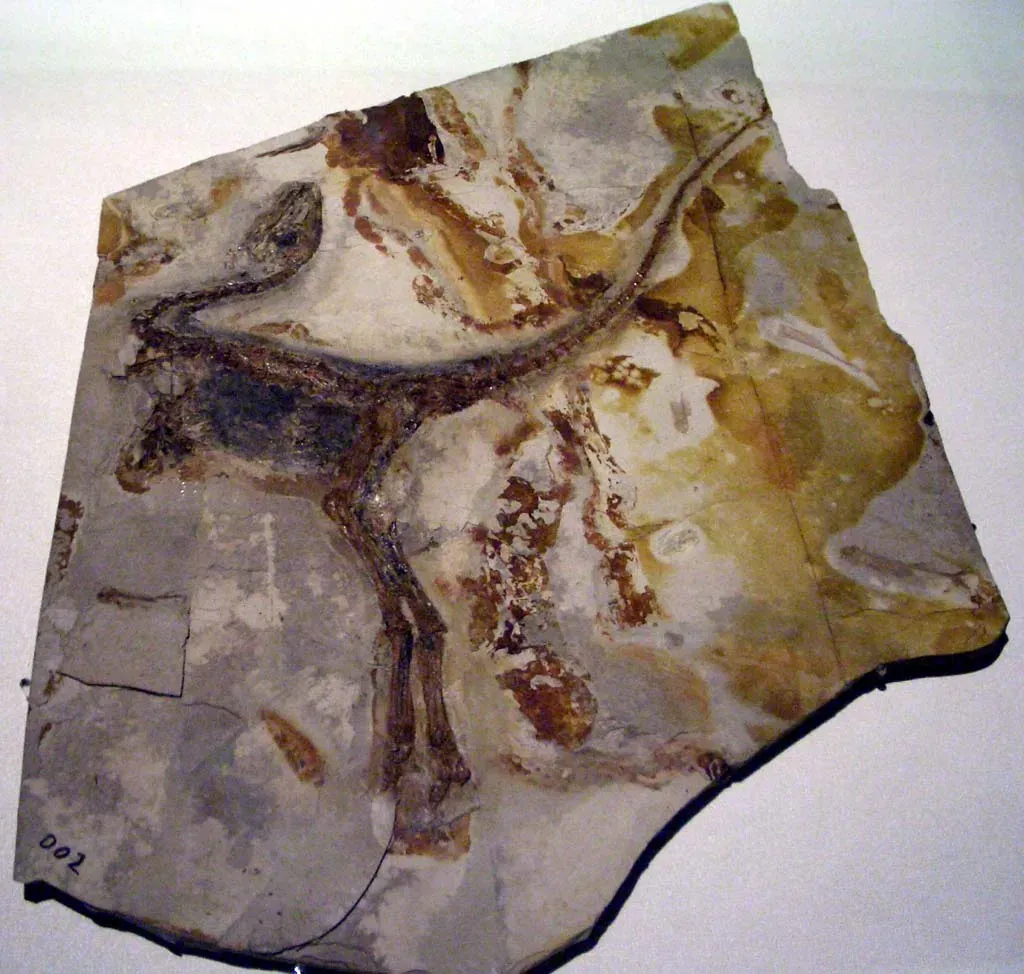
Few scientific moments in recent memory rival the unveiling of the Chicago Archaeopteryx, the 14th known specimen of what many consider the world’s most important fossil species. A joint Chinese-American research team announced the discovery and scientific description of this specimen, known as the Chicago Archaeopteryx. Owing to its exceptional and exquisite preservation, the team was able to use advanced techniques like high-resolution CT scanning and 3D reconstruction to investigate the skeletal, soft tissue, and feather structures in unprecedented detail.
Researchers published a description of the pigeon-size specimen in the journal Nature, reporting that ultraviolet light and computed tomography scans had revealed soft tissues and structures never seen before in this ancient bird. Among the revelations: researchers detected the first evidence in Archaeopteryx of a group of flight feathers called tertials, which grow along the humerus between the elbow and the body and are an important component of all powered flight in modern birds. Since the 1980s, scientists had hypothesized that Archaeopteryx had tertials due to the length of its humerus. But this was the first time such feathers had been found in an Archaeopteryx fossil. I know it sounds like a small detail. It isn’t.
Tertial Feathers and What They Tell You About the Birth of Flight
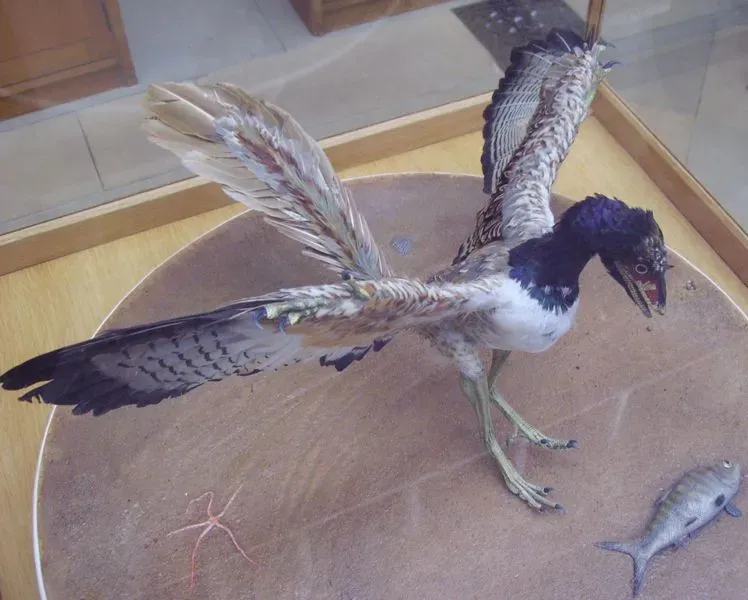
Tertial feathers are one of those topics that sounds deeply technical until you realize they might be the key to understanding how some of the most spectacular animals in evolutionary history first took to the skies. The Chicago Archaeopteryx is the first Archaeopteryx known to preserve tertials, which attach to the humerus and ulna and occupy the space between the wing and the body. These feathers are thought to contribute to a continuous aerodynamic surface during flight. Since such structures have never been observed in any non-avian feathered dinosaur, their presence in Archaeopteryx suggests they may represent a flight-related innovation, highlighting the evolutionary step toward powered flight.
It’s a bit like discovering the missing piece of an engineering blueprint that was drawn 150 million years ago. Modern flying birds all have tertials, while nonavian feathered dinosaurs, including Anchiornis, didn’t have them. This suggests that tertials might have been a key advance in the evolution of feathered flight. The absence of tertials in all nonflying dinosaurs is one piece of evidence that supports the idea that flight evolved multiple times. That last point, honestly, might be one of the most stunning conclusions to emerge from any single fossil in years.
New Species Keep Coming: The 2025 Feathered Dinosaur Boom
If you think this is all ancient history, you’d be wrong. The pace of discovery right now is extraordinary. Around 1,400 dinosaur species are now known from more than 90 countries, with the rate of discovery accelerating in the last two decades. The year 2025 alone saw the discovery of 44 new dinosaur species, nearly one a week. Roughly one new species every seven days. That’s not a slow-moving science. That’s an avalanche.
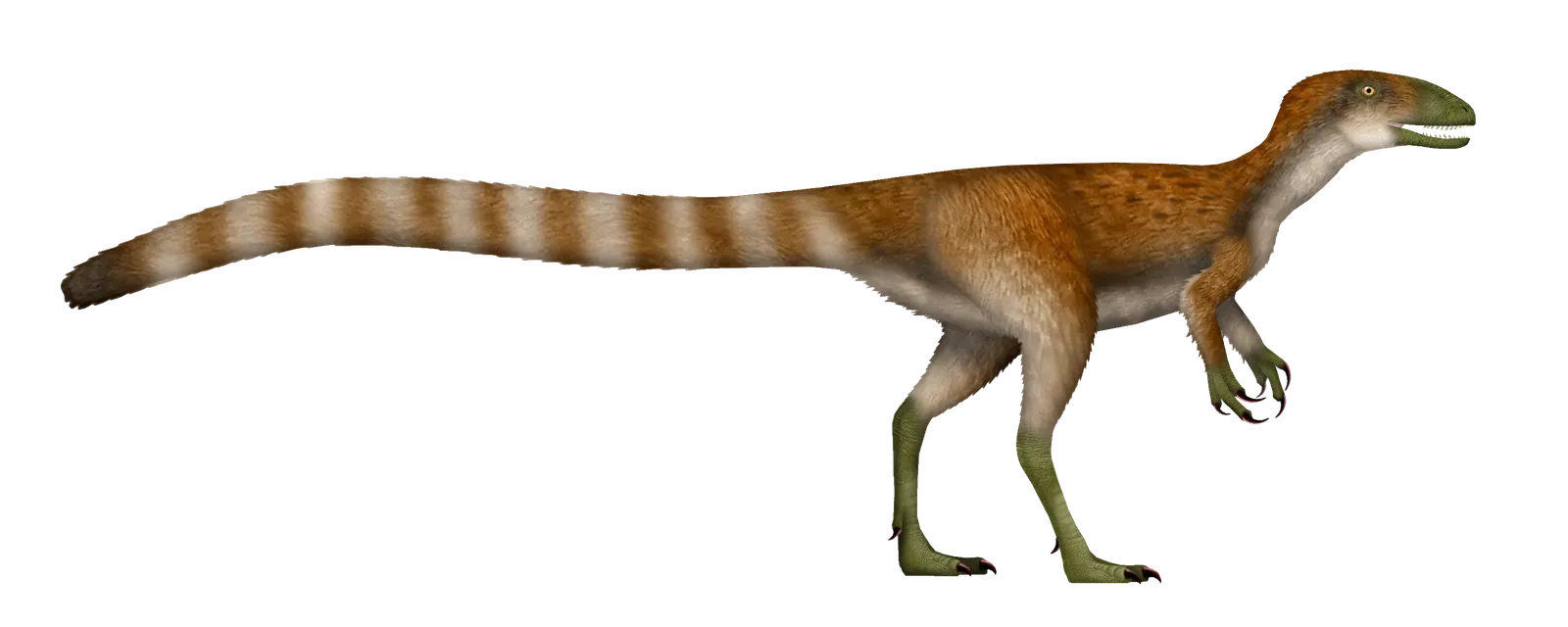
Among the 2025 highlights, two newly described feathered species grabbed particular attention. Among the additions were two feathered dinosaurs, Sinosauropteryx lingyuanensis and Huadanosaurus sinensis, described together. Feathered theropods, mostly meat-eating dinosaurs with bird-like legs, lived about 125 million years ago in northeastern China. One fossil preserved two mammal skeletons inside the abdomen, showing the predator swallowed its prey whole before burial locked the details in stone. That’s not just a fossil. That’s a last meal, preserved for over a hundred million years.
Reading Colors From Ancient Feathers: The Melanosome Breakthrough
Here’s where the science gets genuinely mind-blowing. For most of paleontology’s history, the idea of knowing what color a dinosaur’s feathers were seemed laughably impossible. Then researchers discovered that fossilized melanosomes, the tiny organelles responsible for pigmentation, can survive in stone across millions of years. Fossil melanin and fossil melanosome organelles that produced melanin have made it possible to reconstruct dinosaur color patterns, evidencing fundamental but previously elusive behaviors like camouflage.
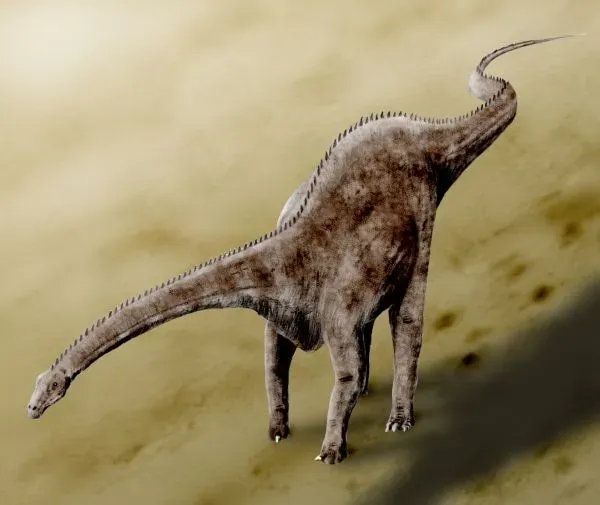
Dinosaur coloration is generally one of the unknowns in the field of paleontology, as skin pigmentation is nearly always lost during the fossilization process. However, studies of feathered dinosaurs and skin impressions have shown the color of some species can be inferred through the analysis of color-determining organelles known as melanosomes preserved in fossilized skin and feathers. In late 2025, this technique was extended to sauropods for the first time. Before that study, there had been no evidence indicating color patterning in sauropods. Tess Gallagher and colleagues at the University of Bristol obtained fossil skin samples from a juvenile Diplodocus found at the Mother’s Day Quarry in Montana, analyzed the samples using scanning electron microscopy and elemental mapping, and confirmed the presence of carbon-rich layers associated with melanosomes.
Feathers as Display: When Beauty Drove Evolution
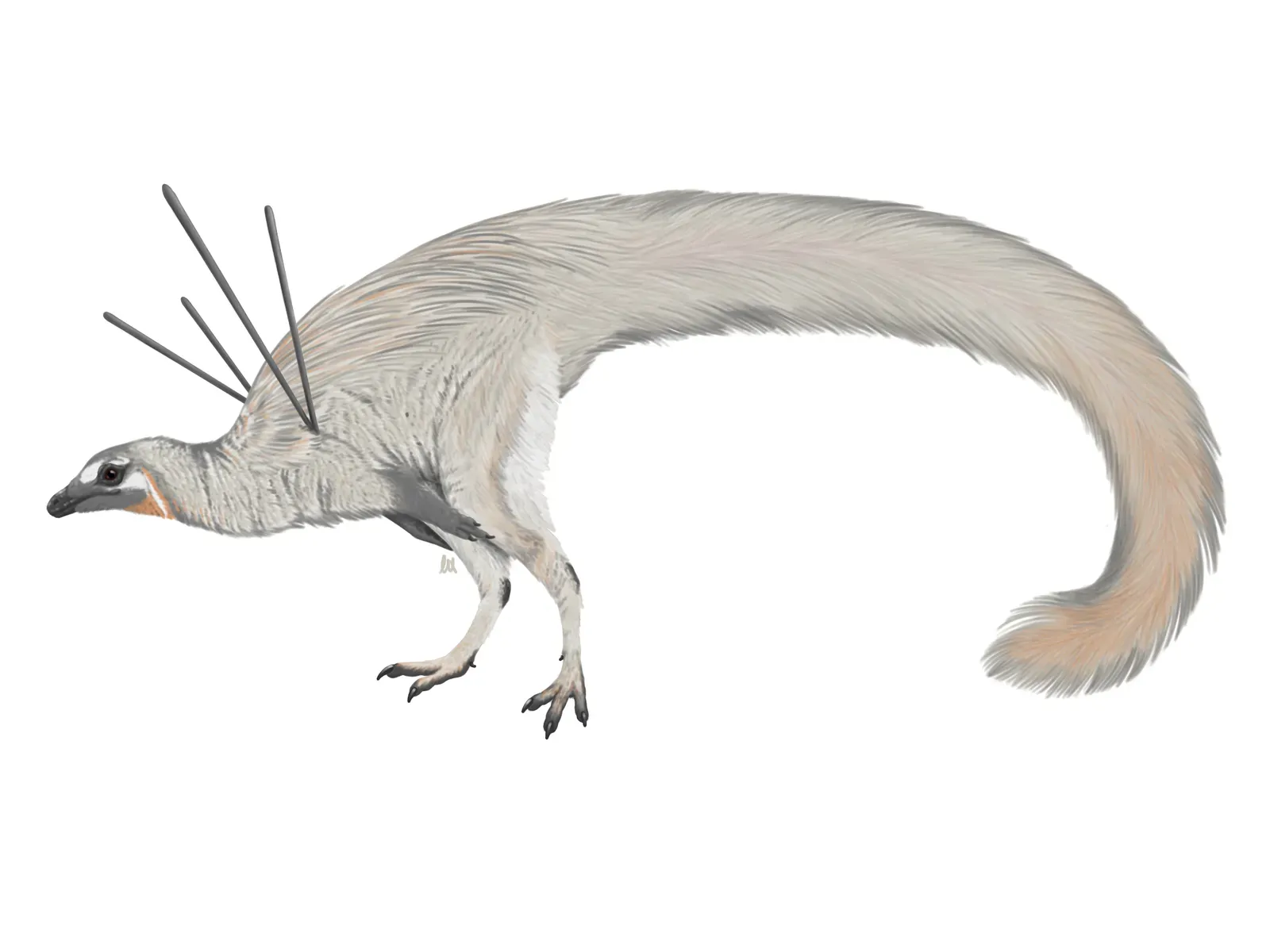
It’s easy to think of feathers as purely functional, as insulation or flight tools. The fossil record, however, tells a far more colorful story. There is an increasing body of evidence that supports the display hypothesis, which states that early feathers were colored and increased reproductive success. Coloration could have provided the original adaptation of feathers, implying that all later functions of feathers, such as thermoregulation and flight, were co-opted. This hypothesis has been supported by the discovery of pigmented feathers in multiple species.
Consider the Brazilian species Ubirajara jubatus, a feathered dinosaur that wore its plumage like jewelry. Paleontologists described Ubirajara jubatus, a small feathered dinosaur from Cretaceous deposits in Brazil. It had ornate, ribbon-like display feathers projecting from its shoulders and a distinctive mane-like covering along its back, the first such structures found in a non-avian dinosaur from South America. The discovery also sparked international debate regarding fossil ownership, underscoring the broader ethical and cultural questions intertwined with modern paleontology. The fact that a creature millions of years dead could still ignite an international argument says a lot about just how powerful these discoveries really are.
The Biggest Giants Are Still Out There Waiting to Be Found
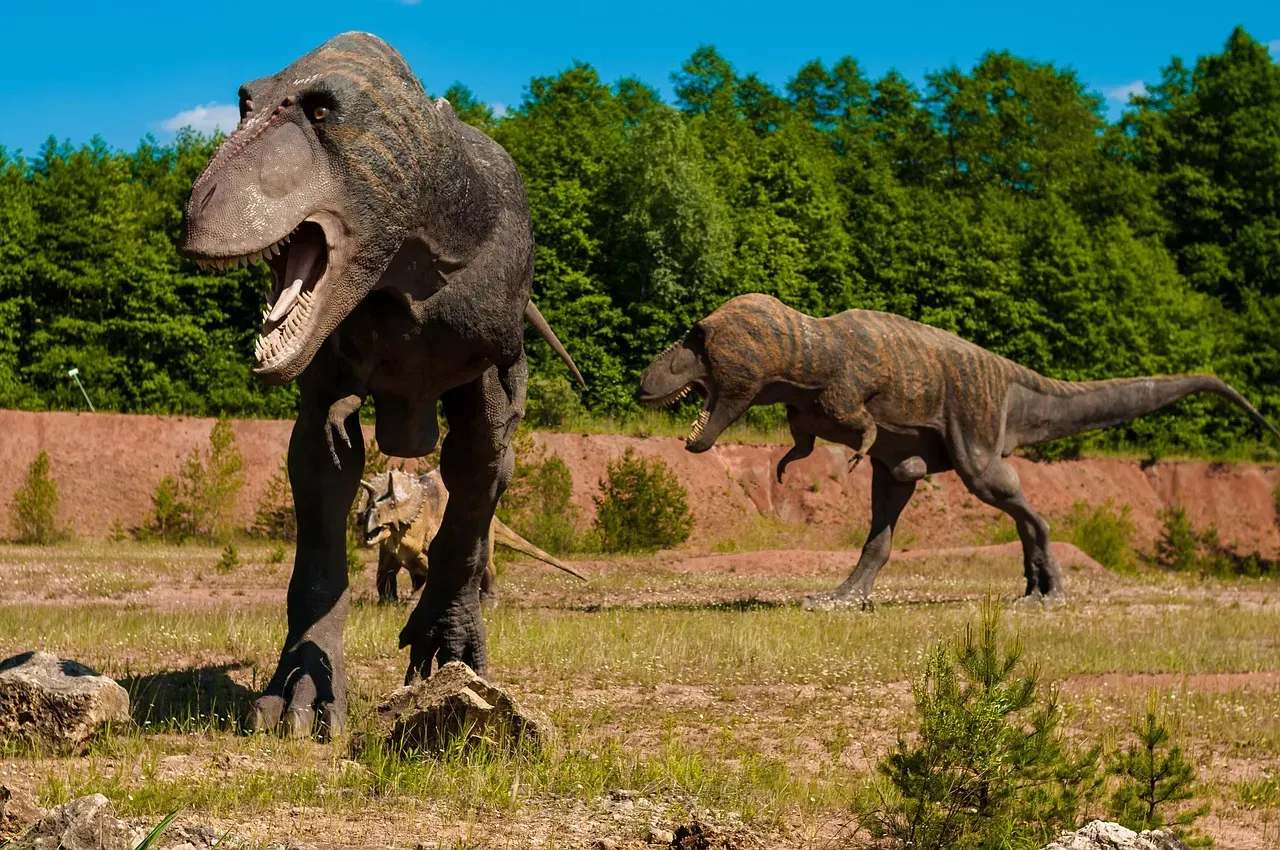
Perhaps the most humbling conclusion to emerge from modern paleontology is this: we haven’t found the biggest ones yet. Given the incomplete nature of the fossil record and the way dinosaurs lived, it’s unlikely that paleontologists have found the largest individuals of any given species. Using Tyrannosaurus rex as a model, paleontologists have estimated that much more massive dinosaurs are still awaiting discovery. Think of it like knowing the ocean exists but having only sampled a few teaspoons of its water.
Paleontologists have certainly found some big T. rex, about 40 feet long and estimated to weigh about nine tons. By modeling a virtual T. rex population, using information from modern alligators to outline variation between individuals and growth, a new Ecology and Evolution study anticipates that some T. rex were likely up to 70 percent more massive than any found so far. These giants were very rare, in the 99.99th percentile of body size for the species, and may take hundreds if not thousands of years to uncover based on the current rate of fossil searches. Somewhere in the rocks of this planet, a feathered giant beyond anything we’ve imagined is still waiting. That thought alone should keep you up at night, in the best possible way.
Conclusion
Paleontology is one of those rare sciences where the ground literally holds the answers, and every new layer of rock peeled back has the potential to rewrite what we thought we knew. From the massive feathered frame of Yutyrannus huali to the microscopic melanosomes inside a juvenile Diplodocus’s skin, the evidence is clear: were real, they were spectacular, and they were far more complex and visually stunning than any monster movie ever dared to imagine.
What strikes me most is the relentless momentum of it all. Nearly one new dinosaur species every week in 2025 alone. Advanced imaging unlocking secrets hidden inside fossils for 150 million years. The realization that the biggest specimens haven’t even been found yet. This isn’t a field wrapping up loose ends. It’s a science in full, breathtaking stride. The prehistoric world is still being discovered, piece by feathered piece. And honestly, doesn’t that make you wonder what jaw-dropping find is sitting in the rock right now, waiting for just the right pair of eyes?