Imagine spending your entire career convinced you understood something, only to have a single rock chip away your certainty in an afternoon. That is essentially what happens in paleontology – over and over again. Every decade, sometimes every year, new fossils crawl out of the ground and quietly tear apart everything scientists thought they knew about life on this planet.
It is a field that refuses to stand still. From the deserts of Patagonia to the cliffs of southwestern China, the Earth is constantly offering up new evidence, and researchers are scrambling to make sense of it. The story of ancient life is not a finished book – it is a living manuscript still being written in stone and bone. Let’s dive in.
The Cambrian Explosion Just Got a Lot More Complicated
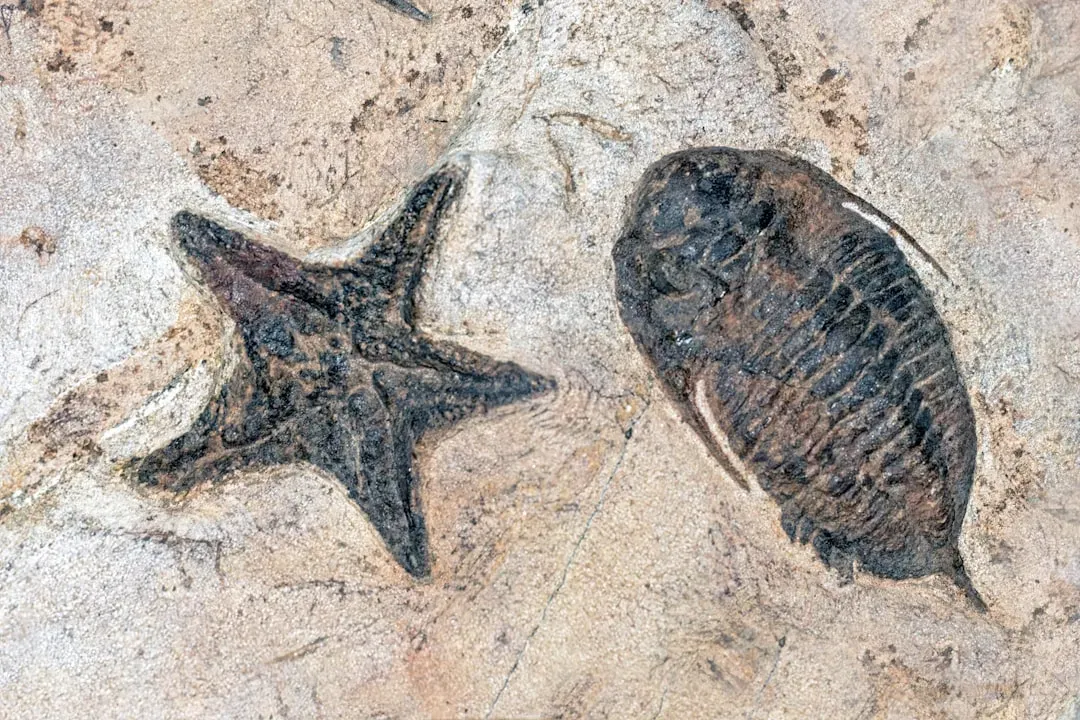
For generations, scientists held firm to a foundational belief: complex animal life exploded onto the scene during the Cambrian period, roughly 535 million years ago. It was textbook stuff. Then came the fossils of the Jiangchuan Biota, unearthed in southwestern China, and things got very interesting very quickly. Preserved in exquisite detail from a site in southwestern China, these newly found fossils offer a peek at a time in Earth’s distant past called the Ediacaran, and the discovery suggests that complex animals, perhaps even ancestors of all vertebrates, were around millions of years earlier than once thought.
For the first time, scientists have highly detailed examples of animals from the latter part of the Ediacaran, and what an international team of researchers saw suggests that complex animal life arose around between 554 million and 539 million years ago, at least 4 million years before the Cambrian. Think about that. The timeline you learned in school? It may need a serious rewrite. It indicates that the Cambrian explosion may have been more gradual – or, as researcher Dunn puts it, the finding “defuses the Cambrian explosion.”
The Fossils That Blurred Two Geological Worlds
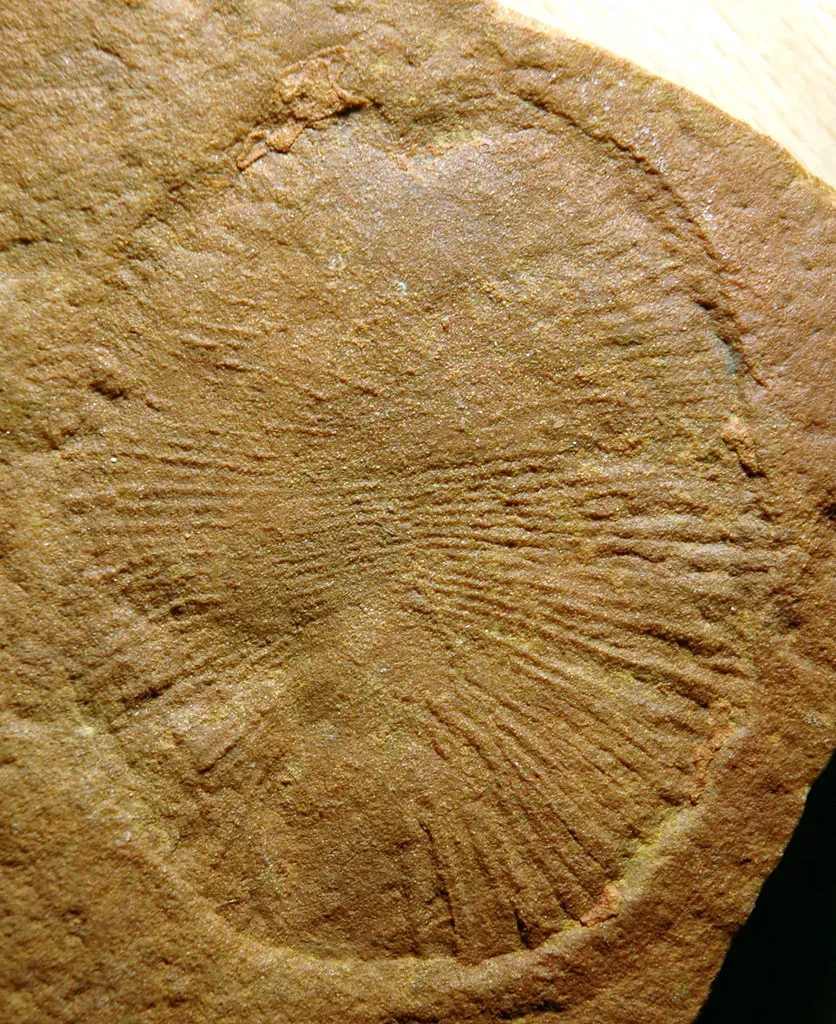
Scientists from Oxford University’s Museum of Natural History, the Department of Earth Sciences, and Yunnan University uncovered a remarkable fossil site in southwest China known as the Jiangchuan Biota, which contains more than 700 fossil specimens dating back between 554 and 539 million years. What makes this find so stunning is not just the age, but what these creatures actually looked like. They were bizarre by any standard, honestly. Among the creatures preserved were goblet-shaped organisms resembling sea jelly relatives, complete with tiny arm-like appendages, and researchers also recovered plump, legless animals with a sausage-like appearance alongside elongated worm-shaped creatures equipped with flat disc structures that anchored them to the ancient seafloor.
Scientists noted it was a fairly unusual situation to have a mixture of Ediacaran-style and Cambrian-style organisms in a single locality, essentially blurring the boundaries between what are Ediacaran and Cambrian life-forms. You can imagine it like finding 1920s automobiles parked next to Roman chariots – two worlds colliding in one snapshot. What makes these fossils particularly valuable is their exceptional state of preservation; the boneless organisms were rapidly buried and compressed between rock layers, creating detailed two-dimensional impressions of their soft tissues.
Nanotyrannus: A Tyrant Hidden in Plain Sight for Decades
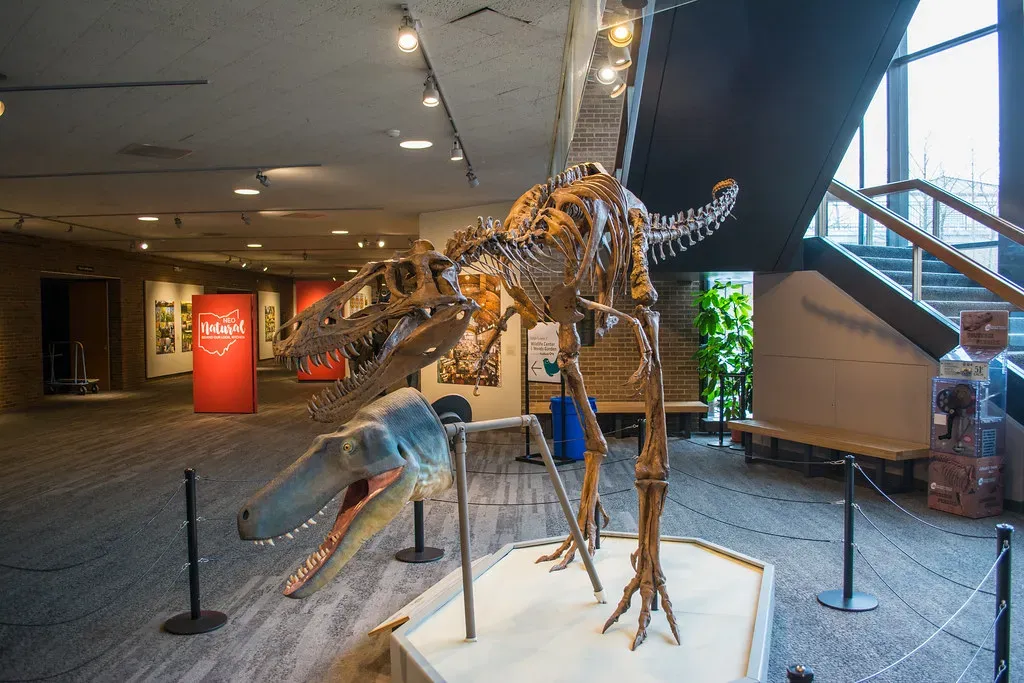
Few debates in paleontology have been as long-running, as heated, or as surprisingly personal as the question of Nanotyrannus. Was it a distinct species, or simply a teenage T. rex? The scientific world was split for nearly three decades. For decades, Nanotyrannus lancensis occupied one of the most controversial footnotes in dinosaur science, frequently dismissed as a juvenile T. rex, but in 2025, new histological sampling and skeletal comparisons from the famous “Dueling Dinosaurs” specimen demonstrated that Nanotyrannus was not an immature rex, but a separate, fully grown tyrannosaur.
Dr. James Napoli is an evolutionary biologist and vertebrate paleontologist at Stony Brook University who spent years investigating one of science’s most heated debates, and in a historic Nature paper in October 2025, Dr. Napoli and his team provided the definitive answer by examining over 200 tyrannosaur fossils and using cutting-edge 3D modeling to prove that Nanotyrannus is a real, distinct species, not just a young T. rex. Here’s the thing – for thirty years, scientists were essentially modeling T. rex growth using bones that belonged to a completely different animal. It is a humbling reminder that even the most studied fossils can still surprise you.
The Archaeopteryx That Changed How We Understand Flight
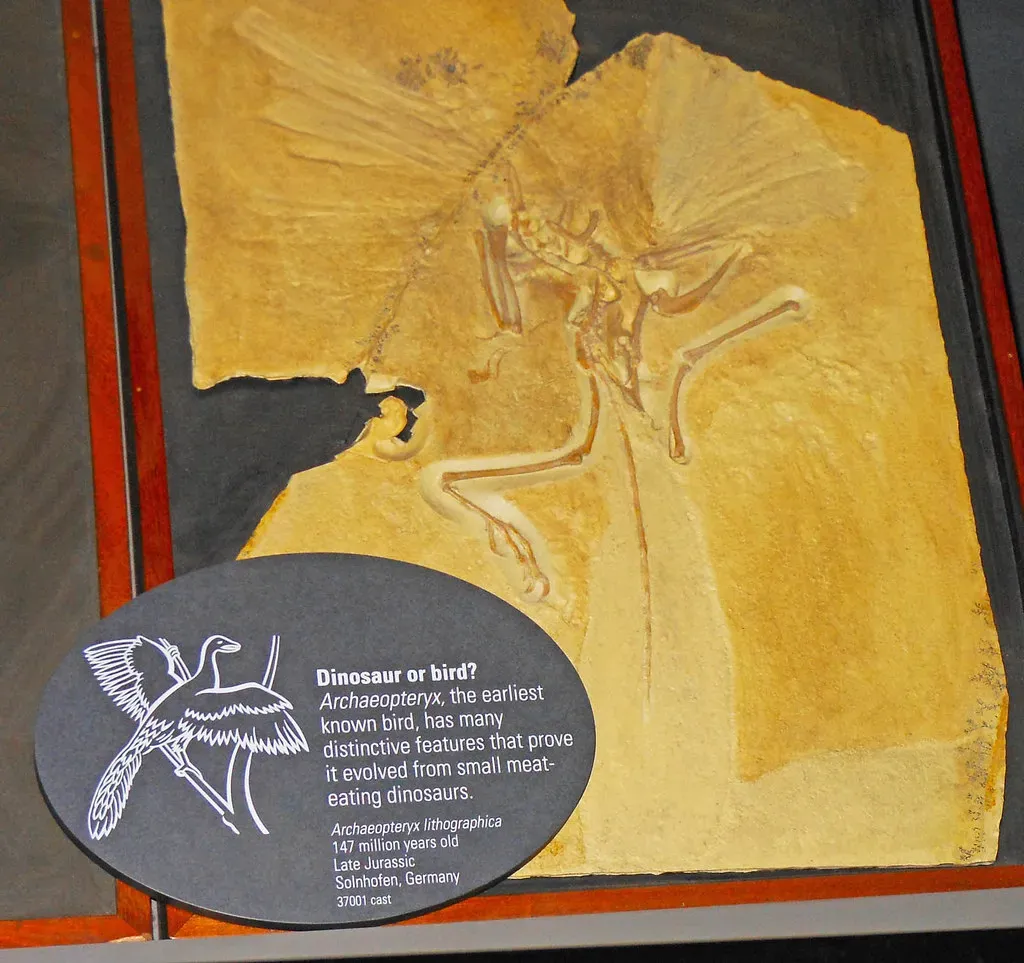
You probably know Archaeopteryx as the iconic “missing link” between dinosaurs and birds. Scientists have known about it for over 150 years. So you might think there is nothing new left to learn. You would be wrong. An exceptionally well preserved and complete fossil of Archaeopteryx, Earth’s most ancient bird, is offering new clues to how flight took off in birds, and the 150-million-year-old fossil, nearly 100 percent complete and not crushed by postmortem geologic pressures, was preserved with wings outstretched and contains the imprints of soft tissues like feathers and skin.
Among other reveals, the wings show the bird had tertials, a type of specialized inner feathers on its upper arms, which is a feature of modern flying birds but not nonavian feathered dinosaurs, and it also had mobile digits on its hands, supporting a hypothesis that Archaeopteryx wasn’t just able to fly but may have been able to climb trees. So the creature we thought we knew so well was apparently a climber and a flier. That is not a small detail – it fundamentally shifts how scientists think about the earliest chapters of avian evolution.
Molecular Paleontology: Reading the Language of Ancient Biology

For most of human history, fossils were purely about shape. About bones and shells and the impressions left in rock. But paleontology in the modern era is pushing far beyond anatomy into territory that would have seemed like science fiction just a generation ago. Scientists extracted and sequenced ancient RNA from 39,000-year-old woolly mammoth tissues in 2025, which was a breakthrough because RNA degrades much faster than DNA and almost never fossilizes, and this marks one of the first successful recoveries of gene-expression material from deep time, because RNA reveals physiology, gene regulation, and cellular activity that DNA alone cannot show.
This milestone pushes paleontology beyond anatomy into molecular biology, allowing future researchers to ask questions about metabolism, cold adaptation, and cellular stress in Pleistocene megafauna, and it also validates that under exceptional conditions, short-lived biomolecules can survive for tens of thousands of years, opening new frontiers in molecular paleontology. Think of it this way: before, we were reading the cover of a book. Now, for the first time, we are actually getting to flip through the pages. Researchers have also uncovered thousands of preserved metabolic molecules inside fossilized bones millions of years old, offering a surprising new window into prehistoric life.
Our Earliest Ancestors Were Not Alone – And Human Evolution Is Far Messier Than You Think
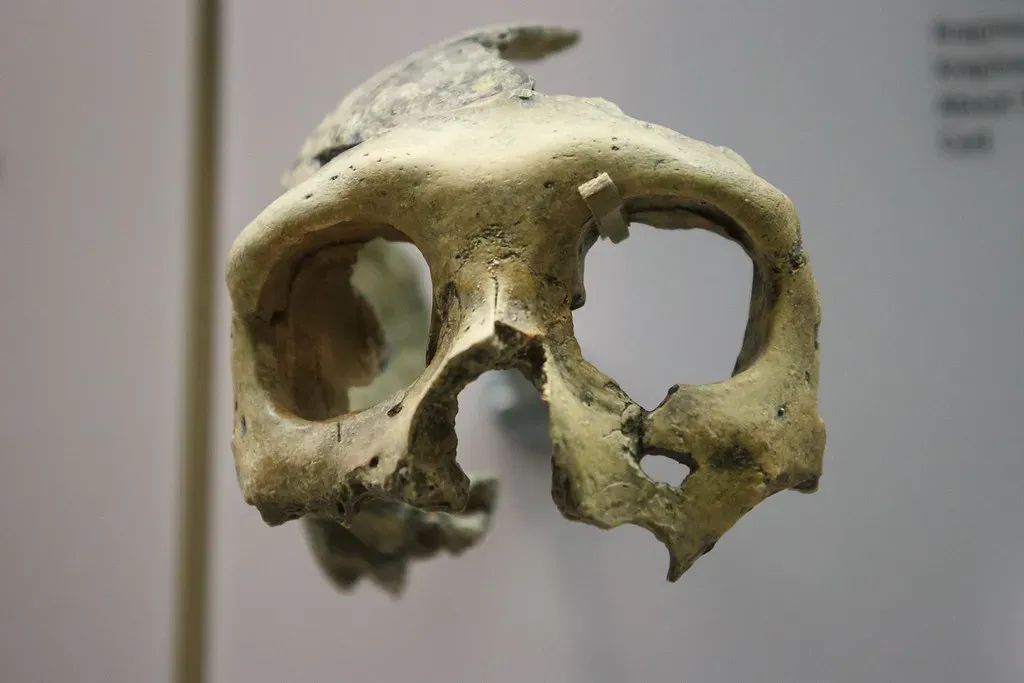
The popular image of human evolution as a neat, single-file march from ape to modern human has been thoroughly dismantled in recent years. The fossil record keeps insisting that the real story was wilder, more tangled, and frankly far more interesting. A team of international scientists has discovered new fossils at a field site in Africa that indicate Australopithecus and the oldest specimens of Homo coexisted at the same place in Africa at the same time, between 2.6 million and 2.8 million years ago, and the paleoanthropologists discovered a new species of Australopithecus that has never been found anywhere.
Scientists may have also cracked the case of whether a seven-million-old fossil could walk upright, and a new study found strong anatomical evidence that Sahelanthropus tchadensis was bipedal. Meanwhile, scientists have digitally reconstructed the face of a 1.5-million-year-old Homo erectus fossil from Ethiopia, uncovering an unexpectedly primitive appearance. Every one of these discoveries chips away at the idea of a single clean lineage. Honestly, human evolution looks less like a ladder and more like a jungle gym, with creatures branching, overlapping, and disappearing in all directions.
Dinosaurs Were Thriving Right Up Until the End
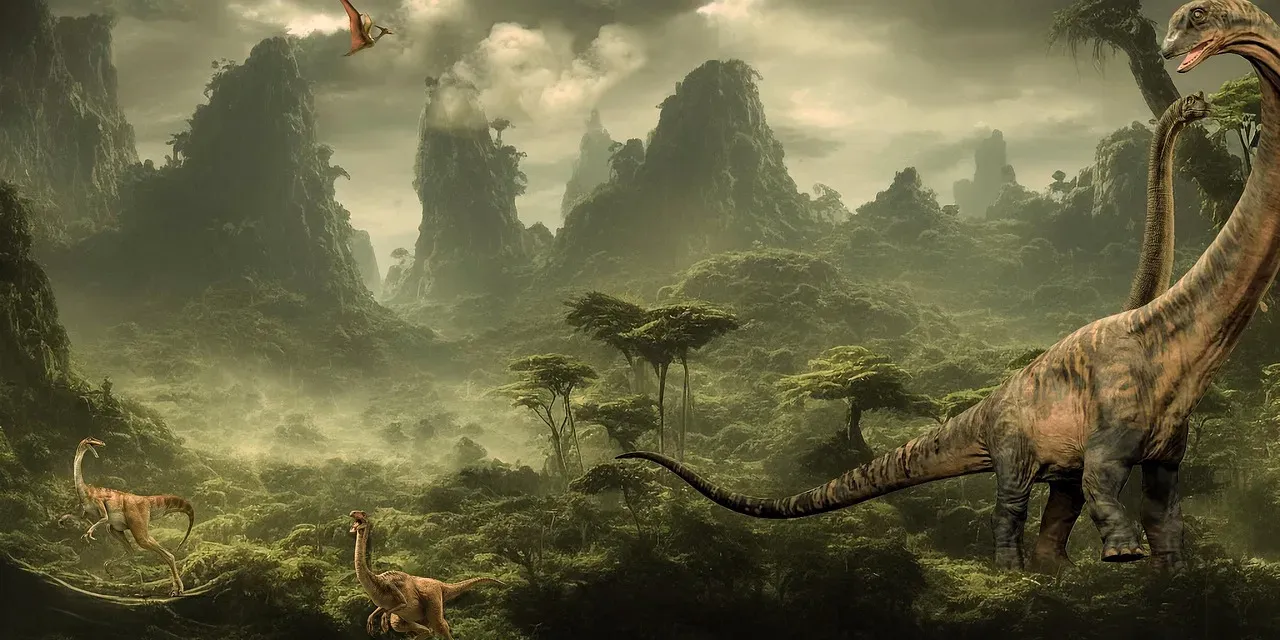
Here is a question worth sitting with: were the dinosaurs already on their way out before that famous asteroid hit? For years, some scientists argued they were in decline. The fossil record, it turns out, had a very different story to tell. Dinosaurs weren’t dying out before the asteroid hit – they were thriving in vibrant, diverse habitats across North America, and fossil evidence from New Mexico shows that distinct communities of dinosaurs existed until the very end.
There has been a long debate over whether or not the dinosaurs were slowly going extinct prior to the asteroid, or if this main event singularly did them in, and new finds in New Mexico reveal a species-rich and diverse dinosaur ecosystem thriving literally just before the impact, with research revealing that the dinosaurs might have kept going if space hadn’t intervened. It is a sobering thought. A thriving, complex world, ended in what geologists describe as an instant. Dinosaurs may be long extinct, but 2025 made it abundantly clear that they’re anything but settled science, with new fossils, reanalyses of famous specimens, and increasingly sophisticated tools continuing to upend what we thought we knew about how these animals lived.
Technology Is Transforming How We Read the Fossil Record
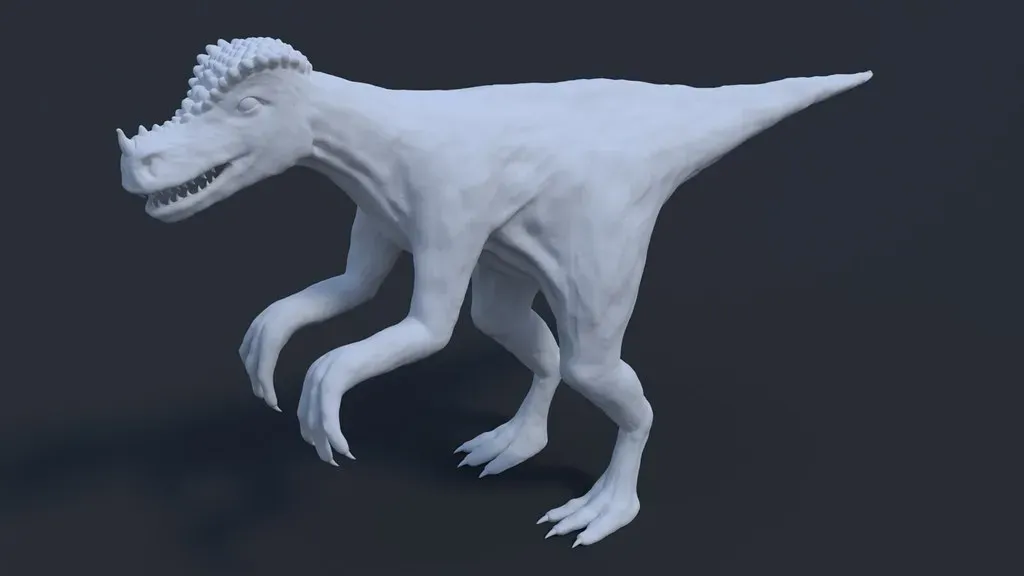
It is not just new fossils driving the revolution in paleontology. The tools scientists bring to existing fossils have transformed the entire discipline. CT scanning, AI analysis, molecular sampling, machine learning – the modern paleontologist’s toolkit looks nothing like it did even twenty years ago. A new AI app called DinoTracker analyzes photos of fossil tracks and predicts which dinosaur made them, with accuracy rivaling human experts. That kind of tool opens up possibilities that would once have required years of specialist analysis.
The patchy fossil record makes it difficult for paleontologists to draw an accurate picture of the extent of past biodiversity and to understand how it has changed over time, and a study led by researchers from the University of Fribourg shows how artificial intelligence can make this task easier. Meanwhile, traditional fossil prospecting is slow and ground-intensive, but using lichens as natural fossil flags allows for faster and less invasive surveys, and the method could change how paleontologists scout fossil-bearing formations in remote regions, improving discovery efficiency and reducing environmental disturbance. Science is not just digging faster – it is digging smarter, and the results are remarkable.
Conclusion: The Ground Beneath Your Feet Is Still Talking
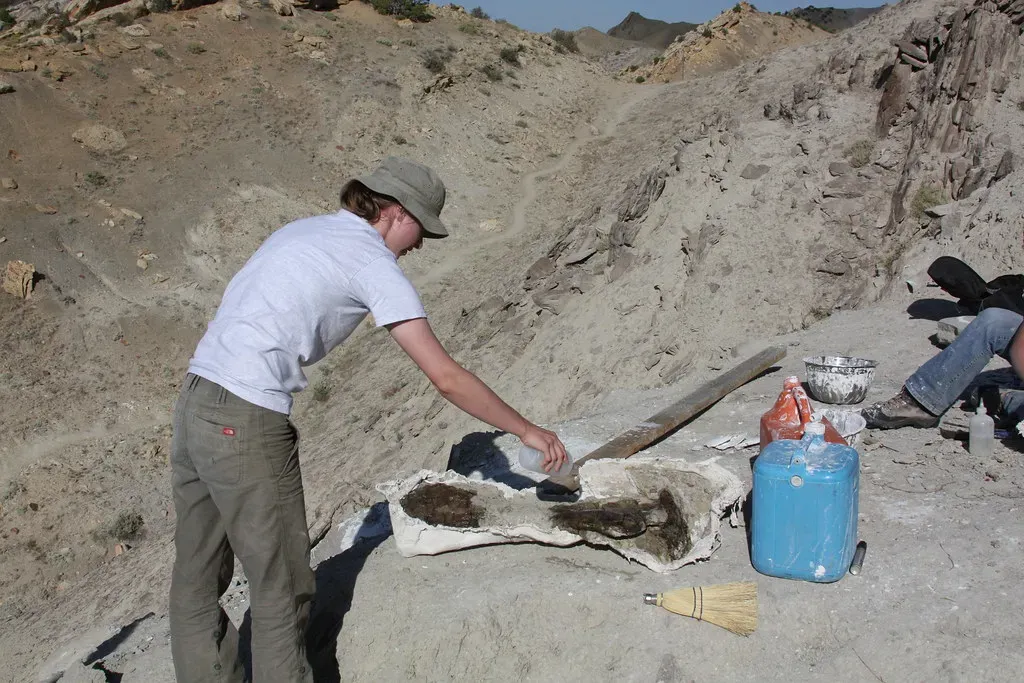
Paleontology is one of those fields that rewards patience in the most spectacular way. You can spend ten years at a dig site and then, in a single season, uncover something that rewrites a chapter of Earth’s biography. Paleontology continues to prove that Earth still holds extraordinary stories in stone, amber, and microscopic cellular archives, with fossil finds and scientific breakthroughs capturing global attention, reshaping evolutionary family trees, and revealing ancient behavior, reminding us that fossils are not just relics of form, but time capsules of ecology, motion, and biology at every scale.
What strikes you when you step back and look at all of this together is just how provisional our knowledge really is. Every generation of scientists inherits what they think is a nearly complete picture, only to discover the canvas is far larger than anyone imagined. The Cambrian explosion defused, the Nanotyrannus debate settled, ancient RNA extracted, our human ancestors multiplying and overlapping in ways we never expected – all of this in just the past couple of years alone.
The Earth, it turns out, is not done telling its story. And scientists, armed with better tools and bolder questions than ever before, are finally learning how to truly listen. What discovery do you think will shake the foundations of paleontology next? Tell us in the comments.